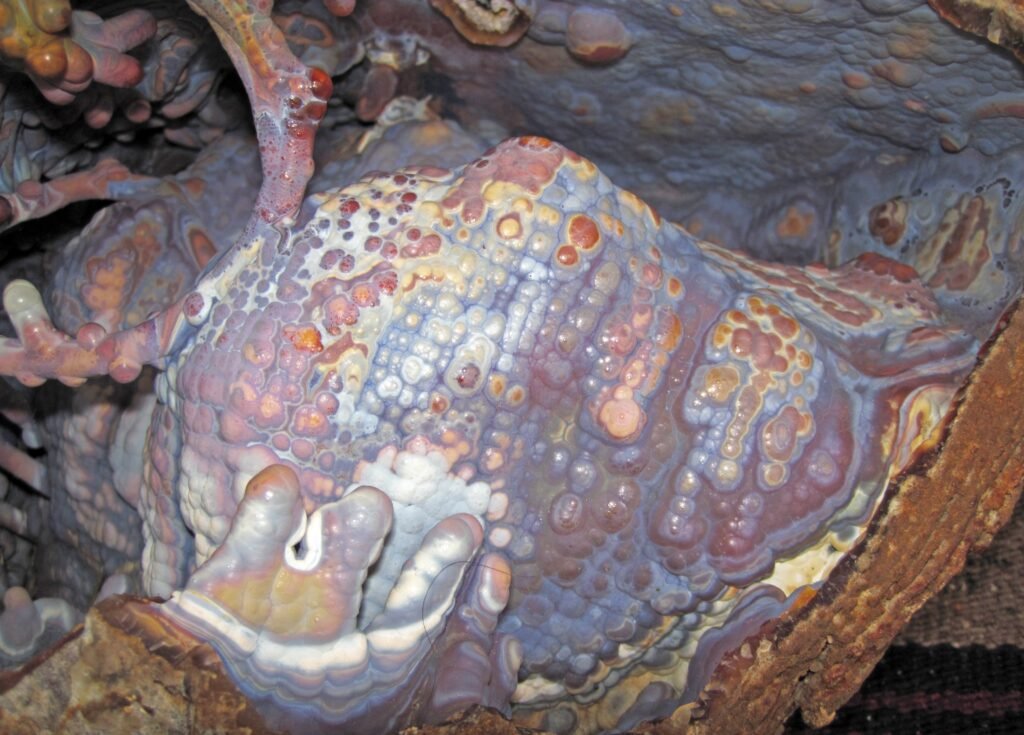

Hidden deep within fossilized coral skeletons lies a chilling story that stretches back hundreds of millions of years. A breakthrough in nuclear imaging is unlocking coral fossils to reveal 600,000 years of reef and climate evolution. Now, a breakthrough by a University of Sydney Ph.D. student promises to unlock those long-lost records with remarkable precision. These ancient time capsules are rewriting everything we thought we knew about Earth’s earliest climate disasters.
Fossils aren’t just remnants of ancient life; they act as incredibly informative windows into Earth’s past, particularly when it comes to understanding how climate has shifted over millennia. Each fossilized organism – be it a tiny plankton, a colossal dinosaur, or a lush fern – offers clues about the environmental conditions in which it thrived. You’re about to discover how these prehistoric coral archives are revealing climate upheavals that reshaped life on our planet. Let’s dive into the startling revelations that challenge our understanding of climate stability.
The Secret Language of Coral Time Capsules
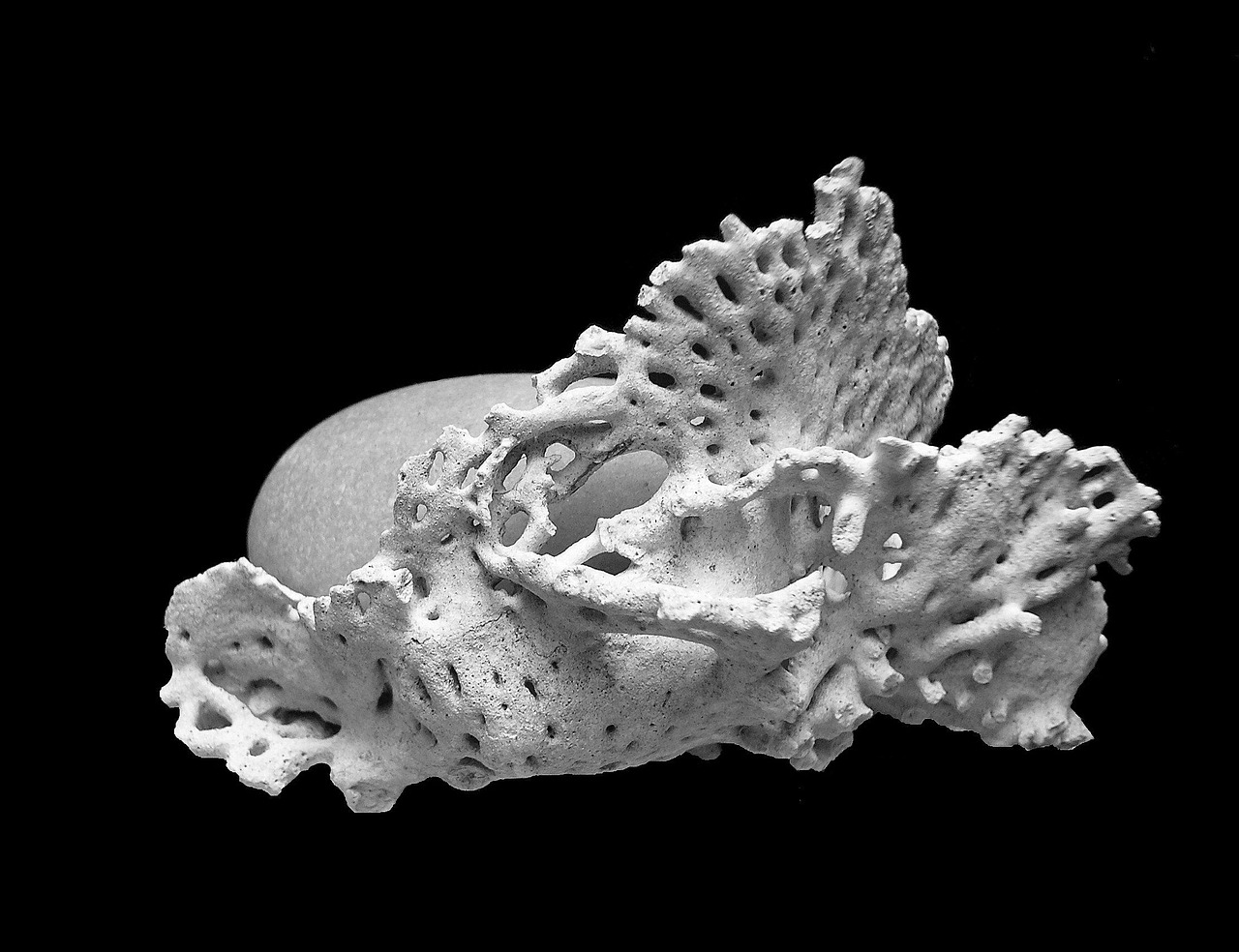
Among them, coral fossils serve as delicate time capsules, recording the rise and fall of ancient seas. The study reveals fine details within the coral’s structure without damaging it, offering a fresh window into Earth’s climate history. These remarkable organisms created their own permanent record of environmental conditions by building their skeletons from a mineral called aragonite. Think of each coral as nature’s most dedicated climate journalist, faithfully recording temperature, acidity, and sea level changes year after year.
Corals build skeletons from aragonite, a mineral that gradually transforms into calcite over time. This natural change often erases critical chemical information about the ocean’s temperature and chemistry when the coral grew. Scientists faced a major challenge because this transformation destroys the very information they need most. However, recent breakthroughs have changed everything about how researchers can read these ancient climate records.
Revolutionary Neutron Technology Unlocks Ancient Secrets
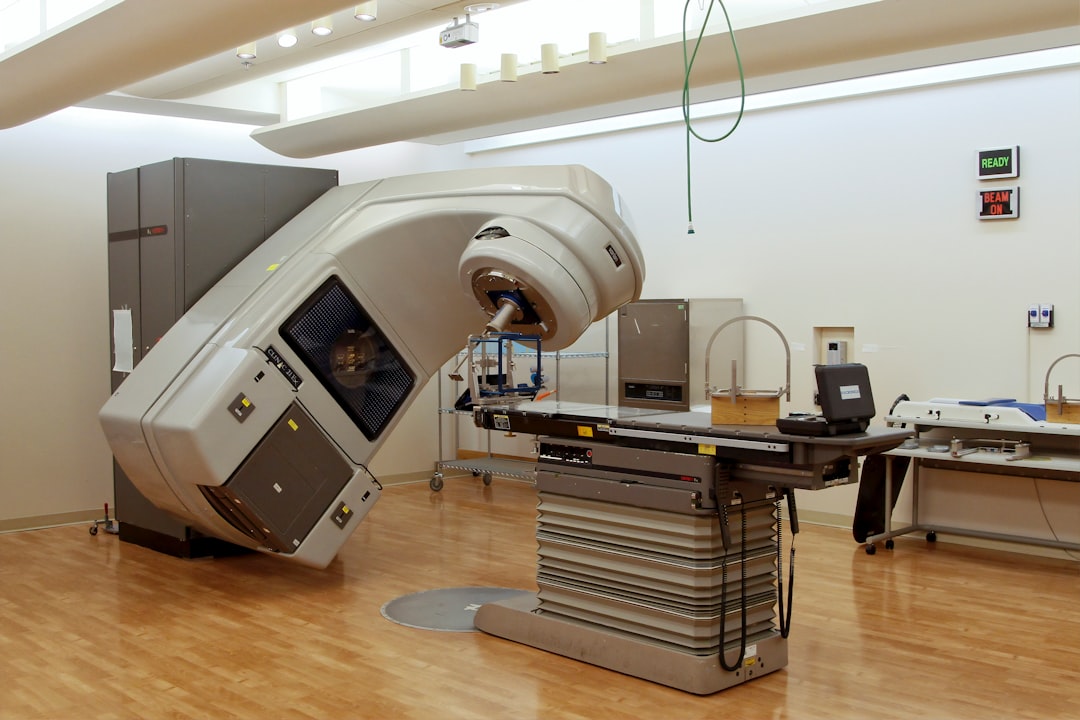
Carra Williams, working with the Australian Nuclear Science and Technology Organisation (ANSTO), used neutron computed tomography (NCT) to study coral fossils in three dimensions. Williams and her team used neutron computed tomography at ANSTO’s DINGO imaging instrument to locate surviving pockets of original aragonite inside damaged fossils. This cutting-edge technique works like a medical CT scan, except it uses neutrons to peer inside fossils without destroying them.
In simple terms, NCT directs beams of neutrons from ANSTO’s OPAL research reactor through coral fossils, creating detailed internal images much like medical CT scans. These images expose hidden mineral structures that X-rays cannot detect. The technology has been revolutionary because it can find preserved sections of coral that still contain the original climate signals. The scans revealed untouched aragonite zones inside fossils thought too weathered for study. “This is like finding intact pages in an otherwise weathered book,” said Williams.
The Great Dying: Earth’s Most Catastrophic
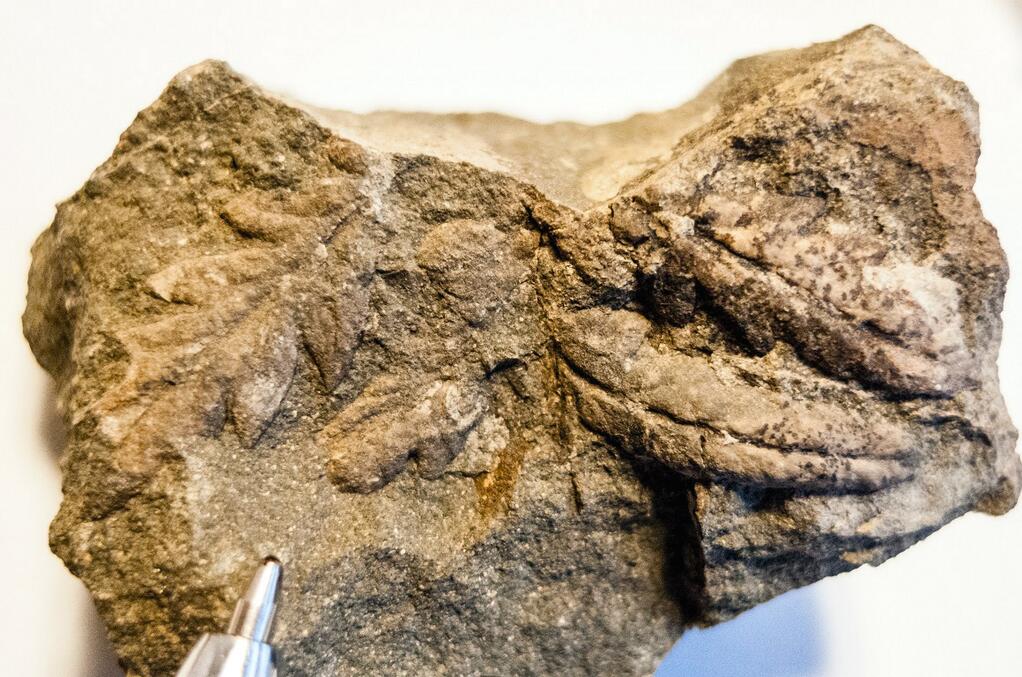
The largest extinction in Earth’s history marked the end of the Permian period, some 252 million years ago. Scientists have debated until now what made Earth’s oceans so inhospitable to life that some 81-96 percent of marine species died off at the end of the Permian period. This event, known as the Great Dying, represents the closest our planet has ever come to total biological collapse. Imagine nearly all life in the oceans simply vanishing within a geological blink of an eye.
About 252 million years ago, upward of 80% of all marine species vanished during the end-Permian mass extinction – the most extreme event of its kind in Earth’s history. What followed was a mysterious, multimillion-year span that could be called the “Great Dulling,” when marine animal communities looked remarkably alike all over the planet, from the equator to the poles. The aftermath was equally shocking as entire ecosystems became eerily uniform across the globe. Fossils in ancient seafloor rocks display a thriving and diverse marine ecosystem, then a swath of corpses.
Ocean Suffocation: How Global Warming Killed Marine Life
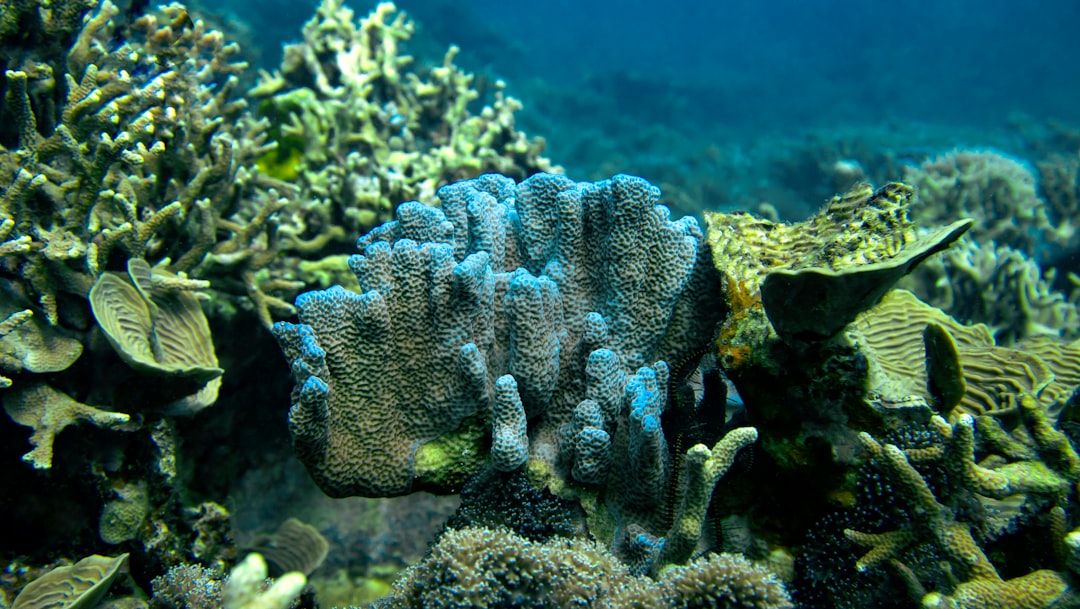
New research shows the “Great Dying” was caused by global warming that left ocean animals unable to breathe. The study builds on previous work led by Deutsch showing that as oceans warm, marine animals’ metabolism speeds up, meaning they require more oxygen, while warmer water holds less. This deadly combination created a perfect storm of marine suffocation on a planetary scale.
Penn led a team of researchers that combined models of ocean conditions and animal metabolism with paleoceanographic records to show that the Permian mass extinction was caused by rising ocean temperatures, which in turn forced the metabolism of marine animals to speed up. Increased metabolism meant increased need for oxygen, but the warmer waters could not hold enough oxygen to meet those needs, and ocean life was left gasping for breath. The research reveals how a warming planet systematically choked the life out of ancient oceans. Consequent warming of the oceans, combined with nutrient runoff from dead and decomposing terrestrial species, would have caused the oceans to became largely anoxic (devoid of oxygen), ultimately suffocating much of the oxygen-dependent marine life.
Volcanic Apocalypse: The Siberian Traps Eruption
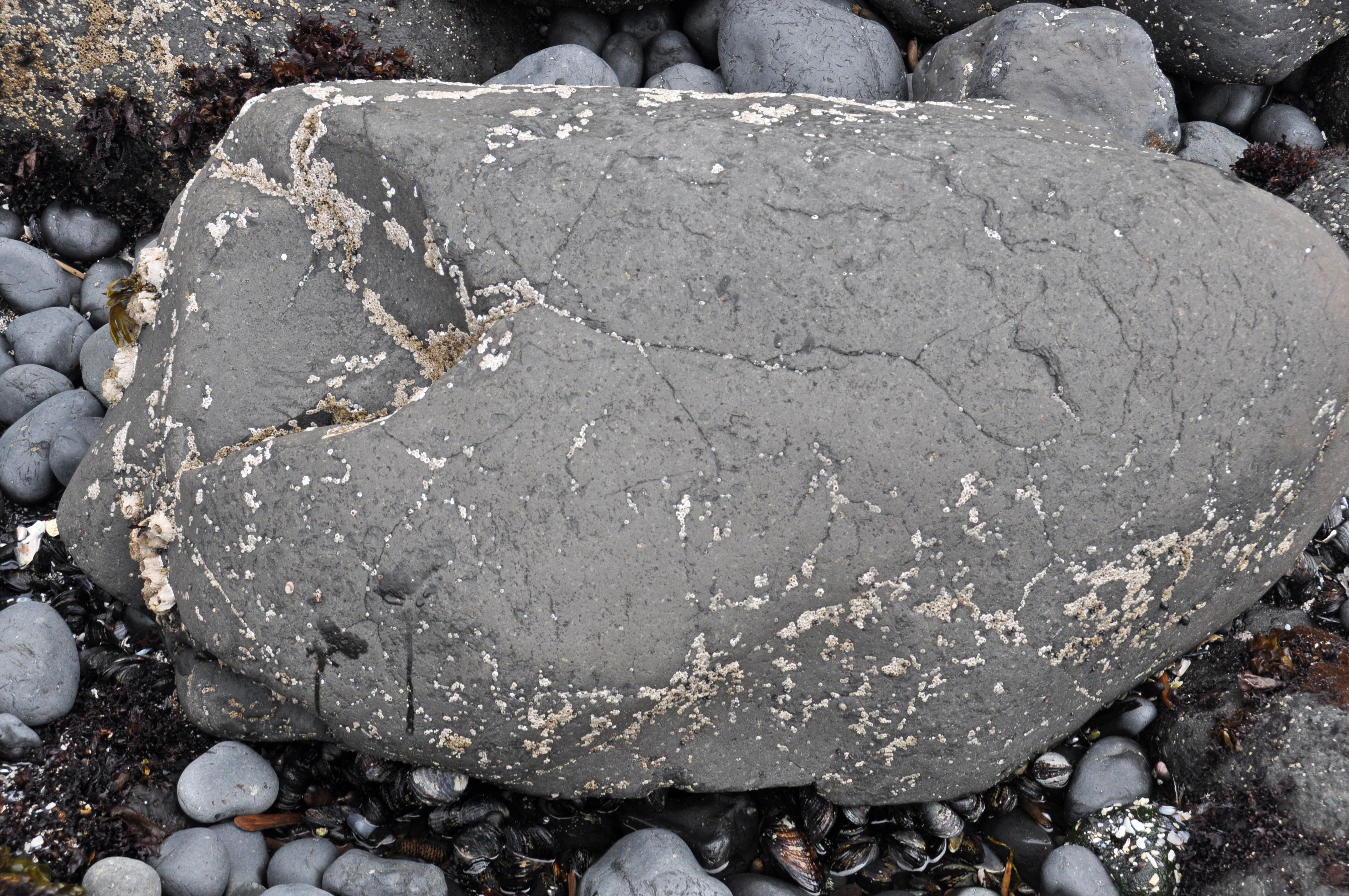
The leading suspect is extended and widespread volcanic activity that led to a runaway global-warming event. Evidence for this lies in the massive layers of basaltic rock of the Siberian Traps, which indicate extreme volcanic eruptions that lasted for approximately one-two million years. These weren’t ordinary volcanic eruptions. They represented one of the most catastrophic geological events in Earth’s history, covering an area larger than Europe with molten rock.
Toward the end of the Permian period, the planet was reeling from cataclysmic volcanic activity in modern-day Siberia, which ushered in intense global warming, oxygen depletion, and ocean acidification that killed most marine organisms 252 million year The eruptions pumped massive amounts of carbon dioxide and methane into the atmosphere. High global temperatures would have resulted from the increased carbon dioxide and methane released into the atmosphere from the volcanic activity. Think of it as nature’s own version of extreme industrial pollution, but magnified beyond anything humans have ever produced.
Coral Reefs Faced Ancient Climate Catastrophes
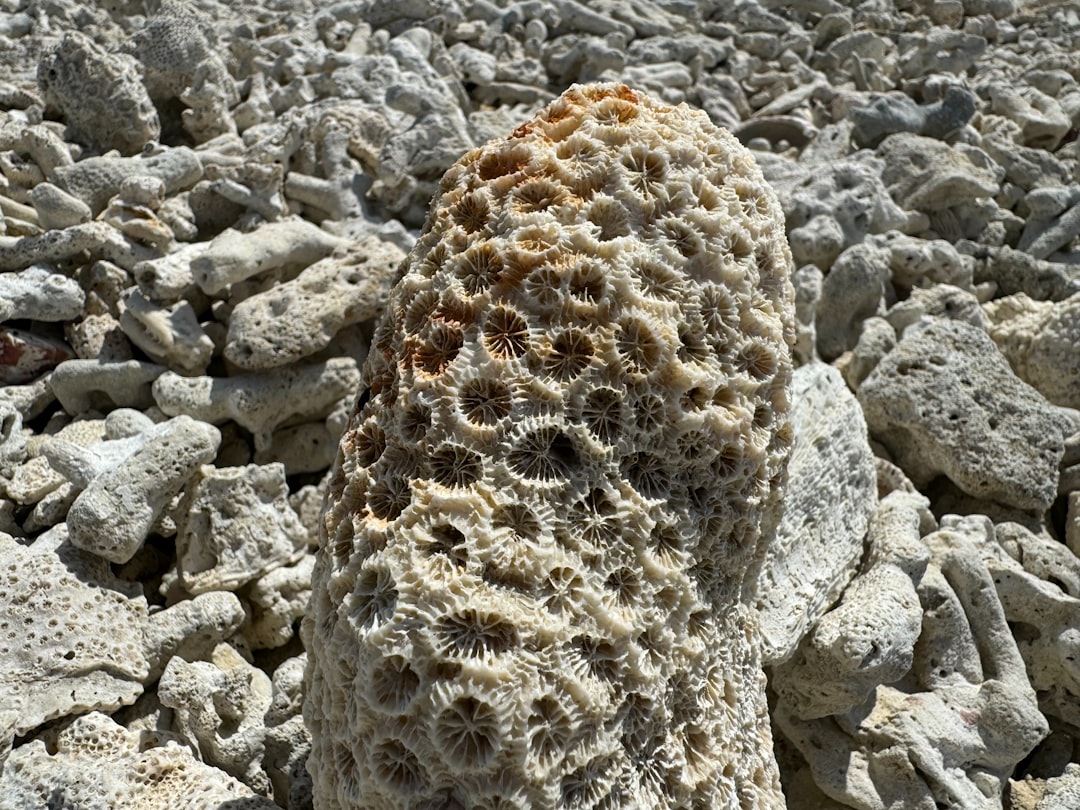
The fossil record offers several examples of global reef crises that were probably driven by climate warming. Past reef crises were driven at least partly by global climate change. Ancient coral reefs experienced multiple devastating collapses throughout Earth’s history, each triggered by dramatic environmental shifts. These prehistoric reef crises offer sobering parallels to modern coral bleaching events.
Because ancient reefs have been exposed to multiple episodes of environmental change, the fossil record provides an important resource for understanding the range of responses of coral reefs to climate change. Reef development has been slowed or stopped repeatedly in the history of life during periods of climate change. Remarkably, despite facing seemingly insurmountable odds, some coral communities managed to survive and eventually recover. Whilst current conditions might be beyond some of the environmental ranges experienced throughout much of earth’s history, coral reefs have shown a remarkable resilience to past climate change. Their survival strategies from ancient climate disasters might hold crucial lessons for protecting today’s reefs.
The Devonian Crisis: When Climate Change Devastated Tropical Seas
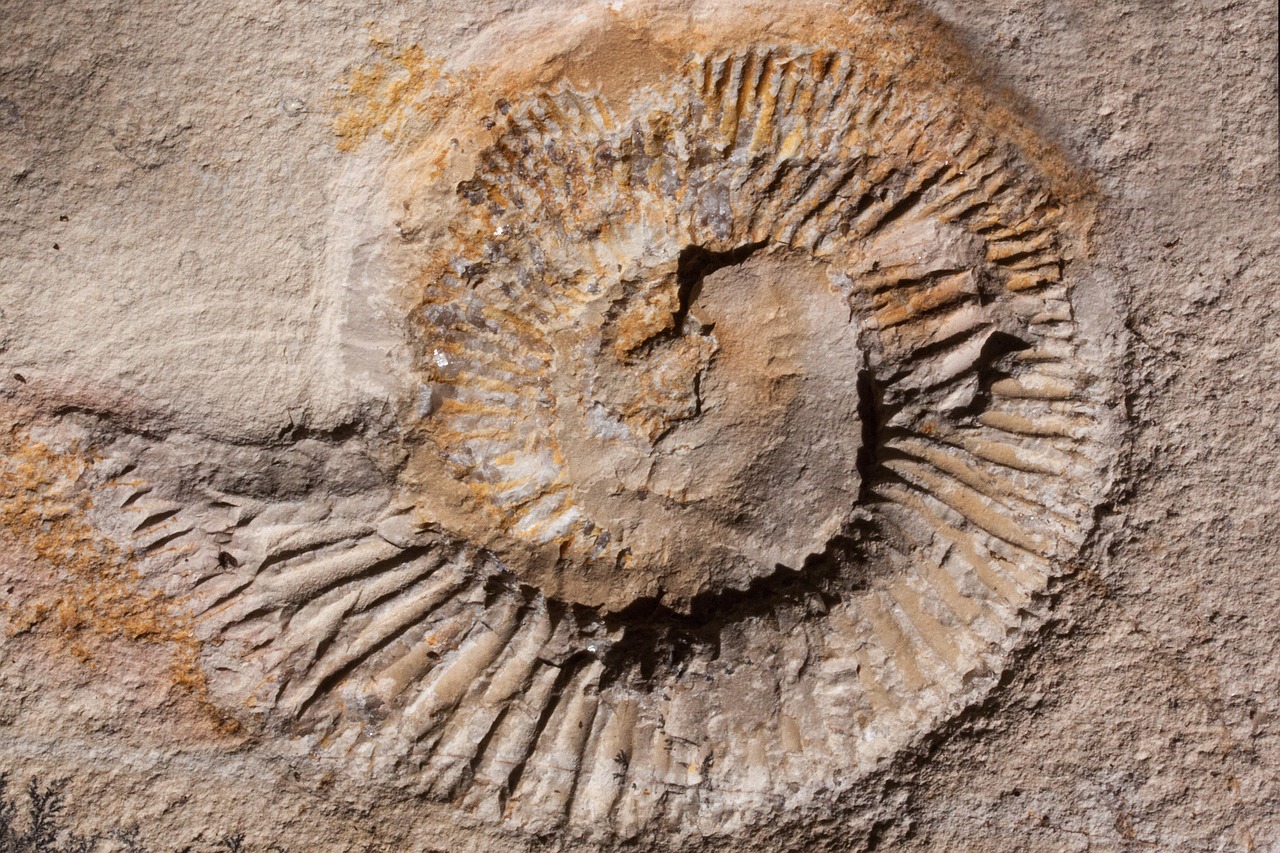
Scientists have found evidence for catastrophic oceanographic events associated with climate change and a mass extinction 375 million years ago that devastated tropical marine ecosystems. Long before the Great Dying, another struck during the Devonian period, targeting tropical marine life with devastating precision. This earlier disaster demonstrates that climate-driven extinctions were recurring nightmares throughout Earth’s deep history.
Answers about Earth’s climate during and after this mass extinction are contained within rock samples from these new field sites, which were once part of the ocean floor, as geochemical signals preserved in the rocks record devastating climate change. The paleogeography of the field sites indicate that Devonian climate change not only had environmental impacts on life associated with large land masses, but also on life in the open ocean. The scale of destruction reached from coastal areas deep into the open ocean, showing how comprehensive these ancient climate catastrophes could become.
Ancient Sea Level Warnings: Coral Evidence of Rapid Changes
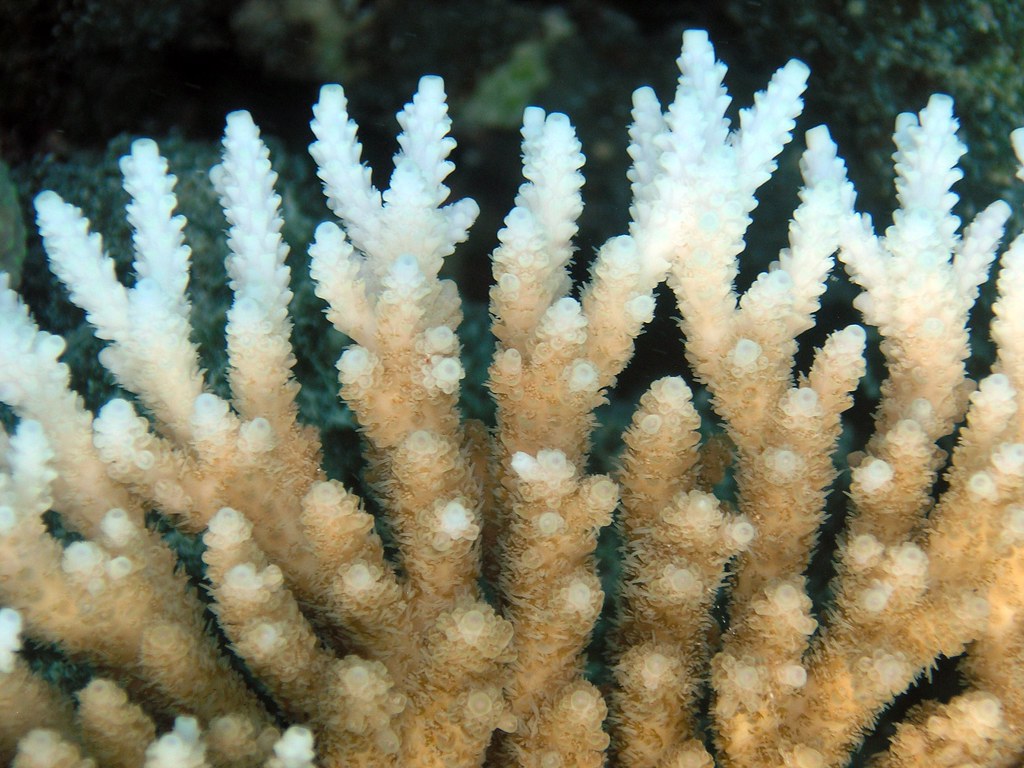
Ancient coral fossils from the remote Seychelles islands have revealed a dramatic warning for the future of sea level rise estimations; namely that they can increase in sudden and sharp bursts – far more steeply than scientists had previously imagined. The finding has come with a stark warning from researchers behind the study that “this is not good news for us as we head into the future” of a warming planet. These coral archives have uncovered evidence of sudden, dramatic sea level jumps that occurred over just thousands of years.
Perhaps more importantly, though, the researchers discovered that there were three distinct periods of sudden and sharp sea-level rise over the 6,000 years leading up to peak sea levels during the Last Interglacial. In its totality, Dutton says the new evidence, thanks to fossilized corals from thousands of years ago suggests that sea levels could rise even faster and higher thanks to climate change than current projections indicate. The coral record shows that sea levels don’t rise gradually and predictably. Instead, they can surge upward in rapid pulses when ice sheets collapse. We could be looking at upward of 10 meters of global average sea-level rise in the future just based on the amount of warming that has already occurred.
Marine Recovery: How Life Bounced Back After Extinction
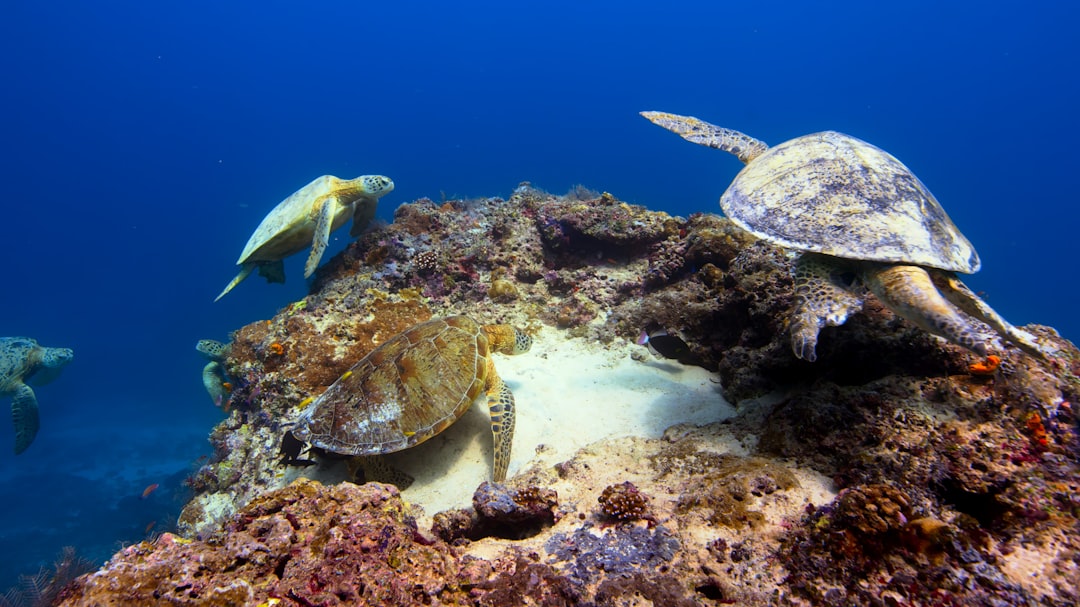
For millions of years after the end-Permian mass extinction, the same few marine survivor species show up as fossils all over the planet. A new study reveals what drove this global biological uniformity. Recovery from ancient climate crises followed predictable patterns, with survivor species rapidly spreading across empty ocean habitats. This biological recolonization took millions of years to restore diversity.
Examining fossils like Lystrosaurus showed the researchers that the Permian extinction looked very different on land than it did in the oceans – it was a much longer, more drawn-out affair. Using the earlier comparison, if the history of life on Earth were compressed into a single year and the end-Permian extinction killed 95% of the ocean’s animals in a matter of 14 minutes, the land extinction would have taken ten times as long, about two hours and twenty minutes. Marine ecosystems collapsed rapidly, but terrestrial life endured a prolonged decline. This pattern reveals how different environments responded to the same global crisis in dramatically different ways.
Modern Coral Paleoclimatology: Reading Ancient Ocean Conditions
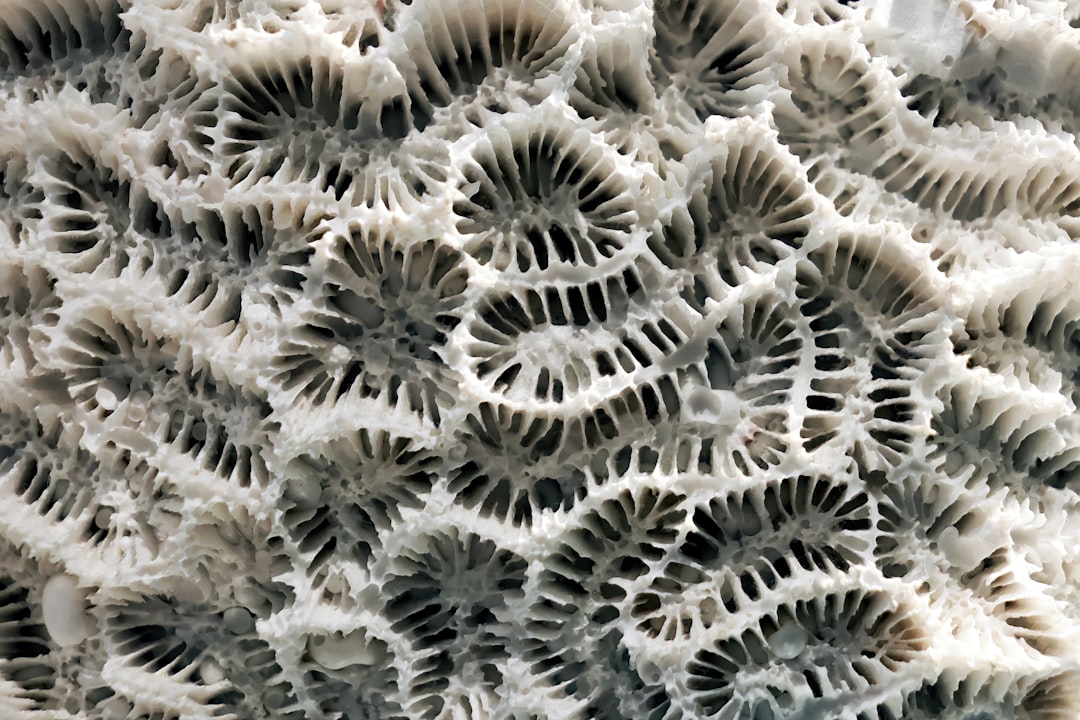
Coral skeletons are an important archive of past climate changes, and advances in the ability to read sea surface temperature and salinity in the coral record have been made by applying state-of-the-art technology. Coral skeletal climatology has been successfully applied to characterize both the recent global warming trend in the Western Pacific and the mid-Pliocene warming that occurred 3.5 million years ago, and it has also been used to investigate biological and environmental issues such as ocean acidification and coral bleaching, which is caused by unusually high seawater temperatures. Modern scientists have transformed coral fossils into sophisticated climate instruments.
A few factors make reef-building corals a particularly powerful archive of past climate variability: annual density banding patterns, relatively rapid growth (~0.3–2 cm/year, depending on the species), and fine-scale milling techniques permit annual or even sub-annual reconstructions of past climate; annual density banding patterns, combined with advances in radiometric dating techniques permit chronological uncertainties on the order of only a few years or less for well-dated chronologies; and well-preserved colonies of living (modern) and sub-fossil (hereafter “fossil,” Figure 1) samples fill critical gaps in both the spatial and temporal coverage of climate information from the global tropics. These natural archives provide resolution that rivals modern instrumental records. Coral records are one of the main types of high-resolution (annual to sub-annual) paleoclimate proxies, providing timeseries of environmental conditions reaching hundreds to thousands of years into the past in the tropics, the central driver of the global atmospheric circulation.
Lessons from Deep Time: What Ancient Climate Crises Teach Us
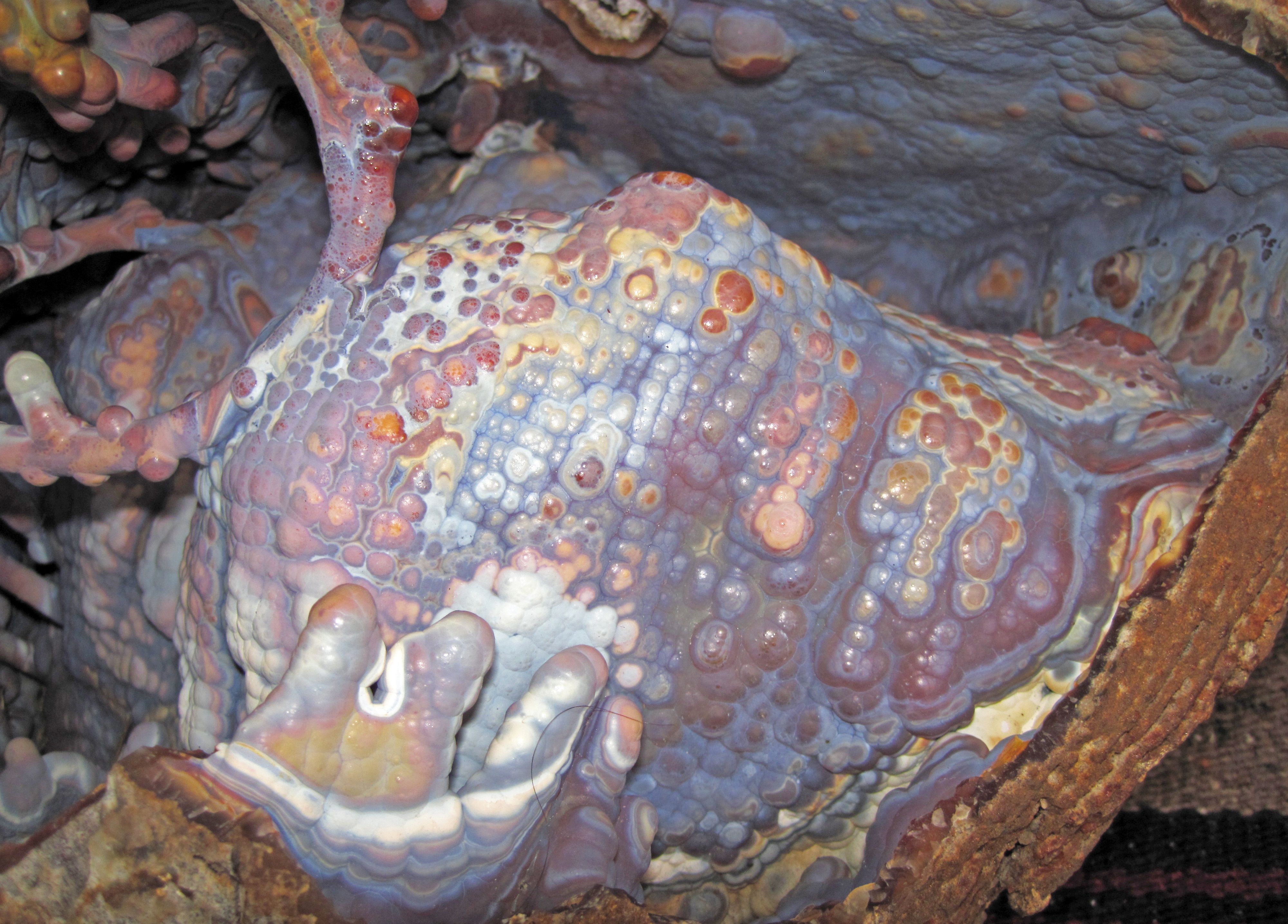
By studying fossil records, we realize that climate change is not a new phenomenon; it’s a recurring theme in Earth’s history. Grasping how life has thrived or suffered in response to climatic shifts can provide us with the knowledge necessary to navigate the current effectively. The ancient coral record reveals that our planet has experienced climate catastrophes before, but none driven by the rapid pace of modern human activity.
But the end-Permian extinction also provides insights into the mass extinction event that the Earth is currently undergoing due to climate change and habitat destruction. The environmental changes that we are causing and the impacts we are having on animal and plant species are getting to the point where the scale is such that there isn’t really anything in human history that is comparable. However, the fossil record offers crucial guidance. Ancient corals survived multiple climate disasters by adapting, migrating, and sometimes simply enduring through biological bottlenecks. There have been periods of naturally high atmospheric carbon dioxide levels in the past, and Earth became hotter whenever these occurred. But the current, increase in carbon dioxide emissions, driven by burning fossil fuels and other human activities, are unprecedented and forcing rapid changes to the climate system. As a result, Earth’s climate has changed faster since the Industrial Revolution than it has at any point in the past 65 million years.
The fossilized coral archives reveal that Earth has weathered multiple climate disasters throughout its deep history, each reshaping the planet’s biological landscape in profound ways. From the oxygen-starved oceans of the Great Dying to the sudden sea level surges of interglacial periods, these ancient climate crises offer sobering lessons about the power of environmental change to reshape life itself. Yet they also demonstrate the remarkable resilience of life and the eventual recovery that follows even the most catastrophic events.
What strikes you most about these ancient climate revelations? The sheer scale of past disasters, or perhaps the incredible persistence of life in bouncing back from seemingly impossible odds?