Long before forests lifted green cathedrals into the sky, Earth’s oxygen story began at water level, in thin films of living color that clung to ancient shorelines. These were cyanobacteria, sun-powered microbes that learned to split water and release a gas that would eventually let animals sprint, think, and dream. The catch is that for a long time their breath didn’t accumulate – our planet’s early chemistry swallowed it whole. That tug-of-war between biology and geology reads like a thriller told in rust, stone, and salt. And now, with new tools and a fresh wave of curiosity, scientists are revisiting the plot twists that set the stage for every lungful of air we take today.
The Hidden Clues
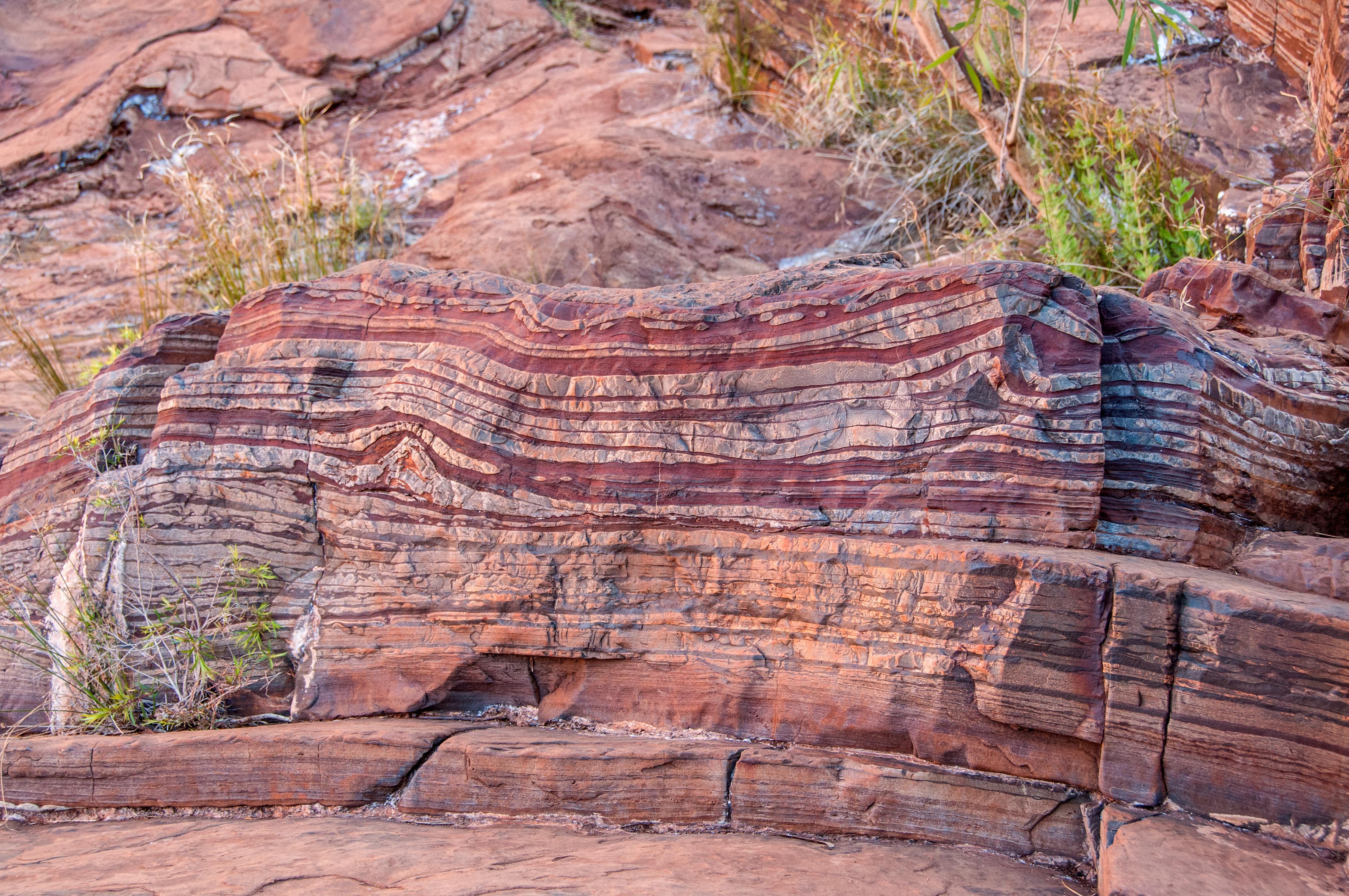
Walk any iron-rich outcrop and you’re looking at an ancient ledger of oxygen debts and repayments. Banded iron formations – those striking red and gray stripes – record oceans that repeatedly rusted as cyanobacterial oxygen met dissolved iron and turned it to stone. In sulfur-bearing rocks, odd isotope patterns reveal a world that once lacked oxygen’s protective blanket, then slowly shifted as tiny producers changed the rules. Even the faint tint of old river sediments, the so‑called red beds, whispers of oxygen finally breaking free from seawater into air.
I still remember kneeling beside a modern stromatolite – layered rock built by microbial mats – in a coastal lagoon and feeling a jolt of recognition. Bubbles winked from the surface like champagne from the deep past, a small, sparkling echo of a planetary-scale transformation. These clues are quiet, but together they tell a loud story: oxygen rose in fits and starts, not with a single switch.
Before Forests, There Were Mats
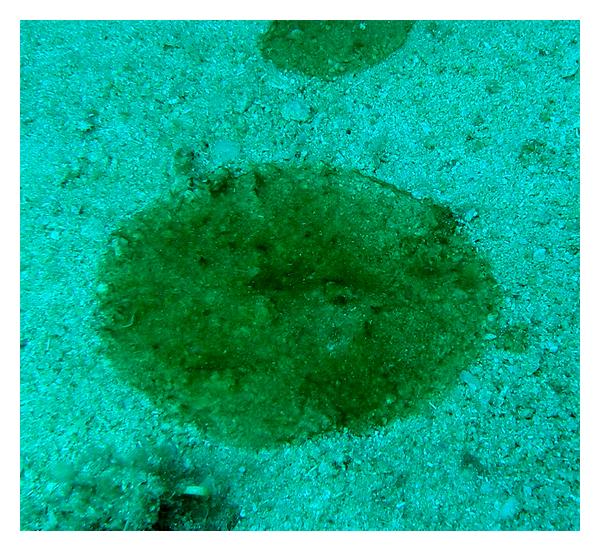
Cyanobacteria thrive as communities – tough, slimy mats that glue sand grains and trap sunlight like living solar panels. In shallow seas of billions of years ago, those mats likely carved out oxygen-rich pockets by day, micro oases within an otherwise breathless world. At night, that oxygen could vanish as other microbes consumed it or as the chemistry of the water soaked it up again.
Over time, these daily pulses added up. Where mats flourished, they built stromatolites, layer by patient layer, leaving behind rocky time-lapse films of microbial life. It wasn’t pretty or dramatic by human standards, but the slow persistence was everything. Think of it as countless tiny hands, stacking the scaffolding for future skies.
From Ancient Tools to Modern Science

Today’s researchers read early Earth with a toolbox that spans continents and centuries. Geochemists track chromium and iron isotopes in ancient shales to estimate how much oxygen touched the oceans. Paleobiologists image microfossils at nanoscale to spot pigment granules and cell walls that look suspiciously cyanobacterial. Meanwhile, molecular clocks – built from genetic differences among living microbes – tick backward to bracket when oxygenic photosynthesis likely evolved.
Pair that with experiments that simulate Archean seawater, and you get a fuller picture of why oxygen was slow to escape its chemical traps. Volcanic gases, dissolved metals, and reduced sulfur acted like a planetary sponge, soaking up that early oxygen until the sponge finally saturated. The complications are maddening, but they also make the eventual breakout all the more astonishing.
The Great Oxidation Event, Reconsidered
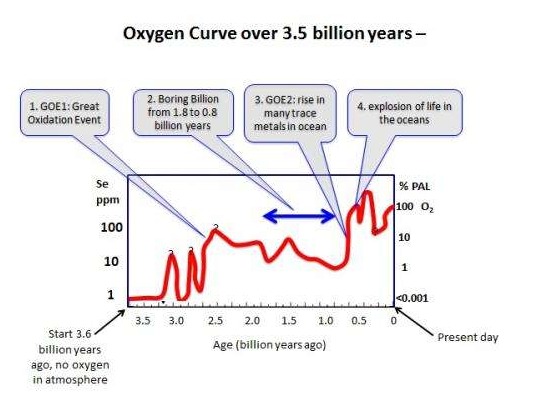
Many of us learned about a neat milestone roughly two and a half billion years ago called the Great Oxidation Event. The newer view is less a cliff and more a staircase, with erratic landings and backsteps. Oxygen probably flickered locally first, then climbed in long, uneven rises as sinks in the oceans and crust filled up. When atmospheric oxygen finally stabilized above trace levels, the ozone layer strengthened, ultraviolet radiation eased, and new ecological room opened for complex metabolisms.
There were side effects: methane, a potent greenhouse gas, was oxidized, which likely cooled the planet and may have helped trigger ancient glaciations. Life and climate wrestled, and the planet’s surface changed costume more than once. Through it all, cyanobacteria kept churning, relentless as tides.
Why It Matters
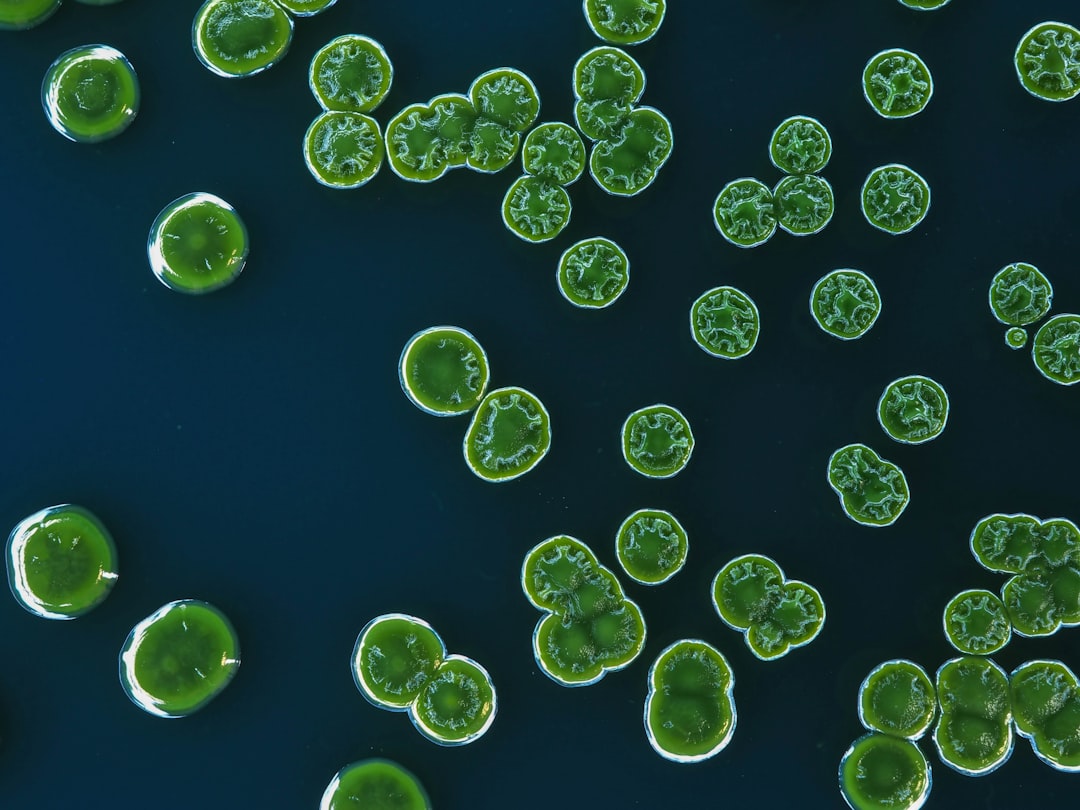
Oxygen is not just the air we breathe; it is energy permission. With oxygen, cells can wring far more power from food, making animals, fast movement, and big brains possible. Without cyanobacteria, our planet might have stayed a microbial world with low gear and little room for complexity. That perspective changes how we think about life’s fragility: the big leaps depend on quiet, persistent players that rarely get credit.
There’s also a worldview shift here. When we say the oceans produce roughly about half of the planet’s oxygen today, much of that comes from microscopic life, including marine cyanobacteria. Yet net oxygen over geologic time depends on something less obvious: burial of organic carbon that prevents oxygen from being consumed again. Big lessons often hide in small details, and cyanobacteria are the perfect reminder.
Global Perspectives
Modern cyanobacteria still shape the world in contrasting ways. In the open ocean, free‑floating forms like Prochlorococcus power marine food webs that feed coastal communities thousands of miles away. In hot springs and hypersaline bays, microbial mats engineer habitats that shelter invertebrates and stabilize shorelines. Visit places like Western Australia’s Shark Bay or Mexico’s desert lagoons and you’ll see living analogues of early Earth, quietly writing today’s sediments.
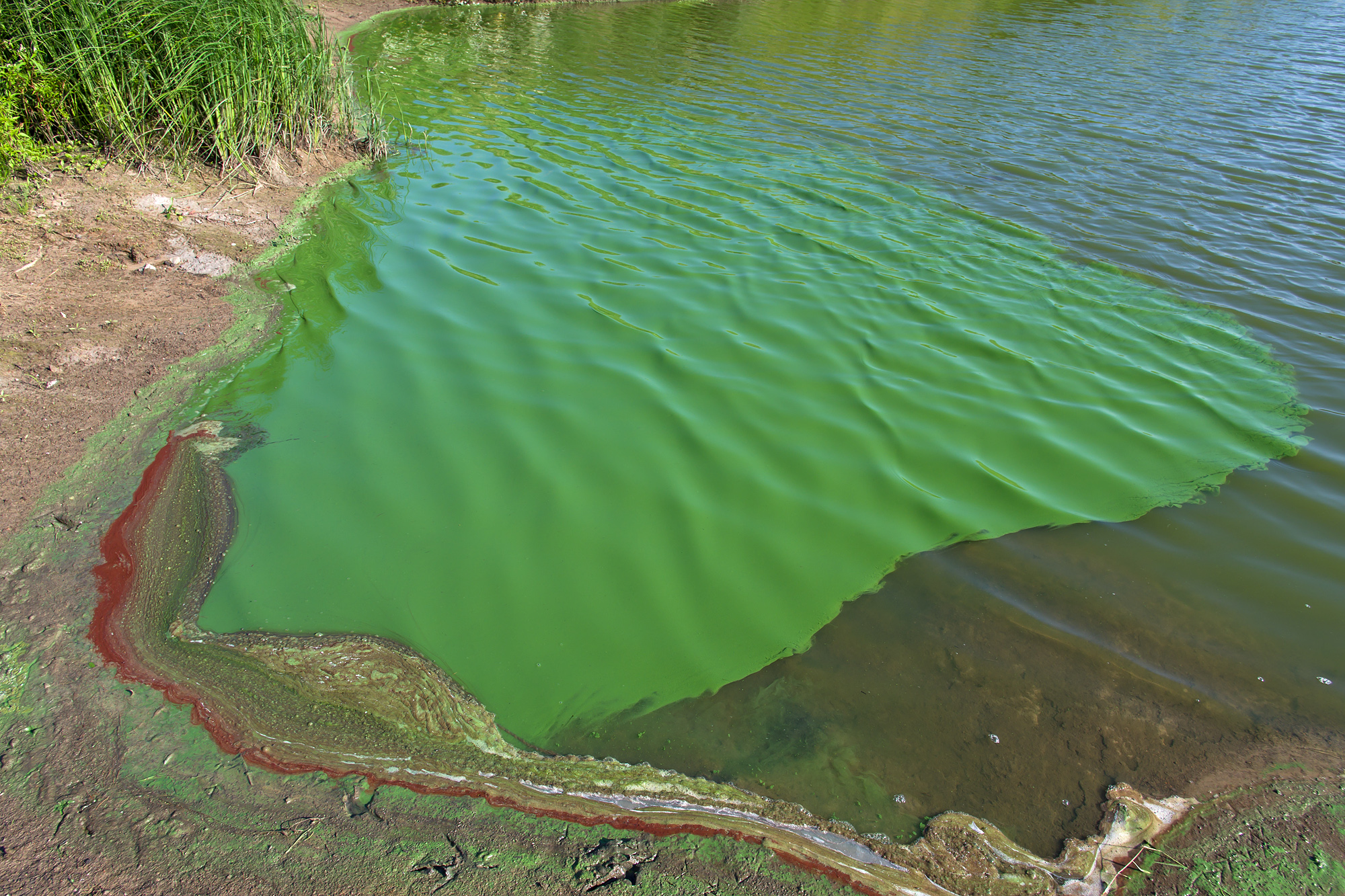
But the same group can misbehave when excess nutrients spill from farms and cities. Freshwater blooms smother lakes, release toxins, and steal oxygen as they decay, threatening fisheries and drinking water. The story is global and nuanced: microbes once made the planet more breathable, and under modern pressures they can make waters harder to live in. Cause and context, again, are everything.
From Microbe to Planet: The Energy Math
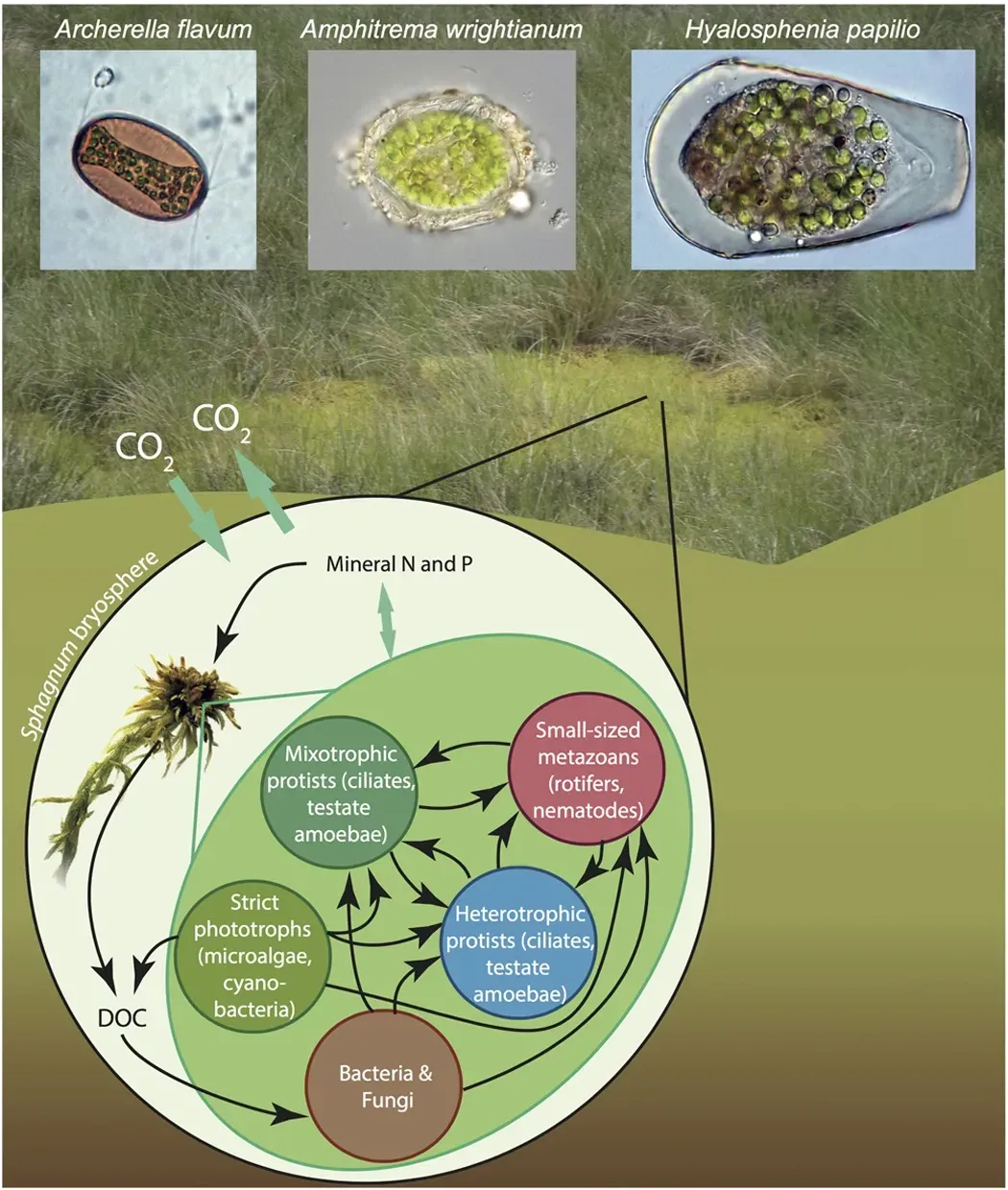
Cyanobacteria’s genius is a molecular machine that splits water and stores sunlight, handing oxygen back as a byproduct. Couple that to nitrogen fixation – the ability to tap the sky’s nitrogen – and you have organisms that can colonize nutrient‑poor corners of the world. Over deep time, that meant new sources of food, more carbon buried in sediments, and incremental ratcheting of oxygen upward.
The math remains elegant but unforgiving. For oxygen to accumulate, more organic carbon must be buried than is respired, and more reduced minerals must be oxidized than are created anew by volcanism. The balance oscillates with tectonics, climate, and evolution. What feels like a steady breath is actually a long negotiation between life and rock.
The Future Landscape
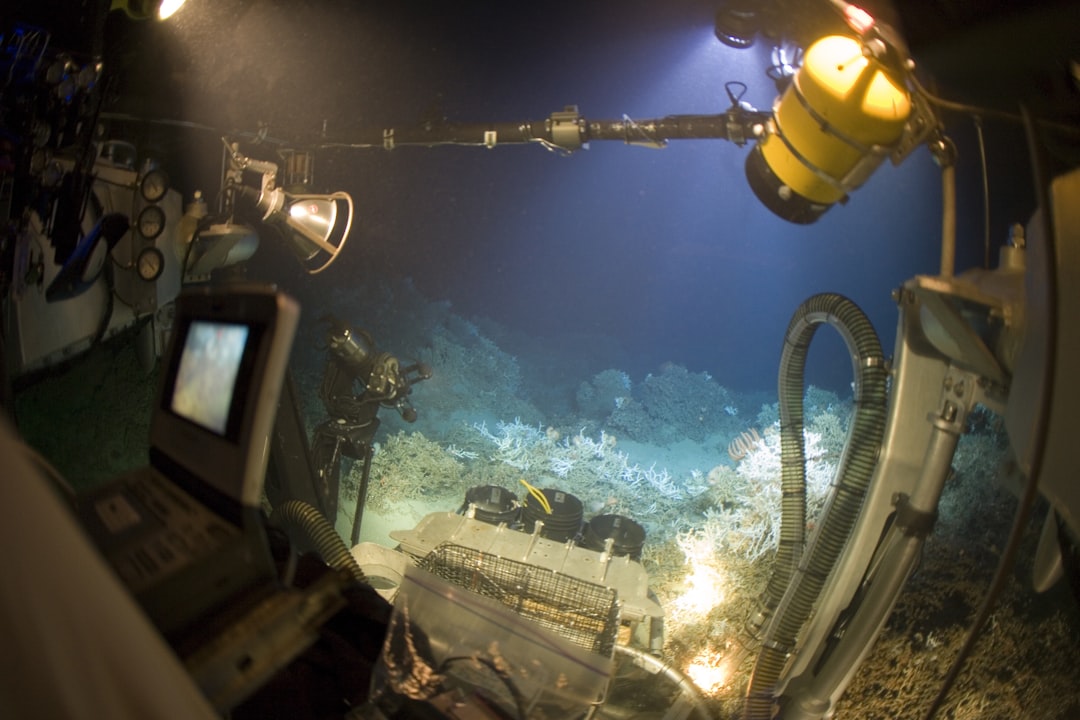
What comes next is a surge of tools that shrink the distance between ancient rocks and living seas. Synchrotron imaging will probe tiny mineral cages for trapped organic signals; drill cores from undisturbed basins will refine the timing of oxygen’s steps; and autonomous ocean gliders will map cyanobacteria blooms from pole to pole. In the lab, researchers are resurrecting ancestral proteins to test how early photosystems handled light and stress, hinting at how oxygenic photosynthesis first took hold.
There are challenges too. Warming waters stratify, which can throttle nutrient mixing and alter bloom dynamics; coastal development keeps feeding freshwater blooms; and deoxygenation zones are spreading in some regions. The stakes are planetary but actionable: we can keep learning from the first oxygen makers while managing the modern waters they still dominate. That pairing – curiosity and care – will decide how healthy our air and oceans feel in the decades ahead.
Conclusion
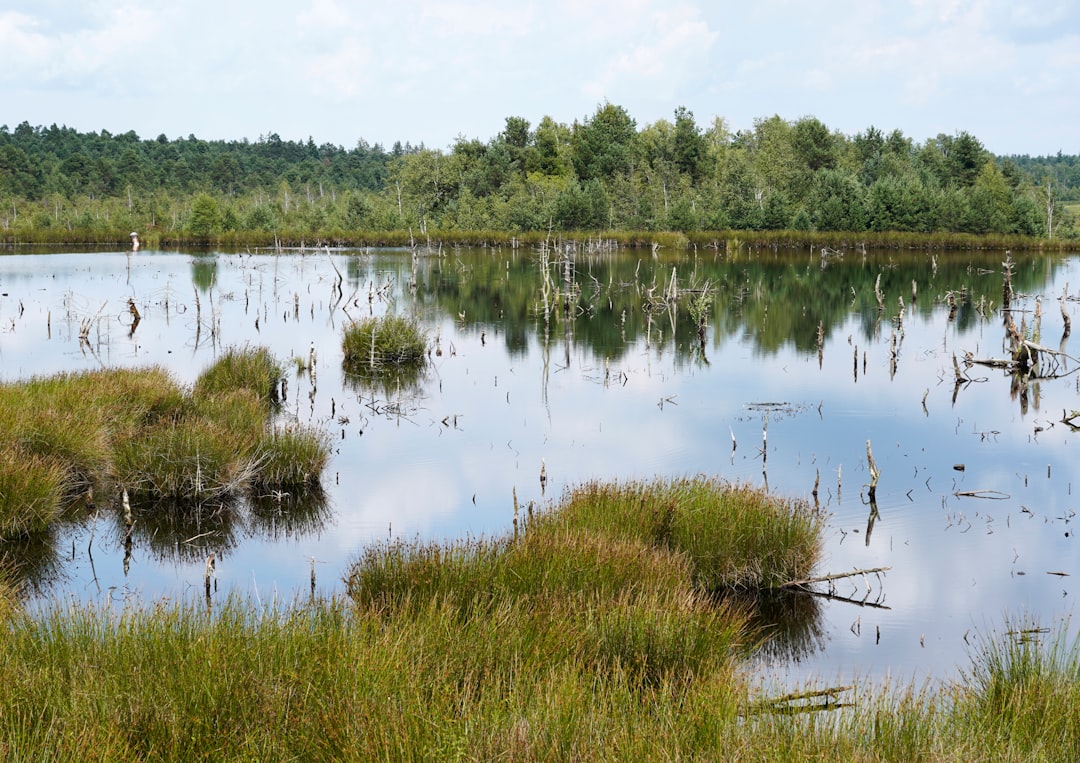
Start local. Support watershed groups that reduce nutrient runoff, and choose products and policies that keep fertilizers and sewage out of lakes and rivers. Join community monitoring days, where a simple test kit and a smartphone app can flag early bloom conditions for scientists. If you live near the coast, back initiatives that restore wetlands, which act like natural filters and habitats for countless species.
Stay curious, because curiosity made this whole story possible. Visit science centers, follow your regional observatories’ ocean reports, and nudge schools to include Earth history and microbial ecology in their curricula. The tiny architects of our atmosphere are still busy at work; meeting them halfway is the least we can do. What would you have guessed was the most powerful engineer on Earth?
Suhail Ahmed is a passionate digital professional and nature enthusiast with over 8 years of experience in content strategy, SEO, web development, and digital operations. Alongside his freelance journey, Suhail actively contributes to nature and wildlife platforms like Discover Wildlife, where he channels his curiosity for the planet into engaging, educational storytelling.
With a strong background in managing digital ecosystems — from ecommerce stores and WordPress websites to social media and automation — Suhail merges technical precision with creative insight. His content reflects a rare balance: SEO-friendly yet deeply human, data-informed yet emotionally resonant.
Driven by a love for discovery and storytelling, Suhail believes in using digital platforms to amplify causes that matter — especially those protecting Earth’s biodiversity and inspiring sustainable living. Whether he’s managing online projects or crafting wildlife content, his goal remains the same: to inform, inspire, and leave a positive digital footprint.