Astrology promises patterns; astronomy delivers the sky that can prove or challenge them. Tonight, that sky carries a quieter scoop than any horoscope: some zodiac figures actually line up with the physics of where the Sun, Moon, and planets really travel. It’s not about believing or disbelieving – it’s about asking which signs track closest to the real ecliptic and which constellations punch above their mythic weight. The surprise is how uneven the match is, from bright, billboard‑clear shapes like Taurus and Leo to faint way stations like Libra. And as new surveys remap our stellar neighborhood in exquisite detail, the old zodiac finds itself under a sharper, more revealing light.
The Hidden Clues
Here’s the hook: the planets draw a narrow road across the sky, and only some constellations hug it tightly enough to feel like true signposts. When I first learned that the Sun spends barely any time in Scorpius before slipping into Ophiuchus, it felt like discovering a plot twist hiding in plain sight. The astronomy is blunt – alignment means staying close to the ecliptic and offering clear markers the eye can trust. Bright stars help; compact, recognizable shapes help more. Faint or sprawling patterns drift from the path and from our attention.
That’s where myth meets measurement. If a constellation hosts bright guide stars, clusters, or a clean outline, it genuinely tugs our gaze when the planets pass through. If it’s diffuse or dim, the planets may still travel there, but the story struggles to stick. The constellations that feel “most aligned” are the ones our instruments and our instincts agree on.
From Ancient Tools to Modern Science
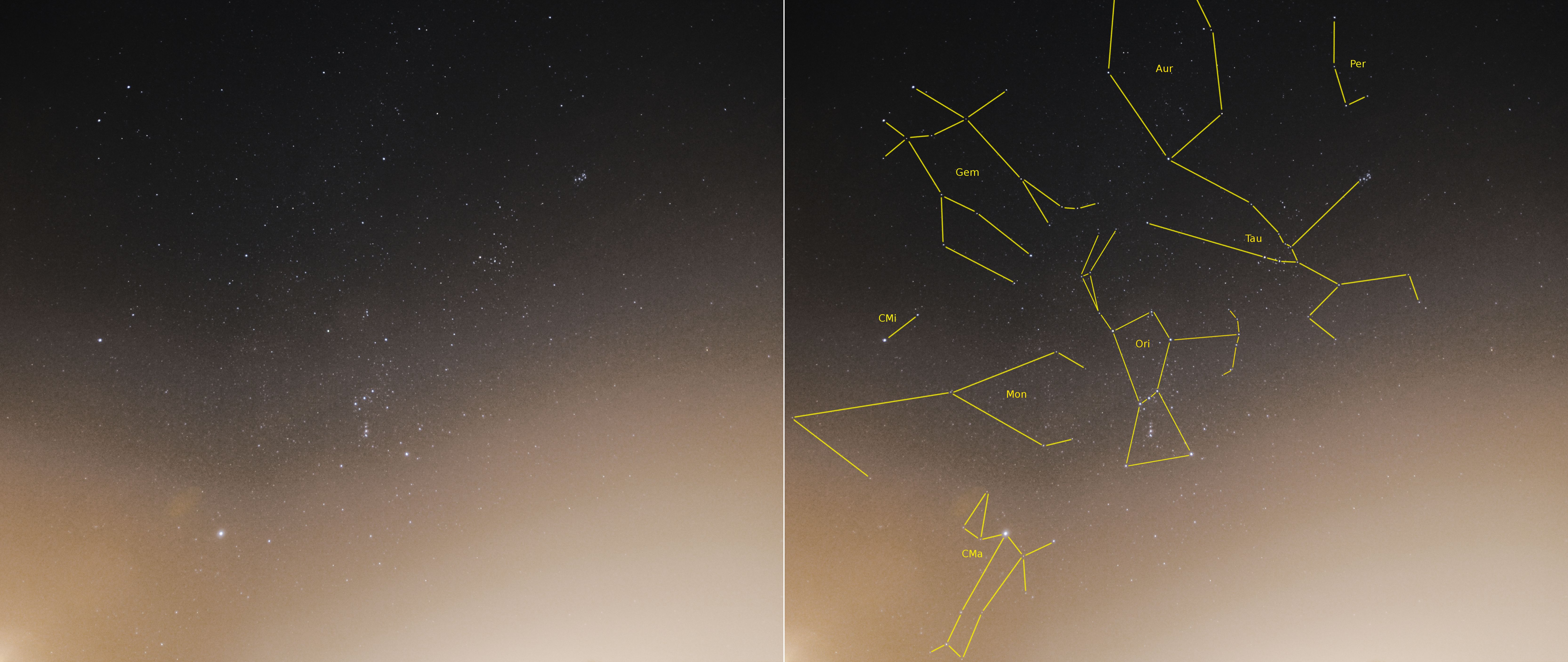
Babylonian sky‑watchers formalized a belt of constellations along the Sun’s path to keep calendars sane and rituals aligned with seasons. Their practical fix outlived their tools, but it wasn’t designed for modern precision. Today, the International Astronomical Union sets crisp constellation borders, and the ecliptic is a measured curve, not a symbolic idea. That’s why the conversation has changed: alignment can be tested, timed, and mapped down to arcminutes. The result is a more honest conversation with the past.
Precession complicates everything – the wobble of Earth’s axis slowly slides the sky relative to the seasons across a cycle lasting tens of thousands of years. The tropical zodiac followed equinoxes; the sidereal perspective follows stars, and the two are no longer in step. That offset is why “Aries season” on the calendar doesn’t mean the Sun sits in the Aries constellation. Our task here is simpler: look up, follow the actual path, and see which constellations hold the line.
Where the Sky Matches the Myth
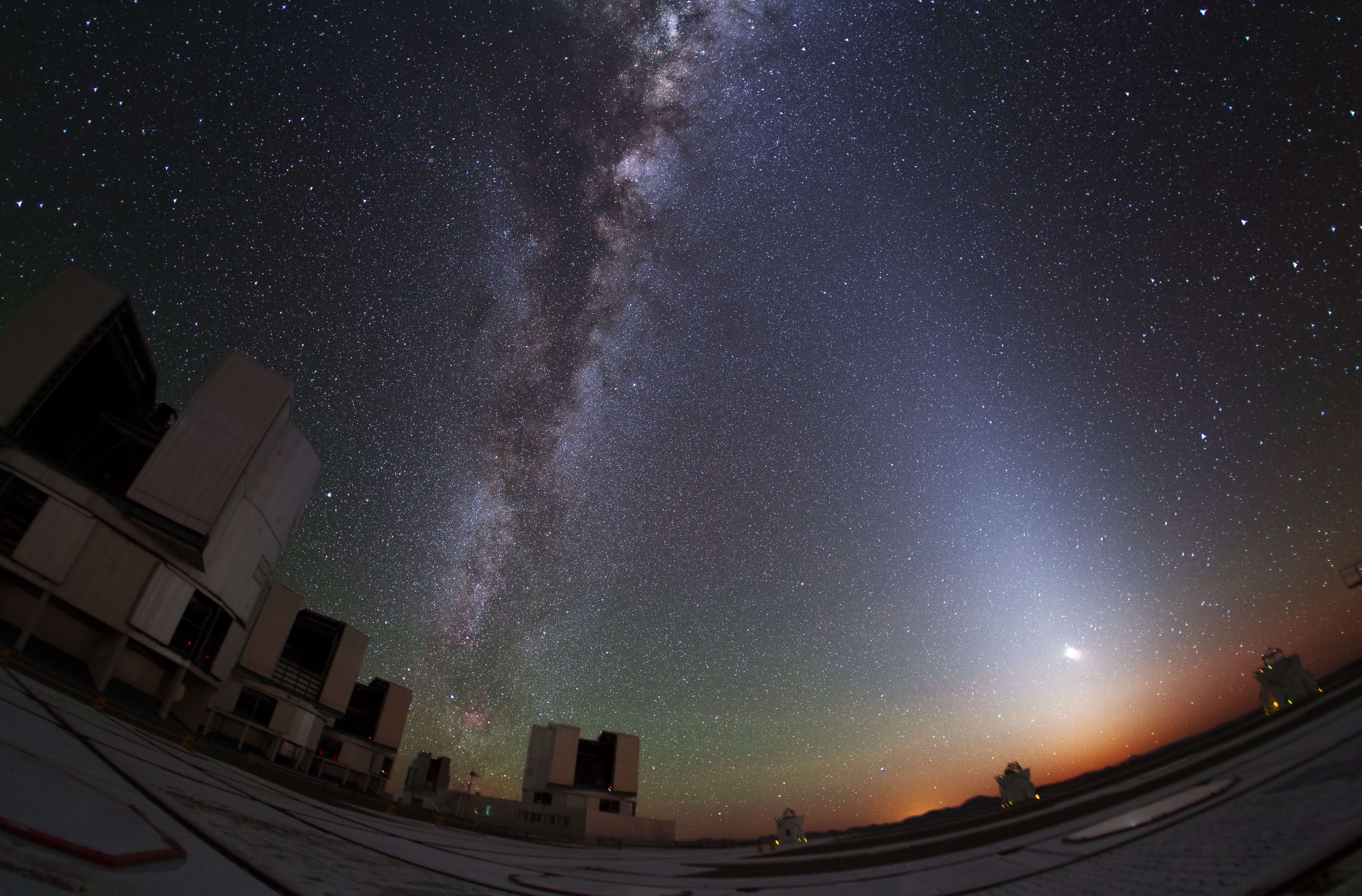
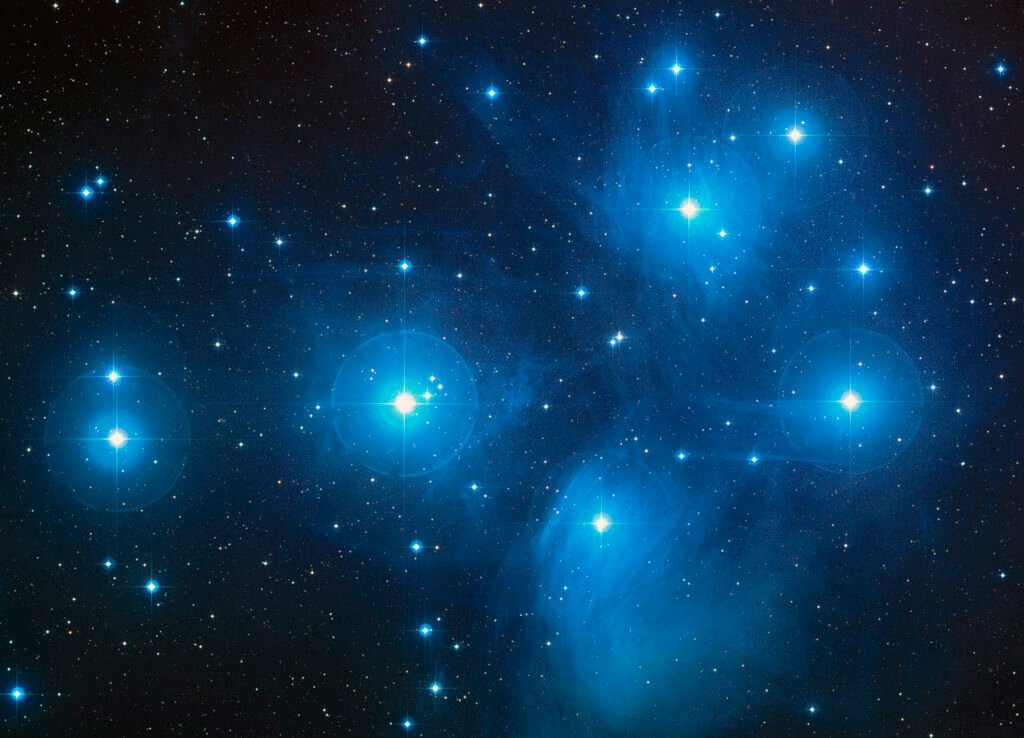
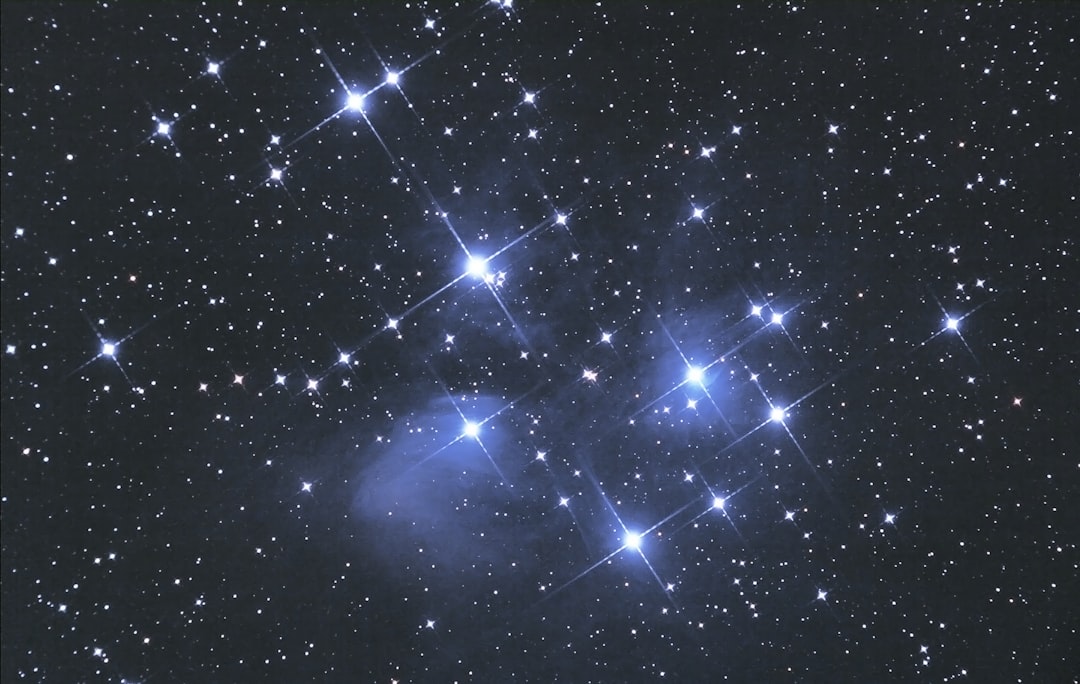
Some zodiac figures earn their reputation by being exactly where you need them and easy to see when you get there. Taurus is a powerhouse: the Hyades form a bright V, the Pleiades sparkle nearby, and winter planets coursing through that zone become unmissable. Leo delivers a clean sickle and the blue‑white heart star Regulus that often meets the Moon in photogenic pairings. Virgo, though less flashy to casual eyes, sprawls across a large chunk of the ecliptic, so the Sun and planets spend real time there. Libra sits squarely on the path as well, even if its stars are modest.
These are the places where the myth clicks with physics. You can watch Mars or Venus thread the Taurus V, slide past Regulus in Leo, or wade for weeks through Virgo’s broad borders. When alignment means both geometry and visibility, those constellations feel like honest narrators. They do not need belief; they need a clear night and a little patience. The sky does the rest.
The Ophiuchus Question
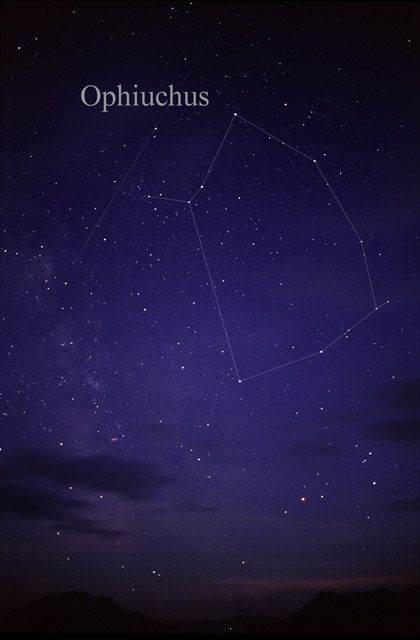
Ophiuchus, the serpent‑bearer, slices across the ecliptic between Scorpius and Sagittarius, whether horoscopes like it or not. In pure astronomy, that makes Ophiuchus part of the Sun’s yearly round, which it is. In historical astrology, the belt stayed at twelve for cultural coherence, not because the sky voted. This is a case where ancient convenience diverges from the measured map.
What does that mean for alignment? If we’re scoring by physical path, Ophiuchus belongs on the field and Scorpius has far less field time than many assume. If we’re scoring by tradition, the dozen signs keep their familiar rhythm. Either way, the Ophiuchus detour exposes how the sky’s real lanes differ from our inherited stories – and why the most aligned “signs” might not all be signs.
Precession’s Drift and the Real Sky Map
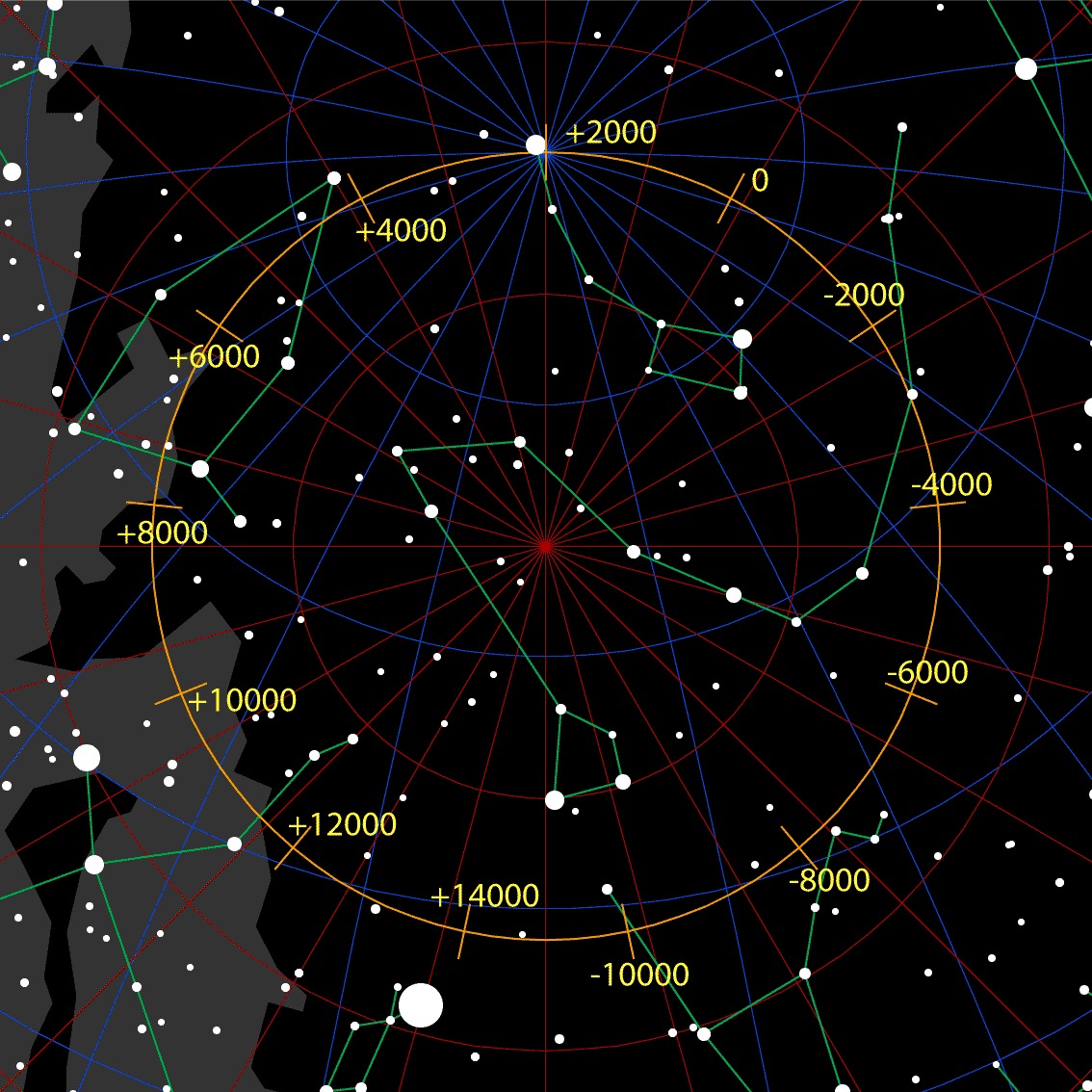
The Earth’s axis traces a slow cone in space, nudging the equinox points westward along the ecliptic a bit every human lifetime. Over millennia, the shift amounts to roughly an entire sign, which is why calendars and constellations no longer match date for date. Practically, that means a person born during a so‑called Aries window may have the Sun in Pisces on the star map. It isn’t scandal; it’s mechanics.
For alignment, this matters in two ways. First, it favors constellations that still catch planets in obvious, teachable ways – think Taurus and Leo – regardless of calendar labels. Second, it reminds us that visibility and path length are not equal: the Sun lingers longest in Virgo and barely pauses in Scorpius before entering Ophiuchus. The more you anchor claims to the real sky, the more the neat circle of twelve starts to look like a rugged coastline.
Bright Beacons and Faint Waystations
Not all zodiac constellations broadcast equally, and that affects how aligned they feel to human eyes. Scorpius looks dramatic thanks to Antares and its curving tail, but the Sun speeds through that patch, handing off quickly to Ophiuchus. Pisces and Aquarius are broad and dim, making them tougher guides when planets pass at dusk or dawn. Libra is faint, yet its position on the ecliptic gives it honest work as a planetary crossroads.
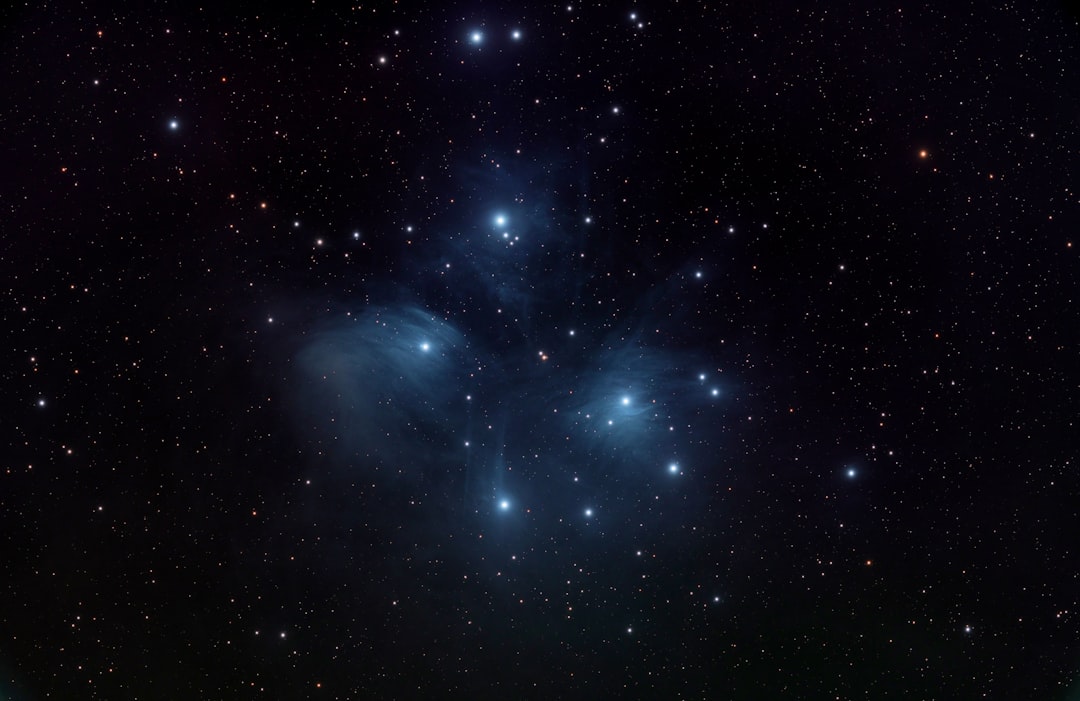
Meanwhile, Taurus and Leo repeatedly deliver high‑contrast scenes that turn casual gazers into confident spotters. Even small binoculars reveal star clusters in Taurus, while the Moon’s visits to Regulus help anchor Leo’s outline. Virgo’s claim is duration and real estate rather than eye‑candy, a different kind of alignment that scientists appreciate. In short, prominence is not just mythic charisma; it’s photometry, geometry, and time on target.
Why It Matters

Understanding which signs align with the actual sky isn’t a culture war; it’s literacy. When people can step outside and find a bright planet near the Pleiades or catch the Moon kissing Regulus, they build a reliable mental map of the heavens. That map feeds everything from safer navigation on dark trails to deeper curiosity about missions exploring worlds we can point to. It also clarifies language: the “zodiac” becomes a band of real constellations with uneven sizes and distinct features, not a tidy wheel detached from physics.
There’s a broader scientific payoff as well. Clear seeing encourages better questions – about star birth in the Taurus Molecular Cloud, about galaxy fields in Virgo, about seasonal timing driven by orbital tilt rather than symbolic dates. Compared with traditional horoscopes, this approach swaps personality claims for testable observations. The wonder remains, but it lands on firmer ground. That’s a trade worth making.
The Future Landscape
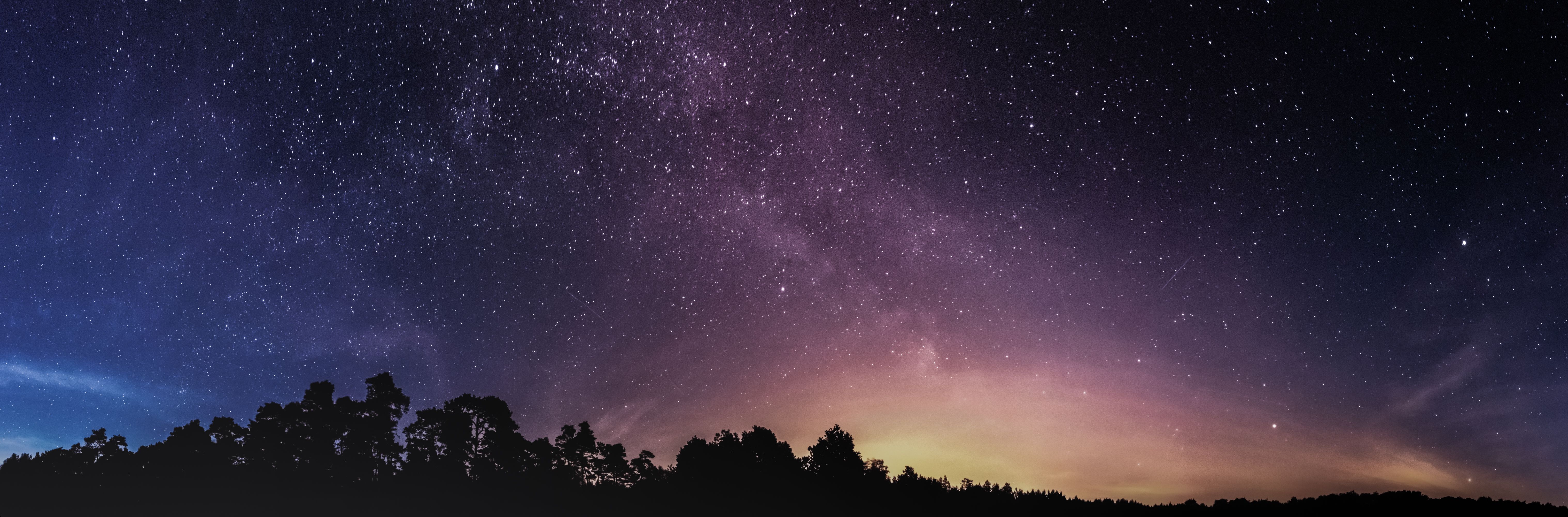
New instruments are about to sharpen the picture of alignment in ways ancient sky‑watchers could barely imagine. All‑sky surveys will track planetary positions, near‑Earth asteroids, and transient flares across the ecliptic nightly, turning the zodiac belt into a living dashboard. Space‑based observatories continue to refine star positions and motions, tightening the grid we use to measure planetary paths. The result will be fewer fuzzy edges and more teachable moments for public observing.
I’m especially excited about how wide‑field cameras and precise star catalogs will make conjunctions and occultations easier to predict and share. Imagine neighborhood star parties timed to a Venus‑Pleiades encounter or a Moon‑Regulus pass, packaged with context that explains why these constellations serve as such reliable markers. The technology doesn’t erase the old stories; it layers them with fresh, measurable detail. That’s how a tradition evolves without losing its heart.
Conclusion
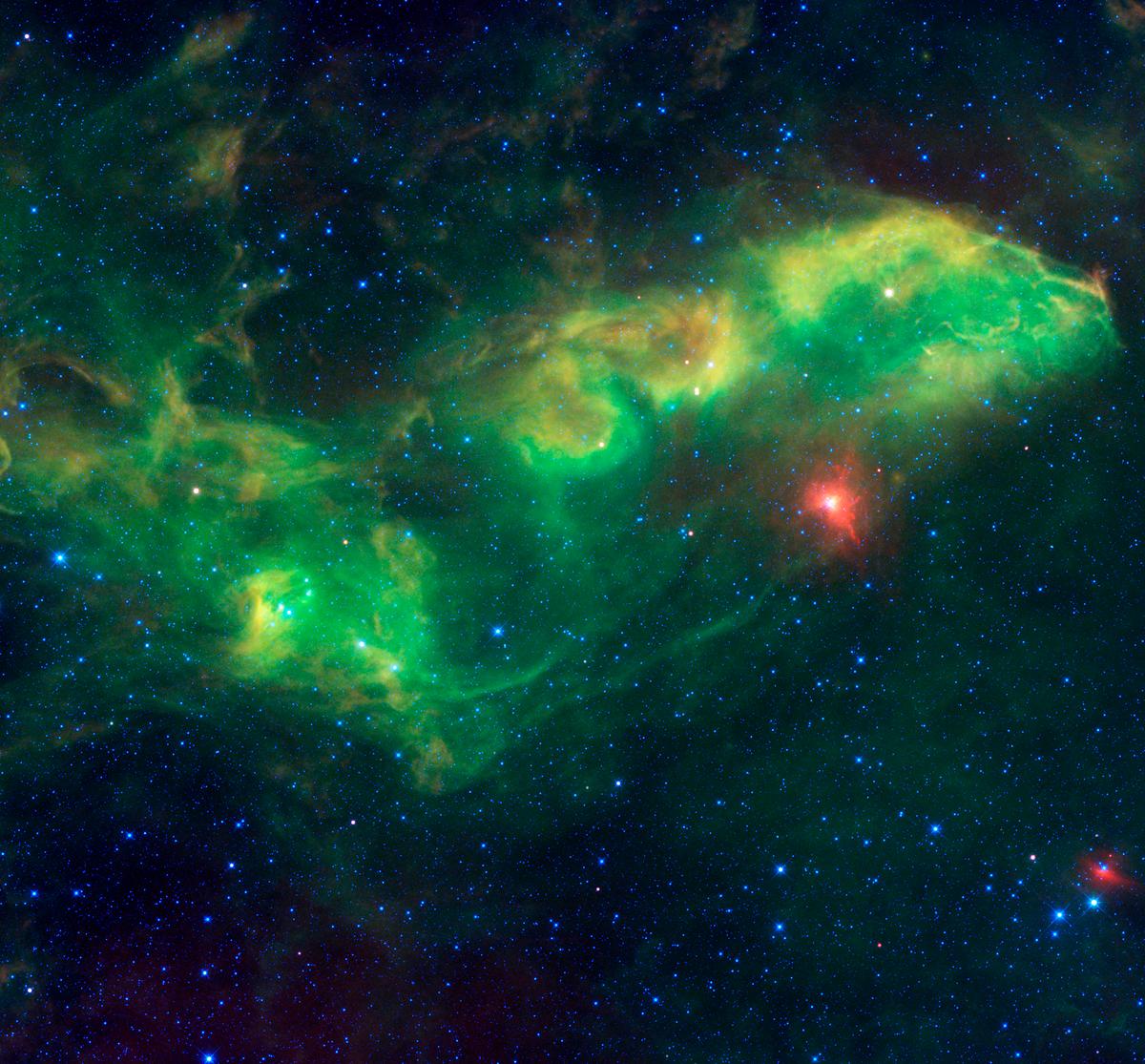
Try this over the next clear week: find the ecliptic by tracking the Moon night to night, then note which constellations actually carry the load. Start with Taurus and Leo when they’re up, because their shapes and bright anchors make success likely on your first outing. Use a free planetarium app to compare your view with the map, but trust your eyes to learn the routes. If you have binoculars, sweep Taurus for the Pleiades, then return a month later to feel how slowly the sky shifts.
Share what you spot with a local astronomy club, a planetarium, or a school stargazing night, and help others see the difference between calendar signs and sky‑true constellations. Support projects that map the night and fight light pollution, because alignment is easiest to witness under darker skies. Most of all, keep asking the simple question that unlocks the universe: where, exactly, is it in the sky tonight?