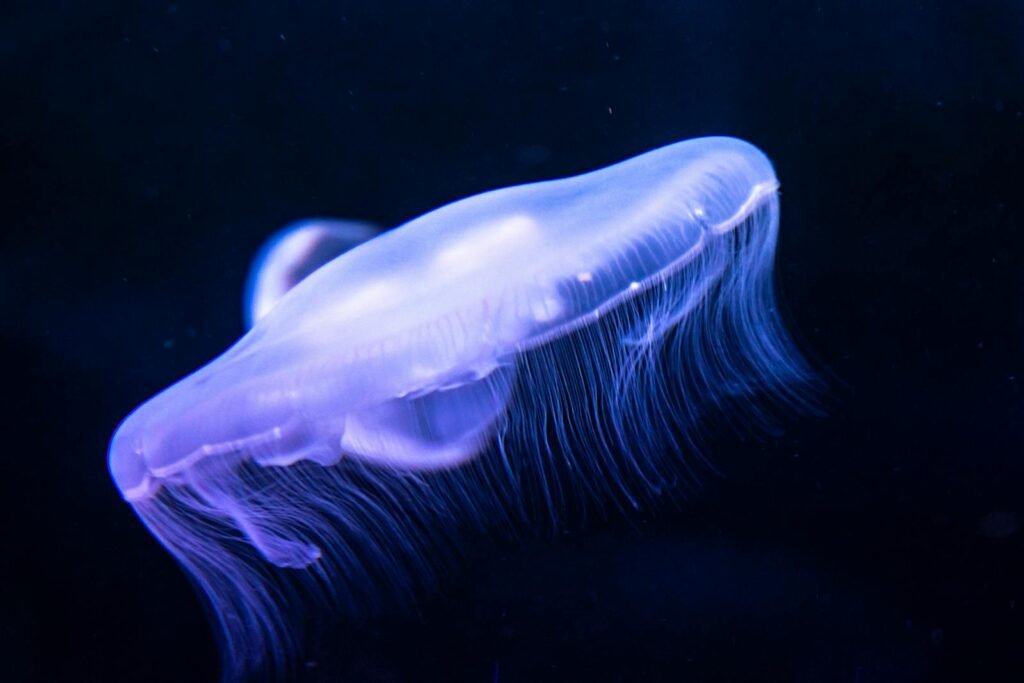

Deep within the ocean’s moonless waters, an extraordinary conversation unfolds in complete silence. While most fish rely on sound waves and chemical signals to coordinate with their neighbors, flashlight fish have evolved something far more spectacular. They speak in light, creating synchronized blue flashes that illuminate the darkness like underwater stars. This remarkable discovery is reshaping our understanding of marine communication and revealing that the deep sea may be filled with billions of fish engaged in complex light-based conversations we’re only beginning to decode.
The Hidden Secrets of Light Communication
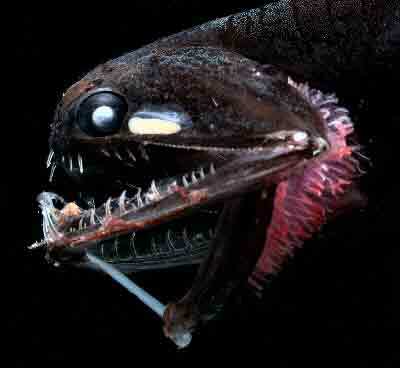
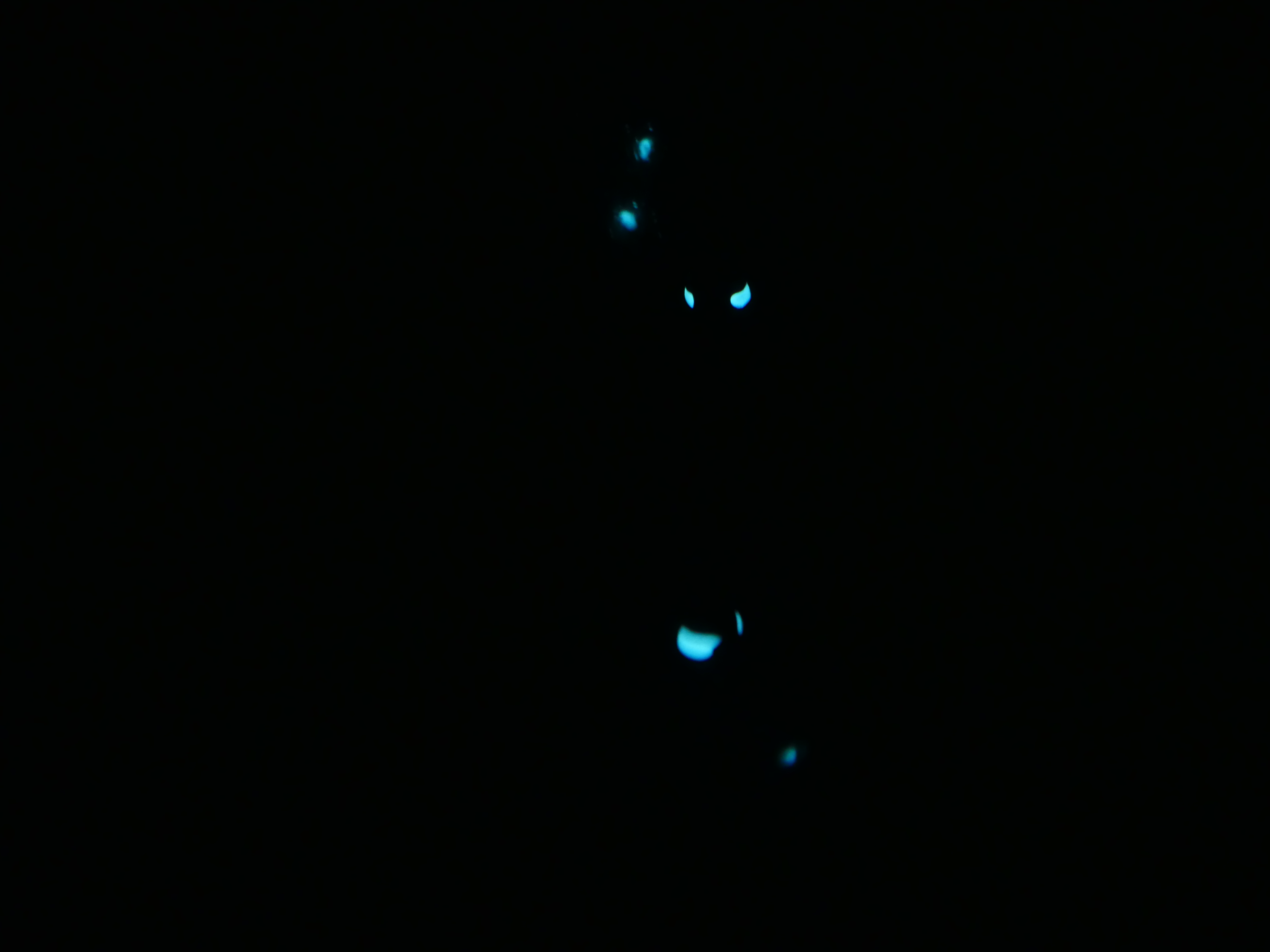
The flashlight fish’s ability to communicate through bioluminescence operates on principles that seem almost too extraordinary to be real. These remarkable creatures possess specialized bioluminescent organs located under their eyes, which emit blue green light for what appears to be intraspecific communication. The secret lies in their symbiotic relationship with luminescent bacteria living within these organs, creating what essentially amounts to living flashlights embedded in their anatomy.
Flashlight fish are able to manipulate this bacteria to switch the light on and off at their choosing, doing this simply by “rotating” the bacteria inwards and outwards. Flashlight fish can produce rapid sequences of blinks, with scientists concluding that they use different sequences depending on whether they’re attracting prey, evading predators, or communicating with one another.
Revolutionary Discovery in the Solomon Islands
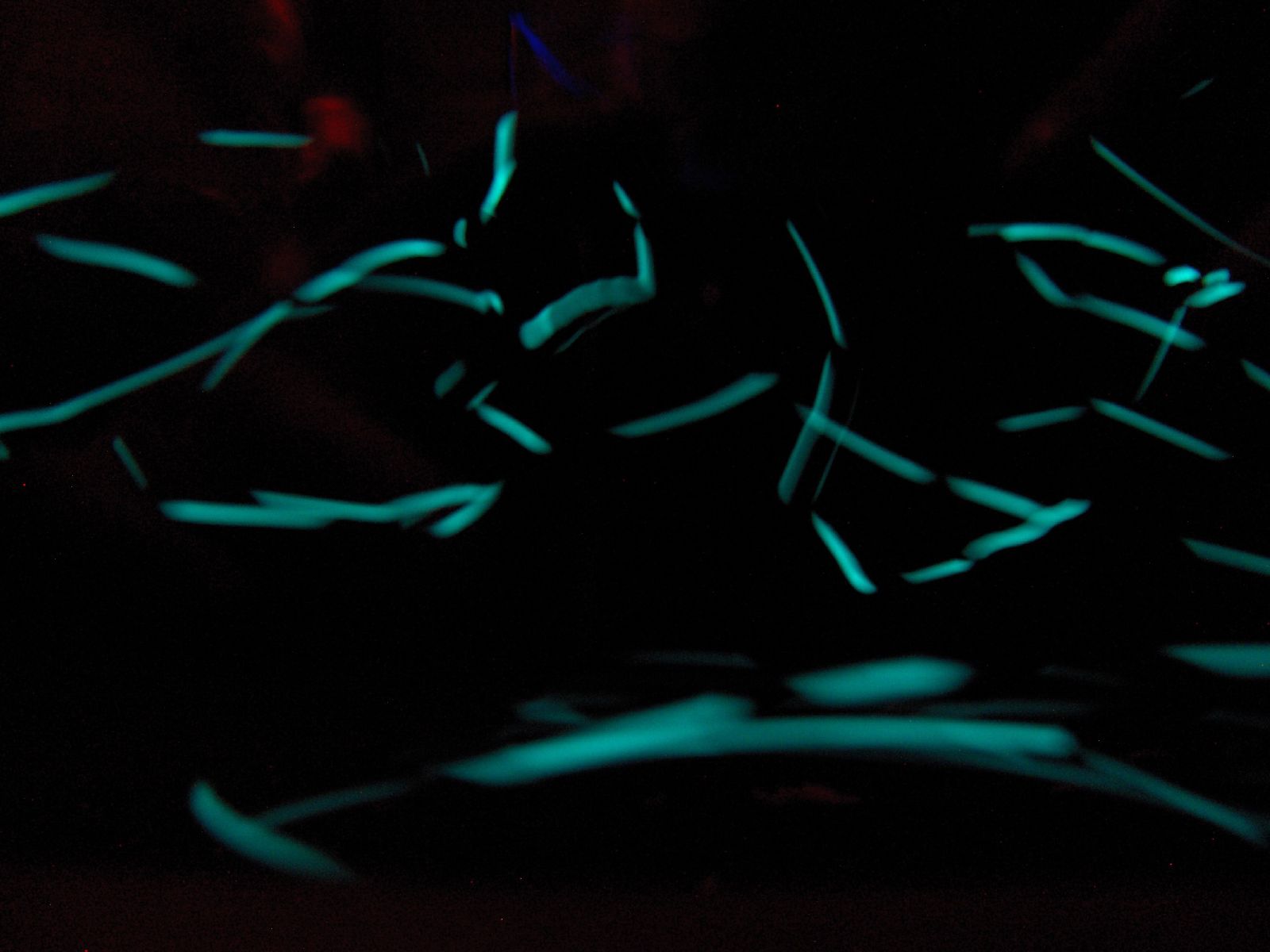
The breakthrough moment came during what scientists now describe as one of the most magical experiences in marine biology. Gruber was part of the team that serendipitously came across a school of thousands of flashlight fish (Anomalops katoptron) while scuba diving at night off a remote island in the Solomon Islands, describing it as “like a moment from the film Avatar as we watched rivers of bioluminescent flashes, like a blue-brick road, descend down the reef”.
This new study is the first to demonstrate that schooling in fishes can be facilitated by bioluminescent flashes in the absence of ambient light. They observed that flashlight fish use their glowing light to coordinate their schooling together, even in light so dim they would otherwise not be able to see each other, a discovery that is a first in the ocean. The implications of this finding extend far beyond a single species, suggesting an entirely new form of marine communication previously unknown to science.
From Laboratory to Ocean Floor
Understanding this phenomenon required cutting-edge technology and innovative research approaches. To capture footage of the fish’s nighttime behavior in their natural environment, observations had to be made without artificial light, using both scuba divers and a three-person submarine with a suite of low-light cameras, including a custom-built underwater high-speed, high-resolution scientific complementary metal-oxide-semiconductor (sCMOS) camera.
The research revealed precise mathematical relationships governing this light communication. Image analysis revealed nighttime schooling using synchronized bioluminescent flashing displays, demonstrating that school motion synchrony exhibits correlation with relative swim speed, proving that flashlight fish use their bioluminescent flashing to facilitate schooling at night. This correlation suggests that the fish don’t just randomly flash but carefully coordinate their light displays with their swimming patterns.
The Science of Synchronized Swimming
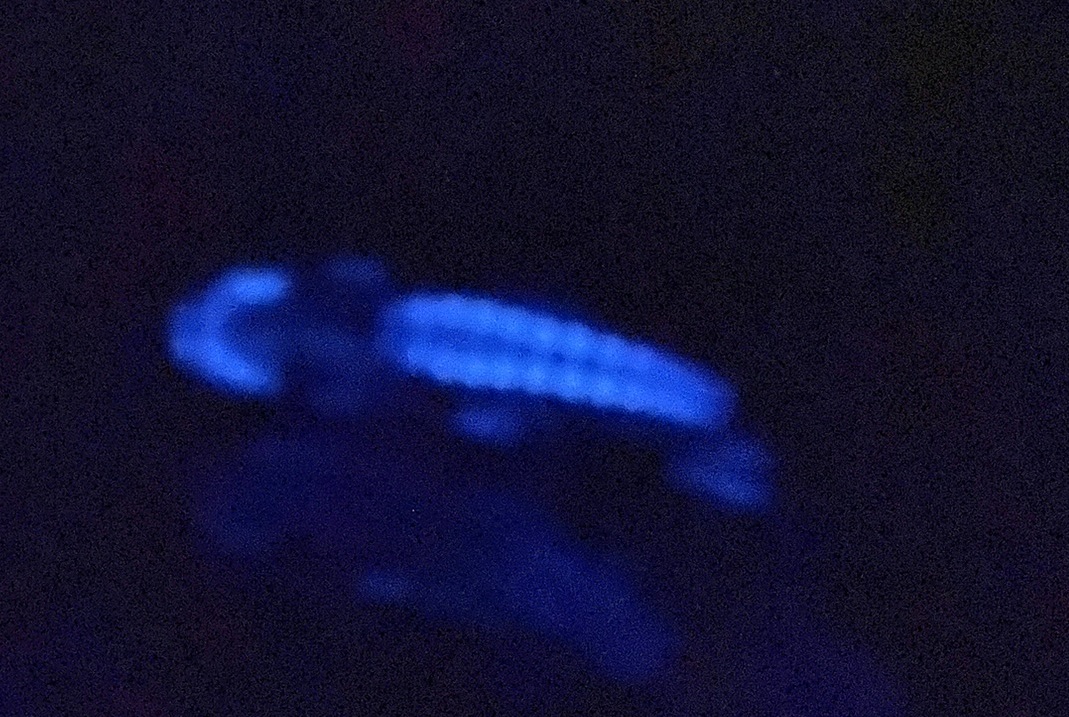
Computer models reveal that only a small percentage of individuals need to exhibit bioluminescence in order for school cohesion to be maintained, making flashlight fish schooling unique among fishes, in that bioluminescence enables schooling in conditions of no ambient light while some members can still partake in the school while not actively exhibiting their bioluminescence.
This efficiency in communication has evolutionary advantages that go beyond simple coordination. Image analysis of field data and models demonstrate that if a small percentage of fish become motivated to change direction, the rest of the school follows, with the use of bioluminescence by flashlight fish to enable schooling in shallow water adding an additional ecological application to bioluminescence and suggesting that schooling behavior in mesopelagic bioluminescent fishes may be also mediated by luminescent displays.
Why Light Communication Matters
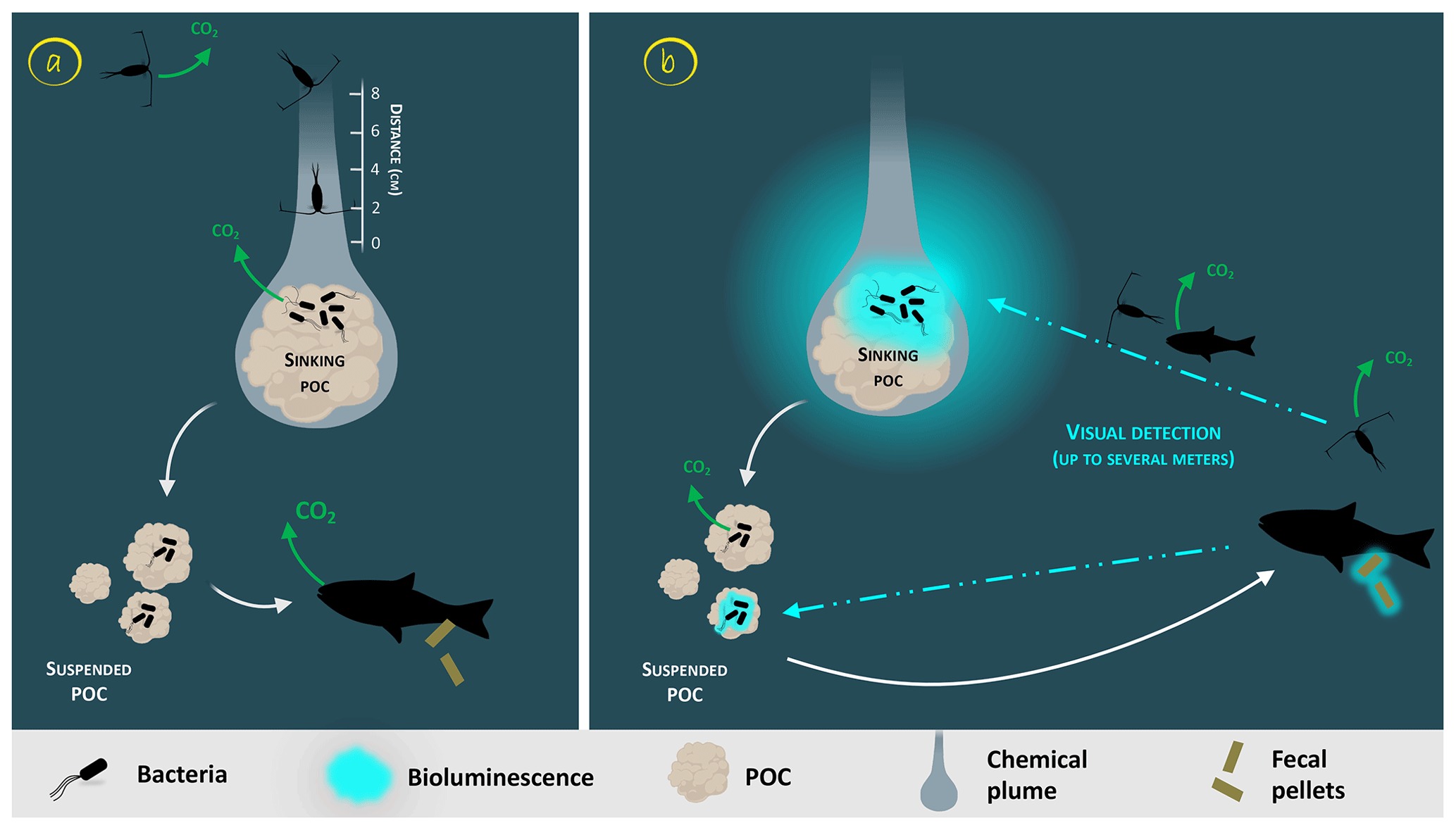
In the deep sea, bioluminescence is extremely common, and because the deep sea is so vast, bioluminescence may be the most common form of communication on the planet. This discovery fundamentally challenges our understanding of marine ecosystems and how life adapts to extreme environments.
The evolutionary implications are staggering. Research shows that bioluminescence has evolved repeatedly and is phylogenetically widespread across ray-finned fishes, with multiple independent evolutionary events of bioluminescence among marine fish lineages, indicating that bioluminescence has evolved many more times than previously hypothesized across fishes and the tree of life. This suggests that light communication represents a highly successful evolutionary strategy.
Global Perspectives and Marine Biodiversity
A large majority of marine creatures dwelling below 1,500 feet produce their own biological light through bioluminescence, with this natural phenomenon serving as a critical survival mechanism, enabling communication, camouflage, and hunting in an ecosystem where sunlight never penetrates. The flashlight fish represents just one example of this widespread phenomenon that spans the global ocean.
Recent work has shown that lanternfishes are capable of seeing blue-green bioluminescence from up to about 100 feet away, supporting the idea that lateral photophores could be used for interspecific communication. Research suggests that the bioluminescence of flashlight fish can be seen from considerable distances in the deep sea – an impressive feat in the murky blackness of the deep sea. This visibility range suggests that these communication networks could span vast underwater territories.
The Future Landscape of Marine Research
The discovery of light-based fish communication opens exciting possibilities for future ocean exploration and technology development. Engineers could one day model the flashlight fish behavior and train robots to swarm together based on blinking lights, suggesting practical applications for underwater robotics and autonomous systems.
The idea that the deep sea could be filled with billions of fish that are schooling is kind of exciting, as researchers now contemplate the possibility that vast portions of our ocean may contain coordinated communities of bioluminescent creatures we’ve never observed. This could revolutionize marine conservation efforts and our understanding of deep-sea ecosystems.
Conservation and Scientific Action
Understanding flashlight fish communication becomes increasingly urgent as ocean environments face mounting pressures. When researchers returned to the original study site, the flashlight fish were nowhere to be found, with the reef having experienced bleaching and coral die-off, and a recent storm knocking over some coral, though it remains unclear if the fish left as a result or migrated elsewhere.
Supporting marine research requires continued funding for advanced underwater imaging technology and long-term monitoring programs. Citizens can contribute by supporting organizations dedicated to deep-sea research and marine conservation, while staying informed about the latest discoveries in bioluminescence research. The future of understanding these remarkable light conversations depends on protecting the ocean environments where they occur and maintaining the technological capabilities needed to study them.
This groundbreaking discovery reminds us that our oceans still hold countless secrets waiting to be illuminated. The next time you look out over dark waters, remember that beneath the surface, an entire world of creatures may be engaged in conversations of light that we’re only beginning to understand. What other forms of communication might be occurring in the depths we’ve yet to explore?
Suhail Ahmed is a passionate digital professional and nature enthusiast with over 8 years of experience in content strategy, SEO, web development, and digital operations. Alongside his freelance journey, Suhail actively contributes to nature and wildlife platforms like Discover Wildlife, where he channels his curiosity for the planet into engaging, educational storytelling.
With a strong background in managing digital ecosystems — from ecommerce stores and WordPress websites to social media and automation — Suhail merges technical precision with creative insight. His content reflects a rare balance: SEO-friendly yet deeply human, data-informed yet emotionally resonant.
Driven by a love for discovery and storytelling, Suhail believes in using digital platforms to amplify causes that matter — especially those protecting Earth’s biodiversity and inspiring sustainable living. Whether he’s managing online projects or crafting wildlife content, his goal remains the same: to inform, inspire, and leave a positive digital footprint.