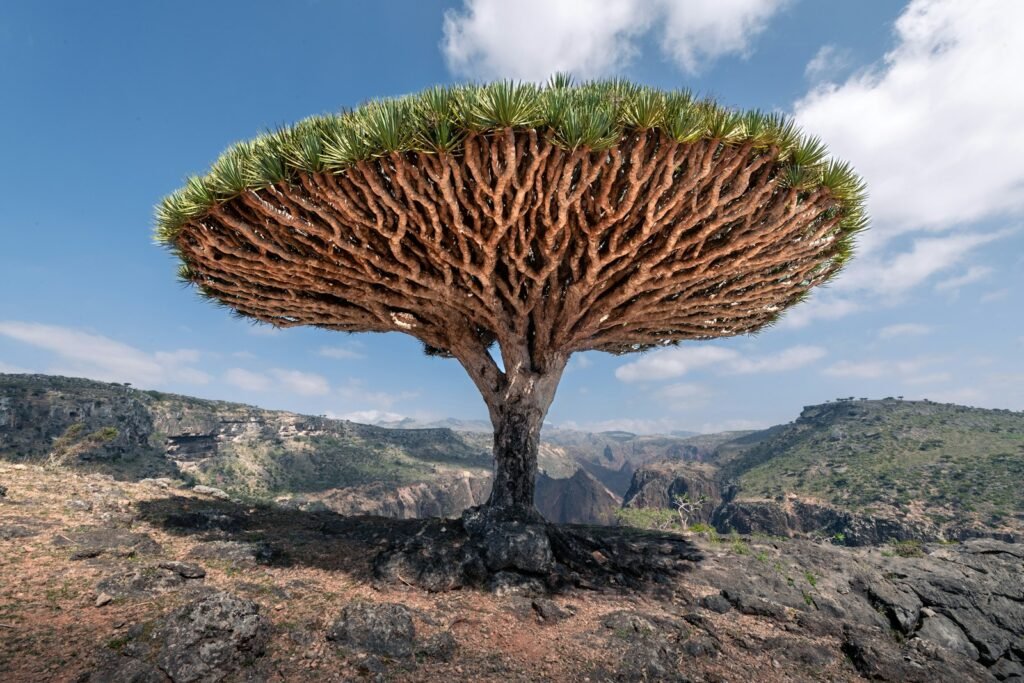

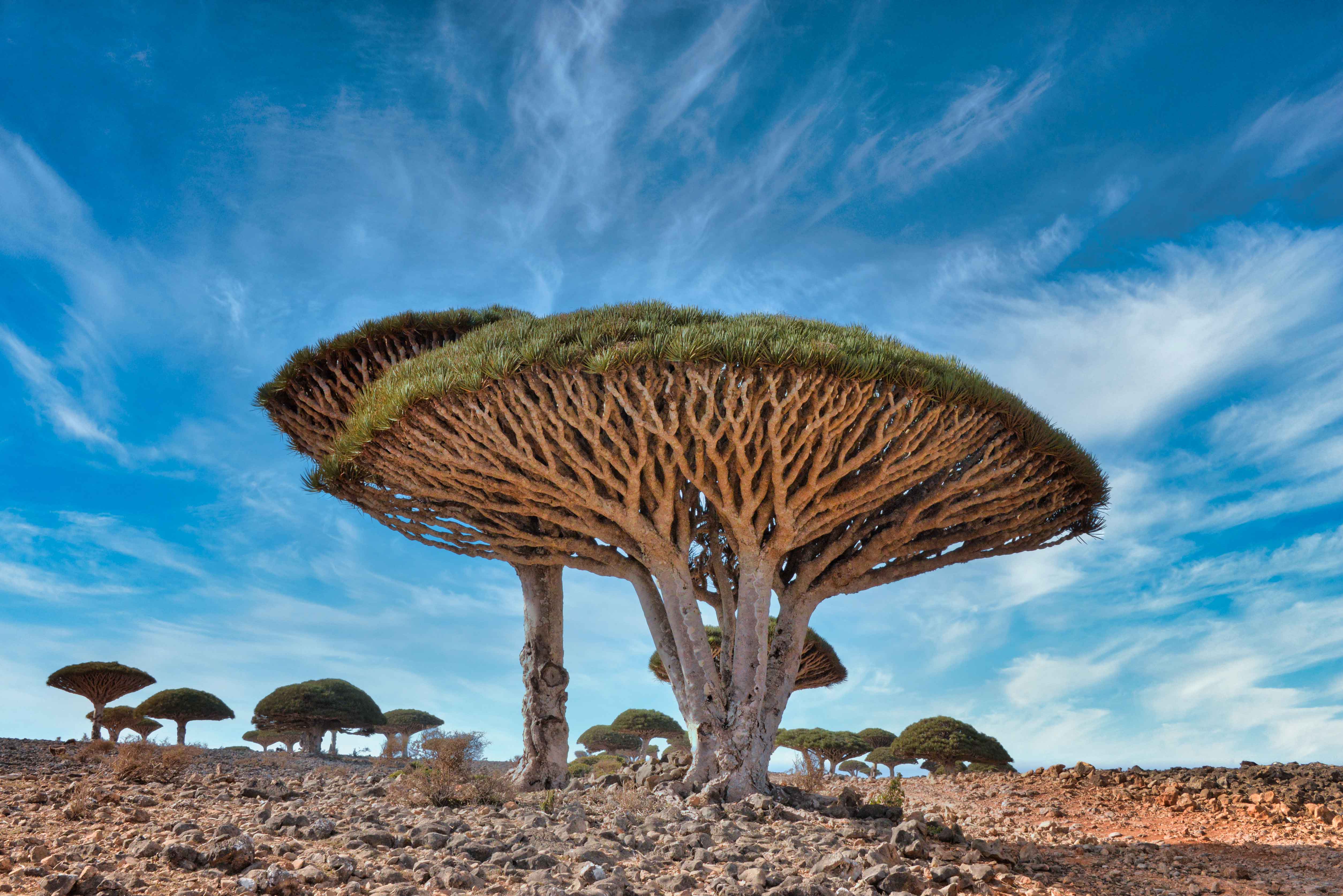
On a wind-carved plateau in the Arabian Sea, a tree appears to bleed when wounded, startling hikers and delighting field botanists. The dragon’s-blood tree, native to Yemen’s Socotra archipelago, oozes a crimson resin that has stirred imaginations for centuries and stocked apothecaries across continents. The sight of that red flow raises a deceptively simple question with a surprisingly intricate answer: why would a tree make blood-colored sap at all? Researchers now frame it as a story of survival, chemistry, and evolution folded into one extraordinary plant. What looks like drama is in fact a sophisticated response to injury, crafted by natural selection and decoded by careful lab work.
The Hidden Clues
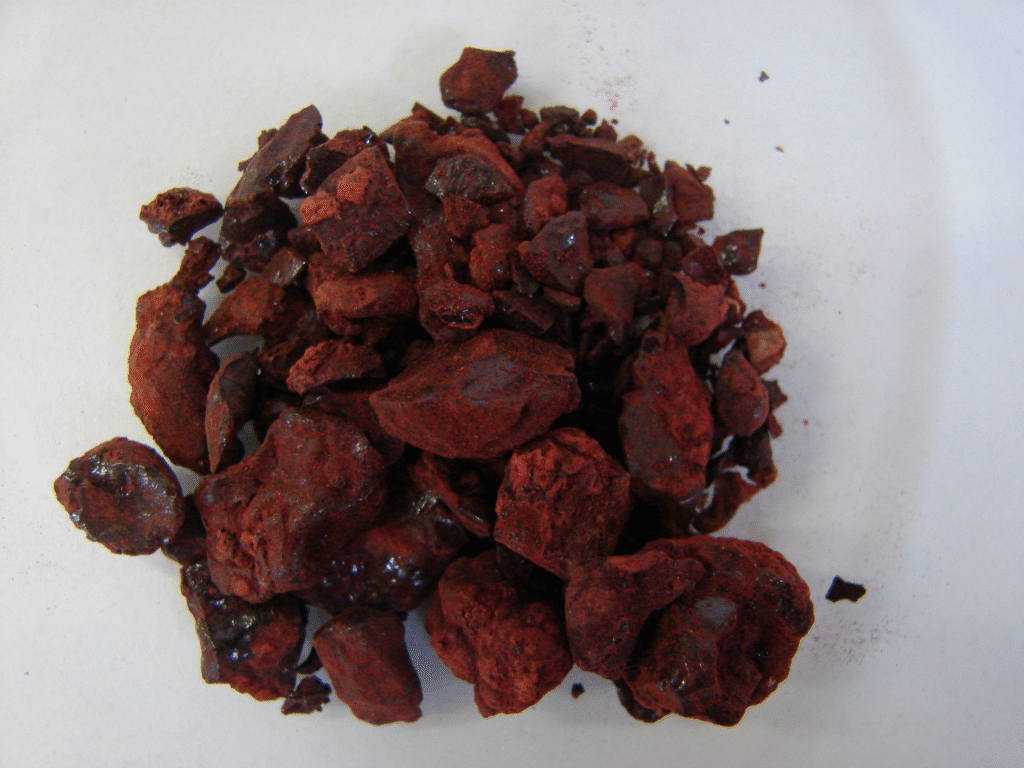
Every drop of the resin begins as a defensive reflex, not a theatrical flourish. When bark is cut by a storm-slashed branch, an insect, or a human blade, the tree seals the breach with thick exudate that hardens into a protective shield. The vivid color is a warning of potency, and in the wild that message matters: microbes and herbivores meet a sticky, bitter wall that slows their advance.
I remember the first time I rubbed a flake of dried resin between my fingers in a herbarium prep room; it smudged a deep brick red and smelled faintly spicy. That tactile, stubborn stickiness tells the real story better than any diagram – it is plant triage, quick and decisive. The resin plugs wounds, traps pests, and buys precious time for tissues to heal beneath.
From Ancient Tools to Modern Science
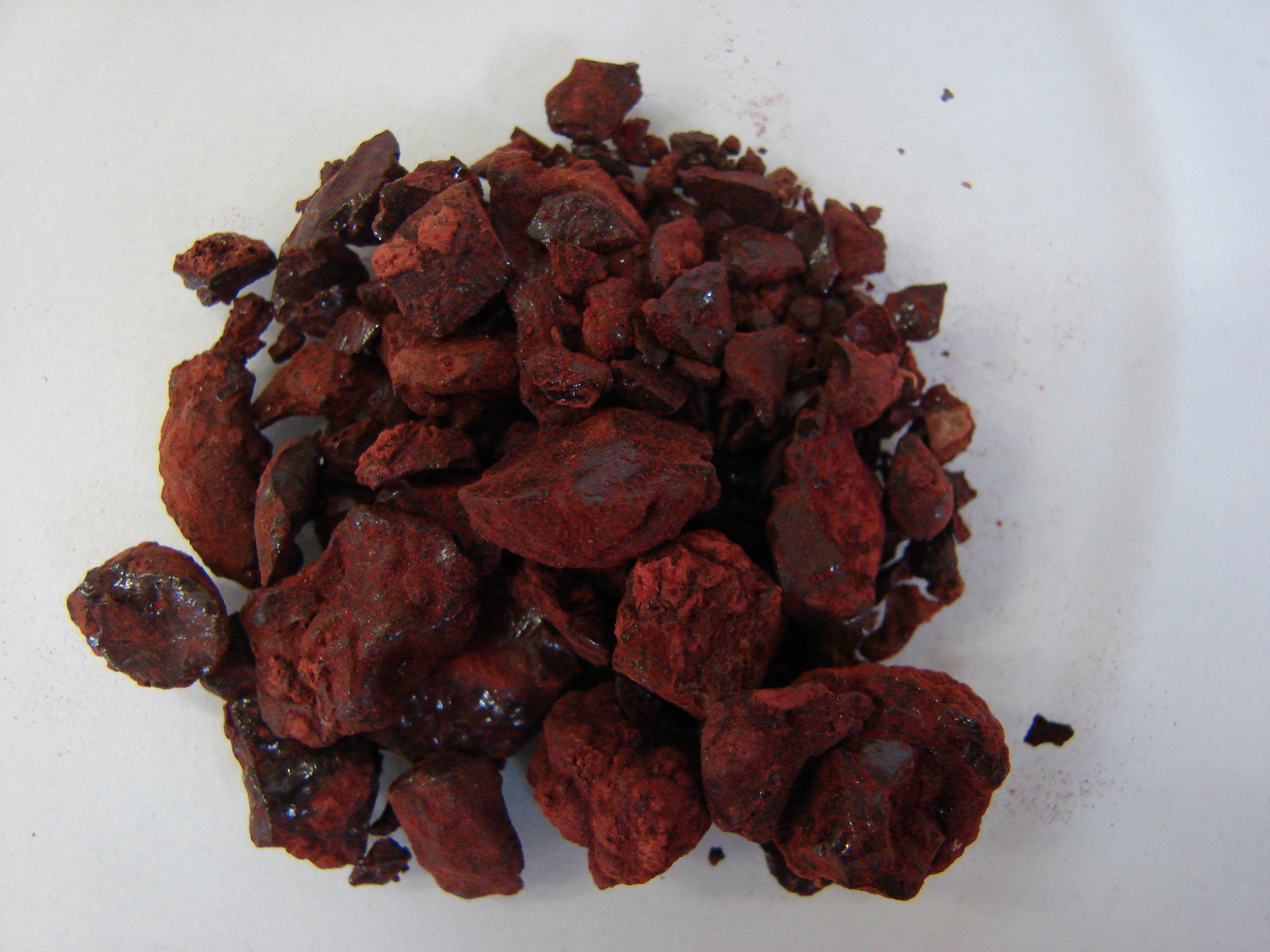
Long before we could parse molecules, traders moved dragon’s blood along Indian Ocean routes and into Mediterranean markets. Artisans used it as a dye and lacquer, while healers prized it for poultices and tinctures applied to minor cuts. Those practices lumped many resins under one name, but the tree of Socotra stood apart in lore and appearance.
Modern botanists separated story from species, showing that “dragon’s blood” can come from different lineages – including Dracaena on Socotra and rattan palms or Croton trees elsewhere. That taxonomic clarity matters, because chemistry – and therefore any biological activity – varies by source. Today’s lab techniques, from chromatography to mass spectrometry, reveal the resin’s complex blend rather than a single mythical ingredient.
Inside the Red Flow
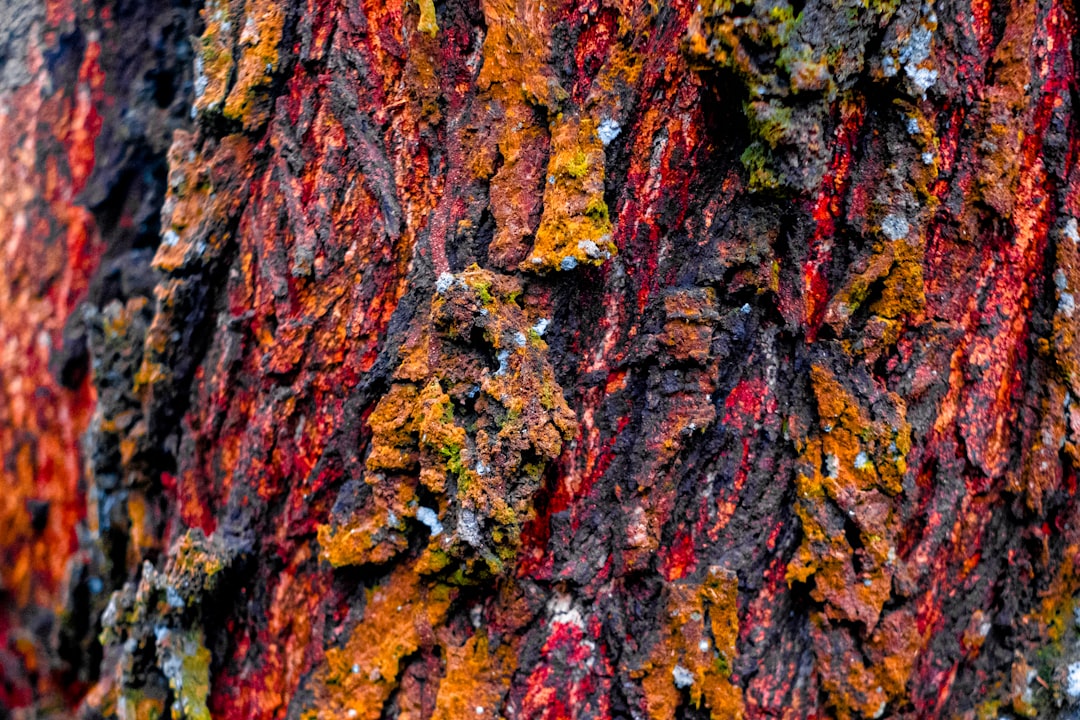
At the moment of injury, living cells near the wound shift gears and route carbon into resin precursors, much like a factory switching to emergency production. Canals and intercellular spaces fill with the viscous mix, which then thickens on contact with air as small molecules link into larger, tougher networks. The rapid set is critical: a slow-curing seal would leak and invite decay.
Sap is a catch-all word, but botanically this is resin – a hydrophobic cocktail rich in phenolics and other defensive compounds. In the dragon’s-blood tree, the process reads like a well-timed choreography, where speed, stickiness, and chemistry converge to turn loss into armor.
The Chemistry of Color
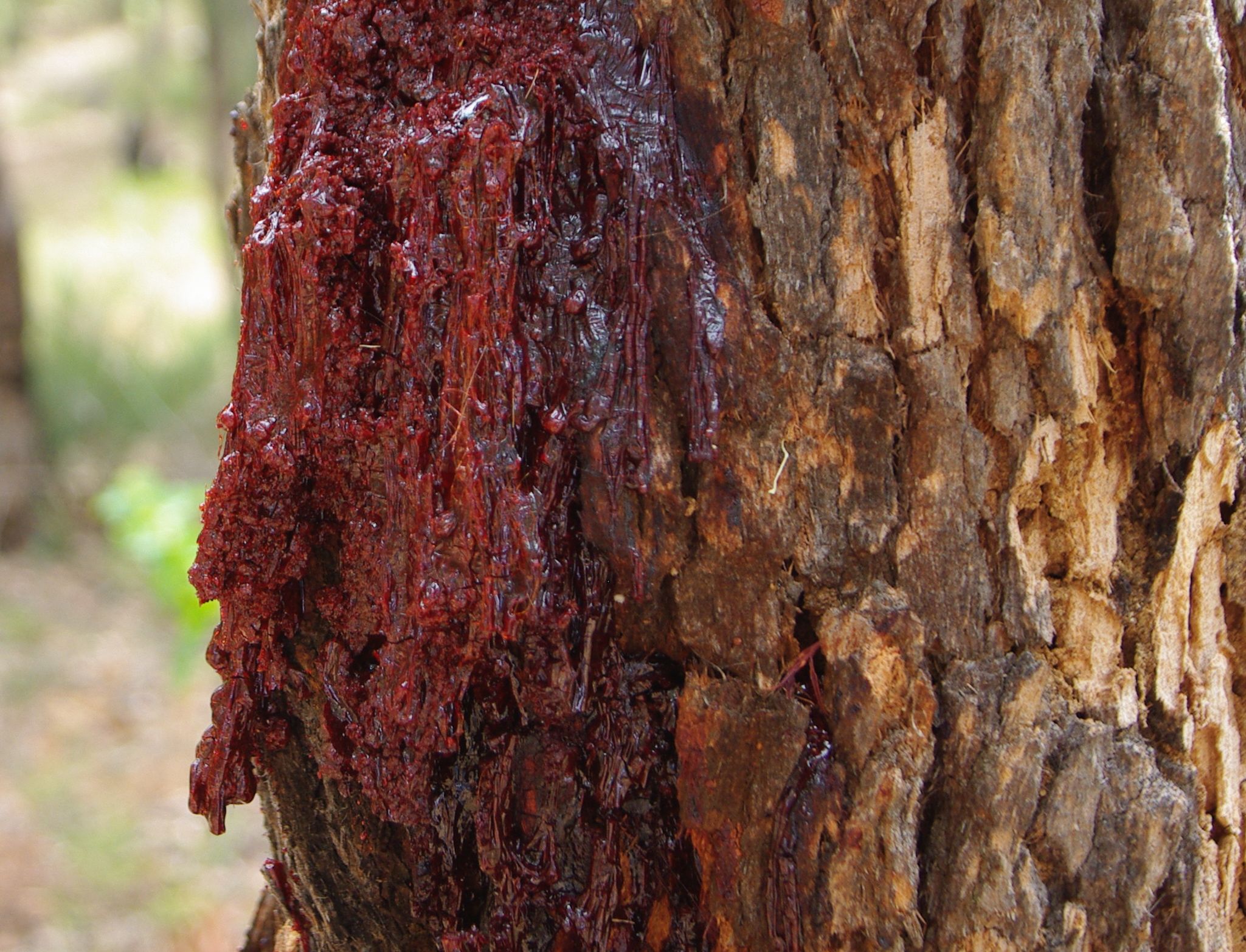
The signature red comes from pigments synthesized along the phenylpropanoid pathway, including compounds that, once oxidized, deepen into crimson. Some of these molecules are close cousins to the tannins that give bark its astringency and tea its bite. In laboratory assays, fractions of the resin have shown antimicrobial properties and strong antioxidant capacity, though effects depend on how the resin is prepared.
Here, nuance is essential: traditional use as a topical aid does not automatically translate into broad clinical benefit. Botanists and pharmacologists caution that potency is uneven between species and even between trees, shaped by age, stress, and season. The color is consistent and dramatic; the biology behind it is diverse and precise.
Islands that Shaped a Survivor
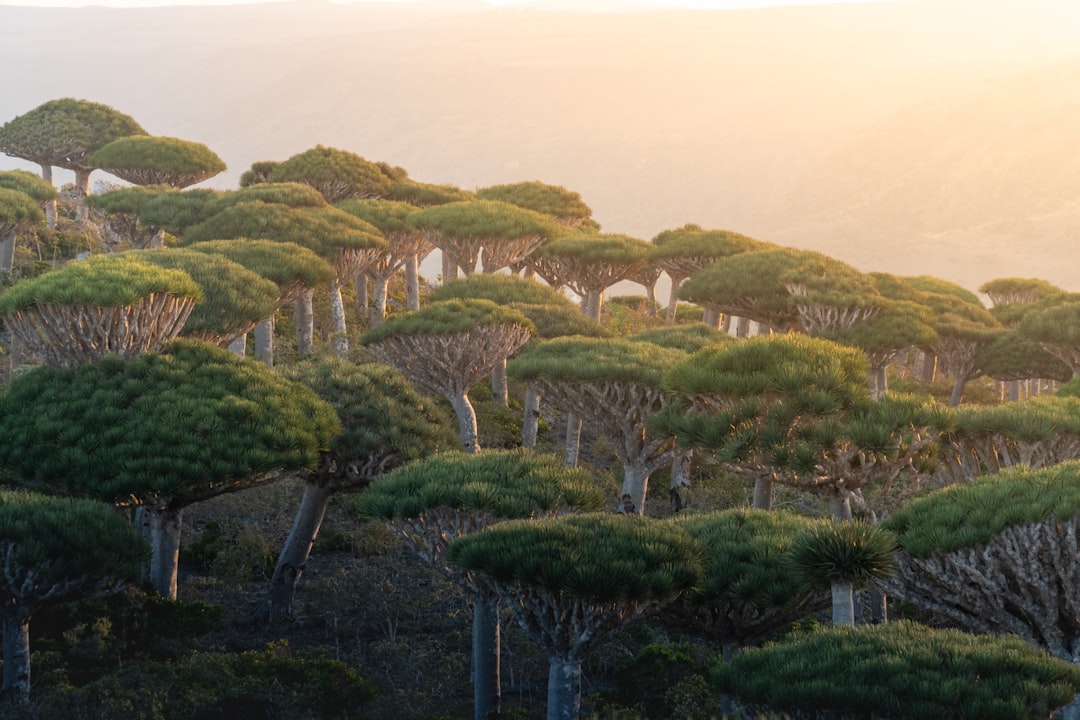
Socotra’s dragon’s-blood forests look like a landscape sketched by a surrealist, umbrellas of green balanced on pale trunks. That architecture is not whimsy – it shaves sunlight at high noon and traps mist that drips toward the roots, a vital trick in a dry climate. When the monsoon winds shear across the plateau, the canopy’s geometry spreads the force and reduces breakage.
Life on a limestone island has also made reproduction a high-stakes game. Seedlings need shelter from goats and harsh sun, and recruitment can stall if those microrefuges disappear. The resin, in this context, is one strategy among many that helps a slow-growing tree keep what it has.
Why It Matters
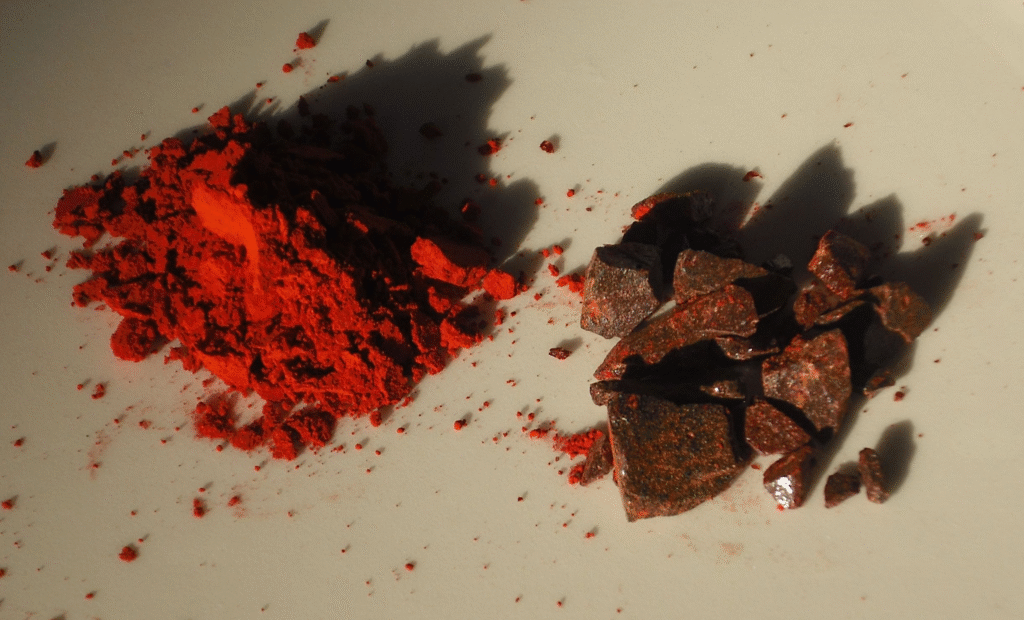
Getting the resin story right has practical consequences for conservation and for medicine cabinets. If harvesters or buyers confuse different “dragon’s blood” sources, both scientific studies and supply chains skew, leading to ineffective remedies and misplaced protection efforts. Clear identification lets researchers test like with like, and it guides local policies on sustainable tapping.
There is also a cultural ledger here: communities have used this resin for generations, and their knowledge helps scientists frame better questions. Aligning that heritage with rigorous analysis prevents both romantic oversell and needless skepticism. In a world awash with health claims, the dragon’s-blood tree reminds us that precision is the most respectful form of curiosity.
The Future Landscape
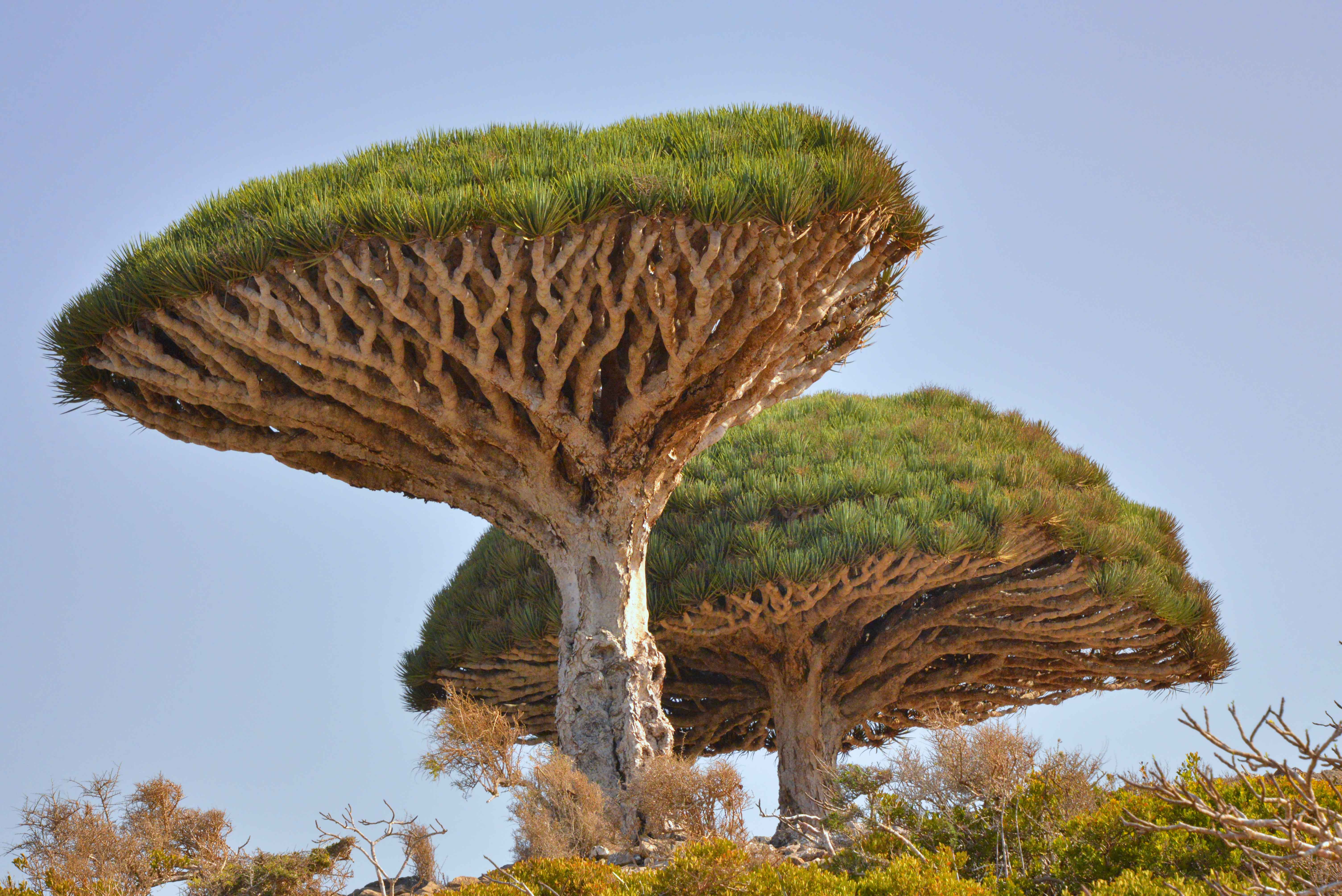
Field surveys point to a simple bottleneck: too few young trees are replacing the elders that dominate the skyline. Climate models suggest drier, hotter conditions on parts of Socotra by mid-century, which could stress seedlings even more. Botanists are testing assisted regeneration, from fencing goat-free plots to planting under nurse shrubs that soften heat and wind.
On the lab side, researchers are mapping chemical fingerprints across populations to see how environment and genetics shape the resin. That opens doors to traceability – confirming whether a vial labeled “dragon’s blood” truly comes from Socotra’s Dracaena or from a different species entirely. It also sharpens the search for compounds worth deeper study without plundering wild trees.
What You Can Do Now
Support projects that prioritize habitat protection and community-led regeneration on Socotra; these efforts keep seedlings safe and livelihoods steady. When buying natural resins or herbal products, look for clear species names and origin details rather than generic “dragon’s blood” labels. This consumer pressure nudges vendors toward transparency and reduces accidental substitution.
For readers with a science streak, museum collections and botanical gardens often host talks or exhibits on island biodiversity and resin chemistry. Sharing vetted resources does more than rack up clicks – it builds a public that can tell spectacle from substance. That, ultimately, is how a red stain on a fingertip becomes a reasoned, long-term commitment to a remarkable tree.
Suhail Ahmed is a passionate digital professional and nature enthusiast with over 8 years of experience in content strategy, SEO, web development, and digital operations. Alongside his freelance journey, Suhail actively contributes to nature and wildlife platforms like Discover Wildlife, where he channels his curiosity for the planet into engaging, educational storytelling.
With a strong background in managing digital ecosystems — from ecommerce stores and WordPress websites to social media and automation — Suhail merges technical precision with creative insight. His content reflects a rare balance: SEO-friendly yet deeply human, data-informed yet emotionally resonant.
Driven by a love for discovery and storytelling, Suhail believes in using digital platforms to amplify causes that matter — especially those protecting Earth’s biodiversity and inspiring sustainable living. Whether he’s managing online projects or crafting wildlife content, his goal remains the same: to inform, inspire, and leave a positive digital footprint.