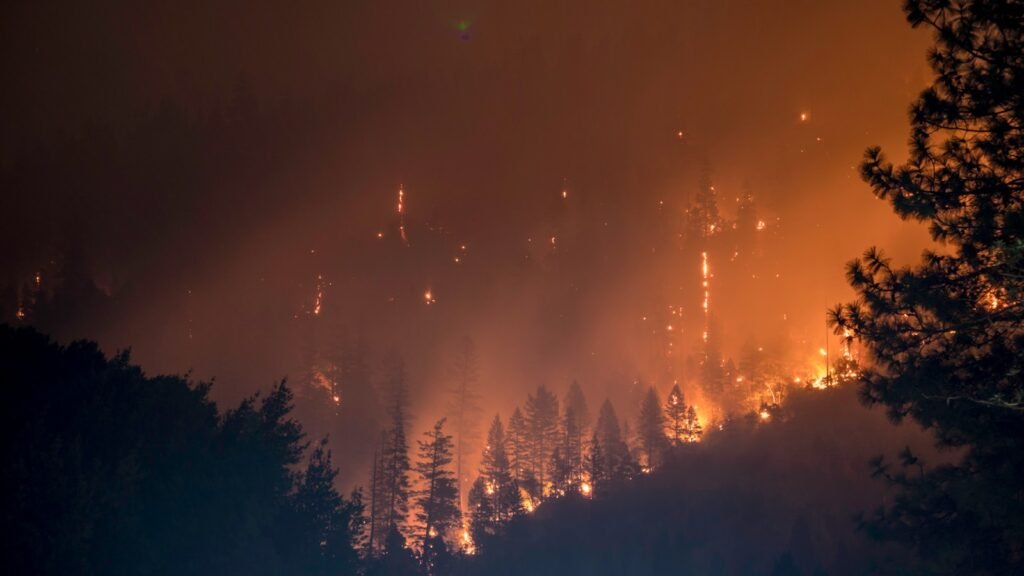
We like to imagine nature as harmonious, but the real story is wilder: forests that burn only to sprout brighter, rivers that burst their banks and leave fields richer, stars that explode and seed the cosmos with the stuff of life. The zodiac, born as a sky calendar, has always tried to make sense of that turbulence. Today, scientists do something similar with satellites, soil sensors, and models that track disturbances and renewal across Earth’s systems. The symbols don’t drive the science, of course, yet their language can help us talk about a reality that is both tender and ruthless. That duality – growth stitched to destruction – may be the most honest story we can tell about our planet right now.
The Hidden Clues
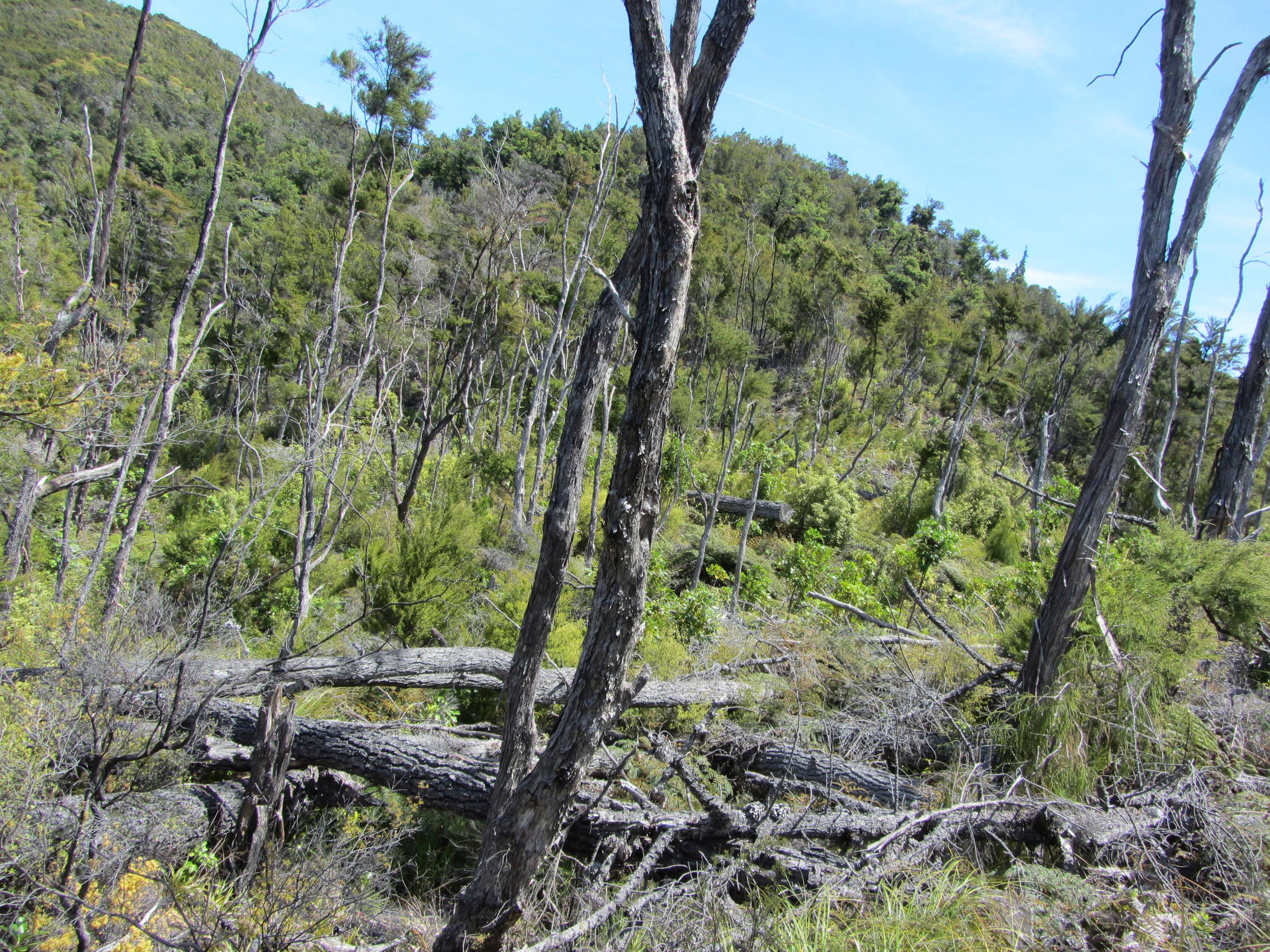
Here’s the paradox that refuses to sit quietly: many living systems need disruption to thrive. Some pine forests, for example, open their resin-sealed cones only after heat, turning flames into the key that unlocks a new generation. Floodplains, often seen as hazards, act like natural banks, storing water and nutrients that jump-start food webs when waters recede. Even coral reefs, though fragile, can rebound after bleaching if water cools and stressors ease, revealing a resilience that’s easy to underestimate.
I’ve seen this in miniature on a prescribed-burn trail when the first green spears pushed through ash like stitches closing a wound. The smell was smoky and sweet, the scene both post-apocalyptic and hopeful, and it felt like standing inside a time-lapse of recovery. The sky’s ancient symbols – fire, water, earth, air – offer a relatable shorthand for that churn. They don’t predict; they translate, helping us frame chaos as a stage rather than an ending.
From Ancient Tools to Modern Science
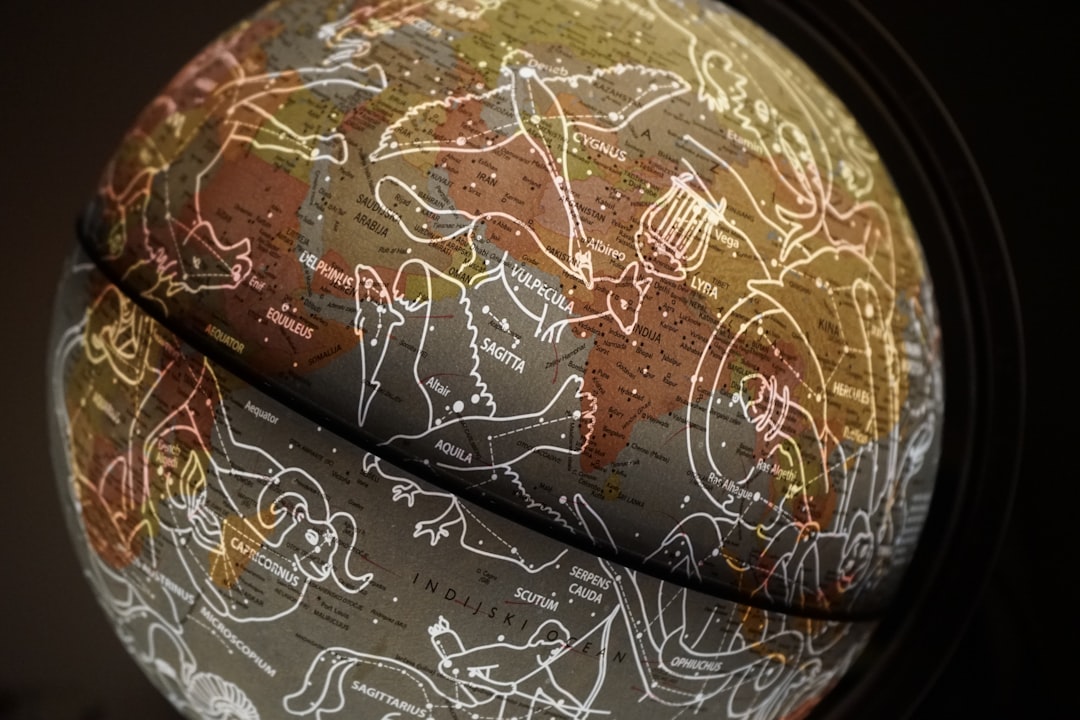
The zodiac began as an agricultural tool, mapping seasons to the sky so farmers could plan sowing and harvest. Over centuries, those constellations gathered stories about bravery, storms, wilderness, and change, becoming a cultural weather report before instruments existed. Modern science took the baton with barometers, satellites, and long-term ecological plots, quantifying forces earlier observers simply felt in their bones. We now track fire weather, river discharge, and species turnover with a clarity that would have seemed like sorcery to ancient sky-watchers.
Yet the core idea survived: pattern-seeking in a world of flux. Chaos theory shows how small nudges can snowball into major outcomes, which is why forecasts come with probabilities instead of certainties. Ecology echoes that lesson, revealing disturbance as a driver, not just a threat. The old star language and the new data speak to the same truth – systems are dynamic, and change is the rule, not the exception.
Nature’s Duality in the Zodiac
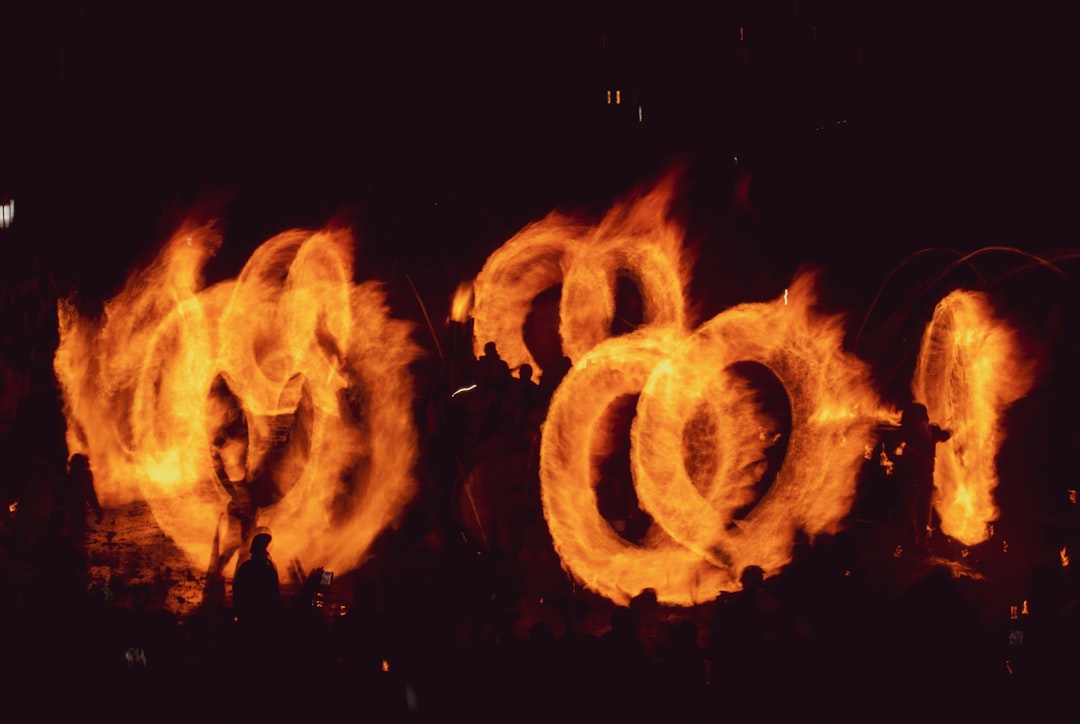
Fire signs often get cast as catalysts, and in ecological terms, fire truly is both scythe and gardener. Flames strip biomass, release nutrients, thin pests, and clear the stage for pioneer species that knit landscapes back together. Water signs mirror the deluge and the cure: floods can upend communities, but they also recharge aquifers, rebuild wetlands, and move sediment that nourishes coasts. Earth signs evoke soil and stone, reminding us that landslides carve new channels and volcanic ash can create famously fertile fields.
Air signs call to mind wind’s whimsical power, from pollination to the formation of storm systems that reorganize heat across the planet. None of this implies the constellations push buttons on Earth; it’s metaphor, not mechanism. But the pairings help us talk about life’s swing between loss and renewal without losing the plot. When symbols make complexity legible, communities are better equipped to act.
Signs on the Edge: Aries, Scorpio, Aquarius, Leo
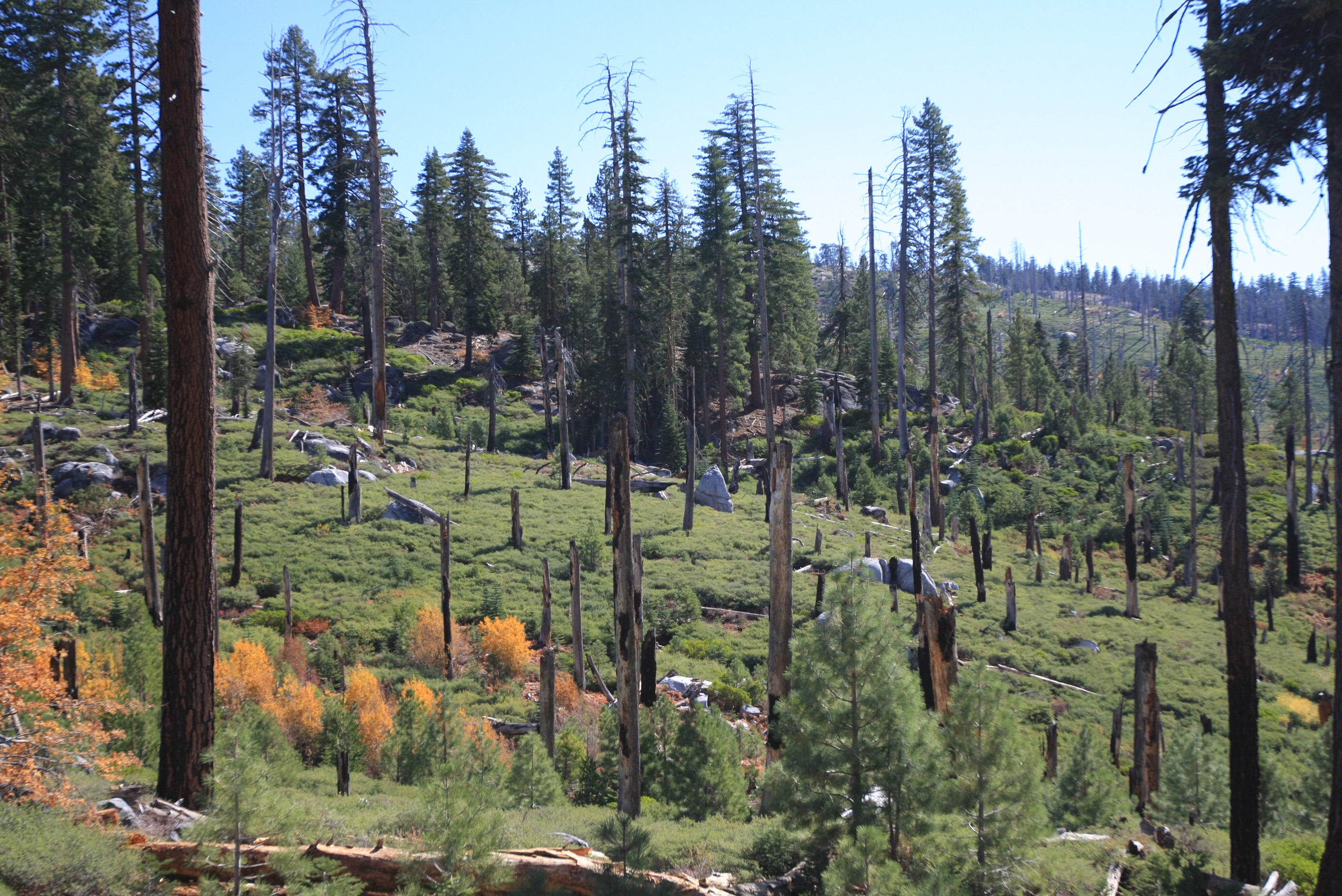
Aries is often linked to ignition, and in the living world ignition can be literal: some forests evolved with periodic fire, where heat cracks cones and light floods the forest floor. After the burn, nitrogen pulses through the soil and wildflowers colonize, trading scars for color. Scorpio suggests endings and rebirth, sounding a lot like decomposition, the quiet empire of fungi and microbes that dismantle the old to feed the new. Without that underworld labor, forests would choke on their own past.
Aquarius carries the imagery of water-bearer and flood, a nod to rivers that occasionally break control to restore balance across floodplains. Those events are terrifying up close, yet they rebuild habitats for fish, birds, and insects that feed entire regions. Leo, often associated with pride and power, maps neatly onto apex predators that structure entire ecosystems through trophic cascades. When big hunters return, vegetation patterns shift, waterways change behavior, and the system finds a steadier rhythm.
Global Perspectives
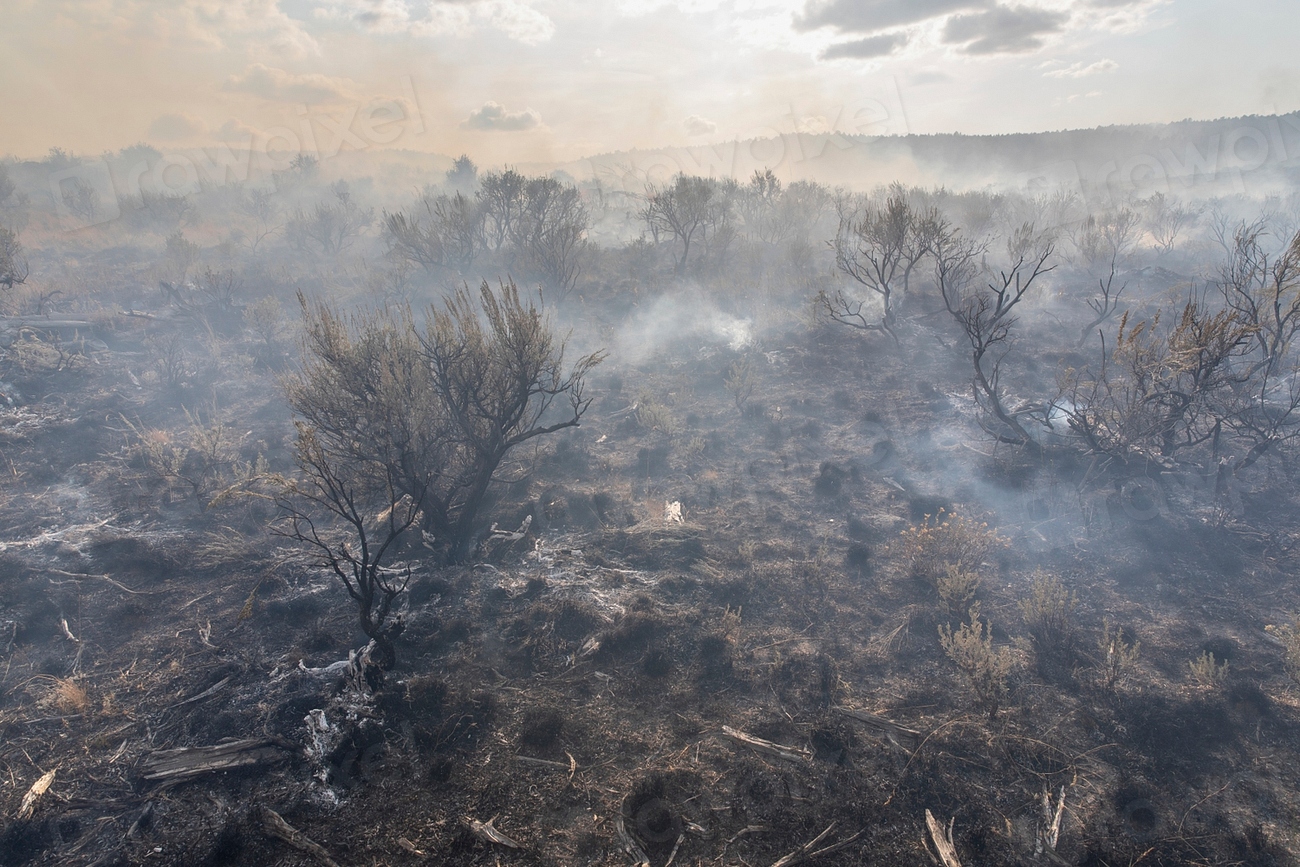
The sky is shared, but the stories differ, and so do the hazards and repairs that follow them. In monsoon regions, rain arrives like a seasonal drumbeat, risky yet indispensable, turning parched soils into rice paddies and grasslands. In Mediterranean climates, summers are tinderbox hot and winters bring renewing rain, a cycle that shaped plants with oils and resins that burn quick and recover fast. Move to subarctic coasts and the drama shifts to freeze-thaw cycles, permafrost slumps, and surges of nutrients in cold seas.
Even the calendar flips across hemispheres, with familiar constellations presiding over opposite seasons, a reminder that meaning rides on local context. Indigenous fire stewardship practices in several regions have long balanced hazard reduction with habitat renewal, guiding modern agencies toward cultural burns that protect both people and biodiversity. Urban areas write a different chapter, where concrete funnels heat and water in ways that amplify extremes, then demand green roofs and permeable streets as a corrective. The planet tells the same story in different dialects, and we are still learning to listen.
Why It Matters
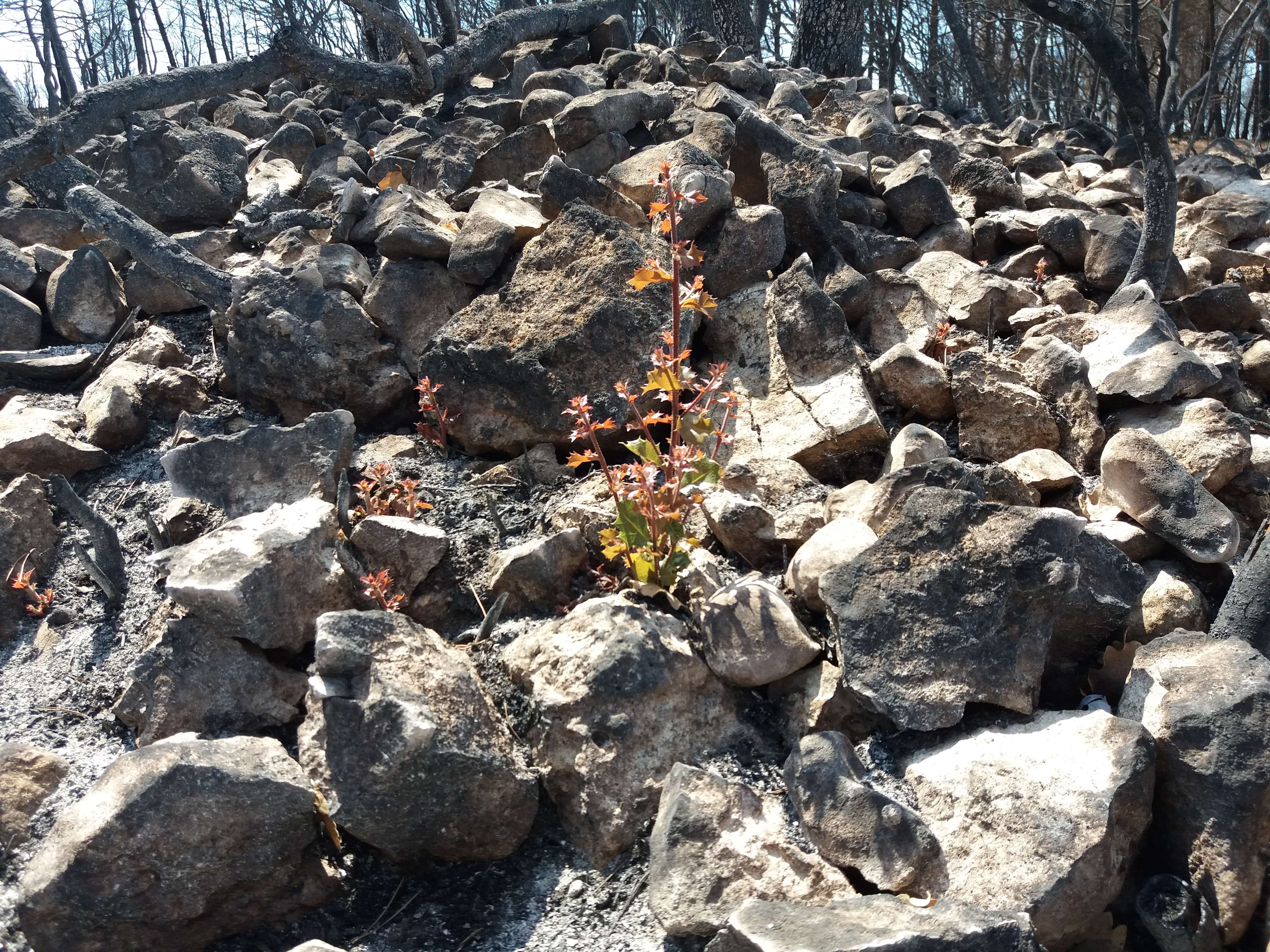
Framing nature’s duality clearly changes decisions, from where homes are built to how forests are managed and rivers are allowed to breathe. Traditional risk messages often fixate on the hazard alone, which can paralyze action or seed backlash when interventions fail to promise safety. A duality lens acknowledges that controlled burns, setback levees, and managed retreat are not admissions of defeat but tools for renewal. The point isn’t to glorify disruption; it’s to recognize that some disruptions are inevitable and some are strategic.
There’s also a science-communication edge here. People remember stories, and symbolic shorthand can carry complex, probabilistic truths farther than charts alone. When communities grasp that recovery starts inside the disturbance, support grows for measures that look counterintuitive at first glance. That shift – from fear to informed preparation – is where resilience takes root.
The Future Landscape
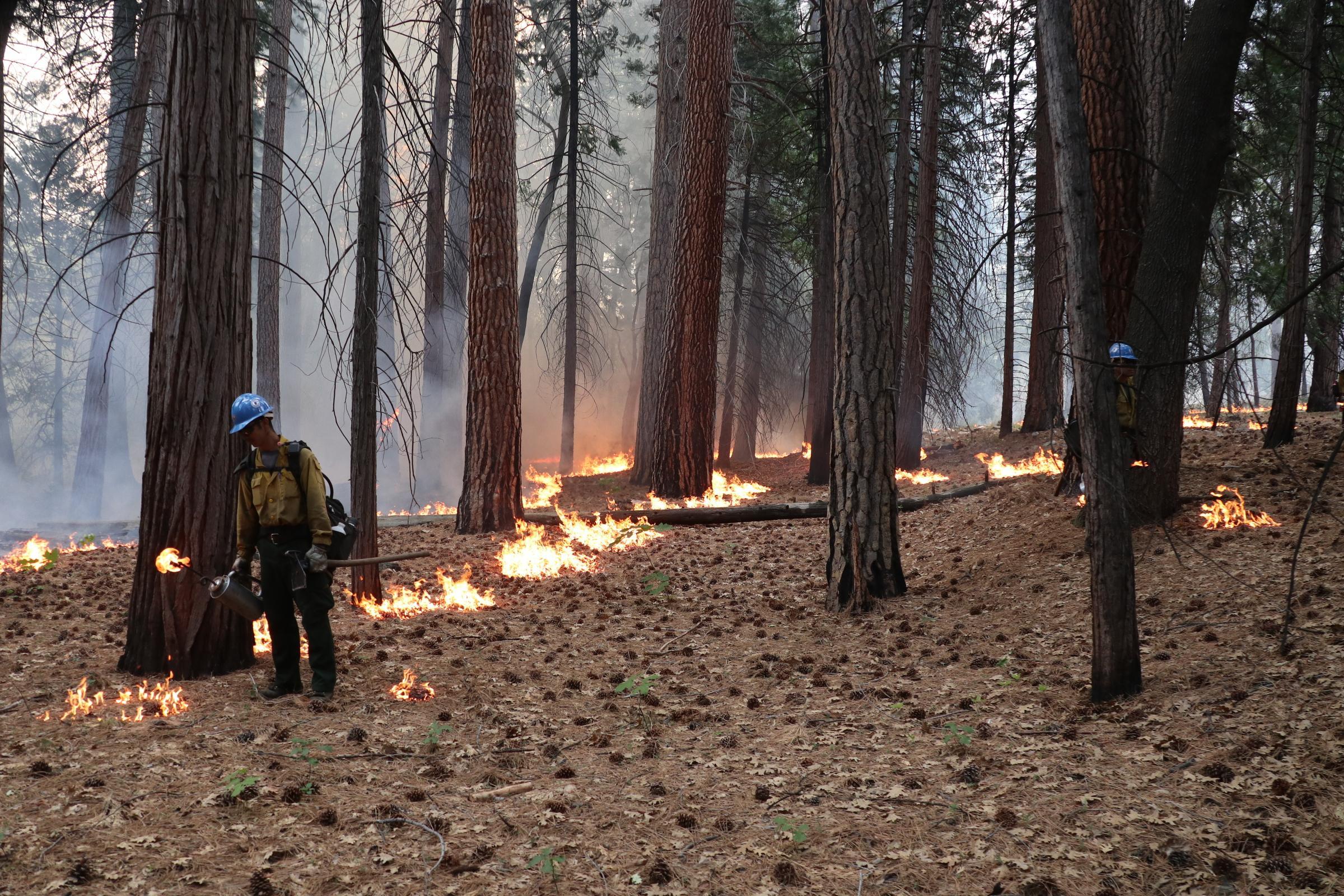
In the next decade, fire-behavior models are merging real-time weather, fuel loads, and terrain data to help crews light safer prescribed burns and plan evacuations with more precision. River managers are redesigning floodplains to store high flows and release them like a slow heartbeat, supported by satellite altimeters and on-the-ground sensors. Ecologists are testing drone sowing of native seeds after burns, while soil microbiome mapping guides which microbes to reintroduce so roots can settle fast. Forecasting ensembles are getting smarter too, stacking thousands of model runs to capture the shape of uncertainty rather than pretending it away.
There are pitfalls: misunderstanding probability, misreading short-term success, and mistaking metaphors for mechanisms. Climate trends are loading the dice toward hotter fires, higher seas, and wetter storms in many regions, turning the need for nuance into something urgent. The goal isn’t control so much as choreography – working with disturbance cycles where possible and softening the blow where we can’t. If that sounds like the zodiac’s old dance of creation and chaos, it’s because the dance never ended; we’re just learning new steps.
Conclusion
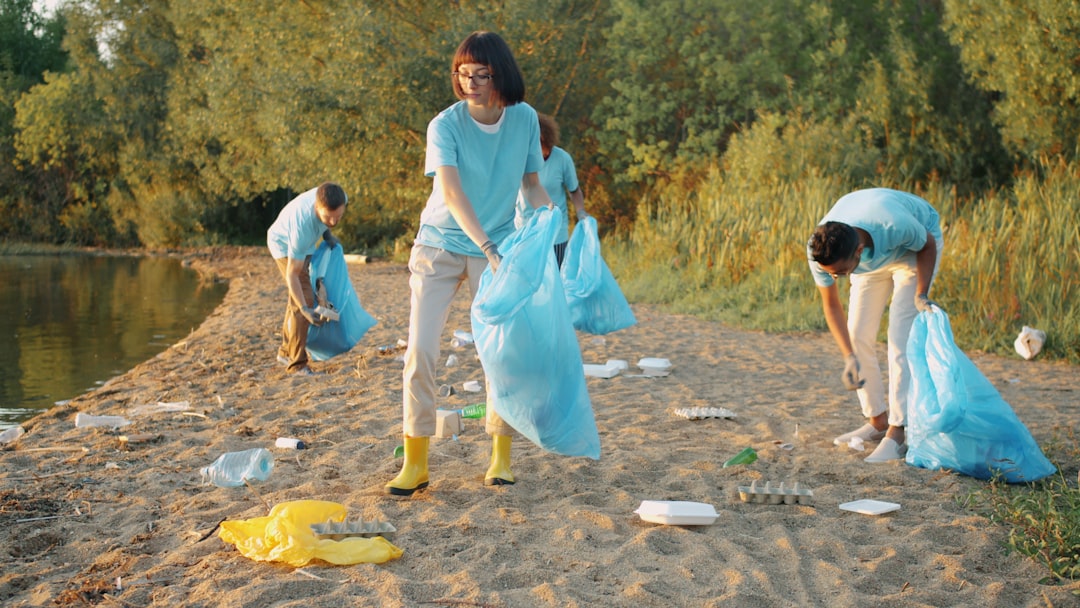
Start local by learning your region’s disturbance history – the last big fire, the floodplain boundaries, the wind patterns that steer storms – and ask how management plans align with that reality. Support science-backed practices like cultural and prescribed burns, riparian restoration, and wetland buffers that store water and habitat. Plant native species in yards and community spaces to create corridors for pollinators and birds that help systems rebound after shocks. Protect dark skies where you can; the stars won’t steer outcomes, but they can keep us curious enough to ask better questions.
Pitch in with community science, from stream temperature logging to post-fire plant surveys, and back local policies that respect both hazard maps and human dignity. Donate or volunteer with organizations that blend hazard mitigation with ecosystem recovery, and share resources that explain not only the risks but the renewal that follows. The more we treat creation and chaos as partners to manage – rather than rivals to deny – the steadier our footing becomes. In a world built on change, what new growth could your next small action unlock?