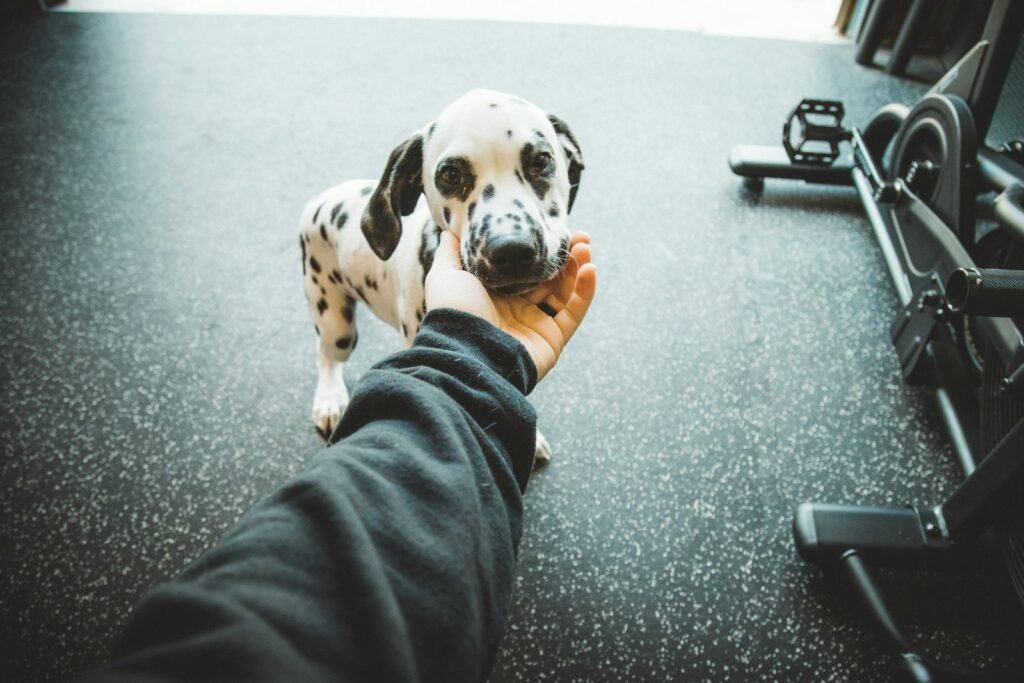
Across shelters, sanctuaries, backyards, and research labs, a quiet pattern keeps surfacing: some people seem to bond with animals almost instantly. Scientists talk about empathy, interoception, and sensory attunement; astrologers describe watery intuition and earthy steadiness. The puzzle is irresistible because it straddles emotion and evidence, folklore and field notes. As conservation pressures mount and cities sprawl, figuring out who naturally hears the softer signals from wildlife could shape how we rescue, rehabilitate, and coexist. The big question isn’t whether astrology is science, but whether its language can point us toward the human traits that animals appear to trust.
The Hidden Clues
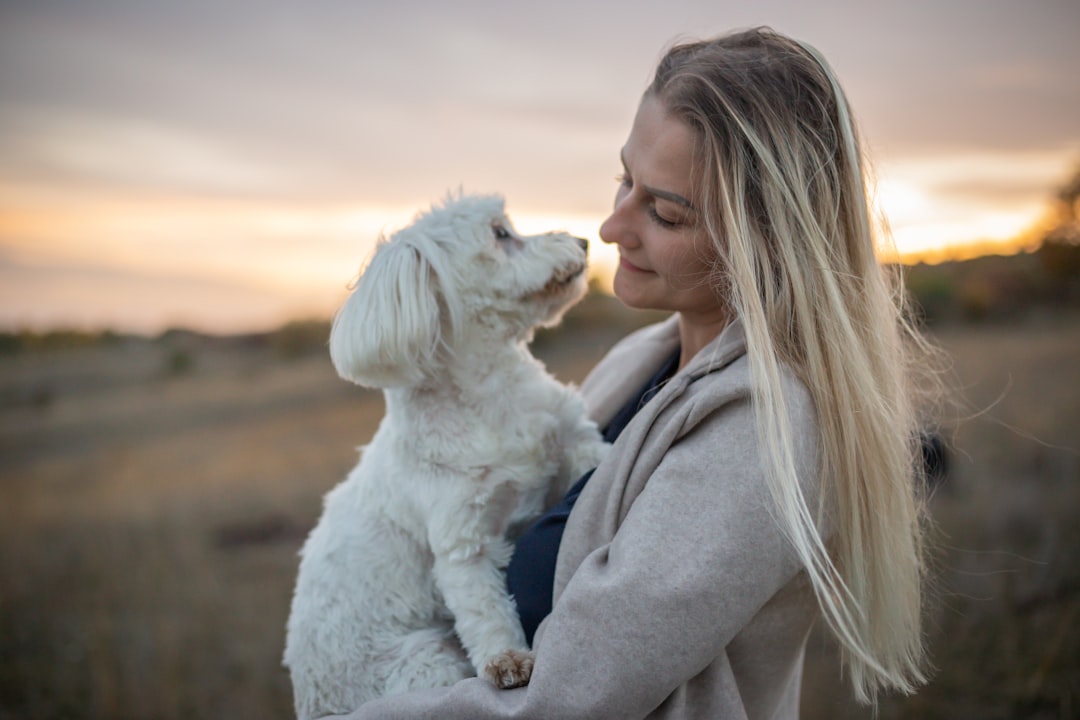
Is it possible your dog reads the weather inside your chest? Animals track micro-movements, heart-rate shifts, breath cadence, and even the way our pupils widen, and they do it faster than we can narrate what’s happening. Ethology and behavioral neuroscience show that many species respond to human stress chemistry and posture long before we consciously change our tone.
That sensitivity is a two-way street: people who notice their own internal cues – racing pulse, shallow breathing, tingling skin – often read animals more accurately. Researchers studying human–animal interaction have linked calm, consistent body language to better outcomes in training and welfare settings. When astrologers say certain signs are “intuitive,” science might rephrase it as better interoceptive awareness and emotional regulation.
From Ancient Tools to Modern Science
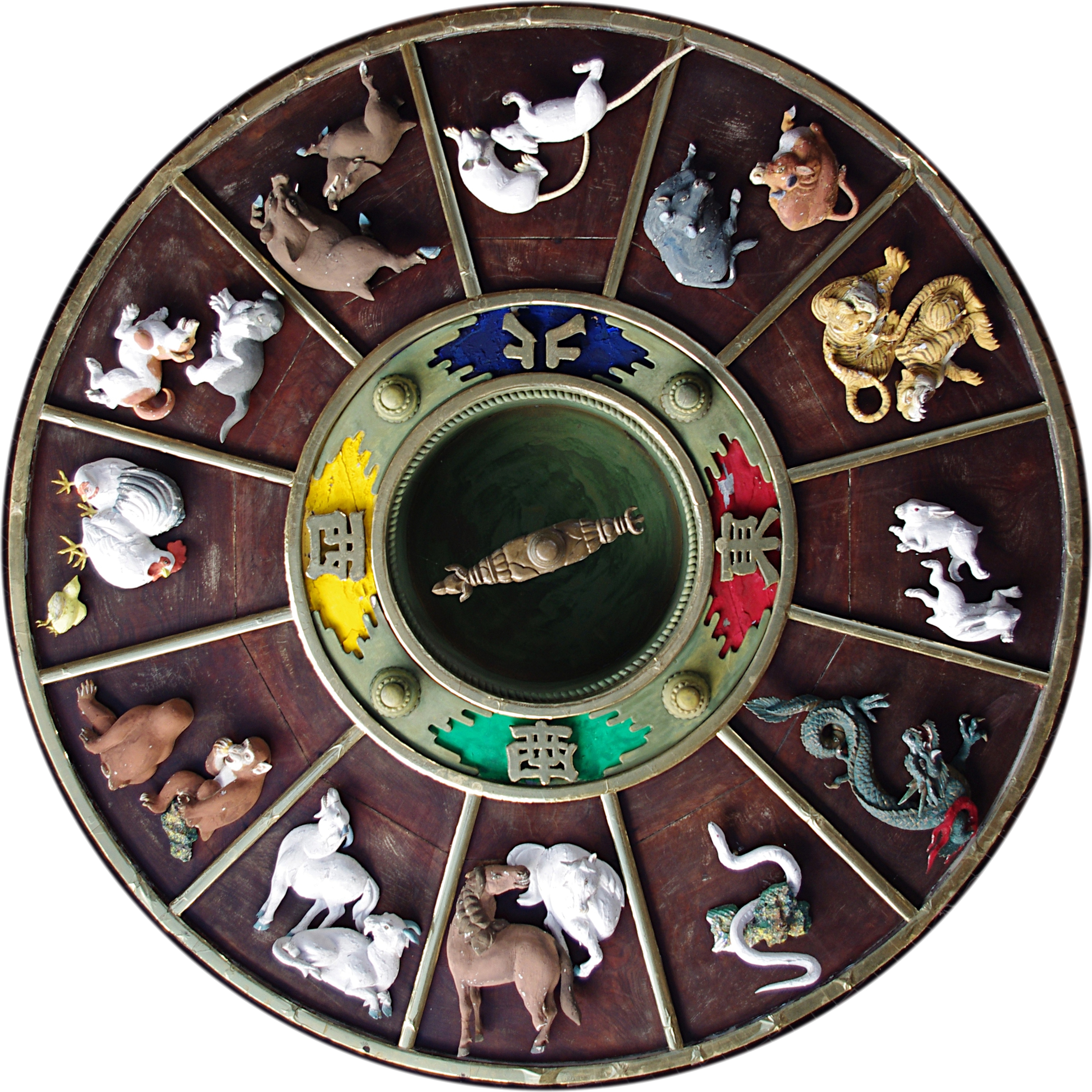
Astrology is not an evidence-based diagnostic tool, but it is a cultural map of personality language that many people use to reflect on behavior. Modern science offers sturdier anchors: empathy scales, the Big Five traits, and measures of sensory processing sensitivity all correlate with how humans interpret animals’ signals.
Put simply, if a sign’s archetype emphasizes care, patience, and attentiveness, it overlaps neatly with traits scientists have found helpful around animals. That overlap doesn’t prove causation; it gives us a practical, intuitive shorthand for discussing real capacities.
The Shortlist: Water and Earth Signs Take the Lead

Viewed through this dual lens, water and earth signs typically rise to the top for animal connection. Pisces and Cancer often symbolize deep empathy and quiet receptivity, qualities that mirror the calm, observant states associated with successful animal handling. Virgo and Taurus bring grounded presence, routine, and sensory steadiness – the kind that keeps a shelter or stable running and a nervous creature settled.
Scorpio sometimes enters the conversation for focused, unwavering attention, especially with difficult cases, though its intensity can be a double-edged sword. Fire and air signs contribute in other ways – advocacy, exploration, innovation – but when we’re talking spiritual closeness and everyday attunement, water’s listening and earth’s constancy tend to lead.
Water’s Soft Radar: Pisces and Cancer
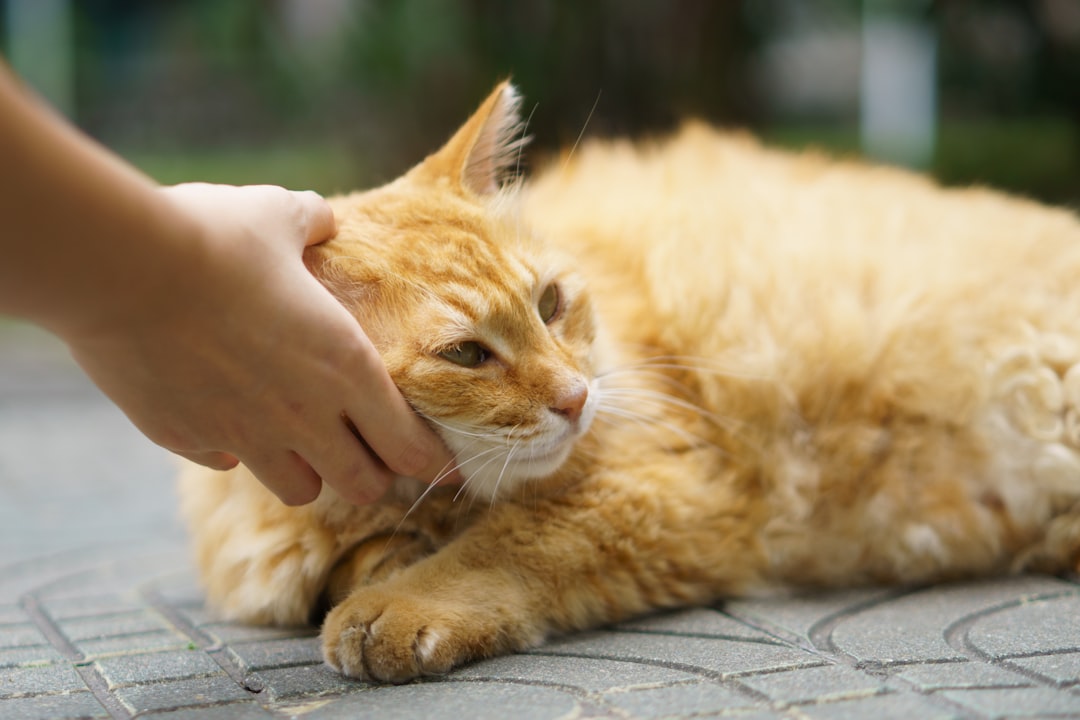
Pisces is often described as porous, the friend who feels the mood of the room before the door clicks shut. In practical terms, that maps to noticing subtle ear twitches, tail sets, and breath spacing – the tiny tells that separate fear from curiosity. I once shadowed a coastal rehab team where a Pisces volunteer could coax a trembling seabird to accept a towel wrap simply by slowing her breathing and matching its rhythm.
Cancer’s archetype centers on caregiving, and in kennels or wildlife nurseries, that looks like meticulous feeding logs, quiet hands, and the willingness to sit on the floor until the animal decides it’s safe. Both signs tend to tolerate slowness, which animals read as safety rather than threat. Their strength isn’t flashy; it’s the steady drum of presence that turns chaos into trust.
Earth’s Quiet Compass: Virgo and Taurus
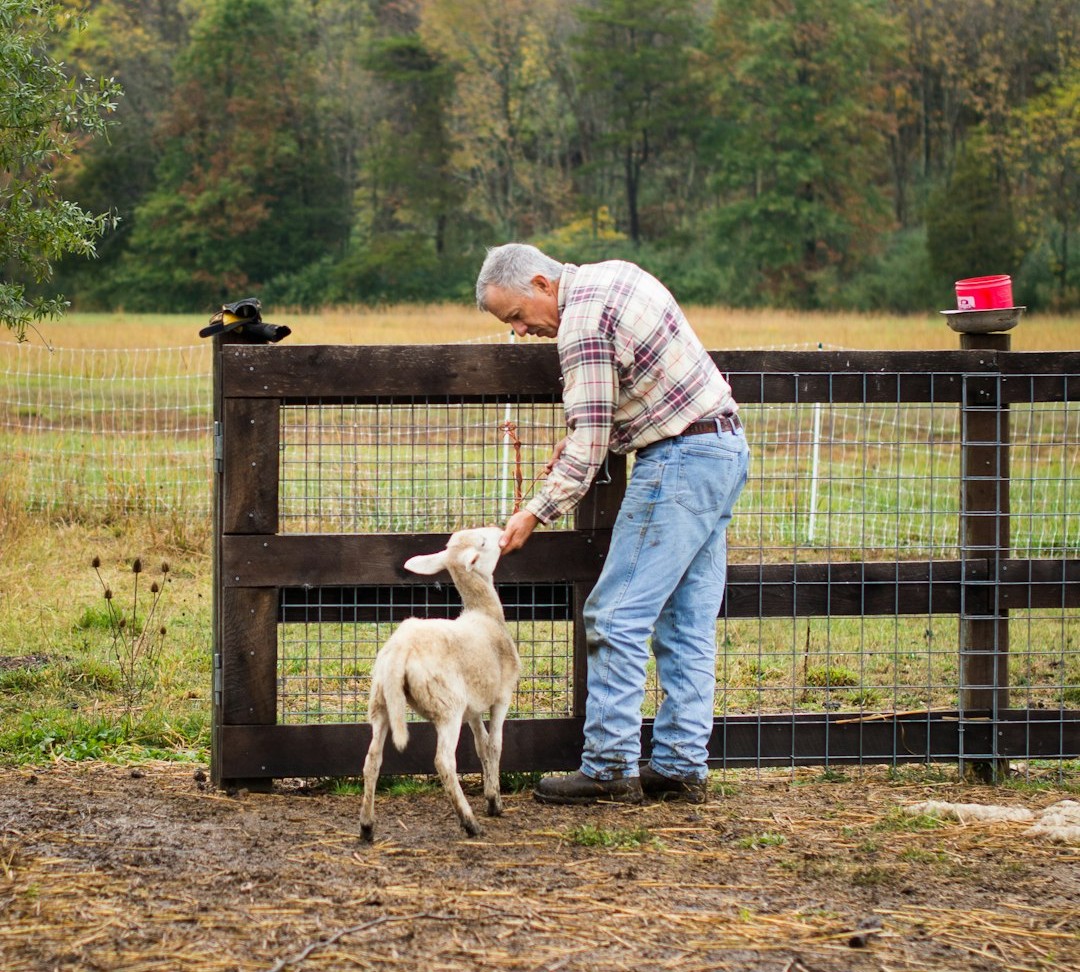
Virgo brings practical magic – the habit of watching patterns and adjusting the plan without fanfare. In field studies and barns alike, that means tracking daily micro-changes: appetite, gait, grooming, feces consistency, the small metrics that predict larger problems. Animals thrive when routines are reliable, and Virgo tends to deliver that cadence.
Taurus adds patient, sensory-rich calm: warm hands, unhurried grooming strokes, and a stable voice. Many prey species relax when humans move predictably and reduce sudden noises, and that’s a Taurus specialty. Together, Virgo and Taurus make care feel like a season rather than a task list – slow, cyclical, and safe.
Why It Matters

Animal welfare often hinges on the soft skills that rarely make grant abstracts: consistency, attunement, and reading the moment before it breaks. Traditional training methods have moved from dominance models toward cooperative, reinforcement-based approaches that reward calm and curiosity, not force. People who naturally bring this energy shorten the learning curve for animals and other staff.
In shelters, that can mean fewer returns and faster adoptions; in wildlife work, fewer stress-related complications during capture and release. Framing these traits with familiar archetypes helps volunteers self-select roles that fit them, lowering burnout and improving outcomes.
The Future Landscape
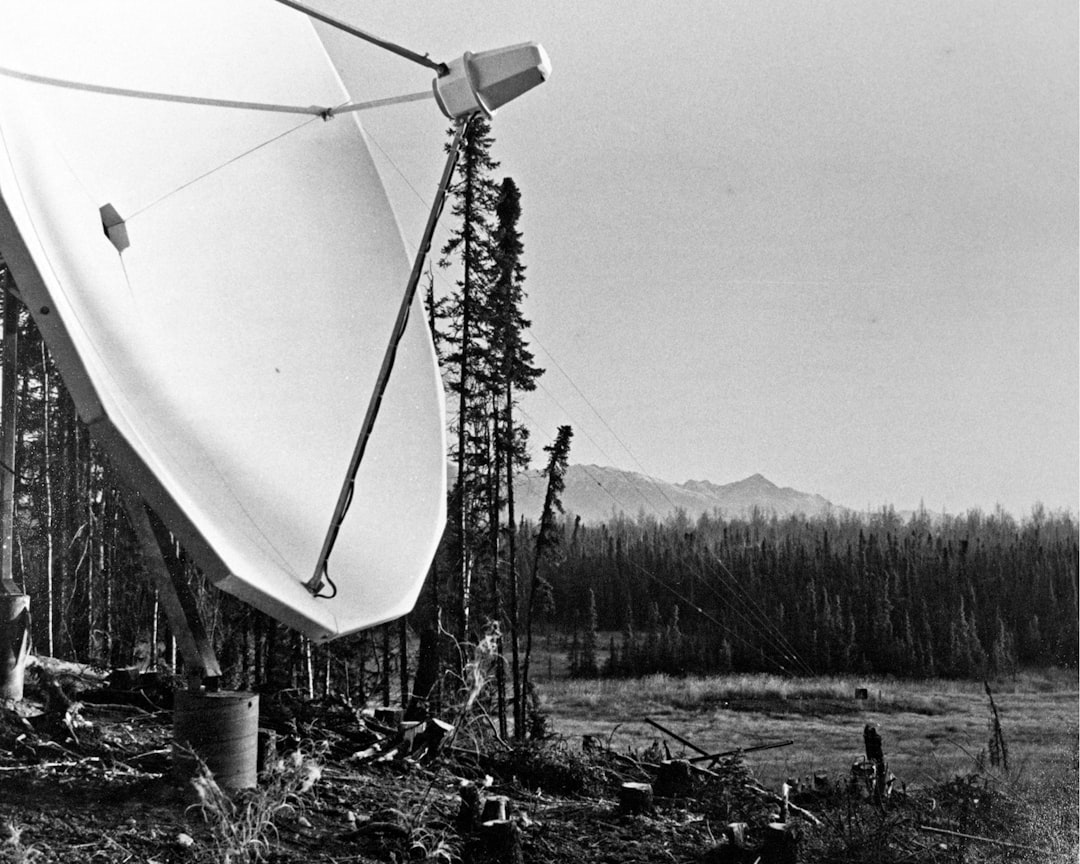
Technology is quietly amplifying our ability to listen. Bioacoustic sensors decode calls we can’t hear, while machine-learning models sift hours of audio to flag distress or courtship patterns. Wearables now track handler heart rate and movement, giving feedback loops that nudge us toward calmer, clearer interactions.
As these tools spread, the human variable still matters most: the person who can regulate their body and read the animal’s next move will get the best from the tech. Expect shelters and sanctuaries to pair temperament screening and empathy training with data dashboards, blending old-school patience with real-time signals. The archetypes won’t replace protocols, but they’ll keep reminding us what the data can’t measure directly: presence.
Conclusion
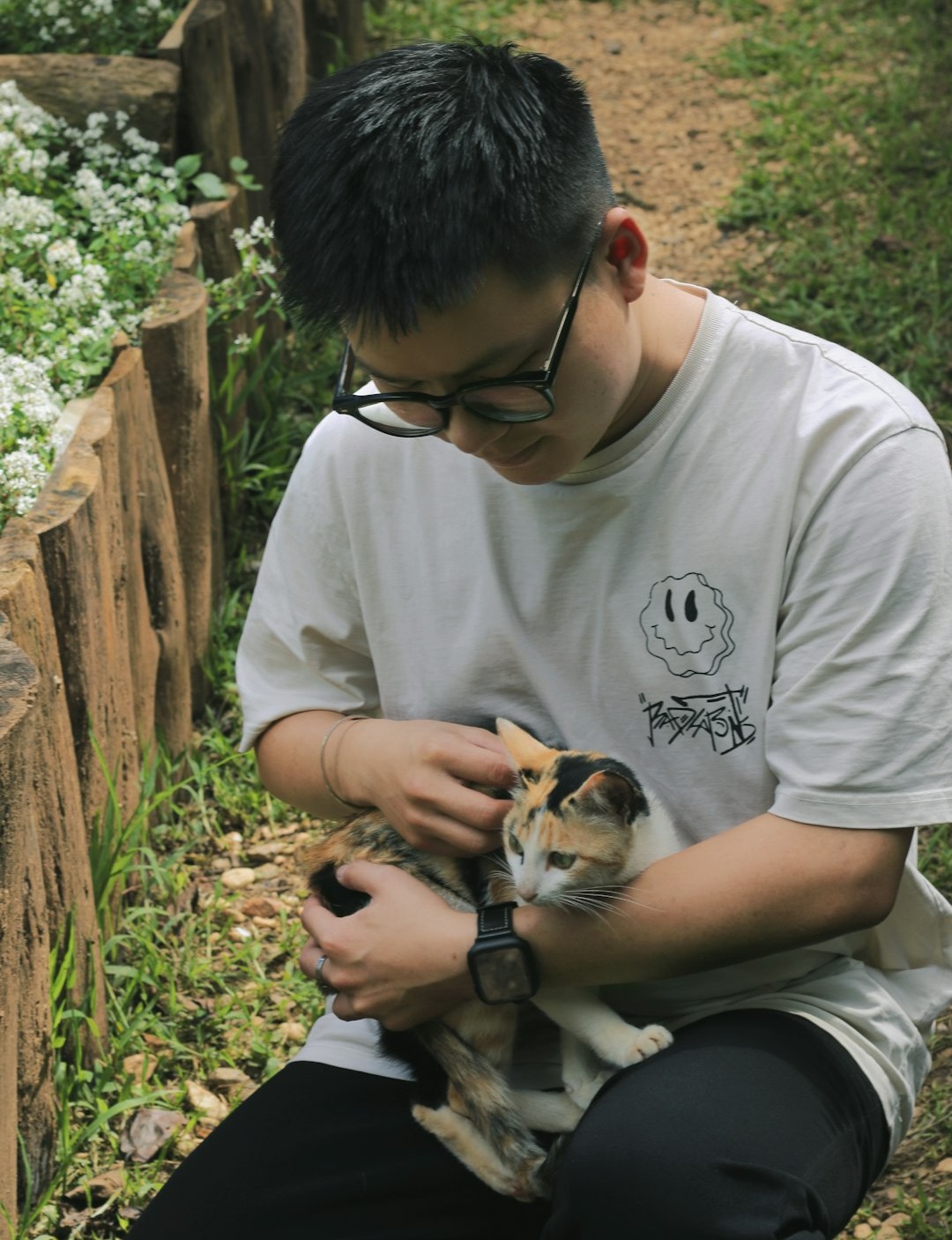
If you’re a Pisces, Cancer, Virgo, or Taurus – and even if you’re not – lean into the traits animals reward: quiet observation, steady routines, and gentle curiosity. Try simple practices before you step into a kennel or field site: slow your breath, relax your shoulders, and commit to moving half as fast as you usually do. Learn basic body-language cues for common species, and practice noticing one new detail each session.
Volunteer at a shelter, join a citizen-science project tracking urban wildlife, or support local rehab centers with supplies and time. Whatever your sign, cultivating empathy and steadiness is a skill set, not a birthright – one that animals recognize immediately. What’s the first small change you’ll make the next time a pair of eyes looks to you for safety?