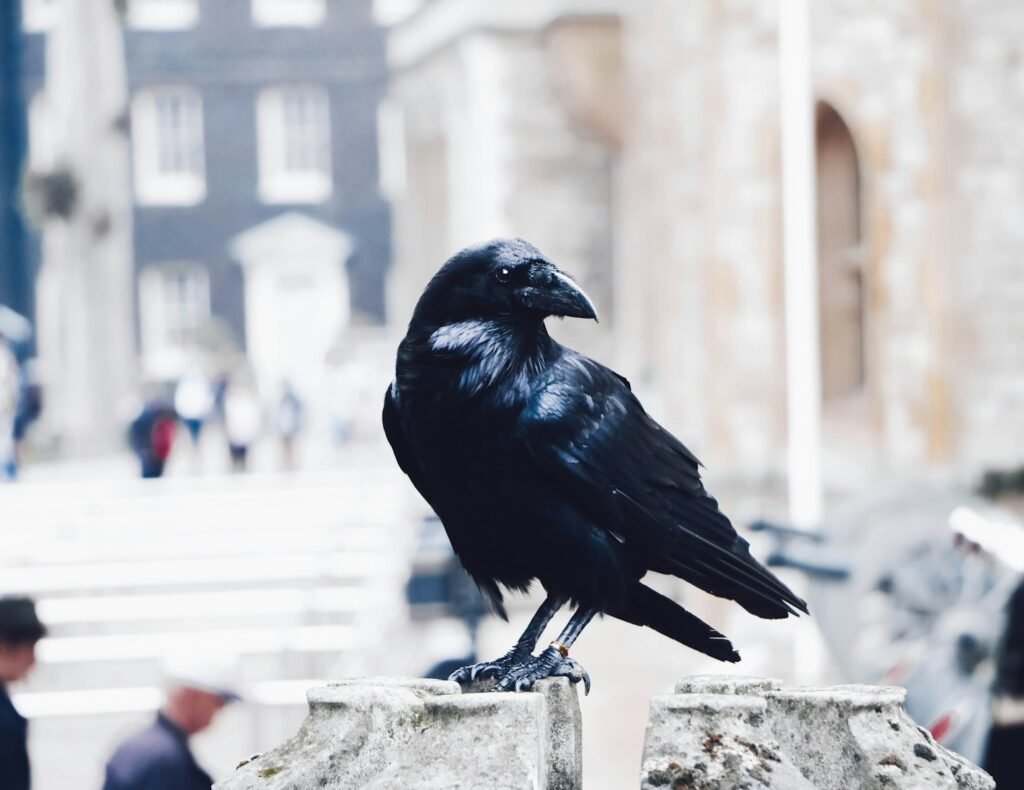
Ask a field biologist which animal feels eerily familiar when it pokes, tests, and outsmarts the world, and you’ll hear the same name again and again: the raven. For decades, great apes seemed the obvious mirrors for our evolutionary curiosity, but a wave of studies has pushed corvids – ravens and their crow cousins – into the spotlight. They tinker with objects, map social networks, and even plan for tomorrow, behaviors once treated as a primate monopoly. The mystery is simple yet profound: how did a bird, with a brain shaped nothing like ours, evolve such restless, inventive inquiry? The answer is reshaping how we think about the origins of our own exploratory minds.
The Hidden Clues
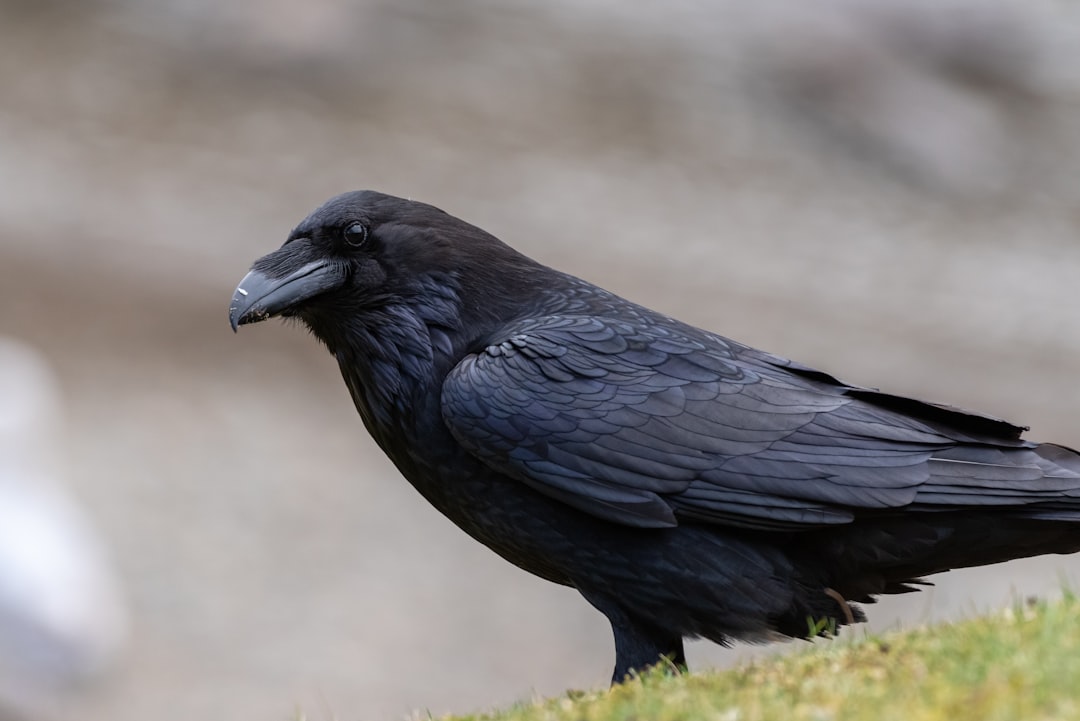
Watch a young raven on a windy ridge and you’ll see curiosity as a survival strategy, not a cute quirk. It flips bark, caches shiny scraps, and tests the give of ice with a cautious hop, as if running tiny experiments. Field researchers have cataloged these micro‑investigations across seasons, linking them to food discovery and territory defense. Curiosity here is not random; it’s directed, opportunistic, and tuned to risk. That strategic edge is what makes ravens such compelling analogs for the curiosity that propelled our ancestors.
The parallels deepen in the fine print of behavior. Ravens sample unfamiliar objects but return after short pauses, as if balancing information gains against potential danger. They watch what others learn, then adjust their own investigations, a feedback loop that looks a lot like cultural scaffolding in miniature. I once spent an hour watching a raven test the latch of a campground cooler; it never opened it, but it left with better odds for next time. That’s curiosity as long‑game learning.
From Ancient Tools to Modern Science
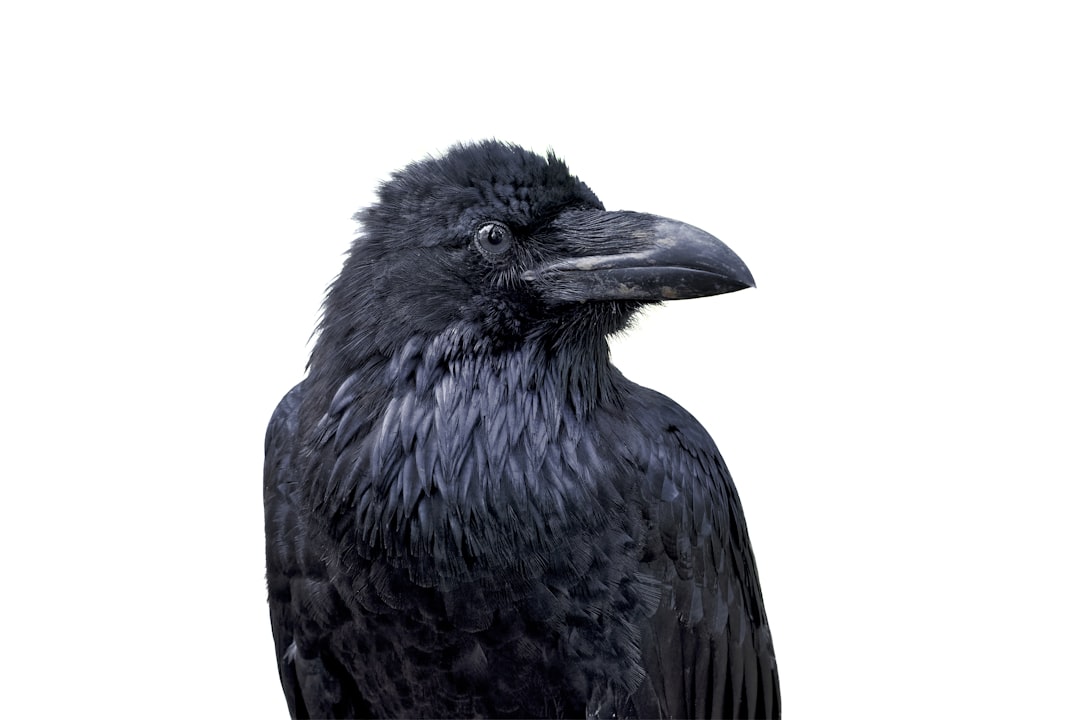
Human curiosity flourished when we began to shape the world with tools, and corvids carry a kindred spark. New Caledonian crows craft hooks from twigs and cut barbed leaves into precise strips, and ravens, while less famous for toolmaking in the wild, excel at object manipulation and problem solving. Lab setups push them beyond immediate reward: they’ll select the right tool now to use later, linking cause and effect across time. That capacity was once considered a primate hallmark, yet corvids meet it with brisk competence. The scientific story is not that birds copy us, but that evolution can arrive at similar solutions through very different hardware.
Technologists have helped clarify the picture. High‑speed cameras reveal the micro‑decisions of beak and claw, while puzzle rigs log every attempt and improvement. When birds shift strategies after failure, researchers can trace the learning curve rather than infer it. The result is a proper ledger of curiosity in action, not just charming anecdotes. It’s the data we needed to take avian innovation seriously.
Curiosity at Work: Puzzles, Plans, and Play
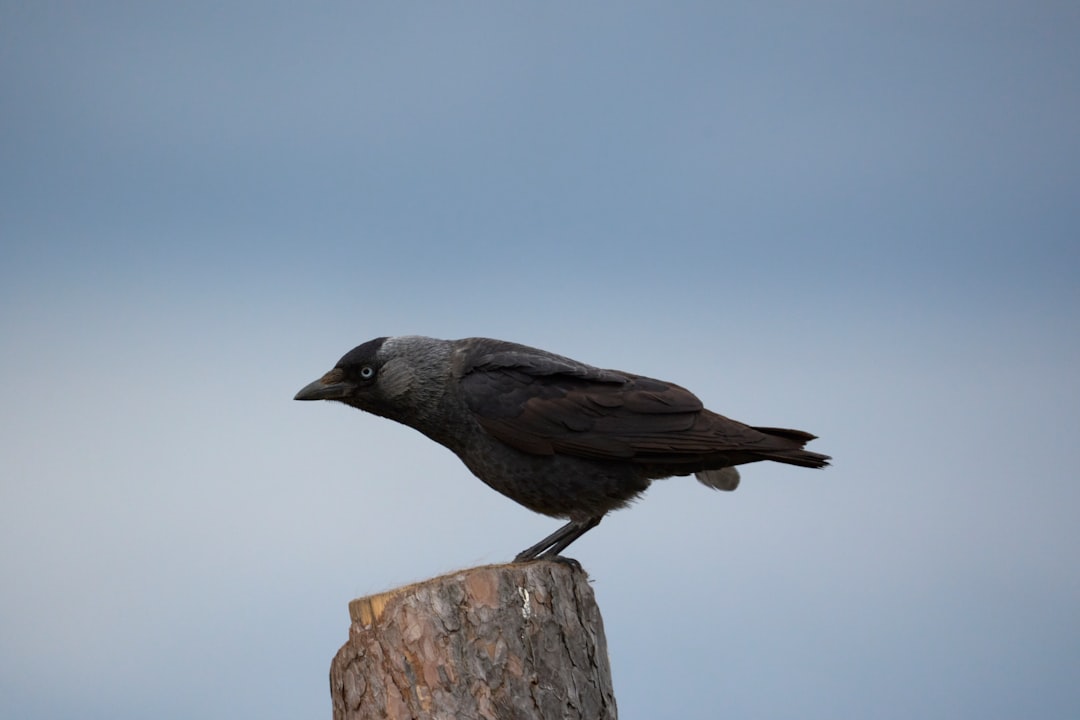
Curiosity shows up most cleanly when animals tackle puzzles they could walk away from – and ravens rarely walk away. They’ll pull strings to raise a treat, stack objects into makeshift platforms, and abandon a failing tactic without sulking. In controlled tasks, they choose a useful tool now for a problem presented hours later, suggesting a mind that runs simulations of future needs. That’s a striking echo of how early humans cached resources and prepared for hunts. Play, too, becomes practice: aerial acrobatics and snow‑slide games sharpen motor control and confidence in uncertain terrain.
These behaviors are not one‑off stunts. Individuals return to challenges after rest, test variants, and sometimes recruit a partner, as if curiosity expands in social space. The line between play and problem‑solving blurs in productive ways. We recognized the same blur in our own prehistory, where tinkering with stones turned into technology. The raven makes that progression visible in real time.
Social Brains, Shared Minds
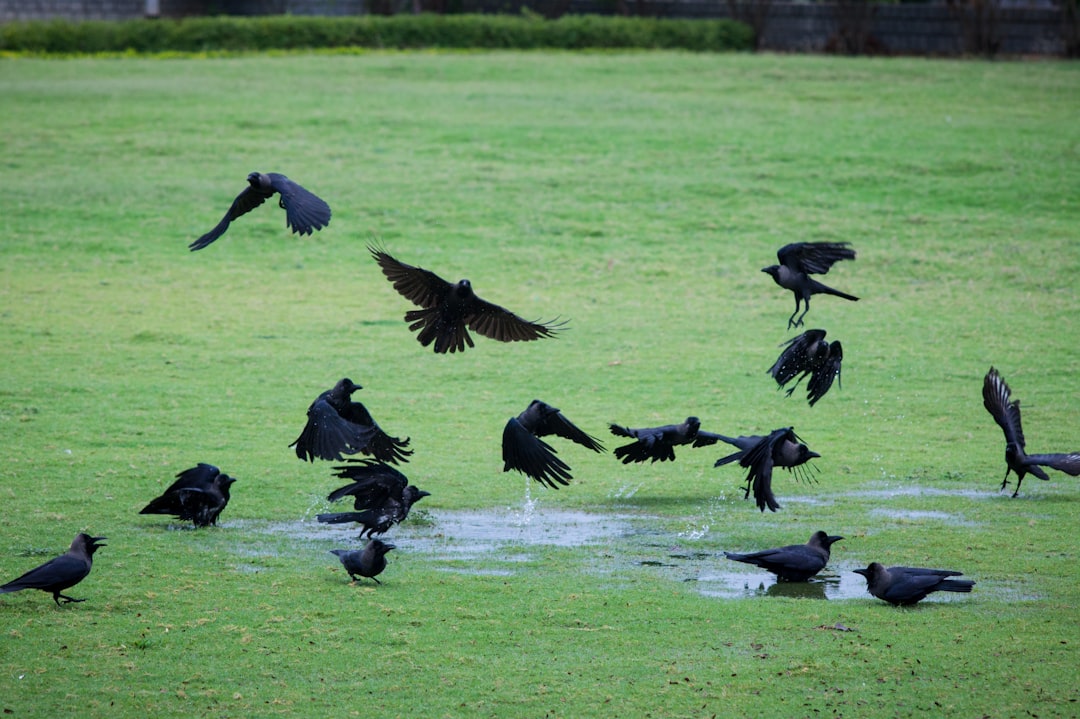
Curiosity isn’t just about objects; it’s also about minds. Ravens track who is watching, who tends to steal, and who can be trusted as a foraging ally, then change their behavior accordingly. They re‑hide food if an audience has seen the first cache, a crafty move that suggests perspective‑taking. Social curiosity fuels this dance, because knowing what others know has clear payoffs. Our ancestors leveraged the same arithmetic when they formed alliances and traded information.
Information spreads in corvid societies in ways that look uncannily cultural. Young birds watch elders, and small innovations ripple outward if they deliver benefits. Not every tweak sticks – just as most human ideas fade – but the ecosystem of attention rewards useful novelties. That ecosystem is the natural habitat of curiosity. It’s where questions become currency.
Global Perspectives
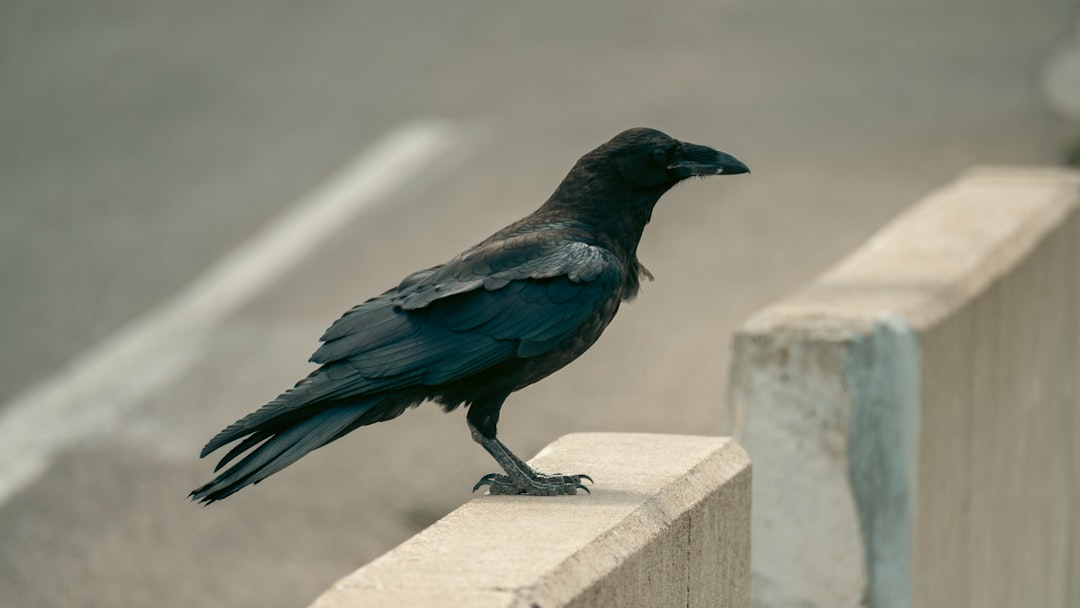
Ravens thrive from the Arctic to deserts and cities, which means their curiosity has been tested against almost every human context. In coastal villages, they shadow fishers; in mountain towns, they map dumpsters like supply depots; in boreal forests, they trail wolves to carcasses and learn entry points. Such range matters, because curiosity under pressure breeds flexibility rather than narrow specialization. It also means our observations are not a fluke tied to one habitat or culture.
Different communities read these birds through their own lenses – trickster, teacher, scavenger, omen – and each view catches a sliver of truth. Urban observers see improvisers that crack open lunch boxes; herders see sentinels that flag predators by their circling patterns. The global record is a living data set of behavior under diverse rules. That’s exactly what we need when searching for echoes of our own journey. Curiosity, after all, was our passport out of single environments.
Why It Matters
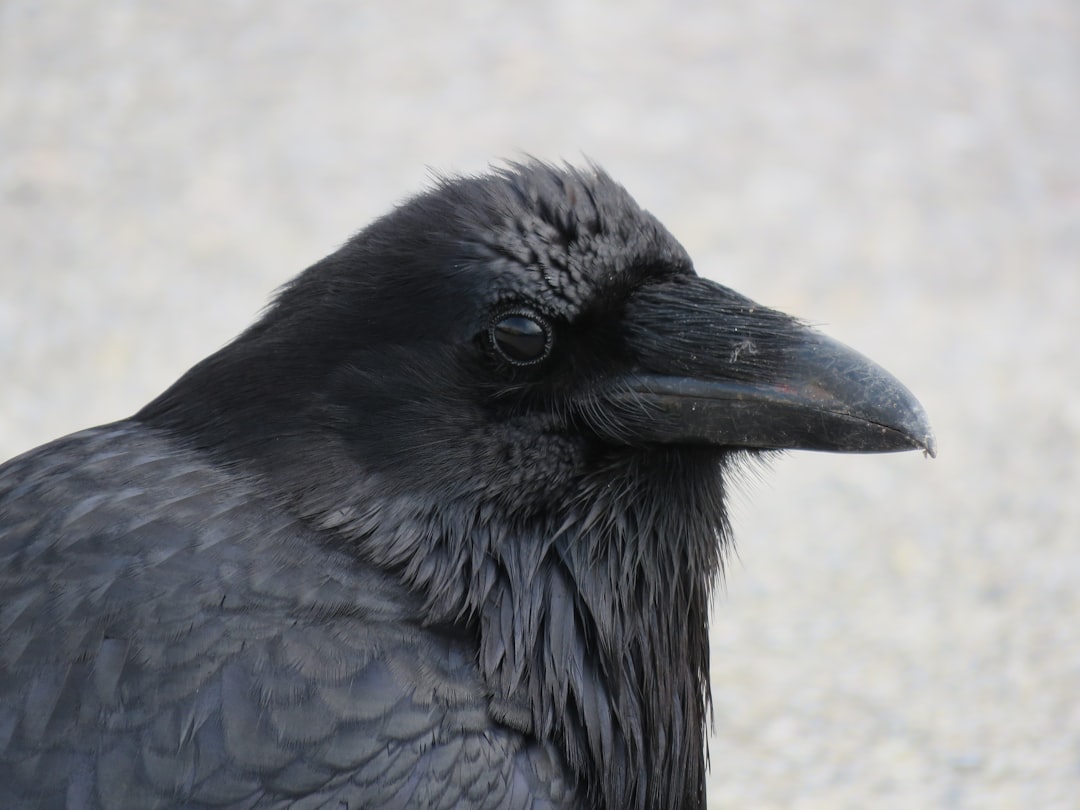
Answering which animal mirrors the curiosity of human evolution is not a parlor game; it reframes scientific priorities. For a century, we used primates as our default mirror, and for good reason, but that focus sometimes blurred convergent paths. Ravens and their kin show that curiosity can be built on different neural architectures, pointing to principles deeper than anatomy. If the same pressures produce similar solutions, we can search for those pressures instead of chasing a single lineage. That shift strengthens our models of how intelligence arises.
There’s also a practical edge. Recognizing curiosity as an adaptive strategy changes how we design experiments, conservation plans, and even cities. It pushes us to test learning under uncertainty rather than rote tasks, and to value environments that reward exploration. In short, it anchors curiosity in evolution, not mystique. That’s a sturdier story to build on.
From Ancient Tools to Modern Science

Archaeology taught us to read stone scars; behavioral science now teaches us to read micro‑choices. Early hominins likely succeeded by turning small insights into repeatable tricks, and corvid research shows a comparable scaling process. A bird that figures out how to pry open a sealed tub doesn’t just win once – it wins every time that pattern recurs. When neighbors copy the method, the landscape itself becomes more legible. The same alchemy may have turned human puzzles into traditions.
Modern labs act as time machines for this process. By presenting new obstacles with familiar elements, scientists watch how prior knowledge gets repurposed. Transfer learning – the ability to take a solution from one problem and apply it to another – emerges as the real currency of curiosity. That currency flowed in our deep past, too, when a cutting edge for plants became a cutting edge for hides. The rhyme is hard to miss.
The Future Landscape
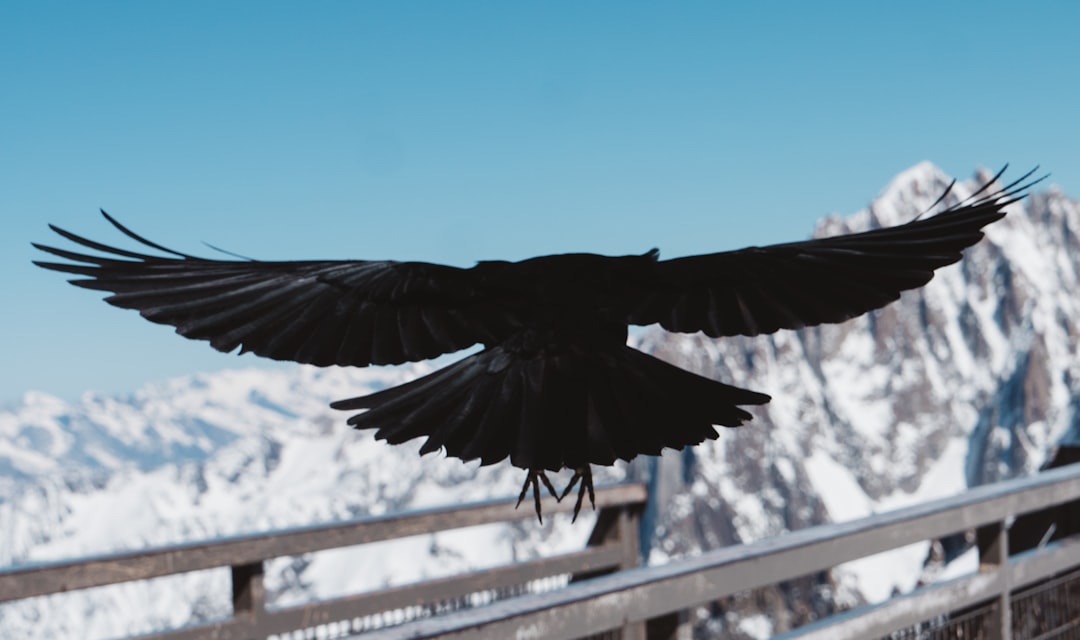
What comes next is a toolkit worthy of the questions. Miniature GPS units and accelerometers already map where ravens explore and how energetically they do it, revealing the hidden costs of curiosity. On‑bird cameras are beginning to capture first‑person trials and errors, turning guesswork into sequence data. Machine‑learning analyses can trace how strategies evolve within a single season, or across a city’s neighborhoods. That opens the door to studying curiosity as a dynamic trait rather than a snapshot.
Challenges remain. Ethical limits on invasive methods mean we’ll keep working cleverly around the brain to respect the bird. Cross‑species comparisons demand rigor so we don’t mistake spectacle for substance. And climate and urban change will keep rewriting the puzzles ravens face, which is both a threat and a natural experiment. If we keep pace, we’ll learn as fast as they do.
What You Can Do Next
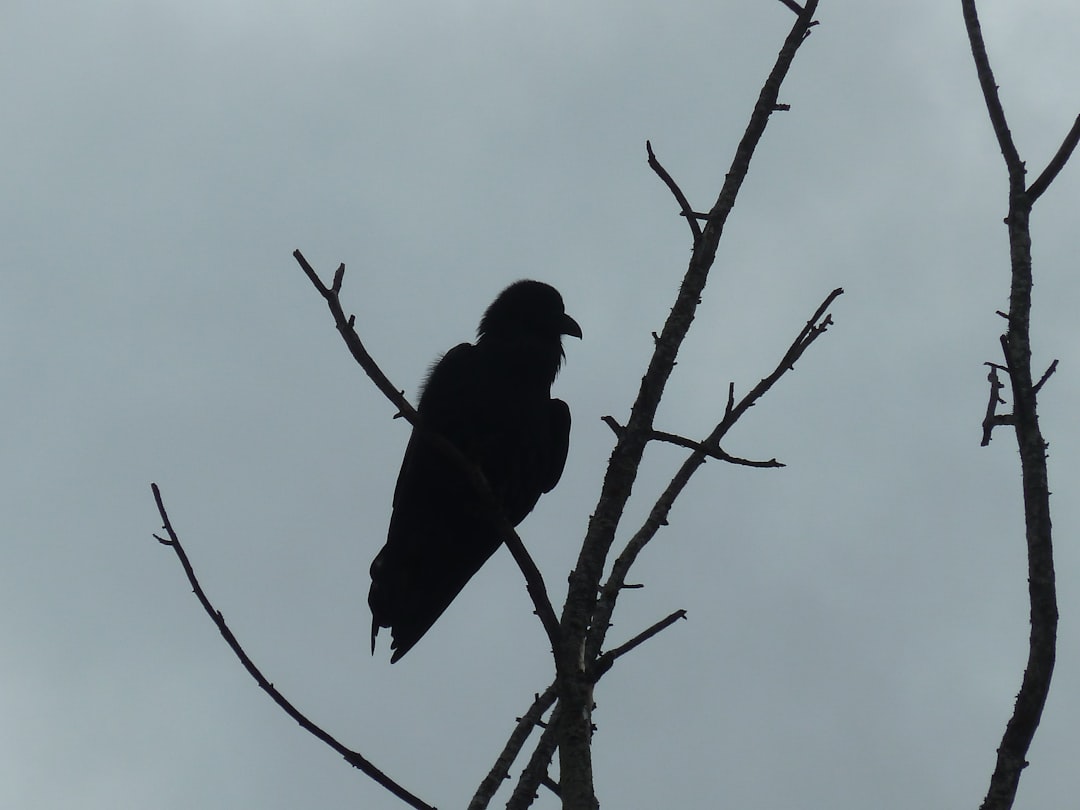
Curiosity deserves room to breathe, even in cities. Secure trash and close dumpsters so scavenging doesn’t turn into dangerous dependency, and avoid poisons that ripple through food webs. Support local habitat projects that keep patches of native trees and open sky where ravens can test and play without conflict. If you live within their range, keep a field notebook for a month and log one behavior you can’t easily explain each day. You’ll be surprised how quickly patterns emerge.
Back research that treats intelligence as a shared evolutionary project, not a single species’ trophy. Museums, bird observatories, and community science platforms often run corvid studies that thrive on public observations. And the next time a raven tilts its head at your gear, don’t shoo it – watch what it tries and what it abandons. That small act of patience mirrors the very trait we prize. Isn’t that the point of the question we started with?