
Every field biologist knows the moment: you watch an animal make a split-second choice that feels both gut-driven and strangely calculated. That tension – between raw instinct and something like reasoning – has turned into a lively research frontier. Scientists now probe how different species navigate uncertainty, weigh risks, and learn from each other in real time. The answer to which animal best represents balance is not a single crown but a shortlist of remarkable contenders, each solving the logic‑versus‑instinct puzzle in its own habitat.
The Hidden Clues
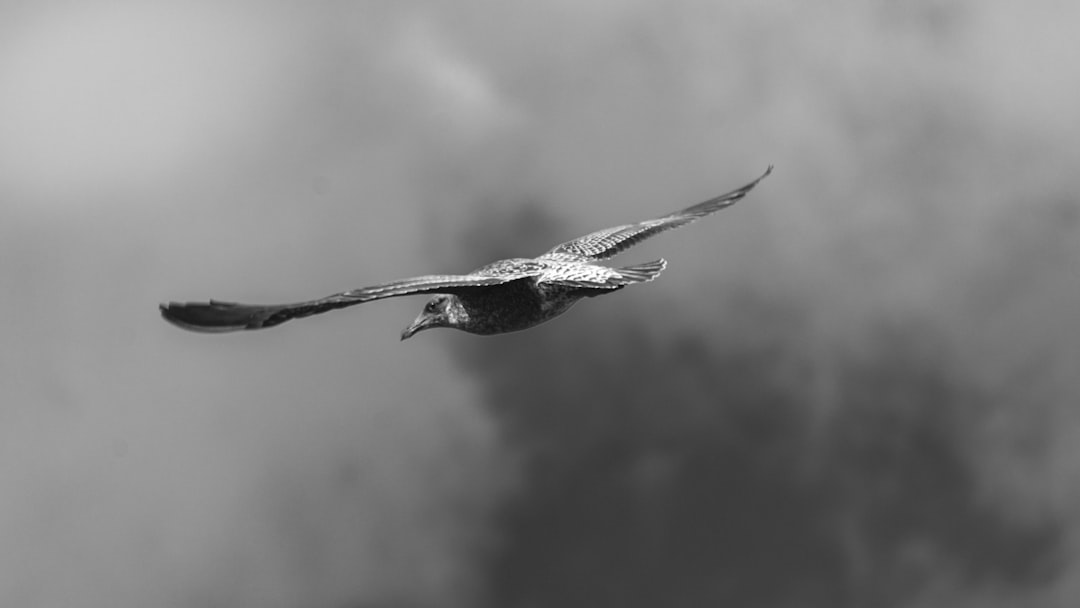
What looks like a snap decision in the wild often hides a quiet algorithm. Animals continually trade speed for accuracy, and that trade is a window into how instinct and reasoning meet. I still remember seeing high-speed footage of a bird adjusting mid‑flight, making a choice that seemed improvised yet crisp, like a pilot correcting for wind sheer.
Researchers look for signals of flexible cognition: inhibiting a tempting option, switching tactics after failure, and generalizing knowledge to fresh situations. Add social learning to the mix – copying the right neighbor at the right moment – and you get a portrait of minds tuned for survival, not perfection. Across forests, reefs, and savannas, that blend is what keeps a good decision from becoming a fatal one.
Corvid Calculus: Crows That Weigh Odds
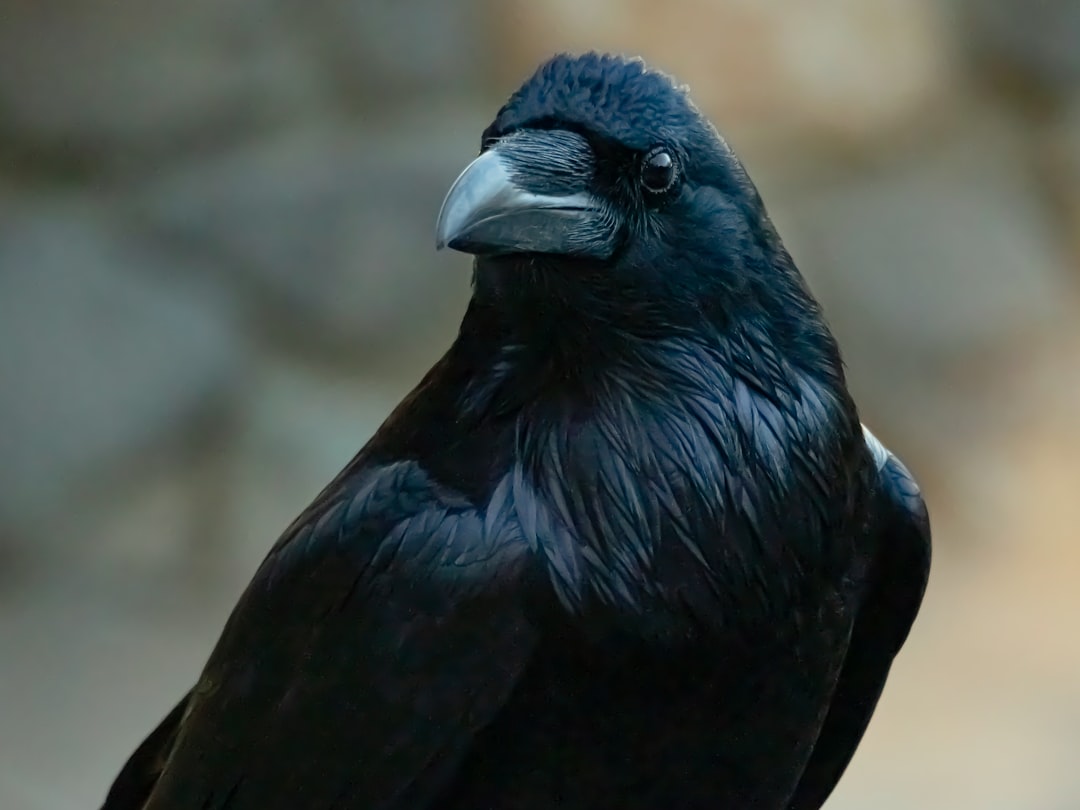
New Caledonian crows have become the poster species for measured foresight. They fashion hooks from twigs or leaf ribs and combine pieces into multipart tools, tackling problems in sequences that resemble planning. In lab puzzles and natural foraging alike, they pause, inspect, and revise – tiny beats of deliberation inside a body built for flight.
Their social lives sharpen the edge further. Crows remember friendly and hostile human faces and adjust their distance accordingly, an example of risk calculation shaped by experience. When a task changes, they test alternatives quickly, yet they do not fling themselves at every option, a neat demonstration of restraint standing shoulder to shoulder with curiosity.
Dolphin Deliberations: Social Logic in a Fluid World
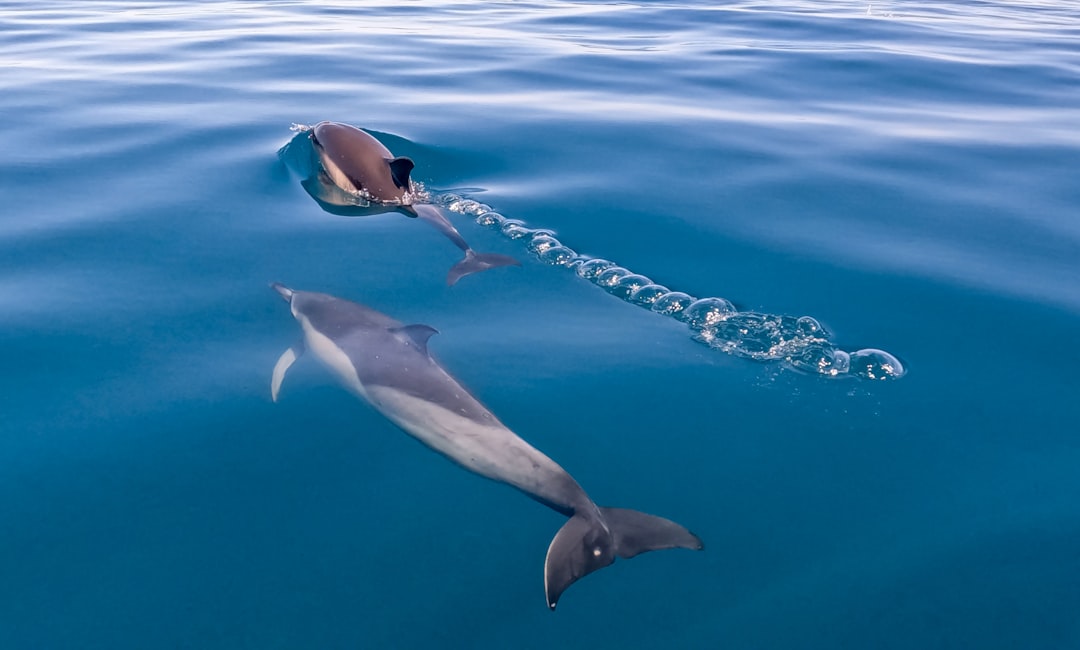
In shallow bays and open coasts, bottlenose dolphins coordinate like waterborne tacticians. Groups form shifting alliances, share hunting roles, and improvise strategies such as corralling fish with walls of mud or bubbles. Each maneuver is fast and fluid, but the timing reveals social rules learned over years, not just reflex.
Acoustic life complicates the problem. Dolphins navigate noise, recognize group‑specific calls, and target signals to partners during hunts, a kind of real‑time bandwidth management. The instinct to chase fish is undeniable, yet the execution shows structure: adjust the circle, leave a gap, strike at the beat that traps the school rather than scatters it.
Elephant Memory, Elephant Judgment
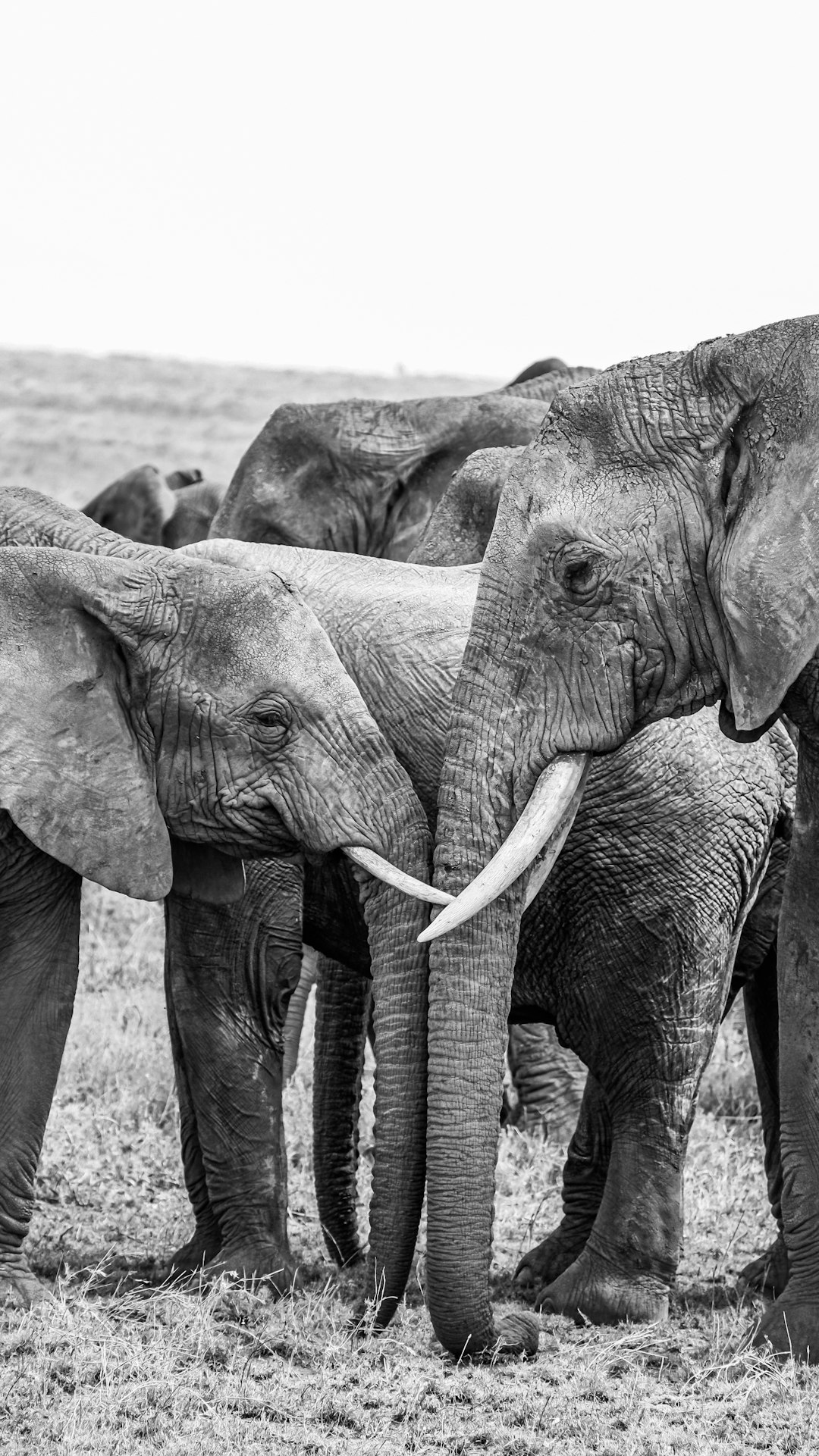
Elephants are famous for memory, but memory is only useful when applied wisely. Matriarchs steer families to distant water and decide when to avoid conflict, drawing on decades of landscape knowledge. Those calls often read as intuition, yet they are built on layered experience and social input.
Their decisions also scale to tricky human‑wildlife edges. Crop-raiding is tempting fuel, but matriarchs that have learned the patterns of patrols or the taste of chili fences guide herds away, balancing hunger with safety. In that negotiation, you can feel the seam where habit, learning, and a cool appraisal of risk stitch together.
Octopus Improv: Eight Arms, One Mind
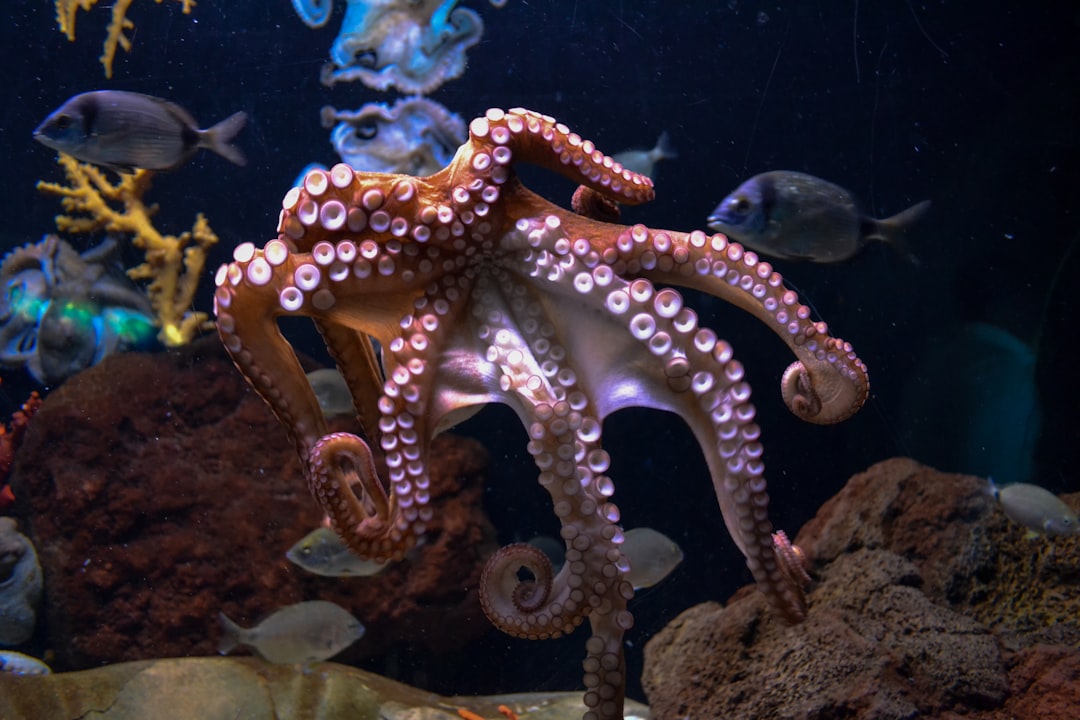
Octopuses look impulsive until you watch closely. They test jar lids, rearrange shells into forts, and route arms around obstacles as if each limb is running a local problem solver. It is a distributed brain negotiating a world of tight crevices and quick escapes.
Camouflage adds another layer of control. Changing skin texture and color in milliseconds feels automatic, but choosing when to perform, flee, or feint carries a clear strategic vibe. Curiosity competes with caution, and the best survivors do not simply bolt – they probe, commit, and pivot when conditions shift.
Why It Matters
For years, textbooks cast instinct and reasoning as a tug-of-war, with one side winning in any given species. Modern fieldwork shows a different picture: the best survivors are not more rational or more instinctive but more flexible at blending both. This matters in a warming, crowded planet where the rulebook is rewritten between seasons.
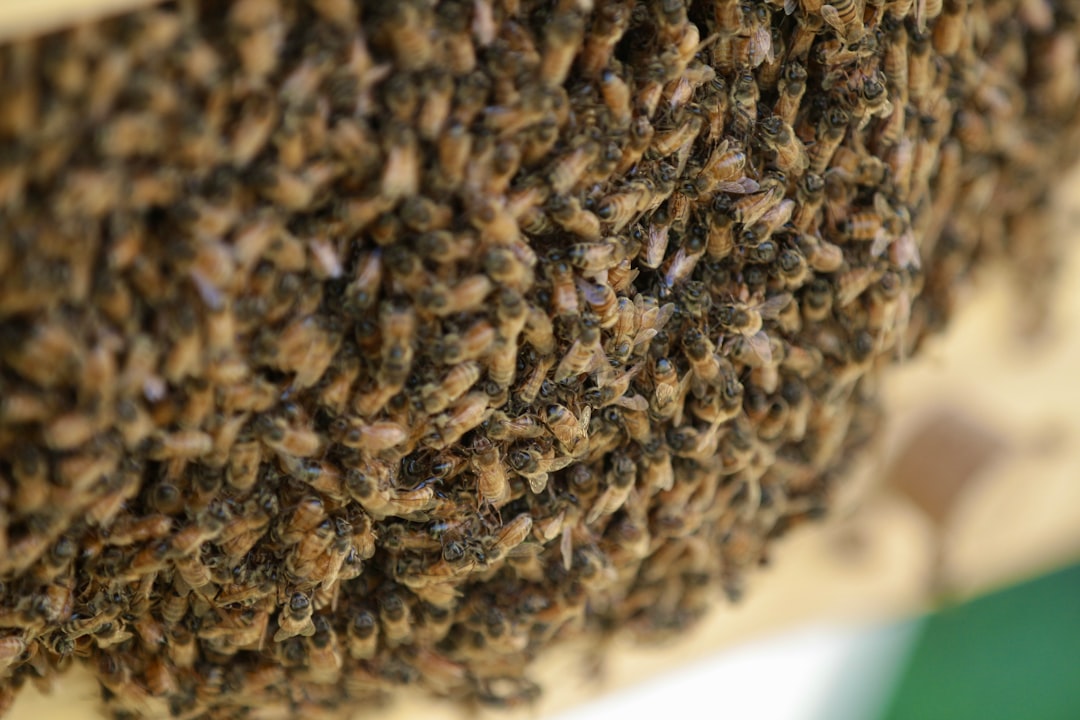
If a single ambassador for balance must be named, the honeybee colony is a surprisingly strong pick. House‑hunting swarms canvass options, share information through dances, and form quorums that prevent rash choices, transforming individual impulses into a measured collective act. Among vertebrates, New Caledonian crows are an equally compelling emblem, matching measured tool planning with rapid, situational leaps when the forest changes the puzzle mid‑flight.
The Future Landscape
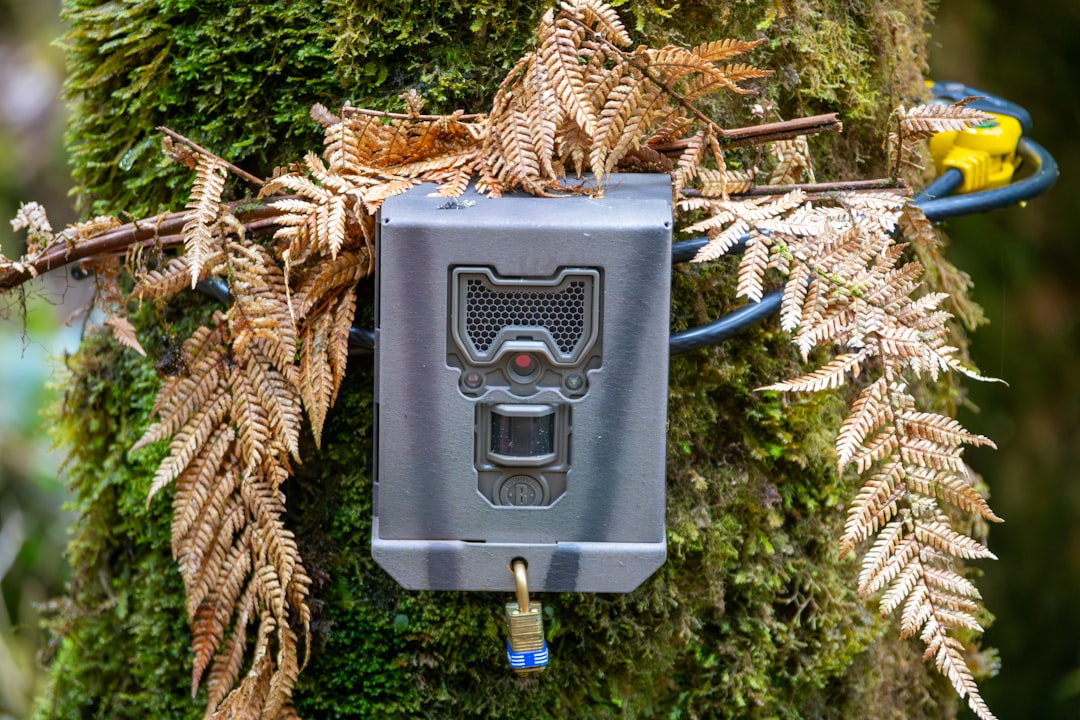
Biologgers, miniaturized cameras, and remote acoustic arrays are increasingly letting scientists watch decisions unfold rather than infer them after the fact. Machine‑learning tools now parse messy field signals – calls, movements, even micro‑pauses in behavior – to tease out when animals sample, compare, and commit. That shift moves us from anecdotes to timelines of choice.
New tech brings new pitfalls. Over‑interpreting clever behavior as human‑like thought can mislead, while ignoring rapid, instinctive layers can erase what truly drives survival. The sweet spot is models that respect species‑specific priorities and still capture the delicate handshake between impulse and evaluation.
The global stakes are practical. Animals facing novel predators, plastic‑altered coastlines, or erratic droughts will thrive if their decision systems are elastic. Conservation that preserves not just bodies but the conditions for learning – stable elders, intact social groups, varied habitats – keeps the logic‑and‑instinct engine running.
Conclusion
Start local by giving animals room to decide well. Keep respectful distances, lock away attractants, and reduce nighttime noise and light where wildlife negotiates danger on a tight schedule. Small changes buy them milliseconds – the difference between a panicked reflex and a smart pivot.
Support projects that protect social structures and learning opportunities: elephant corridors, dolphin‑safe fishing, and habitat complexity for corvids and octopuses. Citizen‑science bird counts, reef surveys, and pollinator gardens feed data back into the science that tracks how choices evolve. When you back these efforts, you are funding time and space for better decisions in the wild.
Suhail Ahmed is a passionate digital professional and nature enthusiast with over 8 years of experience in content strategy, SEO, web development, and digital operations. Alongside his freelance journey, Suhail actively contributes to nature and wildlife platforms like Discover Wildlife, where he channels his curiosity for the planet into engaging, educational storytelling.
With a strong background in managing digital ecosystems — from ecommerce stores and WordPress websites to social media and automation — Suhail merges technical precision with creative insight. His content reflects a rare balance: SEO-friendly yet deeply human, data-informed yet emotionally resonant.
Driven by a love for discovery and storytelling, Suhail believes in using digital platforms to amplify causes that matter — especially those protecting Earth’s biodiversity and inspiring sustainable living. Whether he’s managing online projects or crafting wildlife content, his goal remains the same: to inform, inspire, and leave a positive digital footprint.