Astrology meets arid ecology in a question that sounds playful but opens a serious window into how life thrives at the edge: which desert specialist carries the untamed, horizon-chasing energy of Sagittarius? In a world getting hotter and drier, nomads of the sand are more than symbols – they are field manuals for resilience. Scientists are mapping their movements, decoding their physiology, and asking what their strategies might teach us about survival in a century of extremes. Among the contenders, one species keeps striding to the front, unhurried and unstoppable, reshaping dunes and expectations alike. That animal is the dromedary camel, the original long-distance traveler of open country, rendering the Archer’s restless spirit into muscle, metabolism, and motion.
The Verdict: Dromedary Camels Mirror Sagittarius’ Wanderlust
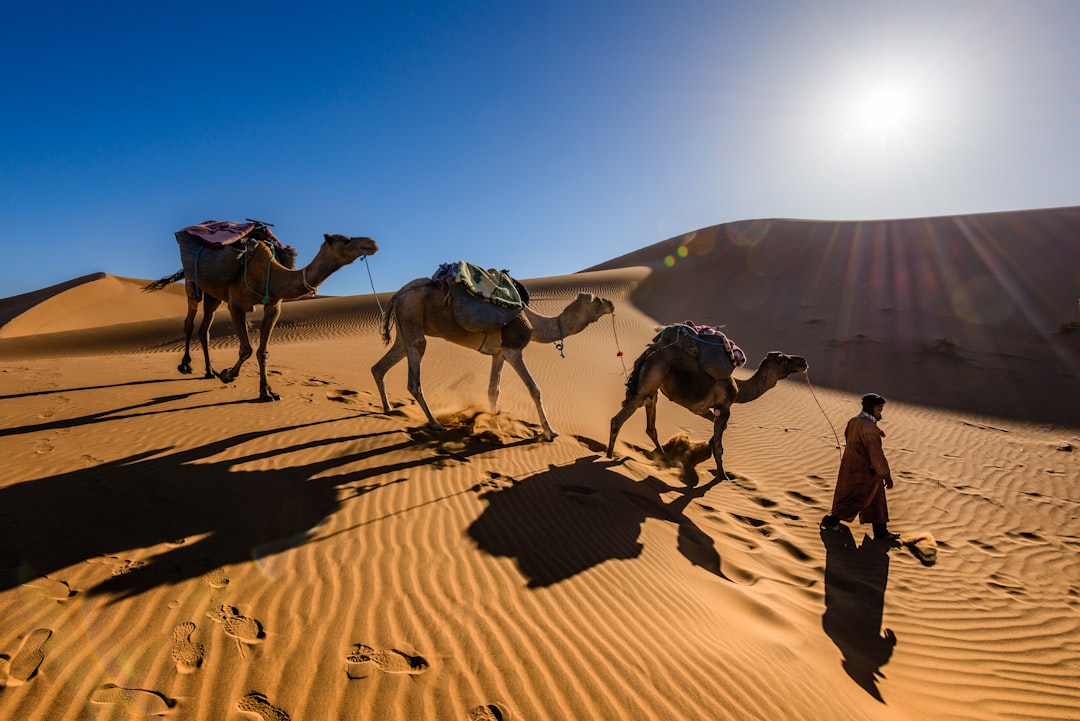
Here’s the bold claim: the one-humped dromedary is the desert’s quintessential explorer, built for distance, daring, and wide horizons. Where some animals dodge the heat by hiding, camels meet it head-on, timing their treks, managing their temperature, and moving with a confidence that feels unmistakably Sagittarian. Watching a caravan slip across a salt flat, you sense a momentum that doesn’t panic, doesn’t balk – just keeps going.
I once rode with a field team in Oman and was struck by how these animals made emptiness feel like a welcome road rather than a void. They chose routes that hugged wind-scoured ridges and lingered at sparse shrubs long enough to refuel, then lifted into a steady, ground-eating pace. It wasn’t brute force; it was judgment, like a compass that points to possibility.
The Hidden Clues
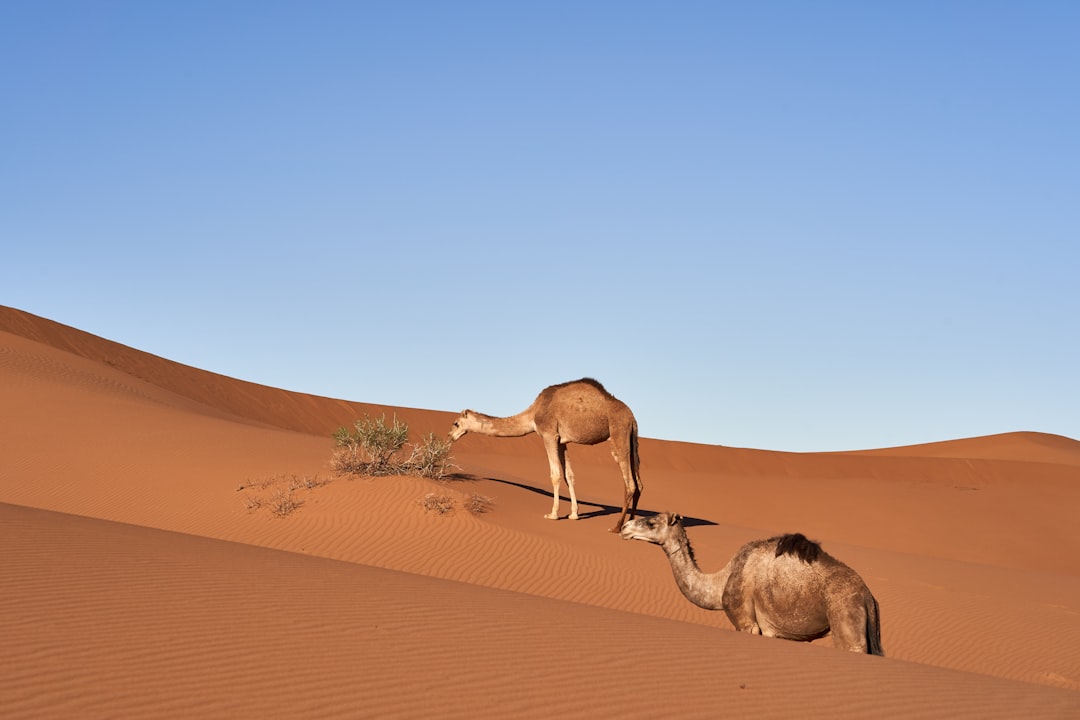
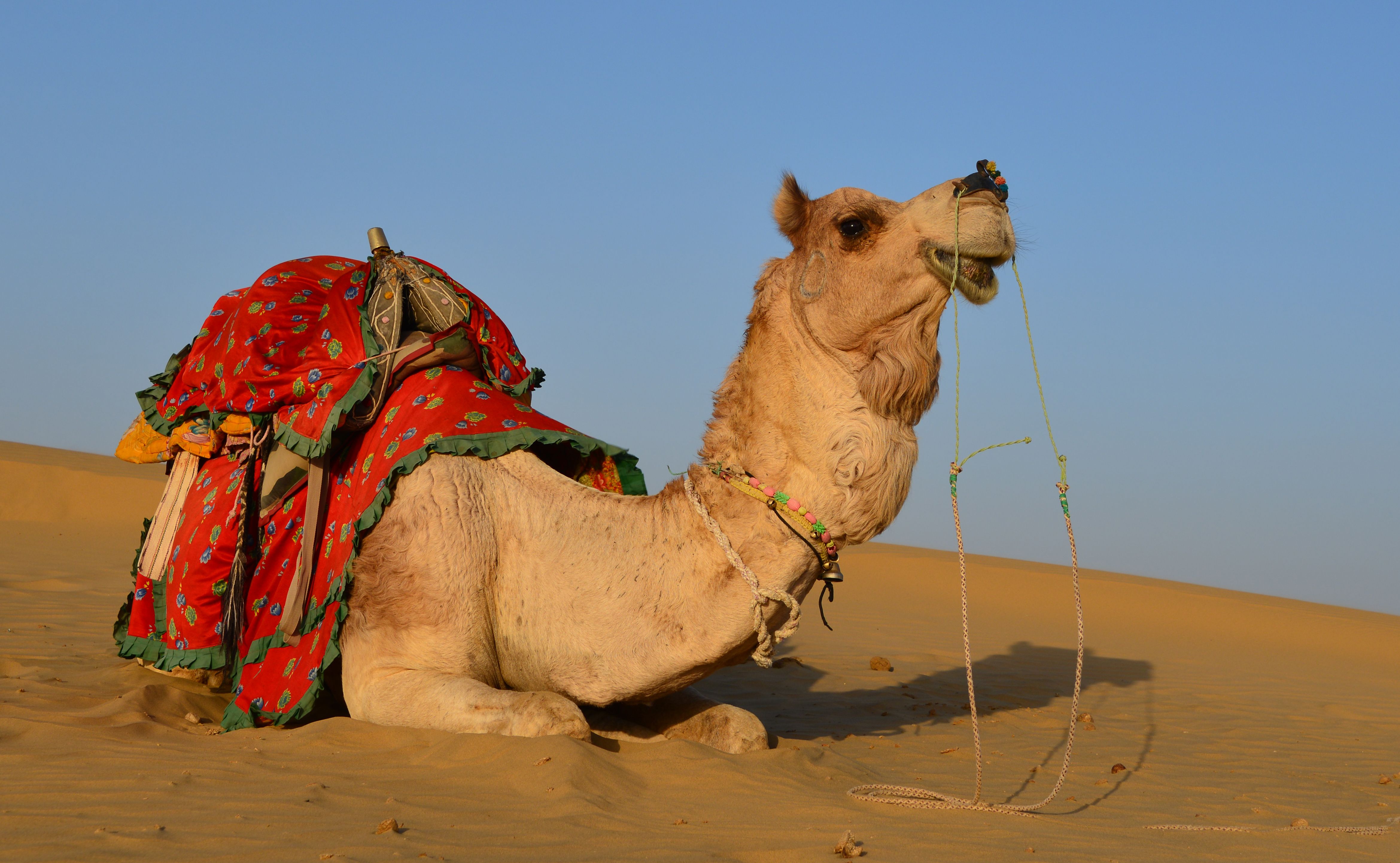
The camel’s body is a toolkit of quiet miracles that add up to endurance. Elliptical red blood cells keep flowing when water is scarce, while nasal passages recapture moisture from each breath like tiny desert dehumidifiers. The famous hump stores fat – portable energy that spares precious water – allowing the animal to roam without constant refills.
Thermal control is the real plot twist: camels let their core temperature rise in the heat and fall at night, trimming the need to sweat and saving water in the process. Broad, cushioned feet spread weight across sand, and heavy lashes shield eyes from flying grit during gusts. Each feature seems small on its own; together, they form a choreography of survival.
From Ancient Tools to Modern Science
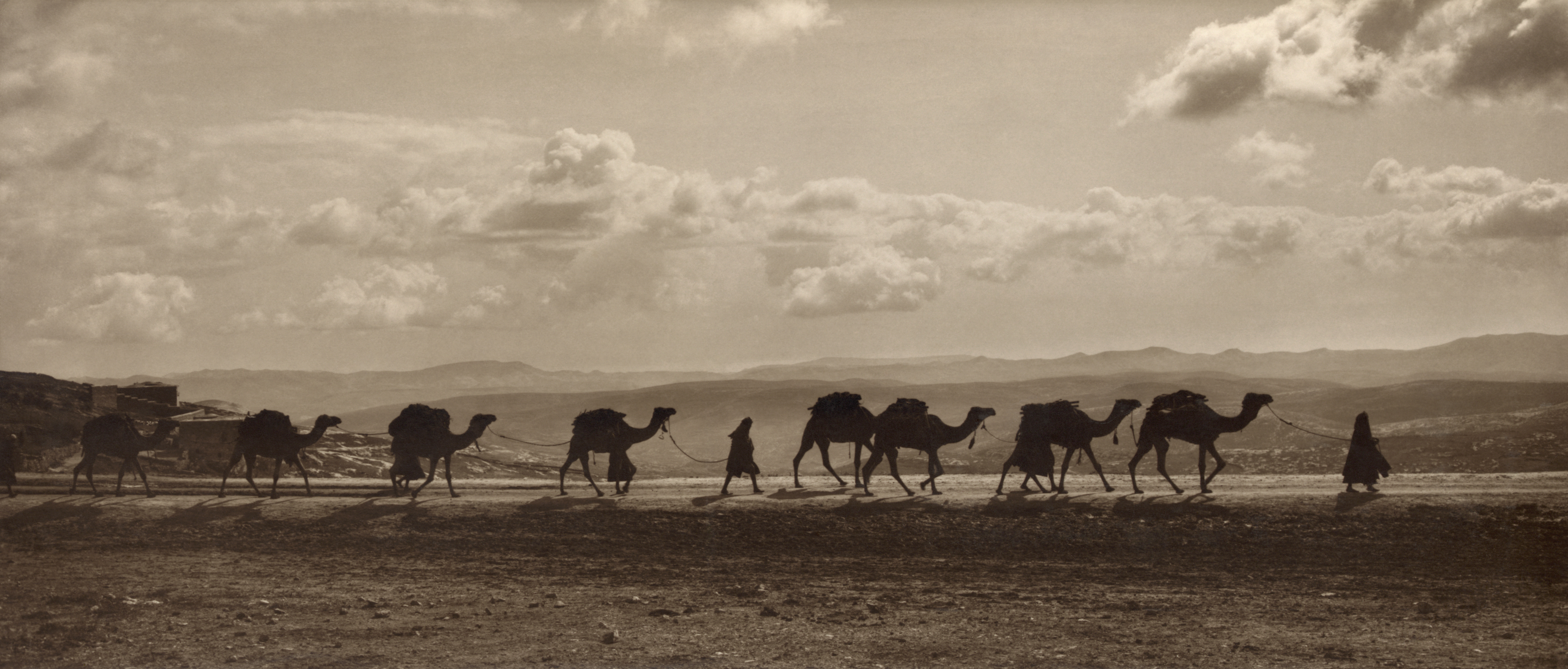
For centuries, camel caravans stitched continents, ferrying salt, spices, and ideas across corridors as wide as empires. That history wasn’t just commerce; it was a proof-of-concept for mobility in places that punish mistakes. Pastoralists perfected route memory, reading seasonal winds and plant pulses with a precision that modern maps are only now catching up to.
Today, satellite tags trace daily decisions – where to push on, where to pause – and pair them with climate and vegetation data pulled from orbit. Stable isotopes in hair chronicle past diets and water sources, turning each strand into a timeline. The result is a moving portrait of risk and reward in landscapes that can flip from generous to severe in a matter of days.
Heat, Speed, and the Geometry of Survival
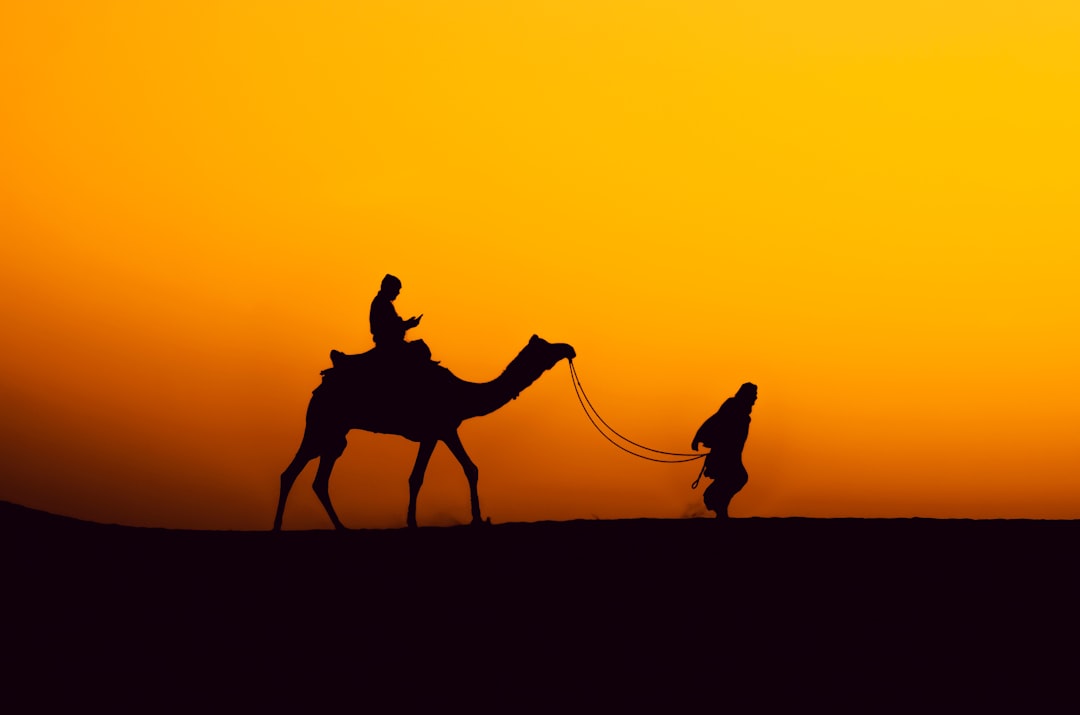
Forget sprinting; the desert rewards the geometry of efficiency. Camels stretch their stride to minimize sinking, letting elastic tendons and those padded feet turn soft sand into a passable highway. They pace themselves with a metronome-like gait that saves energy over hours, not seconds.
This is where the Sagittarius echo becomes obvious: covering ground isn’t a stunt, it’s a strategy. Instead of burning out, camels trade peak speed for relentless continuity, the way a confident traveler favors a map and good boots over fireworks. In open country, that choice wins more often than not.
Global Perspectives
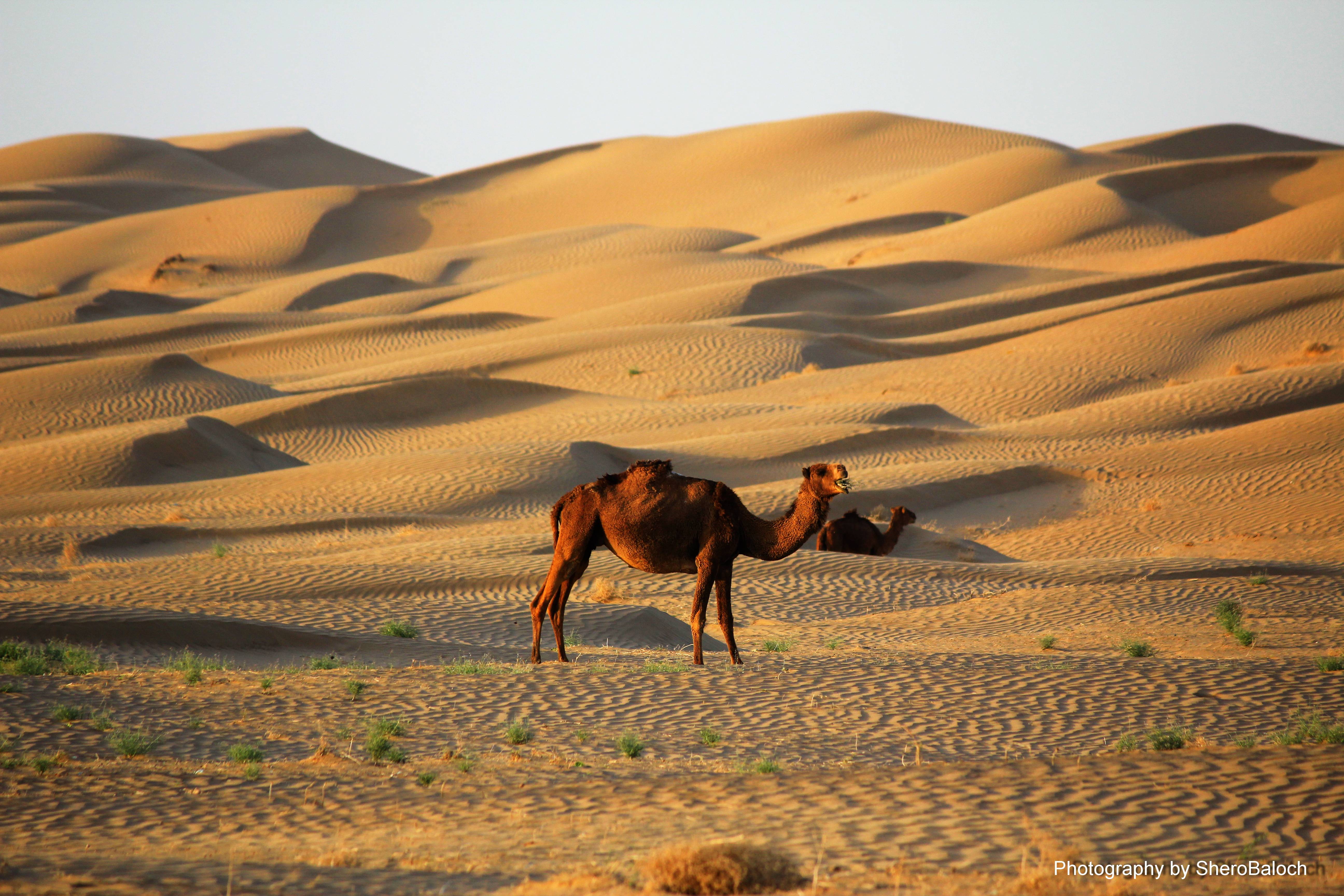
The dromedary’s story spans continents, with deep roots in North Africa, the Arabian Peninsula, and the Horn of Africa, and a feral chapter playing out across Australia’s interior. In many regions, camels remain economic keystones – transport in tough terrain, milk in dry seasons, and cultural touchstones linking families to routes older than roads. Each place writes a different verse, but the refrain is mobility as livelihood.
As shifting rainfall redraws maps of forage, herders adapt by changing timing and distance, leaning on knowledge that blends tradition with phone-based weather updates. In Australia, managers balance ecological pressure with humane control, seeking to protect fragile wetlands and Indigenous values while respecting the animals’ resilience. The global picture is complicated, but it is knit together by movement.
Why It Matters
Camels are living models for a warming planet, offering lessons in water thrift, heat management, and flexible planning. Compared with cattle or sheep, they can thrive on scrubby browse and tolerate brutal temperatures, reducing the demand for constant water and lush pasture. That matters as heat waves lengthen and rangelands face tighter margins.
Engineering teams look to desert biology to inspire moisture-recovery systems and passive cooling designs, while physiologists study camel hydration to refine medical care for dehydration and heat stress. Public health specialists also track the interface between camels, people, and pathogens to reduce risk while protecting livelihoods. The bigger point is simple: understanding how these animals cope helps societies do the same, without guesswork.
The Future Landscape
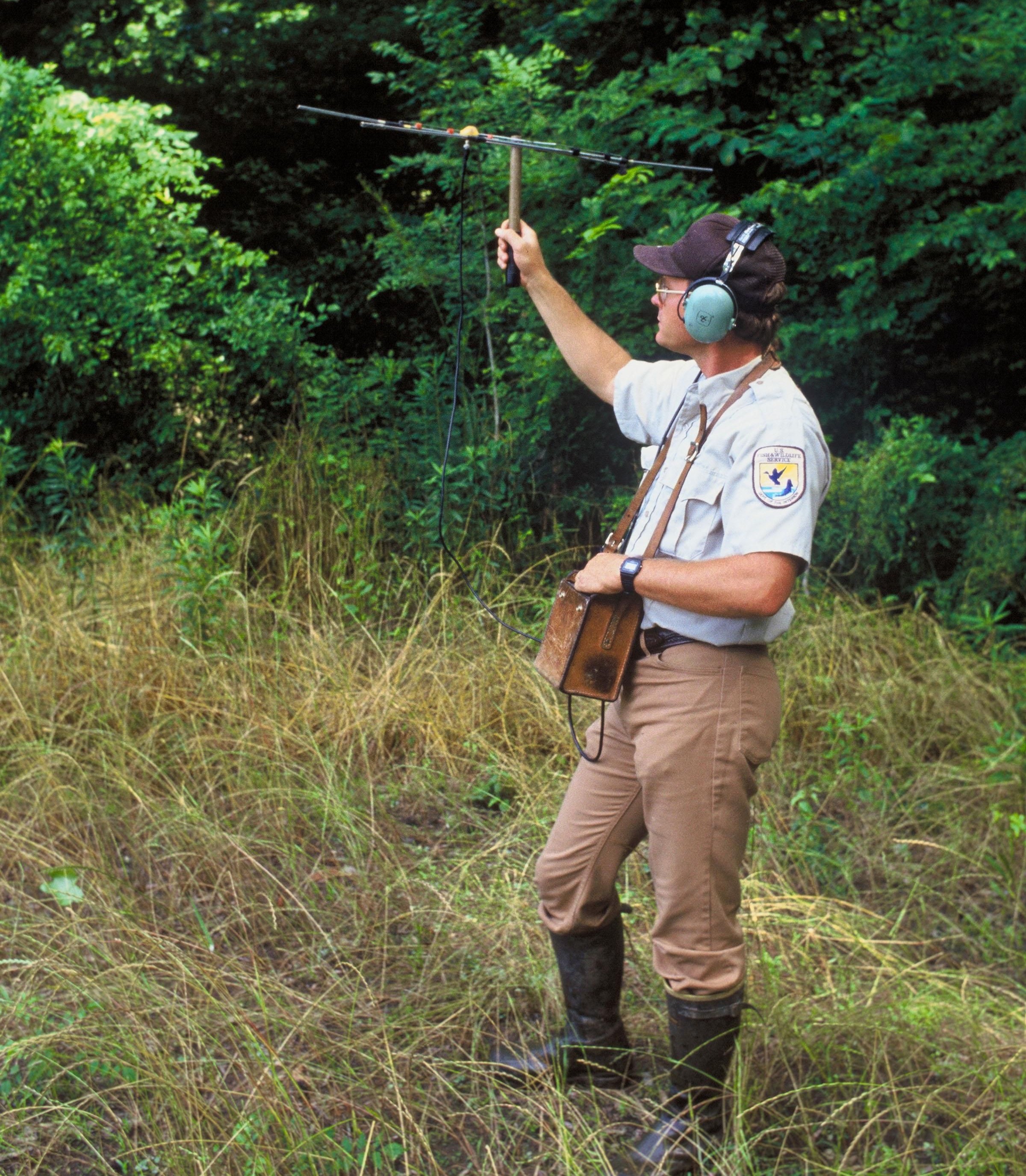
Movement ecology is entering a new phase where tiny solar-powered tags log not just location but heart rate, temperature, and even gait patterns, then beam it to researchers in near real time. Pair those streams with satellite vegetation indices and sandstorm forecasts, and you get predictive maps of where herds will head next. That foresight could guide corridor protection before fences or roads block the way.
On the biological front, microbiome research is unpacking how camels extract nutrients from thorny, salty plants, opening the door to better feed strategies in drought. Environmental DNA at desert waterholes now reveals who’s sharing scarce watering spots, helping managers reduce conflict and disease risk. It’s a high-tech toolkit built for vast, quiet places.
The Hidden Trade‑offs
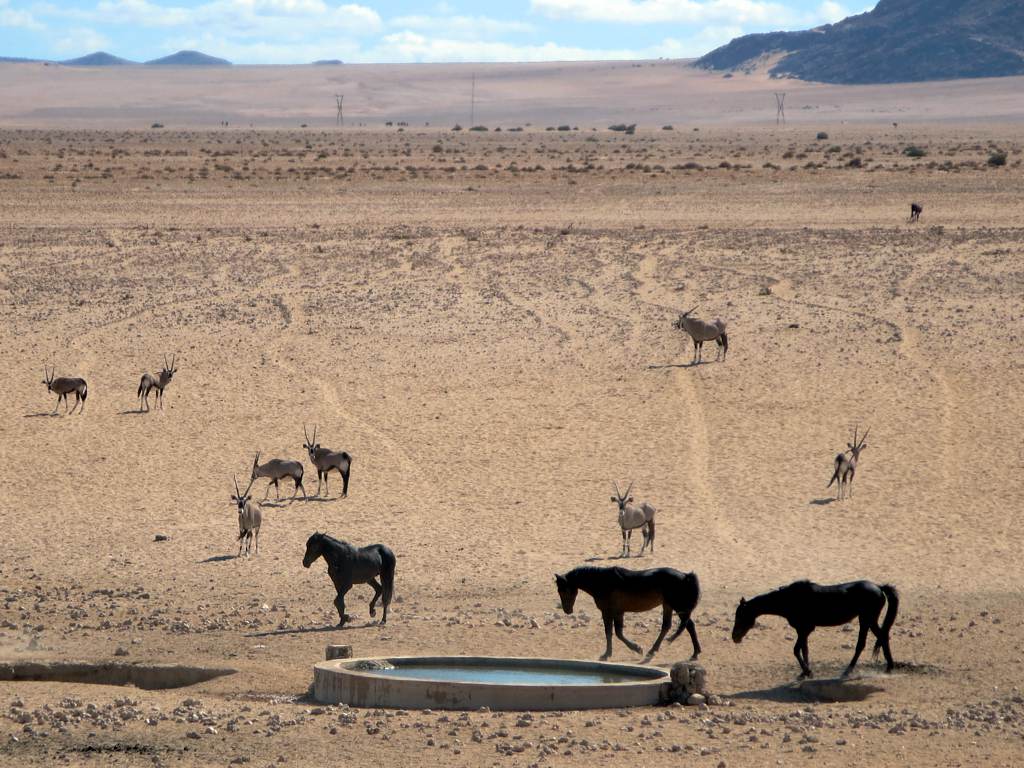
Desert mastery doesn’t mean zero cost. Concentrating at shrinking water points can heighten competition with wildlife and livestock, and rushed development can sever routes that took generations to refine. Over time, even an expert traveler runs into trouble when the landscape is diced into narrow, resource-poor fragments.
Scientists caution that mobility works only when space remains connected and flexible. Protecting seasonal pastures and access to wells sounds mundane, but it is the difference between resilience and collapse. The challenge is practical governance at the speed of heat and change.
How You Can Help
Small actions scale in drylands. Support organizations that secure migratory corridors, maintain community wells, and back pastoral education programs that pair traditional route knowledge with modern forecasting. If you travel in desert regions, choose operators who prioritize animal welfare and low-impact camps.
At home, cut food waste and favor producers investing in rangeland stewardship, since pressure on global feed and water webs doesn’t stop at any border. Stay curious: follow movement-ecology projects that share open data, and lend your voice when policy debates weigh fences against freedom to move. The right to roam is not only romantic; it is functional.
Suhail Ahmed is a passionate digital professional and nature enthusiast with over 8 years of experience in content strategy, SEO, web development, and digital operations. Alongside his freelance journey, Suhail actively contributes to nature and wildlife platforms like Discover Wildlife, where he channels his curiosity for the planet into engaging, educational storytelling.
With a strong background in managing digital ecosystems — from ecommerce stores and WordPress websites to social media and automation — Suhail merges technical precision with creative insight. His content reflects a rare balance: SEO-friendly yet deeply human, data-informed yet emotionally resonant.
Driven by a love for discovery and storytelling, Suhail believes in using digital platforms to amplify causes that matter — especially those protecting Earth’s biodiversity and inspiring sustainable living. Whether he’s managing online projects or crafting wildlife content, his goal remains the same: to inform, inspire, and leave a positive digital footprint.