
When you watch a bird building its nest in February instead of April, or witness sea lions traveling thousands of miles further than their grandparents ever did, you’re seeing something extraordinary unfold. These aren’t random behaviors. You’re witnessing millions of years of being rewritten in real time, as creatures across our planet scramble to keep pace with a climate that’s changing faster than evolution itself.
The natural world operates on incredibly precise timing. For countless generations, animals have relied on environmental cues like temperature, daylight hours, and food availability to guide their most crucial behaviors. Yet these ancient patterns are now being disrupted at an unprecedented rate, forcing wildlife to adapt or face extinction.
The Speed of Change Outpaces Evolution
You might think animals are masters of adaptation, but the current situation reveals a harsh truth. Although animals do commonly respond to climate change, such responses are in general insufficient to cope with the rapid pace of rising temperatures and sometimes go in wrong directions.
Scientists who analyzed over ten thousand published studies found something alarming. The rate of species loss is growing, estimated to be between 1,000 and 10,000 times higher than the natural extinction rate. The World Wide Fund for Nature revealed that wildlife populations have declined by 73% in the average size of the wildlife populations monitored between 1970 and 2020.
The problem isn’t that animals can’t adapt. It’s that they simply cannot keep up with the breakneck speed of environmental change. Climate change is also occurring at a rate that may be too fast for the animals to keep up. Since record keeping began in 1850, nine of the ten warmest years have all occurred since 2010.
Physical Transformations Before Our Eyes
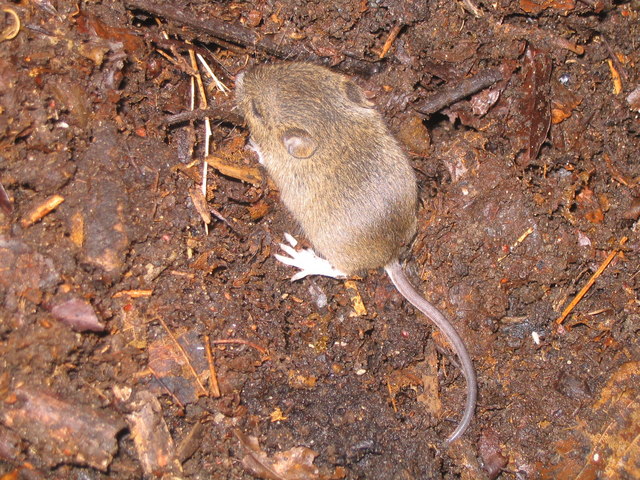
One of the most remarkable changes you can observe is how animals are literally reshaping their bodies. In the case of wood mice, their tails are becoming longer, while birds, which regulate their body temperature through their beaks, are growing larger beaks.
Larger appendages and smaller bodies are typically the most successful physical adaptations in warmer temperatures. For example, in the dry grasslands of South Africa, scientists found that the average foot length of Cape ground squirrels had grown by 9% in just 18 years. The reason is simple physics: a larger foot surface area means heat can leave the body quicker.
Australian parrots are showing similar changes. The beaks of some Australian parrot species including gang-gang cockatoos and red-rumped parrots have grown by up to 10% since 1871 for the same reason.
The Incredible Shrinking Animals
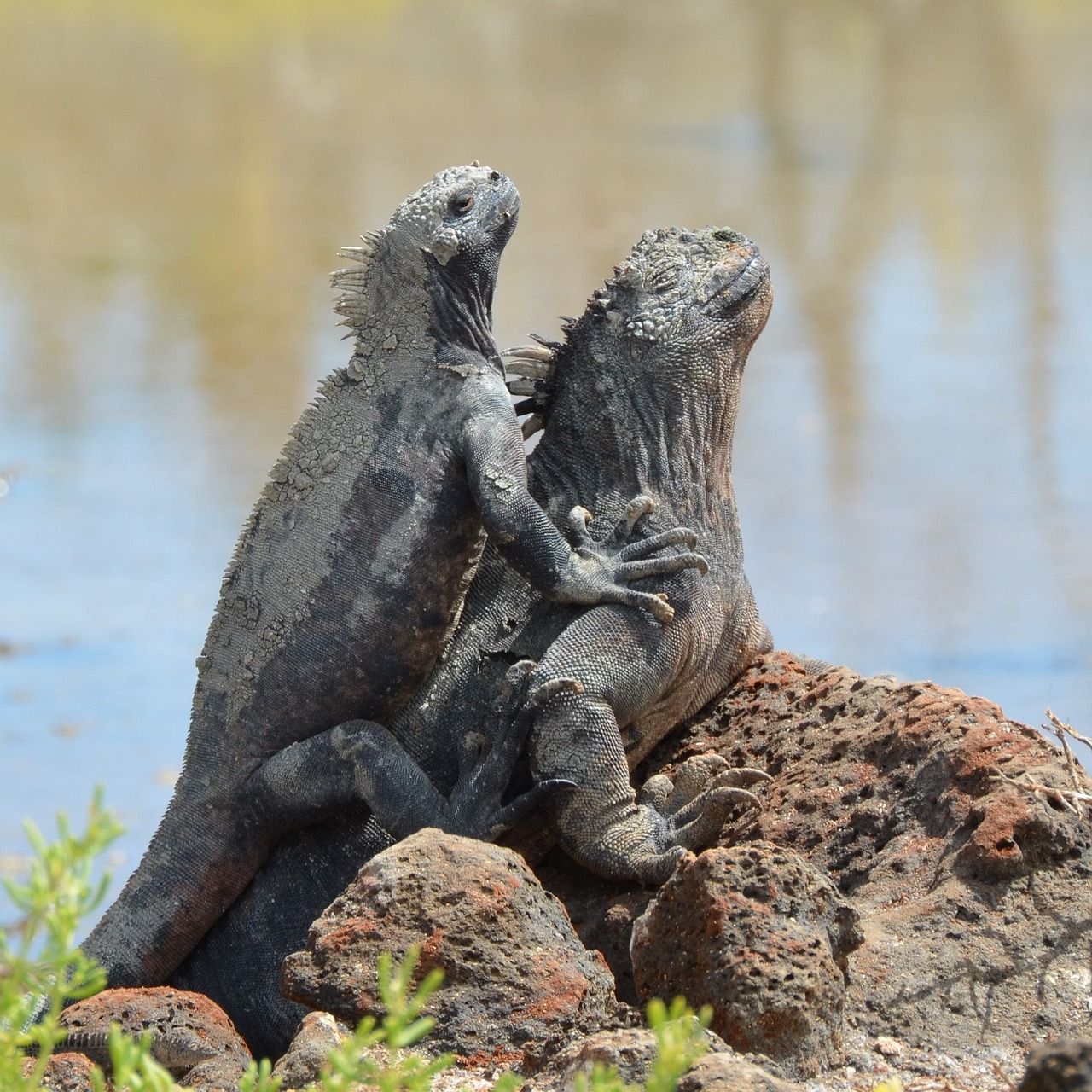
Perhaps most fascinating are animals that can change size during their own lifetimes. Marine iguanas in the Galápagos can shrink and grow their body length by as much as 20% as temperatures fluctuate and the amount of food available changes. To combat their lack of food, marine iguanas shrink; individuals can become as much as 20% shorter. These lizards can shrink and grow multiple times throughout their lives depending on the climate.
This ability serves as a survival mechanism when warmer waters reduce their food supply. Marine iguanas are the only lizards known to forage for food in the ocean and live off the algae growing there. Warmer water makes the red and green algae that marine iguanas prefer less available.
Even the colors of animals are shifting. Dark-colored dragonflies are getting paler to reduce the amount of heat they absorb from the sun. In Finland, tawny owls are either russet or pale gray, with the lighter gray color providing camouflage against snow. But as snow cover has decreased in Finland, russet owls grew from about 12% of the population in the early 1960s to 40% in 2010.
Migration Patterns in Flux
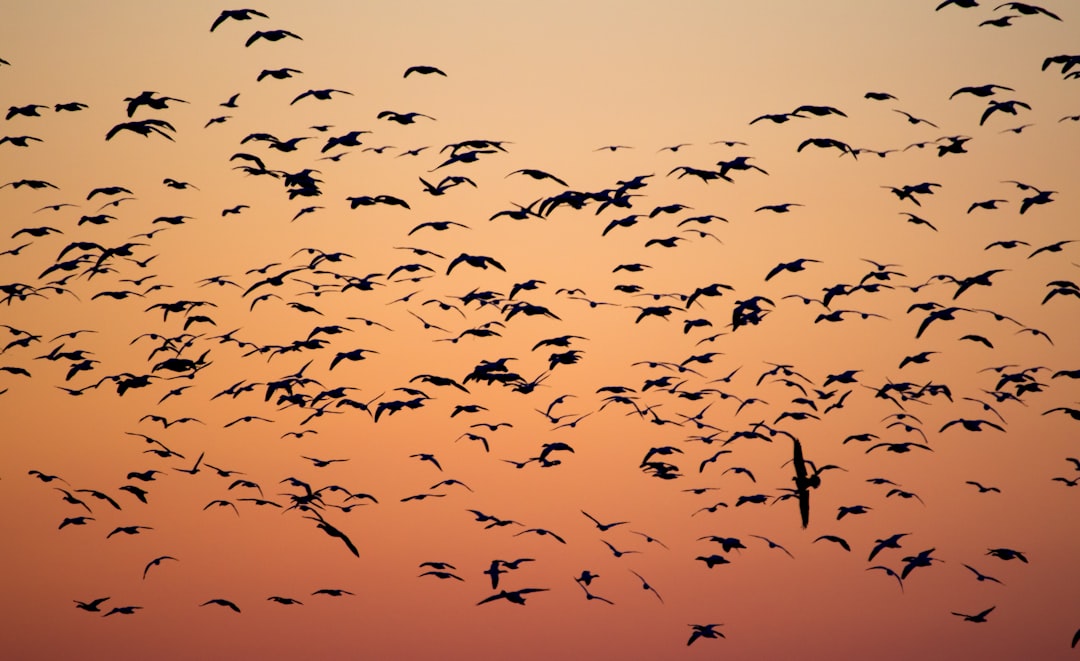
If you’ve been watching migratory birds over the years, you might have noticed they’re arriving earlier than before. On average, migration started about half a day earlier each year – a change that compounded over 25 years to cause a shift of nearly two weeks. “Basically, climate change is rushing them to go north early”.
The direct effects of climate change on many migratory species are already being seen, including poleward range shifts, changes in the timing of migration, and reduced breeding success and survival. Yet this creates new challenges, as the shift was more pronounced for adult eagles than juveniles, suggesting that the juveniles may be missing out on the mating season or the adults may be reaching their summering grounds before their food sources.
Some animals are developing entirely new migration routes. Pink-footed geese in the Arctic have developed new migration routes and breeding grounds, with warming temperatures leading to the discovery of new habitats. In the years when the snow melts early, the geese don’t make stops to feed during their migration, making a mad dash, instead, to the breeding grounds. “They would really speed up their migration,” he explained. “They would be able to make the journey that would otherwise take two weeks … they could do the same thing in four days.”
Breeding Schedules Under Pressure
The timing of reproduction is becoming increasingly critical and increasingly difficult to get right. Animals generally shift their breeding earlier to match the new timing. On average, the window of time when birds lay their eggs has gotten earlier by almost two weeks over half a century.
This shift isn’t arbitrary – it’s a matter of survival. Since many small songbirds can raise their young in roughly one month, two weeks is a big shift in their timing. “If [birds] don’t adjust, then the chicks will arrive way after the caterpillars are gone. And so, they starve”.
Some species are managing these changes better than others. Wood frogs have one of the most widespread ranges of frogs in North America – from the southeastern U.S. to the Canadian subarctic and as far north as the Brooks Range in Arctic Alaska. It is the only amphibian found this far north and has a surprising adaptation to the cold – it freezes in the winter and thaws out to carry on with life in the spring. Monitoring is ongoing, but our findings so far suggest that wood frogs will rapidly adjust the timing of their breeding.
The Mismatch Problem
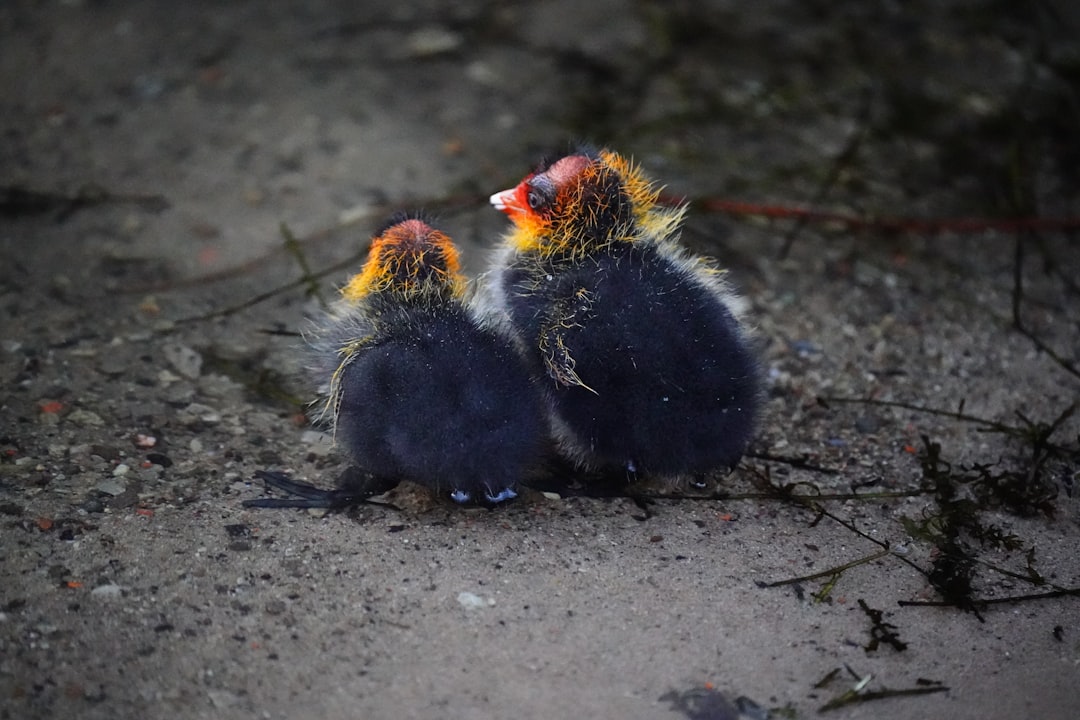
Unfortunately, not all species can adjust their timing at the same rate, creating what scientists call “trophic mismatches.” When breeding seasons fall out of sync with peak food supply or favorable weather, offspring survival rates plummet. For example, birds that hatch too early may miss the seasonal abundance of insects, while amphibians born during sudden dry spells may struggle to find enough water to survive. These mismatches reduce the chances of young animals reaching adulthood and ultimately weaken entire populations.
Across Arctic North America, insects are emerging an average of 1-2.5 days earlier per decade. In response, some shorebird species have adapted to match this timing by arriving to their breeding grounds earlier. In some cases, populations of insects that shorebird adults and chicks eat peaked before the chicks hatched, resulting in a “trophic mismatch” through reduced food availability when energy demands are greatest for offspring.
The consequences can be devastating. The culprit was a heat wave that had swept through Europe in late June. In Montpelier, where she checked the nest boxes, temperatures exceeded 110 degrees Fahrenheit, a record by more than 10 degrees, leaving researchers to find dead chicks in their nests.
Arctic Animals on the Frontline
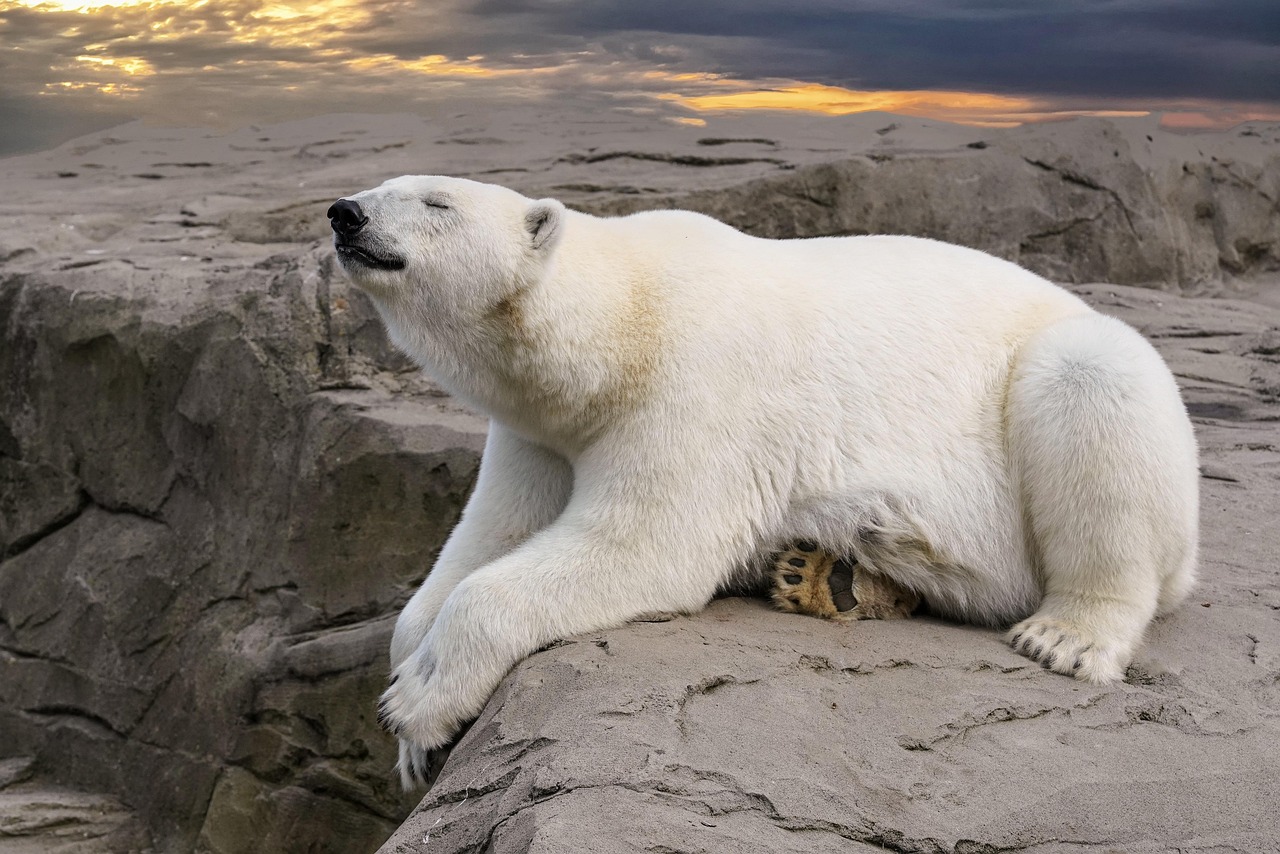
Arctic species are experiencing some of the most dramatic changes. The Arctic is showing more extreme indications of climate change. Sea ice is shrinking, rainfall and snowfall are changing, and Arctic tundra is turning green in some places and brown in others. “Arctic animals are responding to these changes, they’re responding quickly, and that response is not equal”.
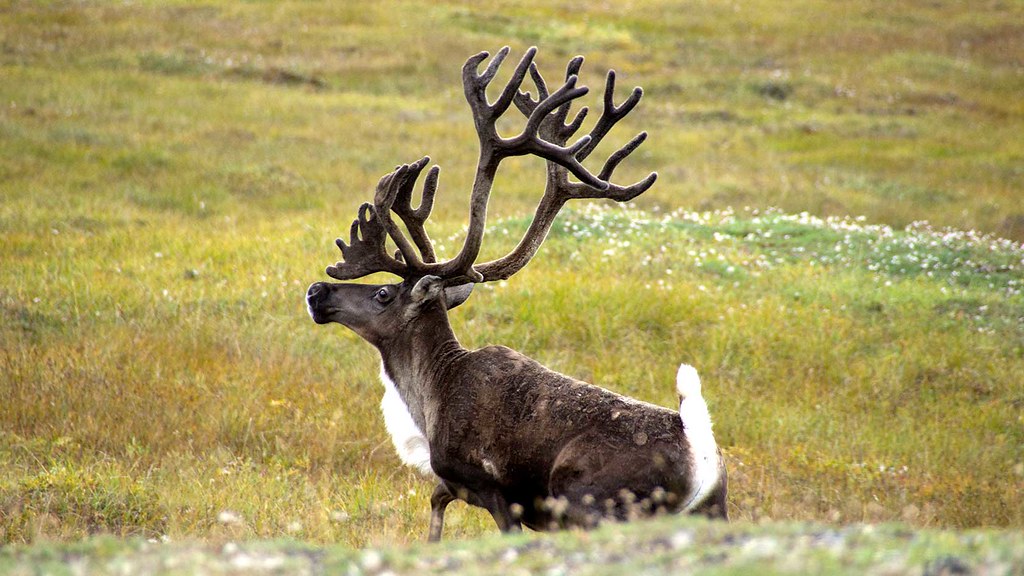
Caribou populations are showing different responses depending on their location. This is the first indication of caribou populations showing an adaptive response to climate change. The team analyzed five caribou populations and found that populations living in the northern Arctic – where things are shifting more rapidly due to climate change – were having offspring earlier to coincide with the changes in their environment, suggesting that these populations are adapting to climate change. However, the southern caribou populations that are experiencing less rapid environmental changes had offspring at their usual time.
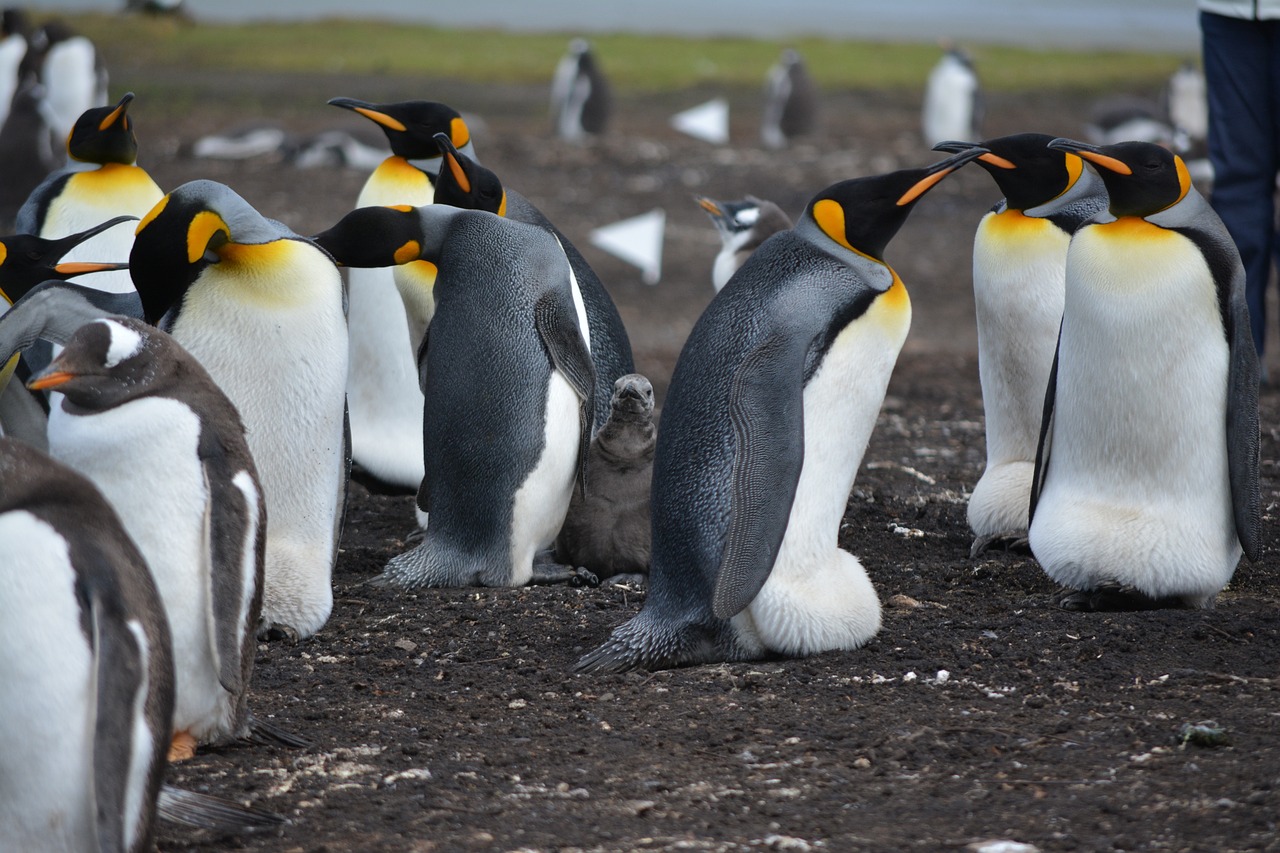
Penguins are shifting their breeding grounds further south and must travel further for food and breeding. Population declines of over 40% have been observed in the eastern Antarctic Adelie penguin populations. The melting sea ice means these birds are losing the very foundation of their ecosystem.
Marine Life Under Stress
Ocean creatures face unique challenges as warming waters disrupt entire marine ecosystems. Both warm and cold-loving marine species are migrating to different places and changing their breeding and feeding patterns due to warming waters. Not all marine species are responding to changing temperatures and nutrient availability at the same time, which can disrupt the food web.
Over the past several years, this colorful marine bird has faced delayed breeding seasons and low rates of chick survival as warming ocean temperatures in the Gulf of Maine pushed major food sources farther north. However, recent studies have indicated that puffin populations may be on the rebound, showing the uneven and complex impacts of climate change.
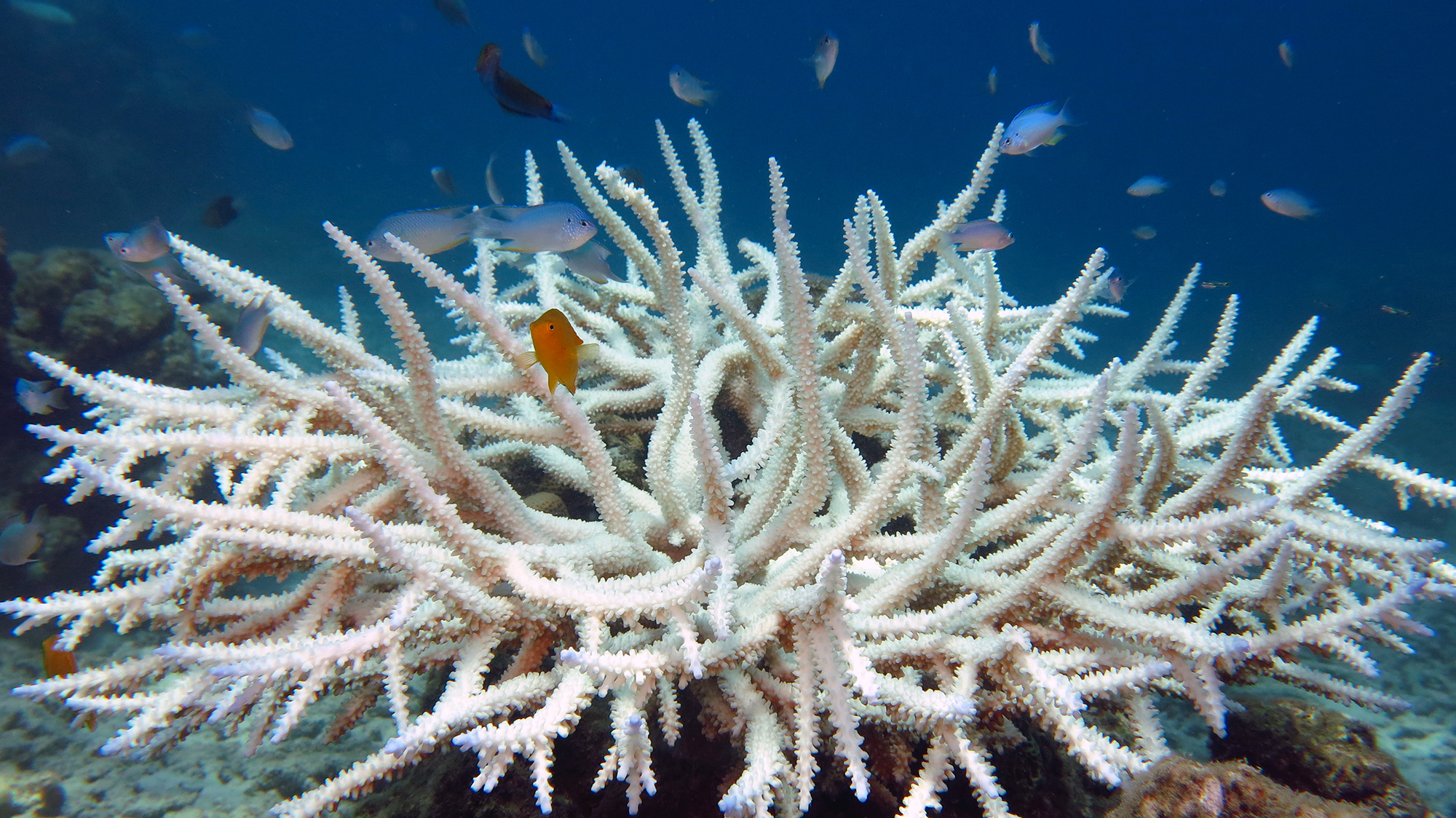
Ocean warming and falling water acidity are causing corals to expel the symbiotic algae from their tissues resulting in a loss of color known as coral bleaching. Coral reefs are considered keystone species in that they are critical for ecosystem balance and shelter 25% of all marine species.
Behavioral Adaptations and Survival Strategies
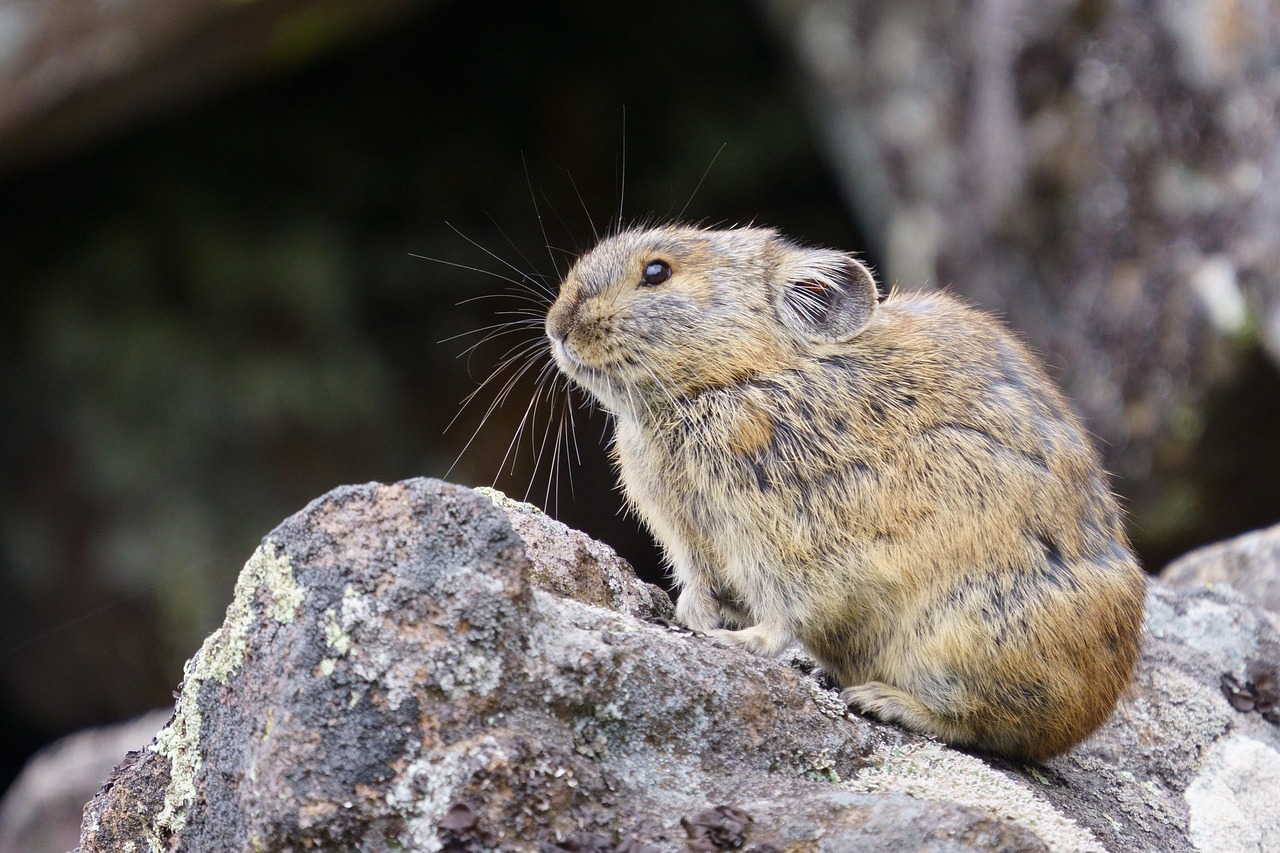
Animals are changing not just when they do things, but how they do them. Nonetheless, he identified behavioral changes they appear to be making to cope with a changing climate. They were moving off talus, the high-alpine boulder piles they are usually associated with, into the adjacent forest, he and his colleagues observed. American pikas, traditionally mountain dwellers, are finding new ways to stay cool.
In the rocky slopes of the Western United States, the American pika – a small, rabbit-like species – is adapting in essential ways. But researchers have found that these little lagomorphs are now working on a new schedule, only peeking out of their burrows during dawn, dusk, or night, when temperatures are moderate. In addition to their new timetables, pikas are also adopting new homes, nestling down deeper than ever before, where subsurface temperatures can be nearly 10 degrees Celsius cooler during the hottest times of the day.
Even dietary preferences are shifting. Doing all they can to avoid the heat, pikas are also changing their diets. Pikas used to spend hours foraging for grasses, sedges, herbaceous flowering plants, thistles, fireweed, and other wildflowers. Now they are relying much more on eating moss that is easily accessible all year-round, and limits the hours they need to spend foraging.
Reproductive Timing Under Siege
The timing of reproduction is becoming one of the most critical adaptations animals must master. African wild dogs are adjusting the timing of one of the most critical parts of their life cycle – birth. Over the past thirty years, these dogs have shifted their average birthing date back by three weeks to avoid rearing their pups during the hot season when survival is less likely.
Reptiles are also adjusting their nesting behaviors rapidly. Reptiles around the world are adapting too, this time in how they nurture their offspring. Researchers have discovered that the eastern three-lined skink, for example, has begun nesting four weeks earlier, over the short course of a decade. Higher temperatures accelerate the development of reptile embryos, often resulting in offspring that are smaller and less developed at hatching.
Some reptiles are taking even more dramatic steps. Reptiles are also choosing cooler locations for their nesting sites. Kemp’s ridley sea turtle has done just this, moving farther north to find nesting sites. Other reptiles, like American crocodiles in Florida, have begun to diversify their nest types to mitigate the risk of an entire litter failing to hatch, laying some eggs in coastal sand mounds and some in hole nests or creek banks.
The Limits of Adaptation
While these adaptations might seem encouraging, they come with serious limitations and costs. Animals adapting will only protect them for so long, but not forever. Many of these adaptations may also come at a cost to the animals; for example, changes in appendage size may make feeding or hunting more difficult, or changes in color may make animals more visible and easier for predators to hunt.
Adaptation to meet one challenge can create new challenges. Birds with larger beaks, for example, may find it more difficult to feed. And realistically, just how far can an animal adapt? The current situation has scientists concerned about the rate at which this “shapeshifting” is happening.
“Everything that organisms do is simply buying time,” said Martha Muñoz of Yale. “But if you’re going up a mountain, there’s only so far you can go. And if you’re going polewards, there’s only so far you can go. There’s an upper limit to how far that can go, too”.
Species Most at Risk
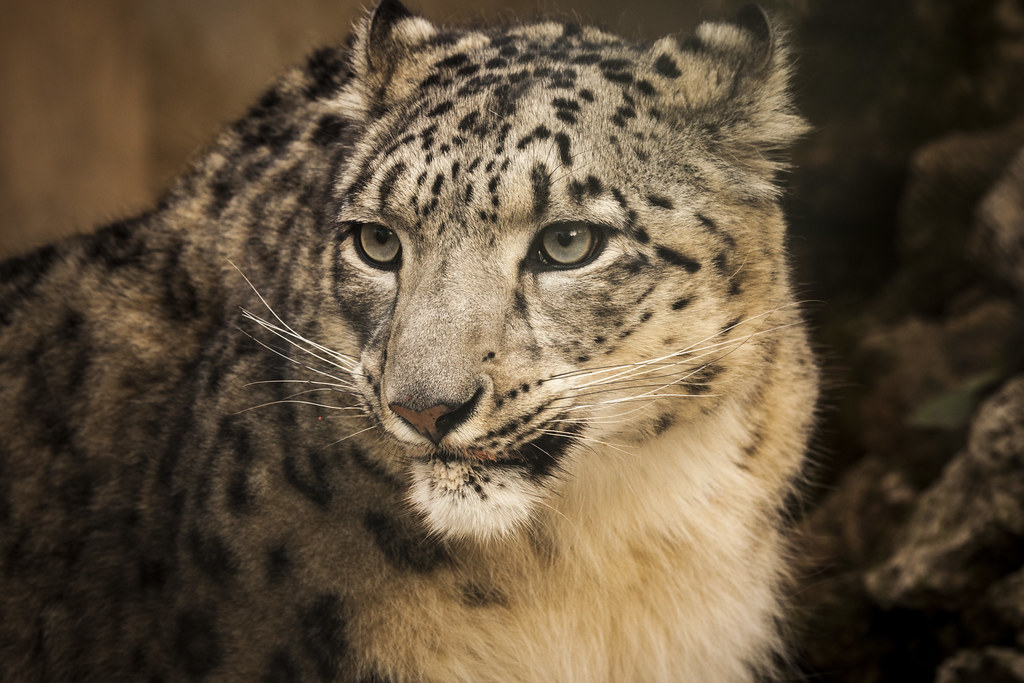
Some animals face particularly dire circumstances because of their specialized habitat requirements. Animal species that evolved in the most extreme environments on Earth, like the arctic caribou, fox, and snowy owl, will not have anywhere else to go if the temperatures continue to rise.
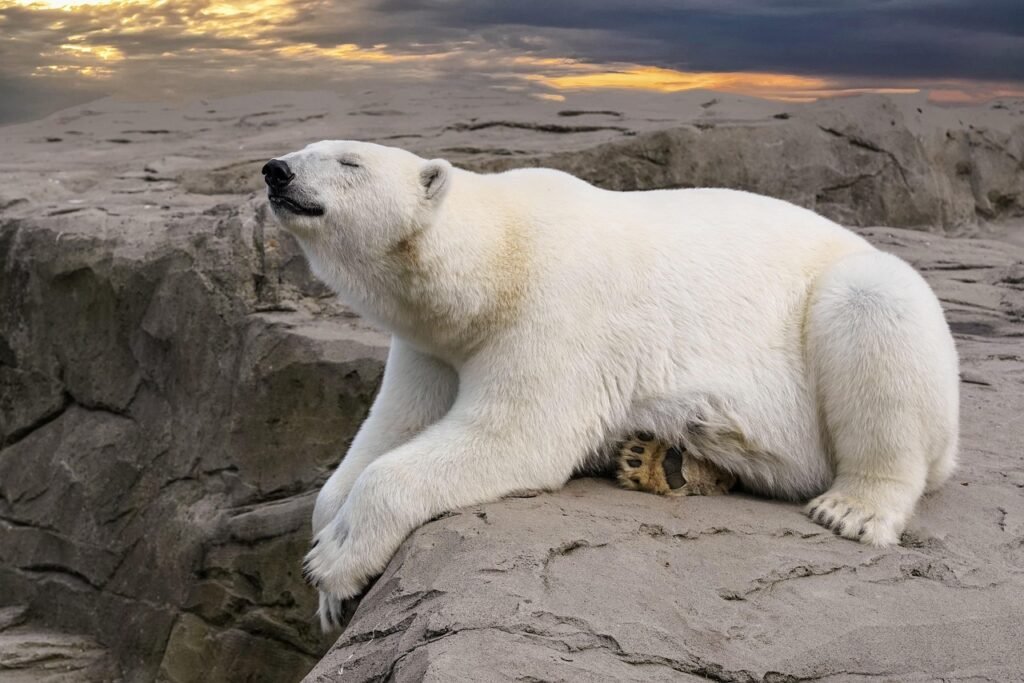
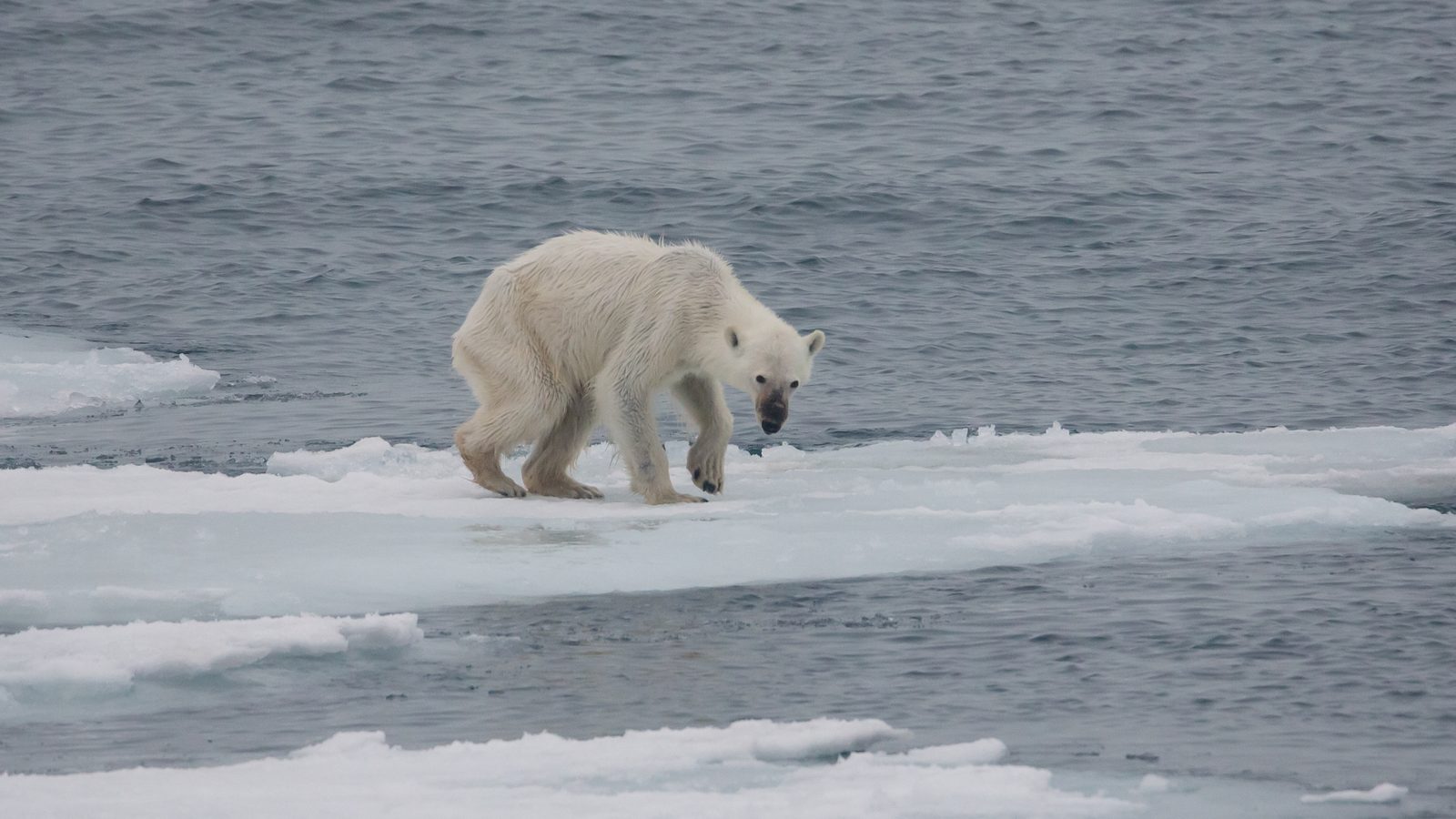
In 2008, polar bears were the first species to be listed as “threatened” under the Endangered Species Act due to the impacts of climate change. Melting Arctic ice reduces their access to habitat and seal hunting ranges. These apex predators simply cannot exist without sea ice, and there’s no alternative habitat that can sustain them.
One of those species is the key deer (Odocoileus virginianus clavium). Reddish-brown and around the size of a golden retriever, only about 1,000 remain in the wild. As sea levels rise and saltwater intrudes on the island forests they call home, these diminutive deer are quickly running out of real estate. The last desperate hope might be to move them off their native islands before they’re swallowed by the sea, Atlantis-style.
Human Intervention and Assisted Migration
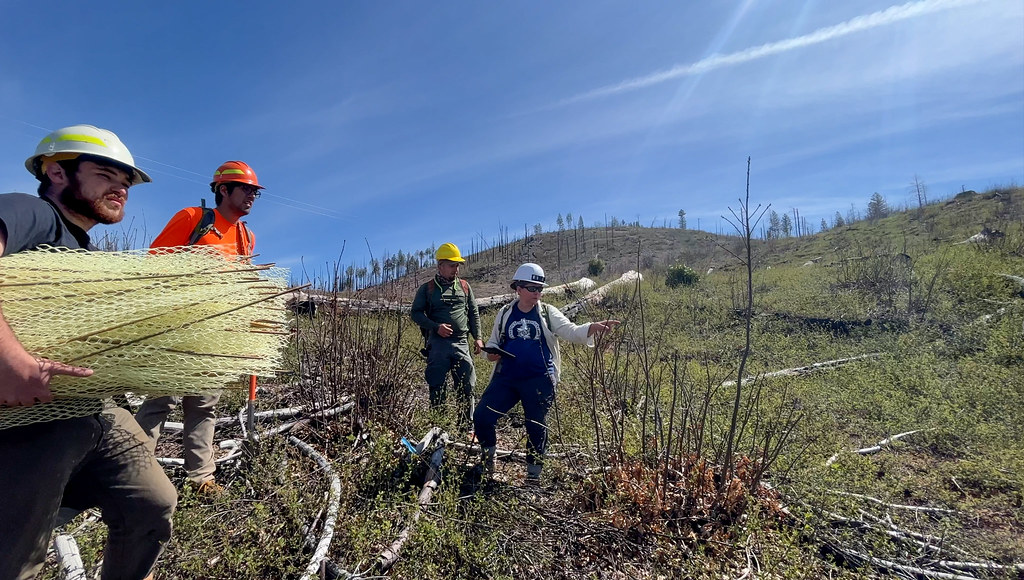
Recognizing that natural adaptation might not be enough, scientists and conservationists are exploring new approaches. Assisted migration involves the relocation of plants or animals to more suitable habitats. The US Endangered Species Act was updated in 2023 to allow for this intervention as it was previously thought moving species was too potentially destructive to the destination habitat. However, the pace of climate change is exceeding species capacity to successfully adapt naturally.
But a recently updated federal regulation just put that option on the table. In July, the US Fish and Wildlife Service changed its policy around the practice of “assisted migration” – a controversial strategy that involves moving an endangered species to new locations where they might have better survival chances.
With climate change increasingly disrupting wildlife behavior, conservationists are stepping up by protecting critical routes, restoring habitats and harnessing scientific tools to support adaptation across ecosystems. Safeguarding migration corridors and monitoring changes in climate change and wildlife responses are vital for building resilience across species and landscapes. Protecting the pathways that animals depend on is becoming just as important as protecting the animals themselves. Conservationists are prioritizing the preservation and restoration of migration corridors and stopover sites, ensuring that species migration can continue with reliable access to food and shelter.
Conclusion
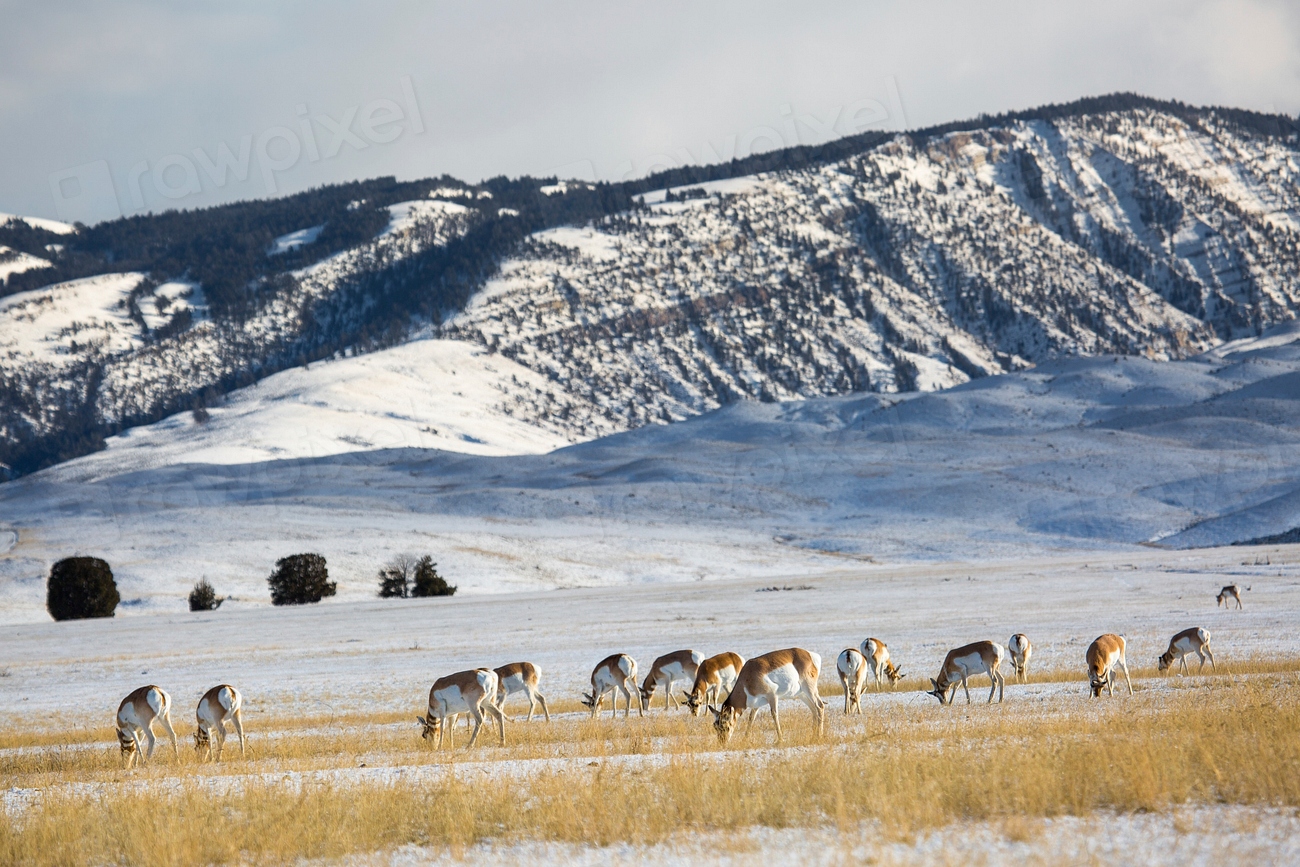
What you’re witnessing in nature today is evolution happening at warp speed, with mixed results. While some species demonstrate remarkable plasticity in their behaviors and even their physical forms, the brutal truth remains that most adaptations are incomplete solutions to an accelerating problem. Animals are essentially buying time in a race against climate change that they cannot win through adaptation alone.
The reshaping of represents both the incredible resilience of life and its fundamental vulnerability. Each behavioral shift, each physical change, each new migration route tells a story of survival against overwhelming odds. Yet these stories also serve as urgent reminders that the natural world needs our help to weather this unprecedented storm. What are you prepared to do to help them succeed?
Jan loves Wildlife and Animals and is one of the founders of Animals Around The Globe. He holds an MSc in Finance & Economics and is a passionate PADI Open Water Diver. His favorite animals are Mountain Gorillas, Tigers, and Great White Sharks. He lived in South Africa, Germany, the USA, Ireland, Italy, China, and Australia. Before AATG, Jan worked for Google, Axel Springer, BMW and others.