
Picture this: you’re witnessing history unfold in real time. The Arctic Ocean, once a solid white expanse, now gleams with pockets of open water during summer months. This dramatic transformation isn’t just changing landscapes – it’s forcing Arctic wildlife into the greatest survival test they’ve ever faced. While some species struggle to keep pace with these rapid changes, others are displaying remarkable adaptability that honestly surprises even seasoned researchers.
You might expect all Arctic animals to be struggling equally, but that’s far from reality. Some species are proving surprisingly flexible in their responses to warming temperatures, shifting migration patterns, and disappearing sea ice. The question isn’t just whether these animals will survive, but which ones are adapting quickly enough to thrive in this new Arctic world.
Barnacle Geese Master the Art of Timing
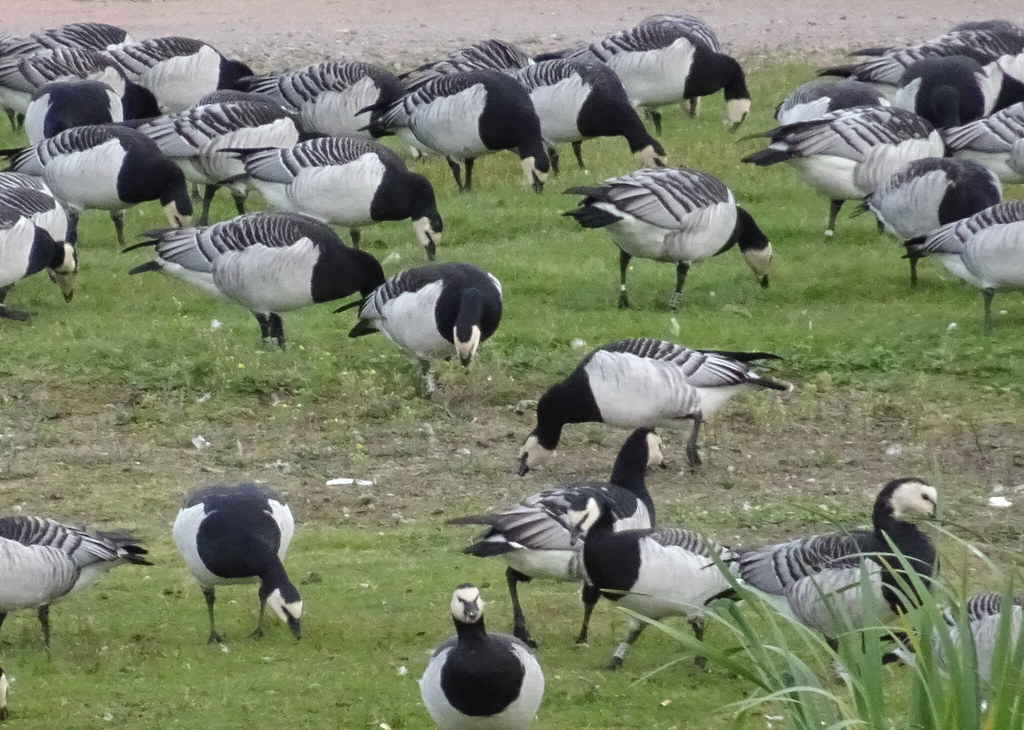
If you want to see adaptation in action, look no further than barnacle geese. These remarkable birds pushed forward their 3,000-kilometre trip by two weeks since the early 2000s. This shift isn’t random – it’s a calculated response to changing Arctic spring conditions.
The geese demonstrate what researchers call “phenological flexibility,” meaning they can adjust their biological timing to match environmental changes. Migrating Barnacle geese that fly north to lay eggs amid the Norwegian Arctic’s craggy peaks and melting glaciers are adapting very well, thank you, at least for now. Unlike many other Arctic species that seem locked into rigid schedules, these geese show that timing really is everything in the game of climate adaptation.
Beluga Whales Show Dietary Flexibility
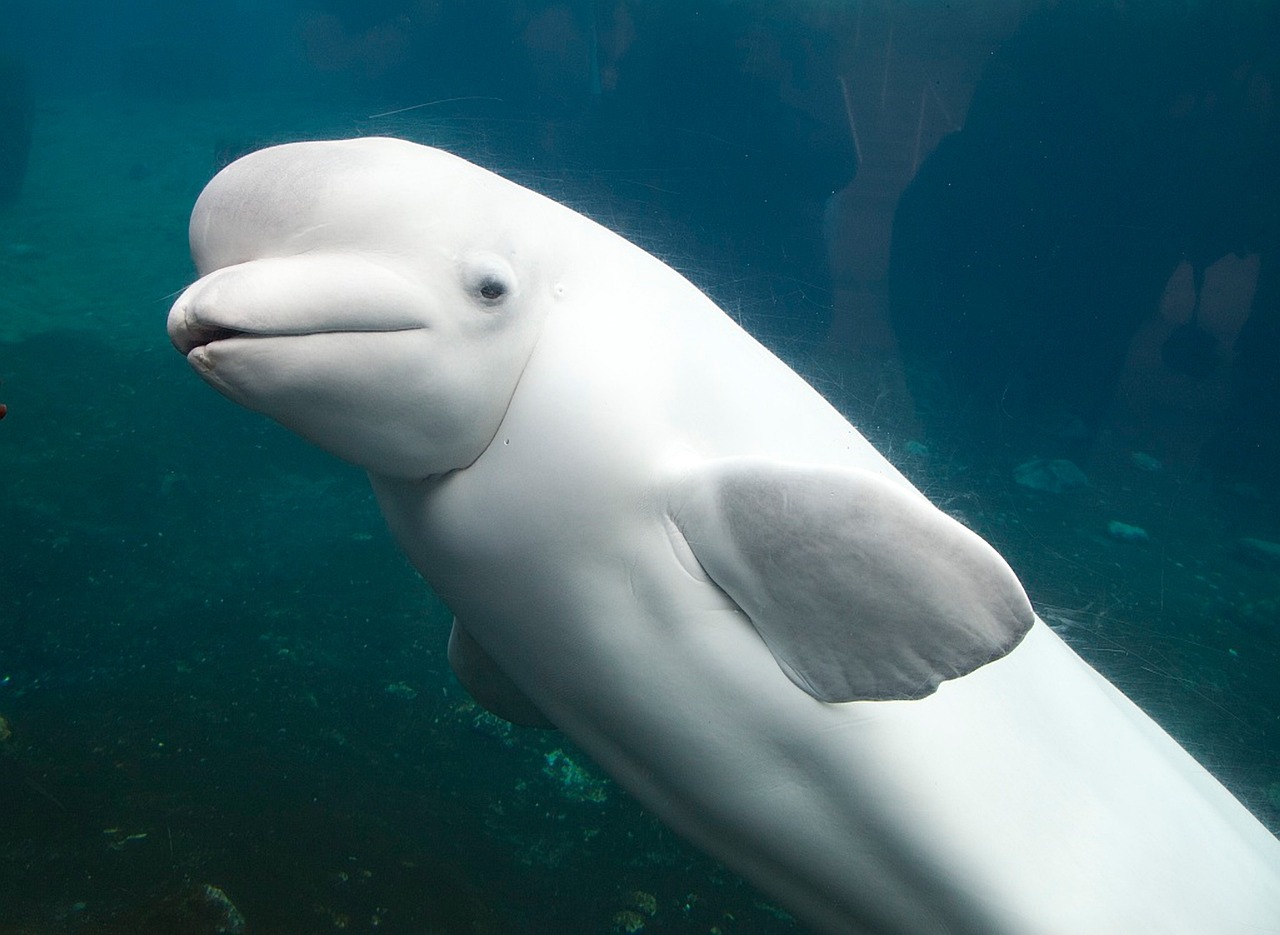
Beluga whales tend to be dietary generalists compared to ringed seals, and this “flexible” response of whales would improve their chances of adapting to warming climes. While other Arctic marine mammals struggle with changing prey distributions, belugas are proving their worth as culinary opportunists.
Research tracking these white whales over two decades reveals their remarkable ability to shift feeding locations and prey preferences as their environment changes. This adaptability stands in stark contrast to more specialized feeders that depend heavily on specific prey species in particular locations. Their flexible approach to finding food may be the key to their continued survival in warming Arctic waters.
Little Auks Consider New Migration Routes
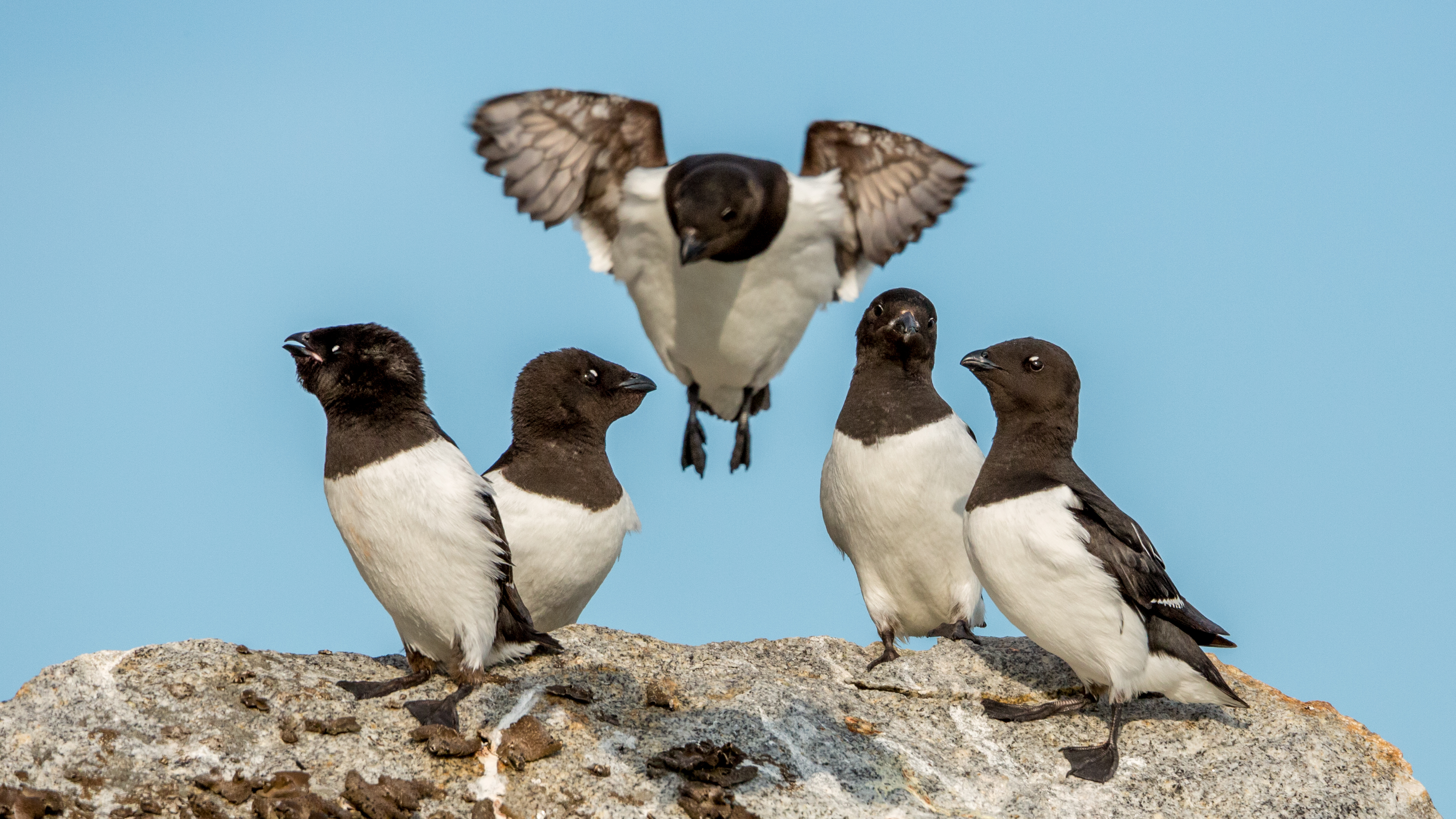
Here’s something that might blow your mind: one species, the little auk, would expend about half as much energy by shifting its migration from the North Atlantic to the North Pacific, rather than their traditional migration or if they just stayed put in the high Arctic. These small seabirds are essentially being offered a more efficient travel route thanks to disappearing sea ice.
Scientists identified 29 arctic-breeding seabird species, which currently migrate in the North Atlantic and could shift to a transarctic migration towards the North Pacific. They also identified 24 arctic-breeding seabird species which may shift from a migratory strategy to high-arctic year-round residency. This represents a complete revolution in Arctic bird migration patterns that could unfold within decades.
Arctic-Breeding Waterfowl Speed Up Migration
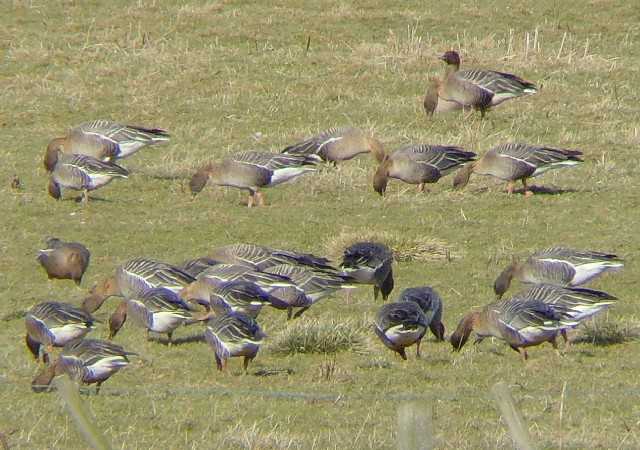
Some individuals were able to shorten their total fueling time by up to 30%, shortening their migration by several dozens of days compared to previous years. The team also found that birds are flexible in how they respond to changing spring conditions. This ability to accelerate migration represents a crucial adaptation strategy.
In years when the Arctic thawed early, species like the white-fronted goose and Bewick’s swan reduced stopover times and arrived sooner. But not all birds were equally responsive – pink-footed and brent geese showed less ability to adjust en route, possibly because they have fewer stopover sites. The birds with more flexible route options are clearly winning the adaptation race.
Caribou Adjust Their Breeding Schedule
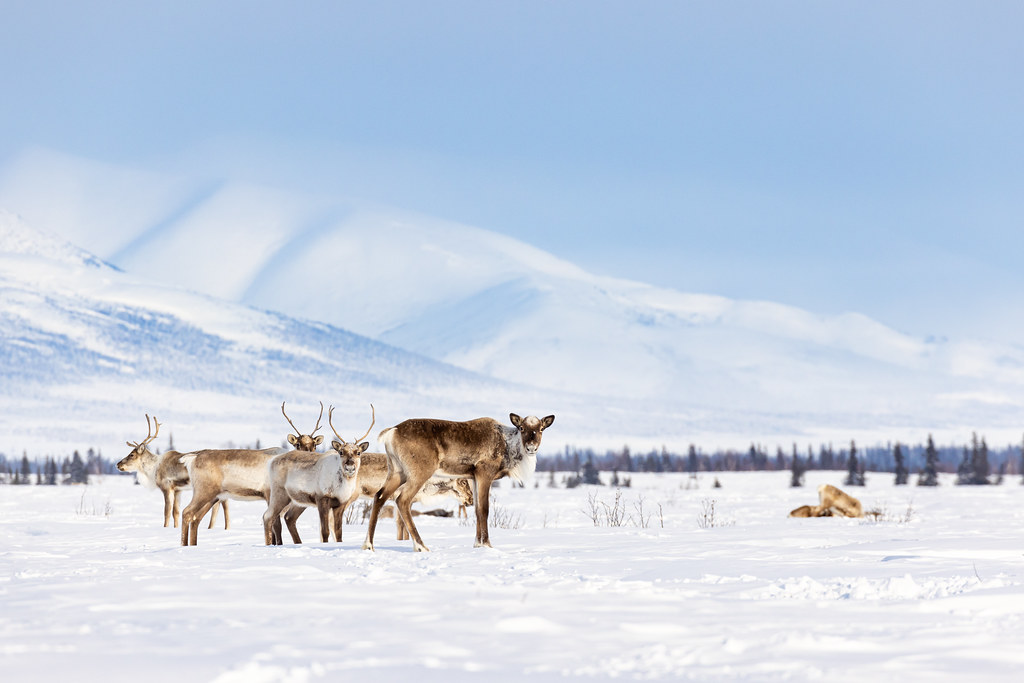
Caribou mate in the fall, are pregnant in the winter, and raise their young in the spring when food is abundant; this schedule is tightly coordinated with environmental patterns. The team found that populations living in the northern Arctic – where things are shifting more rapidly due – were having offspring earlier to coincide with the changes in their environment.
This timing adjustment isn’t just about convenience – it’s about survival. Caribou that can synchronize their reproductive cycle with earlier spring conditions give their calves the best chance of finding abundant food during the critical early weeks of life. It appeared that certain caribou populations were adapting to the changes in their surroundings. Some species, individuals, and populations will benefit from climate change and others will be harmed by climate change.
Arctic Foxes Face Increased Competition but Show Resilience
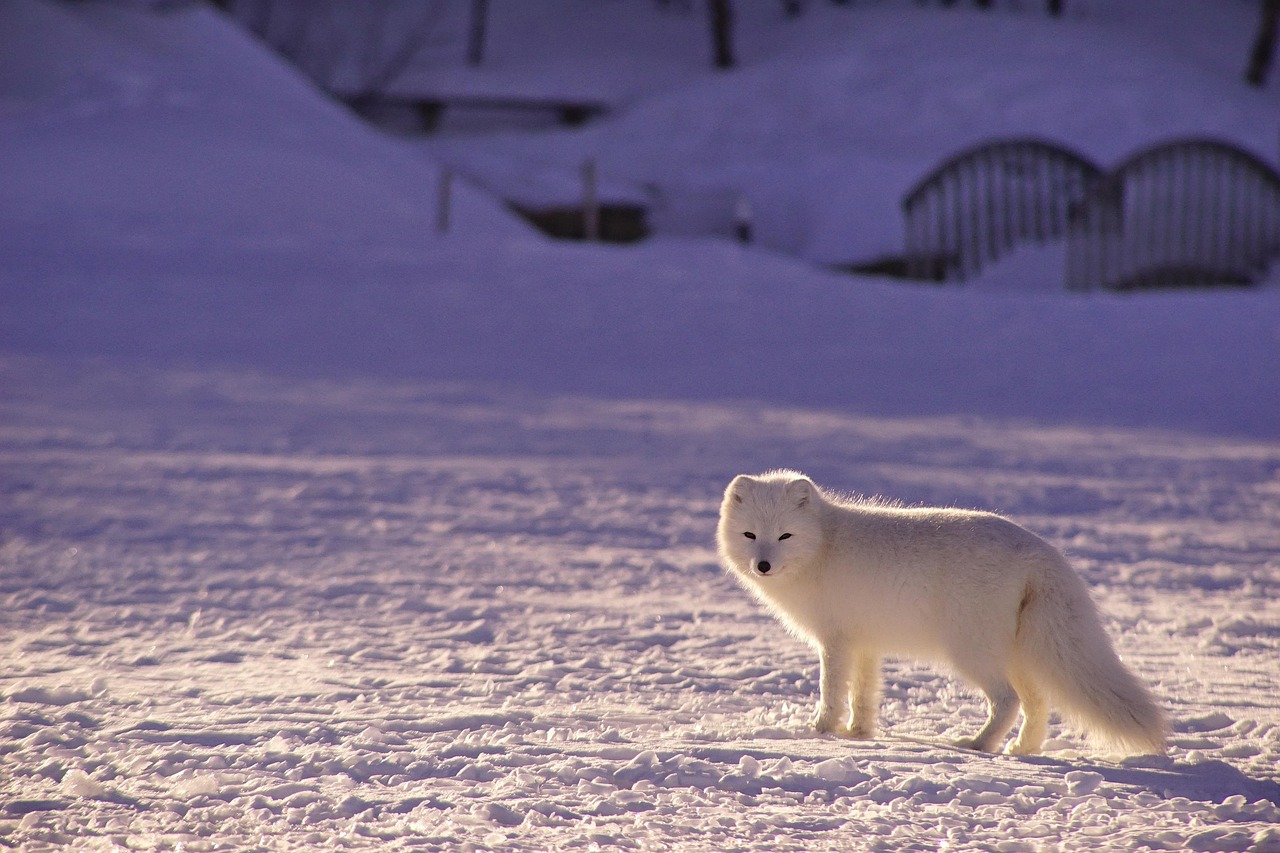
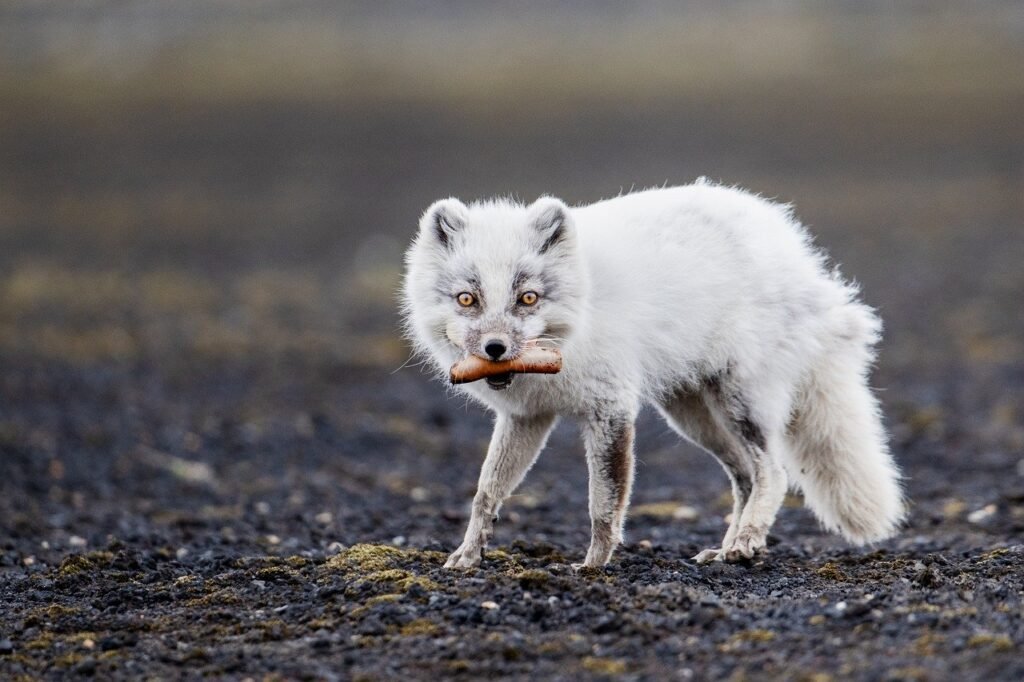
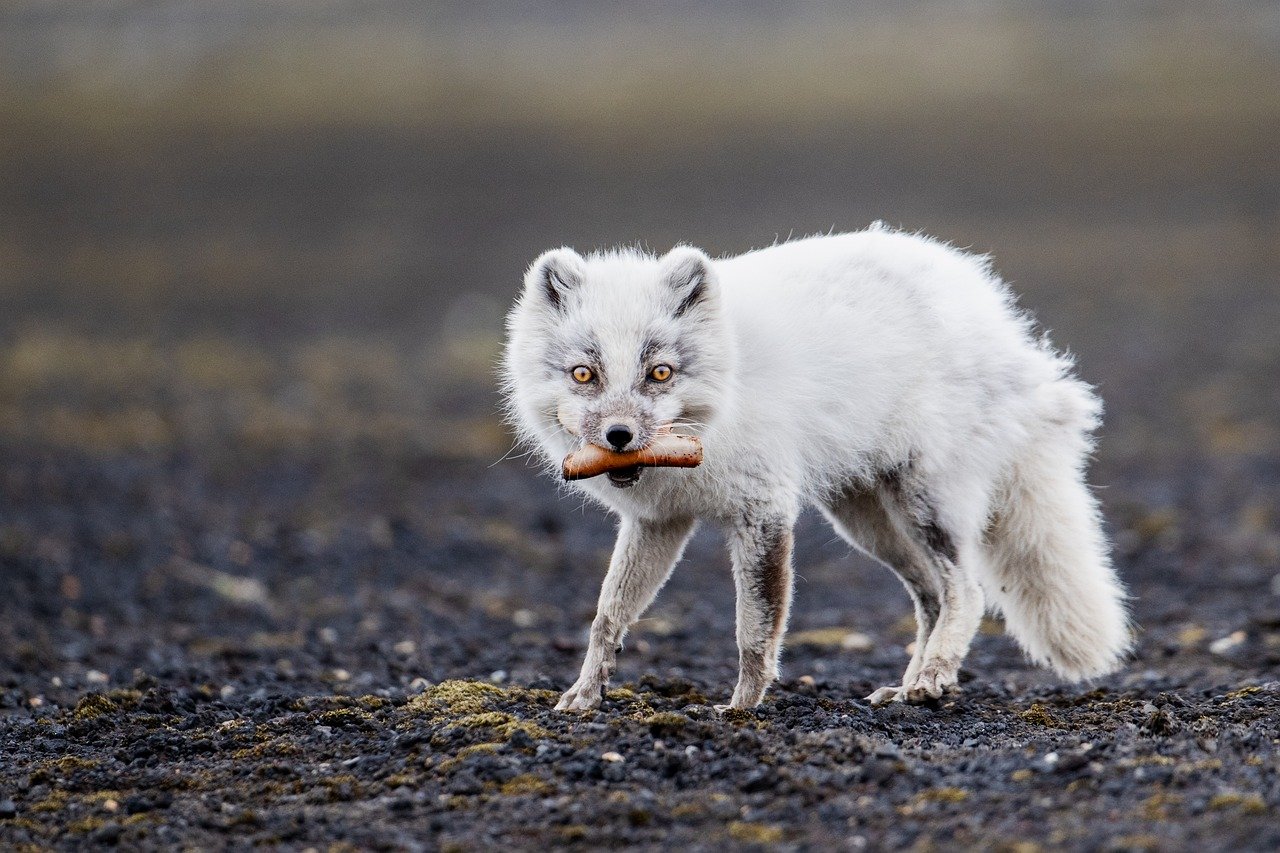
Arctic foxes are dealing with a double challenge: Climate change is extending the range of red foxes – the treeline is moving further north as the tundra retreats – so they’re increasingly crossing paths with their tundra dwelling relatives. Red foxes are twice the size of Arctic foxes and not only compete for prey, but can take their dens by killing or chasing them away.
Despite this pressure, Arctic foxes demonstrate remarkable behavioral flexibility. They’re adapting their hunting strategies and den site selections to avoid direct competition with their larger southern relatives. Some populations are even shifting their activity patterns to exploit times when red foxes are less active, showing that even under pressure, adaptation is possible.
Seals Display Mixed Adaptation Success
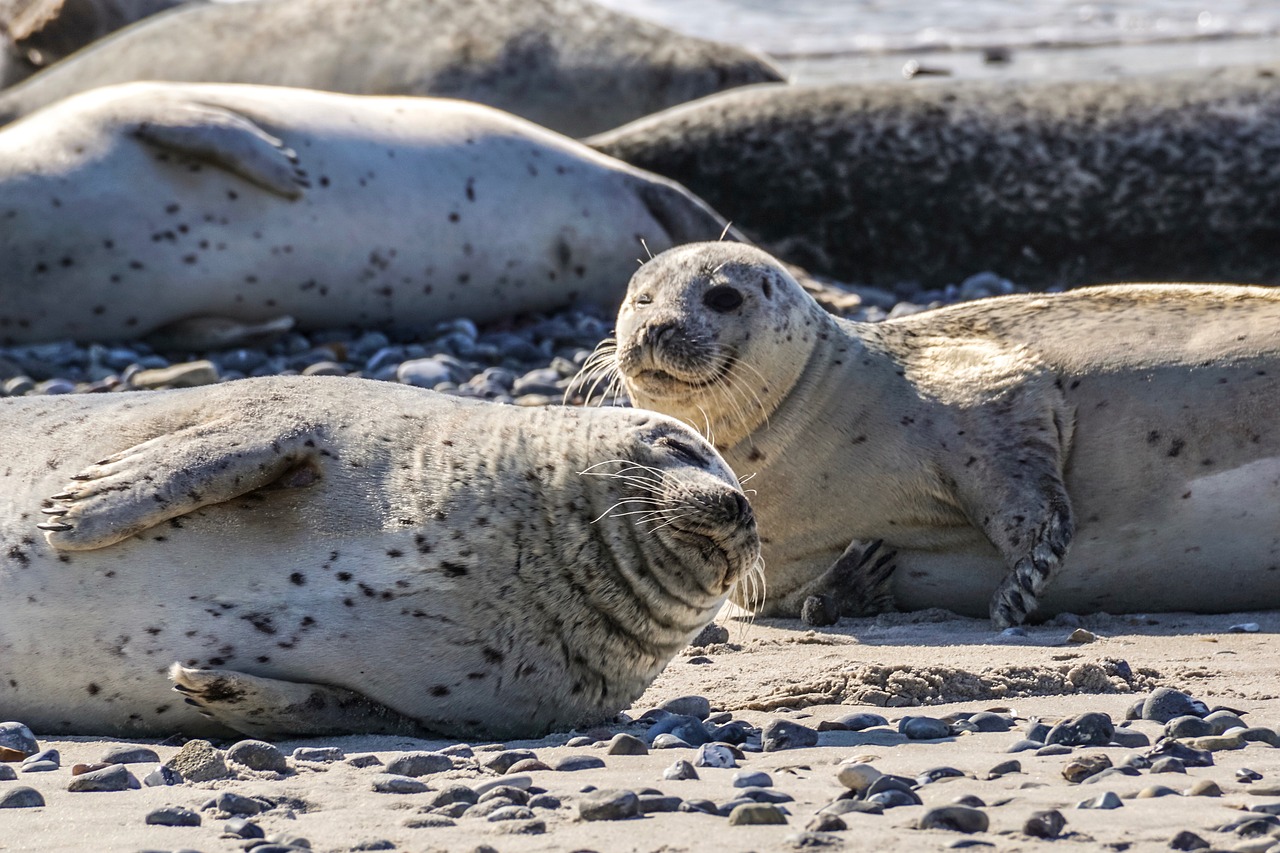
What was most surprising about the results were the limited changes found in the ringed seals’ behaviour. It is not clear why this species is becoming more tightly associated with tidal glacier front refugia and not also foraging on Atlantic fish and invertebrates in other areas of the fjords. This rigidity might actually limit their long-term survival prospects.
In contrast, other seal species are showing more flexibility. Other species that currently live farther south, such as the harbour and grey seals, are likely to expand their geographic spread if the Arctic has less ice coverage. This northward expansion represents successful climate tracking – moving with favorable conditions rather than trying to adapt in place.
Polar Bears Attempt Multiple Strategies with Limited Success
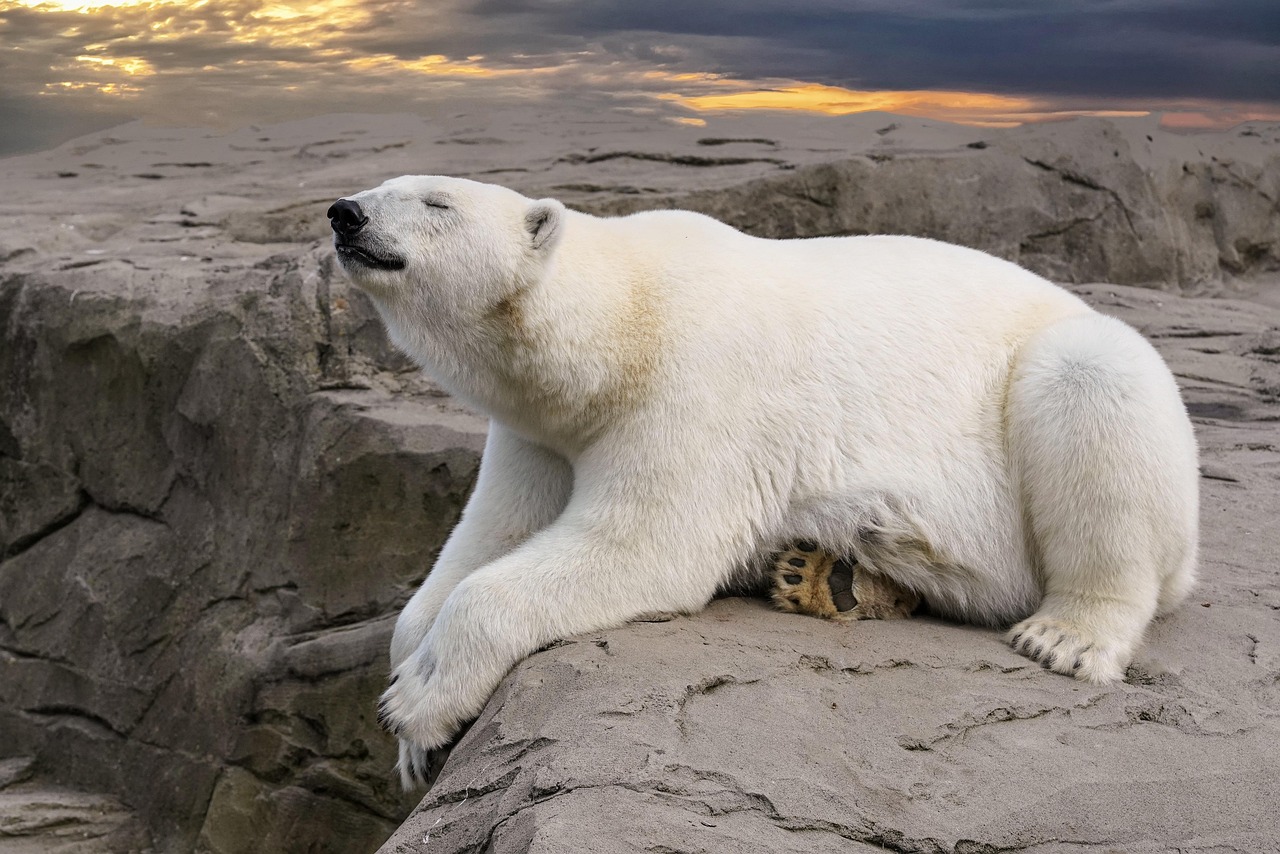
The behavior of polar bears varied wildly. Three made long swims in open water, with one female swimming over a hundred miles. Video footage revealed the bear finding a dead beluga whale during her swim, but that she was unable to feed on it. These efforts show remarkable determination, even when they don’t always succeed.
Polar bears are increasingly interbreeding with grizzly bears, resulting in hybrid offspring known as ‘pizzly’ or ‘grolar’ bears. This phenomenon is a direct response to the shifting habitats driven by climate change. As the Arctic ice melts and polar bears venture further south, they encounter grizzly bears more frequently. This hybridization might represent an unexpected pathway to survival.
Arctic Char Face Temperature Pressures
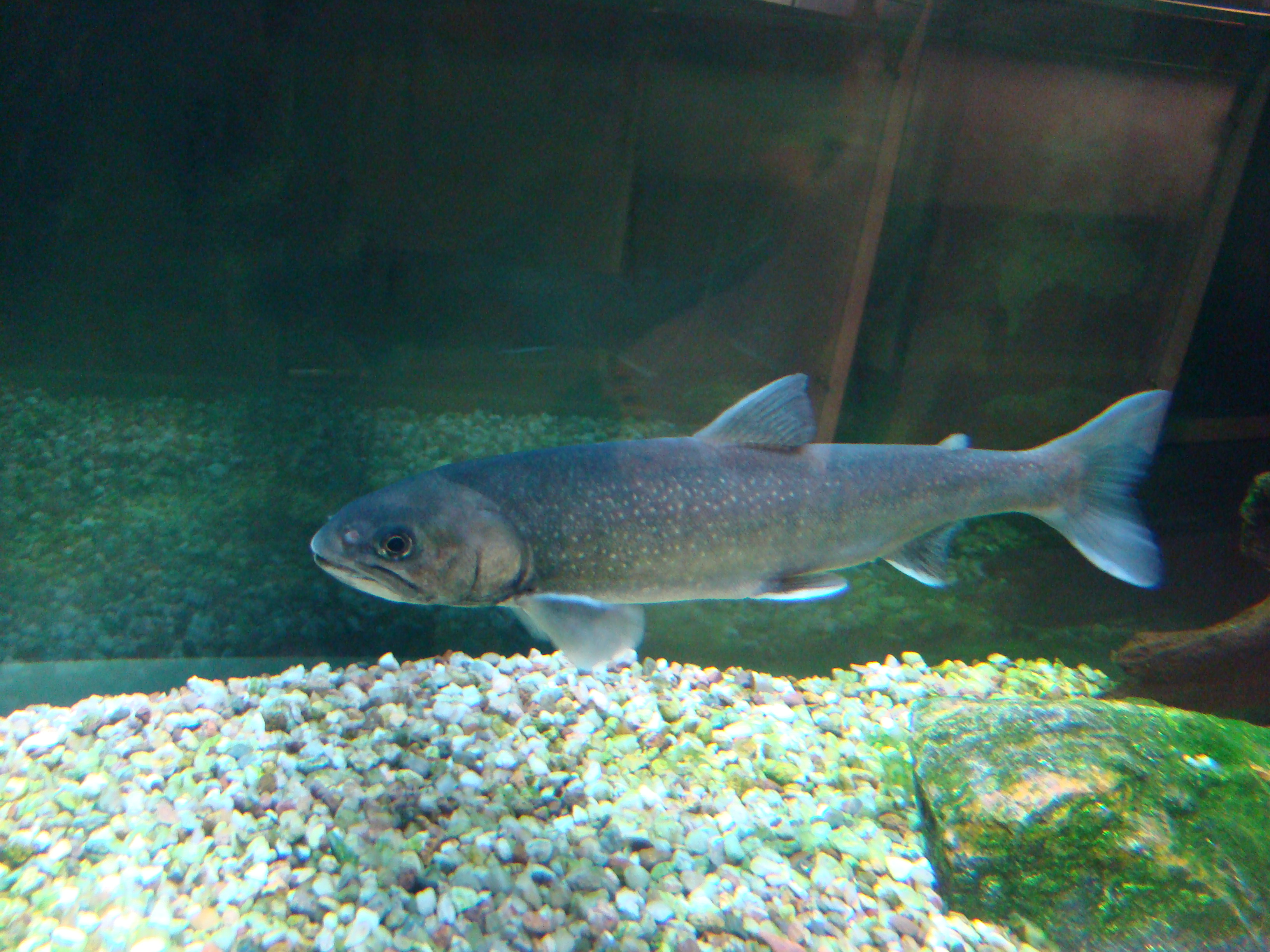
Increases in the temperature of inland waters can significantly reduce the geographic spread of some species, such as the Arctic char, that may not be able to adapt to warmer conditions or to compete with invasive species that thrive in warmer waters. Cold-water fish species face some of the most direct challenges from rising temperatures.
Unlike warm-water species that can simply move northward, Arctic char are already at the northern limits of suitable habitat. Their adaptation strategies must focus on finding deeper, cooler water refugia or developing greater temperature tolerance – both challenging evolutionary feats to accomplish quickly.
The Limitations of Current Adaptation Strategies
While species can adapt over time, Arctic ecosystem alterations are too rapid for many animals to adapt, making it difficult to guess which species will prevail, which will perish, and where. The only thing that could limit future extinctions is to quickly stop burning fossil fuels, the main driver of climate change.
Based on current climate trends and snowmelt data, the team estimates that the observed flexibility in migration timing could help the birds keep pace with spring for another 18 to 28 years. After that, faster migration alone won’t be enough. By mid-century, they may need to rely on other strategies – like shifting their wintering grounds or changing migration routes entirely. Even the most adaptable species are running up against fundamental biological limits.
Conclusion: A Race Against Time
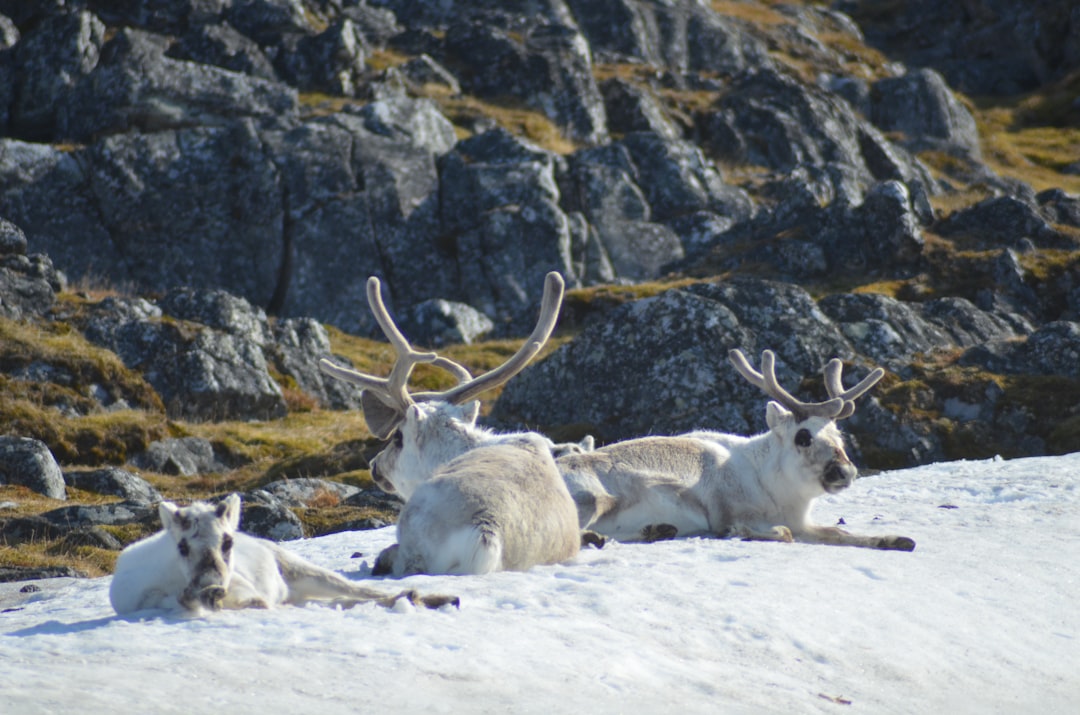
The Arctic is witnessing one of the most dramatic natural experiments in adaptation ever recorded. While some species like barnacle geese and beluga whales are proving remarkably flexible in their responses to changing conditions, others are struggling to keep pace. The animals adapting fastest share common traits: dietary flexibility, behavioral plasticity, and the ability to adjust timing or routes.
Yet even the most successful adapters face limits. Can these animals evolve quickly enough to adapt to what researchers call “a new geography of survival”? The evidence suggests that while short-term behavioral adaptations are buying some species crucial time, long-term survival will ultimately depend on how quickly we can address the root cause of these changes.
What strikes me most about these adaptation stories is their urgency – we’re not talking about evolutionary changes over millennia, but behavioral shifts happening within decades or even years. What do you think the Arctic will look like when these adaptation strategies reach their limits?
Jan loves Wildlife and Animals and is one of the founders of Animals Around The Globe. He holds an MSc in Finance & Economics and is a passionate PADI Open Water Diver. His favorite animals are Mountain Gorillas, Tigers, and Great White Sharks. He lived in South Africa, Germany, the USA, Ireland, Italy, China, and Australia. Before AATG, Jan worked for Google, Axel Springer, BMW and others.