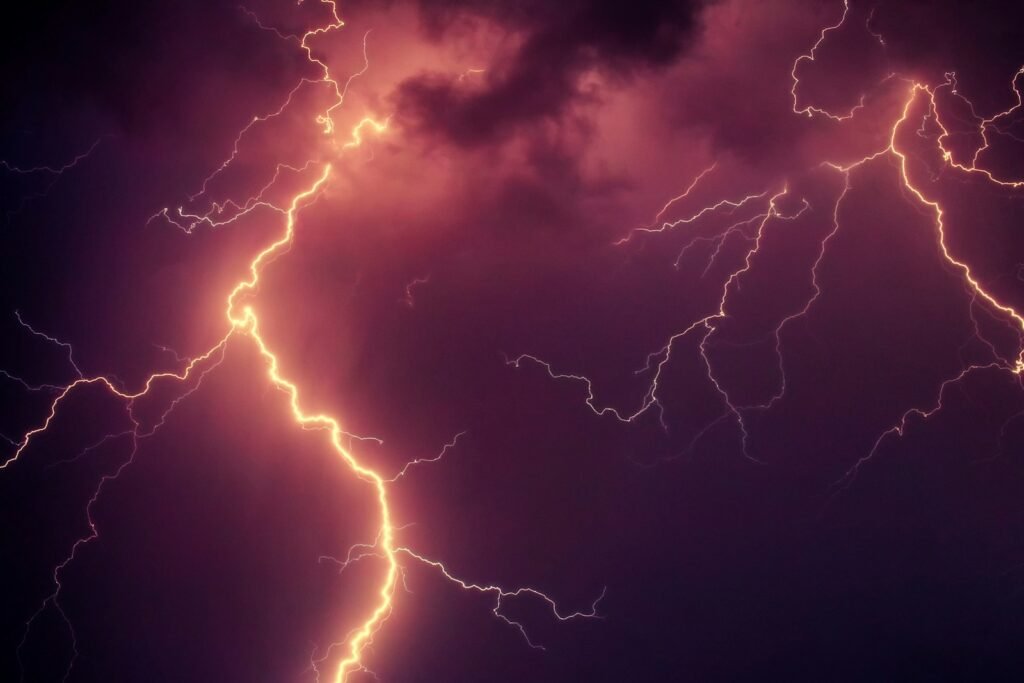

The first crack of thunder snatches attention the way a spotlight snaps on in a dark theater, and some people seem to step onto that stage with a grin. Thunderstorms tug at the nervous system, spiking alertness and awe, yet reactions split: a few race to the window while others retreat under blankets. The mystery is old – why do certain personalities feel energized by atmospheric chaos while others flinch? Astrology offers a cultural lens with bold archetypes, and modern science brings data on sensation seeking, awe, and weather-related physiology. Put together, they sketch a revealing map: who thrills at the rumble, who steadies the room, and why the sky’s voltage can light up our minds.
The Hidden Clues: From Ancient Symbols to Modern Science
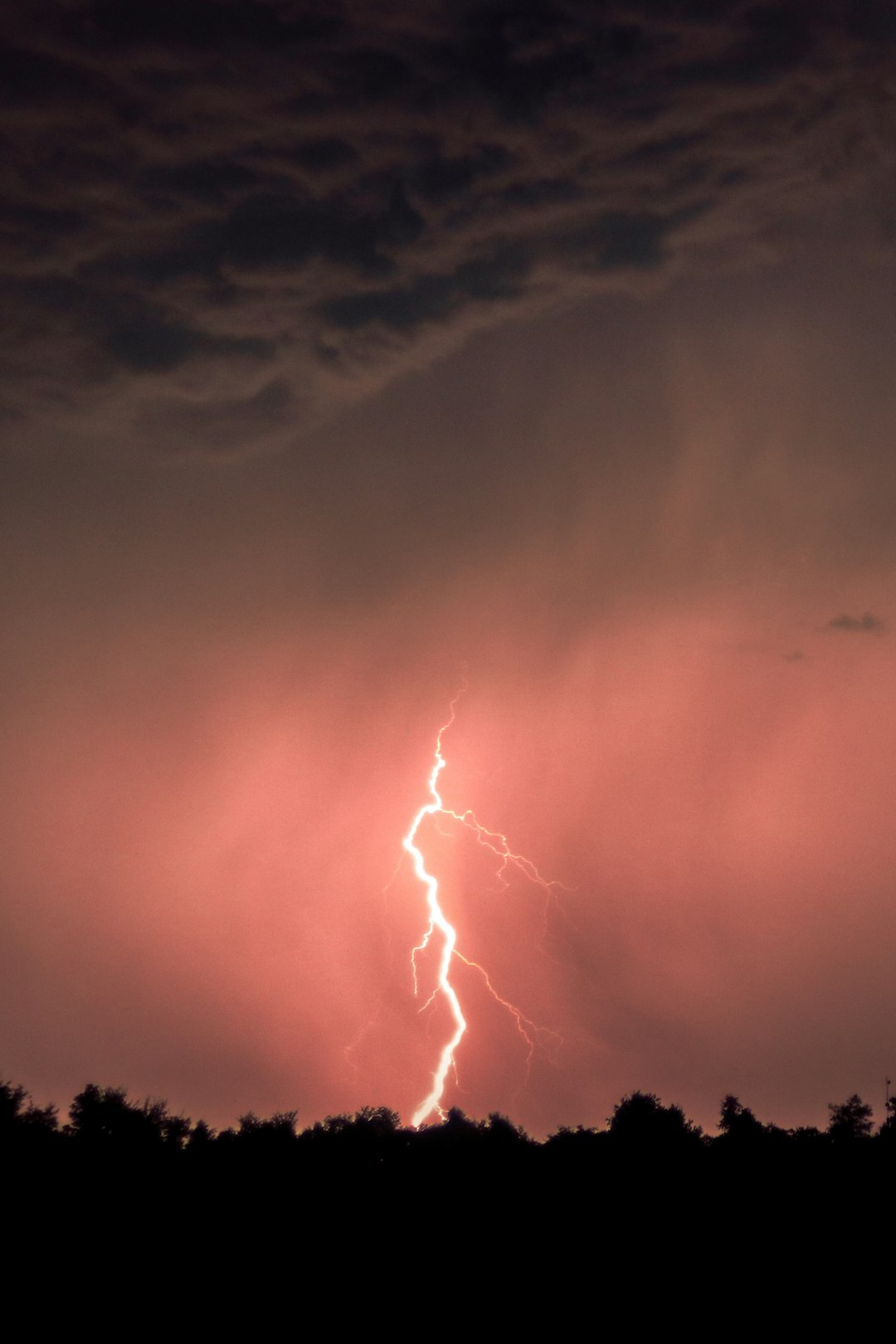
Astrology is not a laboratory science, but it is a centuries-old language for talking about temperament, and it keeps coming up whenever storms roll in. The scientific side frames storm-love in terms of arousal systems, with research on sensation seeking, heart-rate variability, and attention during high-intensity stimuli. Storms deliver a cocktail of cues – pressure drops, sharp sound waves, flashes of high-contrast light – that prime the brain for rapid appraisal. That edge-of-seat vigilance feels exhilarating to some, uncomfortable to others.
When I first rode along with a storm-spotter group on the Plains, I noticed something simple: the folks who stayed calm under the anvil cloud also craved the next flank of cells. Personality-wise, they scored high on novelty seeking, a trait that overlaps with the astrological fire and air archetypes. Negative air ions, booming low frequencies, and the spectacle of branching lightning deepen that sense of presence, even if the claimed mood effects are still debated. Think of astrology here as a story toolkit and psychology as the measurement; between them, we can explain why certain archetypes lean into thunder.
Storm‑Chasers of the Zodiac: Aries, Leo, and Scorpio
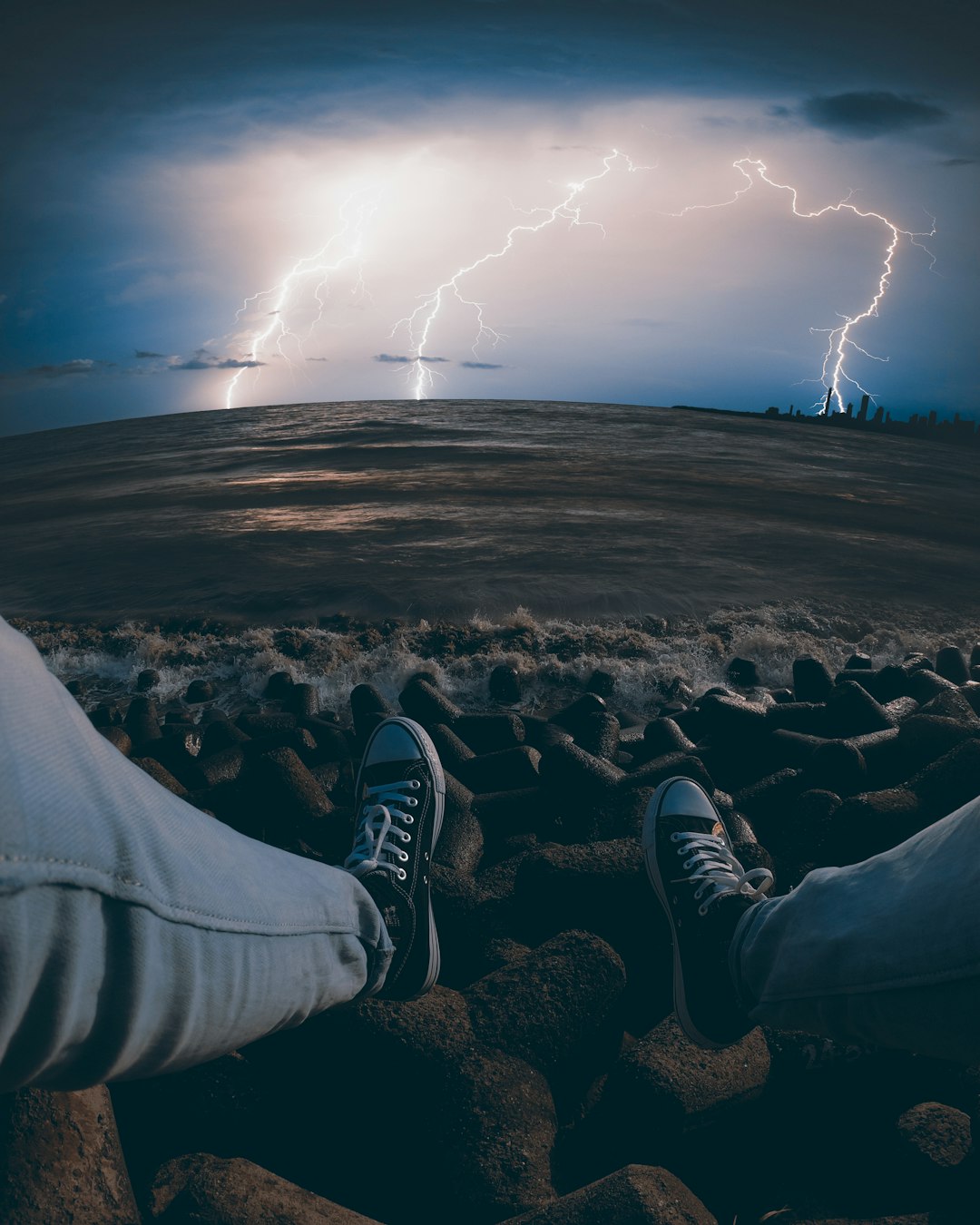
Aries, the archetype of the spark, maps neatly onto thrill-forward behavior when the sky turns electric. People who identify with Aries-like traits often relish decisive moments, and a storm is nothing if not a string of decisions – watch or move, wait or run. This echoes what sensation-seeking studies find: some individuals experience stress as invigorating rather than draining.
Leo brings a different voltage – confidence, showmanship, and appetite for the dramatic scene. The storm becomes a live performance, and the awe response can feel like a standing ovation from nature itself. Scorpio adds intensity and focus, the willingness to stare into the dark shelf cloud and stay with the feeling. Taken together, these archetypes are the ones I most often meet on ridgelines during summer squalls, braced, alert, and visibly alive.
Wanderers and Innovators: Sagittarius and Aquarius
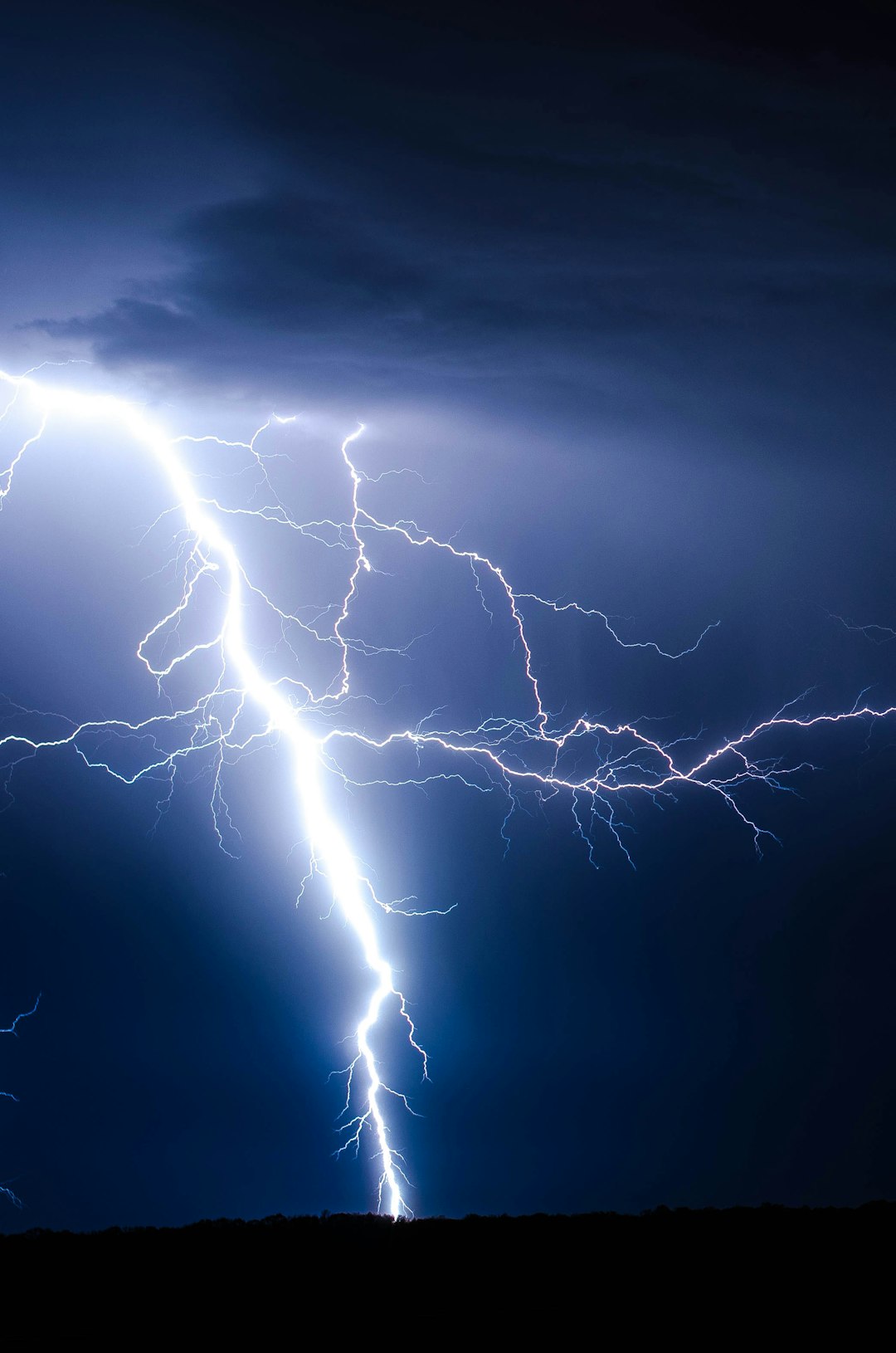
Sagittarius is the mapmaker in motion, drawn to big skies and bigger questions, which pairs naturally with storm chasing’s migratory rhythm. The chase – literal or intellectual – turns meteorology into an adventure story, and the payoff is learning the anatomy of a supercell by standing in its shadow. Curiosity, not just adrenaline, is the fuel here.
Aquarius channels the engineer’s wonder, fascinated by the tech and the pattern behind the chaos. Lightning detection networks, dual-polarization radar, and high-speed video turn the storm into a solvable puzzle. Folks who resonate with Aquarius-like traits are often first to pull up radar loops and debate shear profiles in plain language. They feel alive because discovery is happening in real time, and the atmosphere is the lab.
Sensitive Antennas: Cancer, Pisces, and the Pull of Pressure
Cancer and Pisces often show up as empaths of the weather, absorbing mood and meaning from the cadence of rain. Storms here aren’t a stage to conquer but a score to listen to, with the barometer setting the key. Some people report headaches or restlessness as pressure falls, while others describe a settling calm once the rain locks in. The thread is sensitivity, not fragility.
For Pisces especially, the boundary-blurring of lightning and darkness can feel cinematic and strangely comforting. The sense of awe – being small in a vast, alive world – tends to track with openness and imagination, traits frequently linked to this archetype. These signs may not chase the core, but they’ll sit by the window with the lights off, letting the sky write a poem they can feel.
Measured Grounding: Taurus, Virgo, and Capricorn in the Tempest
Earth-sign archetypes often come alive through steadiness and skill when things get loud. Taurus leans into the tactile – closing windows, checking flashlights, brewing tea as rain hammers like a drum. Virgo notices the details that keep people safe, from drainage on the driveway to the timing between lightning and thunder. That practical focus converts anxiety into action.
Capricorn brings leadership under stress, translating radar colors into clear steps and rallying neighbors when power blinks out. There’s another earthy angle that quietly thrills: lightning helps create nitrogen compounds that return to the ground and feed ecosystems. Watching a storm, then seeing greener fields days later, is its own kind of aliveness – less fireworks, more harvest.
Why It Matters
The way we respond to storms affects safety, community, and science outreach, which makes the personality piece more than a parlor game. Risk communication has long leaned on warnings and thresholds, but tailoring messages to different temperament styles can increase compliance when minutes count. Those who love the drama may benefit from nudges that reframe sheltering as part of the adventure, while the cautious can be empowered as household coordinators. Awe itself has been linked to prosocial behavior and stress relief, so ethically harnessing that feeling could strengthen preparedness rather than undermine it.
There’s also a research upside: citizen observers who naturally gravitate to thunderstorms can complement official data with photos, timings, and hail reports. Meanwhile, acknowledging that sensitivity to pressure or noise is real for many people normalizes choosing quiet, dark rooms during severe weather. In short, the storm doesn’t just test the grid; it reveals our social circuitry and how to wire it smarter.
The Future Landscape
Convective storms are projected to tap more atmospheric energy in many regions as the climate warms, which raises the stakes for understanding how people behave under rapidly evolving hazards. Expect more hyperlocal nowcasting, denser lightning mapping, and machine-learning tools that turn turbulent radar returns into faster, clearer alerts. Wearables could soon flag when your stress response spikes ahead of a squall, letting apps adjust notification tone for thrill-seekers versus avoiders. The line between weather tech and wellness tech will blur.
At the culture level, we’ll see storm storytelling become more participatory – dash-cam captures, rooftop barometers, open-data communities refining forecasts on the fly. That’s exciting and tricky, because enthusiasm can drift into risky behavior. A better future gives people roles that satisfy curiosity without courting danger: structured reporting, virtual chase simulations, and guided local observation days that keep folks out of harm’s way while feeding the science.
Conclusion
Lean into who you are – then plan like a pro. If storms fire you up, channel that energy into learning radar basics, identifying safe shelters, and practicing the thirty–thirty rule: head indoors if thunder follows lightning within 30 seconds, and wait a good while after the last rumble before heading back out. If you’re more storm‑sensitive, build a comfort kit with noise dampening, a favorite playlist, and a simple routine that grounds you when the pressure drops.
Families can make mixed‑temperament plans that assign roles – one person checks alerts, another secures pets, someone else texts neighbors. Support local meteorologists, volunteer networks, and community science programs that turn fascination into resilience. Next time the sky crackles, will you meet it with brave curiosity, calm stewardship, or a little of both?
Suhail Ahmed is a passionate digital professional and nature enthusiast with over 8 years of experience in content strategy, SEO, web development, and digital operations. Alongside his freelance journey, Suhail actively contributes to nature and wildlife platforms like Discover Wildlife, where he channels his curiosity for the planet into engaging, educational storytelling.
With a strong background in managing digital ecosystems — from ecommerce stores and WordPress websites to social media and automation — Suhail merges technical precision with creative insight. His content reflects a rare balance: SEO-friendly yet deeply human, data-informed yet emotionally resonant.
Driven by a love for discovery and storytelling, Suhail believes in using digital platforms to amplify causes that matter — especially those protecting Earth’s biodiversity and inspiring sustainable living. Whether he’s managing online projects or crafting wildlife content, his goal remains the same: to inform, inspire, and leave a positive digital footprint.