Nature is full of flash and fury, but the creatures that truly endure often move at a pace that feels almost defiant. If Capricorn is the zodiac’s emblem of discipline and long-haul persistence, then the animal kingdom has plenty of kindred spirits. Scientists have been peeling back the mystery of slow lives, uncovering strategies that trade speed for survival and spectacle for astonishing patience. These aren’t just curiosities; they’re blueprints for weathering extremes, raising young against the odds, and outliving entire human eras. The story that emerges is equal parts science and quiet awe.
The Hidden Clues
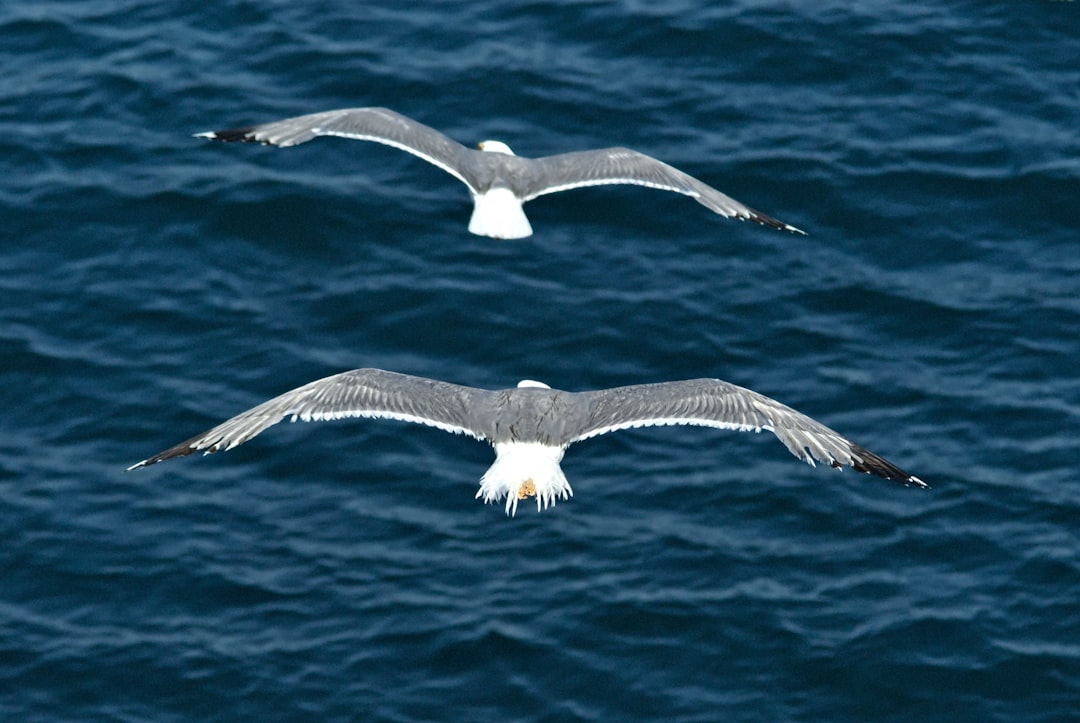
What looks like laziness at a glance is often a finely tuned survival algorithm. In deserts, oceans, and polar storms, animals that conserve energy tend to last longer, breed more successfully, and maintain sharp focus where others burn out. Metabolism sits at the heart of this, dictating how fast cells repair damage, how quickly food is converted to motion, and how much an animal can afford to wait. Patience, in this light, is not a mood; it’s physiology scaled to a life plan. I’ve stood on windy cliffs watching seabirds stall in place for minutes, wings barely twitching, and realized they’re not hesitating – they’re budgeting.
Evolution then becomes a test of what you can ignore as much as what you can chase. The animals that echo Capricorn’s spirit don’t rush the payoff; they invest in durability and precision, and they win by refusing to be rushed. Their bodies are clocks set to long intervals, and every tick is intentional. When we read those rhythms closely, we see a form of patience that’s measurable, repeatable, and often heroic. That perspective changes how we value the quiet, steady work of staying alive.
Slow Lives, Fierce Focus: Tortoises and Ocean Quahogs
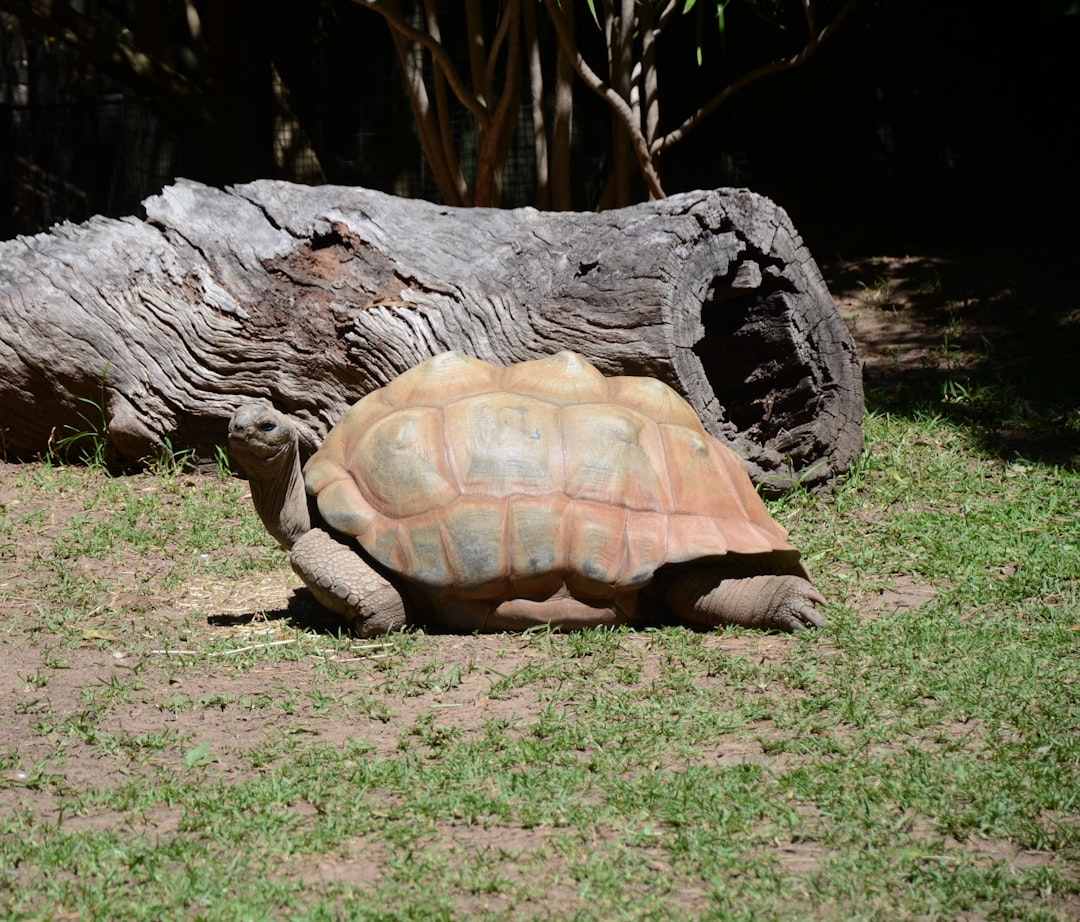
Giant tortoises, including the famed populations of the Galápagos, embody patience as life strategy. They grow slowly, mature late, and can live for well over a century, a timeline that turns each breeding season into a carefully planned investment. Their low metabolic rate limits the damage that steady oxygen use can inflict on tissues, helping preserve function deep into old age. Tortoises don’t hurry; they optimize, and the payoff is written in the sheer length of their lives. That’s not indecision – it’s a deliberate pace designed to outlast droughts, scarce food, and the occasional volcanic tantrum.
In colder seas, the ocean quahog pushes longevity to the edge of belief. Some individuals have been aged at more than four centuries, their shells recording environmental history like rings in an ancient tree. Slow growth and low metabolic churn protect proteins and cells from cumulative wear, making time itself a manageable hazard. If Capricorn had a seafaring cousin, it would be this clam, buried in sand and playing the long game. The lesson is stark: patience is not passive when it’s the difference between decades and centuries.
Deep Patience at the Edge: Greenland Sharks and Emperor Penguins
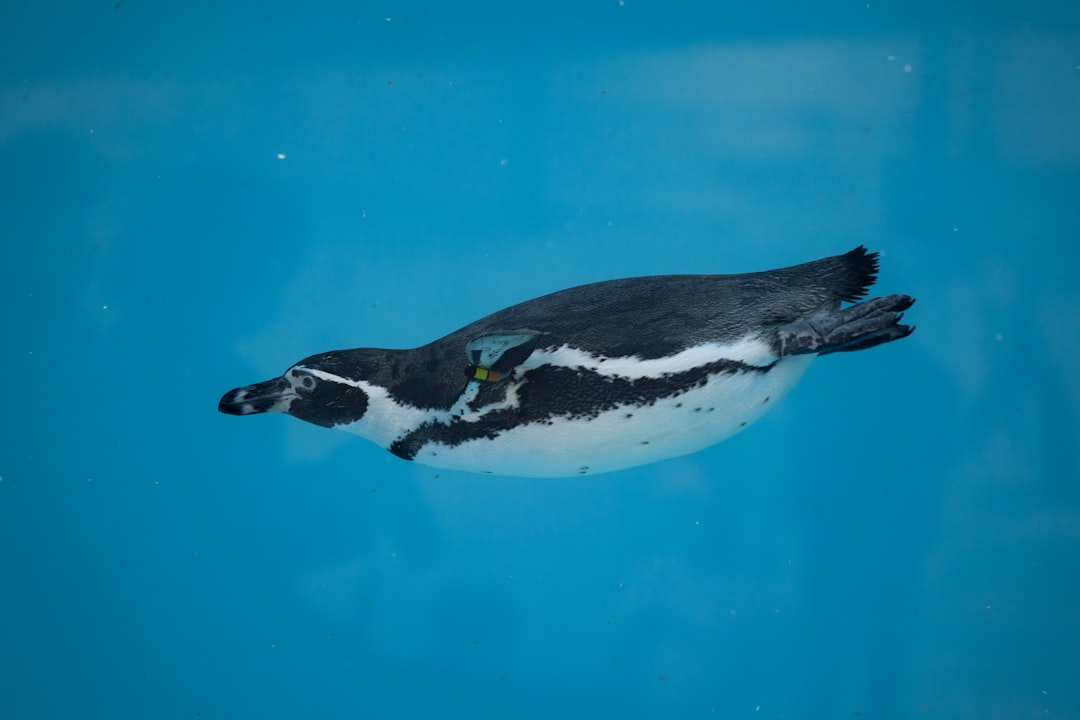
Greenland sharks drift through frigid North Atlantic depths with the whispery calm of a submarine on silent mode. They grow at a glacial pace and likely live for several centuries, reaching maturity only after much of a human lifetime has passed. Cold water slows everything from digestion to cell turnover, and the sharks turn that drag into a shield against aging. The world rushes overhead; they simply endure below. Their patience is built into every heartbeat.
On the ice, emperor penguin fathers deliver a very different, but equally striking, portrait of patience. While their partners forage at sea, males incubate eggs on their feet through bitter Antarctic winds, fasting for months as the sun disappears. They shuffle to conserve heat, huddle to share warmth, and wait with a focus that borders on monastic. I think their vigil might be the purest portrait of patience in nature because nothing about it is passive; it’s all intention and care. In both species, time is currency, and they spend it wisely.
Devotion Without Dining: The Octopus Marathon
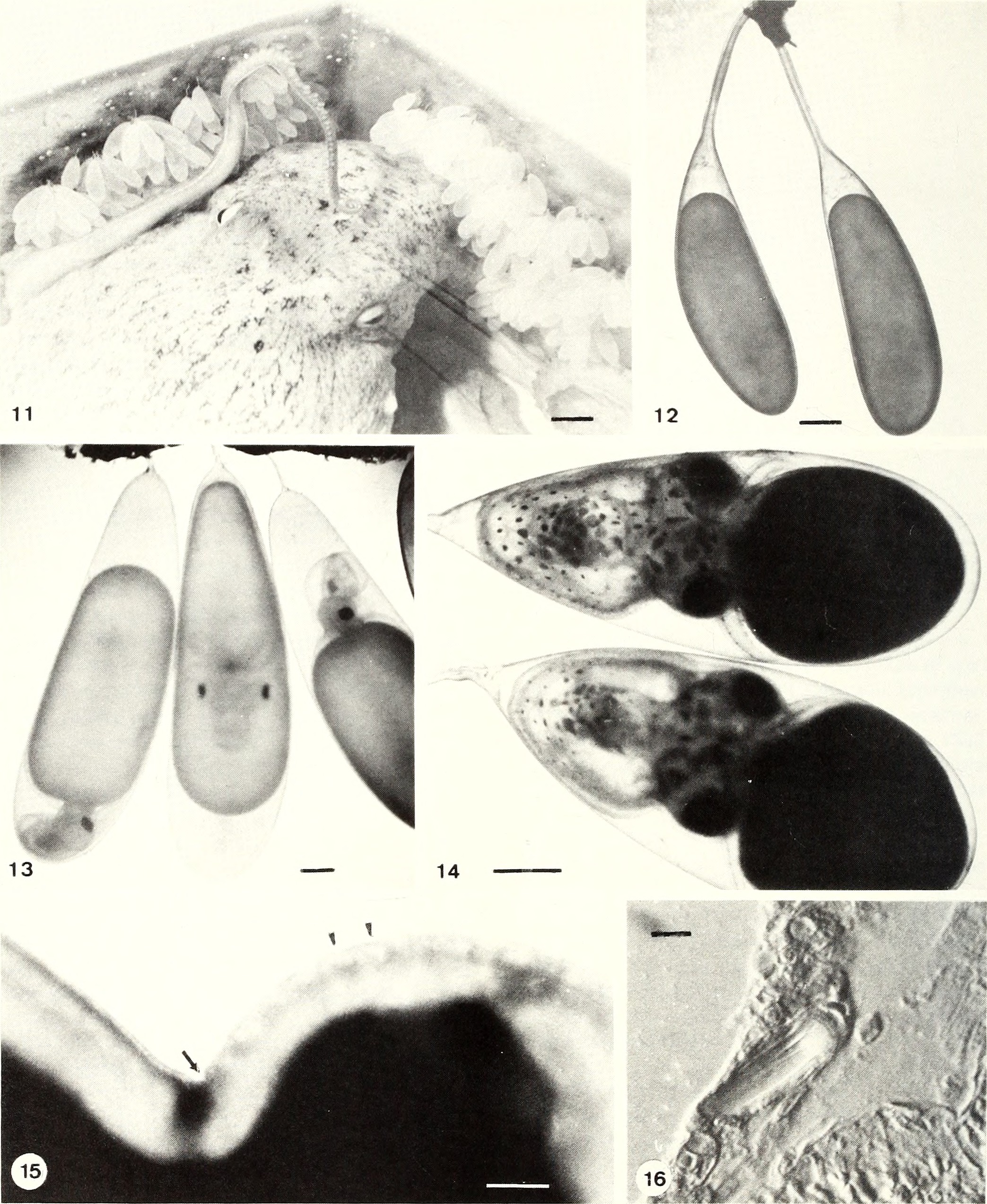
In the deep sea, one octopus species has rewritten the extremes of parental dedication. Females of Graneledone boreopacifica have been observed brooding a clutch of eggs for more than four years, steadfastly guarding without feeding. The female keeps the eggs clean with gentle water currents and wards off opportunistic predators, all while her body slowly cannibalizes its remaining energy. This is patience taken to sacrificial heights – an all-in gambit to give hatchlings the best possible start. When the young finally emerge, the mother’s life ends, her mission complete.
Scientifically, the feat makes sense in cold, food-poor depths where development drags on. Longer brooding means larger, more capable hatchlings that can immediately fend for themselves. It’s a strategy tuned to scarcity: invest time instead of calories, security instead of speed. The cost is immense, but so is the return in survival odds for the next generation. Capricorn-level resolve doesn’t come cheap, and here it’s paid in years.
Waiting as Strategy: Crocodiles, Sloths, and Albatross
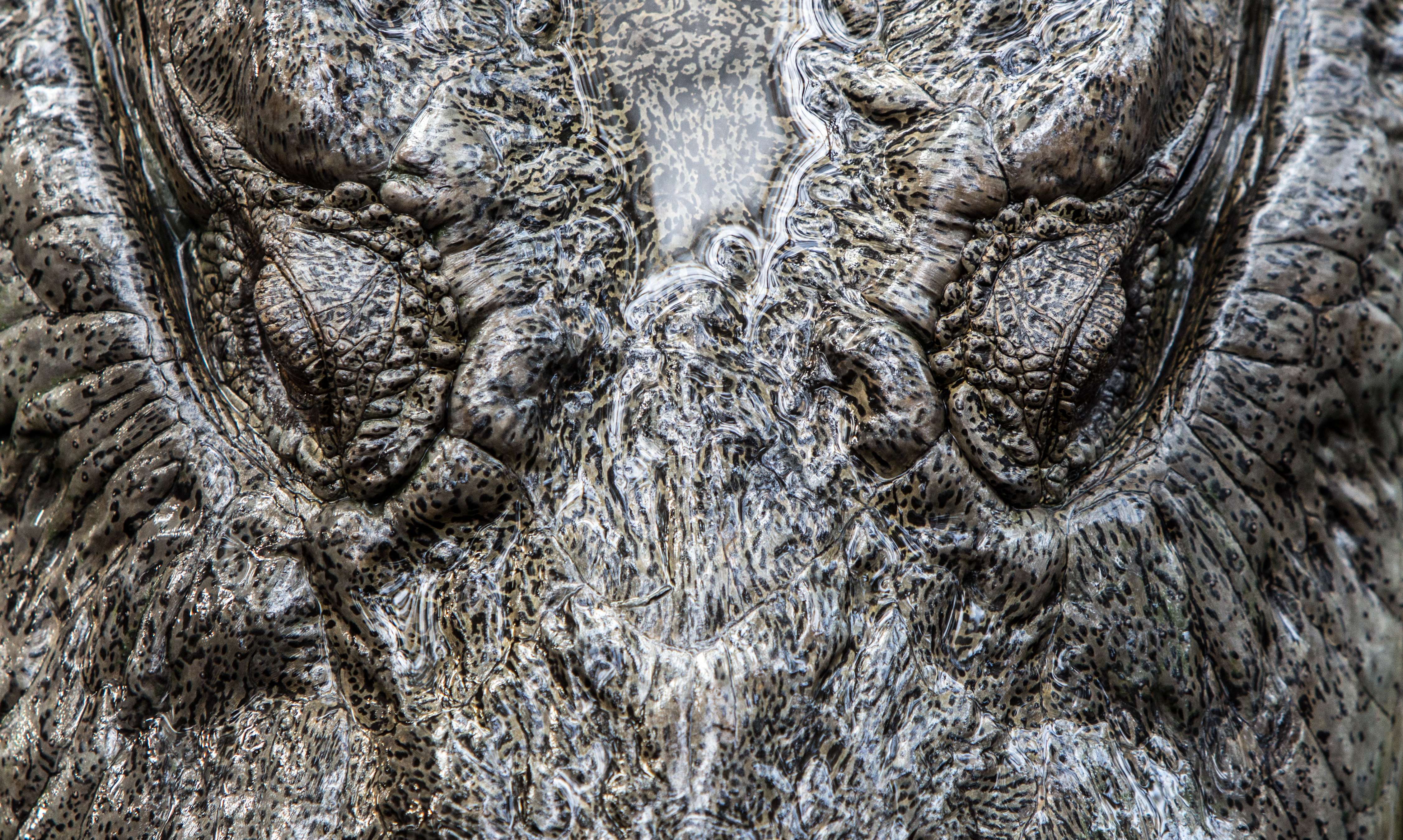
Patience can be predatory, too. Crocodiles hold still for astonishing stretches, their muscles primed while the surface mirrors only sky and reeds. They burn little energy as they wait, then explode in a single precise strike that repays the long silence. It’s a biological cost-benefit equation with teeth, and it’s hard to argue with the results. The patience here is tactical – budgeting energy until the odds tilt hard in their favor.
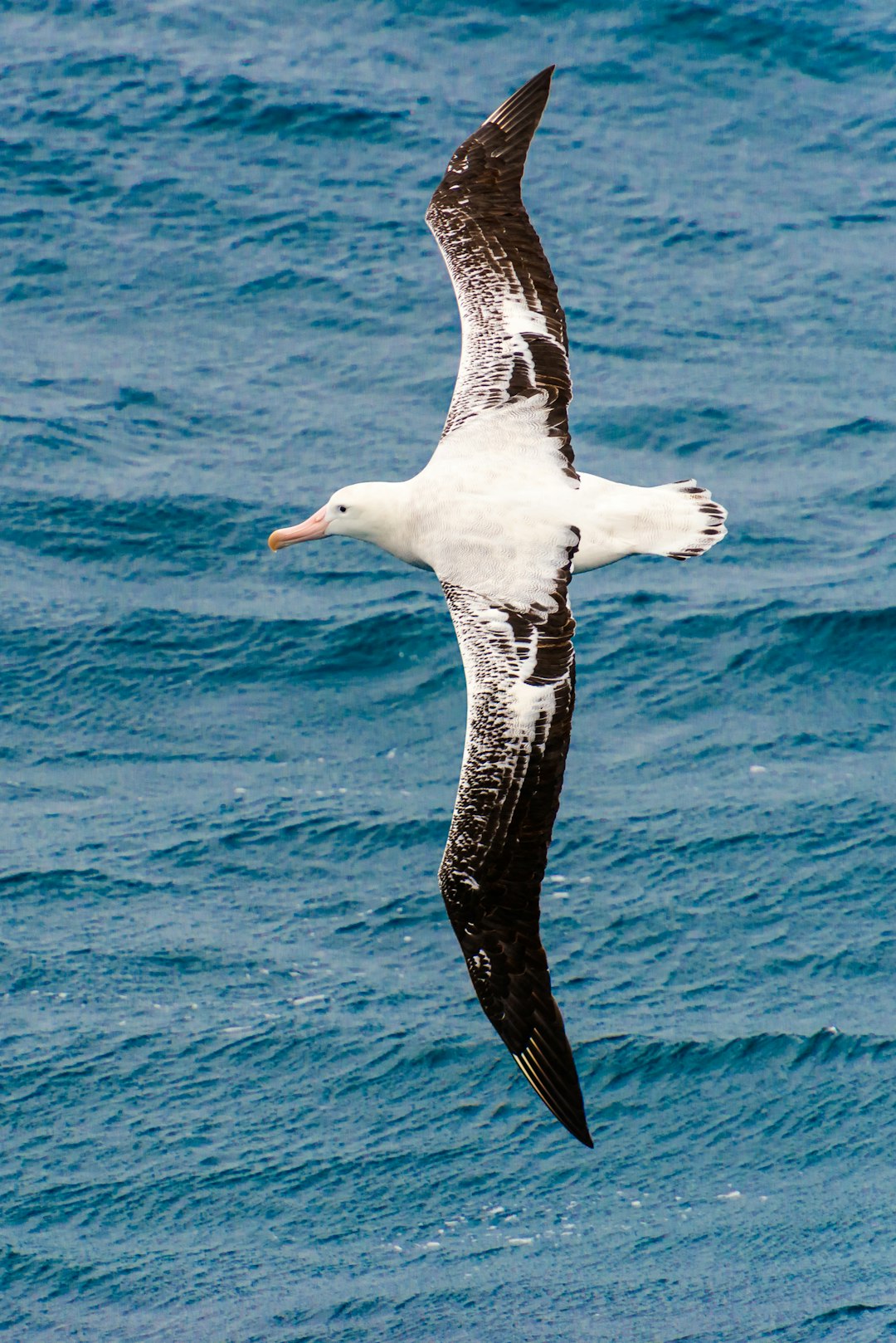
Sloths demonstrate the gentler face of the same principle. Their low-calorie leaf diet forces a slower metabolism, so everything follows suit: movement, digestion, even the cadence of daily tasks. Algae and micro-ecosystems thrive in their fur, an entire moving garden that hints at how stillness can support life. Wandering albatross add a final twist, riding winds for thousands of miles and rearing chicks over long seasons with meticulous, repeated effort. From treetops to open oceans, patience shows up as a tool, not a trait.
Why It Matters
Patience is often framed as temperament, but in biology it’s a competitive edge. Animals that play the long game can buffer against bad years, swing wildly shifting climates, and rare food bonanzas by conserving during lean times. They build redundancy into their lives – longer lifespans, slower reproduction, deeper parental care – that stabilizes populations over time. For scientists, these strategies illuminate how life handles stress, scarcity, and risk without collapsing. That insight matters as we face a century of environmental whiplash.
There’s also a cultural mirror here. In a world that rewards speed, these species remind us that consistency beats urgency when conditions are unpredictable. Their patience isn’t passive; it’s active risk management grounded in anatomy and ecology. Comparing them to fast-living species shows different paths to the same goal: survive, reproduce, persist. That wider lens helps conservationists decide where steady protection yields the biggest long-term payoff.
The Future Landscape
Emerging technologies are making patience easier to measure and harder to ignore. Long-duration biologging tags now track heart rates, body temperatures, and movement for months, revealing energy budgets minute by minute. Environmental DNA surveys add context by mapping where prey and predators overlap over time, not just space. Paired with climate models, we can project how slower, steadier species might fare as oceans warm, storms intensify, or food webs rewire. The focus shifts from snapshots to timelines, which is exactly where these animals excel.
Challenges loom, though, and they cut deep. Long-lived species can be slow to recover from human pressure, and delayed maturity means a single bad decade can echo for generations. Protecting patience requires patient management: stable marine protected areas, predictable fishing limits, and corridors that persist beyond election cycles. The global implications are plain – if we value endurance, our policies should stop lurching from crisis to crisis. That’s a Capricorn lesson worth adopting.
Conclusion
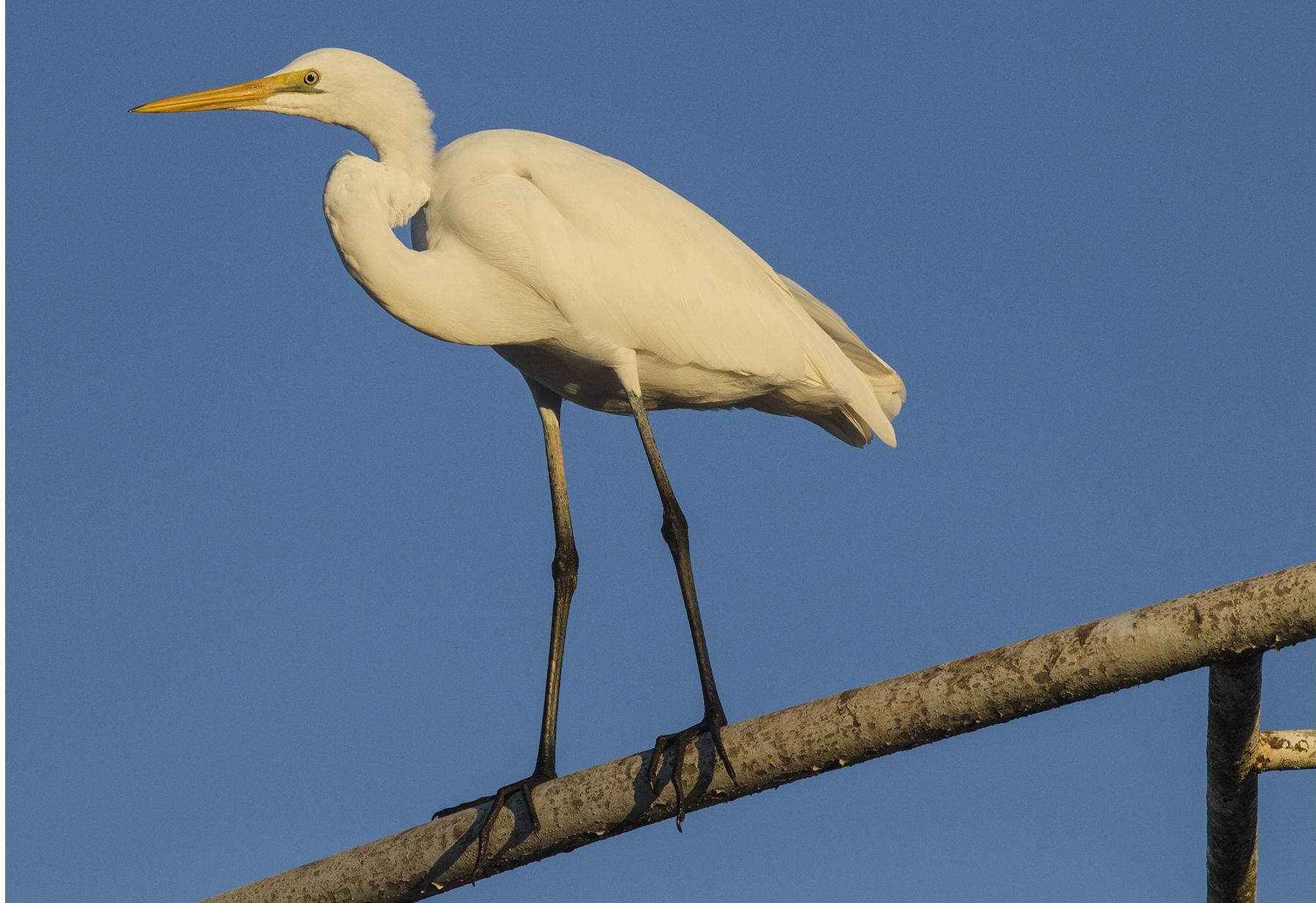
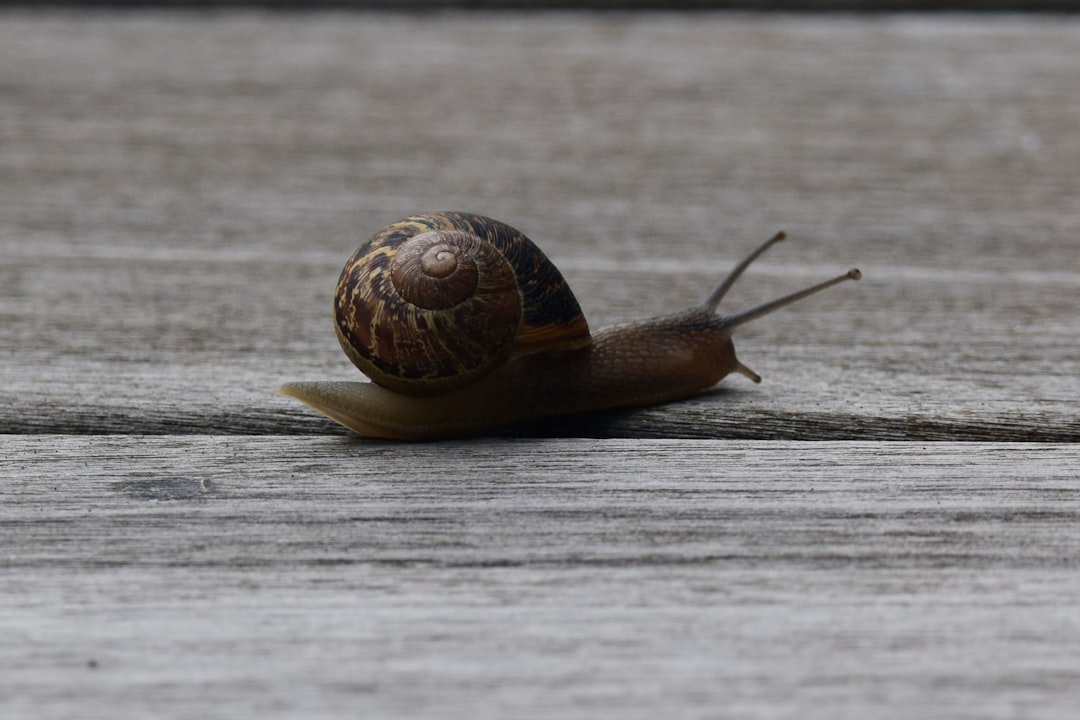
Start small by paying attention to the slow stories around you: a heron holding still at dusk, a snail crossing a wet sidewalk after rain. Support protected areas that safeguard long-lived, slow-breeding species, because consistency is their lifeline. If you donate, consider programs focused on long-term monitoring; those data sets are the backbone of patient conservation. Ask aquariums, zoos, and science centers how they’re sharing the science of slow strategies with local schools and communities. Vote for policies that prefer steady, evidence-based management over short-term wins that unravel in a season.
Most of all, recalibrate your sense of success to include endurance. The animals that reflect Capricorn’s patience aren’t timid; they’re playing a different game with different metrics. When we recognize that, we start planning in decades instead of days. That shift alone can change outcomes for species that have mastered the art of waiting. And maybe, in the process, it changes us too.