
Midnight looks different when you’re awake on purpose. The city moves in whispers, screens glow like little moons, and the mind starts threading ideas it ignored all day. The old question is back on the table: do certain zodiac signs truly thrive after dark, or are we watching culture and biology dance in the same shadow? To find out, we looked past the horoscopes and into what chronobiology knows about night-leaning brains and bodies. The answer is less about destiny and more about patterns – ancient stories meeting modern sleep science in a surprisingly practical place.
The Hidden Clues
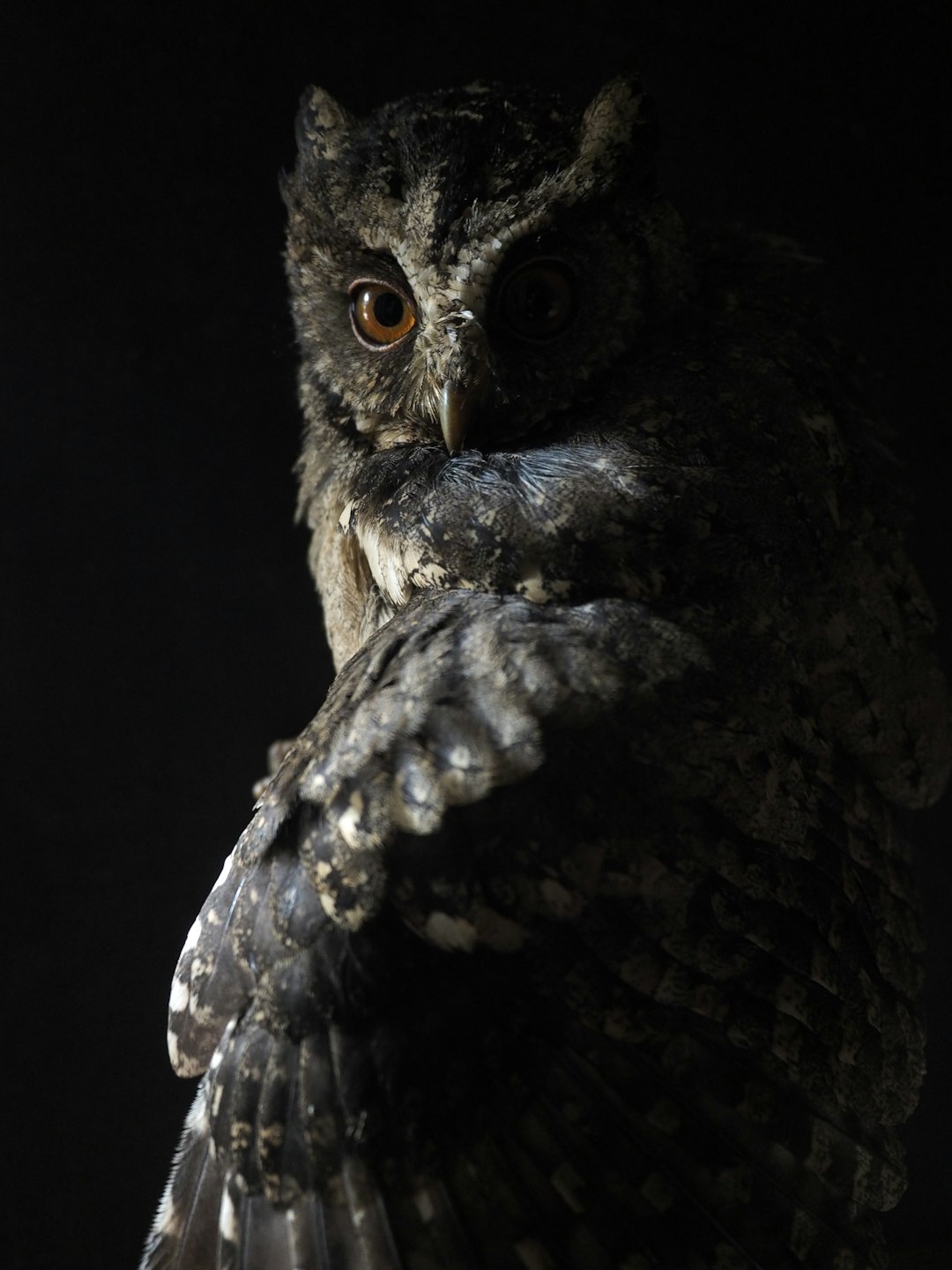
What keeps some of us buzzing at 2 a.m. while the rest of the world sleeps? The short answer is chronotype, a built-in timing preference that nudges people toward early mornings or late nights. Most of us fall somewhere in the middle, but a meaningful minority genuinely performs better when the sun is long gone.
Night owls tend to linger toward late melatonin onset, slower winding down in the evening, and a sharper second wind after dusk. I’ve felt it on deadline days, when the noise fades and concentration finally locks in. That late clarity can feel like a superpower – until a 7 a.m. meeting wipes it out the next morning.
From Ancient Tools to Modern Science
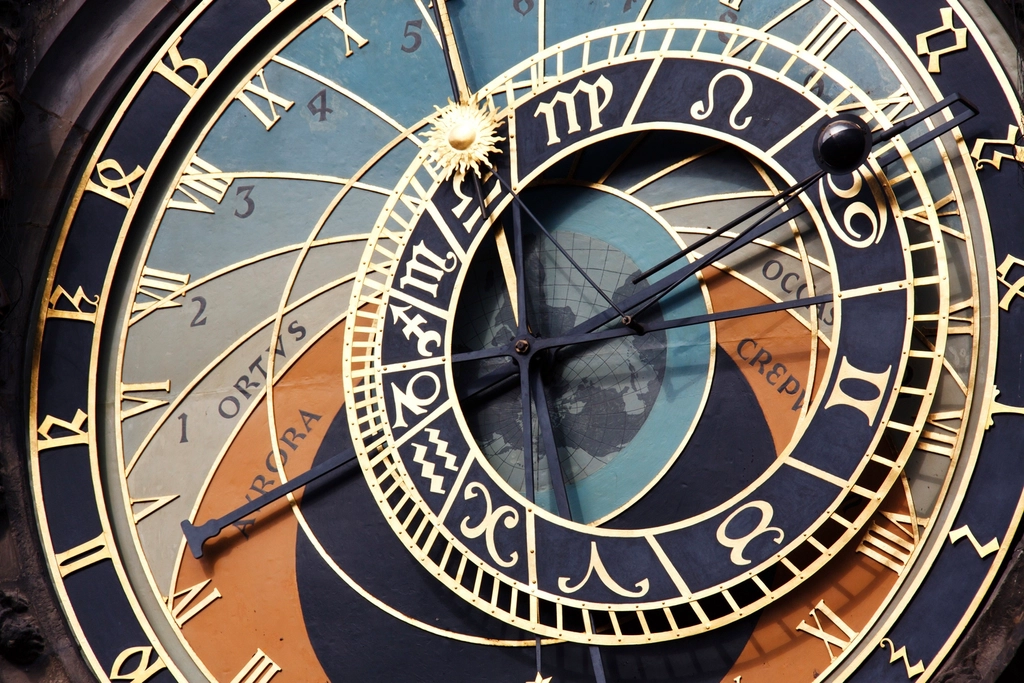
Astrology’s midnight mystique is centuries old, born from sky-watching cultures that tracked personality through planetary rhythms. The labels are poetic – brooding waters, restless air – but the hard mechanics belong to the body’s master clock in the brain, tuned by light and habit. Think of daylight as the metronome and your biology as the drummer who either clicks in or swings behind the beat.
Modern studies point to genetic influences on sleep timing, and to light exposure as a powerful lever that can push that timing later. Blue-rich screens at night delay drowsiness; morning light reels it back. The result is an everyday tug-of-war that sometimes looks like destiny but often behaves more like physics.
Sign Archetypes After Dark

Here’s where culture and science overlap in interesting ways. Popular archetypes cast Scorpio as the nocturnal strategist, Aquarius as the tinkerer who debugs at midnight, and Gemini as the conversational spark who refuses to log off. Sagittarius gets framed as the late-night explorer, while Pisces is often painted as riding dreamy twilight currents where ideas blur into art.
Capricorn’s after-hours grind and Aries’s competitive push also fit the night-owl myth, especially in tight deadlines or creative sprints. These portrayals don’t prove causation; they’re story frames that some people lean into because the shoe simply fits. When identity and environment line up – say a self-identified Aquarius coder with a flexible schedule – the night becomes a friendly lab.
Brains, Bodies, and Midnight Sparks
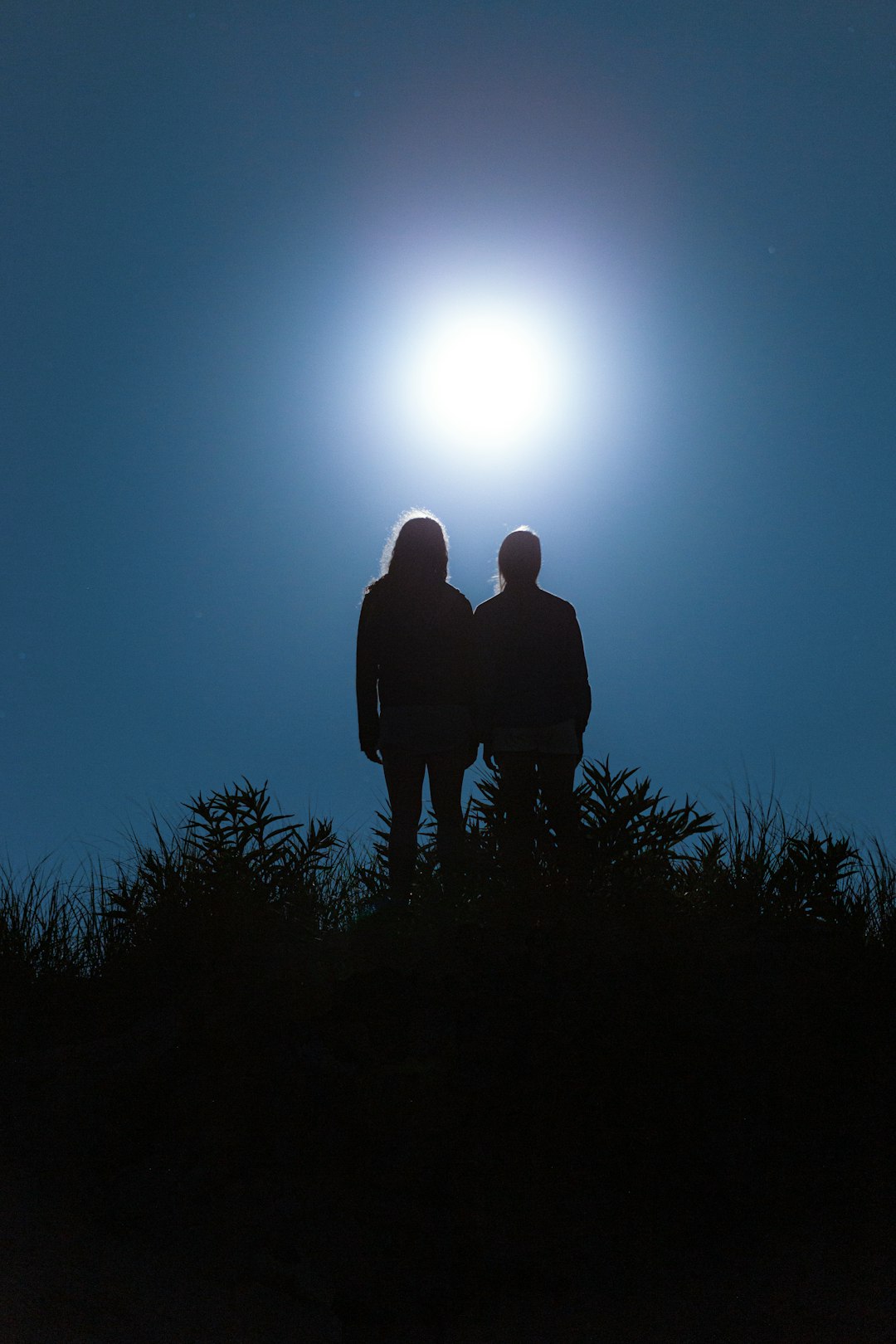
So what actually feels sharper after dark? Many night-oriented people report better idea generation and problem recombination when distractions drop and dopamine reward circuits get a gentle nudge from novelty. Cortisol slopes lower in the evening, which can soften stress enough for playful thinking while leaving just enough alertness to build something real.
Creativity also benefits from a trick of timing: being slightly off-peak can reduce rigid thinking and open unusual paths. That’s why a stuck paragraph at 4 p.m. sometimes flows at 11:43 p.m. The downside is obvious – the brain’s wins come with a tax if sleep debt piles up.
Global Perspectives

Night-owl life looks different across latitudes and seasons. Long winter evenings at higher latitudes encourage indoor, screen-lit nights, while equatorial regions keep day–night cycles steady and often align routines with early sun. In the Southern Hemisphere, the seasonal backdrop flips, quietly complicating any birth-month theories that try to mirror Northern patterns.
Culture matters just as much as daylight. Cities that hum late, industries that reward after-hours hustle, and communities that gather at night can all reinforce an evening tilt. The world writes many scripts for the same body clock, which is why real behavior beats prophecy every time.
Why It Matters
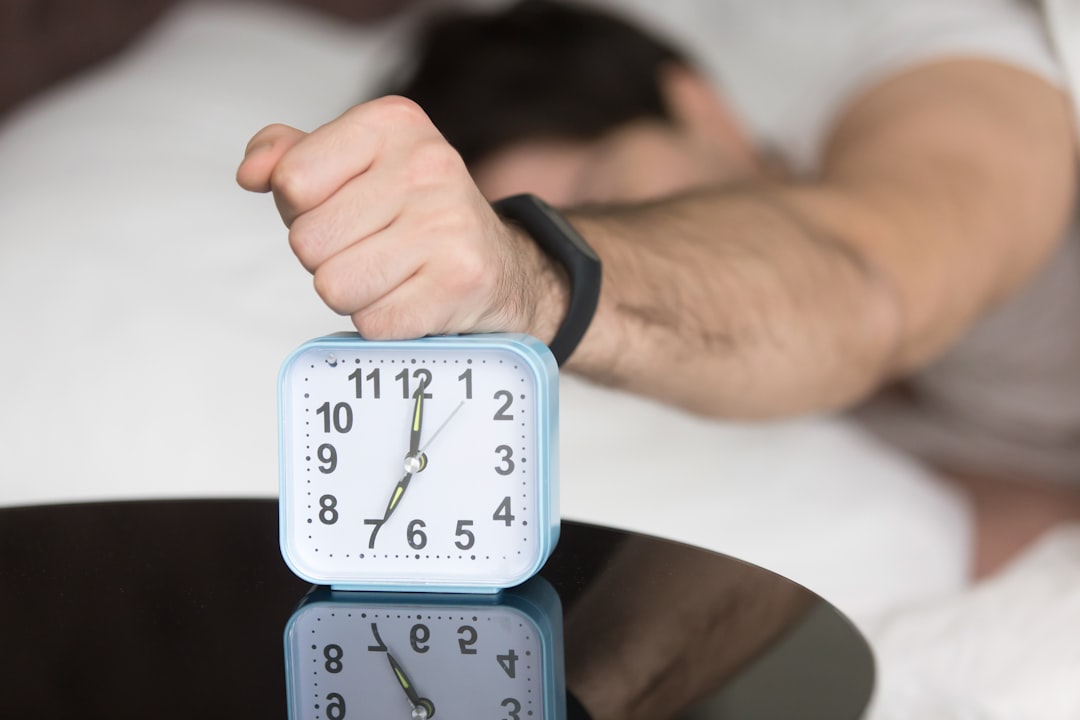
This isn’t only about zodiac banter; it’s about health, learning, and fair chances at work. When night owls are forced into early-bird schedules, misalignment creates what sleep researchers call social jetlag, a weekly drift that behaves like tiny red-eye flights. Over time, it can chip at mood, metabolic health, and safety, while also hiding talents that shine outside the nine-to-five.
Astrology’s archetypes can still help if treated as signals rather than fate: a language for noticing when and how you do your best thinking. Compared with traditional scheduling that assumes one universal morning peak, a chronotype-aware approach treats timing like any other tool. Key takeaways often line up across studies and real life: – Early light stabilizes morning types; late light stretches evening types. – Short naps rescue performance but don’t replace nocturnal sleep. – Consistent sleep-wake windows beat heroic catch-up marathons.
The Hidden Costs and Clever Workarounds

There’s a reason late-night brilliance sometimes feels expensive the next day. Sleep restriction dulls attention, nudges blood sugar the wrong way, and makes reaction times wobble – bad news for early commutes and high-stakes decisions. If you identify with the night-leaning archetypes, your best defense is structure, not wishful thinking.
Front-load bright morning light and movement, keep caffeine earlier, and dim screens with warmer tones after sunset. Batch creative, open-ended work for the evening but lock in a fixed cutoff so tomorrow still belongs to you. Even small shifts – fifteen minutes earlier every few days – can move the needle without breaking the spell.
The Future Landscape

Night-owl life is about to meet smarter tools. Wearables already estimate circadian timing from sleep-wake patterns and light exposure, and newer devices aim to infer internal milestones like the evening melatonin rise without lab tests. Smart lighting can now simulate dawn indoors or soften into ember tones at night, turning apartments into gentle time machines.
Workplaces are inching toward chronotype-sensitive shifts, and schools piloting later starts often see calmer mornings and better attendance. Chronotherapy – timing treatments to the body clock – is expanding from cancer care and mental health into everyday medicine. The big challenge is equity and privacy: flexible systems should help people, not sort them into boxes they can’t escape.
Conclusion

If you’re drawn to the night and the archetype fits, make it intentional. Track your best focus hours for two weeks, then negotiate your schedule where you can – whether that’s a later start, a protected creative block, or a different commute. Meet your biology halfway with morning light, consistent bedtimes, and dimmer evenings that cue the brain without killing the mood.
Leaders can help by grading results, not clock times, and by offering lighting, shift options, and deadline windows that respect human diversity. When culture and circadian science cooperate, late-night talent becomes an asset instead of a liability. In the end, whether you’re a Scorpio sleuth or an Aquarius builder, the goal is simple: match your story to your biology and use the night wisely – what will you make before dawn?
Suhail Ahmed is a passionate digital professional and nature enthusiast with over 8 years of experience in content strategy, SEO, web development, and digital operations. Alongside his freelance journey, Suhail actively contributes to nature and wildlife platforms like Discover Wildlife, where he channels his curiosity for the planet into engaging, educational storytelling.
With a strong background in managing digital ecosystems — from ecommerce stores and WordPress websites to social media and automation — Suhail merges technical precision with creative insight. His content reflects a rare balance: SEO-friendly yet deeply human, data-informed yet emotionally resonant.
Driven by a love for discovery and storytelling, Suhail believes in using digital platforms to amplify causes that matter — especially those protecting Earth’s biodiversity and inspiring sustainable living. Whether he’s managing online projects or crafting wildlife content, his goal remains the same: to inform, inspire, and leave a positive digital footprint.