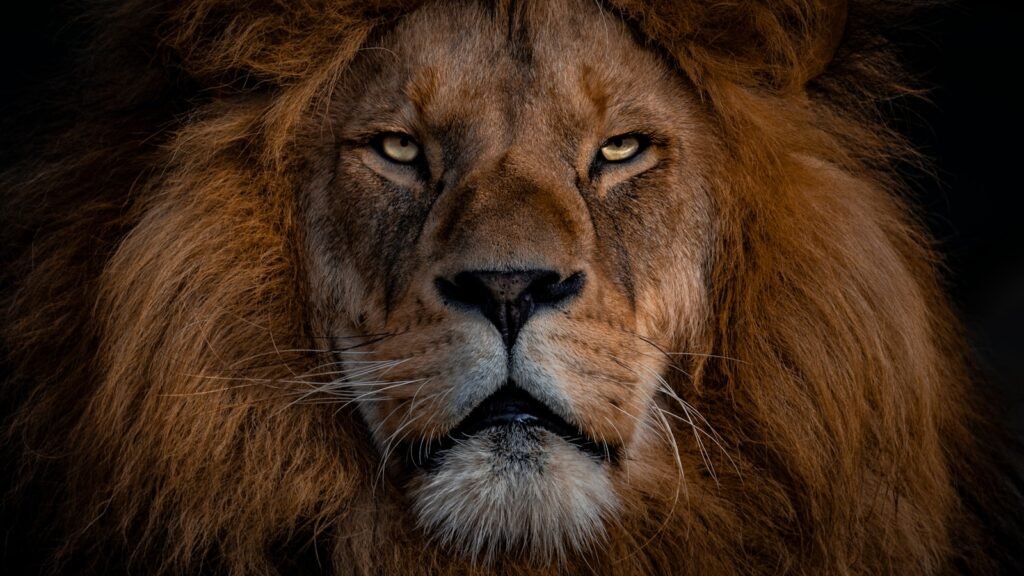

Every year when Leo season blazes into view, we reach for a symbol that feels sun-hot, dramatic, and undeniably in charge. The easy answer is the African lion, crowned by mythology and mane alike, but science is rarely satisfied with easy answers. Field biologists, biomechanics researchers, and conservation teams are now piecing together a more nuanced story about what power really looks like in the cat family. I remember my first night drive in a savanna reserve and the way a lion’s roar vibrated in my ribs; it felt like weather changing inside my chest. That sensation is real biology, not just awe, and it’s where the case for Leo’s true avatar gets compelling.
The Hidden Clues
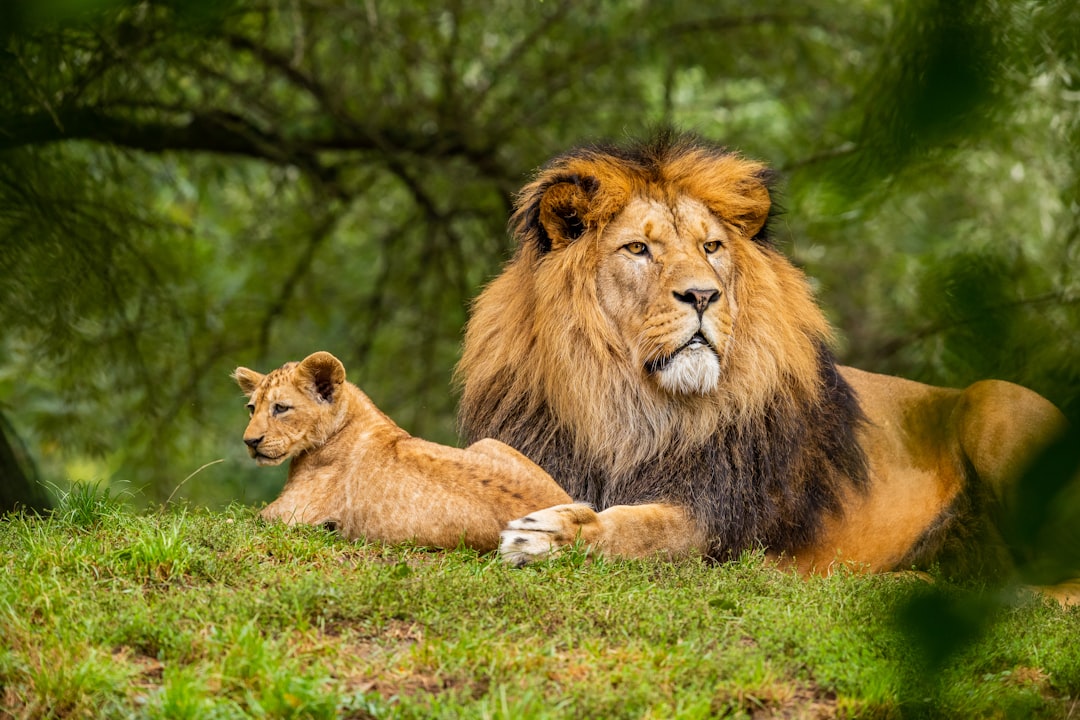
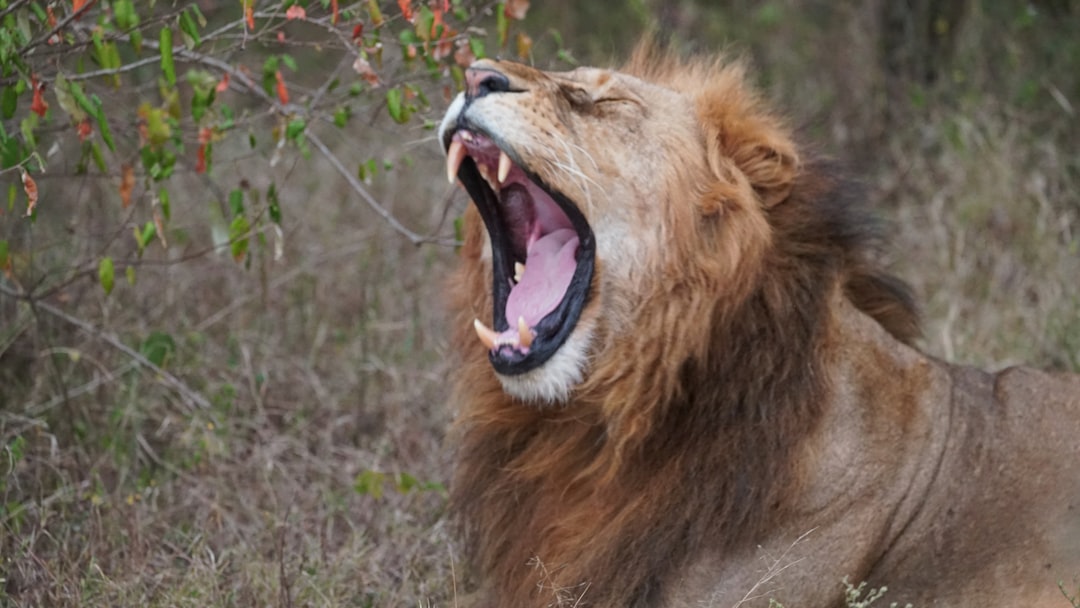
Power isn’t just muscle; it’s the ability to change what others do, and lions excel at that social kind of influence. Prides are built around related females who coordinate hunts and childcare, while males – often brothers – arrive as coalitions to hold territory. A mane isn’t mere decoration; its darkness and fullness can signal maturity and condition, shaping rival decisions and mate choices long before a fight breaks out. In other words, a lion often wins the contest without needing one, which is the purest form of dominance.
That, to me, is the signature of Leo season: charisma made functional. When a rival hears or sees those cues and backs off, energy gets conserved, cubs get safer, and the pride’s future steadies. Strength here is a network effect, not a single-body feat. It’s theater with real evolutionary stakes.
Inside the Roar
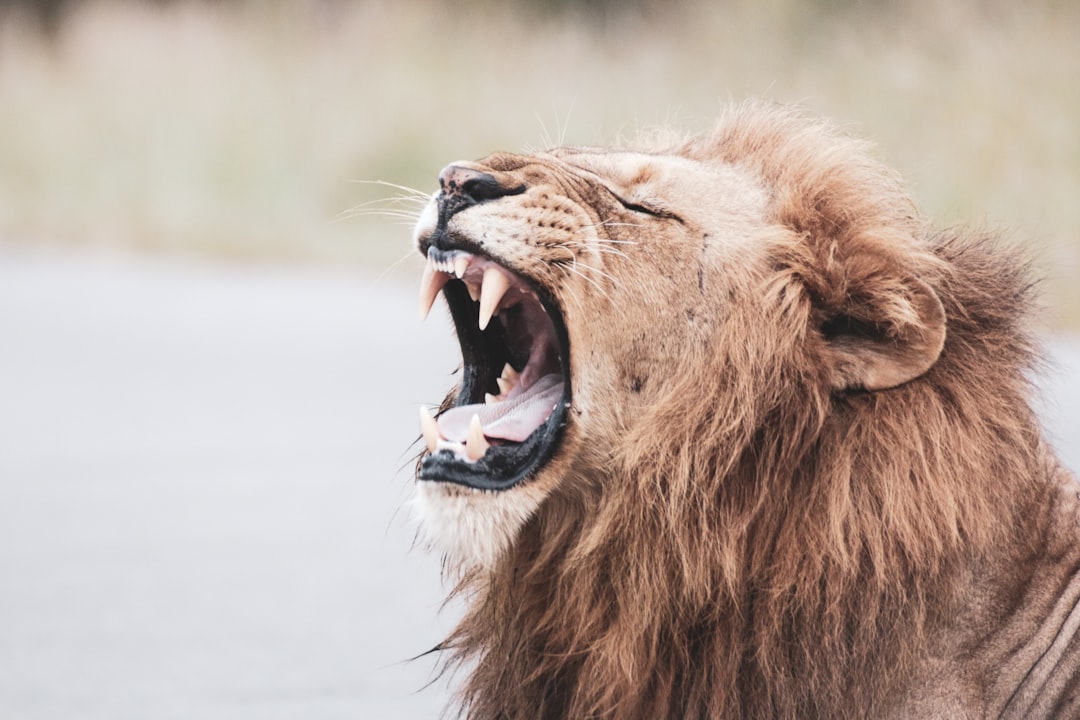
A lion’s vocal power is a physics story dressed as thunder. Specialized laryngeal tissues and a flexible hyoid apparatus let lions produce low, rough-edged calls that travel across open country for several miles, even in wind. Those infrasonic-rich notes don’t just say “I’m here”; they map who owns what, who’s healthy, and who’s backed by allies. At night, a chorus from a coalition can freeze the savanna like sudden weather, re-drawing boundaries one vibration at a time.
Importantly, this voice is a management tool. Females use calls to gather scattered pride mates; males use it to deter intruders and sync patrols. In ecological terms, the roar is landscape governance – sound as a fence you can’t see but everyone respects.
The Contenders
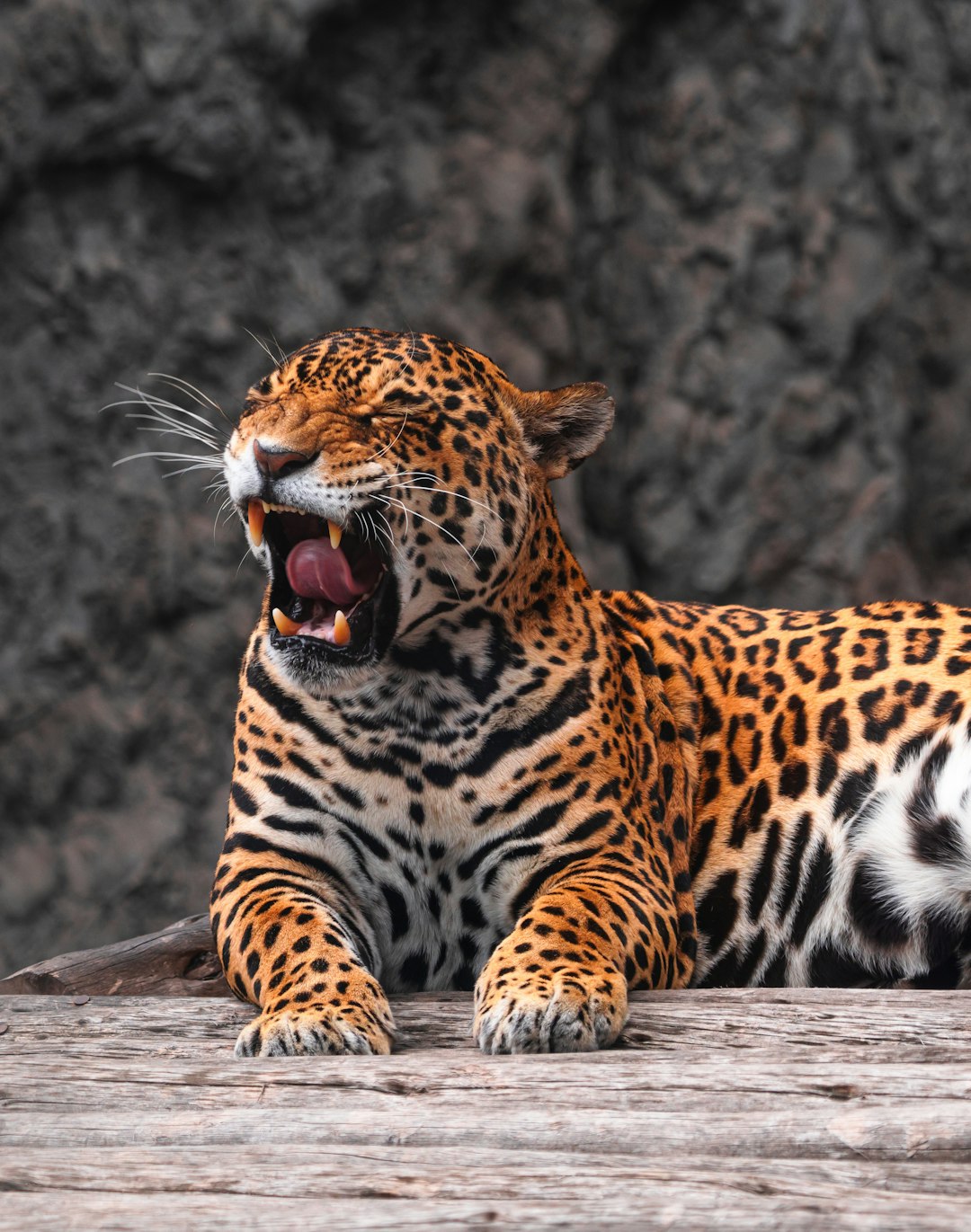
Let’s be honest: if the contest were raw heft, the tiger would collect the medal. Big males can outweigh lions, and their solitary hunting style – stalking close, then detonating with forelimb power – delivers a kinetic lesson in physics. The jaguar, meanwhile, wields a bite staggeringly strong for its size, often going straight for the skull, a strategy that turns bone into a door rather than a barrier. Both are breathtaking, and I love how their power feels like a coiled spring you only notice when it explodes.
But Leo isn’t just about force; it’s about presence that reorders a crowd. On that metric, lion society – alliances, signals, coordinated defense – better embodies solar authority. The tiger and jaguar are unmatched duelists; the lion is a statesman with teeth.
From Ancient Tools to Modern Science
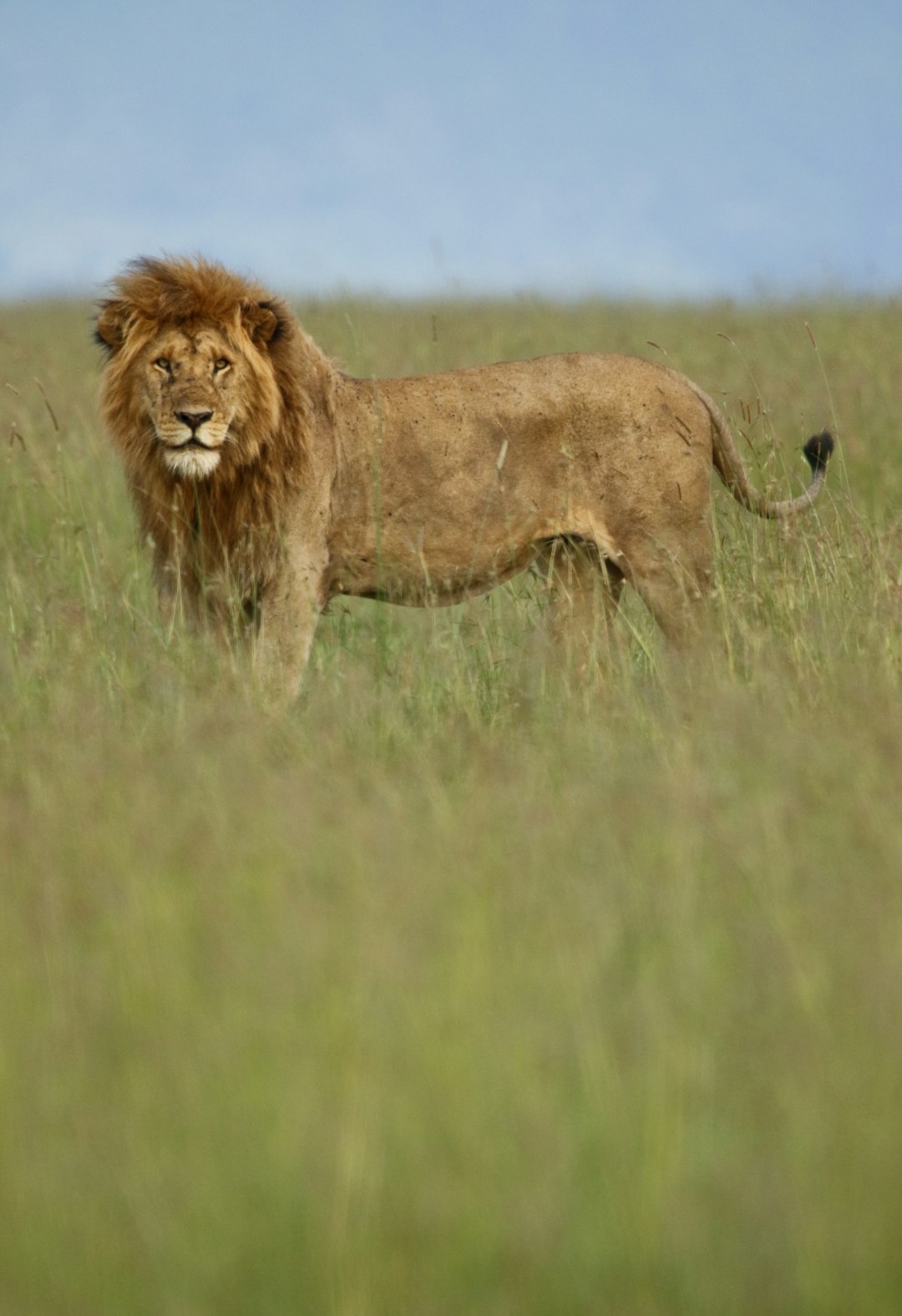
Humans have read power into lions for a very long time, carving them into gates, coins, and stories. Today, our tools read back: GPS collars chart how pride borders flex with seasons, and accelerometers in those collars reveal when a lion is resting, patrolling, or chasing. Camera traps show which coalitions hold ground longest and how often females switch den sites when threats rise. Hormone assays from scat turn landscape stress into numbers, letting researchers see when heat or disturbance pushes lions past safe thresholds.
Thermal cameras, meanwhile, help test how manes interact with temperature, and drones map prey movements that set the stage for pride strategy. Taken together, these methods replace myth with measurable patterns. The surprise is how often the data lands where culture did: on lions as managers of space, time, and attention. Power, it turns out, leaves tracks you can graph.
Global Perspectives
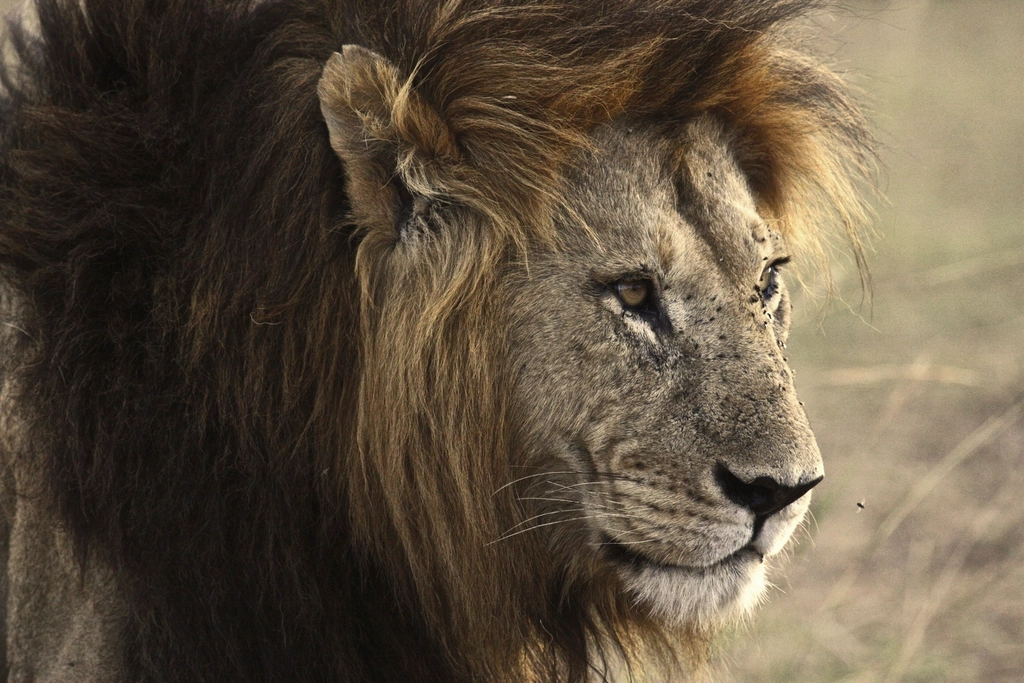
Most lions live across sub-Saharan Africa, with populations patchy where habitat, prey, and political stability allow. A small, distinct population persists in western India, proof that coexistence is possible when corridors, community buy-in, and strict protections line up. In East Africa’s community conservancies, revenue from nature-based tourism ties healthy prides to local livelihoods, turning tolerance into a paycheck rather than a charitable ask. Southern Africa’s fenced reserves, by contrast, stress intensive management – translocations, contraception, and careful genetics – to keep ecological balance intact.
Different models, same challenge: keep landscapes big and connected enough for a social predator to run a social strategy. Useful context points include: – Lions are the only truly social big cats, and that social system depends on room to maneuver. – Tigers and jaguars need vast territories too, but they solve conflict by solitude, not negotiation. – Where corridors shrink, conflict and inbreeding pressures tend to rise for all large cats. Global power, in other words, is a mapping problem as much as a biology lesson.
Why It Matters
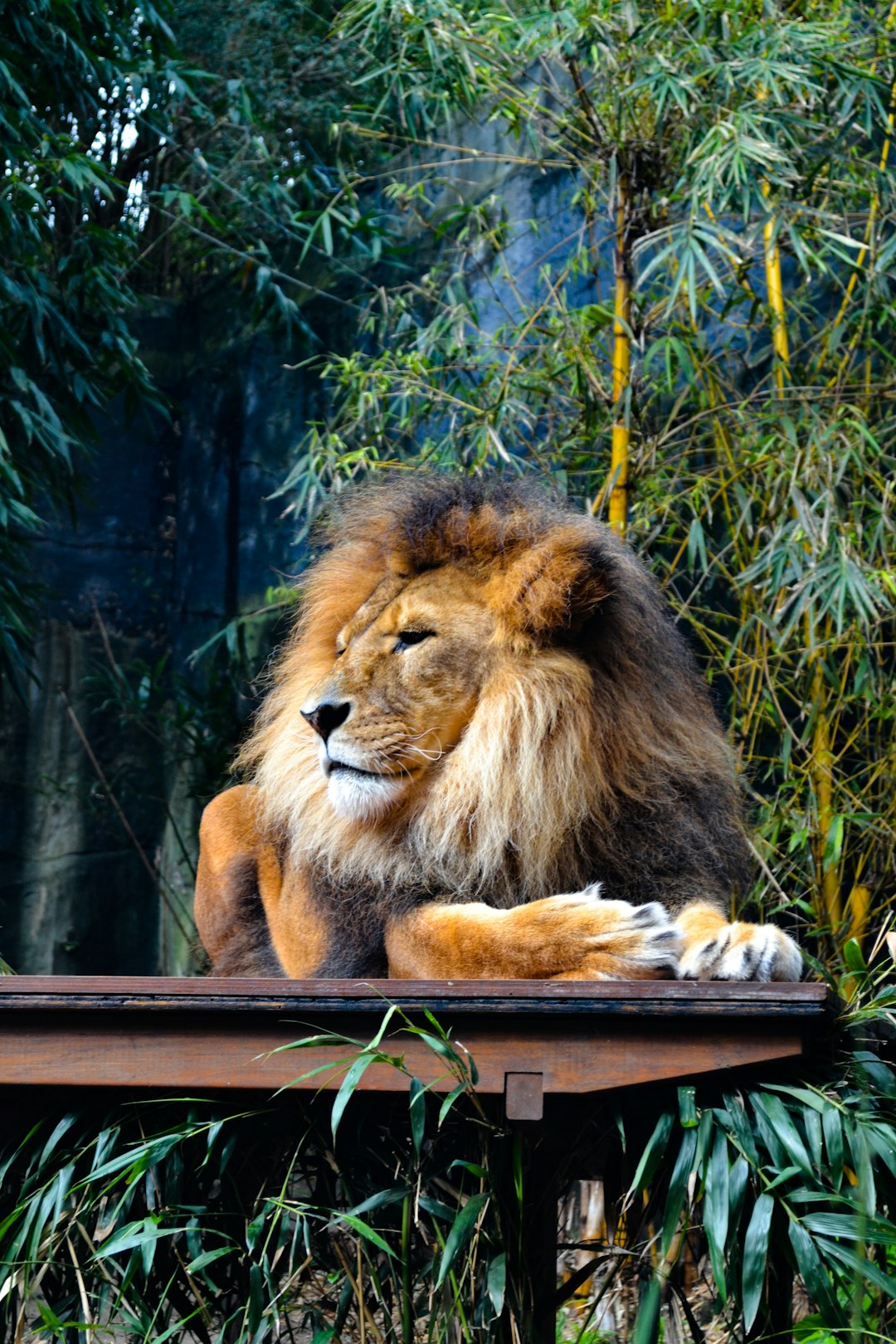
Big cats shape ecosystems with what they eat, what they scare, and the space they claim. When apex predators patrol, herbivores move differently, vegetation patterns shift, and smaller carnivores rearrange their schedules to avoid trouble. Remove the top cat and the choreography frays – crop raids can rise, disease dynamics can skew, and rangelands can degrade faster. For communities, that can mean fewer tourism jobs, more livestock losses, and harder choices about land use.
From a science standpoint, lions give us a living lab for how dominance, cooperation, and signaling interact in a complex species. Comparing them with tigers and jaguars widens the lens: different routes to power teach us not to force one story onto nature. The broader lesson is practical and ethical at once – protect function, not just faces. That’s how conservation survives fashion cycles.
The Future Landscape
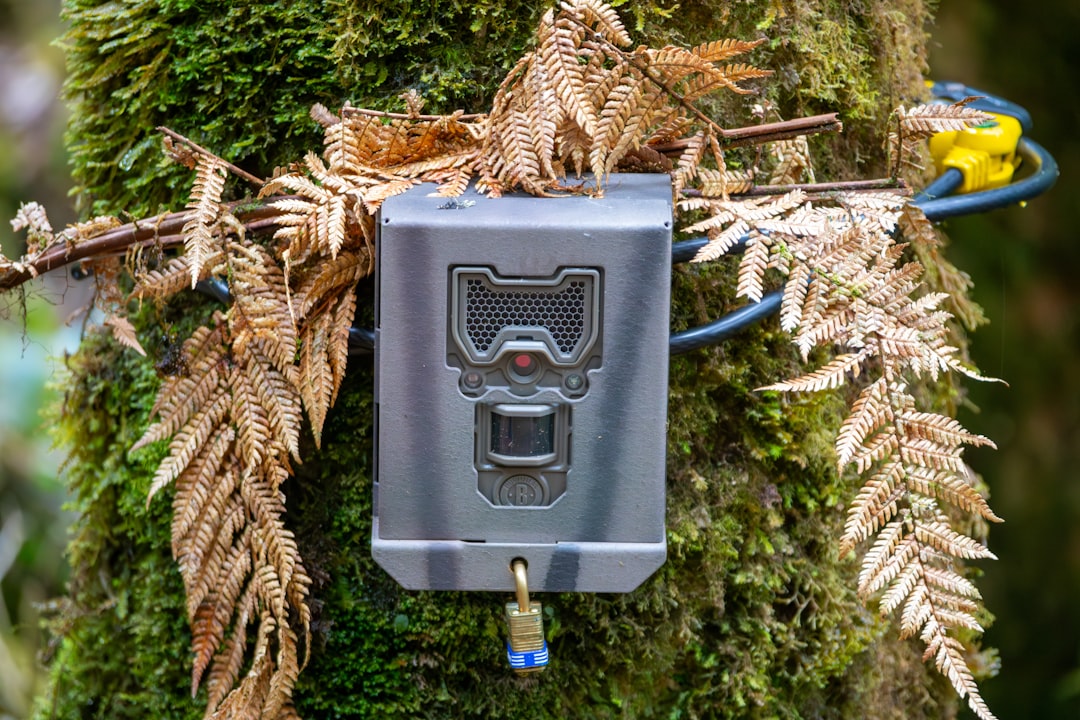
Emerging tech is changing the odds for cats and people. AI-assisted camera traps can identify individuals at night and flag unusual behavior in near real time, allowing rangers to intercept conflict before it burns. Satellite collars now last longer and fail less, and pairing their tracks with drought forecasts helps managers decide when to boost water points or shift livestock away from hot zones. Noninvasive genetics from scat and hair snares reveal family trees, guiding which coalitions to translocate when a reserve’s gene pool gets thin.
There are headwinds: heat waves that stress hunts, diseases jumping from domestic dogs and livestock, and the slow grind of fencing that chops habitats into islands. Yet pilot projects – lion-safe bomas with smart lights, herding cooperatives, and compensation schemes tied to rapid verification – are trimming losses on both sides. The path forward is less about a single fix and more about a portfolio, tuned region by region. Power that lasts, like Leo’s, is adaptable.
How You Can Help
Big cats don’t just need admiration; they need room, data, and allies. If you travel, choose operators who support community conservancies and publish how funds flow back to local people. At home, back groups that build wildlife corridors and train rapid-response teams; small monthly gifts often keep fuel in ranger trucks and batteries in camera traps. Share science accurately, resist sensational clips that stigmatize predators, and pay attention to where your meat and leather come from – land use decisions ripple across continents.
I still think about that first roar that shook my chest, and how much quiet work it takes to keep such sounds on the night air. Channel Leo season by backing the systems that turn charisma into coexistence. The crown belongs to the lion because its power persuades a landscape into order – can we do the same for its future?
Suhail Ahmed is a passionate digital professional and nature enthusiast with over 8 years of experience in content strategy, SEO, web development, and digital operations. Alongside his freelance journey, Suhail actively contributes to nature and wildlife platforms like Discover Wildlife, where he channels his curiosity for the planet into engaging, educational storytelling.
With a strong background in managing digital ecosystems — from ecommerce stores and WordPress websites to social media and automation — Suhail merges technical precision with creative insight. His content reflects a rare balance: SEO-friendly yet deeply human, data-informed yet emotionally resonant.
Driven by a love for discovery and storytelling, Suhail believes in using digital platforms to amplify causes that matter — especially those protecting Earth’s biodiversity and inspiring sustainable living. Whether he’s managing online projects or crafting wildlife content, his goal remains the same: to inform, inspire, and leave a positive digital footprint.