On coasts around the world, people swear they feel the sea before they see it – the pressure drop, the hum, the tug. That old intuition collides with a modern question: do some of us truly move with the moon as faithfully as the water does? Astrology offers a poetic answer, pointing to the water signs – Cancer, Scorpio, and Pisces – as the ones whose moods and energy wax and wane like spring and neap tides. Science, meanwhile, chases the subtler reality: how lunar light, coastal soundscapes, humidity, and social rhythms reshape sleep, hormones, and attention. Navigating between myth and measurement, we find a story that’s less about destiny and more about our bodies’ quiet negotiations with Earth’s most powerful cycle.
The Hidden Clues
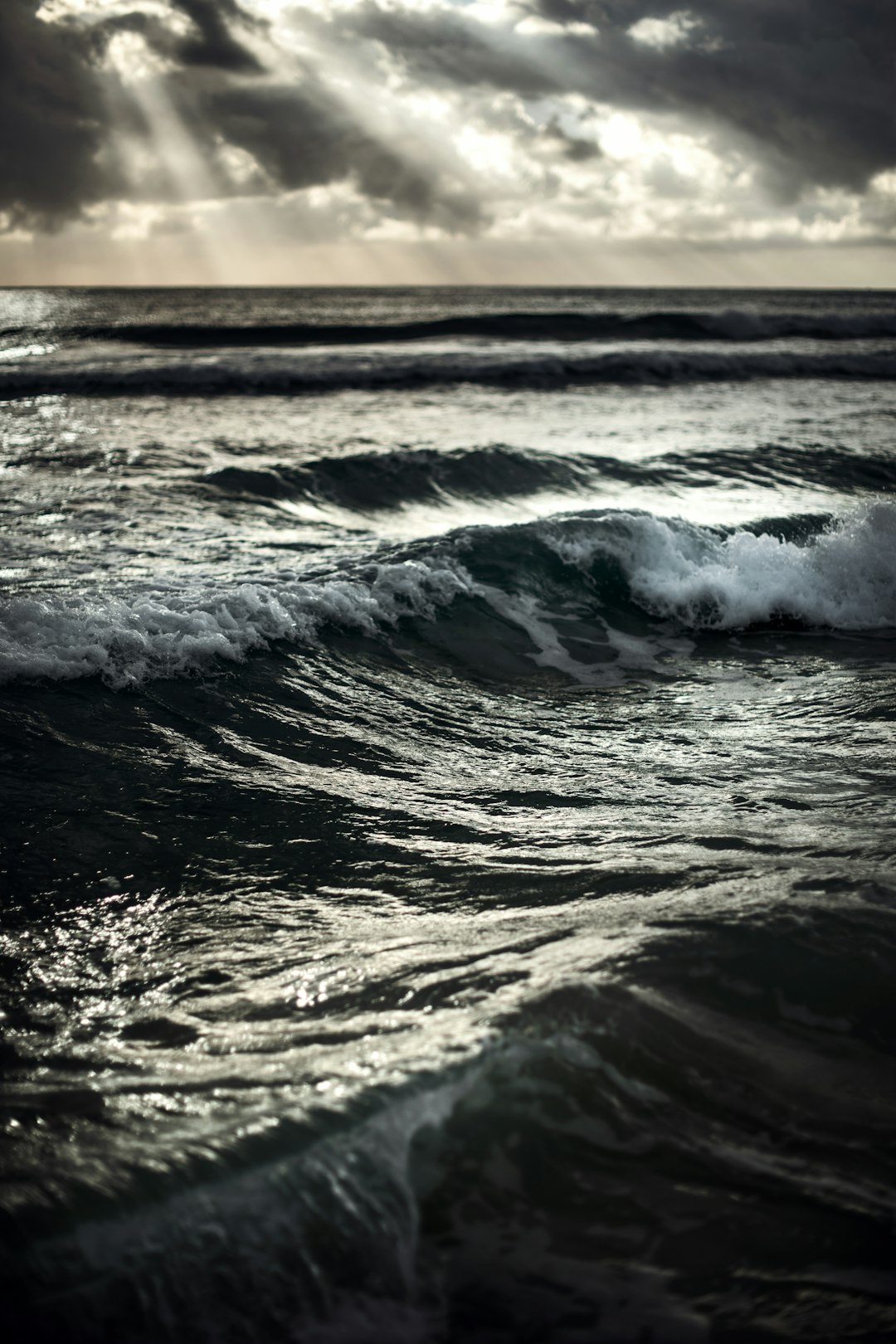
Look at any tide chart and you’ll see a heartbeat, not a flat line. Twice daily, the ocean lifts and lowers millions of tons of water, and the coast breathes with it. People who identify with water signs often describe the same kind of ebb and flow – periods of surge followed by calm, focus followed by drift. That’s a neat metaphor, sure, but it also mirrors patterns seen in coastal life, where work, commutes, and even conversation levels change with the tide window.
I’ve felt that cadence during reporting trips, when mornings by the pier are all clatter and gulls and afternoons quiet down like a dimmed stage. The rhythm nudges you, almost like a metronome you didn’t know was ticking. You drink coffee earlier, you settle earlier, you speak softer after the peak. It’s not proof of astrology; it’s proof the environment sets a tempo – and some personalities lean into it.
From Ancient Tools to Modern Science
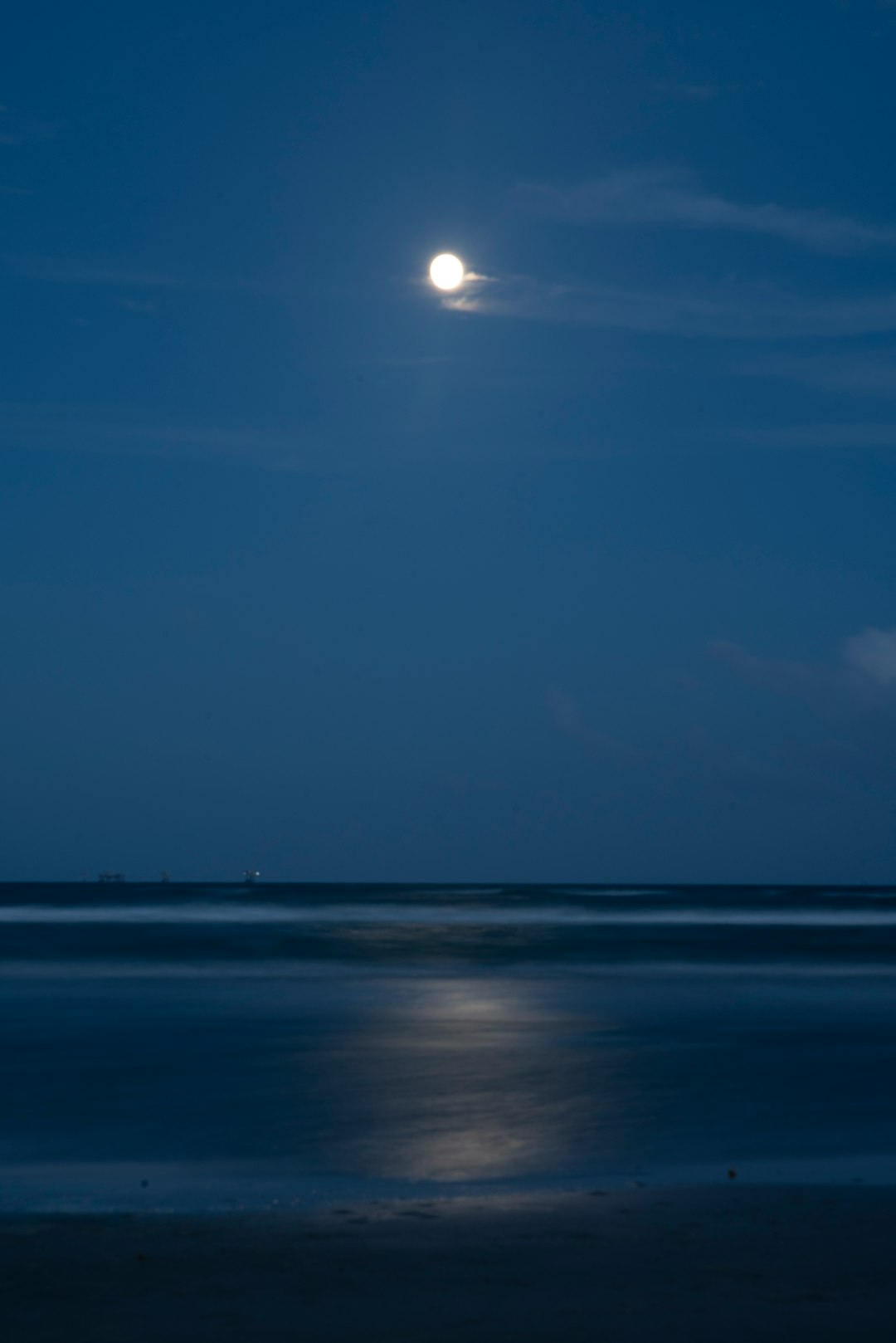
Long before apps pushed tide notifications to our wrists, coastal communities tracked the moon with shells, stones, and memory. They noticed which harbors emptied like bathtubs at low tide and which held a slow, glassy pulse. Their “predictions” weren’t mysticism; they were pattern recognition, the original data loggers scribbling in salt and wind. Astrology grew alongside this observational culture, connecting human emotion to celestial cycles in a language people could share across generations.
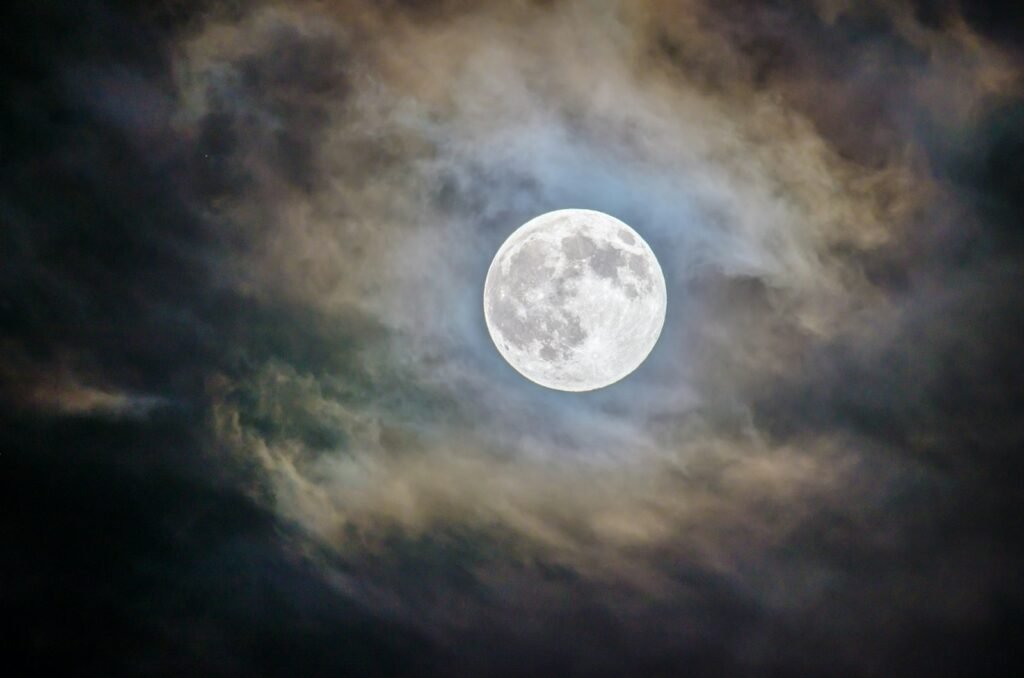
Modern chronobiology approaches the same territory with headlamps and accelerometers. Researchers test whether moonlight phases nudge sleep timing and duration, and whether coastal microclimates influence cortisol and melatonin. Some studies report small shifts in sleep around the full moon, while others find the effect disappears under bright urban lighting. The lesson is conservative but powerful: light and timing matter, and the moon still matters where the night remains dark.
Water Signs, Water Worlds
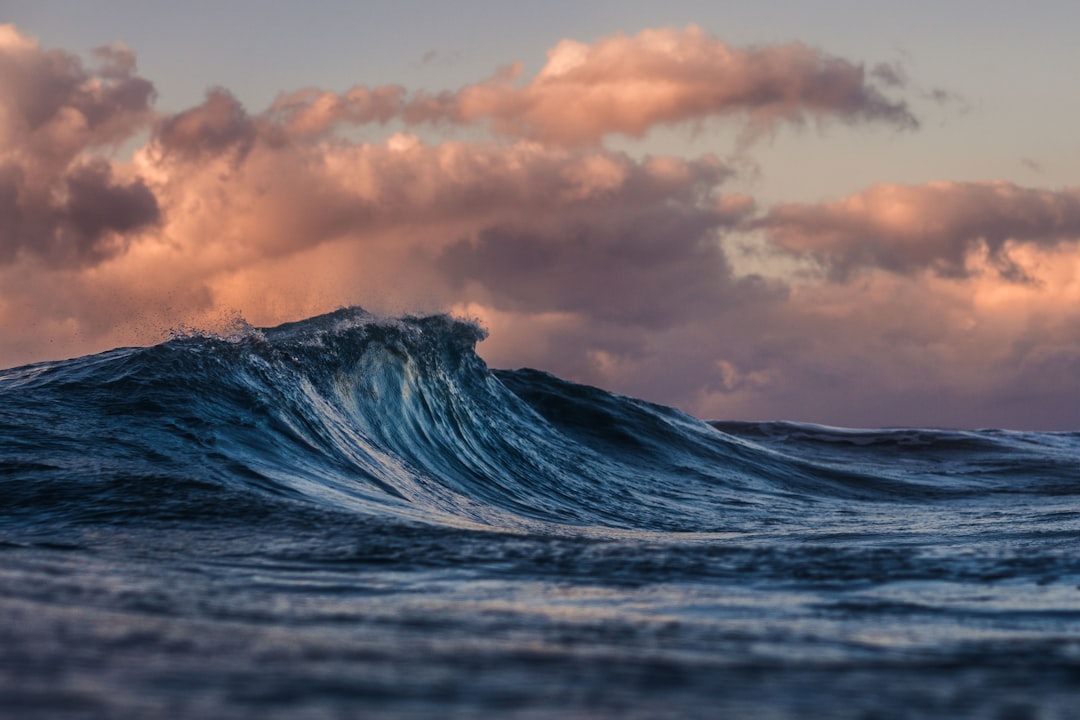
Astrology’s water signs carry a reputation for sensitivity: feeling more, noticing more, flowing around obstacles instead of smashing through them. When those people live near shorelines, the metaphor meets a real-world amplifier – scented air, rhythmic sound, and the constant visual movement of waves. Neuroscience shows our brains sync to rhythmic cues, from footsteps to music; the surf is an enormous drummer that never stops. For anyone already tuned to subtle shifts, that backbeat can be energizing or overwhelming.
That’s the practical insight beneath the poetry: whether you’re Cancer, Scorpio, Pisces – or just someone who loves the coast – awareness of your environment can help you steer mood and focus. Plan deep work during the quieter neap-like days of your own week. Seek social time when the neighborhood is busier, like a personal “spring tide.” Match tasks to the ambient tempo rather than force everything into a fixed schedule, and the day starts to click.
The Science of Rhythms: Moonlight, Melatonin, and the Sea
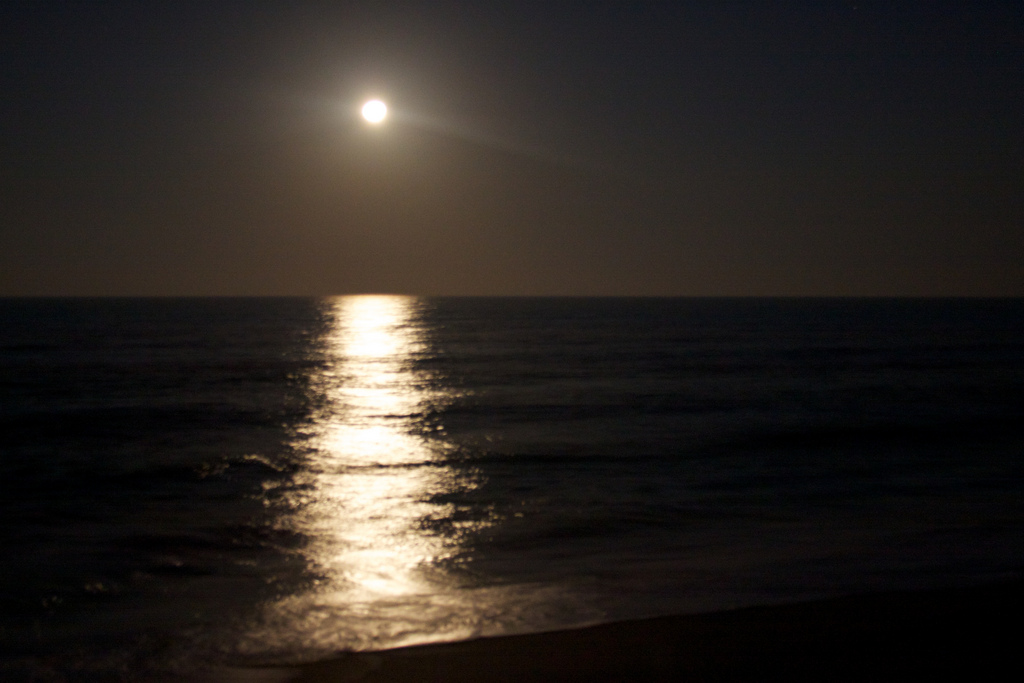
Human physiology is built on nested clocks: circadian cycles tied to the sun, ultradian cycles that govern focus, and in some contexts, weak lunar-linked rhythms. Moonlit nights can suppress melatonin slightly when outdoor light is truly dark, nudging sleep later by minutes rather than hours. That small change can ripple into next-day attention and mood – minor, but noticeable for people who track themselves closely. Coastal weather layers on top, with humidity and temperature swings influencing sleep quality and morning energy.
Then there’s the sound factor, too often overlooked. Regular, low-frequency surf noise can act like pink noise, which some studies associate with improved sleep consolidation. Conversely, storm swell becomes an acoustic stressor, raising arousal and reducing deep sleep. The take-home is boring and important: context decides whether the ocean calms or agitates, and individual sensitivity decides how big that effect feels.
Global Perspectives
In Pacific atolls, tide tables are as essential as bus schedules; in North Sea fishing towns, spring tides can reorder daily life. Urban coasts – from Mumbai to Miami – layer artificial light and traffic onto the ocean’s older rhythm, sometimes masking lunar cues and sometimes amplifying them through nightlife. Islands with minimal light pollution report stronger moonlight awareness and more deliberate planning around bright nights. Coastal tourism economies even ride their own “human tides,” cresting on weekends, holidays, and full-moon festivals.
These differences help explain why studies disagree: a moonlit village without streetlamps is not the same laboratory as a neon boardwalk. Culture matters, too, shaping sleep norms, evening meals, and outdoor activity. If you’re measuring human-tide alignment, you’re really measuring a tapestry – astronomy, infrastructure, habit, and hope. No single thread tells the story; the pattern emerges when you step back.
Why It Matters
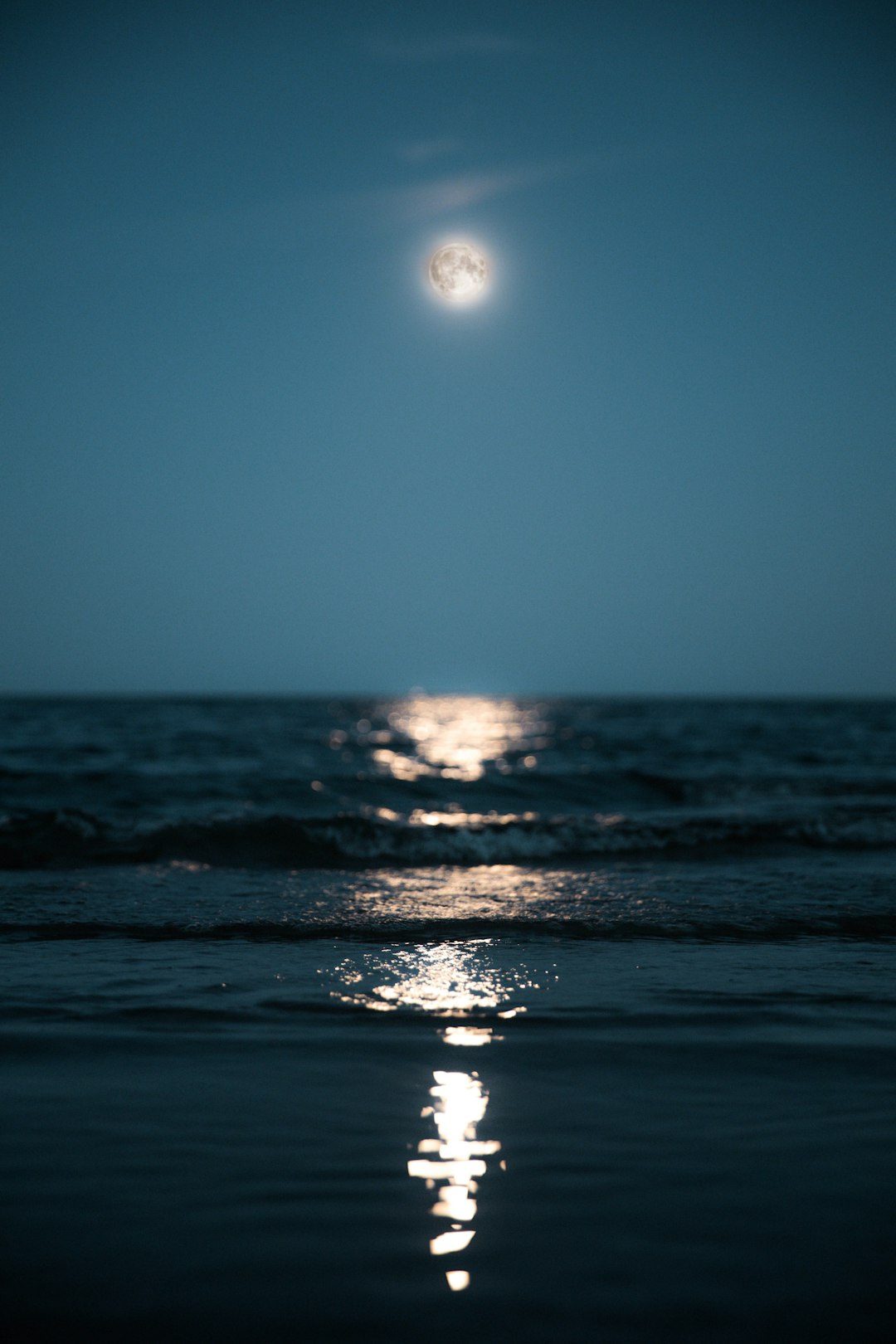
Understanding how ocean and moon rhythms brush against human biology isn’t a curiosity – it’s a practical health question. Coastal residents face unique stressors, from storm seasons to nighttime noise, and small sleep shifts can compound into real fatigue. If we know when and why those shifts occur, communities can time safety messaging, schedule port work more humanely, and reduce accidents. For individuals, aligning demanding tasks with one’s personal “high tide” can protect concentration and mood.
There’s a broader scientific payoff, too. Studying weak lunar effects in people sharpens the tools we use for bigger questions about light pollution and circadian disruption. It forces careful study design, better wearable sensors, and more honest statistics that avoid overclaiming. Even if astrology stays in the realm of metaphor, it keeps public interest alive while the data do their slow, careful work.
The Future Landscape
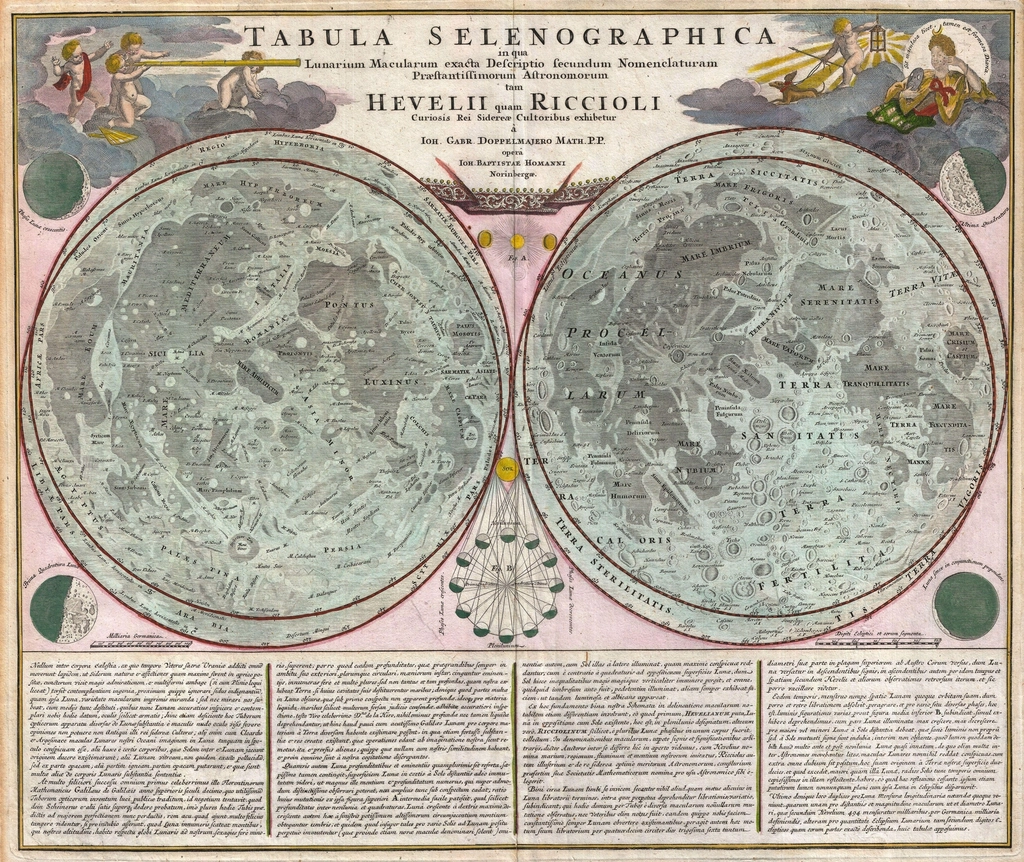
What’s next is a marriage of satellites, sensors, and storytelling. High-resolution tide and moonlight maps can sync with anonymized wearable data to test whether coastal communities experience distinct sleep or mood patterns during spring tides. Machine-learning models may flag individuals who show strong sensitivity, offering optional nudges like earlier wind-down routines on bright nights. Crucially, these systems must protect privacy, avoid deterministic labels, and treat astrology as a cultural lens, not a diagnostic tool.
Clinicians could eventually fold environmental timing into care, just as they do with light therapy and shift-work guidance. City planners might use sound and lighting designs that soften storm-swell nights, helping neighborhoods sleep through rough seas. Education campaigns could teach people how to audit their own rhythms with simple logs rather than pricey tech. The promise isn’t magic; it’s a better fit between our internal clocks and the watery world outside the window.
How to Engage, Right Now
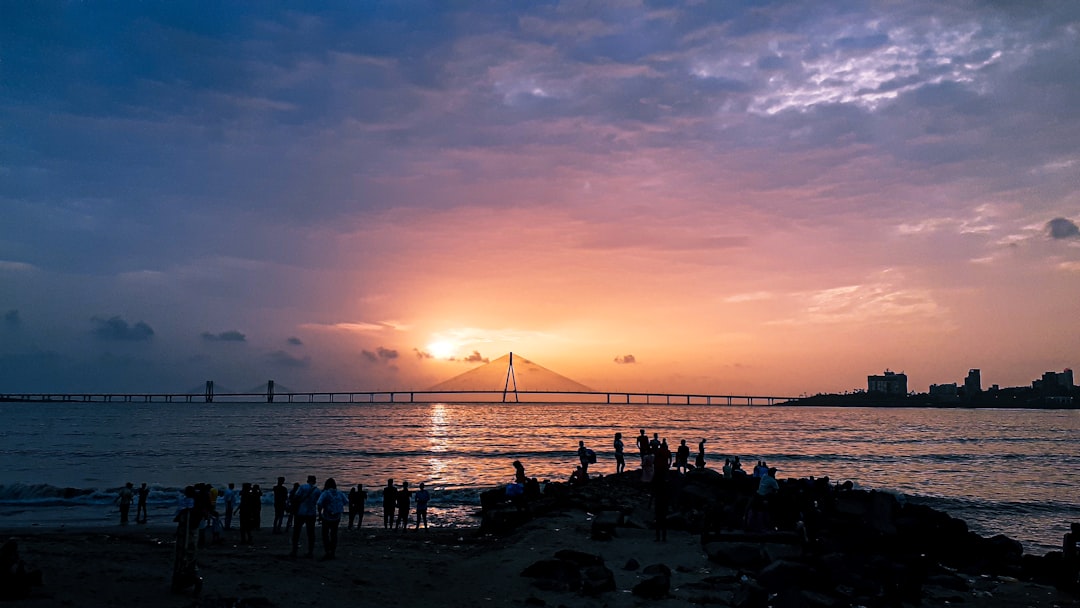
Start with a week of self-observation by the water or with a tide app at hand. Note bedtimes, wake times, focus peaks, and mood in a short daily line, then look for patterns around spring and neap cycles. If you feel a clear pull, experiment: dim screens on bright moon nights, schedule workouts when the tide energy feels high, and lean into calmer tasks when it ebbs. Treat it like tuning a musical instrument – gentle, iterative, forgiving.
Support the coastal science that makes this work possible. Donate to local shoreline monitoring programs, speak up for sensible lighting that preserves dark skies, and push for blue-space access in city planning. If astrology helps you pay attention, keep it as a compass, not a cage. The goal isn’t to be ruled by the tides, but to learn when to surf them.
Sources: Peer-reviewed research in chronobiology and environmental health, including studies published in Current Biology and Science Advances, and international blue-space well-being reports produced by academic consortia.