What makes some of us ache for pine-shadowed trails while others feel alive only above the treeline? This is the puzzle at the heart of a modern conversation that blends old sky lore with fresh science about how landscapes steady our brains and bodies. Astrological archetypes offer an entertaining map, but the real compass needles point toward psychology, physiology, and culture. As more people flee noise and screens for wild spaces, understanding why certain environments feel restorative is more than a whimsical question – it’s a wellbeing issue hiding in plain sight. The tension between myth and measurement is exactly where the story gets interesting.
The Hidden Clues
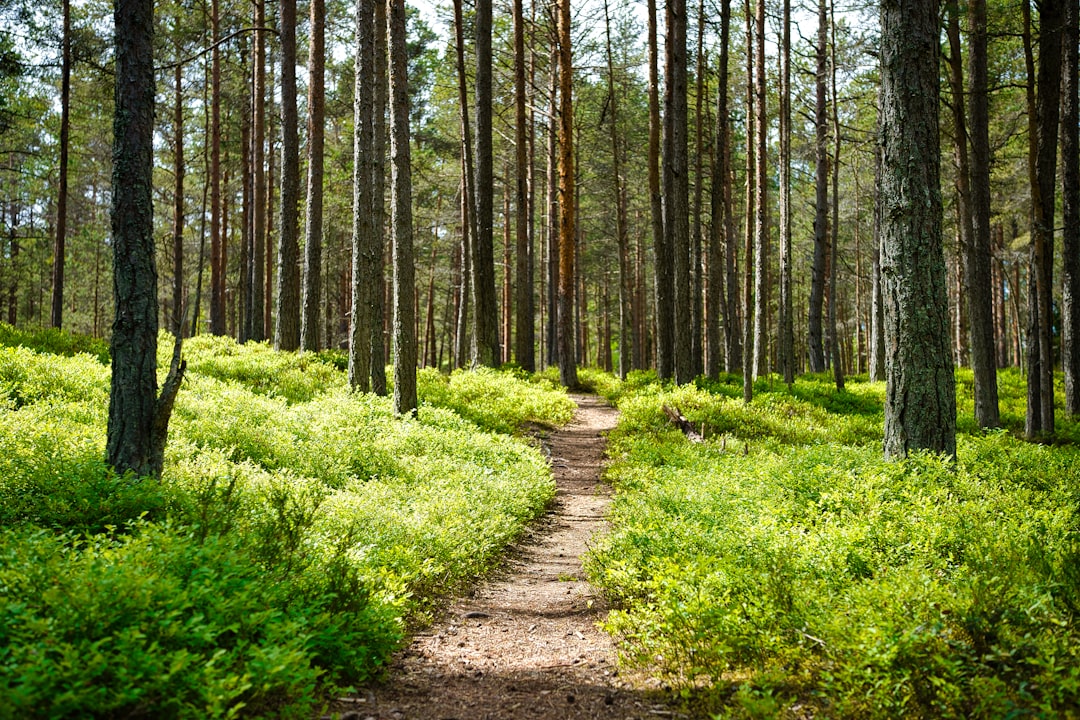
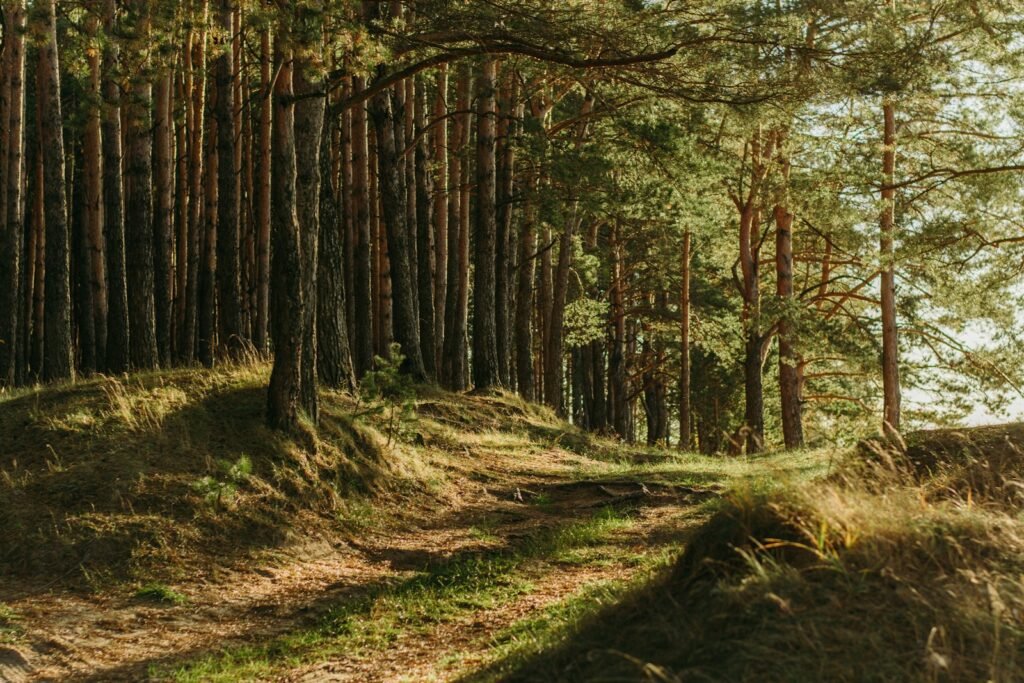
What if your favorite trail is less destiny and more deep wiring that craves certain textures of wild? Forests tend to calm the nervous system, with studies repeatedly linking tree-rich environments to reductions in stress hormones and steadier heart rhythms. Mountains, by contrast, often spark alertness and awe, nudging risk-reward circuits and goal orientation; the steepness itself becomes a feedback loop. I still remember a foggy morning on a cedar path when the air felt so saturated with scent it seemed to lower the volume in my head.
Scientists point to patterns that feel almost musical: the fine-grained fractals in branches, the filtered light, the way soft ground cues slower gait and deeper breathing. These signals can reduce mental fatigue and ruminative thought, the sticky kind that clings after long workdays. Forest air carries plant-derived compounds and microbe-rich aerosols that some research links to immune modulation – subtle nudges rather than miracle cures. Meanwhile, wide alpine vistas can expand attentional scope and stoke motivation, a psychological antithesis to cramped city corridors.
From Ancient Tools to Modern Science

Astrology once served as a seasonal calendar and story system, guiding planting and travel long before satellites and barometers. Today, satellites track greenness by the week, and crowdsourced trail data reveal how people actually move through terrain. Phone sensors log pace and elevation gain, offering rough proxies for effort and mood-linked behavior without naming names. The result is a strange duet: mythic categories on one side, minute-by-minute data on the other.
Modern psychology adds another layer by sorting us along traits like sensation-seeking, conscientiousness, and openness. These traits predict who is drawn to challenge versus comfort, novelty versus routine, and can loosely mirror the folk portraits associated with Zodiac signs. It’s not that a birth chart steers your boots; rather, personality and life context shape where you recharge, and the stories we inherit simply give those choices color. The trick is using the poetry without losing the proof.
The Forest Personalities: Taurus, Virgo, and Capricorn
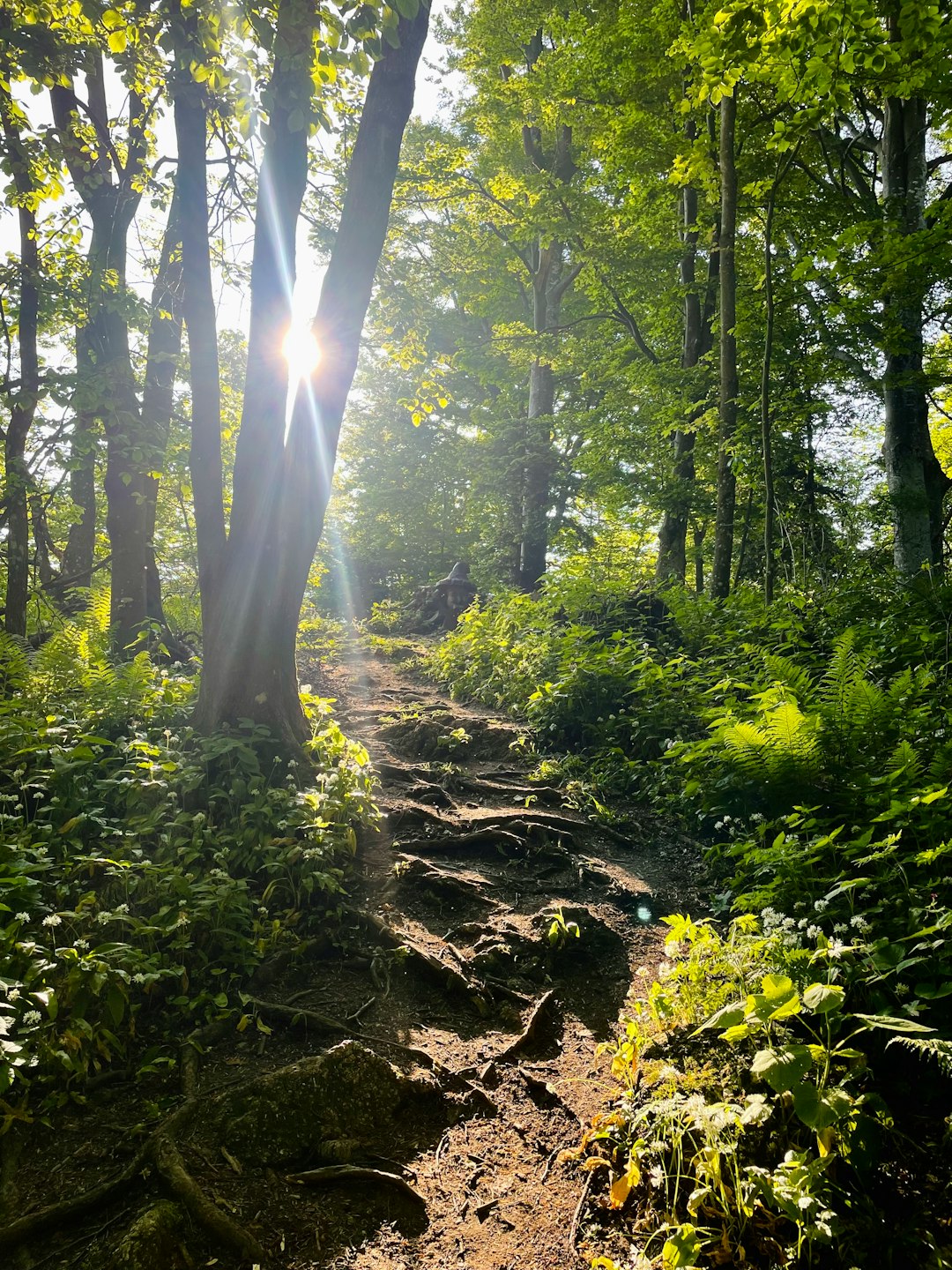
Earth-sign archetypes are often painted as steady, tactile, and tuned to detail – the kind of people who actually notice leaf litter textures and the exact shade of moss. In scientific language, that looks a lot like higher conscientiousness and sensory appreciation, traits correlated with restorative choices and slower, more mindful movement. Forests reward patient attention: listening for woodpeckers, reading bark, finding the line where shade turns to sun. That patience can translate into lower perceived exertion, more frequent micro-rests, and deeper satisfaction after a hike.
There’s also a practical streak here that meshes with safety and planning, from layered clothing to route timing. Soil smells and filtered light act as familiar cues that the brain tags as safe, which can reduce cognitive load. If you identify with these patterns, a loop through mature woods may be more replenishing than a summit sprint. The science supports the habit, even if the horoscope is just the friendly narrator riding along.
The Mountain Souls: Aries, Sagittarius, and Aquarius
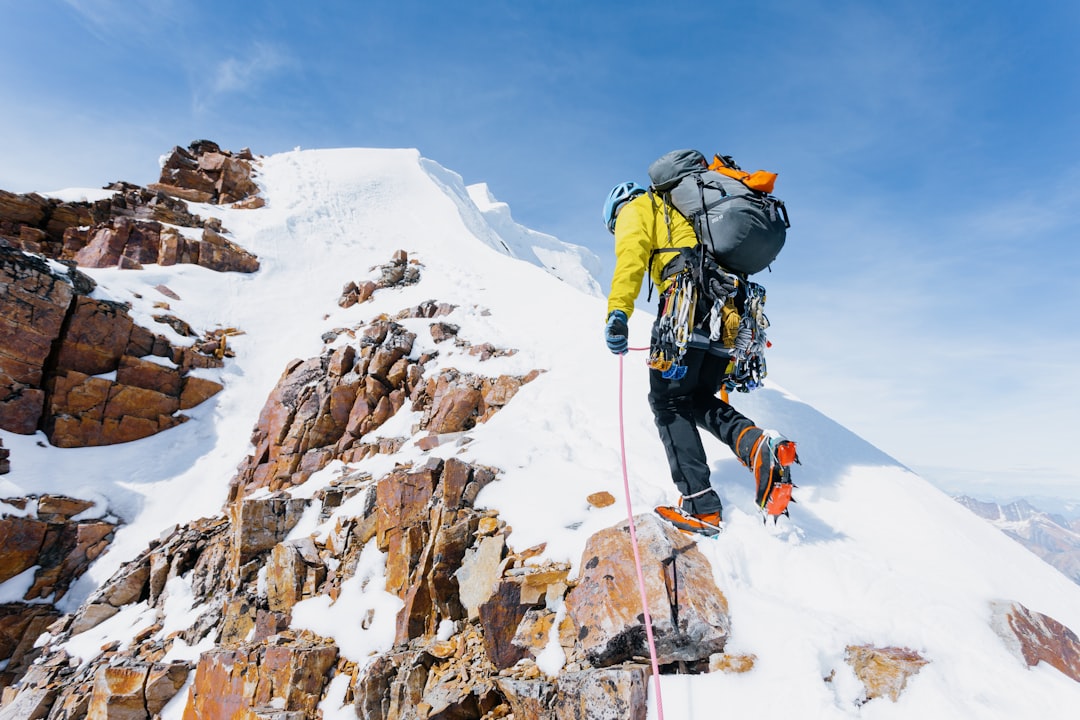
Some personalities wake up the moment the path tilts skyward, as if altitude itself flips a switch. In research terms, this leans toward sensation-seeking and novelty orientation – traits linked to persistence on steep grades and a taste for uncertainty. The reward is visceral: a horizon that widens with every switchback and a clean, goal-linked feedback signal when a summit finally appears. Even short bursts of vigorous climbing can brighten mood and sharpen attention afterward.
Cold air, intense light, and big views add a kind of cognitive caffeine many find irresistible. Route-finding on ridgelines asks for fast decisions and comfort with exposure, mental muscles that some people love to flex. If that resonates, mountains don’t just challenge – they reset. Again, the archetype is a metaphor, while the measurable drivers are temperament, training, and how your nervous system metabolizes adrenaline and awe.
On the Edge: Cancer, Pisces, Libra, and Gemini in Wild Spaces
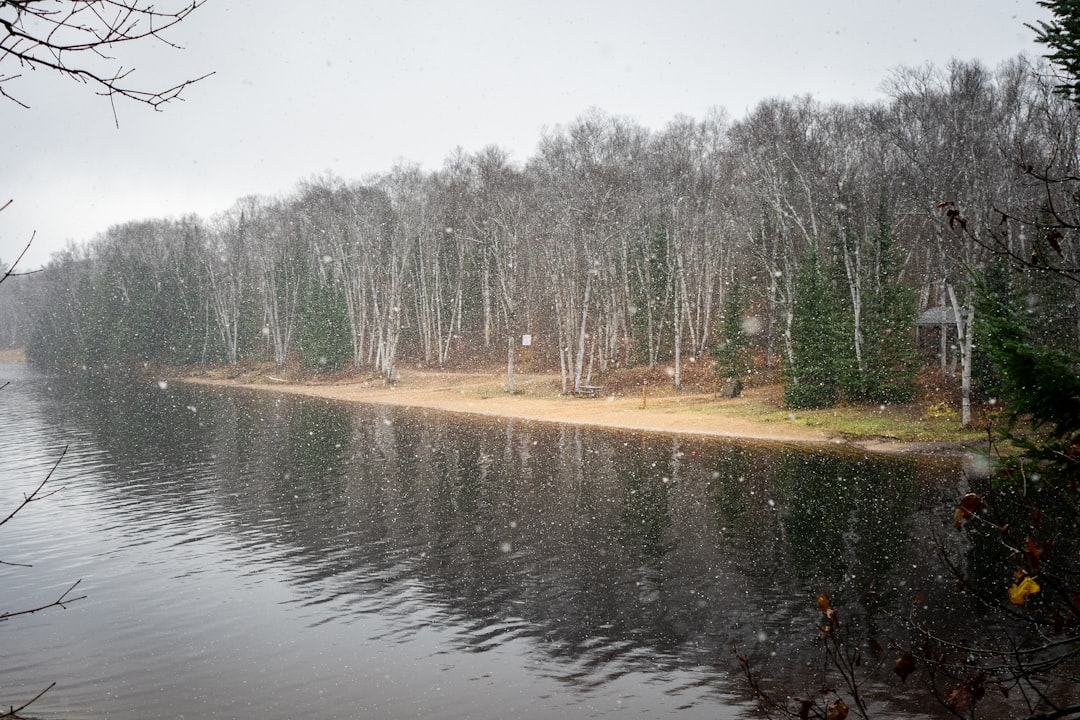
Not everyone fits squarely into forest-or-summit camps; some thrive where ecosystems meet, like lake-lined woods or breezy subalpine meadows. Social orientation, sensitivity to soundscapes, and curiosity can predict preferences for gentler gradients and more varied sensory input. Birdsong complexity, water’s low-frequency hum, and moving shade can create a layered calm that feels social even when solo. In this light, trails with overlooks, boardwalks, or shoreline loops become ideal laboratories.
These seekers often value conversation as much as miles and may choose routes with frequent rest spots and viewpoints. The balance of stimulation and safety encourages repeat visits, which reinforces the restorative effect over time. Think of it as the extrovert’s forest and the contemplative wanderer’s coast sharing a border. The landscape becomes a conversation partner, not a test.
Why It Matters
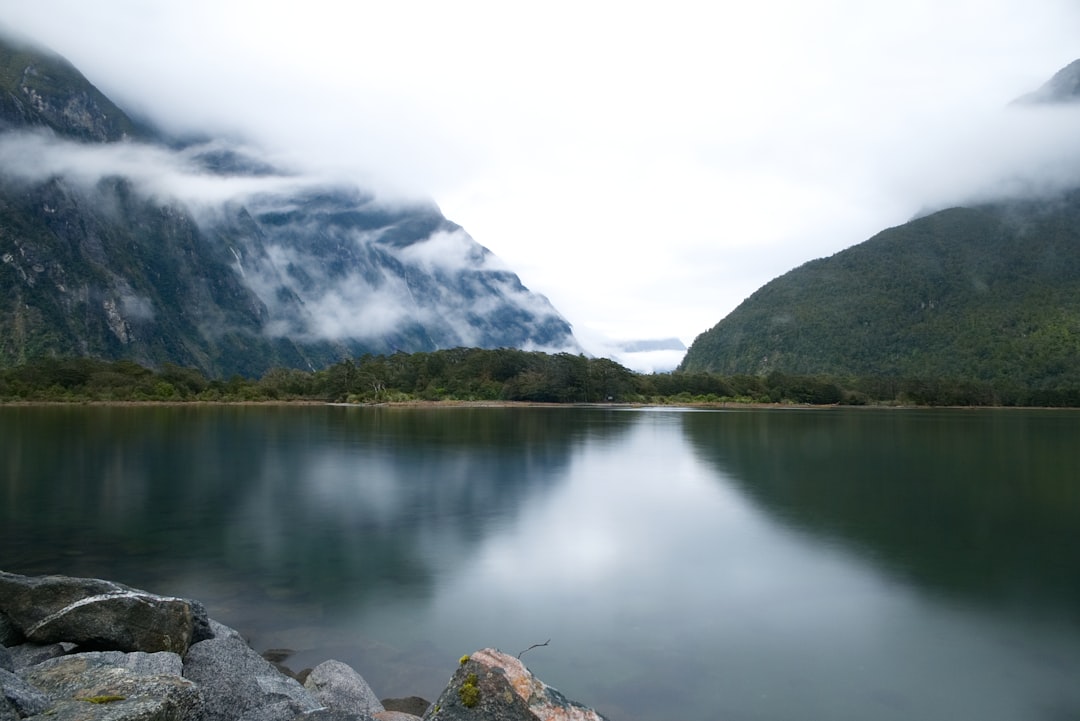
Matching people to landscapes that truly restore them isn’t lifestyle fluff; it can lower stress loads that quietly shape sleep, mood, and immune resilience. Forest environments have been associated with steadier heart-rate variability and calmer endocrine responses, while vigorous highland outings can deliver mood-lifting exertion and a strong sense of mastery. City life adds friction – noise, crowding, visual clutter – that nature reliably smooths, but only if the setting aligns with your temperament. A poor match can feel like pushing the wrong key on a piano, loud without harmony.
The practical payoff is huge for public health, planning, and even workplace wellbeing programs. Green prescriptions work better when the dosage matches the person: slow trails for focus, steep trails for drive, edges for sociability. Using Zodiac language as a doorway – while grounding choices in evidence – can help people try environments they might otherwise ignore. The goal isn’t belief; it’s better recovery with fewer barriers.
The Future Landscape
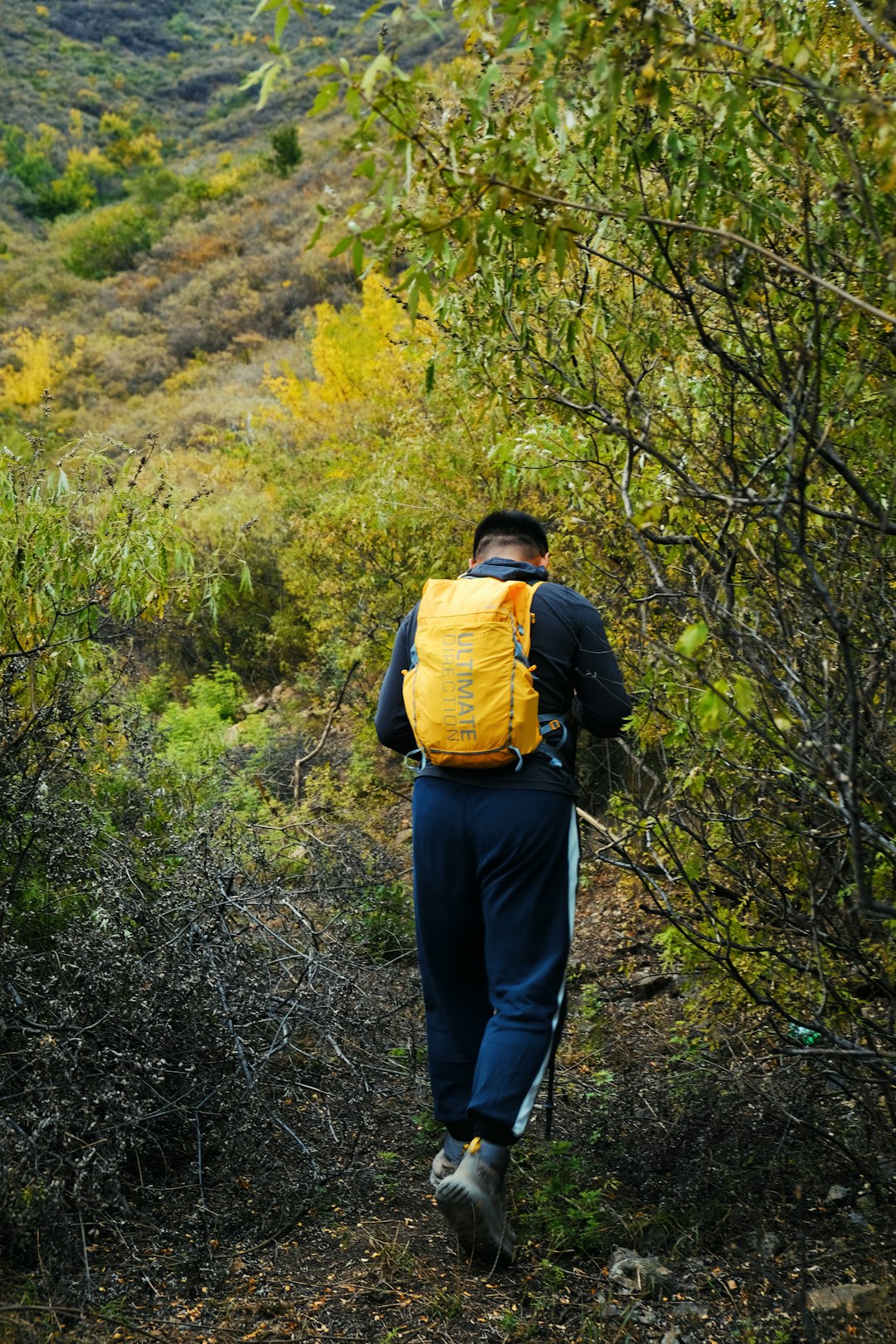
Wearables are quietly turning hikes into datasets, capturing pace, elevation, heart rhythms, and perceived exertion through simple prompts. That information can power privacy-conscious tools that suggest routes by mood goal: more calm today, more spark tomorrow. Trail managers can use anonymized patterns to distribute use, easing erosion and protecting wildlife corridors while preserving the human benefits. In healthcare, nature-based interventions may be tuned like physical therapy, with a progression from forest loops to ridge traverses as confidence and fitness grow.
There are challenges: over-tourism, wildfire seasons that reshape access, and inequities in who can reach clean, safe green space. Climate shifts alter snowlines and species, changing what restoration looks like in a given region year to year. Expect more adaptive designs – urban pocket forests, stair-stepped overlooks, and shaded connectors that mimic wild effects close to home. The next frontier is personalization that respects land limits as much as human needs.
How You Can Help

Start by noticing which landscapes leave you lighter at the end than at the start, then make that your baseline choice. If forests soothe you, support local tree-planting and trail maintenance groups; if summits fire you up, volunteer for high-elevation restoration days that repair fragile soils. Build a personal rotation that includes recovery walks and challenge days, so your nervous system gets both calm and charge. Bring a friend who gravitates to a different terrain and trade routes; you might find your second home in the wild.
Advocate for equitable access: safe transit to parks, shade in heat-prone neighborhoods, and trail designs that welcome beginners without crowding sensitive zones. Keep trips flexible during smoke or heat waves and learn Leave No Trace so your restoration doesn’t cost the land its own. Think of your sign as a playful lens and your body’s signals as the evidence that matters. What landscape will you choose this week?