
The natural world is crying out for help. You’ve probably heard about melting glaciers and rising temperatures, but there’s another story unfolding that offers genuine hope. Picture vast grasslands where massive herds once roamed, ancient forests where wolves howled through the night, and wetlands teeming with life. These landscapes didn’t just disappear by accident – they were systematically destroyed by human activity.
Yet around the globe, something remarkable is happening. From the remote wilderness of Yellowstone to the rolling hills of southern England, nature is making a comeback. A 2023 Nature Climate Change paper showed that rewilding efforts focused on restoring populations of nine key wildlife species could capture an extra 6.4 gigatons of carbon dioxide annually. This isn’t just about saving cute animals anymore – it might be one of our most powerful weapons against climate change.
What Exactly is Rewilding?
You might wonder what rewilding actually means in practice. Rewilding is an approach to large-scale nature restoration and conservation that aims to reinstate natural processes and sometimes ‘missing’ species into landscapes that have been managed and/or degraded by humans.
Think of it as giving nature the keys back. Instead of micromanaging every aspect of an ecosystem, rewilding steps back and lets natural processes take charge. Passive rewilding: lets nature take its course. Humans step back from the landscape and let nature heal itself without human interference.
The concept centers around what conservationists call the three Cs: cores, corridors, and carnivores. Conserving interconnected wild spaces and reintroducing predators is central to the movement’s ethos: cores, corridors, and carnivores. These protected core areas are connected by wildlife corridors that allow animals to move freely, while the reintroduction of large predators helps restore natural balance.
The Carbon Connection
Here’s where things get really interesting for climate action. Over time, rewilding wild animal populations and ecosystem restoration could help draw down a significant proportion of the carbon dioxide already emitted into the atmosphere that needs to be removed to stabilize the global climate.
You see, healthy ecosystems are natural carbon storage systems. The plants that grow on the surface of peatlands sequester, or absorb, carbon dioxide as they grow. When they die, the decomposing plants do not leach carbon back into the atmosphere but get buried in waterlogged bogs, compressing into a new layer of peat. These habitats cover about 3% of the globe but contain more stored carbon than all other kinds of vegetation on earth combined.
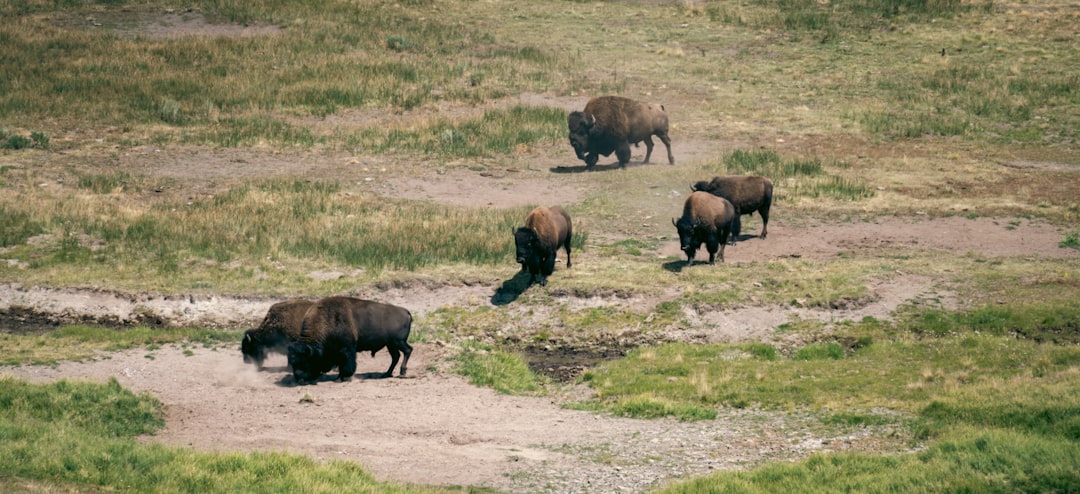
Animals play a crucial role too, though this connection is often overlooked. The research suggests that 20 square miles of grassland, where the bison graze, are drawing down an additional 54,000 tons of carbon annually – an amount equivalent to the yearly emissions of 43,000 cars. By grazing, the bison encourage plant growth and nutrient recycling, which enhances carbon sequestration in the soil.
The Yellowstone Miracle
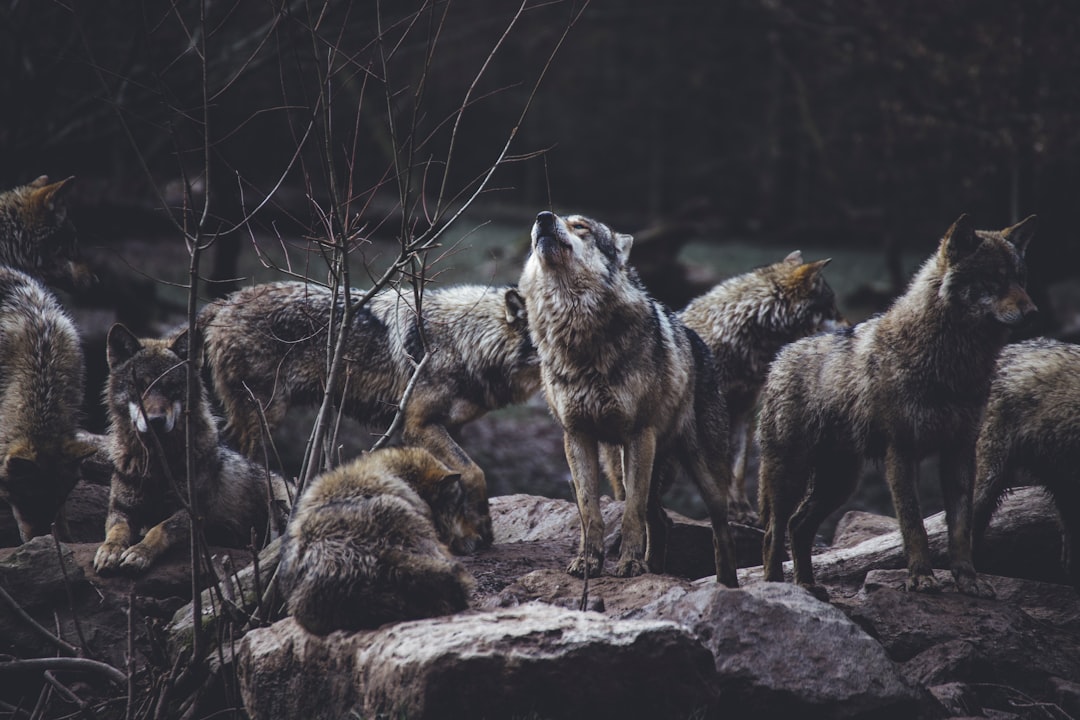
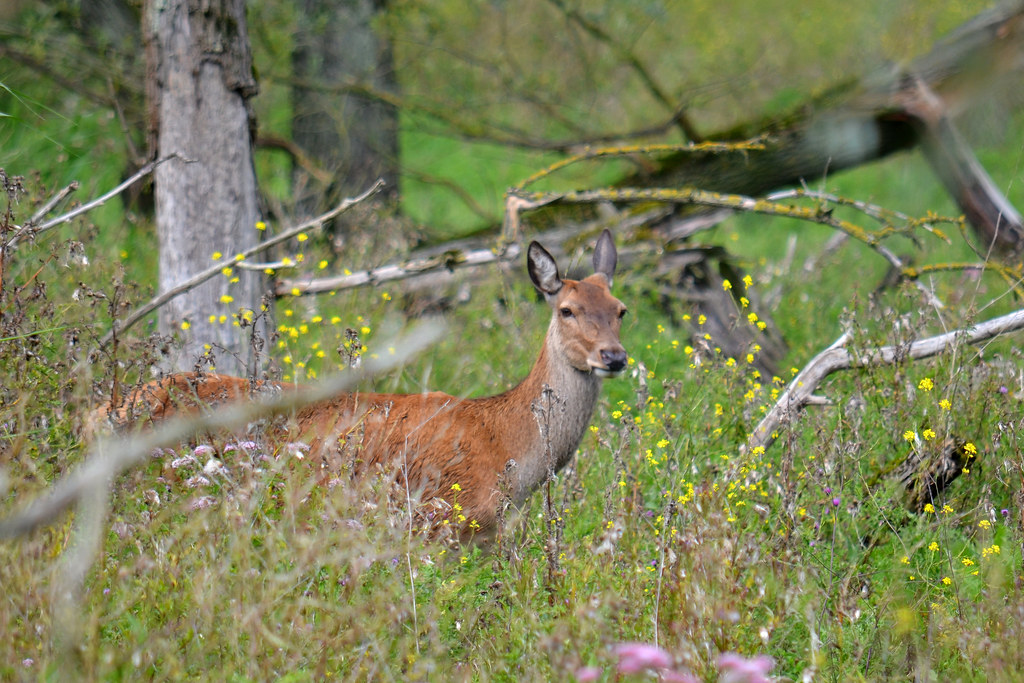
Nothing illustrates rewilding’s potential better than the famous Yellowstone wolf reintroduction. Yellowstone’s once abundant wolf population had been all but wiped out by the mid-1920s, to the detriment of the overall health of the park’s ecosystem. Without wolves to keep their numbers down, deer and elk populations exploded, leading to overgrazing and depletion of the vegetation of the valley floors.
Since the reintroduction of 31 Canadian gray wolves between 1995 and 1997, the number of gray wolves in the national park has roughly tripled. Yellowstone is now home to at least 95 of these magnificent predators bringing numerous benefits.
The transformation was swift and dramatic. The impact on the biodiversity of Yellowstone National Park was seen within the decade – much quicker than those involved in the project had expected. When the wolf was reintroduced in 1995, there was only one beaver colony left in Yellowstone. There are now nine, with the expectation of more. This cascade effect rippled through the entire ecosystem, proving that sometimes one species can change everything.
Knepp’s Agricultural Revolution
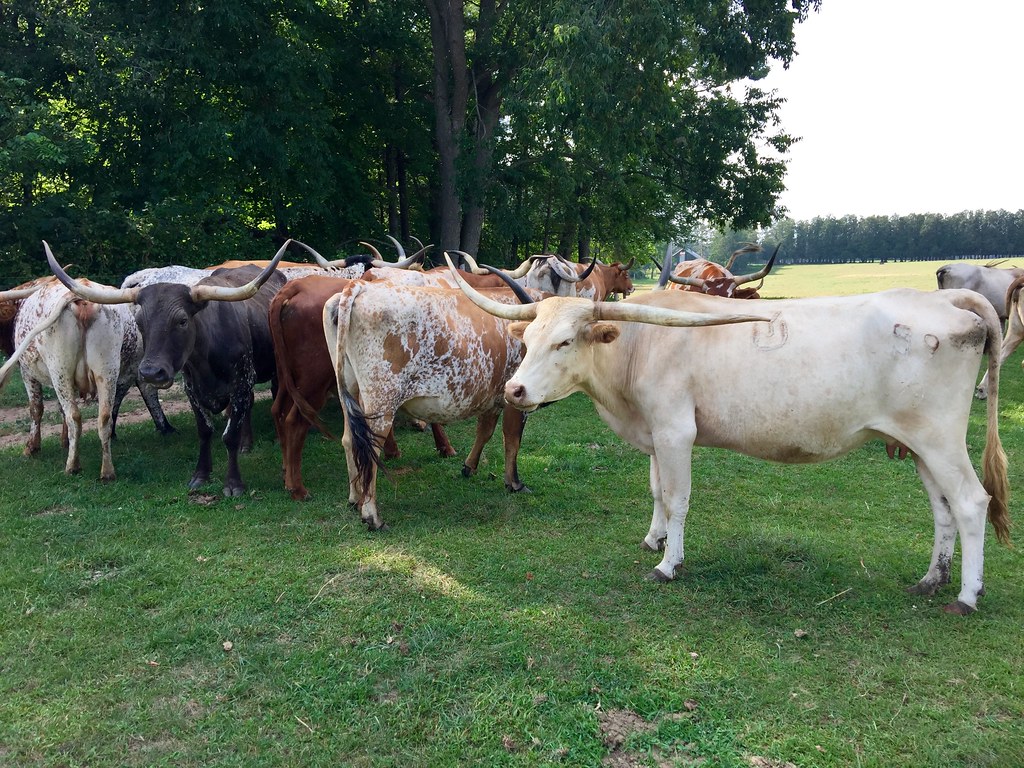
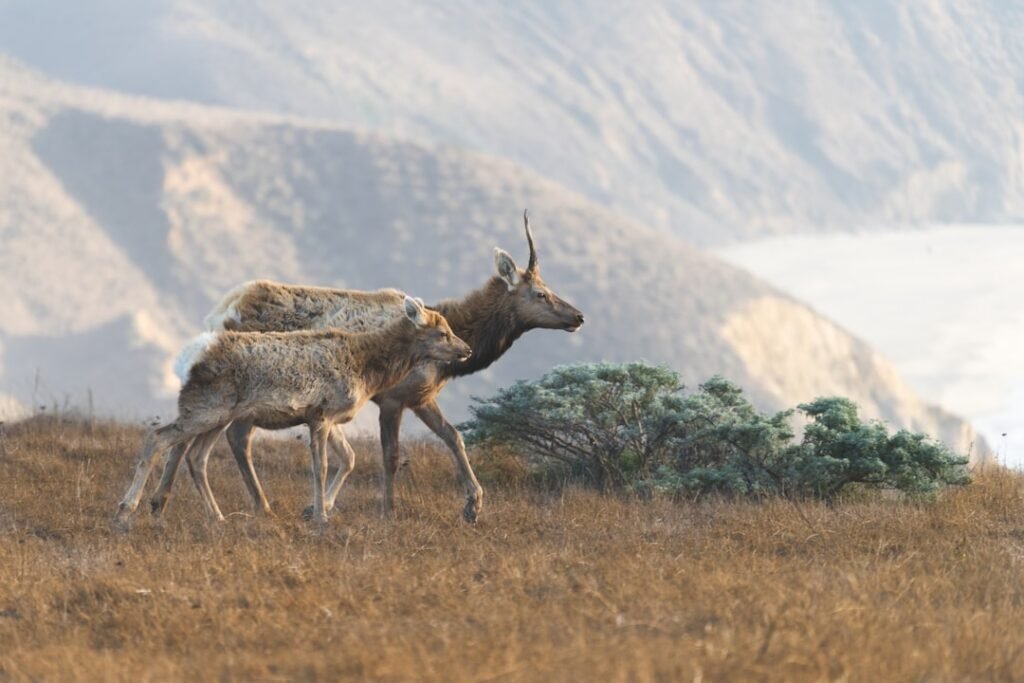
Across the Atlantic, another rewilding success story was unfolding on what seemed like unlikely ground. In the early 2000s, the owners of Knepp Castle in West Sussex made the decision to transform 3,500 acres of farmland in the castle grounds into a wildland area. Grazing animals, including Exmoor ponies, Tamworth pigs and longhorn cattle, were introduced and the land was left alone to regenerate naturally.
Burrell and his wife, Isabella Tree, decided to turn to nature for a solution and in 2001, set about “rewilding” the estate. Knepp is now home to an astonishing array of biodiversity and has become a celebrated conservation success story, attracting many rare species and transforming the landscape from English country farm to untamed wilderness.
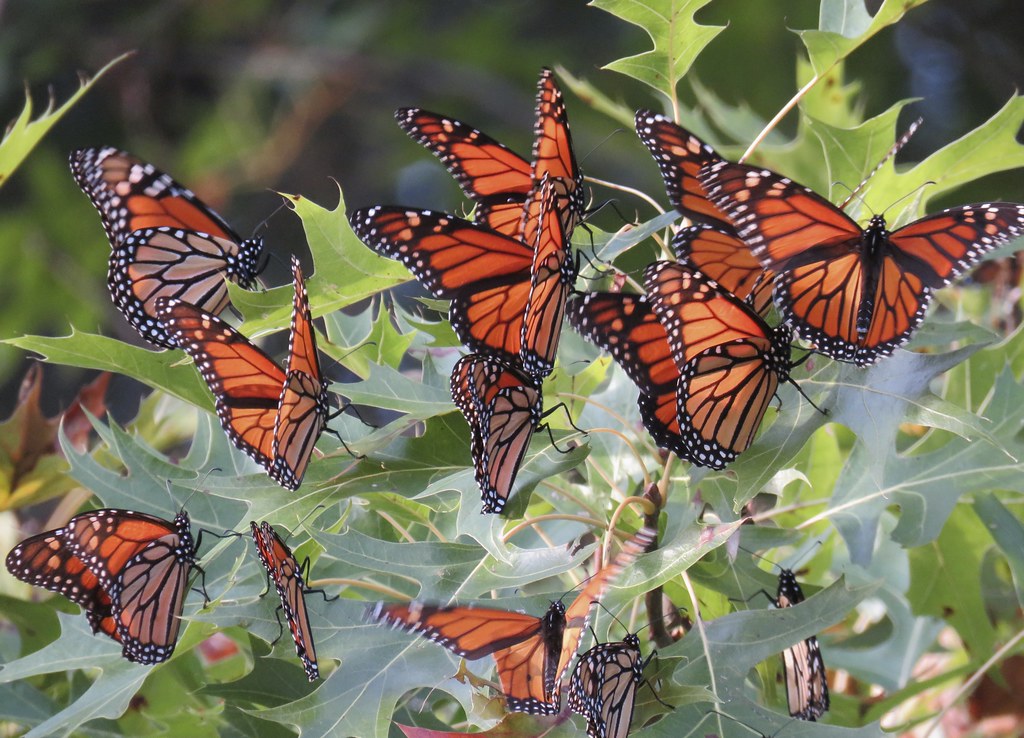
The results speak volumes about nature’s resilience. Flora and fauna have returned in abundance, including rare species like turtle doves, barbastelle bats, nightingales, and the purple emperor butterfly, for which the wild foliage has become an important breeding ground. In August 2023, two wild beavers brought in from Scotland welcomed their first offspring: the first beavers to be born in the wild in this part of England in 400 years.
Beyond Trees: The Hidden Carbon Sinks
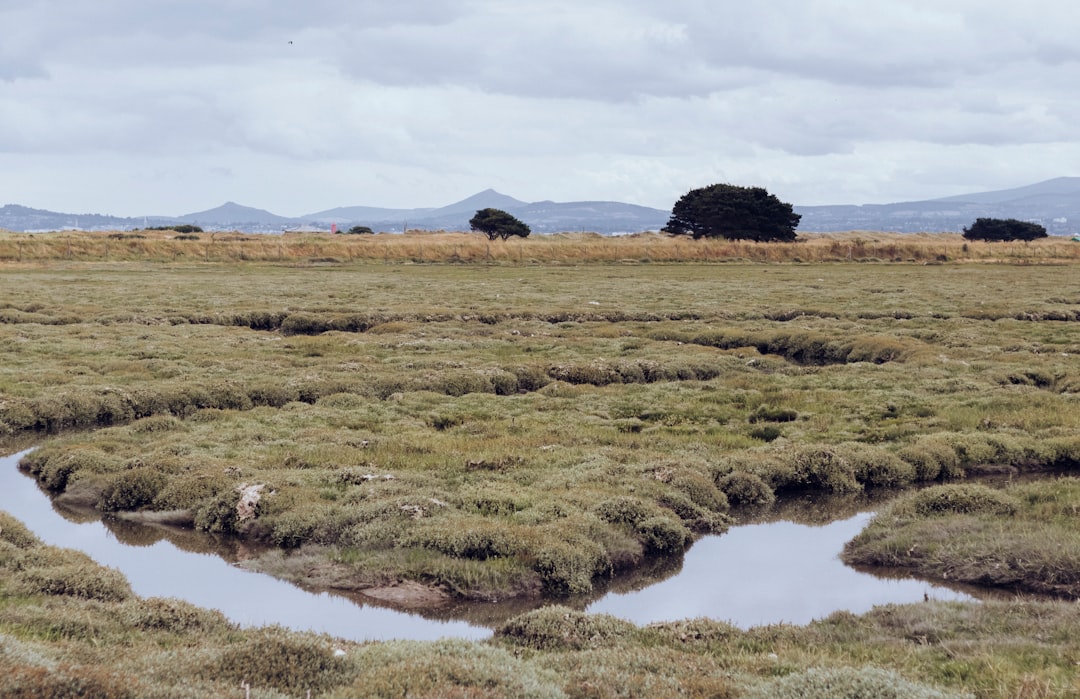
When you think about climate solutions, your mind probably jumps to tree planting. Yet rewilding reveals that some of our most powerful carbon storage systems are hiding in plain sight. Northern European countries shelter large expanses of peatlands – sometimes called moors, bogs or mires – that perhaps offer the greatest opportunity for natural climate mitigation.
According to a new WWF-commissioned study by the Institute for European Environmental Policy (IEEP), restoring degraded habitats that fall under the EU Habitats Directive could sequester 84 million tonnes of carbon (MtC) – or around 300 million tonnes of carbon dioxide – every year. This is the equivalent to the annual greenhouse gas emissions of Spain, or the combined emissions of the Benelux countries.
Coastal ecosystems pack an even bigger punch. Restoring coastal habitats such as saltmarshes and seagrass beds, which not only sequesters carbon through vegetation and sediment processes, but also offers benefits for flood risk management, biodiversity, tourism and fisheries. These blue carbon ecosystems can store carbon at rates up to ten times faster than terrestrial forests.
The Animal Advantage
Here’s something that might surprise you: animals aren’t just beneficiaries of carbon sequestration – they’re active participants in the process. We present scientific evidence showing that protecting and restoring wild animals and their functional roles can enhance natural carbon capture and storage.
Large herbivores act like living landscape architects. Cows — like these English longhorn cattle — can carry over 200 different types of seeds on their fur and in their hooves and dung. This helps distribute nutrients and plants across the estate, creating a “kaleidoscopic landscape,” says Burrell.
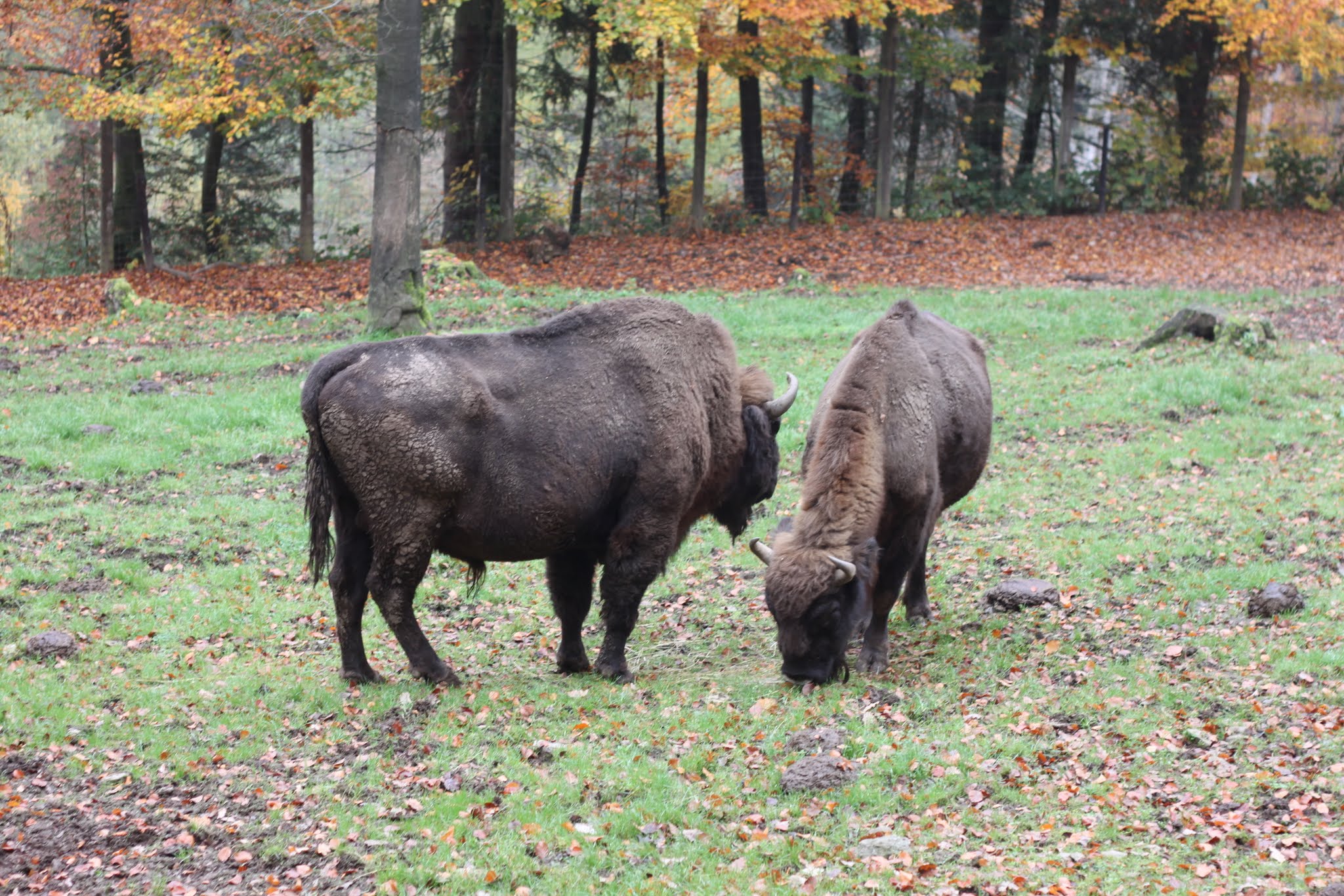
A recent study from the Yale School of the Environment estimates that reintroducing 170 European bison to Romania’s Țarcu mountains can play a significant role in climate change mitigation. The research suggests that 20 square miles of grassland, where the bison graze, are drawing down an additional 54,000 tons of carbon annually. This shows how animals don’t just live in ecosystems – they actively shape them for maximum carbon storage.
The Scale of Potential Impact
The numbers behind rewilding’s climate potential are genuinely staggering. It is estimated that approximately 150 GtC in carbon removal will be required this century, alongside a rapid phaseout of fossil fuel emissions, in order to maintain a good chance of limiting global average temperature rise to 1.5°C. But this is still short of what is needed. Rewilding, or the reintroduction of keystone species within protected areas, has the potential to increase total carbon sequestration potential to 150 GtC or more.
To put this in perspective, This is equivalent to over 15% of current global annual emissions, matching or surpassing each of the IPCC’s top five options for mitigating climate change (solar energy, wind energy, reduced deforestation, carbon capture and storage, and energy efficiency).
Rewilding European land results in a “cost per sequestered ton of carbon” of around 25–50 euros, which is far cheaper than most other methods of absorbing and locking up carbon. This economic efficiency makes rewilding not just an environmental solution, but a smart financial investment in our climate future.
The Reality Check: Challenges and Limitations
Though rewilding offers tremendous promise, you should know it’s not a magic bullet. We reviewed potential challenges that climate change poses to rewilding and found that the conservation value of large protected areas persists under climate change. Nevertheless, more attention should be given to protection of microrefugia, macrorefugia, complete environmental gradients, and areas that connect current and future suitable climates.
We are excited by the growing interest in this potential, but emphasize that a species’ net impact on ecosystem carbon dynamics is context-dependent. Caution is required whenever biodiversity conservation (including rewilding), climate change mitigation, and human welfare do not readily align.
One major concern is the potential for unintended consequences. Negative effects of rewilding mostly corresponded to projects focused on enhancing biodiversity when facing abiotic disturbances (e.g., wildfires, drought events), emphasizing the context-dependent nature in the outcomes of rewilding and its potential limitations. In some regions, removing grazing pressure might actually increase fire risk or disrupt established agricultural communities.
The Human Element
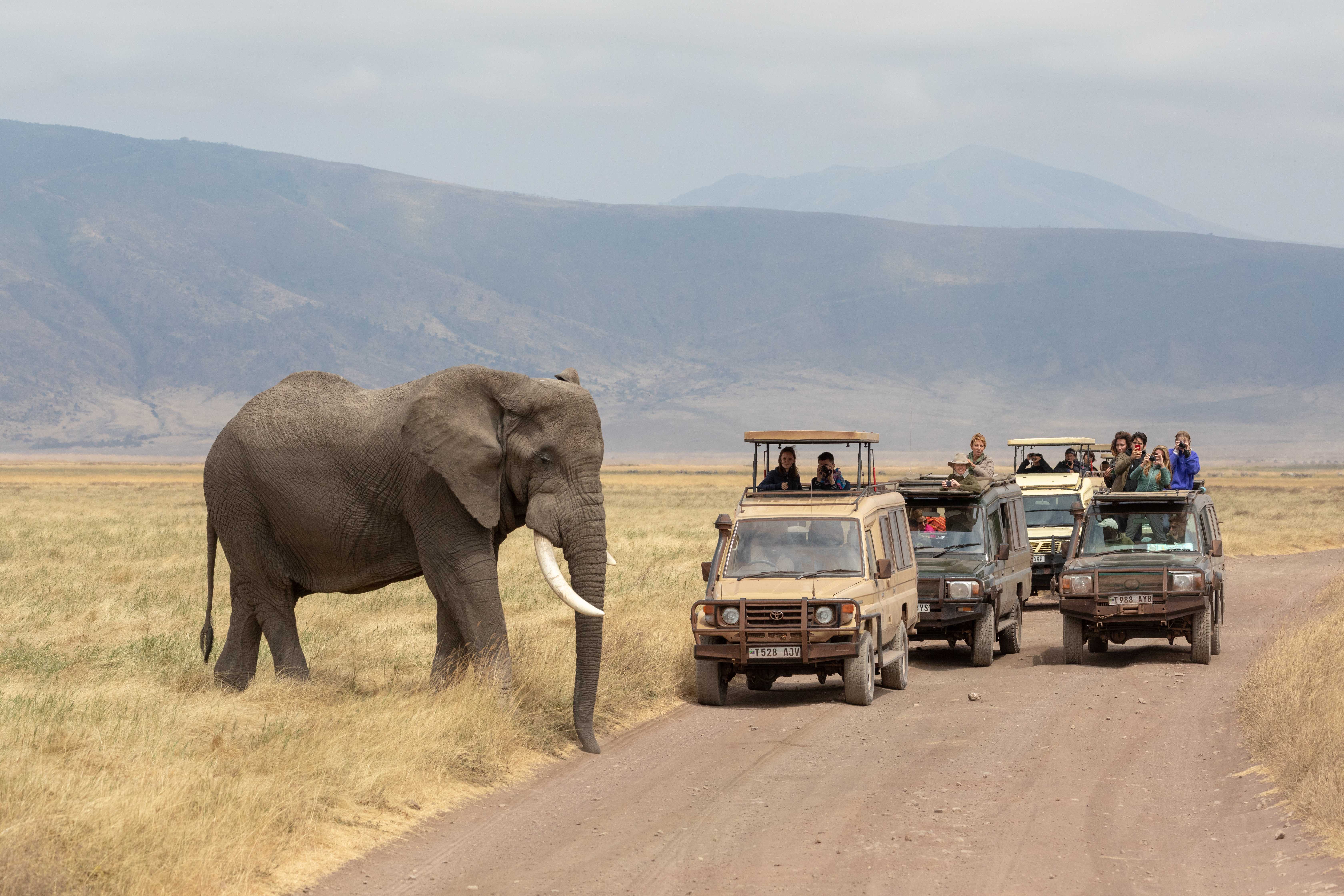
Perhaps the biggest challenge facing rewilding isn’t ecological – it’s social. A criticism often levelled at rewilding is that it focuses on returning to landscapes untouched by people and so risks disempowering local communities. But Wrigley argues rewilding must include people. “It’s not to take people out of the landscape and forbid them from touching or entering it,” she says.
For some, the idea of wild animals roaming their backyards is not a welcome idea. While there is a range of attitudes towards wolves and their reintroduction, Yellowstone Park’s efforts have faced pushback from local landowners.
Successful rewilding projects must navigate complex social dynamics, land ownership issues, and competing economic interests. Further, it requires that all participants balance the interests, needs and functions of humans, animals and ecosystems together. Human rights, animal welfare, environmental justice, intrinsic values and ecosystem functionality represent some of the interwoven ethical issues that are at stake in determining the outcome of rewilding efforts.
The Economics of Going Wild
You might assume that rewilding is expensive, but the economics tell a different story. The Yellowstone reintroduction program cost around $30 million to initially implement and while ecotourism in the area contributes over $35 million annually, initial hurdles lay in getting funding approved and public backing. Knepp Estate, still relies on government subsidies in the form of the Countryside Stewardship Scheme, even though it brings in large profit from ecotourism.
Since they rewilded the estate, Burrell and Tree have saved on many of the costs of running a conventional farm, while new revenue streams have helped to turn around Knepp’s finances. To prevent overgrazing, the numbers of large animals need to be kept in check, providing a steady supply of free-range, organic meat, most of which is sold direct to customers in London.
The economic model is promising but requires patience and diverse funding sources. Rewilding projects require substantial financial investment and long-term commitment. Securing continuous funding can be difficult, and projects may face setbacks if funding dries up. The Scottish Highlands rewilding initiatives for example have had to rely on diverse funding sources, including private donations, government grants, and ecotourism revenue.
Measuring Success
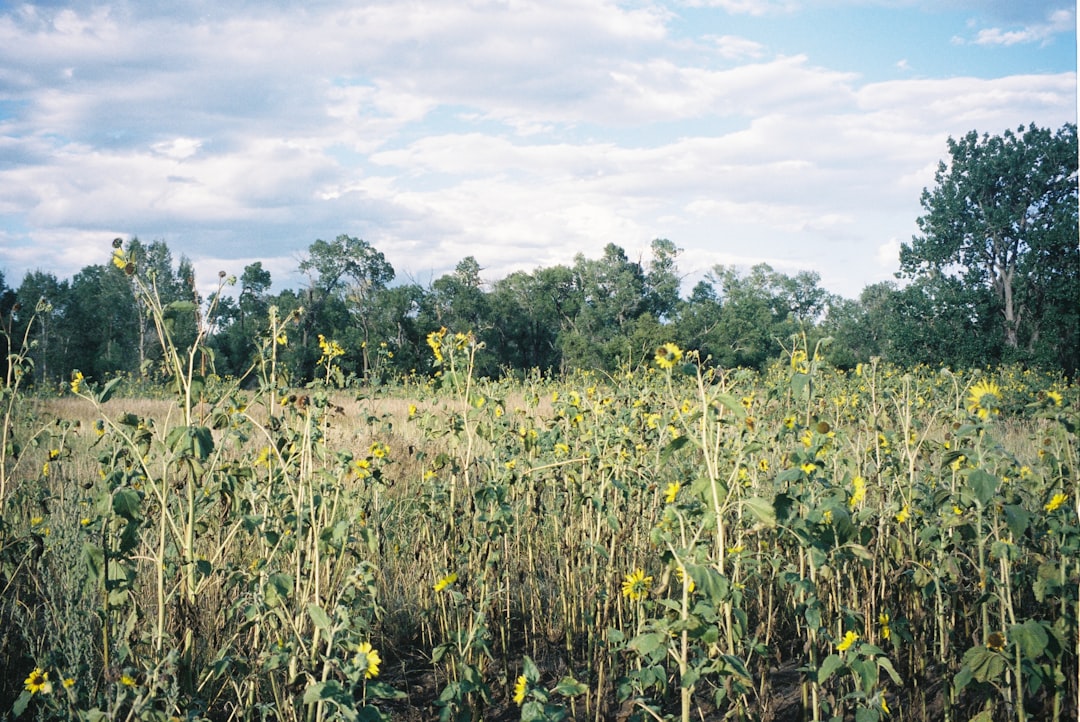
One of the trickiest aspects of rewilding is proving it works. The carbon storage potential of scrubland created by rewilding could be significant. Given the existing knowledge gaps, the investigation of carbon storage potential in scrubland species is of great significance and requires immediate attention.
Understanding of the carbon sequestration dynamics across different types of rewilding is currently limited, posing difficulties in quantifying their climate mitigation potential. This knowledge gap makes it harder to secure funding and support for new projects.
This size limitation has led to rewilded scrubland being disregarded when measuring carbon storage of woodlands using the WCC. This leaves a significant knowledge gap in the potential contribution of these scrubland species to carbon sequestration. Traditional carbon accounting methods weren’t designed for the complex, dynamic ecosystems that rewilding creates.
Global Momentum Building
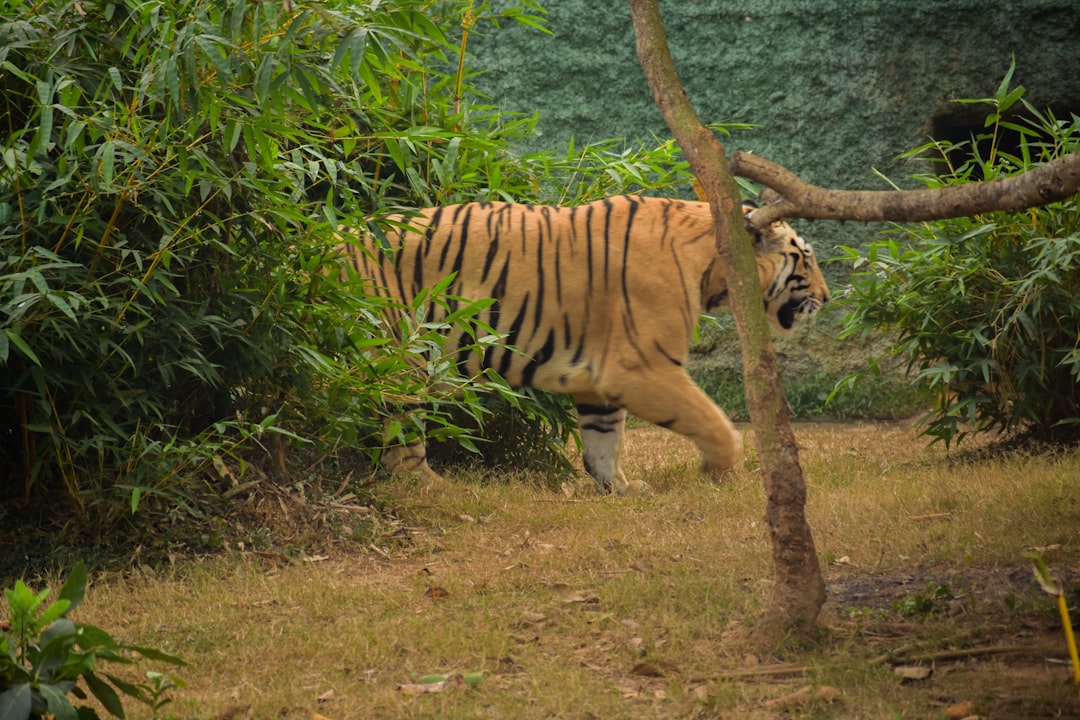
Despite the challenges, rewilding is gaining serious traction worldwide. The Global Rewilding Alliance is a network of practitioners and messengers of +130 members working on every continent (except Antarctica), restoring and rewilding nature on more than 100 million hectares of land and sea in 70 countries!
Starting in January 2024, the project is, for the first time, systematically assessing the impacts of two major rewilding approaches on carbon sequestration and biodiversity conservation at the European scale. Currently, a lack of comprehensive research on the topic prevents rewilding from being fully integrated into Europe’s strategy to reach net zero carbon emissions by 2050.
Rewilding ecosystems across Europe not only benefits wild nature, but it also enhances the wide range of benefits that such nature gives all Europeans – from clean air and water, carbon sequestration and fertile soil, right through to flood protection, climate change resilience and enhanced health and wellbeing. Yet, only 2% of all climate-related funding globally is put into the recovery of nature.
Looking to the Future
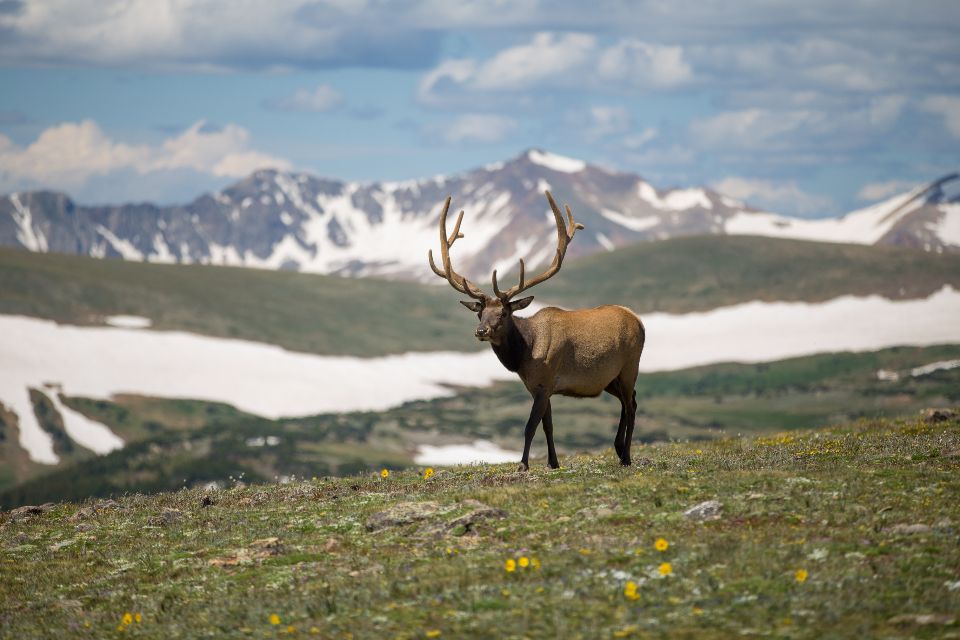
The question isn’t whether rewilding can contribute to climate solutions – the evidence clearly shows it can. The real question is whether we have the will and wisdom to implement it at the scale needed. In Rewilding Europe’s operational landscapes and beyond, the ongoing recovery of wild nature is contributing to climate change mitigation and adaptation. As a critical climate solution, rewilding is practical, inspirational, cost-effective, and available now. A solution that can not only help to mitigate the scale and impact of climate change, but which – at the same time – can also enhance biodiversity and make the world a more liveable place.
Scientists in Brazil recently found that restoring the most promising 15 per cent of ecosystems, including former forests, degraded grasslands and wetlands, could sequester 30 per cent of all CO2 released since the Industrial Revolution, and avoid 60 per cent of expected extinctions. Restoring tropical forests tended to bring the most carbon benefits, the researchers found.
The clock is ticking on climate action, and we need every tool available. Rewilding offers something unique – a solution that tackles biodiversity loss and climate change simultaneously while potentially paying for itself through ecosystem services and ecotourism.
Conclusion: A Wild Solution for Our Time
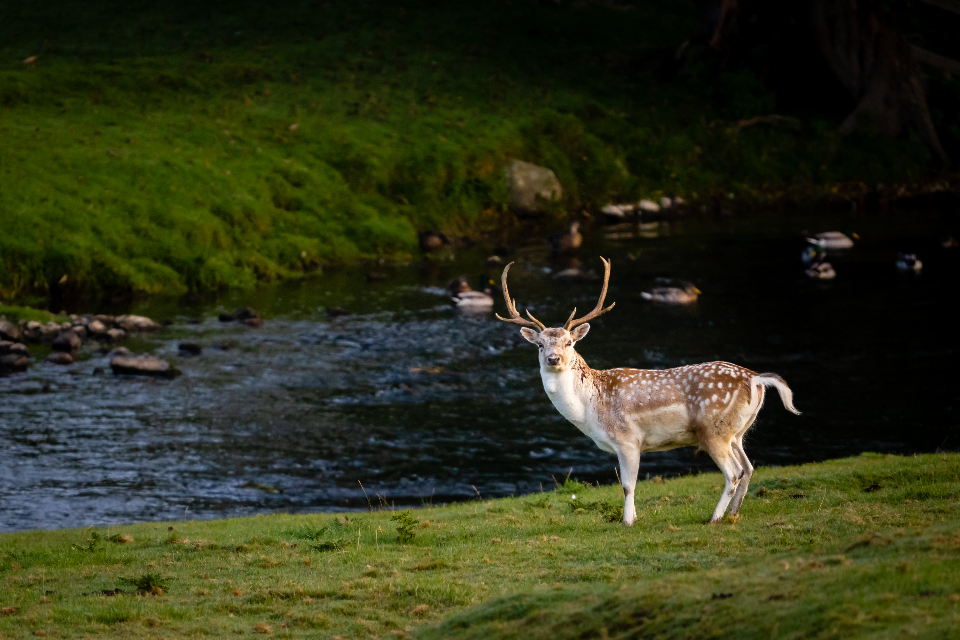
So The answer is nuanced but hopeful. While rewilding alone won’t solve the climate crisis, it represents a crucial piece of the puzzle that we’ve been largely ignoring. The new paper, he said, “supports the growing call to focus on natural processes rather than mostly unproven technologies to capture carbon and mitigate climate change. It shines new light on how we could benefit from conserving many types of wild animals for carbon capture.”
“But rewilding really is about rebuilding the natural capital of the planet. And it’s a very hopeful and necessary way of moving forward now.” The evidence shows that when we give nature space and time, it can exceed our expectations for healing both itself and our climate.
The choice is ours: continue trying to control every aspect of our environment, or trust in the power of wild systems to help save us all. What do you think – are you ready to embrace the wild side of climate solutions?
Hi, I’m Andrew, and I come from India. Experienced content specialist with a passion for writing. My forte includes health and wellness, Travel, Animals, and Nature. A nature nomad, I am obsessed with mountains and love high-altitude trekking. I have been on several Himalayan treks in India including the Everest Base Camp in Nepal, a profound experience.