
Every night, the Moon rewrites the world’s to‑do list. Corals erupt in mass spawning, shorebirds time their journeys, and hunters change tactics under silvered skies. Humans, meanwhile, have long read the Moon for meaning, from tide tables to birth charts. Today, a curious bridge has emerged between cultural insight and biology: assigning “spirit animals” to s as a narrative tool to explore behavior. It isn’t proof that astrology drives ecology, but it is a fresh lens for asking better questions about why certain traits resonate so strongly – and how lunar rhythms still pulse through living systems.
The Hidden Clues: From Ancient Tools to Modern Science
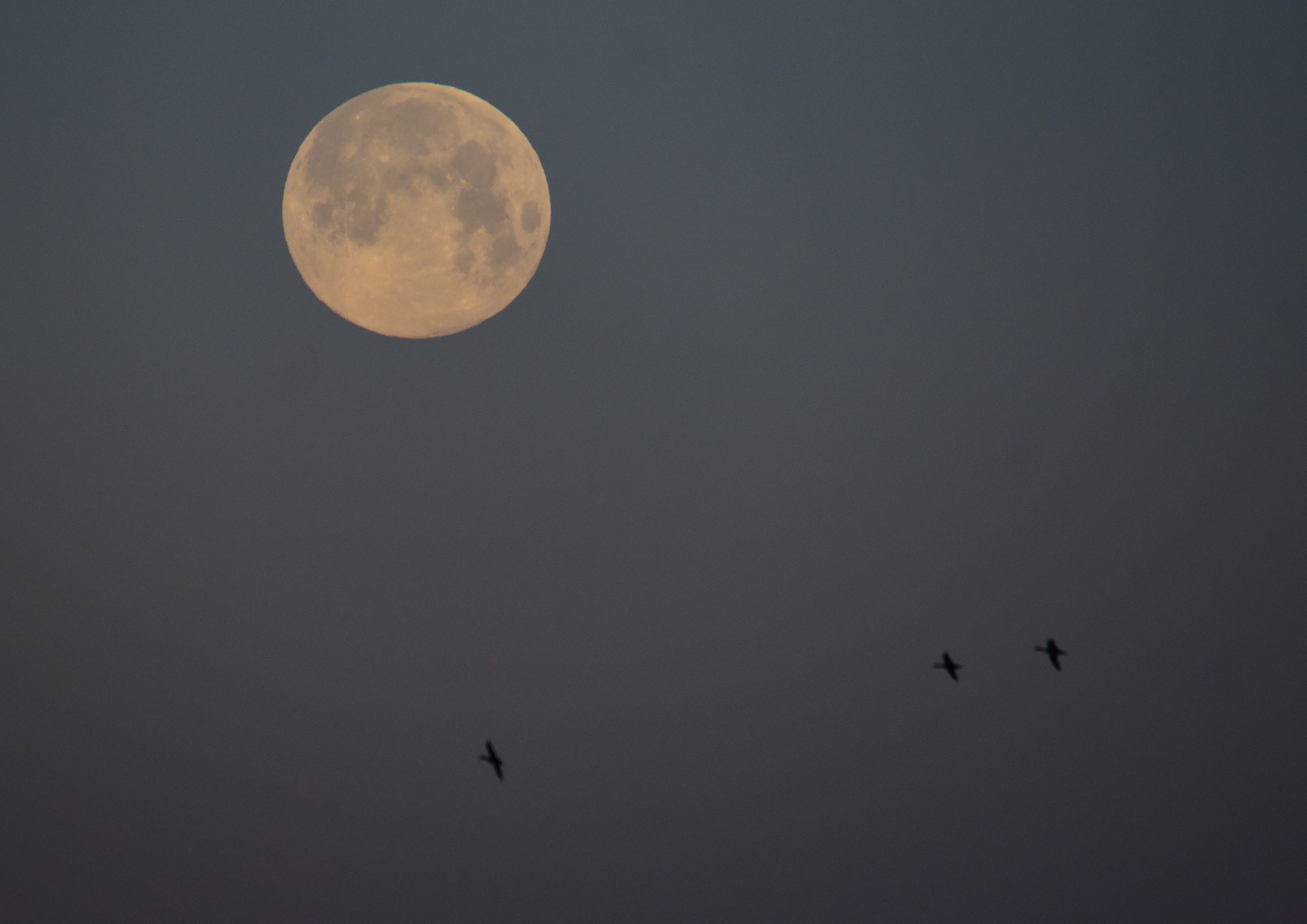
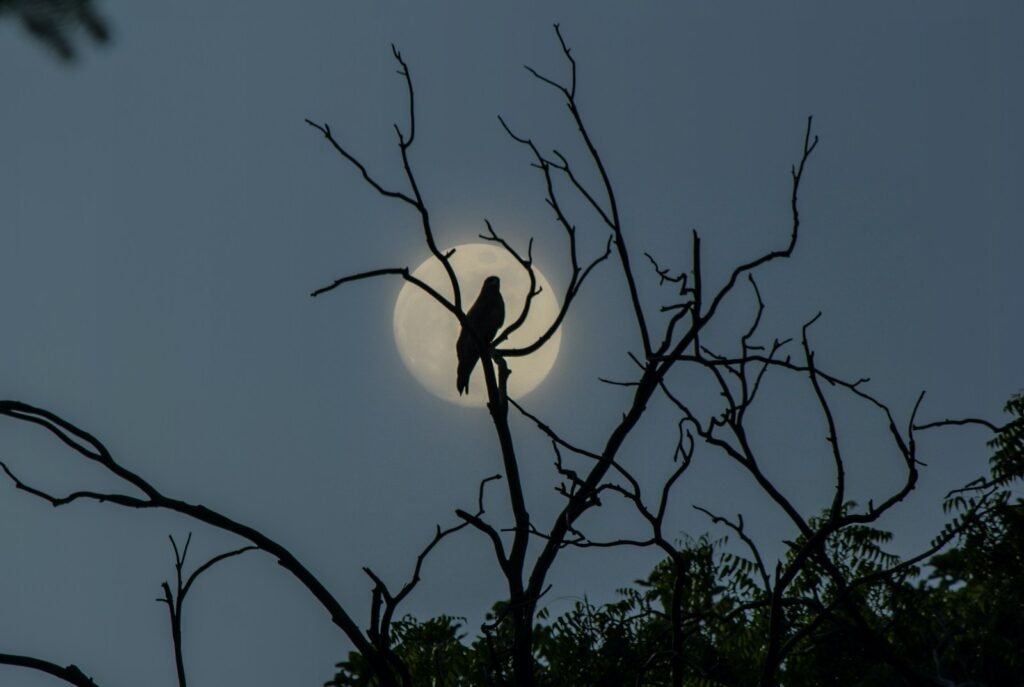
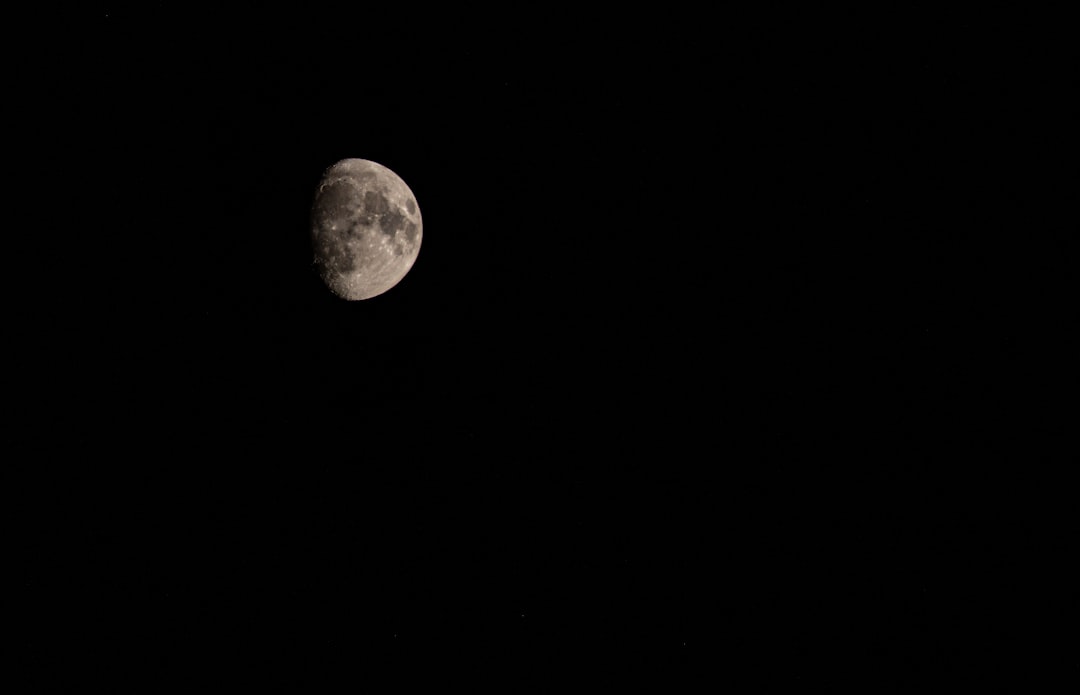
Look closely and the Moon leaves fingerprints on behavior across the tree of life. Reef-building corals synchronize spawning with lunar cycles, grunion surf onto beaches after particular lunar phases, and many predators and prey alter activity when nights brighten. These patterns don’t “validate” horoscopes, yet they do remind us that the Moon is more than a nightlight; it is a cue, a clock, and sometimes a stage.
That’s why pairing each with a species can be more than fun – it can be a doorway. By mapping traits we associate with inner temperament onto real ecological strategies, we translate symbolism into field-ready questions. The exercise works best when it admits its limits, stays grounded in observed behavior, and invites readers to compare myth with measurable biology.
Fire Signs in the Wild: Aries, Leo, Sagittarius
Aries Moon – Honey Badger: Bold, reactive, and hard to deter, honey badgers barrel through obstacles, raid hives, and shrug off stings thanks to thick skin and an outrageous risk budget. When the inner weather runs hot, Aries Moon energy resonates with this fearless problem-solver that treats barriers like suggestions. It’s not recklessness so much as a reflex to meet the world head‑on.
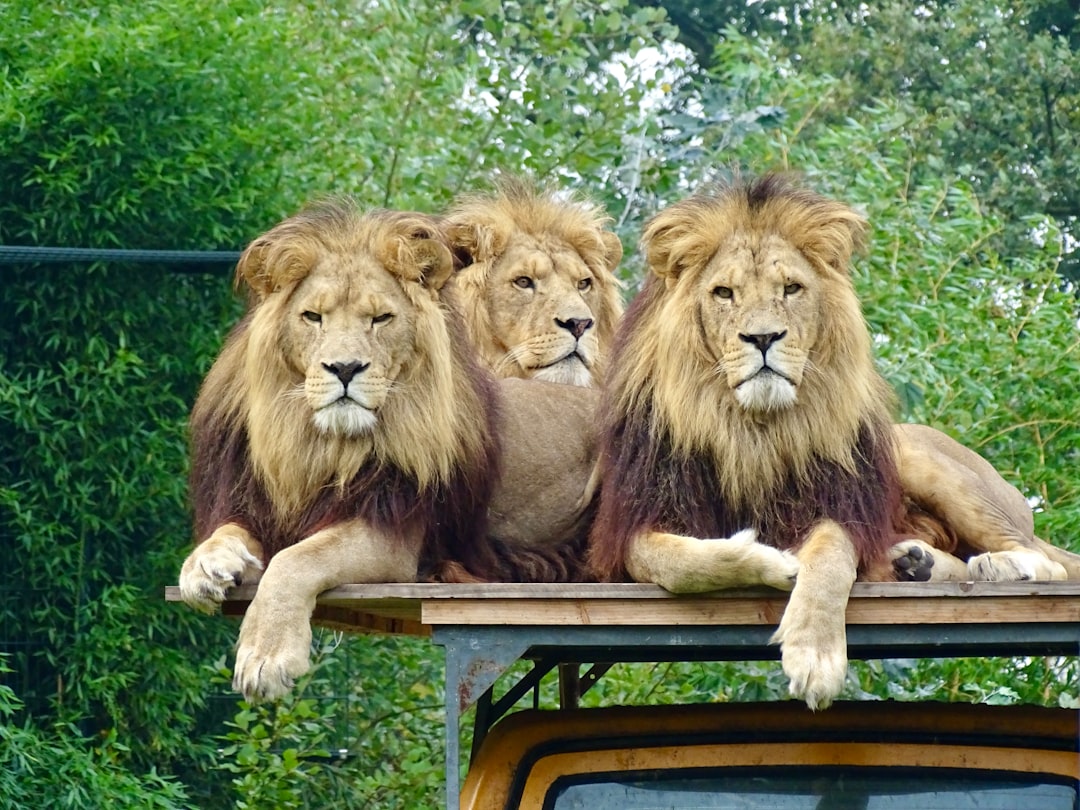
Leo Moon – African Lion: Social theater and responsibility meet in lion prides, where displays matter and leadership carries weight. A Leo Moon’s need to shine pairs with a species that signals confidence through stance, mane, and ritual – all while defending territory and kin. The performance is real because the stakes are real.
Sagittarius Moon – Bar‑Tailed Godwit: Long-haul navigators that cross oceans in marathon flights embody a restless, horizon-chasing spirit. Sagittarius Moons find kinship with a bird built for big arcs and bigger risks, reading winds and starfields the way some of us read maps. Curiosity here is literal movement, measured in continents rather than steps.
Earth Signs that Endure: Taurus, Virgo, Capricorn
Taurus Moon – American Bison: Grounded doesn’t mean slow; it means steady enough to reshape landscapes. Bison move like weather systems across prairies, mowing, wallowing, and engineering habitats for countless other species. A Taurus Moon channels that quiet force – sensory, stubborn, and tuned to the comfort of reliable ground.
Virgo Moon – Leafcutter Ant: Precision becomes ecosystem. Leafcutters farm fungus, sort waste, and manage hygiene with a coordination that looks like tiny logistics software. Virgo Moons echo this devotion to process, proving how care and calibration can scale into stability.
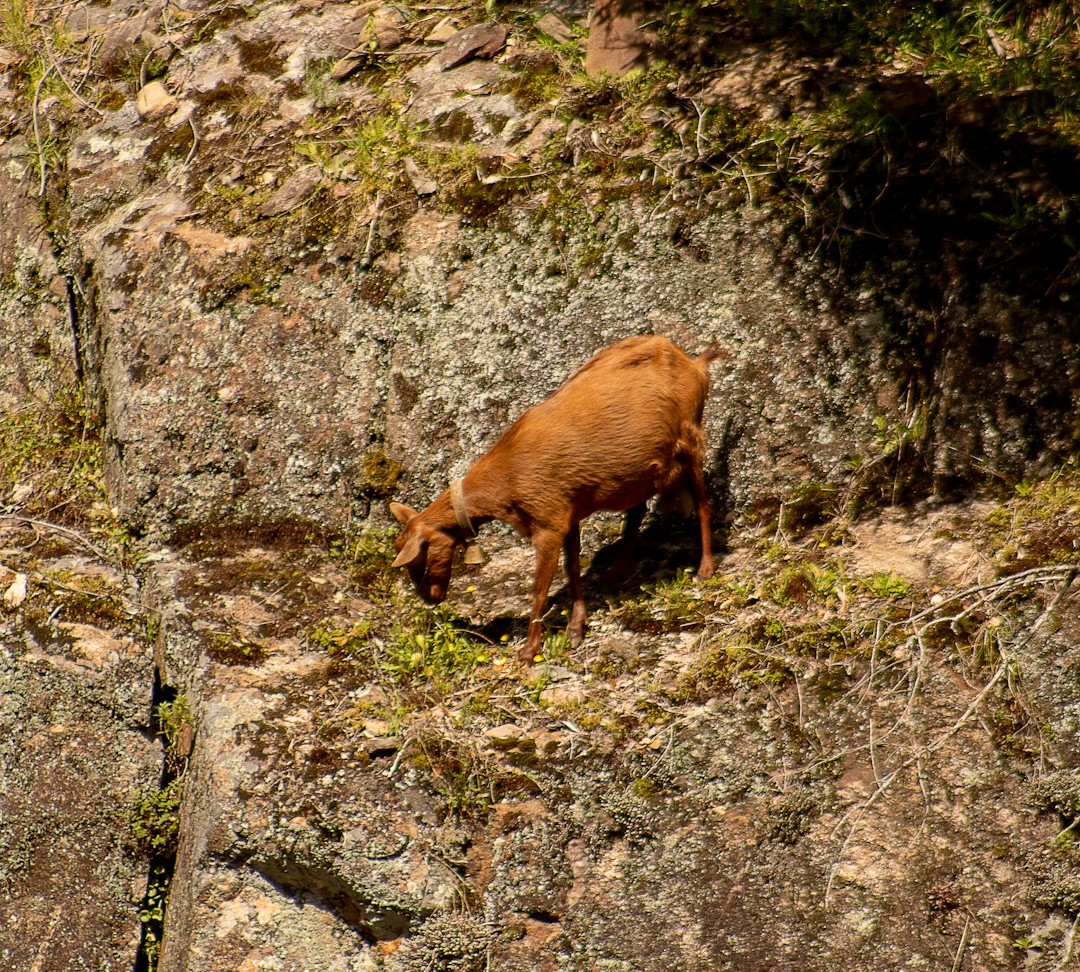
Capricorn Moon – Mountain Goat: Sure‑footedness is a survival strategy carved by thin air and bad footing. Mountain goats pick improbable lines across cliff faces with economical, relentless focus. Capricorn Moons recognize that ascent is an ethic, not a mood, and that the cleanest route is the one you can repeat in any weather.
Air Signs that Signal: Gemini, Libra, Aquarius
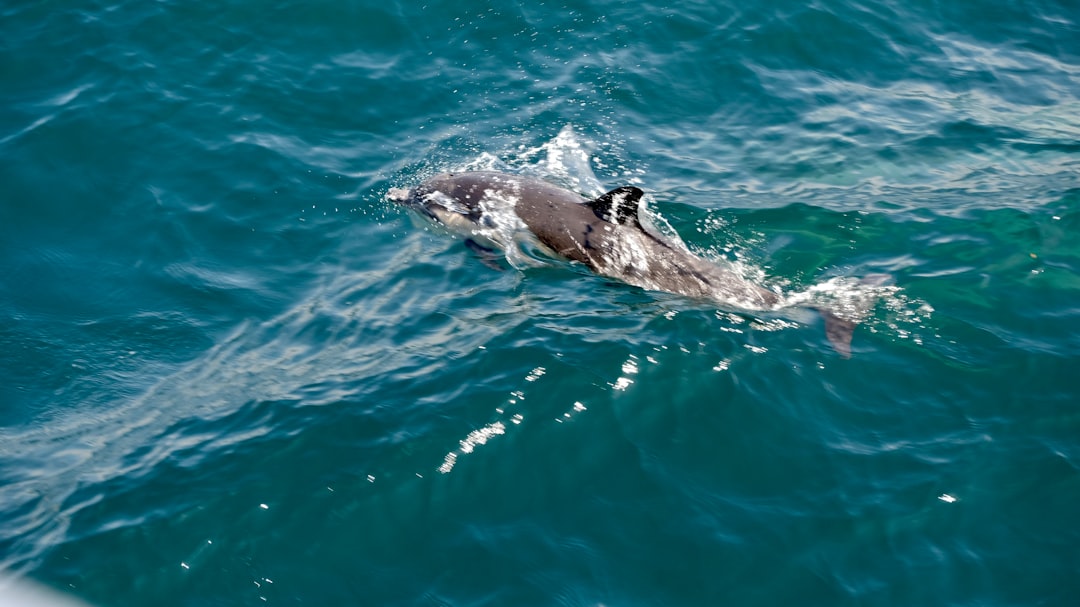
Gemini Moon – Bottlenose Dolphin: Conversation is a superpower when information equals advantage. Bottlenose dolphins swap signals, coordinate hunts, and use individualized whistles that function like names. A Gemini Moon resonates with this mercurial fluency, turning curiosity into connection and chatter into strategy.
Libra Moon – Red‑Crowned Crane: Balance becomes visible in the crane’s synchronized dances and long pair bonds. These birds make collaboration look like art, aligning movement with meaning in ways that preserve trust. Libra Moons see themselves in that equilibrium – negotiation as choreography, harmony as habitat.
Aquarius Moon – Octopus: Inventive, solitary, and wired for puzzles, octopuses rearrange their worlds and slip every script. Their distributed nervous systems and flexible bodies rewrite the definition of “tool use” on the seafloor. Aquarius Moons find kinship in that iconoclasm, where difference isn’t a quirk but a method.
Water Signs that Sense: Cancer, Scorpio, Pisces
Cancer Moon – African Elephant: Family maps the mind. Elephants navigate life through deep social memory and attentive caregiving, with behaviors that resemble mourning and mentorship. Cancer Moons align with that protective radius, where home is portable and bonds are the best shelter.
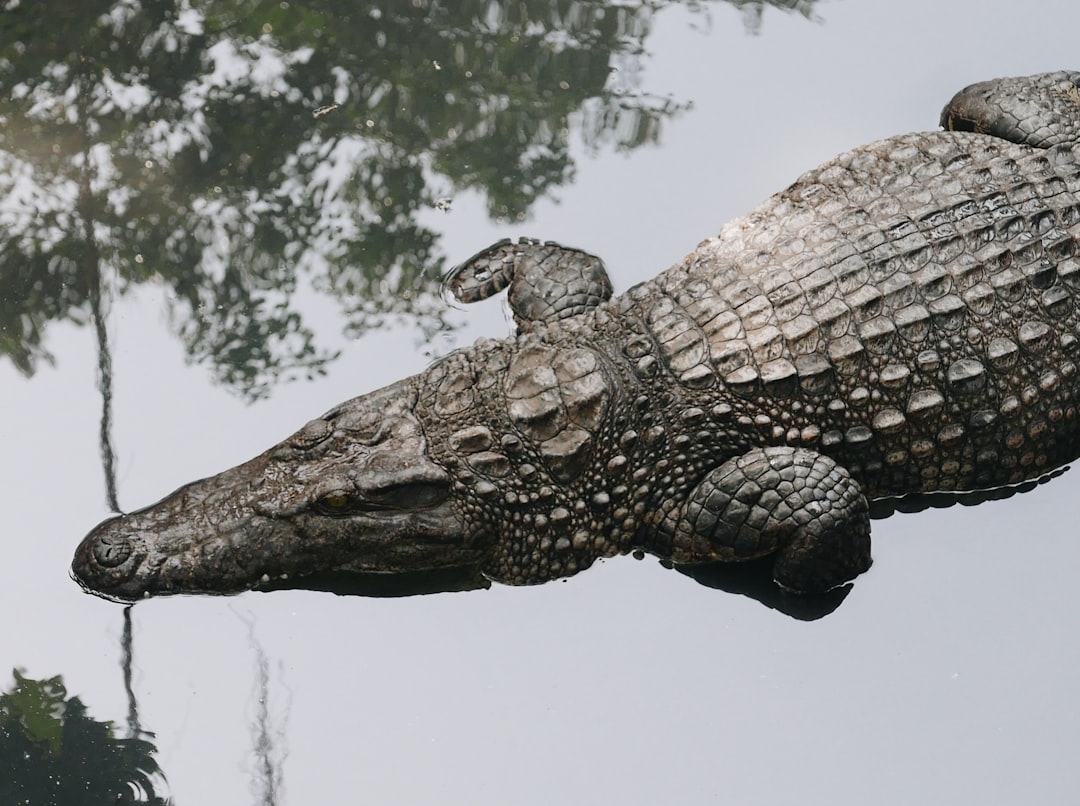
Scorpio Moon – Saltwater Crocodile: Patience and power, sealed beneath a glass‑still surface. Saltwater crocodiles wait, calculate, and strike when the math favors certainty, not spectacle. Scorpio Moons recognize that intensity is a resource to be banked, not broadcast.
Pisces Moon – Humpback Whale: Songs travel like messages in a bottle. Humpbacks weave evolving vocal patterns across ocean basins and navigate immense migrations with oceanographic grace. Pisces Moons hear that call to depth, where sensitivity isn’t fragility – it’s sonar.
Why It Matters: From Culture to Conservation
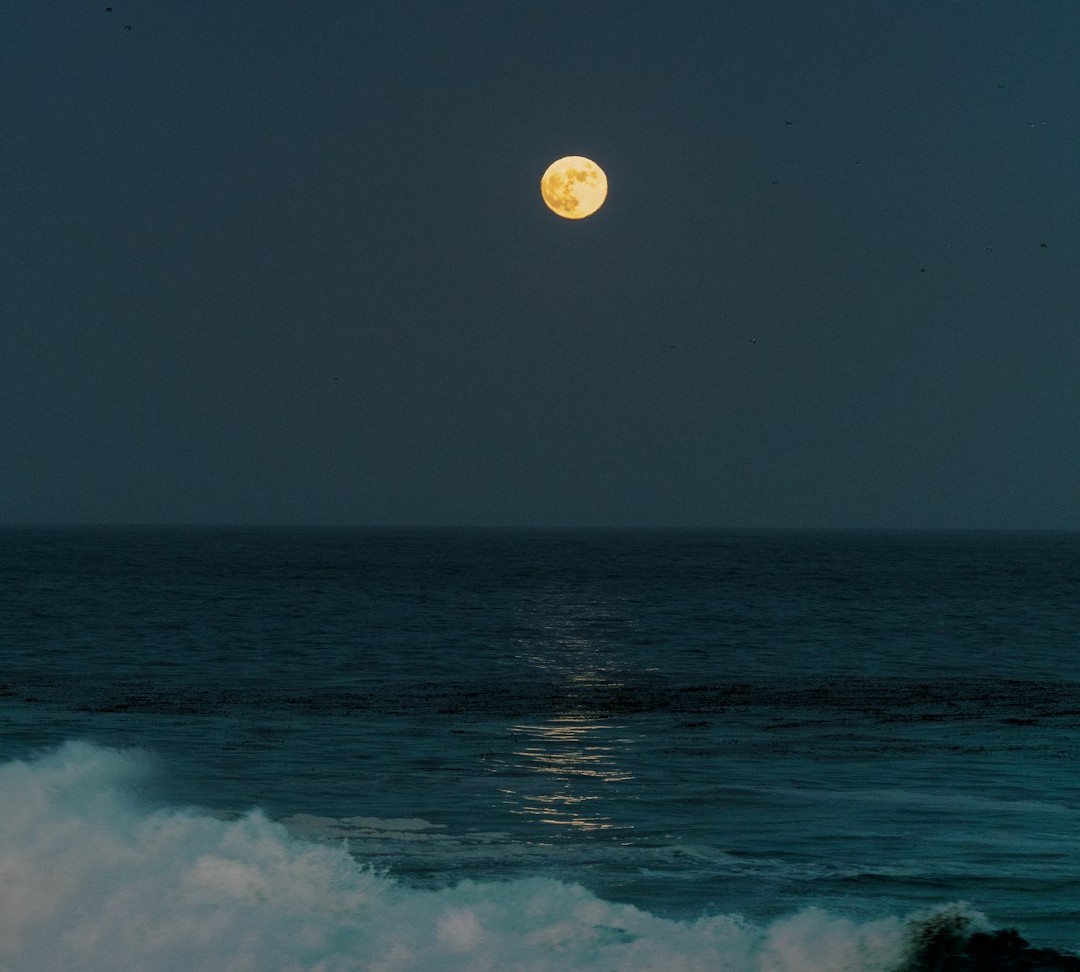
This lens doesn’t test astrology; it tests our attention. If a Leo Moon reader learns more about pride dynamics, or a Virgo Moon fan falls down a rabbit hole on ant agriculture, the culture‑to‑science bridge is doing real work. Curiosity is a gateway drug to evidence, and evidence is how we protect what fascinates us.
It also reframes identity as an ecological prompt rather than a silo. Instead of asking whether the stars dictate behavior, we ask how stories can move people toward measurable outcomes: habitat protection, species monitoring, and better science literacy. I still remember crouching on a dark beach, watching grunion flip in the surf under a bright Moon – my first visceral lesson that folklore and field notes sometimes point to the same tide.
The Hidden Clues in Practice
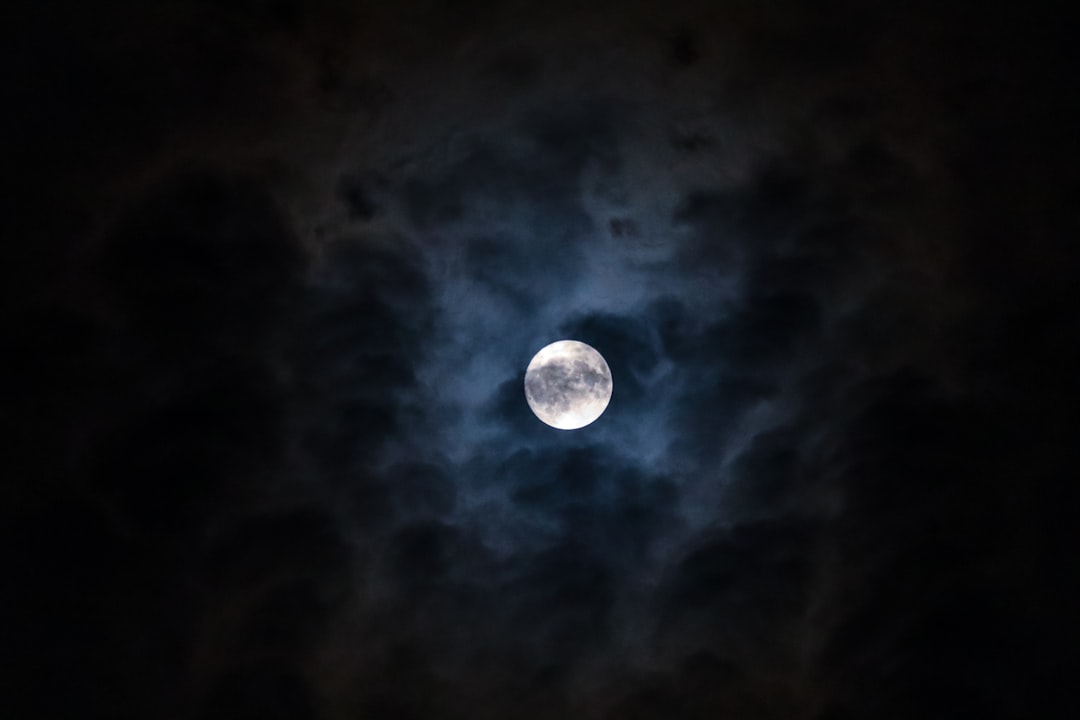
Consider how lunar illumination shapes night life: some prey species stall their foraging on bright nights, while certain predators pivot to ambush or rest to conserve energy. Tuning your attention to these cycles adds nuance to each pairing above, turning metaphor into hypotheses you can test on a walk at dusk. If you’re an Aquarius Moon octopus enthusiast, for instance, you might scan a tidepool calendar and notice when nocturnal activity spikes.
Likewise, following migration trackers during lunar peaks can make a Sagittarius Moon’s wanderlust feel grounded in real telemetry. A Taurus Moon might check prairie restoration updates after spring new moons, when plant growth surges and grazers reset their routes. The key is to let the story aim your curiosity, then let the data steer your feet.
The Future Landscape
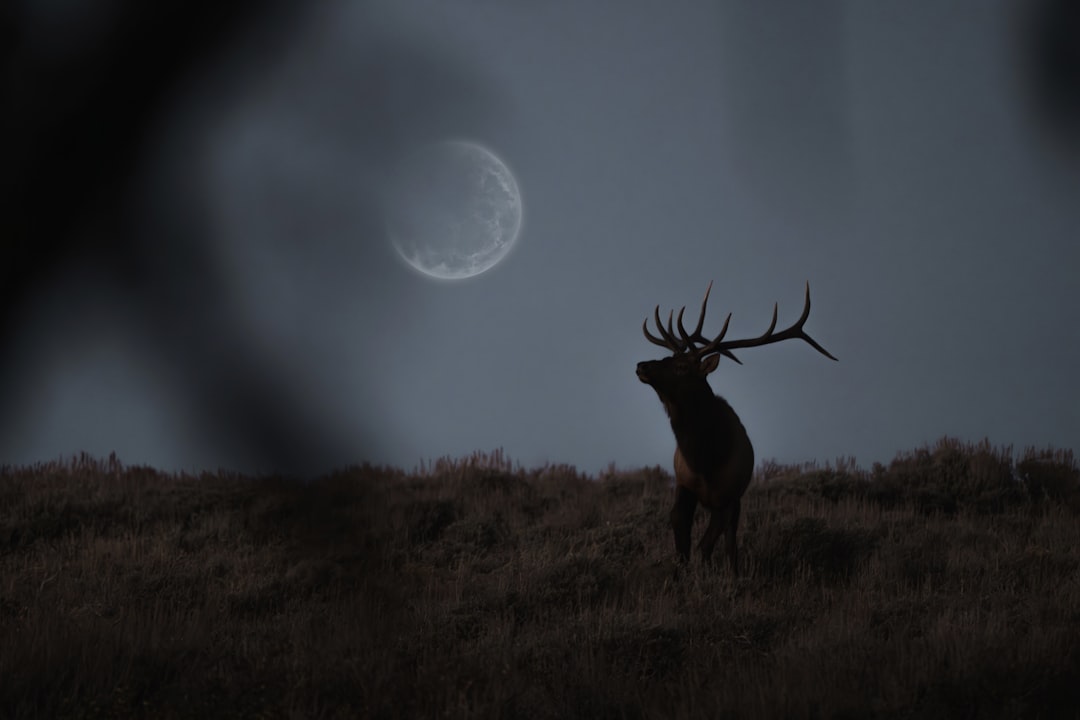
What happens when algorithmic sky maps meet community science? We’re on the cusp of phone‑based apps that blend moon‑phase forecasts, animal movement models, and local biodiversity alerts into one living dashboard. As light pollution grows, these tools could also reveal where lunar cues are being drowned out – and where dark‑sky protections are working.
There are hard questions ahead. Will shifting climates decouple historic lunar timing from food availability, stressing migrations and spawning events? Can restoration plans integrate lunar cycles to boost success, from coral outplanting windows to beach closures during nesting surges? The next wave of insight will come from pairing folklore’s timing instincts with rigorous monitoring in the places people already love.
How to Engage
Pick your ’s species and adopt it as a learning project for the year. Read a short natural history, track a local population, or visit a zoo or accredited aquarium with a field journal in hand. If access is limited, follow reputable wildlife cams through different lunar phases and note what changes.
Support dark‑sky initiatives, habitat restoration funds, or community science platforms that welcome weekend observers. Share what you notice without insisting on certainty; curiosity spreads better than certainty. Let the Moon set your calendar for a month, then check your notes against the night sky – did your instincts match the tide?
Suhail Ahmed is a passionate digital professional and nature enthusiast with over 8 years of experience in content strategy, SEO, web development, and digital operations. Alongside his freelance journey, Suhail actively contributes to nature and wildlife platforms like Discover Wildlife, where he channels his curiosity for the planet into engaging, educational storytelling.
With a strong background in managing digital ecosystems — from ecommerce stores and WordPress websites to social media and automation — Suhail merges technical precision with creative insight. His content reflects a rare balance: SEO-friendly yet deeply human, data-informed yet emotionally resonant.
Driven by a love for discovery and storytelling, Suhail believes in using digital platforms to amplify causes that matter — especially those protecting Earth’s biodiversity and inspiring sustainable living. Whether he’s managing online projects or crafting wildlife content, his goal remains the same: to inform, inspire, and leave a positive digital footprint.