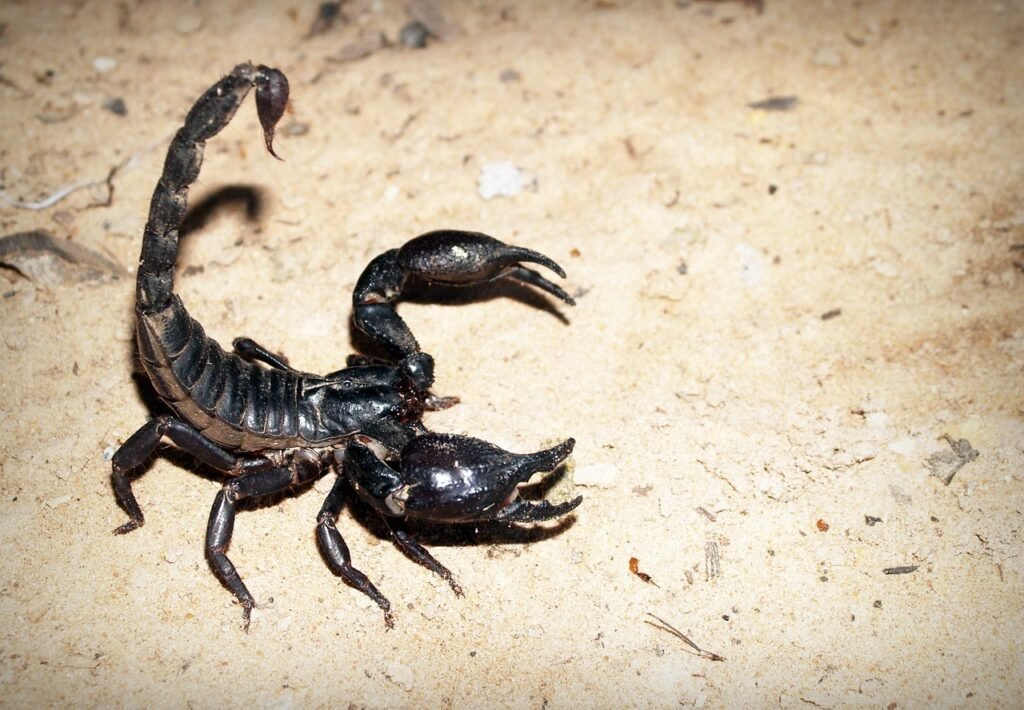
Every year, millions of people choose a dog the way they choose a sofa – by color, shape, and vibe – then discover that temperament is what really matters. Breed stereotypes promise shortcuts, yet new genetics and behavior research say those promises are shaky, especially for mixed-breed dogs that make up most shelter populations. Here’s a different map: use zodiac archetypes as a playful, human-friendly lens to think about energy, motivation, and social style, while still grounded in what science knows about canine behavior. The stars won’t train your dog, of course, but these familiar traits can nudge us to ask better questions at the shelter or breeder. Think of it as folklore meeting evidence: a story-led way to pick a companion whose needs match your life, not just your Instagram.
From Ancient Tools to Modern Science
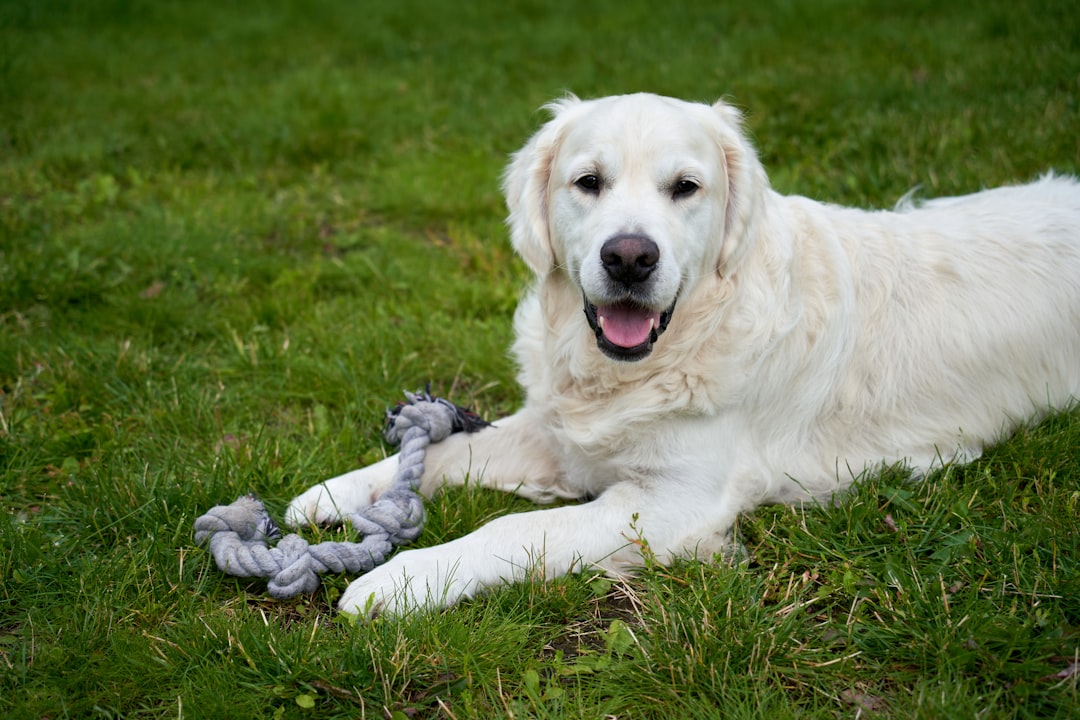
What if a stargazer’s map could be a cheat sheet for meeting your match at the shelter, not as prophecy but as a conversation starter backed by behavior data? Modern canine science shows that individual dogs vary widely and that breed alone explains only a small sliver of behavior, so it’s smarter to focus on traits like sociability, biddability, and play drive. Large owner surveys and genetic work have found that breed accounts for only a modest fraction of behavioral differences, while age, sex, training history, and environment often matter more, especially for family life. That’s why I bring a notepad when I meet dogs: I jot how quickly they re-engage after a distraction, whether they seek eye contact, and how they play, because those patterns predict our daily rhythm better than a label. Standardized tools such as the Canine Behavioral Assessment and Research Questionnaire help quantify these tendencies across thousands of dogs, giving adopters a language beyond “good with kids.” ([aaas.org](https://www.aaas.org/news/dogs-breed-doesnt-determine-its-behavior?utm_source=openai))
Fire s: Aries, Leo, Sagittarius

Fire s burn bright, and their canine matches thrive on momentum, novelty, and a bit of showmanship. For Aries’ charge-ahead spirit, consider high-energy but people-keen partners like the Vizsla or Australian Shepherd, which channel intensity into games and jobs when given clear structure and daily outlets. Leo’s solar swagger pairs well with confident, social breeds that enjoy being seen – think Boxers or retrievers that relish greeting lines at the park and family gatherings. Sagittarius craves adventure and distance; athletic explorers such as German Shorthaired Pointers or Siberian Huskies suit hiking weekends and long runs, provided you respect their stamina and mental appetite. The science caveat is simple: even within these breeds, individuals span a wide range, so meet adult dogs when possible and ask to see how they transition from excitement back to calm.
Earth s: Taurus, Virgo, Capricorn
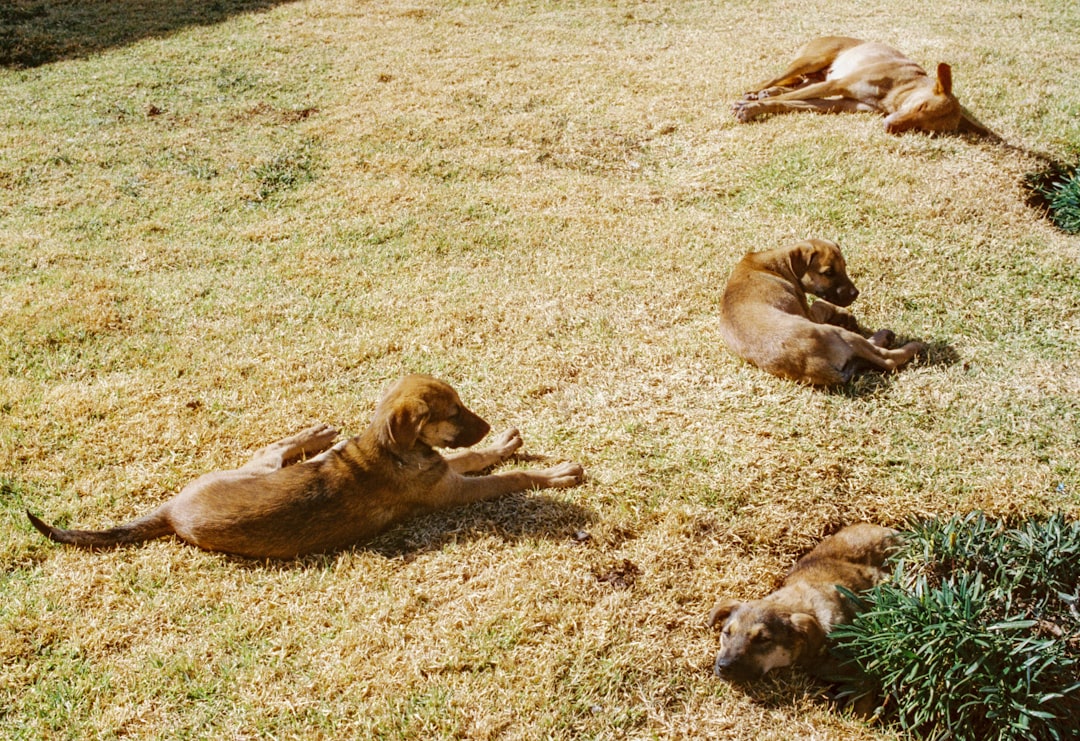
Earth s anchor a household, and their best canine partners savor routine, touch, and tangible tasks. Taurus often appreciates calm, tactile companions like Bulldogs or Basset Hounds that love steady schedules and long, nose-led strolls punctuated by naps in sunbeams. Virgo’s organized, detail-forward nature meshes with precise learners such as Standard Poodles or Shetland Sheepdogs that excel in step-by-step training and enrichment puzzles. Capricorn’s disciplined, goal-focused streak fits sturdy workers like German Shepherd Dogs or Standard Schnauzers that bond through consistent rules and purposeful jobs, from scent games to urban agility. If you’re earth-aligned, prioritize dogs who recover quickly after surprises and show sustained focus, because those micro-traits turn everyday routines into smooth rituals.
Air s: Gemini, Libra, Aquarius
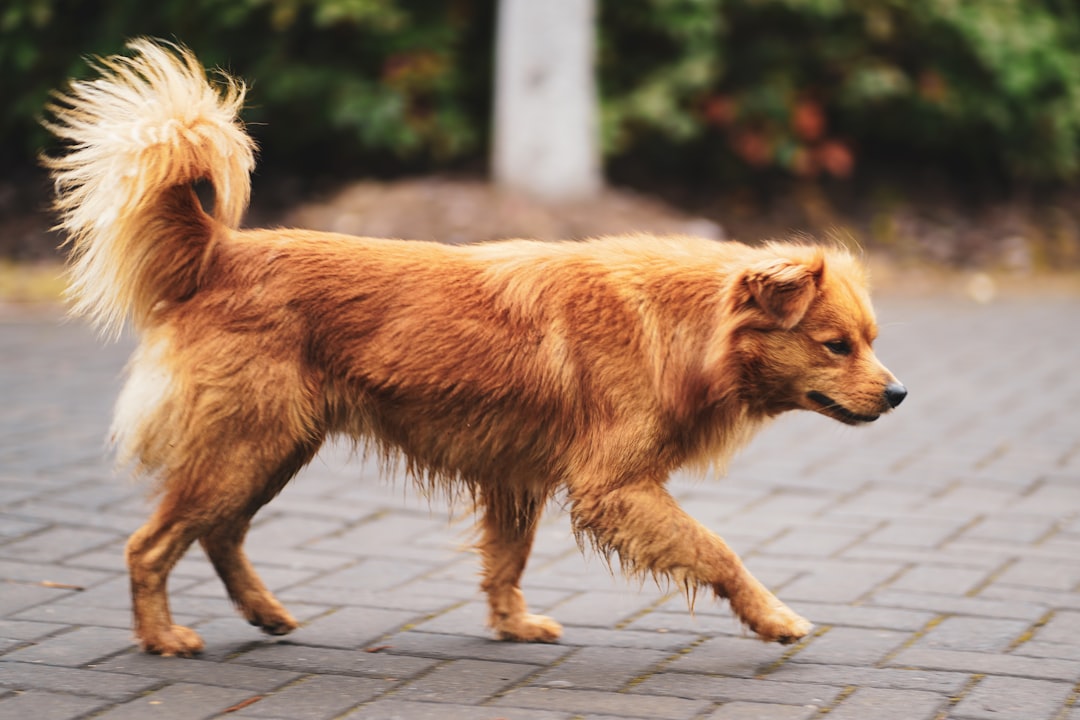
Air s trade in ideas and social currents, and their canine counterparts are curious communicators with flexible minds. Gemini’s quicksilver attention suits bright, chatty breeds like Papillons or Parson Russell Terriers that love learning tricks and toggling between activities without losing their sparkle. Libra seeks harmony and hospitality; Cavaliers or Cocker Spaniels often thrive as gentle hosts, happy to mingle and recalibrate to the room’s mood with soft eye contact and easy affection. Aquarius is the innovator, well matched with brainy, independent problem-solvers such as Australian Cattle Dogs – or a thoughtfully chosen mixed-breed from a shelter whose quirky blend rewards creative training. For air s, look for dogs that experiment during play, offer spontaneous check-ins, and adapt to shifting plans, because those als hint at social fluency.
Water s: Cancer, Scorpio, Pisces

Water s read the room before they cross it, pairing best with dogs that feel deeply and attach wholeheartedly. Cancer’s nurturing beat fits family-first companions like Labrador Retrievers or American rescue mixes with soft temperaments that gravitate toward the kids’ pillows and the kitchen’s warm tiles. Scorpio runs intense and loyal; Doberman Pinschers or Dutch Shepherds can be superb partners for experienced handlers who enjoy focused training and channeling drive into scent work or protection sports. Pisces drifts toward empathy and calm, making retired racing Greyhounds or Havanese appealing for their gentle presence, quiet grace, and surprising silliness at home. With water s, prioritize dogs that recover from startle with a quick sigh and a lean into your leg, because resilience plus tenderness is the glue of this pairing.
Why It Matters

Matching by vibe isn’t fluff – it’s a welfare issue for dogs and families, where early mismatches can snowball into stress, returns, or behavior issues. Traditional breed-first shopping can overlook the traits that truly govern daily life, like tolerance for alone time, reactivity to motion, and appetite for problem-solving games. Behavior research suggests that while breed histories shape tendencies for certain motor patterns – herding, pointing, retrieving – the vast majority of day-to-day behavior depends on the individual and the environment you build together. Tools like validated behavioral questionnaires and structured meet-and-greets help shift the conversation from looks to lifestyle fit, improving retention and well-being on both ends of the leash. In other words, the zodiac here is a bridge to better questions, not an answer key, and the data-driven part is how you test those questions with real dogs. ([aaas.org](https://www.aaas.org/news/dogs-breed-doesnt-determine-its-behavior?utm_source=openai))
The Future Landscape
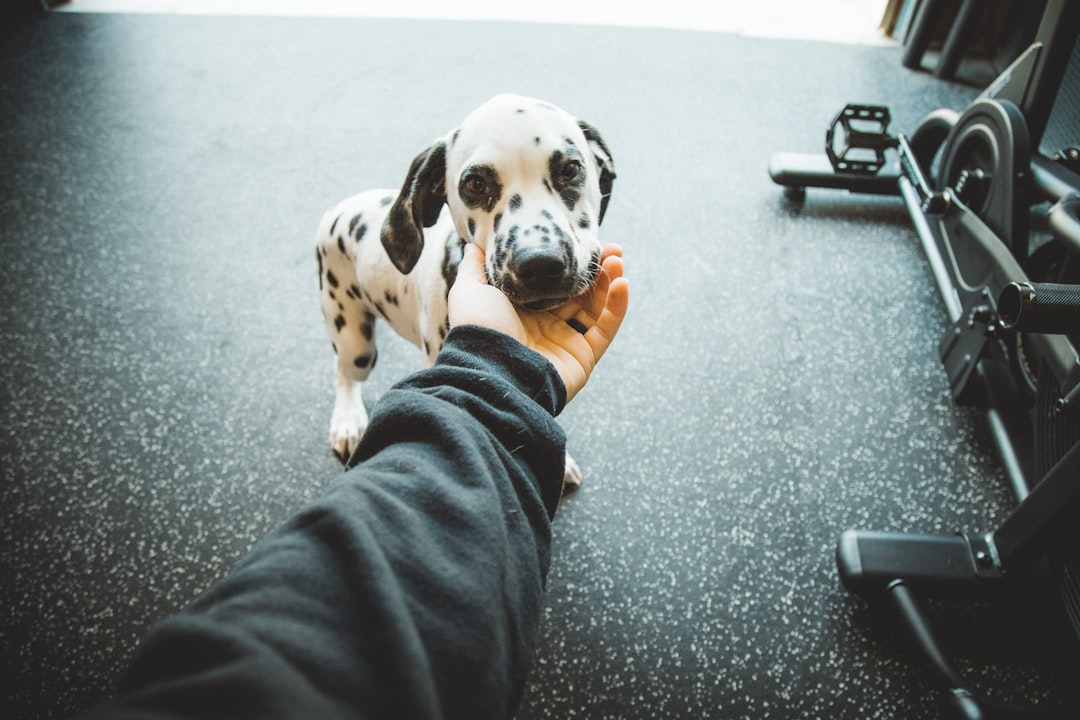
Adoption is getting smarter, and the next wave blends shelter observations, wearable sensors, and short cognitive games to forecast a dog’s ideal home more reliably than a breed label. Expect platforms to combine owner-reported behavior with video analysis and simple brain tests – like detour tasks or nose-work preferences – to match energy, patience, and training goals at scale across cities. Genetics will still matter, mostly for health risks and working aptitudes, while brain imaging studies in awake, un-sedated dogs continue to map how reward and attention circuits respond to human cues and scent, refining training strategies. For the zodiac curious, algorithms could one day translate archetypes into trait profiles – adventurous, steady, talkative – and crosswalk them to individual dogs scored from real-world data. The north star doesn’t decide the match; it just points you faster toward the questions that science can answer. ([pubmed.ncbi.nlm.nih.gov](https://pubmed.ncbi.nlm.nih.gov/33179730/?utm_source=openai))
Conclusion
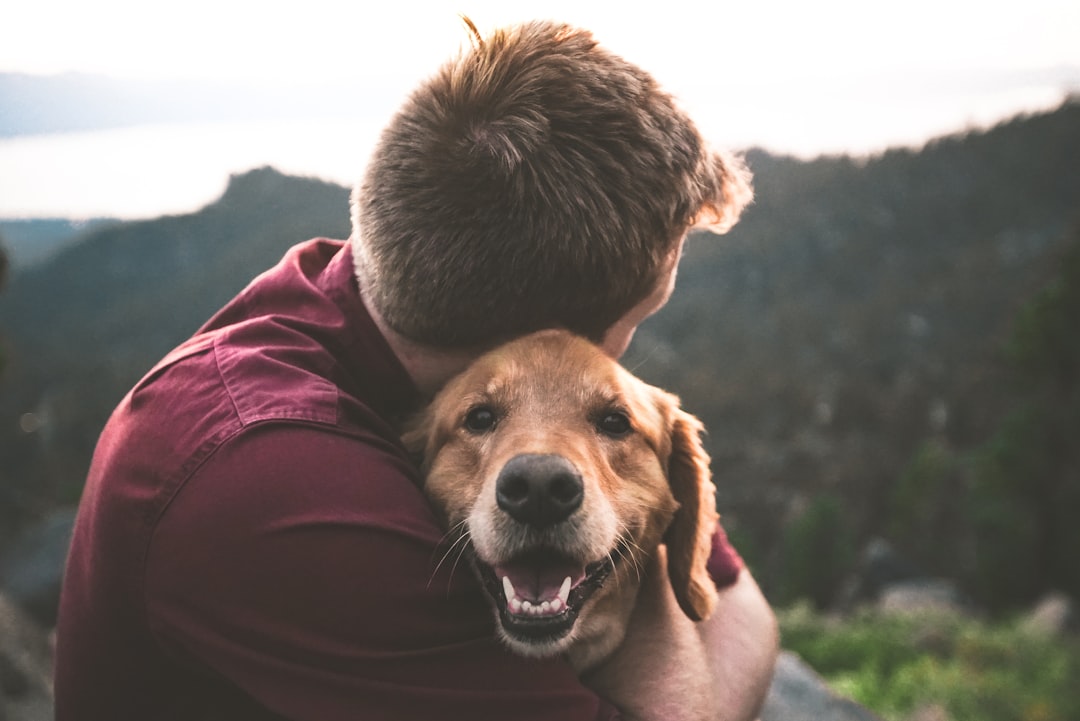
Bring this framework to your next meet-and-greet: list your ’s top needs as plain traits – do you want a running buddy, a couch confidant, a puzzle addict – and ask staff to introduce dogs that show those behaviors. Watch recovery after excitement, willingness to engage, and interest in you versus the room; those three als out-predict looks once the honeymoon ends. Budget time for training and enrichment that matches the dog you picked, not the dog you imagined, and set up support early with a positive-reinforcement trainer. If you’re unsure, meet adult dogs whose personalities are already visible, and consider foster-to-adopt to test daily fit without pressure. Most of all, let the stars spark curiosity – and let good science and real dogs do the deciding.
Suhail Ahmed is a passionate digital professional and nature enthusiast with over 8 years of experience in content strategy, SEO, web development, and digital operations. Alongside his freelance journey, Suhail actively contributes to nature and wildlife platforms like Discover Wildlife, where he channels his curiosity for the planet into engaging, educational storytelling.
With a strong background in managing digital ecosystems — from ecommerce stores and WordPress websites to social media and automation — Suhail merges technical precision with creative insight. His content reflects a rare balance: SEO-friendly yet deeply human, data-informed yet emotionally resonant.
Driven by a love for discovery and storytelling, Suhail believes in using digital platforms to amplify causes that matter — especially those protecting Earth’s biodiversity and inspiring sustainable living. Whether he’s managing online projects or crafting wildlife content, his goal remains the same: to inform, inspire, and leave a positive digital footprint.