
For thousands of years, humans have noticed something peculiar about their animal companions. Stories from around the world tell of dogs barking frantically, cats hiding under beds, horses galloping wildly, and birds abandoning their nests. The common thread? These strange behaviors happen just hours or even days before the earth starts shaking beneath our feet.
Ancient accounts suggest that in 373 BC in Greece, rats, weasels, snakes, and centipedes reportedly fled their homes several days before a destructive earthquake struck. Fast forward over two millennia, and we’re still asking the same intriguing question: can animals truly sense earthquakes before they happen? Recent scientific advances are finally giving us some fascinating answers that might revolutionize how we think about earthquake prediction.
Ancient Stories Meet Modern Science

Scientists have documented countless reports of animals, fish, birds, reptiles, and insects exhibiting strange behavior anywhere from weeks to seconds before earthquakes occur. These aren’t just old wives’ tales anymore. In 1975, scores of snakes slithered out of their hibernation dens despite freezing temperatures in the weeks before a magnitude 7.3 earthquake struck the Chinese city of Haicheng on February 4, and their behavior helped persuade authorities to evacuate the city hours before the massive quake.
What makes these stories compelling isn’t just their frequency, but their consistency across different cultures and time periods. For centuries, people have described unusual animal behavior just ahead of seismic events: dogs barking incessantly, cows halting their milk, toads leaping from ponds. The pattern emerges repeatedly, suggesting there might be something more than coincidence at work here.
Yet scientists have always been cautious about these claims. The first rigorous analysis of this phenomenon concluded that there is no strong evidence behind the claim, noting that most of this evidence consists of single observations and anecdotes that cannot be tested rigorously. The challenge has been separating fact from folklore in a way that meets scientific standards.
The P-Wave Connection

One of the most accepted theories involves something called P-waves. P-waves typically travel faster than the more destructive S-waves, and this relative difference in velocity could explain the apparent reactions of animals some moments before the stronger S-waves arrive. Think of it like thunder after lightning, but in reverse and underground.
Very few humans notice the smaller P-wave that travels the fastest from the earthquake source and arrives before the larger S-wave, but many animals with more keen senses are able to feel the P-wave seconds before the S-wave arrives. This makes perfect biological sense. Animals have evolved to detect the slightest vibrations that might signal approaching predators or prey.
The leading hypothesis is that animals sense these early P-waves, giving them a head start on the incoming S-waves. Still, this only explains reactions that happen seconds before an earthquake, not the days or weeks of strange behavior that some people report.
Revolutionary Sensor Studies
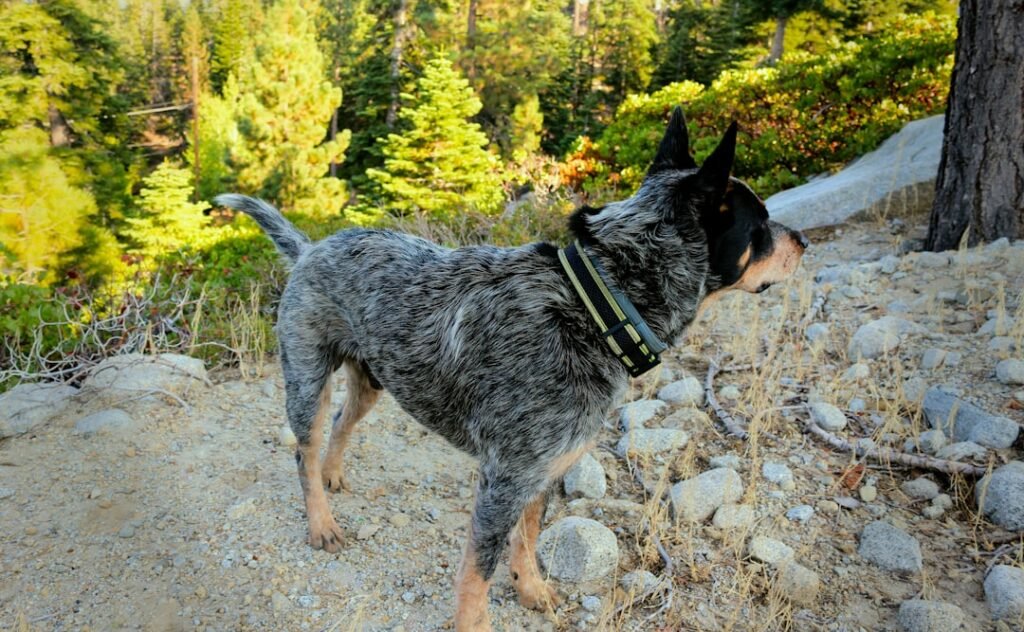
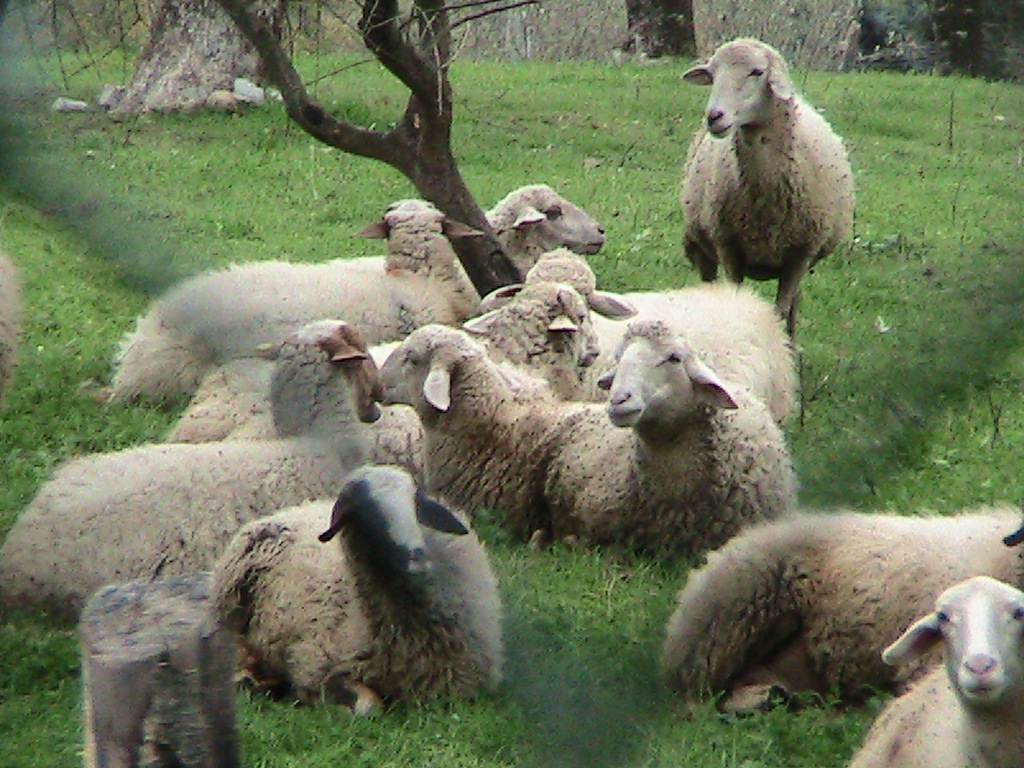
Modern technology has finally given scientists the tools to study animal earthquake detection properly. Researchers used highly sensitive instruments that record accelerated movements up to 48 times per second in any direction, attaching these biologgers and GPS sensors to six cows, five sheep and two dogs living on a farm in an earthquake-prone area of northern Italy during separate periods totaling about four months in 2016 and 2017.
Statistical analysis showed their activity significantly increased before magnitude 3.8 or greater earthquakes when they were housed together in a stable, and analyzing the increased movements as a whole showed a clear signal of anticipatory behavior hours ahead of tremors. This wasn’t just random restlessness. The animals were responding to something real.
The movement data showed that the animals were unusually restless in the hours before earthquakes, and the closer the animals were to the epicenter of the impending quake, the earlier they started behaving unusually. This distance-dependent response suggests they’re detecting actual physical phenomena, not just coincidental anxiety.
Collective Animal Behavior
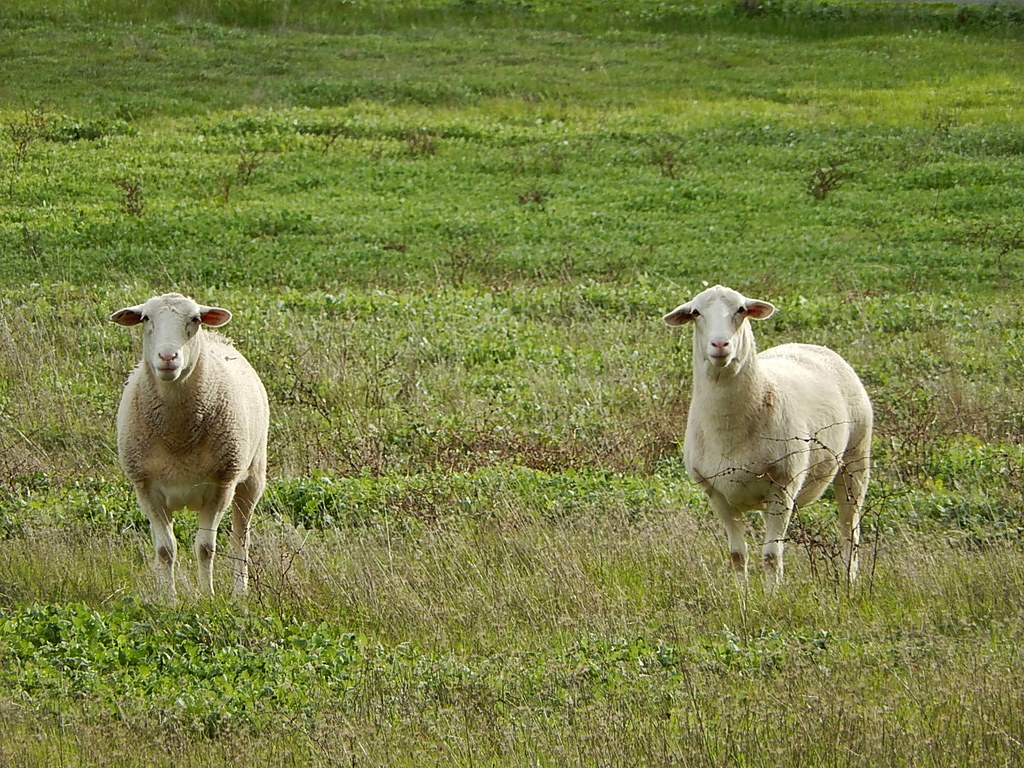
Perhaps the most intriguing discovery involves how animals influence each other’s behavior. Initially, cows kind of freeze in place until the dogs go crazy, then the cows actually go even crazier, and that amplifies the sheep’s behavior, creating a system of mutual influence consistent with collective behavior theory.
Research confirmed that cows become less active shortly before an earthquake, they virtually freeze, and when dogs and sheep see this, they then become nervous and restless, reacting to each other as much as they are to environmental stimuli. It’s like a biological early warning network where different species complement each other’s abilities.
This collective response might explain why some earthquake predictions based on animal behavior work better than others. A single anxious dog might not mean much, but when an entire farm of different animals starts acting strangely at once, that’s a different story entirely.
Infrasound Detection Abilities
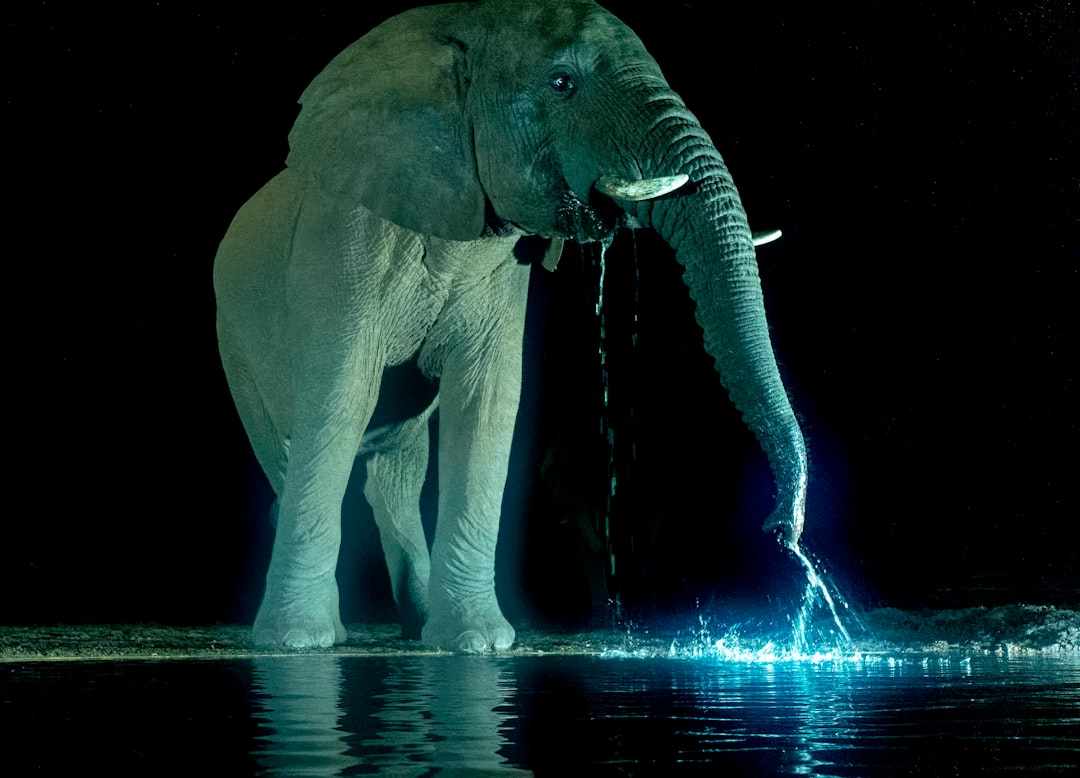
Many animals such as elephants, whales, giraffes, and alligators can hear infrasound, and the infrasonic waves that are generated during the earthquake may aid them in detecting earthquakes. Infrasound consists of vibrational or stress waves in elastic media, having a frequency below those of sound waves that can be detected by the human ear – below 20 hertz, with frequencies extending down to geologic vibrations that complete one cycle in 100 seconds or longer.
Elephants have the most advanced prediction system with their ability to emit and hear infrasound, the sound that storms, earthquakes and volcanoes emit days before they happen, as elephants are among the best infrasound detecting mammals. These massive creatures can communicate across vast distances using sounds we can’t even hear.
Research has shown that elephants use infrasound extensively, and they may have detected the 2004 tsunami, with reports of unusual elephant behavior before the disaster struck. If they can sense tsunamis from that distance, detecting earthquake precursors seems entirely plausible.
Magnetic Field Sensitivity

Fishes, birds and other animals can detect changes in the electric or magnetic field and accumulating tensions building up in the crust could also affect the local fields, however in case of magnetic variations this effect is very weak. Many migratory animals already use Earth’s magnetic field for navigation, so they have the biological equipment to detect changes.
Birds can detect changes in electromagnetic waves that may happen before an earthquake through light-dependent proteins called cryptochromes in their eyes, which help them detect magnetic fields under blue light conditions. When these proteins sense magnetic field changes, it triggers cellular responses that could influence the bird’s behavior.
Some animals have tiny magnetic particles in their bodies that allow them to navigate using Earth’s magnetic field, and researchers believe that these particles may also allow animals to sense magnetic field changes associated with earthquakes. It’s nature’s built-in compass system being repurposed as an earthquake detector.
Chemical Detection Capabilities

The “p-Hole Theory” assumes that negative charged oxygen ions are removed from the respective position in the structure of a mineral, leaving a positive charged “hole” in the crystal that migrates to the surface of the mineral grain and can ionize other atoms, which are released into the atmosphere or the groundwater. This creates detectable chemical changes in the environment.
This mechanism was used to explain the supposed disappearance of mating toads some days before the earthquake in L’Aquila in 2009, proposing that charged ions modified the water chemistry of the aquifer and springs of the area and that the toads reacted to these variations in their usual environment, with water chemistry returning to normal after the earthquake and release of tectonic tensions.
Before an earthquake, the Earth’s crust may release gases such as radon or carbon dioxide, and some animals are able to detect these gases using specialized sensors or receptors. Animals have incredibly sensitive noses compared to humans, so detecting subtle gas emissions would be well within their capabilities.
The Haicheng Success Story
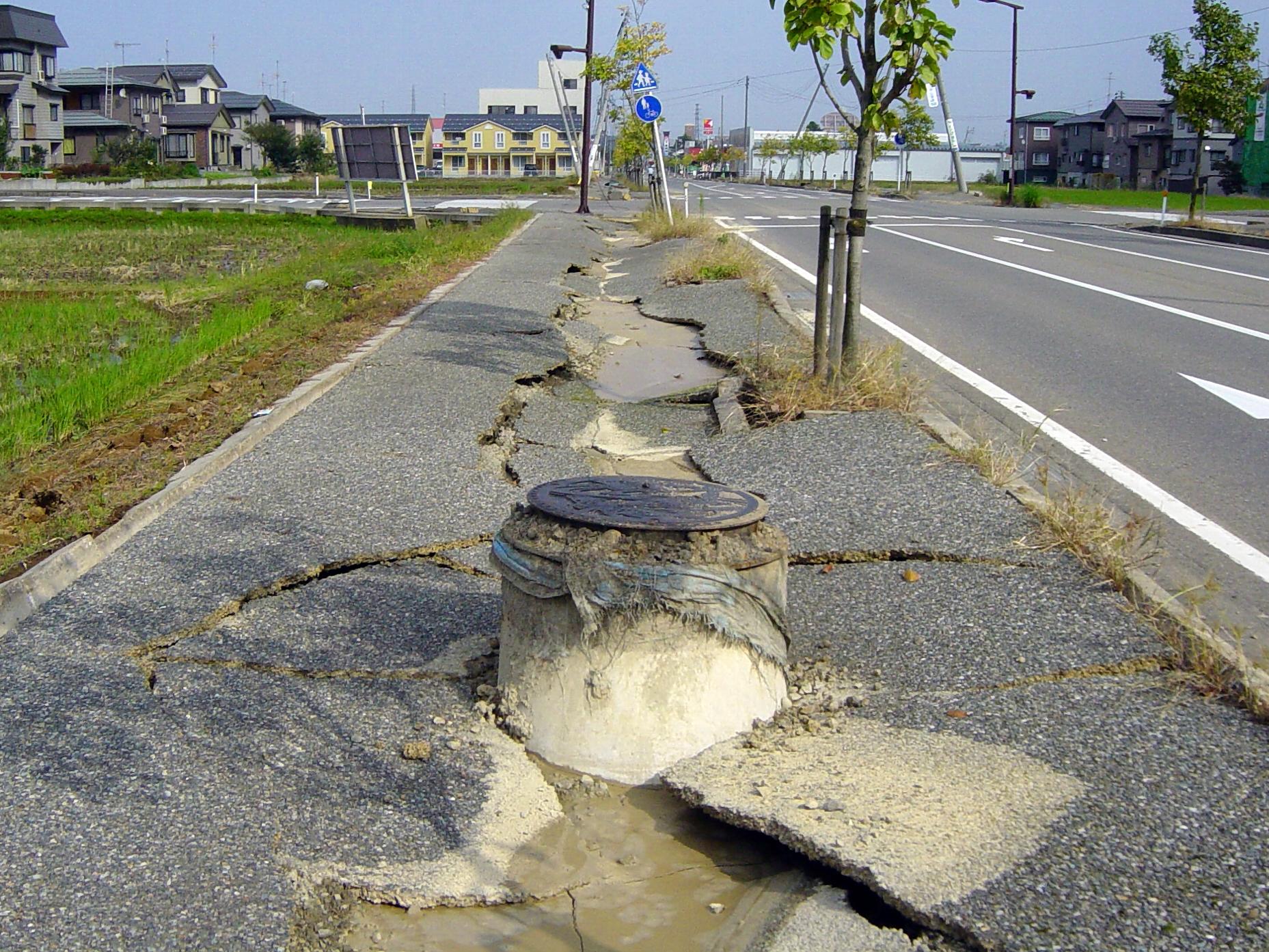
An earthquake forecast was made in China several decades ago based on small earthquakes and unusual animal activity, and many people chose to sleep outside of their homes and thus were spared when the main earthquake indeed occurred and caused widespread destruction. This remains one of the few documented cases where animal behavior contributed to a successful earthquake prediction.
In 1975, in addition to other precursor events, domestic and wild animals in and around the city of Haicheng, China behaved in an extremely anomalous fashion, the city was partially evacuated and many thousands of lives were saved. However, the story isn’t quite as straightforward as it initially appeared.
Re-analysis of these data found it difficult to reconstruct the source, timing and impact of the actual earthquake warnings, with exhaustive reanalysis finding it difficult to determine the source, timing and impact of the actual earthquake warnings issued. While animal behavior played a role, it was combined with other seismic indicators and human judgment calls.
Modern Real-Time Monitoring
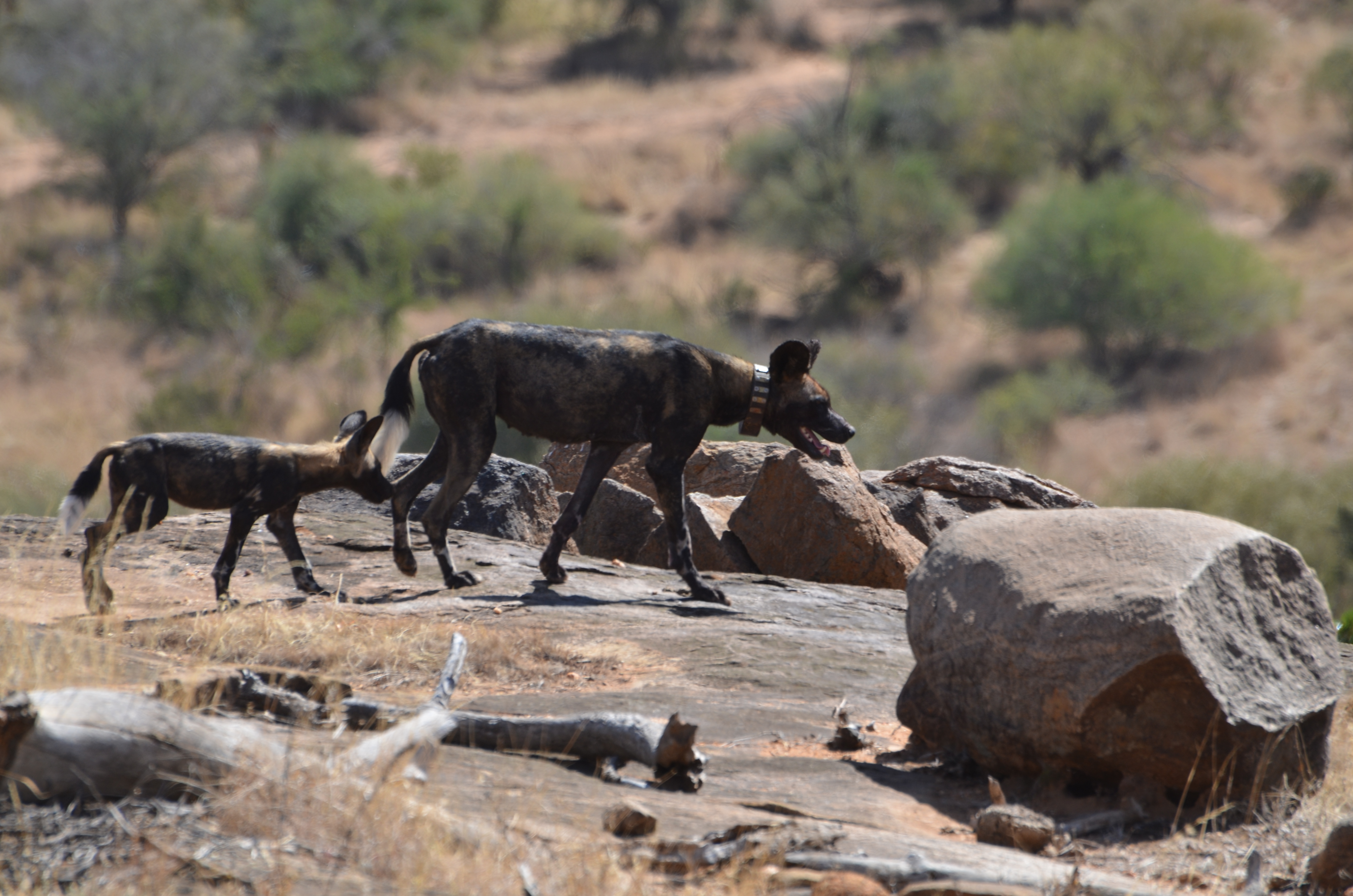
Real-time data measured by researchers since December 2019 shows what an animal earthquake early warning system could look like: a chip on the collar sends movement data to a central computer every three minutes, triggering a warning signal if it registers significantly increased activity of the animals for at least 45 minutes.
The researchers have once received such a warning, and three hours later, a small quake shook the region with the epicenter directly below the stables of the animals. While this is just one example, it demonstrates the potential for systematic animal-based monitoring systems.
Before the behavior of animals can be used to predict earthquakes, researchers need to observe a larger number of animals over longer periods of time in different earthquake zones around the world using the global animal observation system Icarus on the International Space Station. The technology exists, but we need much more data.
Scientific Skepticism and Challenges
Despite many occasions when extreme adherent animal behavior has been observed, no consistent prediction of an earthquake based upon animal behavior has been reported. The scientific community remains cautious about claims that animals can predict earthquakes with precision or reliability, and while animals have heightened sensitivity to seismic activity and might react seconds before human detection, claims of forewarning days in advance lack conclusive support.
Weaknesses in the data make it difficult to confirm that these behaviors are predictive rather than random occurrences or behaviors linked to the initial stages of an earthquake, such as foreshocks, with foreshocks and abnormal animal behavior strongly clustering together in statistical analysis. This suggests that at least some animal reactions might be responses to seismic activity that’s already begun.
On one hand there are numerous reports of animals that behaved strangely before earthquakes, but there are many earthquakes before which such abnormal animal behavior has precisely not been observed, and the exact time of such an event depends on many different factors and can probably never be accurately predicted according to the current state of science. Consistency remains the biggest challenge.
Future Research and Applications
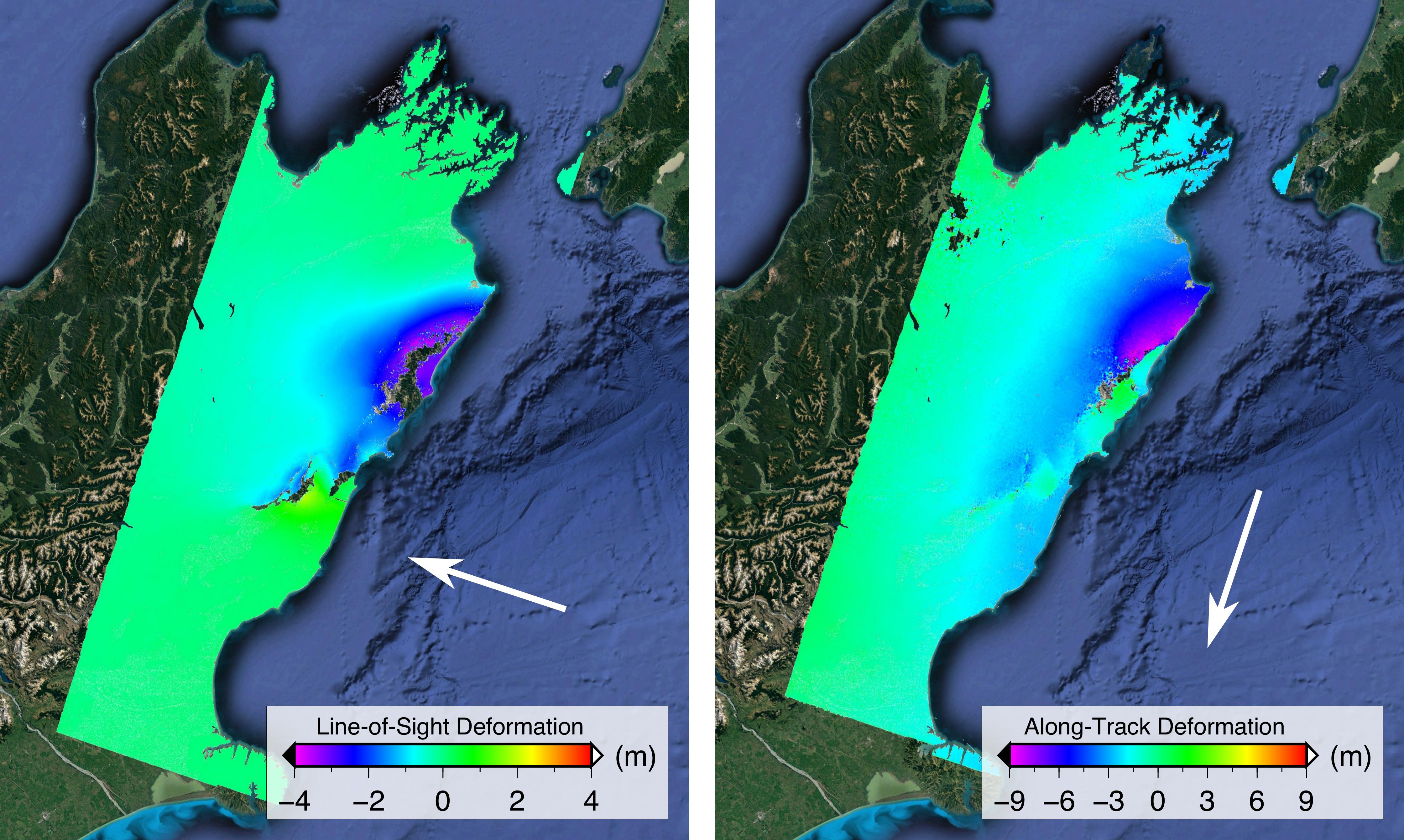
Researchers are setting up new projects in Italy, as well as one in Chile and another on Russia’s Kamchatka Peninsula, hoping to test many more species to see if those animals display sensitivity to earthquake activity. The goal is to build a comprehensive database of animal earthquake responses across different geological settings.
Research examines the amalgamation of many data sources and the capacity of machine learning to enhance the precision and promptness of earthquake forecasts, determining that amalgamating AI with conventional seismological techniques offers a viable pathway for enhancing earthquake prediction abilities, potentially resulting in more efficient early warning systems.
The understanding of this process coupled with technological ability to monitor the magnitude and occurrence of signals should provide the basis for earthquake prediction, and reliance upon animal responses to potential earthquakes can be refined and improved, proving useful particularly in poorly monitored remote areas. Remote areas with limited seismic monitoring equipment might especially benefit from animal-based early warning systems.
Conclusion
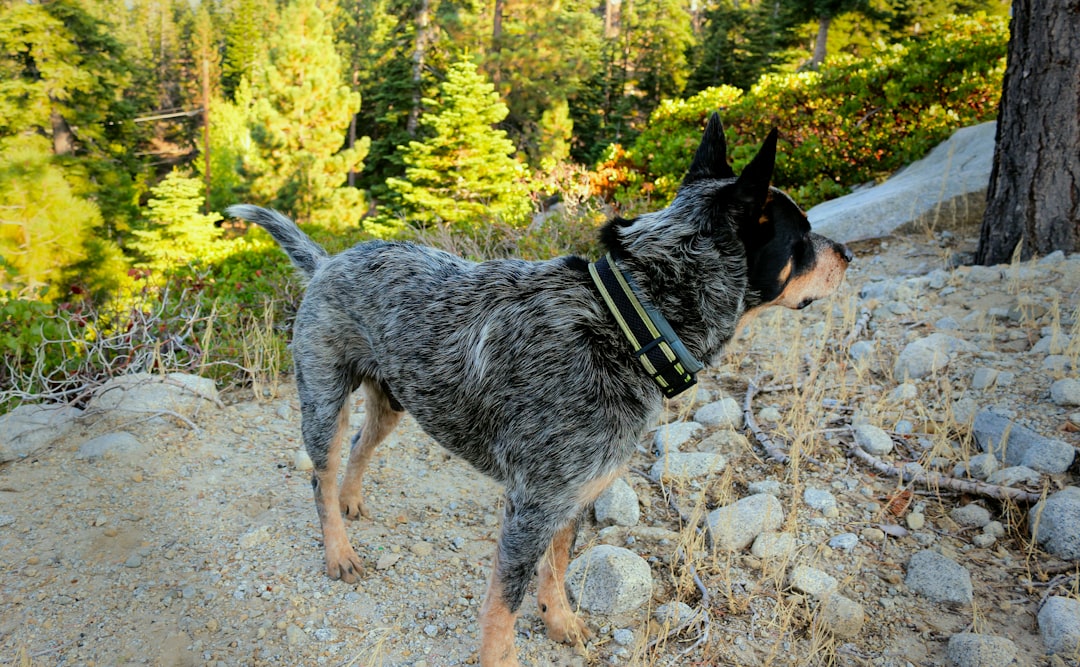
The relationship between animals and earthquakes represents one of nature’s most intriguing puzzles. While we still can’t rely on our pets as earthquake predictors, the scientific evidence increasingly suggests that many animals do possess remarkable abilities to detect subtle environmental changes that precede seismic events.
We can assume that some animals are influenced by environmental changes that can occur before an earthquake; however our understanding of such possible precursor effects and how organisms react to them is still limited, and as long as this gap exists the unusual behavior of animals alone cannot be used to evaluate an increased earthquake risk.
The future likely holds a combination approach, where animal behavior monitoring joins forces with traditional seismological methods and artificial intelligence to create more comprehensive early warning systems. While your dog probably won’t save you from the next big earthquake, the collective behavior of thousands of animals monitored by sophisticated sensors just might give us those precious extra minutes or hours that could save countless lives.
What do you think about this fascinating intersection of animal instincts and earthquake science? Could you imagine trusting your pet’s behavior as part of an early warning system?
Jan loves Wildlife and Animals and is one of the founders of Animals Around The Globe. He holds an MSc in Finance & Economics and is a passionate PADI Open Water Diver. His favorite animals are Mountain Gorillas, Tigers, and Great White Sharks. He lived in South Africa, Germany, the USA, Ireland, Italy, China, and Australia. Before AATG, Jan worked for Google, Axel Springer, BMW and others.