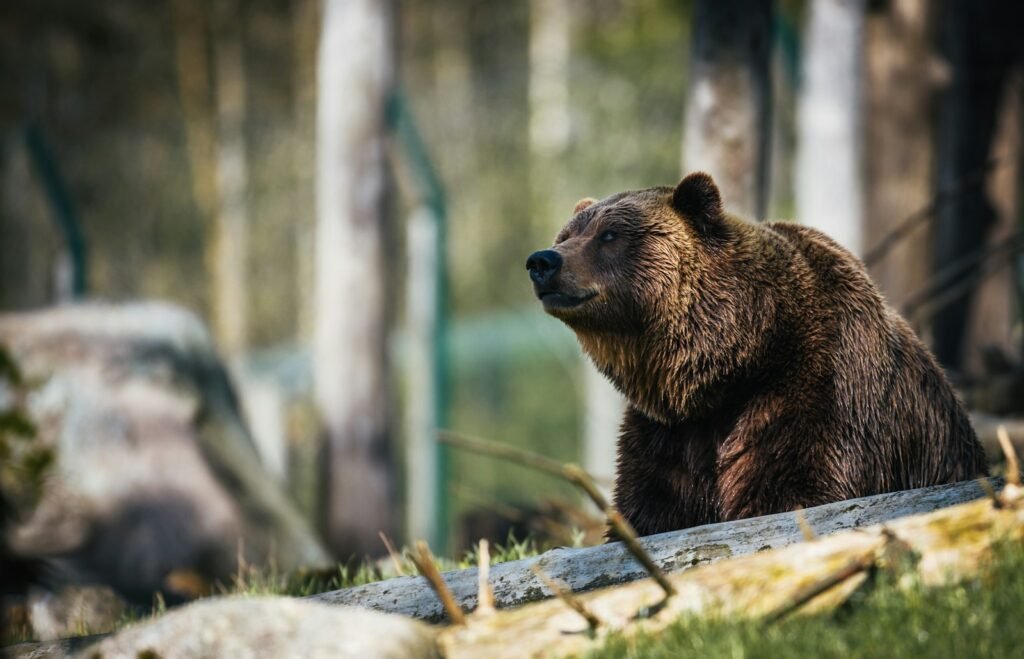

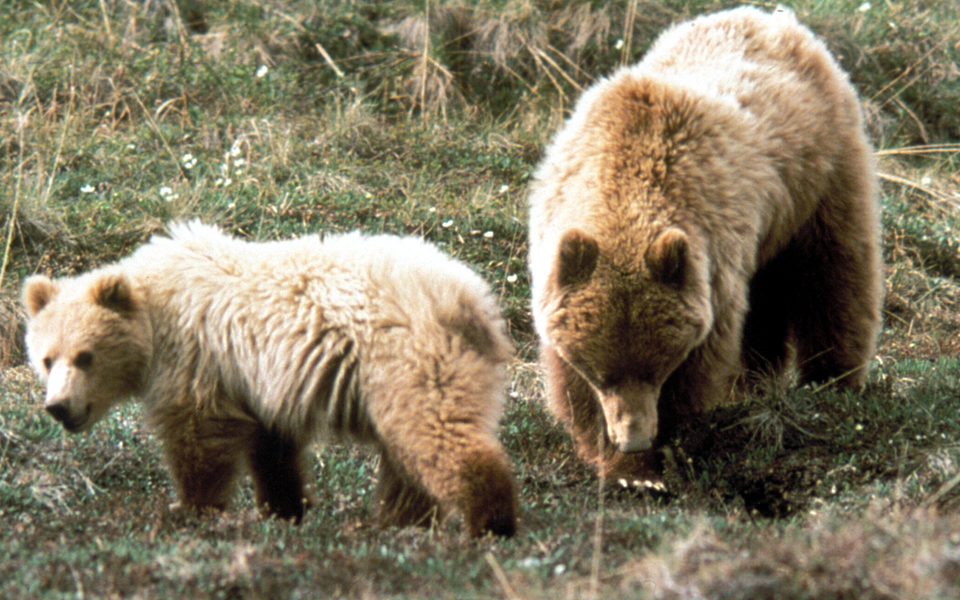
Montana’s grizzly bears are stepping back into places where their paw prints faded decades ago, and that return is rewriting maps and mindsets. After a century of retreat, the species is nudging beyond mountain strongholds toward river breaks, lands, and town edges – testing how wildness and everyday life meet. Scientists are racing to read the genetic signals in this expansion, asking whether new movements will stitch isolated groups into a healthier whole. Ranchers and hikers are asking a simpler question: how do we live alongside a neighbor that can upend a trash can – or a season – overnight? The answers are arriving in tracks, DNA, and the slow, stubborn optimism of recovery.
The Hidden Clues
Here’s the surprise: the new frontier for Montana’s grizzlies is not just spruce forests but wheat country and rolling sage where you can see the horizon for miles. Biologists are finding sign in places that sound like tall tales – muddy paw prints along irrigation ditches, rub trees on lonely fence lines, and scat seeded with chokecherry pits beside gravel roads. Those clues matter because they hint at more than wanderlust; they reveal corridors that bears are discovering on their own.
I remember pausing at a sun-bleached cottonwood where the bark was scoured chest-high, the sap oozing like varnish; it looked like a message board as old as the river. Rubbing posts like that are the social media of bears, holding scent and hair that become genetic time capsules. Each strand, lifted with tweezers and care, can tell us who passed through, where they might have come from, and whether the expanding footprint is building real connectivity or simply scattering loners across a bigger map.
Edges of a Comeback
The most striking change is at the margins – valleys where cattle outnumber people and coulees lace toward the Missouri River. Young males push first, nosing into prairie draws and skirting haystacks, testing the distance between mountain and meal. Some turn back; some keep going, stepping from island to island of shelter like chess pieces advancing across an open board.
Females, typically more cautious homebodies, follow behind if safety and food line up, and that’s when recolonization becomes real. This edge ecology feels fragile, like frost that can either vanish or harden into winter, depending on what happens next. A single conflict can erase months of progress, but a single calm season can set a foundation that lasts.
From Ancient Tools to Modern Science
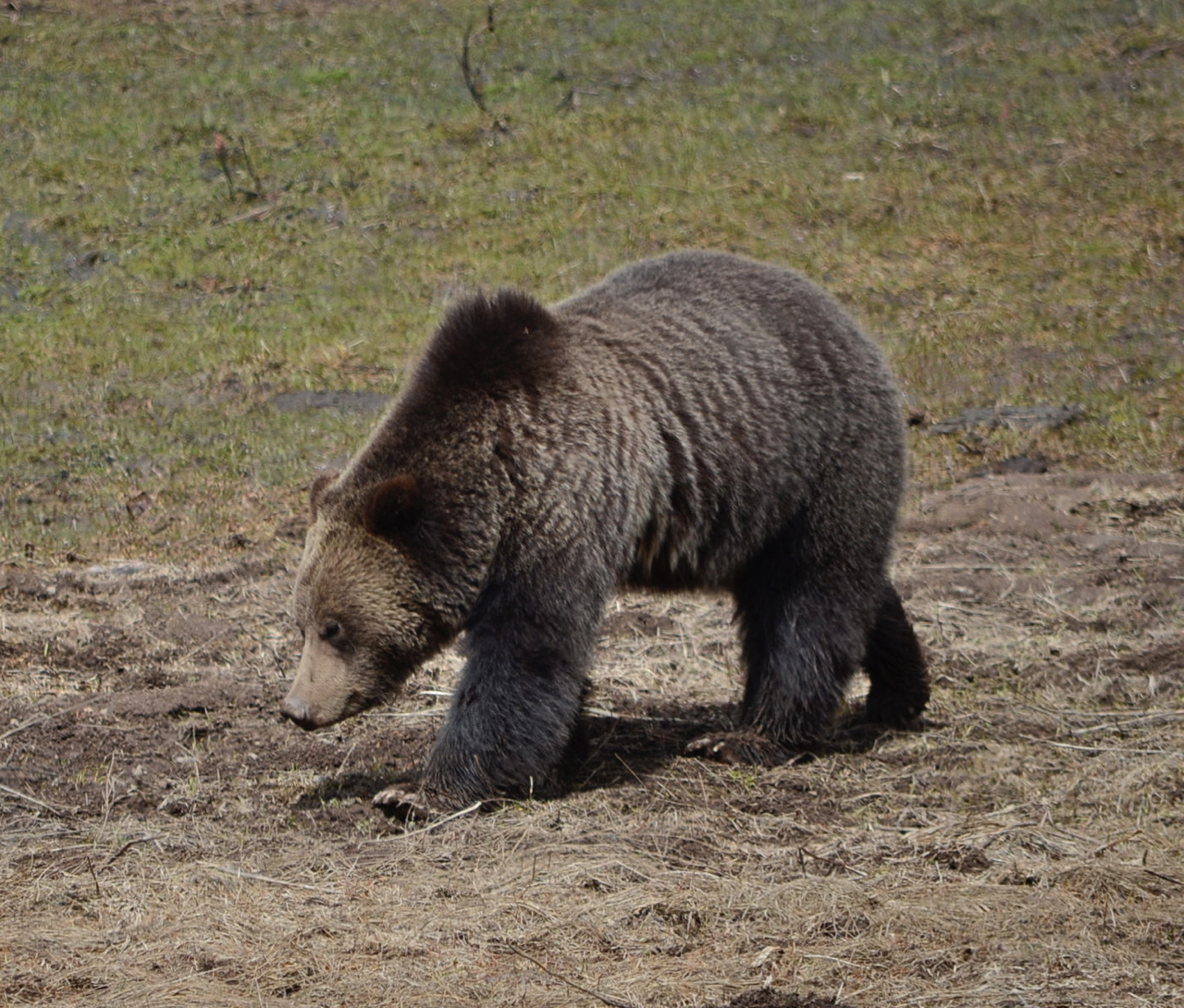
Tracking used to mean reading the dirt and listening to the rumor mill, and those skills still matter; nothing beats a rancher’s memory for who crossed the back pasture at dusk. Today, that hard-won field sense pairs with noninvasive genetics – hair snags, scat surveys, and environmental DNA from streams – to map family trees without ever collaring a bear. It’s detective work that blends boot leather with lab coats.
Whole-genome sequencing now exposes fingerprints of the past: the bottlenecks from a century ago, the slow climb since protections took hold, the subtle kinships that stretch from one mountain to the next. Radio-collars add motion to the mosaic, showing when a disperser threads a valley nobody expected. The upshot is a clearer picture of how restoration plays out in real landscapes, one crossing, one season, one survival at a time.
Genetic Checkup
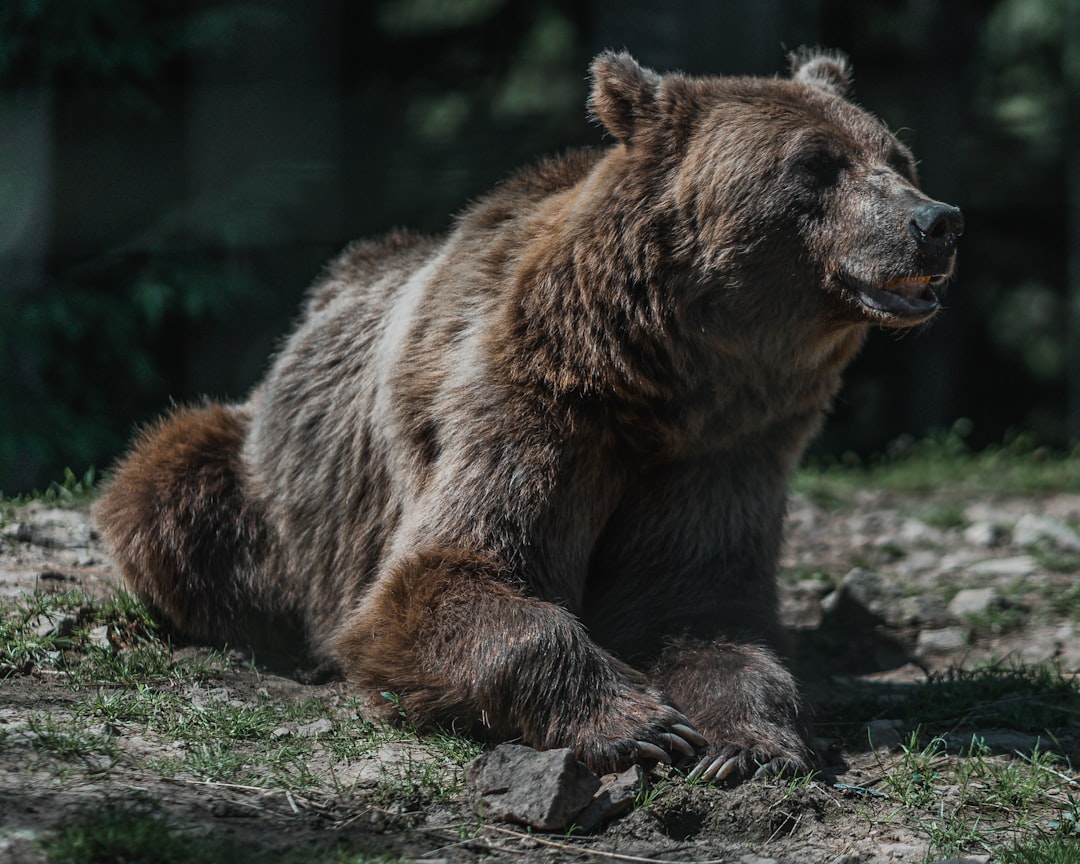
Genetic diversity is the species’ savings account, cushioning grizzlies against disease, environmental swings, and the bad luck of small numbers. In Montana, the big question is whether expanding will also expand gene flow between historically distinct strongholds. The early signs suggest that wandering males are doing their job as genetic couriers, but a long-term fix needs resident females to establish new territories that bridge the gaps.
Scientists watch measures like heterozygosity and effective population size the way meteorologists watch pressure gauges, looking for steady trends rather than one-off spikes. They’re alert to the risk of genetic drift in any isolated pocket, especially if roads, subdivisions, and crop fields act like partial walls. expansion is good news, but it’s only a health checkmark if it translates into lasting connections.
Global Perspectives
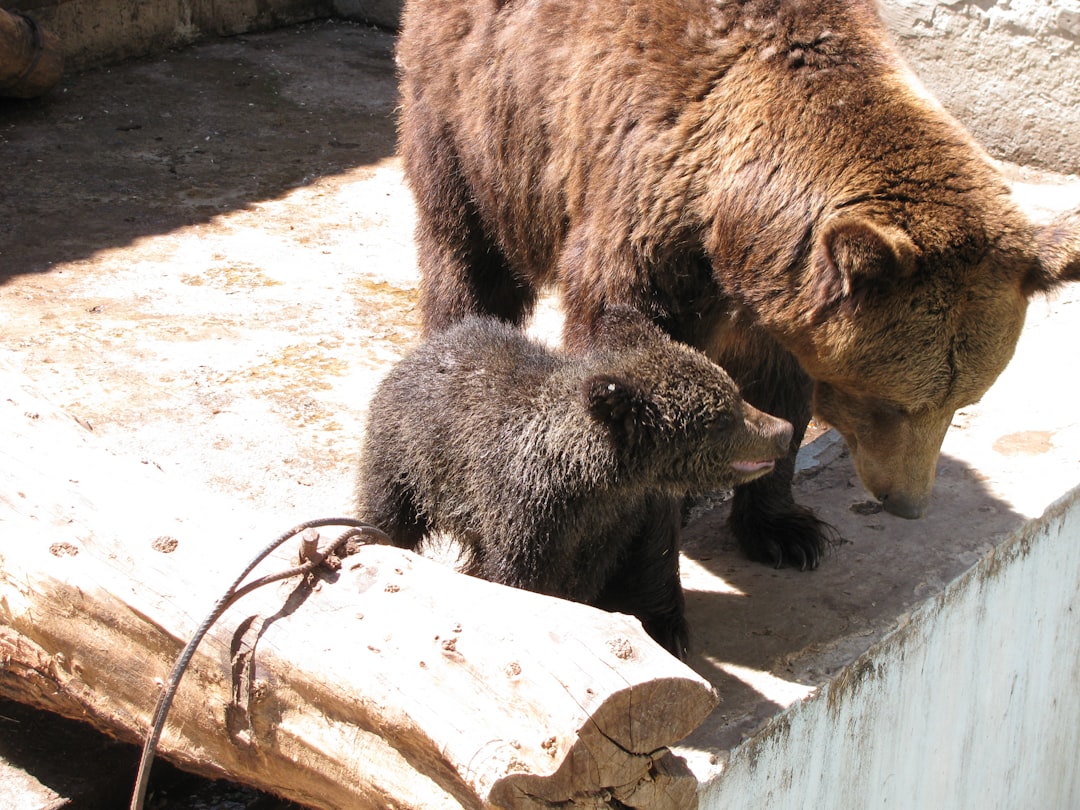
Montana’s story echoes across the Northern Hemisphere, where brown bears are edging back into human-dominated landscapes from Scandinavia to Eastern Europe. In many places, coexistence hinges on simple rules done consistently – secure food, predictable garbage schedules, electric fencing where it counts, and room to roam. Those regions remind us that bears can live near people when risk is managed, not imagined.
Europe also shows that connectivity can be built on a patchwork of protections, from quiet zones to wildlife overpasses stitched over busy highways. The lesson is pragmatic: we don’t need a perfect wilderness to sustain large carnivores, but we do need predictable behavior – from us. Montana’s advantage is space; its challenge is the speed at which working lands and recreation are changing.
Why It Matters
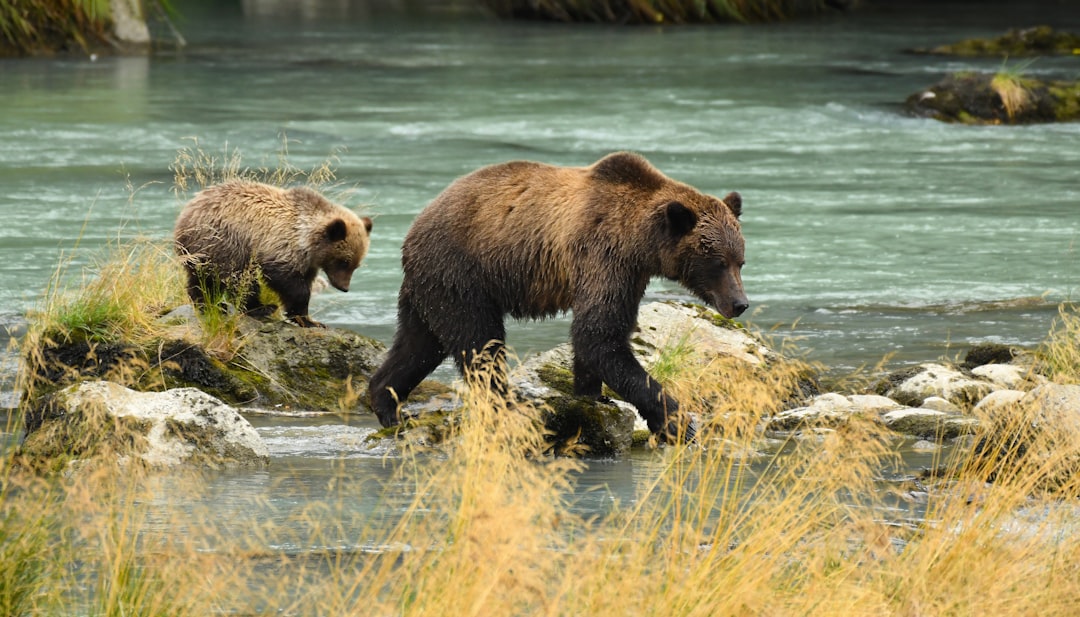
Grizzlies are more than a symbol; they’re engineers of the food web, dragging carcasses that feed scavengers and spreading seeds in their wake like rough-handed gardeners. A genetically diverse, well-connected population is more resilient to drought-squeezed berry crops or disrupted salmon runs, keeping the wider ecosystem stable. From a human lens, fewer genetic dead ends mean fewer desperate, conflict-prone bears on the landscape.
Compared with past management that drew hard lines around core habitat, today’s approach recognizes the importance of edges and corridors – those humble places where most conflicts and breakthroughs occur. It’s a shift from fortress conservation to flow conservation, and it aligns with what the data say about long-lived animals that reproduce slowly. When connections grow, management can spend less time on emergency response and more on prevention, which is better for budgets, bears, and everybody’s nerves.
Living With Heavyweights
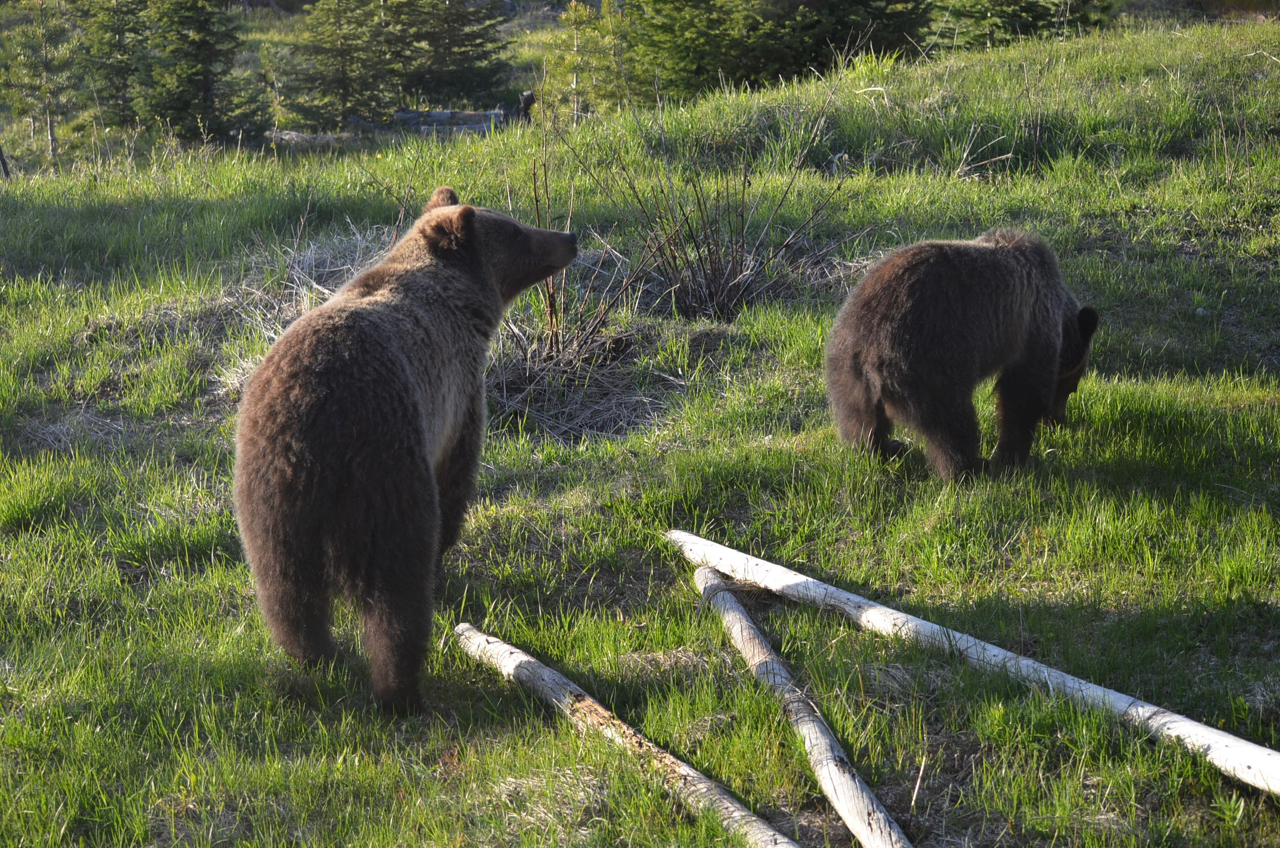
Coexistence begins with boring habits that save lives: lock the grain shed, power the electric fence, and clean up anything that smells like calories. Most conflicts trace back to unsecured attractants, and preventing that first food reward is the single most effective step a community can take. riders and carcass pickup programs help too, turning unpredictable encounters into managed routines.
I’ve watched a ranch yard transform after a few cheap fixes – trash in bear-resistant cans, a hot wire around the chicken coop, feed put away before dusk – and the calm that followed felt like a small miracle. Aversive conditioning, when done well, teaches bold bears that human places aren’t worth it without turning every meeting into a crisis. None of this is glamorous, but it’s the difference between an expanding that sticks and one that frays under stress.
The Future Landscape
The next decade will likely be decided by concrete and cooperation: wildlife crossings that make highways permeable, conservation easements that keep corridors intact, and county plans that bake coexistence into daily life. Emerging tools – cheaper genomics, AI-assisted camera traps, and real-time conflict mapping – will sharpen decisions and give managers a head start before problems escalate. The science is moving fast enough to match the bears’ curiosity.
Climate pressures add urgency, because shifting food calendars can push bears into riskier foraging at the exact time human activity peaks. If we get ahead of those changes – by safeguarding berry flats, anticipating drought years, and focusing on pinch points where movement will concentrate – expansion can translate into genuine recovery. The stakes are high, but the roadmap is clear enough to follow.
How You Can Help
Start local: store garbage in bear-resistant containers, remove bird feeders in active seasons, and talk with neighbors so good habits spread faster than problems. Support programs that provide electric fencing for small producers, fund carcass pickups, and maintain food storage infrastructure at trailheads and campgrounds. If you live near corridors, consider easements or habitat-friendly fencing that keeps movement possible without compromising your work.
Volunteer with community bear groups, share sightings responsibly, and back science by contributing to noninvasive monitoring projects when they come to your area. Recovery is built from a thousand unglamorous choices that add up to fewer conflicts and stronger genetic connections. After all we’ve learned, are we ready to make the simple changes that let wildness walk our roads again?
Suhail Ahmed is a passionate digital professional and nature enthusiast with over 8 years of experience in content strategy, SEO, web development, and digital operations. Alongside his freelance journey, Suhail actively contributes to nature and wildlife platforms like Discover Wildlife, where he channels his curiosity for the planet into engaging, educational storytelling.
With a strong background in managing digital ecosystems — from ecommerce stores and WordPress websites to social media and automation — Suhail merges technical precision with creative insight. His content reflects a rare balance: SEO-friendly yet deeply human, data-informed yet emotionally resonant.
Driven by a love for discovery and storytelling, Suhail believes in using digital platforms to amplify causes that matter — especially those protecting Earth’s biodiversity and inspiring sustainable living. Whether he’s managing online projects or crafting wildlife content, his goal remains the same: to inform, inspire, and leave a positive digital footprint.