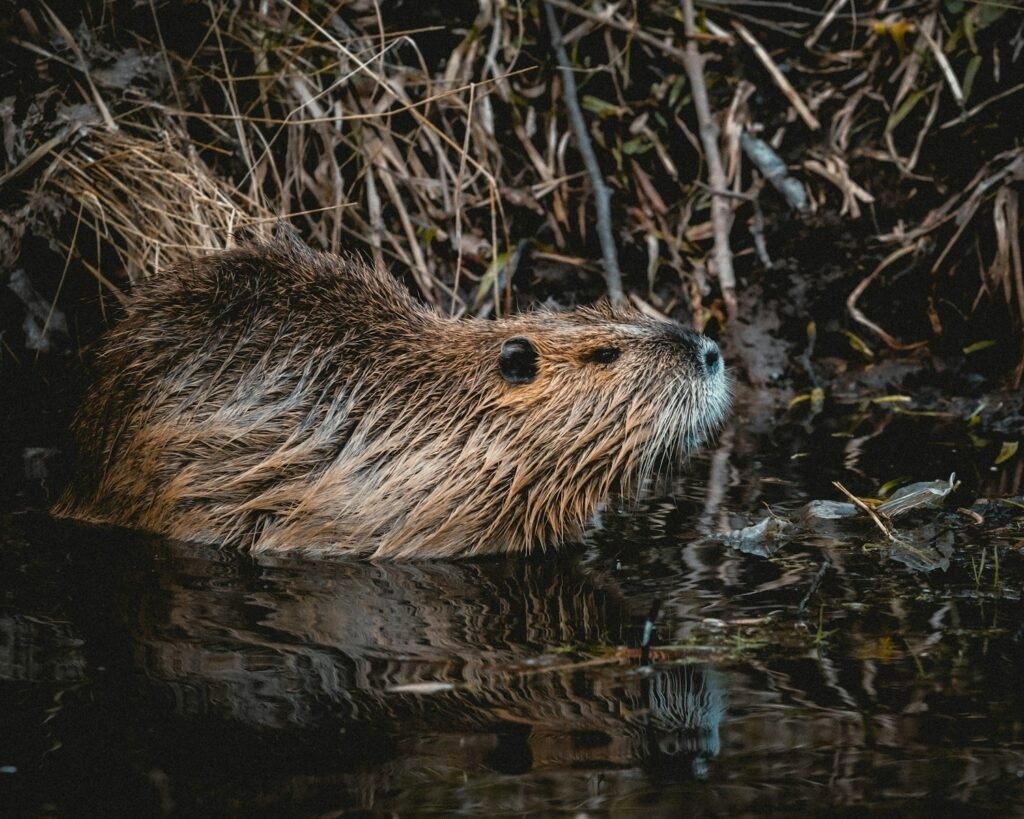

On stormy nights across western Oregon, creeks that once rushed like firehoses now spread, linger, and breathe – thanks to a tireless engineer with orange incisors and a head for hydraulics. The beaver, long maligned as a nuisance, is quietly rewriting flood stories and restoring frayed ecosystems from farm valleys to forested headwaters. Researchers and land stewards watching a natural experiment unfold: where beavers build, water slows, soils drink, and wildlife returns. The stakes real as climate extremes intensify, pushing communities to seek solutions that work with, not against, the river. What’s emerging is a surprisingly modern partnership between science and an animal that doesn’t read the journals but keeps getting the engineering right.
The Hidden Clues
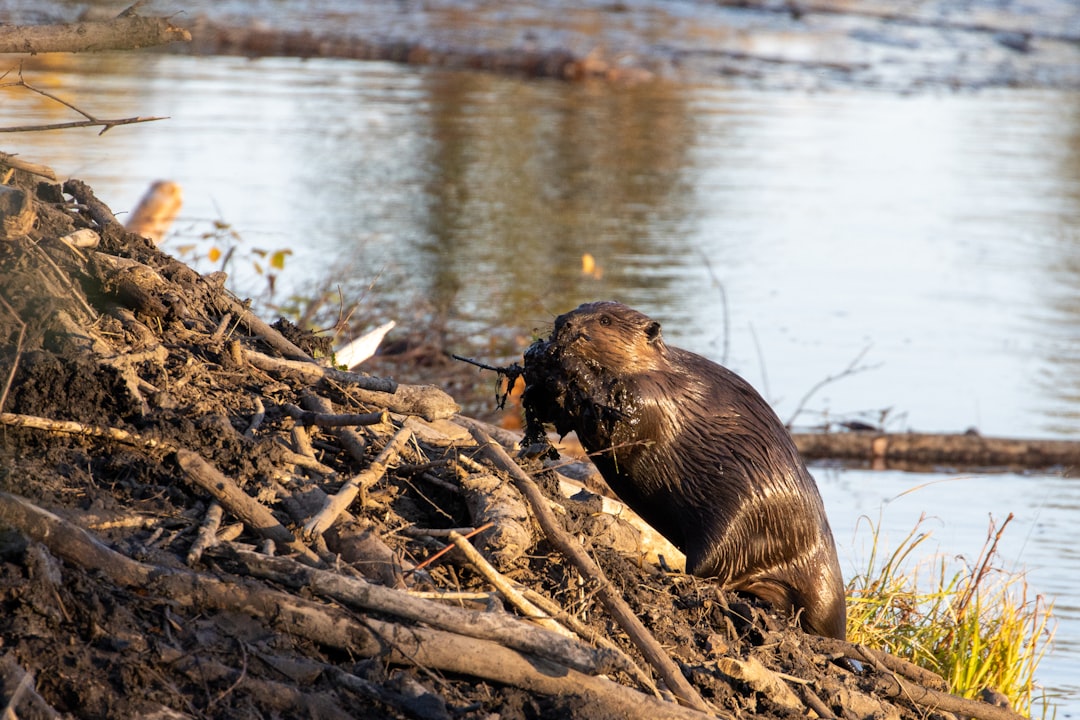
What if a rodent could redraw a river map overnight? Walk a beaver reach at dawn and you’ll spot the subtle clues: a spill of fresh wood chips, peeled willow stems, and a newly lifted waterline that softens the banks. Those small signs add up to big hydrologic changes, because each dam braids the current into a tangle of pools, side channels, and backwaters that behave like brakes on a freeway. The flow still moves; it just moves more thoughtfully, spreading out the force that would otherwise chew away at a single thread of channel.
I remember kneeling beside a pond in the Coast Range and feeling the ground tremble as a culvert downstream roared during a storm, while the beaver wetland above me held quiet like a backstage. In that hush, you could hear snipe calling and see young willow starting to root in saturated soil. The wetland had turned a spike of runoff into a long, gentle exhale. This isn’t magic; it’s structure shaping physics and ecology together.
From Ancient Tools to Modern Science
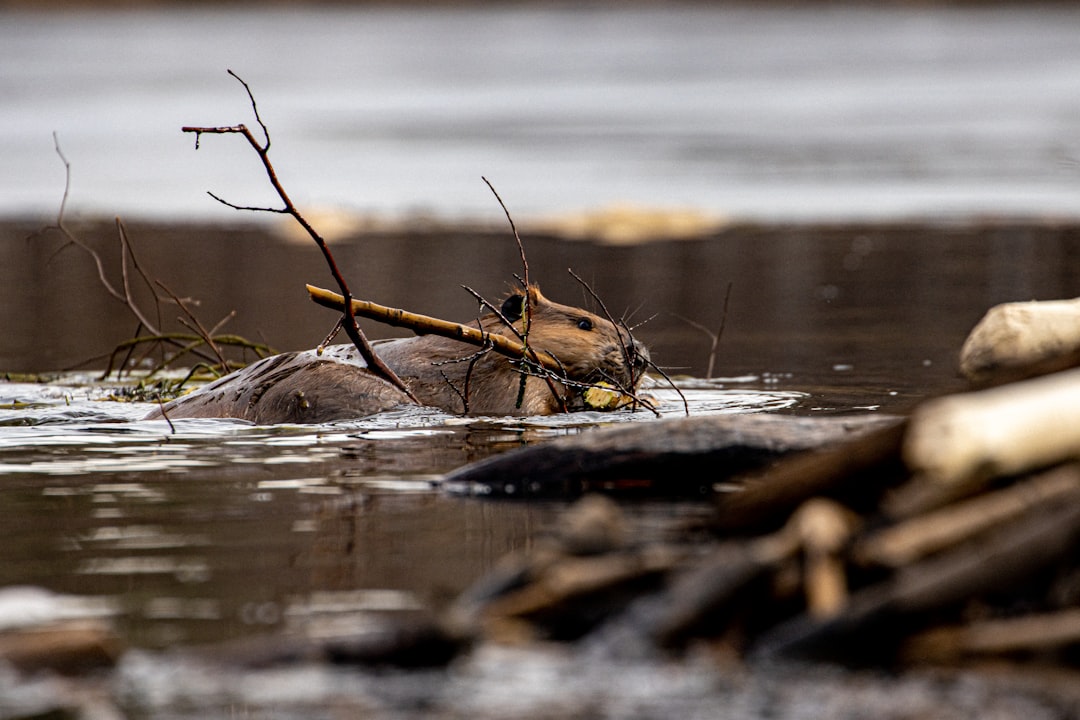
Beavers don’t only build dams; they build process. By felling small trees and weaving sticks with mud, they raise roughness in the channel, a technical way of saying they force the river to pause and think. Scientists map these changes with drones, groundwater sensors, and temperature loggers, then compare beaver reaches to control sites. They see higher water tables, wider floodplain activation, and a mosaic of habitat types that didn’t exist when the channel was narrow and fast. The result is a river that behaves less like a gutter and more like a living valley floor.
Inspired by this, crews sometimes install beaver dam analogs – low, leaky structures built of posts and brush – to nudge streams back toward complexity until beavers take over. In Oregon, these projects often pair with “Stage Zero” ideas that let water spill through many shallow threads instead of one confined trench. The point isn’t to make a postcard pond; it’s to restart the natural conversation between water, sediment, and plants. Once that dialogue resumes, beavers tend to show up uninvited and keep the work going for free.
How Dams Tame Floods
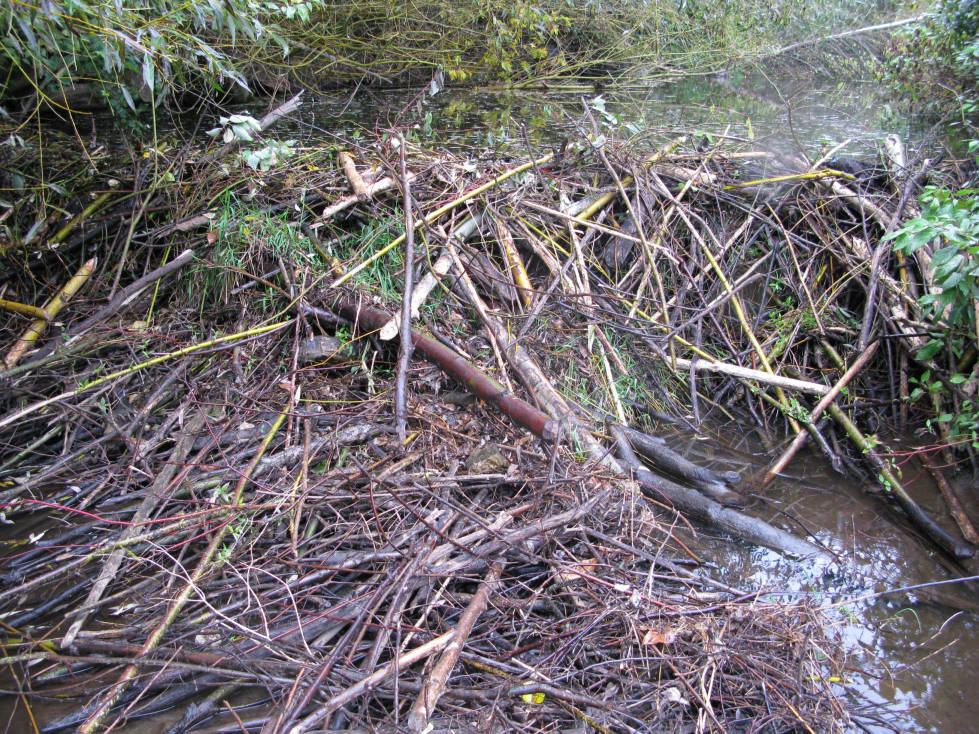
Floods are a story of timing and peaks, and beaver complexes change both. By routing water into ponds and floodplains, dams delay the surge, flattening the crest that would otherwise slam downstream bridges and fields. The wetland maze slows velocity, spreads energy across a wider area, and encourages sediment to settle where it can rebuild banks instead of scouring them. In effect, a beaver reach behaves like hundreds of tiny valves and storage tanks, opening and closing with the season.
Engineers reading hydrographs from beaver country see storm spikes stretched into curves that are easier to live with. That moderation doesn’t prevent all flooding, but it often shifts “disaster” toward “manageable,” especially for mid-sized rain events that cause most damage over time. Where levees and concrete drains race water out, beaver wetlands teach the landscape to hold it a little longer. That difference can be the gap between a road that needs repairs and a road that washes out entirely.
Water Banks in a Thirsty West
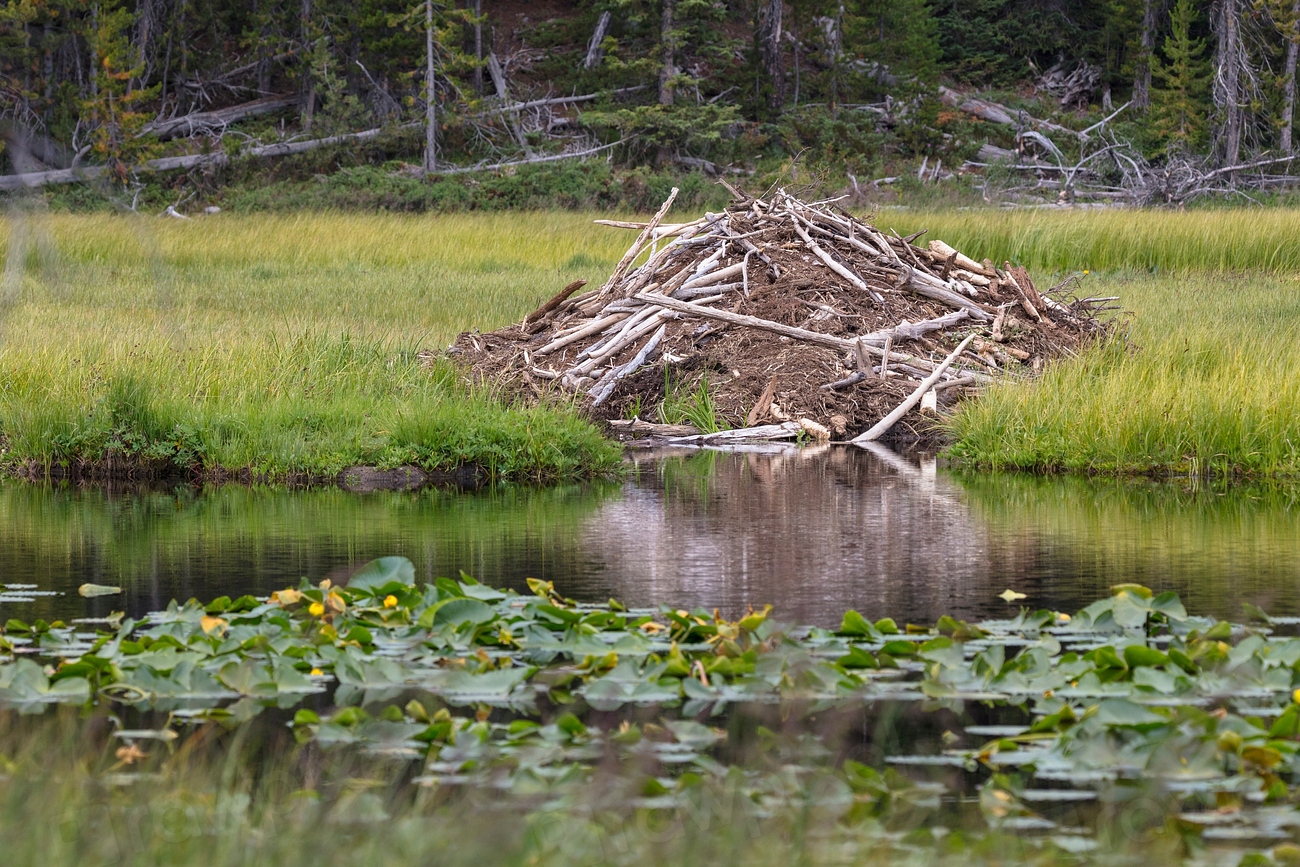
When summer arrives and creeks shrink, the benefits of winter’s storage come due. Water that seeped into the floodplain during storms slowly leaks back, keeping baseflows alive when fish, farms, and towns need it most. Beaver ponds recharge shallow groundwater like natural savings accounts, and the seepage pays out during the dry months. The effect varies by geology and valley shape, but where conditions fit, late-season trickles become steady threads.
There’s a temperature story too. Ponds can warm in the sun, yet the complex channel network they foster often creates pockets of cool inflow and shaded side channels. Fish don’t need a uniform cold bath; they need refuge, like a chain of shady porches on a hot street. By stitching those refuges together, beavers help streams endure heatwaves that are becoming more frequent in the Pacific Northwest.
Wildlife Comebacks and Cold-Water Lifelines
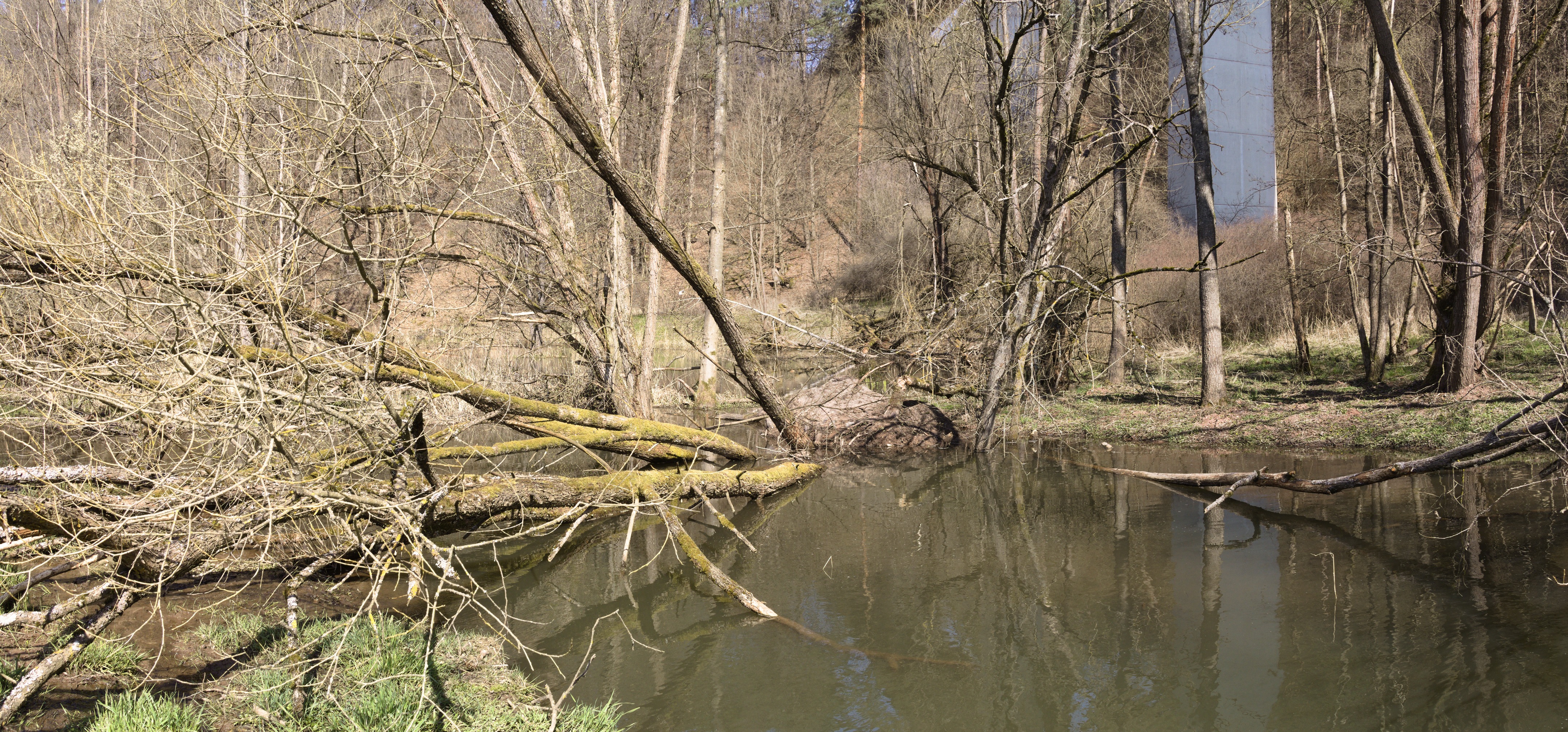
Complex water makes complex life. In beaver-built reaches, juvenile salmon and trout find slow-water nurseries where they can rest, feed, and grow before facing the main stem. Amphibians lay eggs in quiet shallows, dragonflies patrol the margins, and songbirds work the willow thickets that root quickly in saturated soils. The food web thickens, which in turn supports predators and scavengers up the chain.
Concerns about fish passage are real, especially during low flows, yet many salmonids can navigate dams during wet periods or use side channels that beavers inadvertently maintain. Where barriers persist, managers notch or modify structures and monitor outcomes rather than defaulting to removal. The broader pattern that emerges is a patchwork landscape with more options, not fewer. In a century of extremes, options are a form of resilience.
Why It Matters
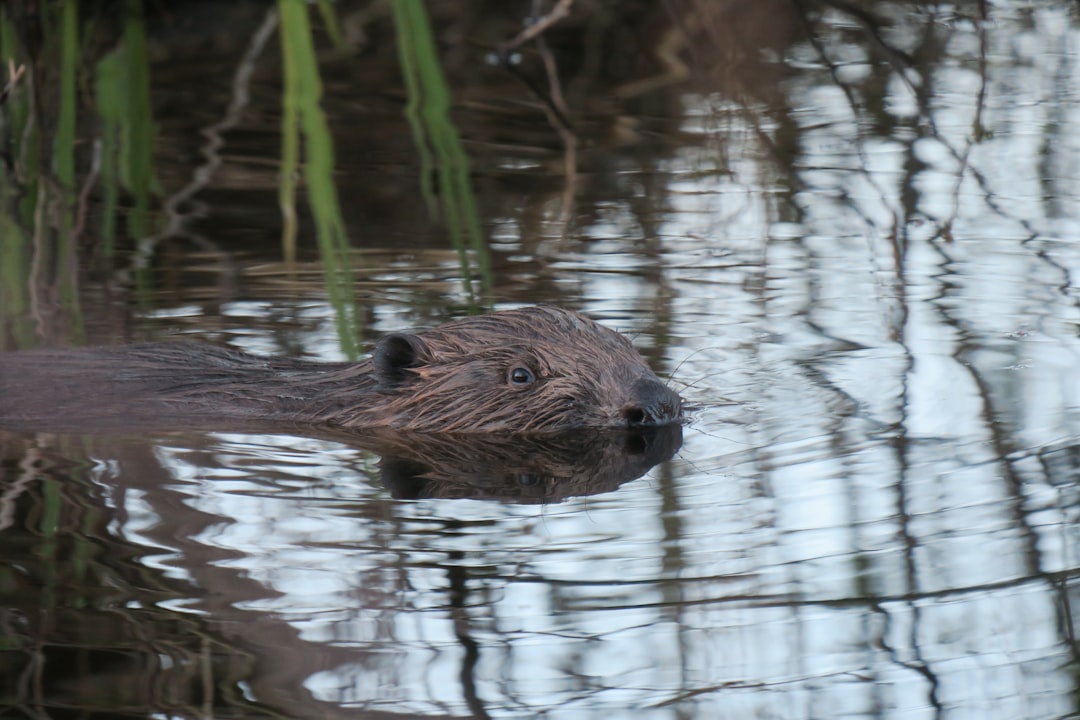
For decades, our default response to flood risk and habitat loss leaned on gray infrastructure: taller levees, deeper ditches, straighter channels. That approach moves water fast but often shifts problems downstream, fragments habitat, and demands perpetual maintenance. Beaver-led restoration changes the equation by turning valleys into sponges that store water, build soil, and self-repair after storms. You could call it distributed risk management, spread over thousands of small dams rather than a handful of big walls.
The cost comparison is striking. Heavy equipment can re-sculpt a reach in days, but nature-based designs maintained by beavers can keep evolving without constant budgets or diesel. There are trade-offs – local flooding near roads, tree loss near ponds, and potential conflicts with infrastructure – but coexistence tools like flow devices and culvert fences reduce many pinch points. And unlike single-purpose structures, beaver systems deliver co-benefits: water quality gains, carbon-rich soils, and wildlife habitat bundled with flood moderation.
The Future Landscape
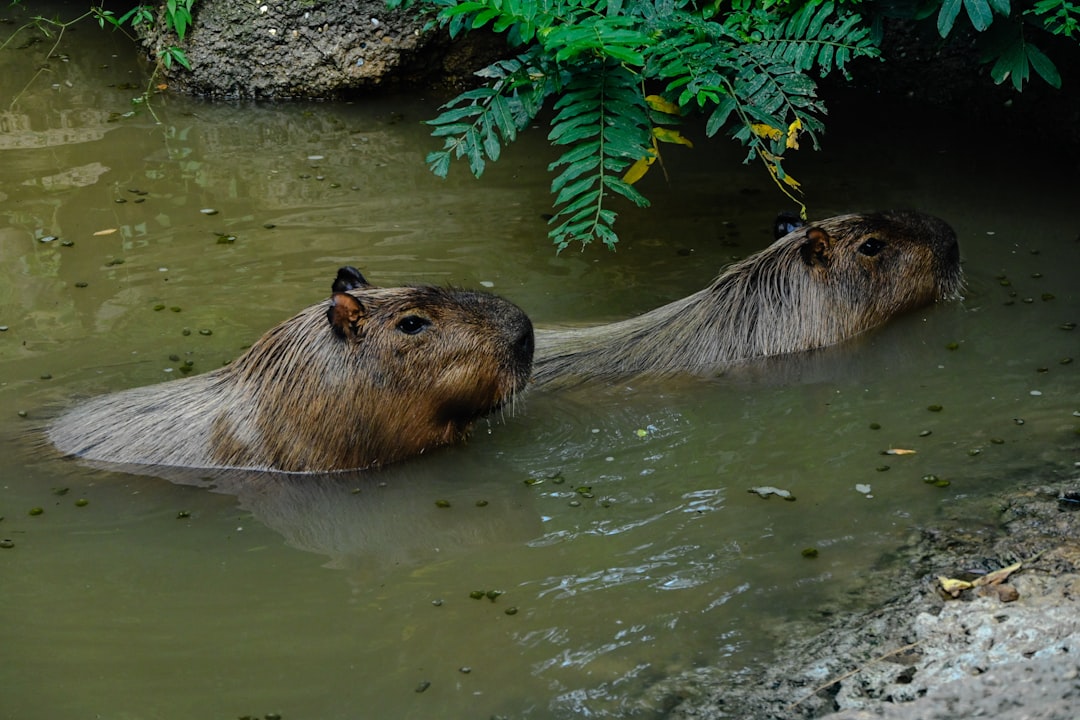
What comes next looks like a fusion of field craft and technology. Landowners and tribes are teaming with biologists to install beaver-friendly structures, map outcomes with satellite imagery, and check stream health using environmental DNA. Remote sensors now log water levels and temperatures minute by minute, offering a clear read on how wetlands buffer heat and storms through the year. That data is shaping flexible policies that prioritize coexistence while protecting roads, culverts, and fields.
There are challenges on the horizon: droughts that last longer, fires that strip hillsides, and invasive plants that can outpace natives in newly wet ground. Even so, wet beaver valleys have shown surprising fire resistance, acting as green corridors that slow or deflect flames. Engineers are beginning to write guidelines that treat beaver activity as a design partner rather than a design flaw. If that mindset continues, Oregon’s floodplains could become laboratories for climate resilience that other regions adapt to their own geologies and cultures.
Conclusion
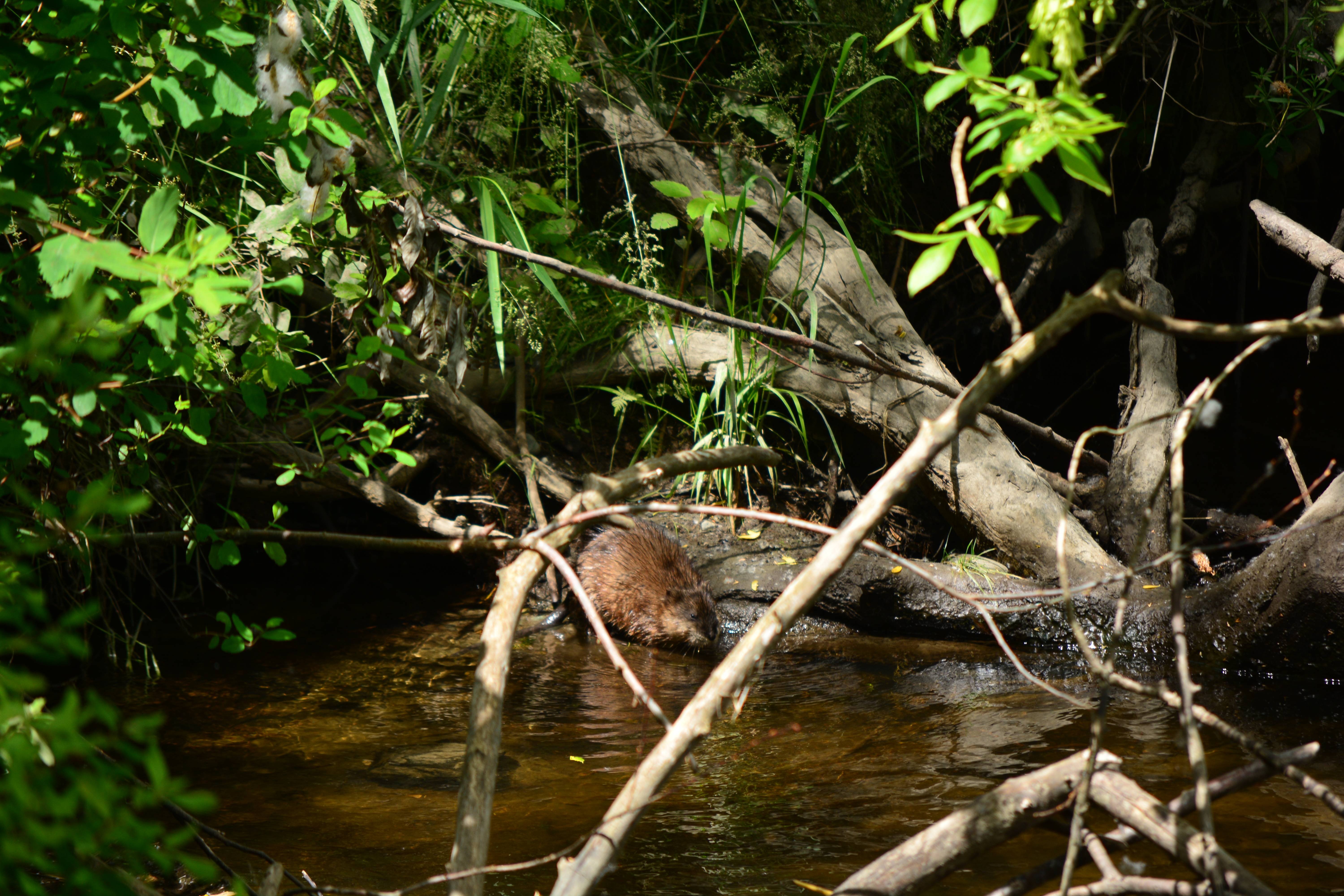
Readers can make a difference by starting with curiosity. Learn who manages water and wildlife in your watershed, and ask how nature-based strategies are being considered alongside traditional fixes. If you live with beavers, explore coexistence tools that protect trees and prevent unwanted flooding without trapping or draining wetlands. Small choices – planting willow, leaving buffer zones, reporting active sites to local stewards – compound into meaningful habitat gains.
Support groups that work on process-based restoration, from local land trusts to community science programs that monitor flows and fish. Volunteer days often need hands to weave brush, plant riparian trees, or install simple flow devices that keep culverts clear. The work is humble, a little muddy, and incredibly satisfying. In a world of big problems, helping a stream slow down is a refreshingly practical act.
Suhail Ahmed is a passionate digital professional and nature enthusiast with over 8 years of experience in content strategy, SEO, web development, and digital operations. Alongside his freelance journey, Suhail actively contributes to nature and wildlife platforms like Discover Wildlife, where he channels his curiosity for the planet into engaging, educational storytelling.
With a strong background in managing digital ecosystems — from ecommerce stores and WordPress websites to social media and automation — Suhail merges technical precision with creative insight. His content reflects a rare balance: SEO-friendly yet deeply human, data-informed yet emotionally resonant.
Driven by a love for discovery and storytelling, Suhail believes in using digital platforms to amplify causes that matter — especially those protecting Earth’s biodiversity and inspiring sustainable living. Whether he’s managing online projects or crafting wildlife content, his goal remains the same: to inform, inspire, and leave a positive digital footprint.