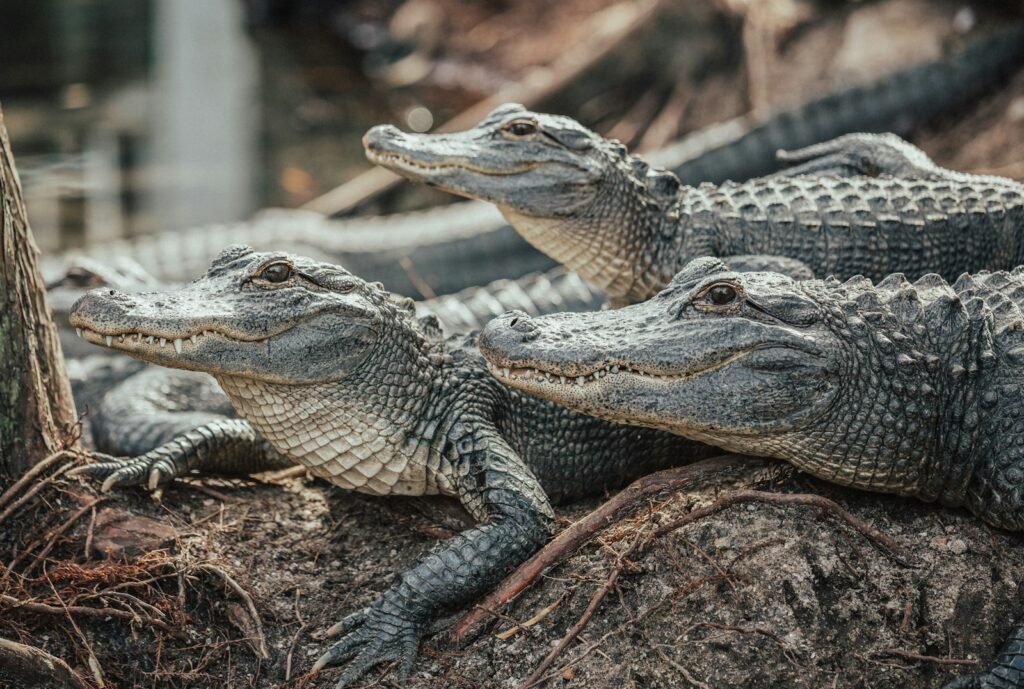

At the ragged edge of Louisiana’s coast, where spartina grass trembles at every passing breeze, a quiet contest is underway. Saltwater pushes inland, storms ride higher, and the state’s iconic American alligator must navigate a landscape that is literally sinking beneath its feet. Scientists track the changes with sensors and satellites, yet the marsh tells the story first through dying plants, broken ridgelines, and nests washed clean. The conflict isn’t creature against climate so much as time against loss, with each on rearranging the map. The question now is whether science and restoration can bend that curve before the marsh – and the reptile that depends on it – slips from view.
The Hidden Clues
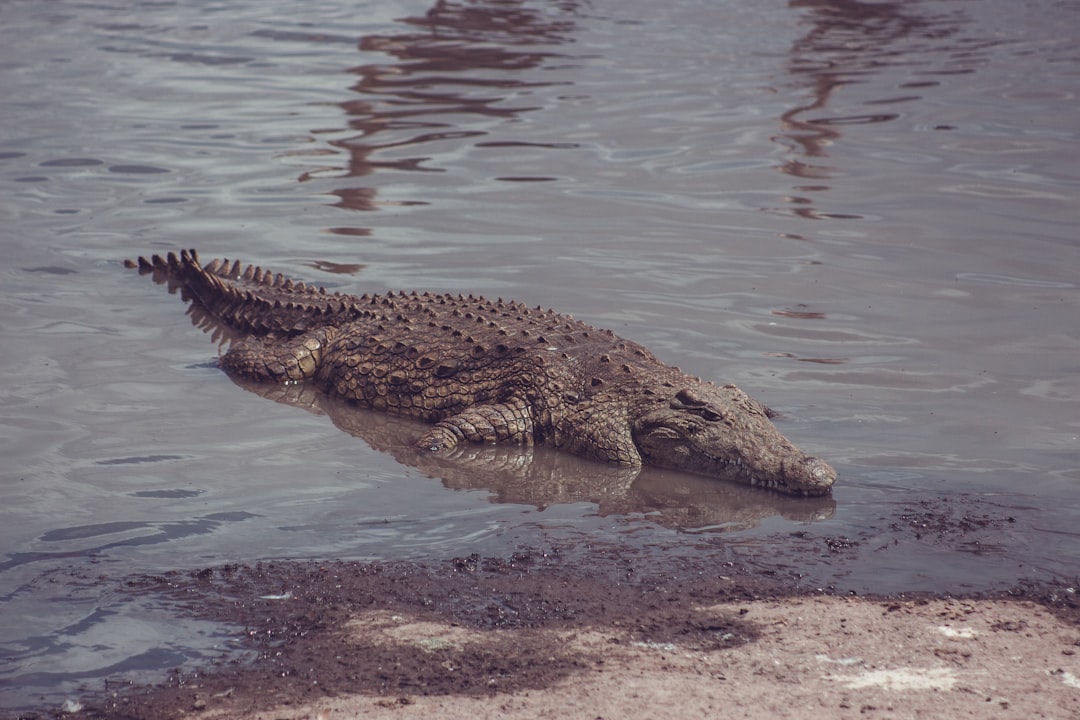
The first signs of trouble are subtle: salt crystals frosting cattail leaves, minnows turning up where crawfish once teemed, and basking logs marooned by eroding banks. Field teams note alligator trails rerouted around new ponds, a daily choreography rewritten by higher tides and softening ground. Even without instruments, the marsh whispers that the water is different and the rhythm is off.
Tracks that once hugged freshwater sloughs now skirt brackish pools, and tail drags fade where the shoreline has retreated. Juveniles linger in shrinking backwater refuges, avoiding open stretches where currents run stronger and salinity spikes after dry spells. The landscape still feels familiar, but its rules are shifting underfoot.
From Ancient Tools to Modern Science
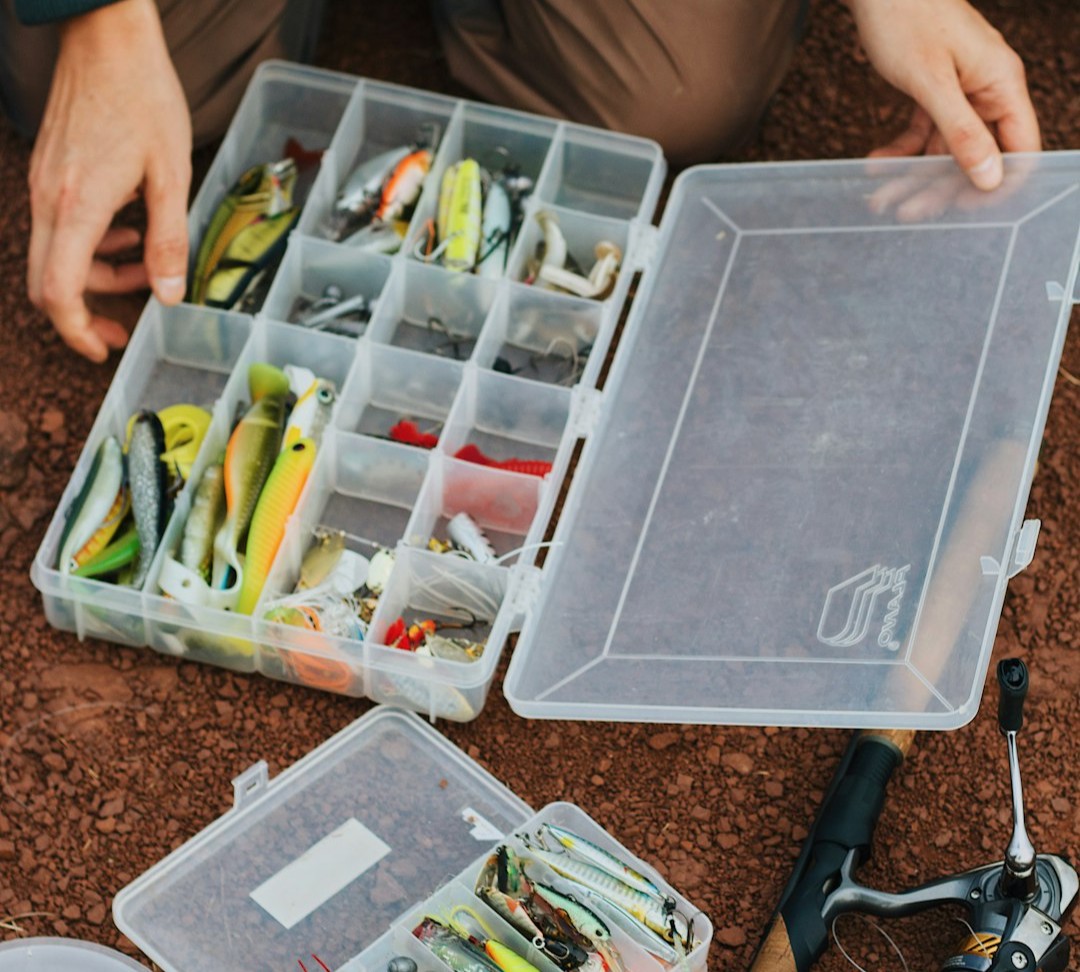
Coastal biologists still rely on the old tools – boots, binoculars, notebooks stained with marsh water – to read behavior up close. Those field notes now mesh with drones that map nest mounds, satellite altimetry that traces sea-level trends, and lidar that exposes the faint ribs of sinking ridges. Temperature loggers tucked into nests record the critical degrees that decide sex ratios long after teams hike out.
Acoustic and optical salinity sensors ride the tides to capture pulses of salty water moving inland, a fingerprint of intrusion that was once guesswork. Environmental DNA sampling turns a bottle of water into a roll call for elusive reptiles, detecting presence where eyes see only glare. Together, these tools translate scattered observations into patterns that managers can act on.
Water, Salt, and the Alligator Threshold
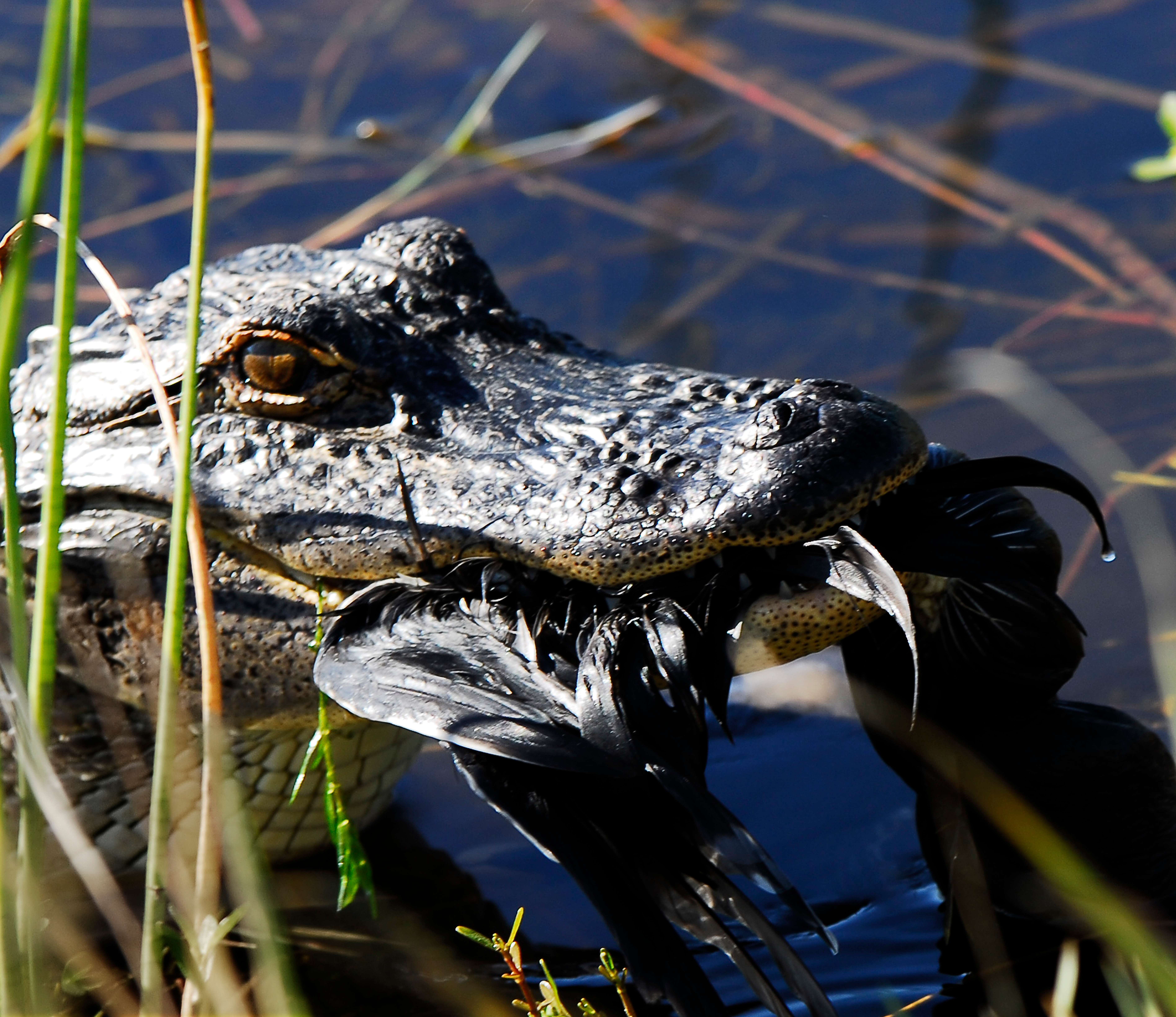
Alligators are remarkably tough, yet they are fundamentally freshwater animals that need regular access to drinkable water and low-salinity for nesting success. Adults may cruise brackish canals for a time, but hatchlings and eggs are far less forgiving of salt, and growth slows when salinity climbs. When drought lowers river flow and storms push the Gulf inland, that tolerance line gets crossed more often.
As canals deepen and levees redirect sediment, salt can travel farther and linger longer in back marshes that once flushed quickly. Plants that knit soil in place die back, exposing mudflats that erode under the next blow. Habitat doesn’t vanish in a single storm; it unthreads, patch by patch, until only fragments remain.
Nests Under Siege: Heat, Floods, and Skewed Sex Ratios
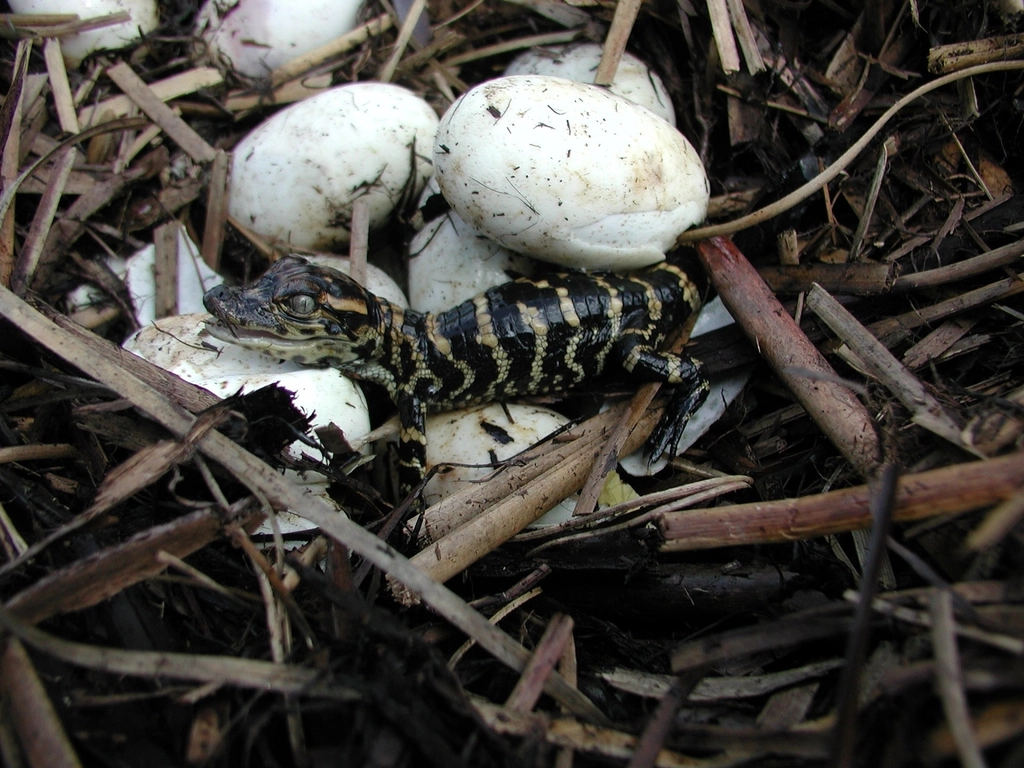
Alligator sex is determined by incubation temperature, with males produced around a narrow middle range and females appearing at cooler and warmer extremes. Hotter summers tilt many nests toward female-heavy broods, subtly reshaping future populations even when hatch numbers look strong. Meanwhile, higher storm surges and heavy rain events can drown or unroof mounds before eggs ever pip.
Some managers test shading and microhabitat tweaks, steering nests toward that vital middle band without intrusive handling. Others raise a share of eggs in controlled settings and release juveniles where marshes can still support them. Every tactic aims at the same goal: keeping enough healthy, mixed-sex cohorts on the marsh to ride out the swings.
The Human Edge: Communities, Culture, and the Marsh Economy
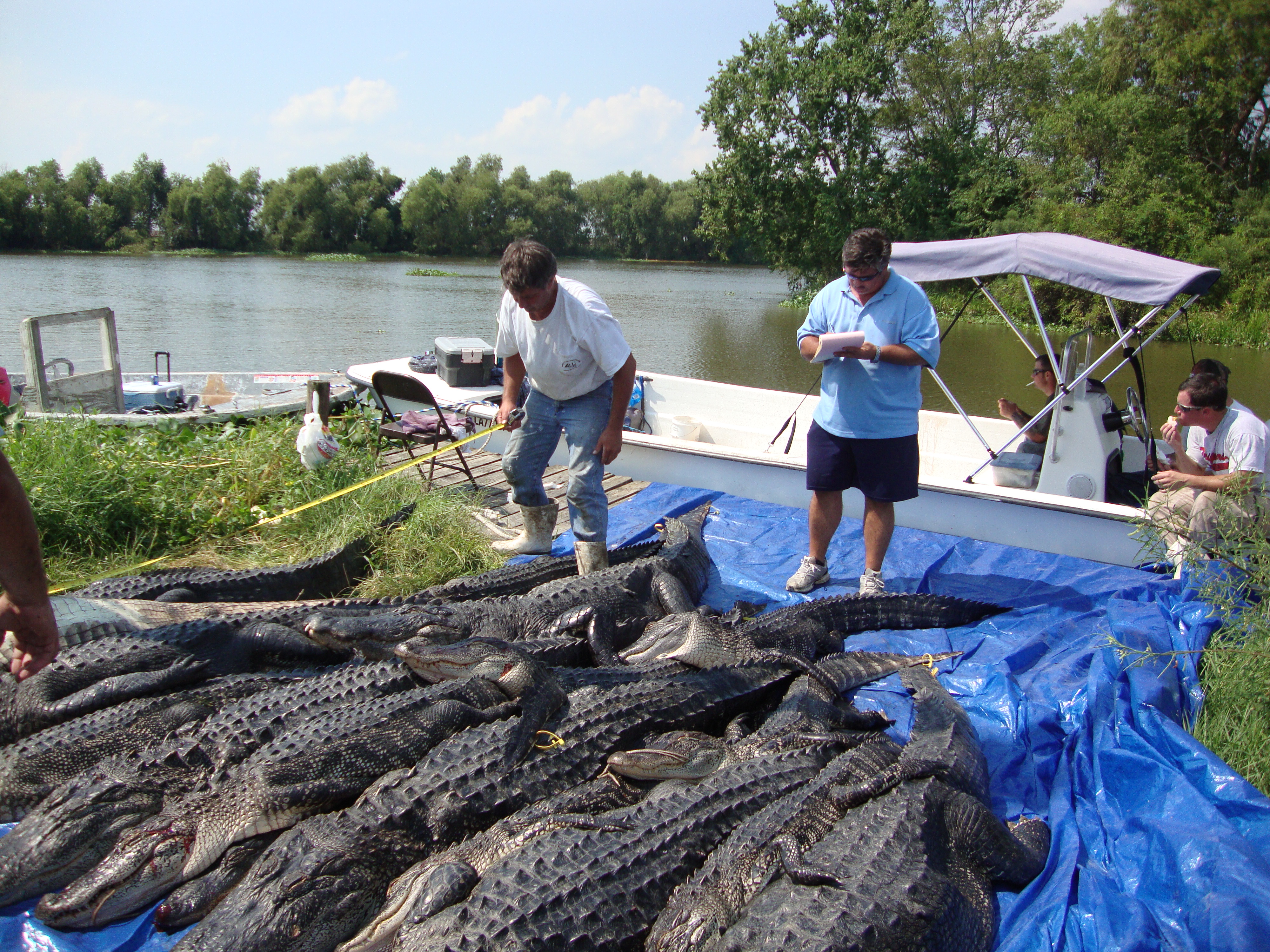
Along bayou roads, the fate of alligators is bound up with shrimpers, trappers, guides, and families whose routines turn on water levels and ons. When salinity rises, oysters suffer, vegetation thins, and the web that supports both livelihoods and wildlife frays. Storms that rip through rookeries also chew up docks, roads, and school calendars.
State programs that blend sustainable harvest with ranching and release have long helped keep alligator numbers resilient while fueling a specialty market. Today those same programs depend on protecting the freshwater nurseries that make recruitment possible. Saving habitat isn’t just a wildlife story here; it’s a working-coast plan with people at its center.
Why It Matters
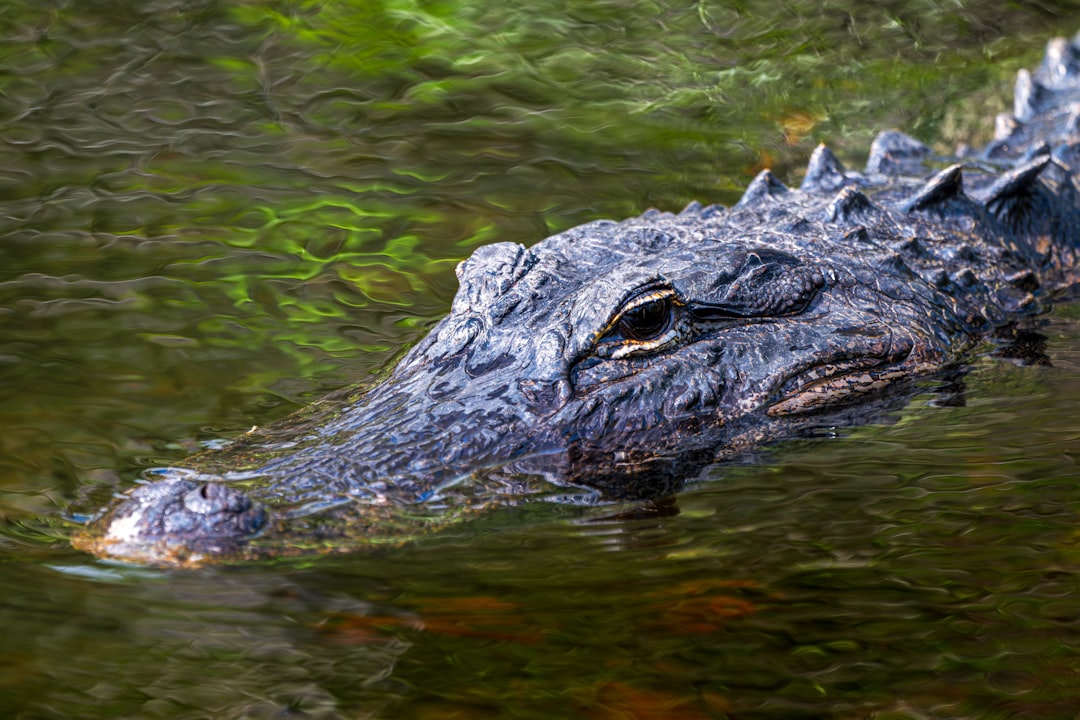
Alligators are guardians of freshwater edges, creating trails and wallows that other species use and signaling when habitat quality slips. Their fortunes mirror the health of wetlands that buffer storm surge, store carbon in deep organic soils, and filter runoff before it reaches open water.
– Coastal Louisiana has lost a vast area of wetlands since the early twentieth century, and in many hotspots the sea is rising faster relative to land than the global average. – Warmer nest temperatures tend to push hatchlings toward more females, while flood-prone mounds reduce overall survival in some years. – Marsh restoration that restores sediment and freshwater flow supports broader food webs, benefiting fish, birds, and people who rely on them. These are not niche issues; they are barometers for risk, insurance for coastal towns, and a measure of how we balance safety with wildness.
The Future Landscape
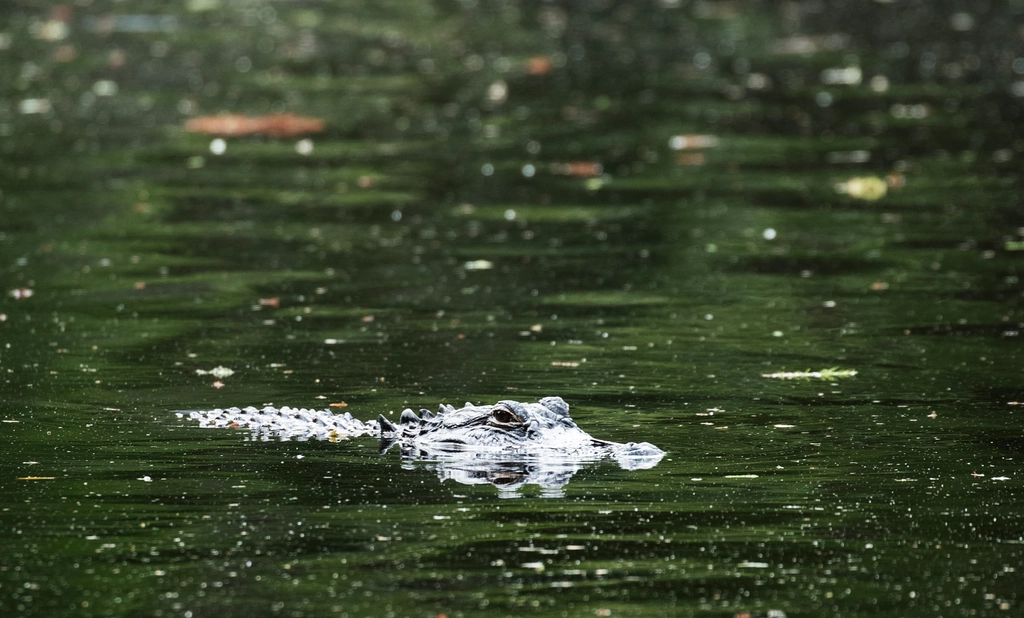
The most promising projects put sediment back to work, reconnecting rivers to sinking basins so marshes can rebuild rather than retreat. Freshwater diversions, strategically placed crevasses, and marsh creation with dredged material can tip local salinity back toward tolerable levels for nests and nurseries. Living shorelines and restored oyster reefs add roughness that steals energy from waves before they reach fragile edges.
On the wildlife side, better thermal mapping of nest sites, selective shading, and targeted head-start releases can stabilize cohorts without heavy-handed intervention. Machine-learning models already stitch weather, tide, and salinity data into forecasts that flag vulnerable stretches weeks ahead. The hard part will be choosing where to defend, where to adapt, and where to step back as the map keeps changing.
Conclusion
Support the projects that rebuild land and freshwater flow, because every acre of marsh multiplies benefits for communities and wildlife. Back local agencies and partners that monitor nests, track water quality, and verify outcomes so restoration dollars turn into real habitat. Respect nesting ons by keeping a wider berth around mounds, reporting illegal disturbance, and steering boats gently through nursery creeks.
Pitch in with volunteer plantings, citizen-science surveys, or classroom programs that bring the coast’s living mechanics to life. Choose goods and tourism operators that follow certified, sustainable practices rooted in long-term marsh health. If we act where science points, will the quiet ripple of an alligator surfacing still greet us on a future summer morning?
Suhail Ahmed is a passionate digital professional and nature enthusiast with over 8 years of experience in content strategy, SEO, web development, and digital operations. Alongside his freelance journey, Suhail actively contributes to nature and wildlife platforms like Discover Wildlife, where he channels his curiosity for the planet into engaging, educational storytelling.
With a strong background in managing digital ecosystems — from ecommerce stores and WordPress websites to social media and automation — Suhail merges technical precision with creative insight. His content reflects a rare balance: SEO-friendly yet deeply human, data-informed yet emotionally resonant.
Driven by a love for discovery and storytelling, Suhail believes in using digital platforms to amplify causes that matter — especially those protecting Earth’s biodiversity and inspiring sustainable living. Whether he’s managing online projects or crafting wildlife content, his goal remains the same: to inform, inspire, and leave a positive digital footprint.