By sunrise at our imaginary , rescue radios are already chirping, incubators hum, and field crews lace up boots that never really dry. The twist: each department is led by a zodiac archetype, not as superstition, but as a playful lens on real science and field-tested protocols. The result is a newsroom-worthy blend of adrenaline and evidence, where triage meets telemetry and compassion sits beside cold data. The stakes are clear – more injured animals are reaching centers as warming trends, habitat loss, and urban sprawl collide – yet solutions are thriving where organization, leadership, and innovation align. This story tracks those systems, shows what’s working, and asks how far new tools and old instincts can carry us.
The Hidden Clues
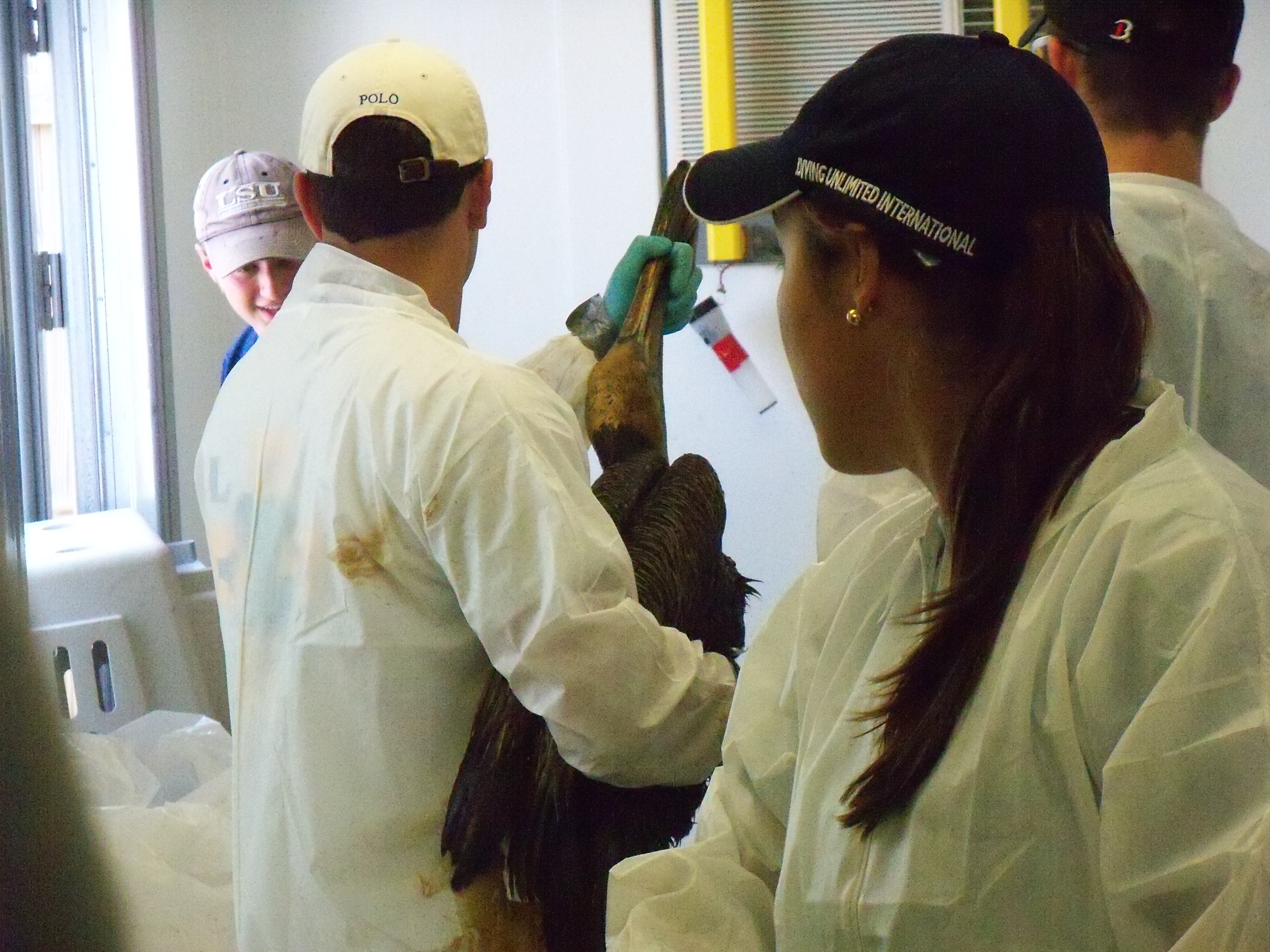
What if the first diagnosis began long before anyone touched a patient? Our hypothetical Virgo intake lead would read the scene like a forensic novel, stitching together climate, location, and behavior to infer injury without guesswork. In practice, that means careful observation: posture, respiration, feather or fur condition, and even the microscopic dirt clinging to paws that hints at habitat edges.
Those clues steer evidence-based choices – quiet rooms to mute stress hormones, thermal support before fluids, and meticulous recordkeeping that prevents double dosing. I’ve watched a similar routine play out in real centers, and the fastest saves often start with silence, not heroics. Virgo’s superpower here is simply scientific humility: look first, act next.
From Ancient Tools to Modern Science
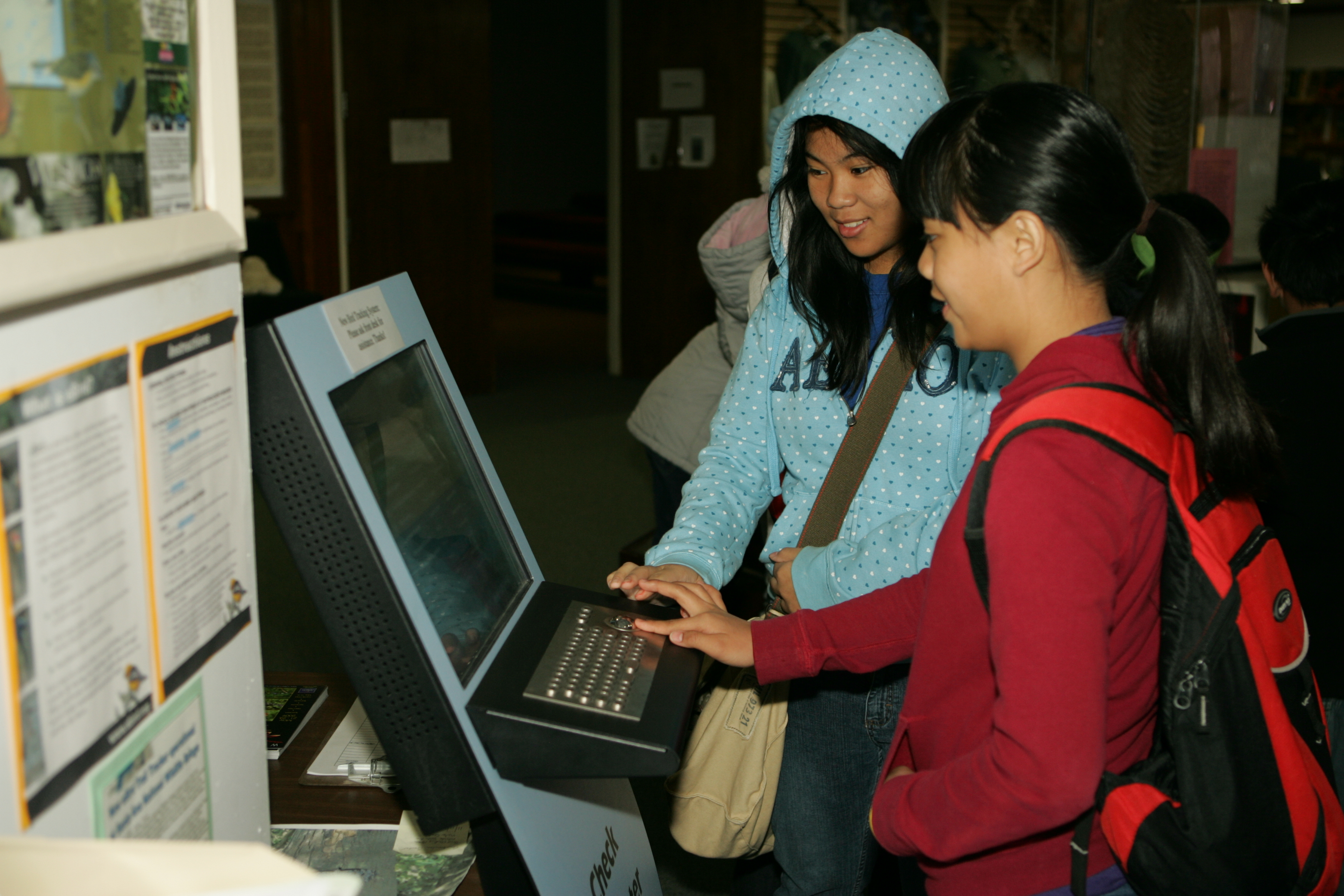
Old-school tracking once meant following prints and reading scat; today an Aquarius-minded tech unit pairs those skills with acoustic monitors, camera traps, and small drones that map heat signatures under canopy. Environmental DNA adds another layer, sweeping water and soil for genetic breadcrumbs that confirm which species passed through. The blend cuts search time and reduces chase stress, a win for everything from owls to otters.
Data doesn’t end at discovery, either. Capricorn’s discipline turns raw feeds into usable dashboards – who, where, when – so field teams deploy with purpose rather than instinct alone. The result is a center that runs like a newsroom desk married to a lab bench.
Field Triage, Zodiac-Style
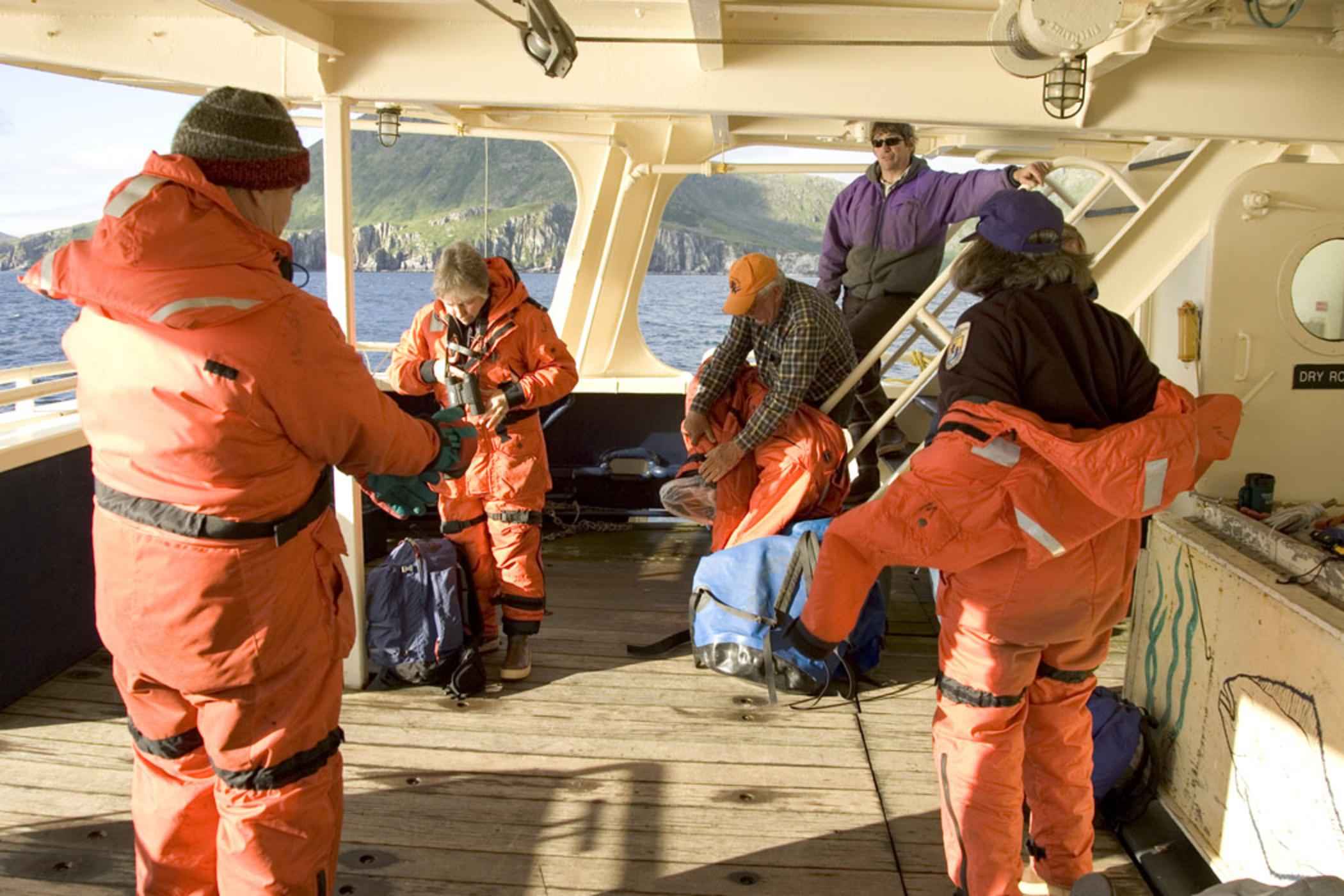
On the roadside, Aries is first to crouch beside a hawk, running the calm ABCs of airway, breathing, and circulation while Leo sets the perimeter and assigns roles. Taurus brings steady hands for splinting and the patience to warm hypothermic bodies slowly, because speed can kill when vessels rebound too fast. Gemini checks radios, translating vet instructions into crisp steps that the whole team can follow.
Back at the clinic, Virgo’s intake notes become the spine of the case file, while Cancer leans into gentle hydration and low-stress feeds that prevent aspiration. Scorpio, the forensics mind, inspects feathers for powerline scorch or examines wounds for hook shapes that signal illegal gear. Together they move from chaos to plan in minutes, not hours.
The Social Network of Care
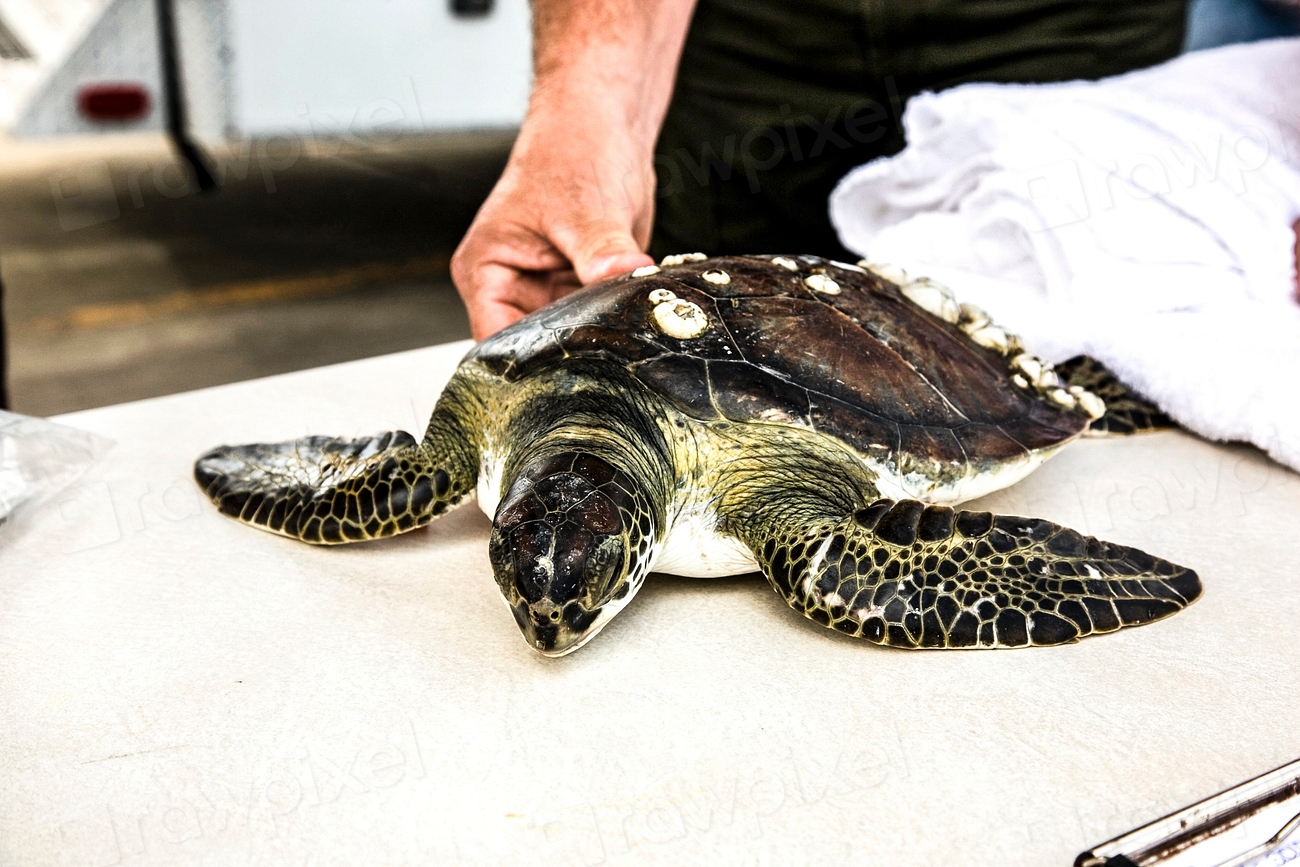
Wildlife rehabilitation is never just one species; it’s a web. Libra keeps the ethical balance – minimizing imprinting in young animals with visual barriers, puppet-feeding for raptors, and soundscapes that mimic the wild instead of human voices. That same balance governs when to say no, such as avoiding well-meaning but harmful petting of juveniles that could sabotage a future release.
Pisces carries the empathy that keeps volunteers coming back through long nights, yet channels it through protocols rather than impulse. Small choices matter: dim red lighting, quiet handling, and timed feeds that mimic natural foraging cycles. The center becomes a chorus rather than a solo, and the animals hear the difference.
Risk, Ethics, and the Line We Don’t Cross
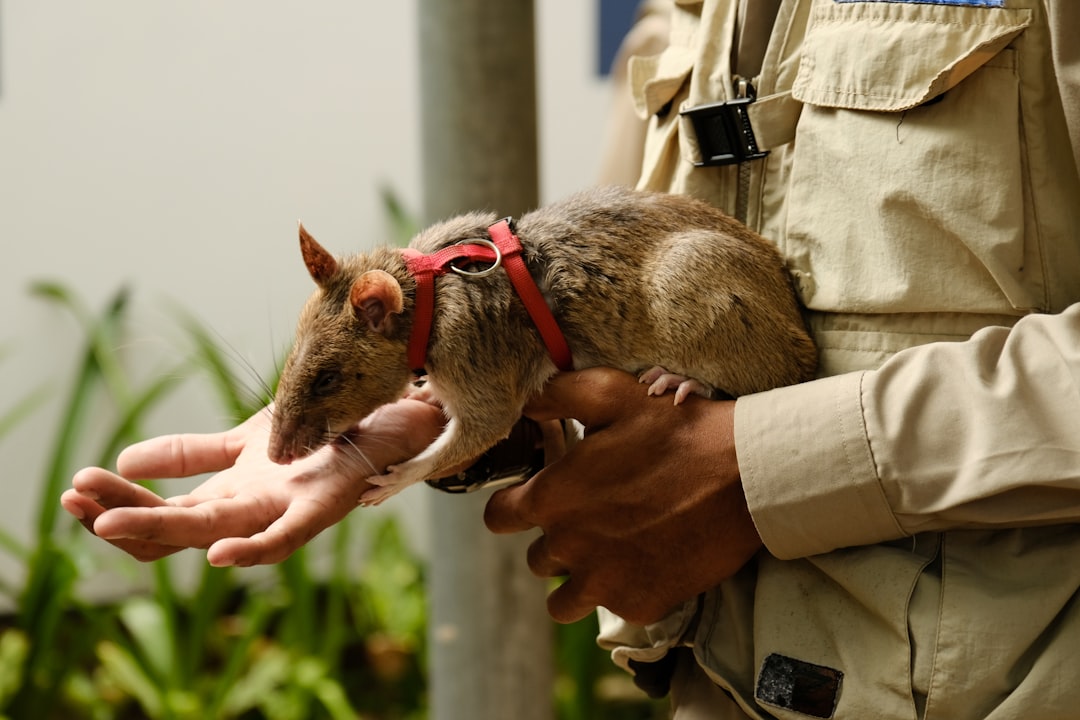
Every rescue carries risk – to the animal, to people, and to the larger ecosystem. Rabies vectors require strict barriers and vaccinations for staff, while suspected avian influenza means full protective gear and separate airflow. The ethos is simple: heal one patient without endangering the colony, the flock, or the team.
Libra again steadies the scales when public pressure spikes. Not every patient should be saved at all costs; palliative care and humane euthanasia are part of responsible wildlife medicine. The line is drawn by welfare, not sentiment, and that honesty builds long-term trust with the community.
Why It Matters
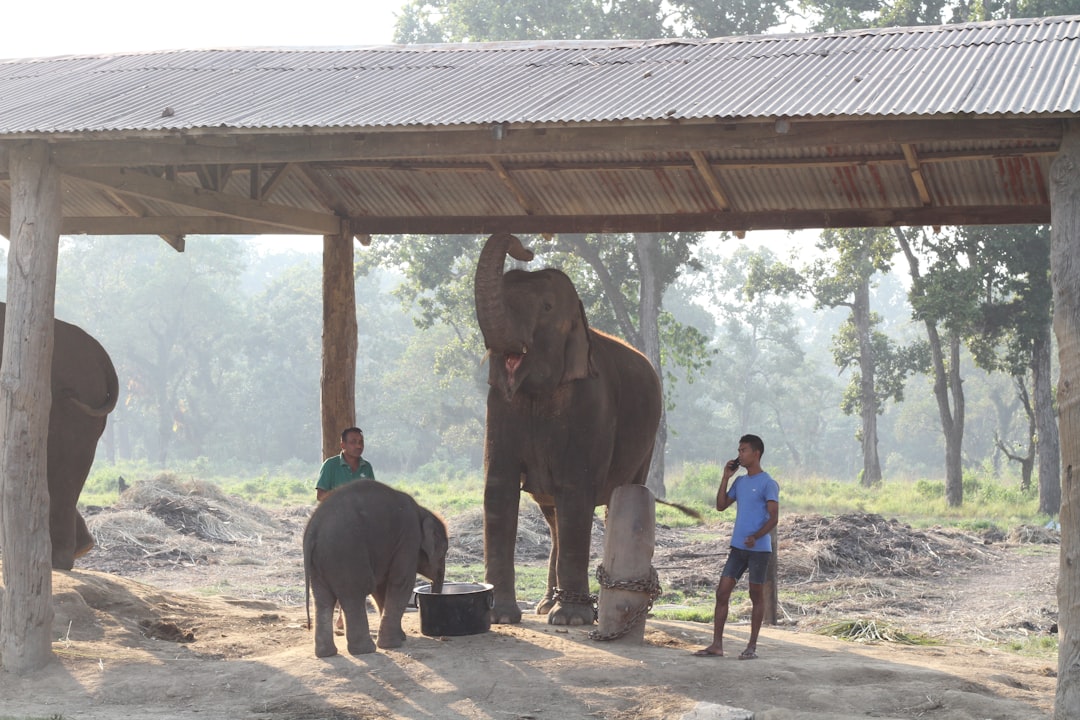
s are often the first sensors of ecological trouble, spotting patterns long before formal surveys catch up. An uptick in dehydrated nestlings can flag a heatwave trend; a cluster of raptors with rodenticide symptoms can spotlight urban pest-control spillover. In a world tilted by climate shifts and fragmentation, these centers act like early-warning buoys.
Compared with traditional rescue models that focused narrowly on individual animals, today’s best programs integrate population health and disease surveillance. That One Health mindset – where animal, human, and environmental health are joined – turns local rescues into scientific datasets that inform policy, mitigation, and urban planning. Leo’s leadership makes it visible; Virgo’s spreadsheets make it credible.
Global Perspectives
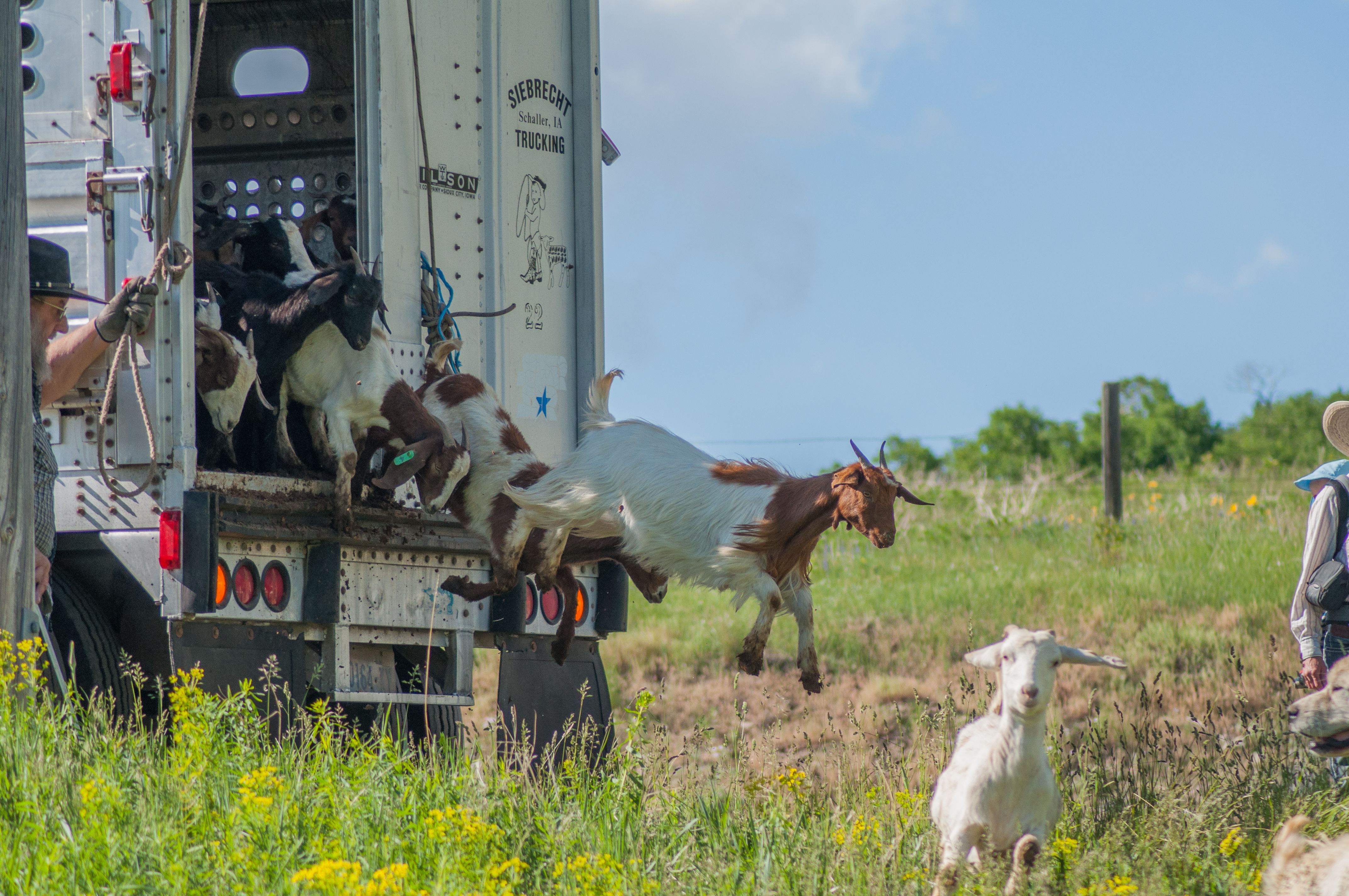
Across continents, the toolkit looks similar but the context changes dramatically. In coastal hubs, Aquarius-driven drone surveys spot entangled marine mammals faster than boats can, while inland programs rely on camera arrays to find quietly injured herbivores in patchy woodlots. Collaboration stitches these efforts together, with open data portals that share anonymized case outcomes and hot spots.
Sagittarius brings the outward gaze, building exchange programs so rehabilitators swap techniques from seabird oiling responses to pangolin release methods. Cultural nuance matters: local knowledge can halve search time and reduce stress during capture. The center that listens across borders often learns faster than the one that buys another gadget.
The Future Landscape
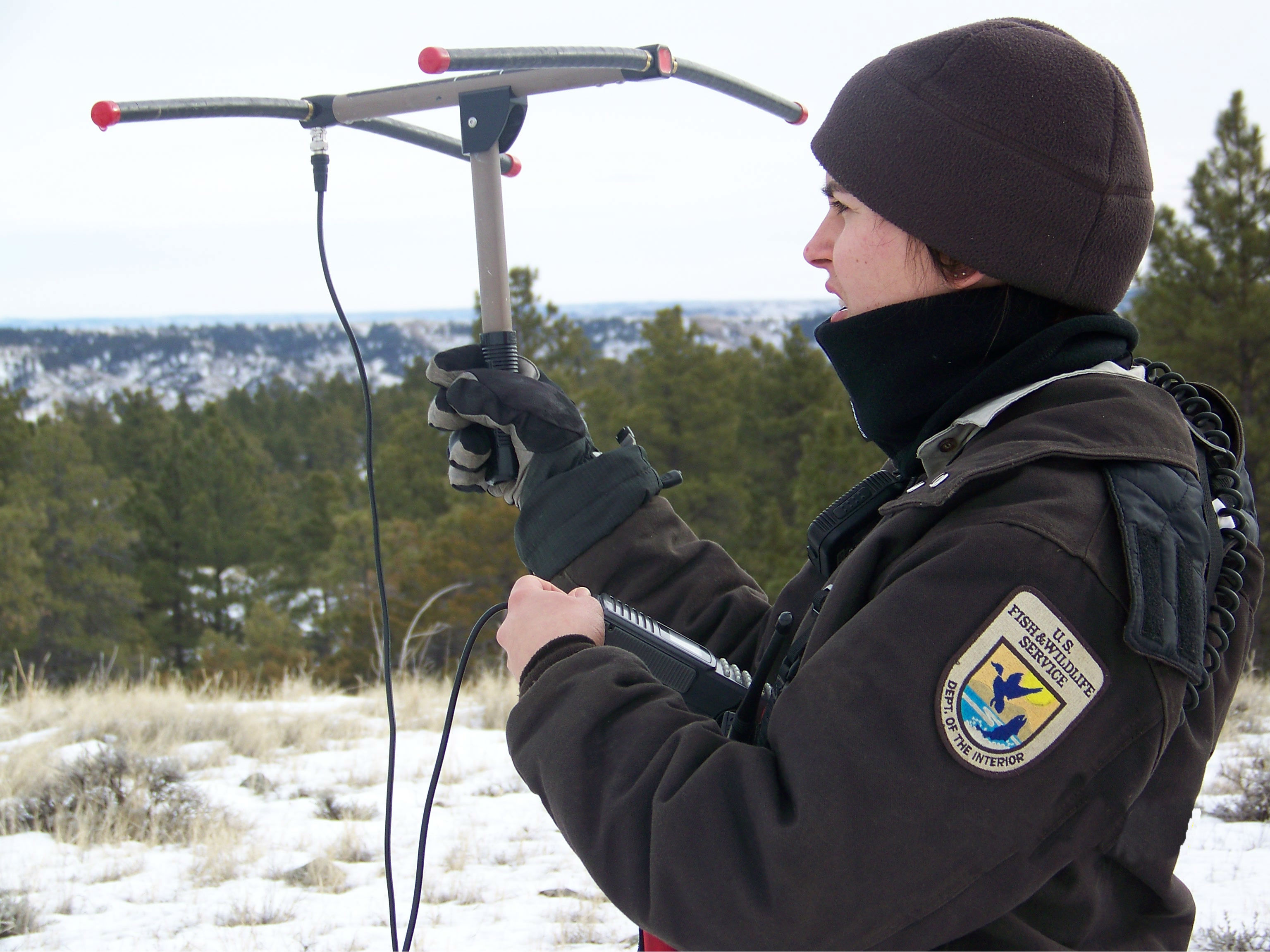
Emerging tech is pushing rehabilitation beyond the clinic walls. Lightweight GPS tags that fall off after a set period, acoustic AI that flags distress calls in noisy cities, and statistical models that predict when and where orphan surges will hit are moving from pilot projects to practice. Aquarius loves that horizon, but Capricorn keeps it grounded in validation and cost-benefit math.
There are real hurdles ahead: data privacy around location-sensitive species, funding gaps for long tail cases, and the risk of tech overshadowing husbandry. Still, the arc is promising – smarter triage, gentler handling, and stronger post-release monitoring that tells us if success lasts longer than the photo at the gate. Taurus will carry the weight; Gemini will keep everyone talking when the servers hiccup.
The Social Science Inside the Science
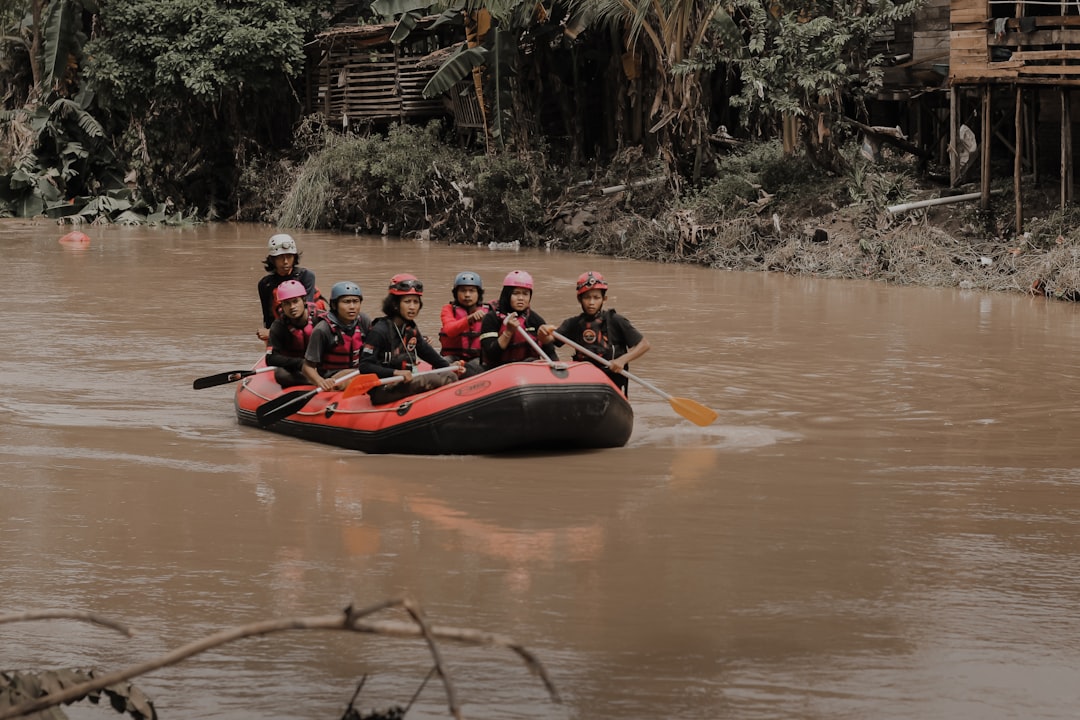
Rescues run on people as much as protocols, and that’s where the zodiac lens unlocks something practical. Leo protects against leadership vacuums that burn hours; Virgo prevents medication errors with checklists; Libra keeps the mission aligned with law and ethics when emotions surge. These are human failure points as old as rescue work itself.
I once shadowed a team during a heat-crushed week when calls doubled and tempers frayed. What saved the day wasn’t a new device; it was a Gemini-style comms reset and a Capricorn-style schedule triage that put the right hands in the right rooms. That’s not mysticism – it’s organizational ecology in action.
How You Can Help
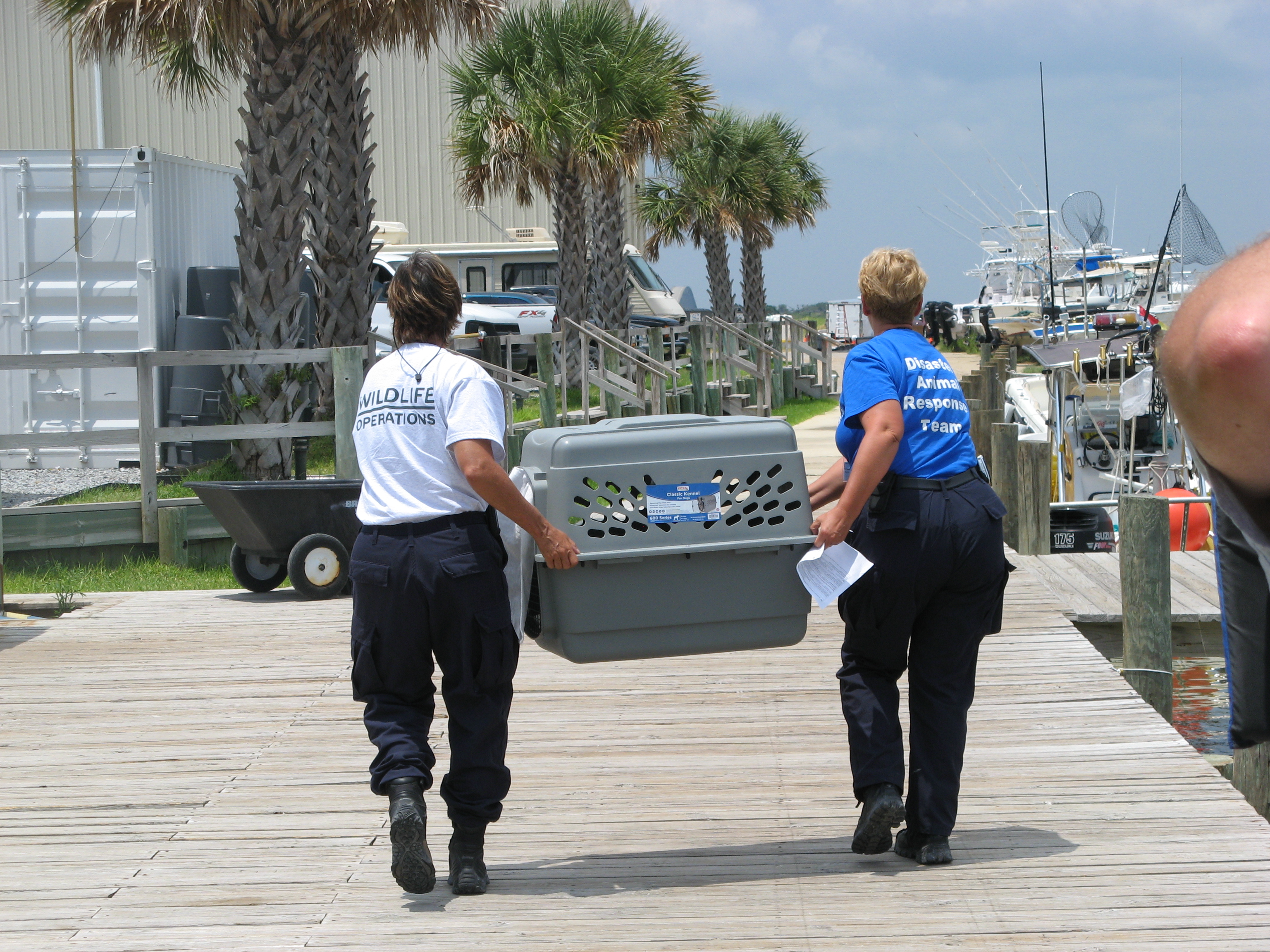
Start local: learn your region’s wildlife hotline, keep pets indoors during fledgling season, and secure trash to cut down on entanglements and opportunistic feeding. Window strikes drop when homes add simple visual markers, and rodenticide alternatives reduce secondary poisoning in raptors. Small acts create fewer patients, which is the quietest victory a center can celebrate.
If you’ve got time, volunteer for transport or data entry – the unglamorous jobs that Leo and Virgo quietly depend on. If funds are easier than hours, support centers that publish outcomes and collaborate with researchers; transparency is a reliable proxy for quality. The next life saved might hinge on your habits as much as their heroics – will you take the first step today?