

It’s a tantalizing question with a twist: if the night sky handed out crowns, really run the show? In the real world, dominance isn’t written in stars but negotiated in whispers, glances, and timely cooperation. Scientists are mapping those hidden negotiations, and the findings upend our favorite myths about alphas and natural-born leaders. The story unfolding in labs, savannas, and city parks suggests that leadership is less a birthright than a dynamic, context-bound dance. The surprise is not who sits at the top, but how often the top quietly shifts beneath our feet.
The Hidden Clues
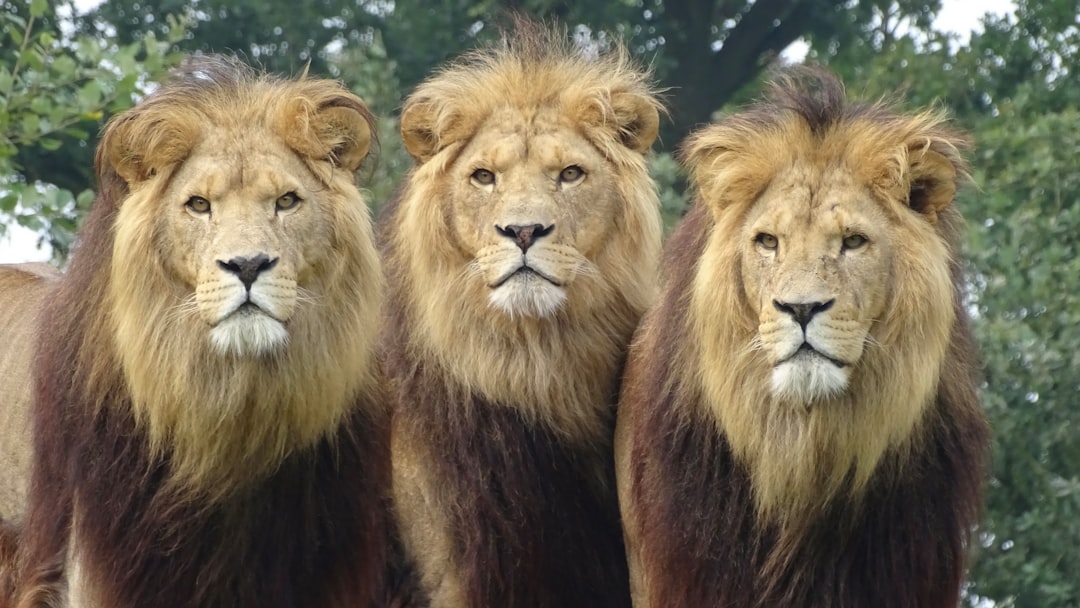
Here’s the shocker: in many animal societies, the clearest sign of leadership is not a snarl but a subtle cue that most bystanders miss. A slight head turn, a short call, a step into open space – these micro-movements can set a whole group in motion. I remember crouching in a cold blind at dawn, watching a troop of geladas; the animal that triggered the day’s march looked unremarkable until, suddenly, everyone flowed after them. Power lived in timing and information, not theatrics. The zodiac makes for a good story, but real leadership reads like a series of quiet punctuation marks.
Researchers track these signals with GPS collars, accelerometers, and automated video that identify who initiates movement and who others shadow. Over time, the same individuals emerge as reliable waypoint-setters even without dramatic displays. That repeat reliability is its own kind of gravity, pulling attention and trust. Think less roaring Leo, more careful cartographer. The map matters more than the mane.
From Ancient Tools to Modern Science
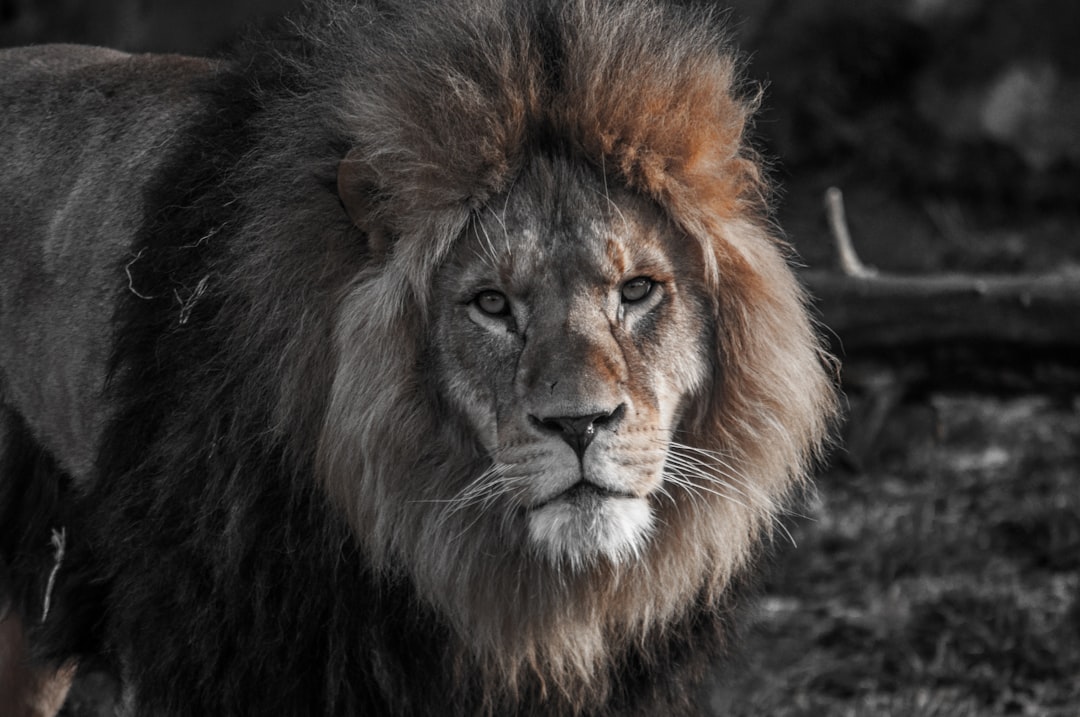
Astrology began as a human attempt to wrangle uncertainty, a cosmic filing system to label personality and fate. Today, ethology, neuroscience, and data science take that impulse and tether it to measurable behavior. Network analysis reveals which animals sit at social crossroads, connecting cliques and smoothing tensions. Accelerometers show who moves first, who keeps pace, and who tailors speed to pull the group along. Acoustic tags trace whose calls spark the most responses when food or danger is near.
What looks like destiny from afar becomes, up close, a portfolio of repeatable skills: information gathering, coordination, calm under stress. These traits assemble into influence that others recognize and follow. A leader is a node where good information accumulates and flows. That lens handles wolves, whales, and weekend cycling clubs with equal clarity. The method outperforms myth because it asks what, exactly, followers are following.
Leader Myth, Revisited
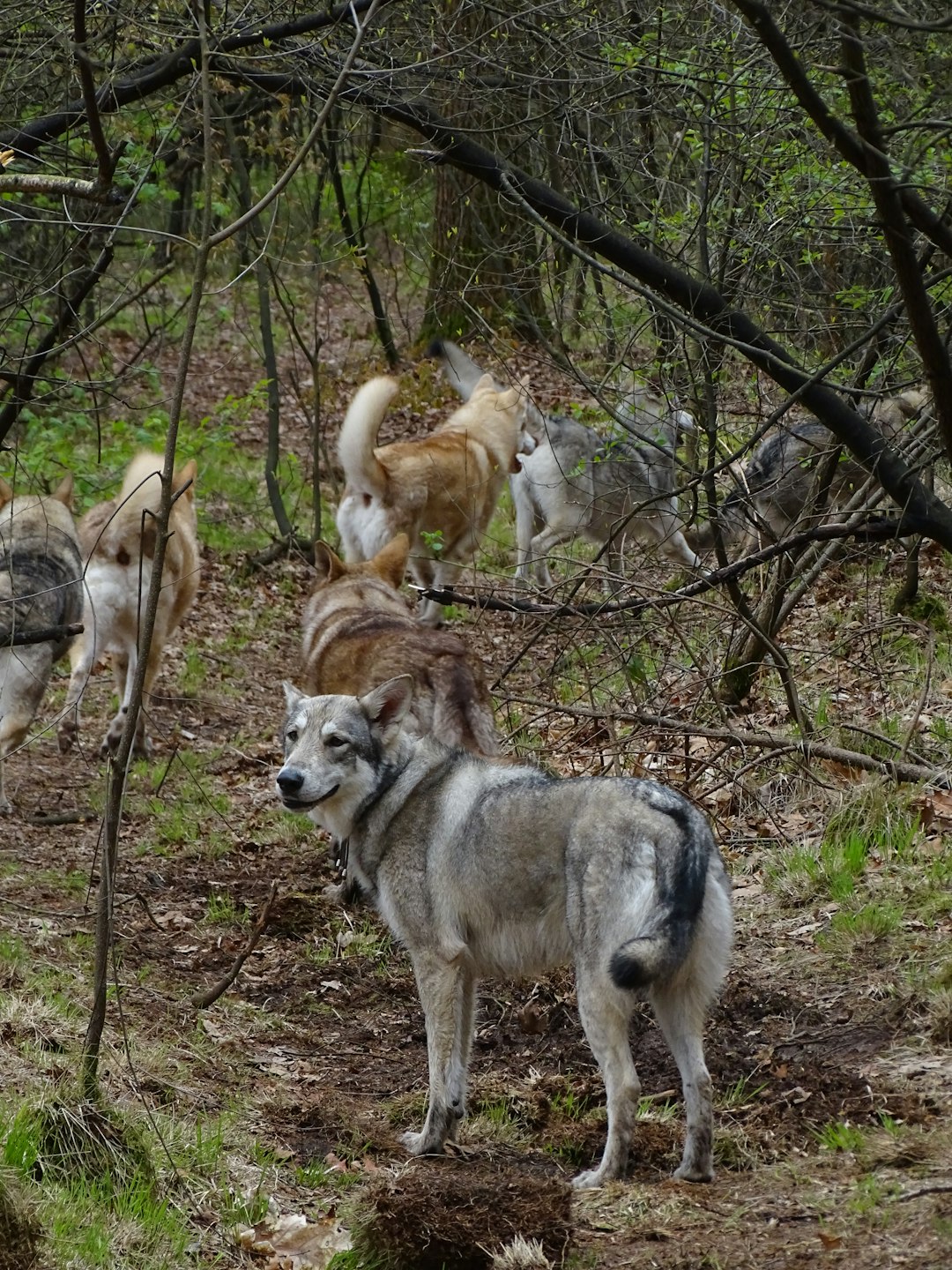
Popular culture loves the alpha archetype, but the science is messier – and far more interesting. In many wild wolf packs, stable leadership resembles family life, not a perpetual wrestling match. Adults coordinate hunts; experienced breeders guide routes; older animals babysit and teach pups, and power is distributed by context. Even in species with firm rank orders, top spots are maintained more by alliances and patience than nonstop aggression. Status can be loud in the moment and quiet in the long run.
Look around your neighborhood dog park and you’ll see the same negotiation in miniature. Play bows and pauses regulate games; de-escalation keeps fun from turning into conflict. The “boss” is often the dog best at reading others, not the heftiest. When conditions change – new dogs, new space – the informal leader can change too. That fluidity, not fixed birth signs, explains who actually gets followed.
Prestige vs Dominance: The Human Formula

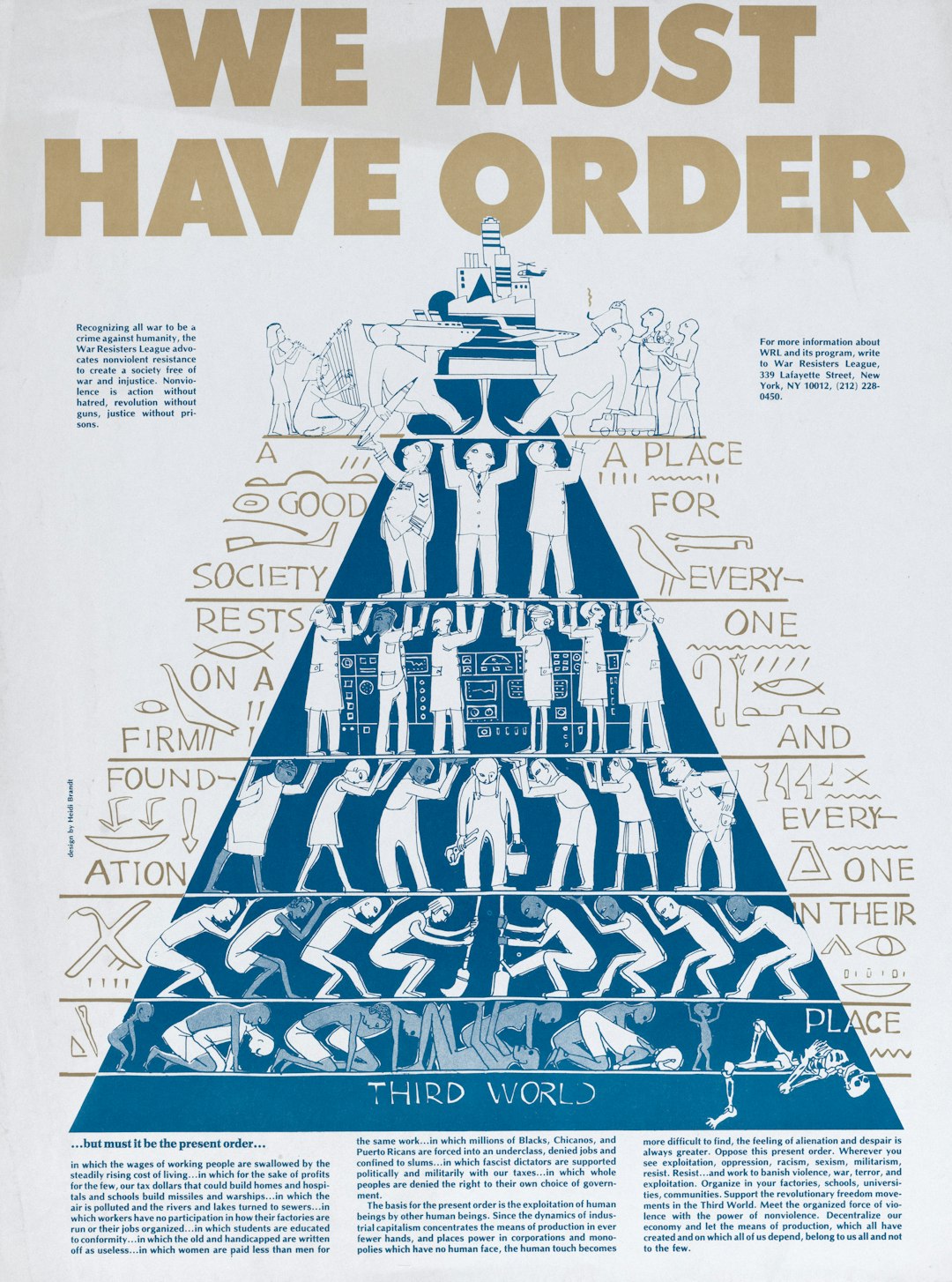
In people, two paths reliably lead to the top: dominance, which compels, and prestige, which attracts. Dominance leans on threat and control; prestige rises when others voluntarily grant status to skilled, generous, or well-informed individuals. In mixed teams, the person who quietly solves problems or predicts a bottleneck often becomes the de facto coordinator. Extraversion can spark attention, but agreeableness and conscientious expertise often sustain it. Influence lasts longer when granted than when grabbed.
Prestige leadership spreads because it reduces friction and raises collective payoff. Groups move faster when trust shortcuts arguments about what to do next. Dominance still appears in high-stakes, time-pressured moments, but it burns social capital if overused. The best leaders toggle between styles, reading context like weather. That adaptive blend beats any horoscope every day of the week.
Global Perspectives
Hierarchy is a universal feature of social life, but cultures edit the script. In some pastoral communities, age-linked authority and deep local knowledge command deference, while urban startups may reward fast pattern recognition and risk tolerance. Hunter-gatherer groups often check domineering behavior with teasing or mobility, making space for skill-based prestige. Elephant societies elevate experienced matriarchs who remember water routes across years of scarcity. Spotted hyenas flip expectations with female-dominant lines where inheritance and social support matter more than size alone.
These differences aren’t contradictions; they’re variations on a shared theme. Leadership reflects what a group values under the pressures it faces. Where memory of place is survival, memory rules; where speed to insight wins, nimble minds lead. So the star that matters is situational need, not a birth-date label. The sky stays constant; the ground keeps changing.
Why It Matters

Misreading dominance isn’t a harmless superstition – it can reshape classrooms, companies, and even conservation. When we equate loud with leader, we overlook quiet expertise and lose resilience. Organizations that reward knowledge-sharing and coalition-building tend to avoid brittle, top-heavy failure modes. In wildlife management, understanding who truly coordinates movement can protect migration corridors more effectively than guarding arbitrary territories. In everyday life, decoding influence helps us choose mentors, not megaphones.
Consider a few steady patterns that keep showing up across studies and fieldwork:
- Groups that cultivate cooperative norms often outperform those leaning on coercion, especially over longer time horizons.
- Individuals who lower others’ stress during uncertainty are more likely to be followed the next time a decision looms.
- Stable leadership frequently coincides with access to information, not just access to force.
The Future Landscape

New tools are pulling hidden hierarchies into view without the guesswork. Wearable sensors and computer vision can reconstruct who initiates, who mediates, and who defuses conflict, second by second. Machine learning turns messy interaction tapes into networks that update in real time, revealing when influence shifts with weather, season, or resource booms. Brain-imaging and hormonal sampling are clarifying how stress, reward, and attention knit into leadership behaviors. The frontier is less about crowning winners and more about predicting when and why the crown should move.
With that power comes risk. Data about influence is sensitive, and algorithmic bias can harden yesterday’s inequities into tomorrow’s dashboards. Cross-cultural work is essential so that tools reflect many lifeworlds, not just a few. Conservation applications must pair tech with ethics to avoid surveilling wildlife into harm. The next decade will test whether we can measure power without abusing it.
Conclusion

If the zodiac is your favorite story engine, keep the poetry – but let evidence steer your decisions. Start by watching a local flock, a team meeting, or even a family dinner and note who others look to when uncertainty spikes; you’ll spot prestige in the wild. Support citizen-science projects that track animal movement and behavior, and choose leaders in your circles who share information, not just opinions. When you hear dominance celebrated for its own sake, ask what problem it solves and at what social cost. Ready to trade horoscopes for field notes and see who truly leads when it counts?
Suhail Ahmed is a passionate digital professional and nature enthusiast with over 8 years of experience in content strategy, SEO, web development, and digital operations. Alongside his freelance journey, Suhail actively contributes to nature and wildlife platforms like Discover Wildlife, where he channels his curiosity for the planet into engaging, educational storytelling.
With a strong background in managing digital ecosystems — from ecommerce stores and WordPress websites to social media and automation — Suhail merges technical precision with creative insight. His content reflects a rare balance: SEO-friendly yet deeply human, data-informed yet emotionally resonant.
Driven by a love for discovery and storytelling, Suhail believes in using digital platforms to amplify causes that matter — especially those protecting Earth’s biodiversity and inspiring sustainable living. Whether he’s managing online projects or crafting wildlife content, his goal remains the same: to inform, inspire, and leave a positive digital footprint.