Imagine a zoo where every enclosure doubles as a mirror for human nature, and you’ve got the premise of today’s playful-but-serious experiment. We’re borrowing zodiac archetypes, not as proof of destiny, but as a storytelling scaffold to think about real animal behavior and the science of care. Ethologists do this all the time – build models, test them, and then refine what sticks. If we treat each sign like a behavioral hypothesis, we can ask sharper questions about stress, choice, social life, and enrichment. And along the way, we may spot the very human habits we bring to the observation deck.
The Hidden Clues
What would Aries do when the gate swings open – charge or pause? In welfare science, that single moment tells you volumes about an animal’s coping style: bold approach, cautious sampling, or something in between. We’re not assigning star-born fates; we’re testing narratives against measurable clues like movement patterns, feeding latency, and responses to novelty. The thrill is in watching a story collide with data and seeing which parts survive. That friction makes the findings feel earned, not imagined.
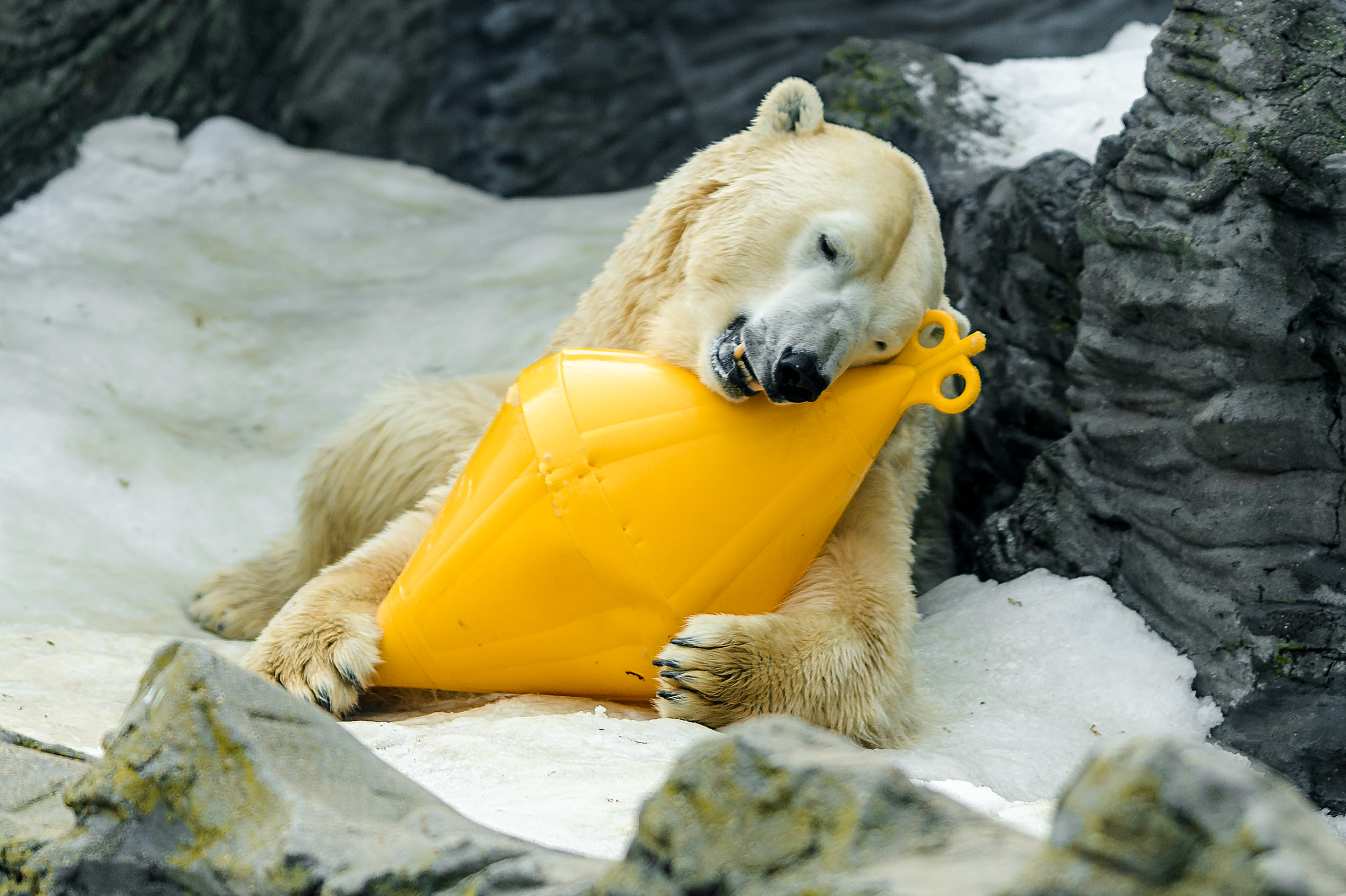
Across habitats, caretakers quietly collect these clues every day, jotting about as much nuance as a field biologist watching wild troops. A pause at the door might hint at neophobia; pacing during visitor spikes can signal poor control of space or sound. Even the way an animal “negotiates” with its toys – rotate, inspect, abandon – can map onto exploratory drive. The hidden lesson is less about signs and more about styles, and those styles are testable. That’s where playful meets serious.
From Ancient Tools to Modern Science
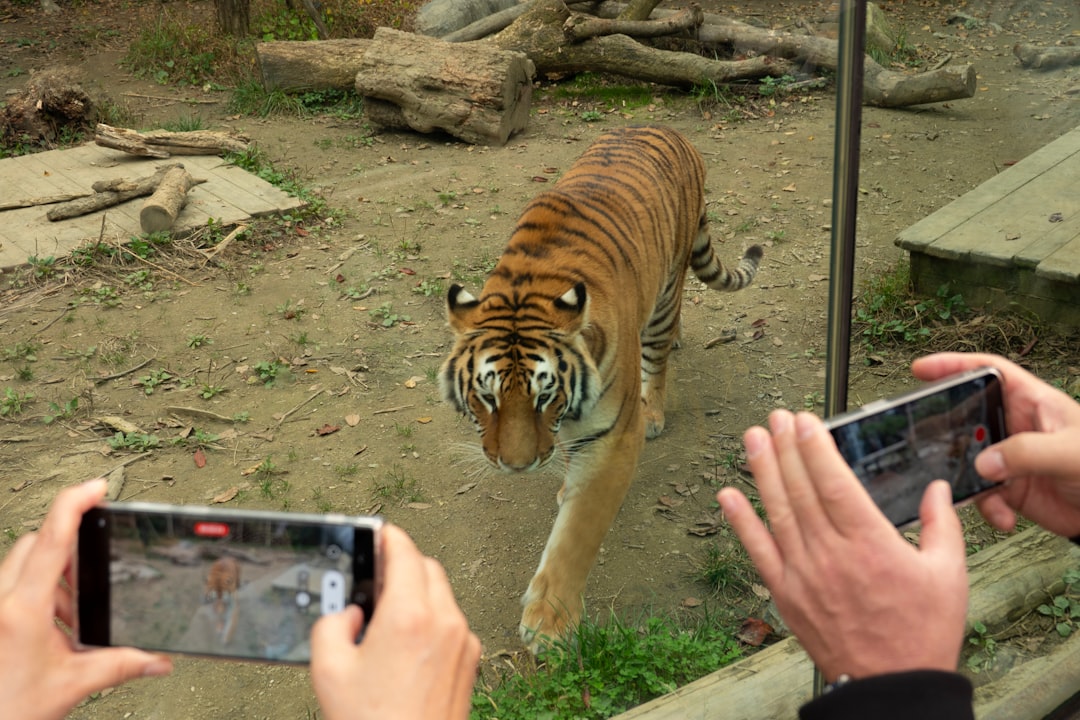
Astrology is one of humanity’s earliest classification systems, a rough draft for describing temperament long before statistics and sensors. Modern welfare work replaces cosmic patterns with accelerometers, RFID feeders, thermal cameras, and fecal hormone assays that track glucocorticoids as noninvasive stress indicators. Computer vision now assembles digital ethograms, recognizing postures and micro-movements that a human eye would miss on a busy morning. Audio loggers pick up contact calls and alarm notes through the din of school groups, turning noise into information. It’s a different galaxy of evidence, but the goal is the same: predict behavior, reduce distress, and improve lives.
Where the zodiac gives us a colorful prompt, the lab gives us a method to test it. Does the “Leo-like” bold feeder actually eat first, or only when the keeper they prefer walks by? Do “Virgo-ish” meticulous sorters persist longer on puzzle locks, or just in quieter enclosures with better sight lines? By swapping myth for measurement, we convert charming labels into falsifiable questions. That’s progress – and it’s fun.
Field Notes, Sign by Sign
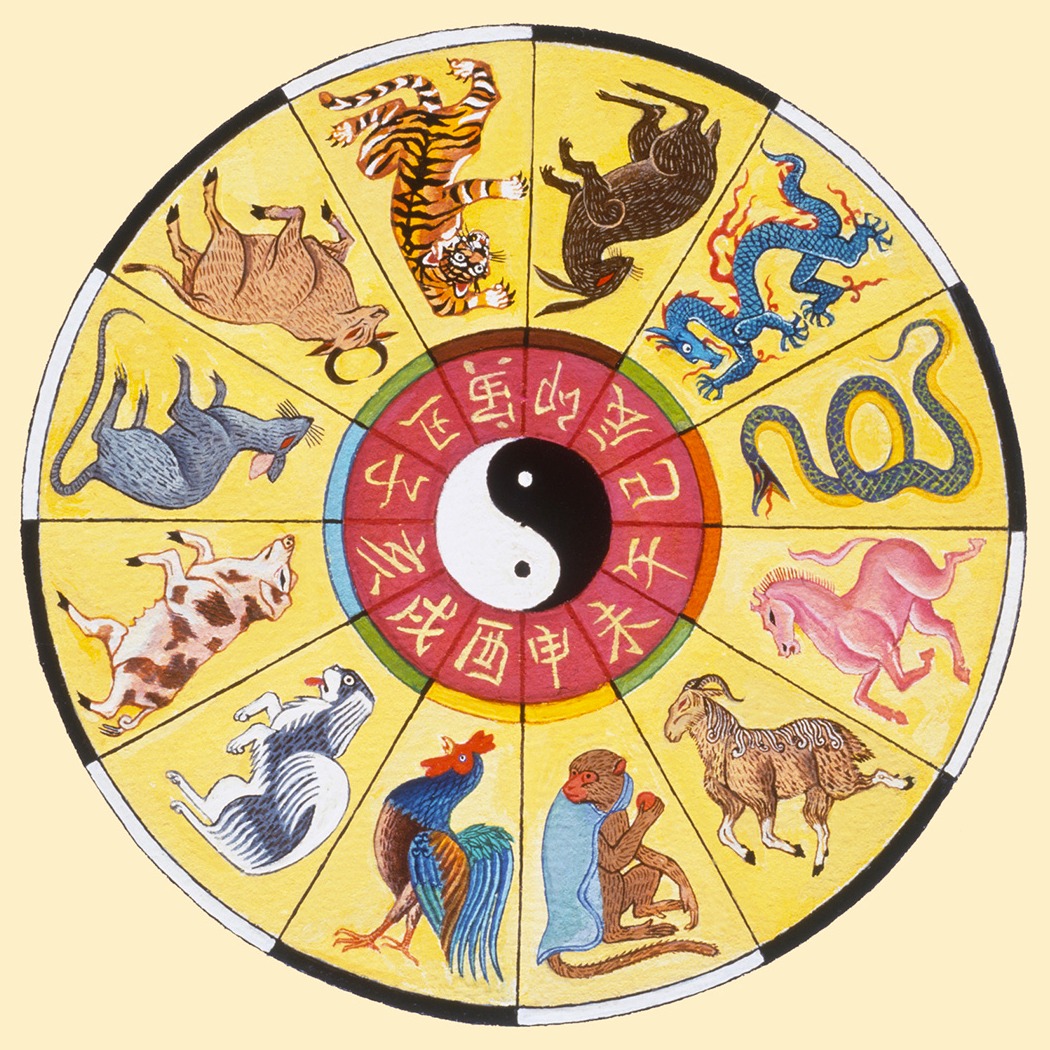
Aries, the impatient innovator, would rattle the puzzle box first; Taurus would master it slowly, then refuse any change to the routine with stubborn grace. Gemini would sample every perch and every rumor in the air, while Cancer would build a fortress of hay and guard it like a home. Leo would pose on the highest log the second visitors arrive, and Virgo would inventory the enclosure with the precision of a safety inspector. Libra would negotiate access to shade like a diplomat, and Scorpio would stake out the hidden tunnel and learn everyone’s secrets before dusk.
Sagittarius would test boundaries, probing doors and sight gaps as if the map ends just beyond the sign; Capricorn would chip away at the hardest task until the last bolt gives. Aquarius would invent their own rules for the enrichment schedule, and Pisces would memorize the keeper’s footsteps and sync their day to that rhythm. None of this is destiny, but each sketch mirrors a real ethological axis: boldness, sociability, neophobia, persistence, and problem solving. Treat them as hypotheses, and the zoo becomes a living lab with better questions.
Inside the Enclosure: Social Dynamics
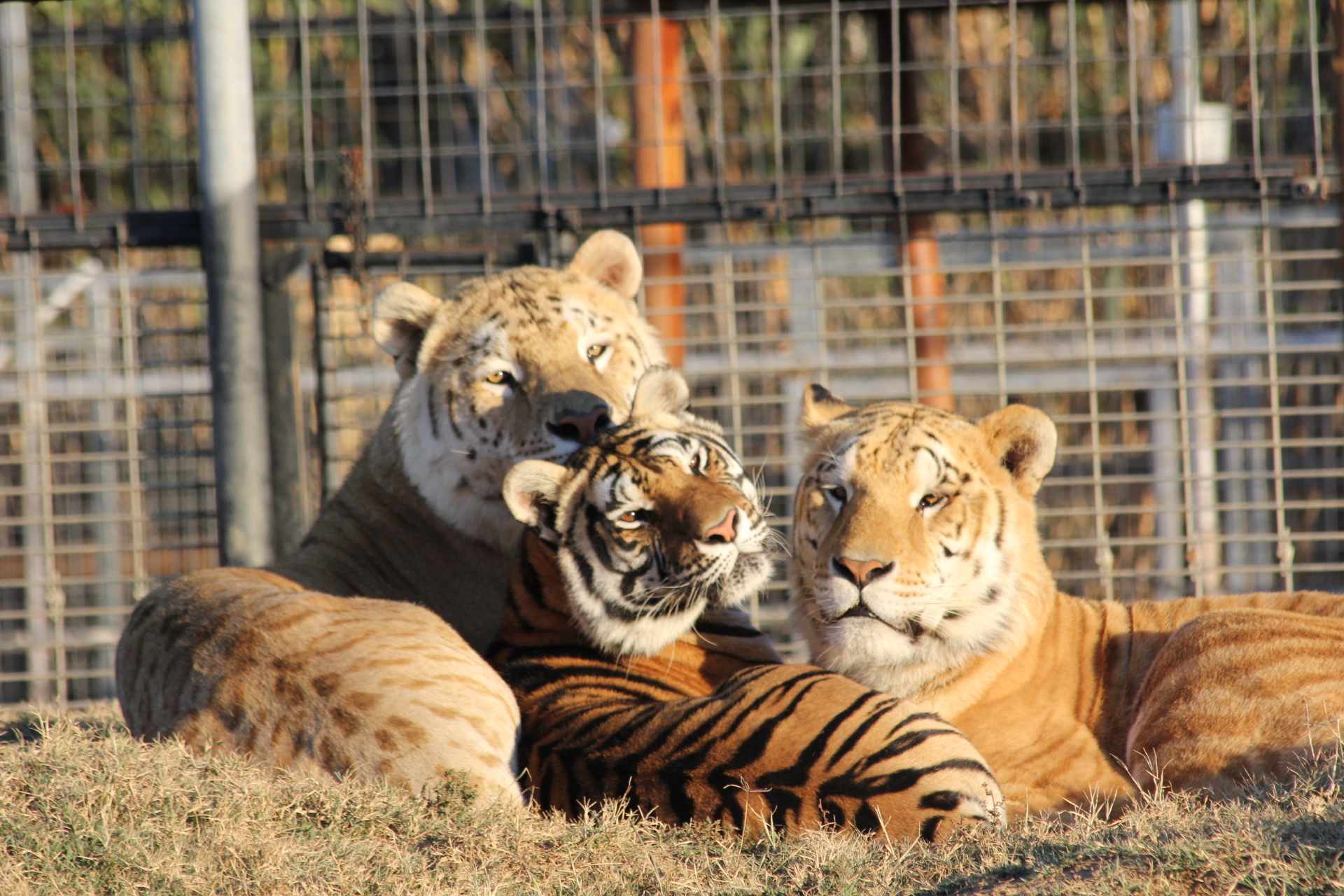
Social life shapes behavior as much as any trait, and captivity compresses that drama into visible acts. Dominance hierarchies, pair bonds, and fission–fusion dynamics play out differently in a rectangular world with fixed feeding points. A “Leo” who looks bold alone may defer when a seasoned matriarch enters, revealing context-dependent strategy rather than a fixed personality. The lesson is that roles are relational, not carved on a birth chart. Shuffle the group, and the script changes.
Scientists track this with proximity networks and time budgets, converting friendship and friction into analyzable graphs. When feeders are spaced and visual barriers added, conflicts often drop, and affiliative behaviors climb. That’s less mystic alignment, more architecture and access. A smart enclosure makes better “personalities” more likely to appear. Space, it turns out, is a kind of kindness.
Stress, Choice, and Control
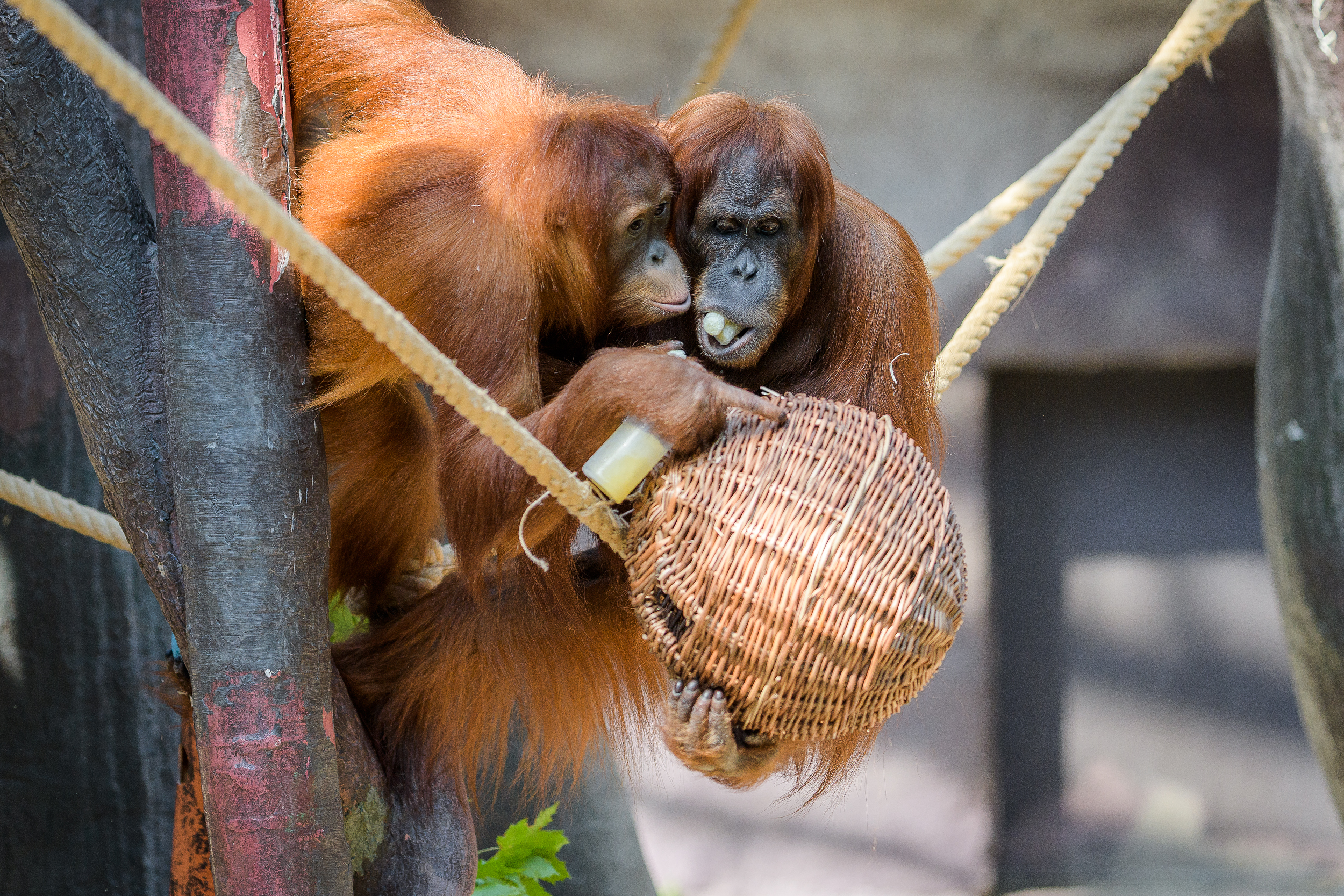
Captivity without control breeds stereotypies: pacing, over-grooming, bar-biting – behaviors that signal coping, not character. Give animals real choices – multiple feeding sites, varied substrates, retreat zones – and stress measures often drift downward over time. Even small changes matter, like decoupling feeding from keeper entry so anticipation doesn’t spike cortisol. The zodiac lens might call this a balance between fiery impulse and earthy calm; welfare science calls it predictability and agency. Different language, same core principle.
Choice also reveals preference strength, a powerful welfare metric. If an animal works harder for a certain perch height or scent trail, that’s actionable data. Many facilities now run simple preference tests that take minutes to set up but reshape months of care. The upshot is practical: more control, fewer stress signals, richer behavior. The enclosure becomes a conversation, not a cage.
Enrichment as Experimental Design
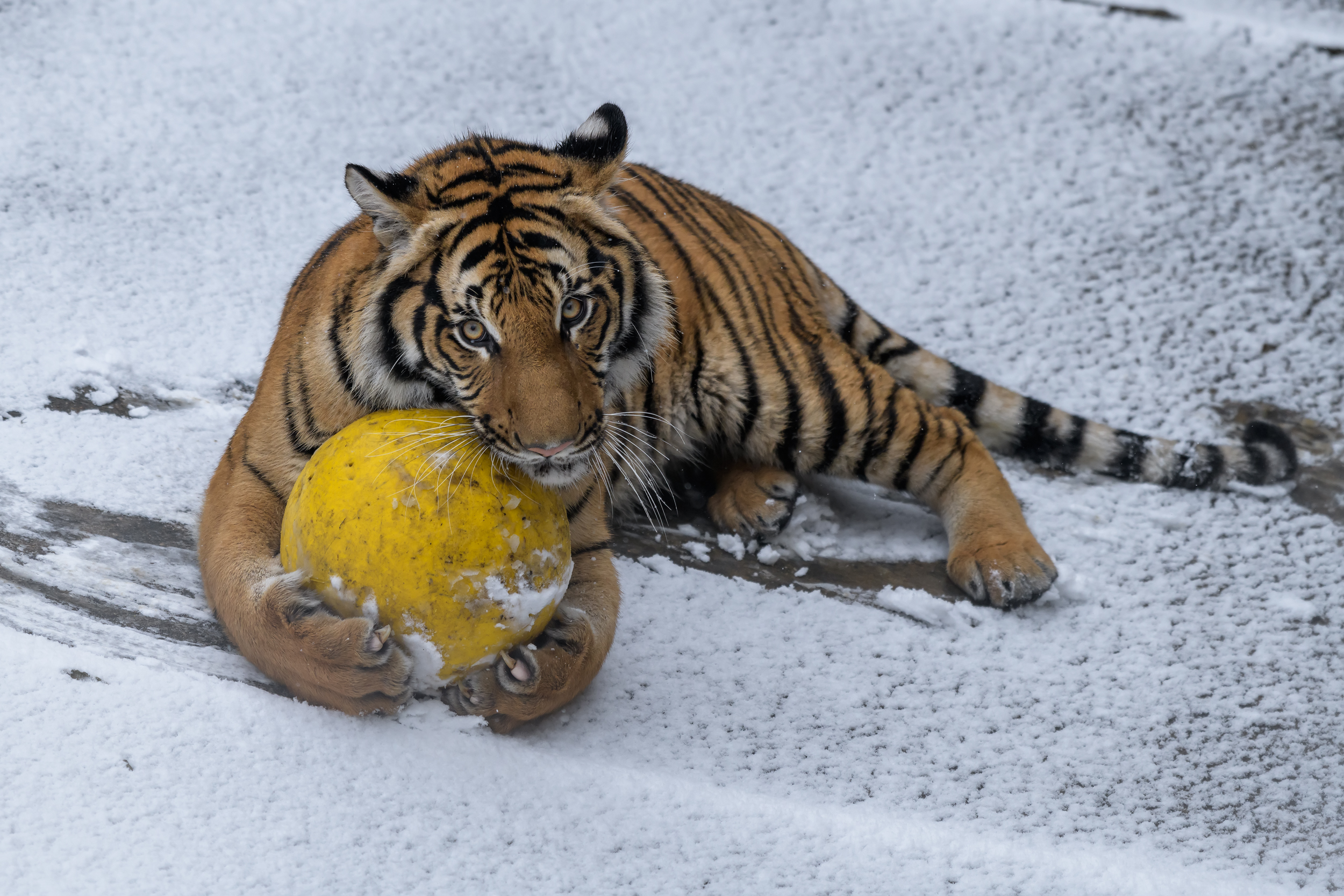
Enrichment isn’t a toy basket; it’s a study design with goals and counterfactuals. Rotate objects on schedules, change only one variable at a time, and log outcomes with simple ethograms so you can actually compare days. Novelty for a “Gemini” type might be variety within safe bounds, while a “Taurus” type may thrive on consistent puzzles that slowly ramp in difficulty. The trick is fitting temperament to task while preserving challenge. Too easy is boring; too hard is punishing.
Keepers often act like field scientists, iterating fast based on what animals teach them overnight. Food scattering expands search behavior; hidden scents unlock exploratory circuits; suspended feeders stretch muscles as well as minds. When a plan works, activity diversifies and idle time drops, a good sign for welfare. When it doesn’t, you try again tomorrow with better controls. Curiosity scales into care.
Global Perspectives
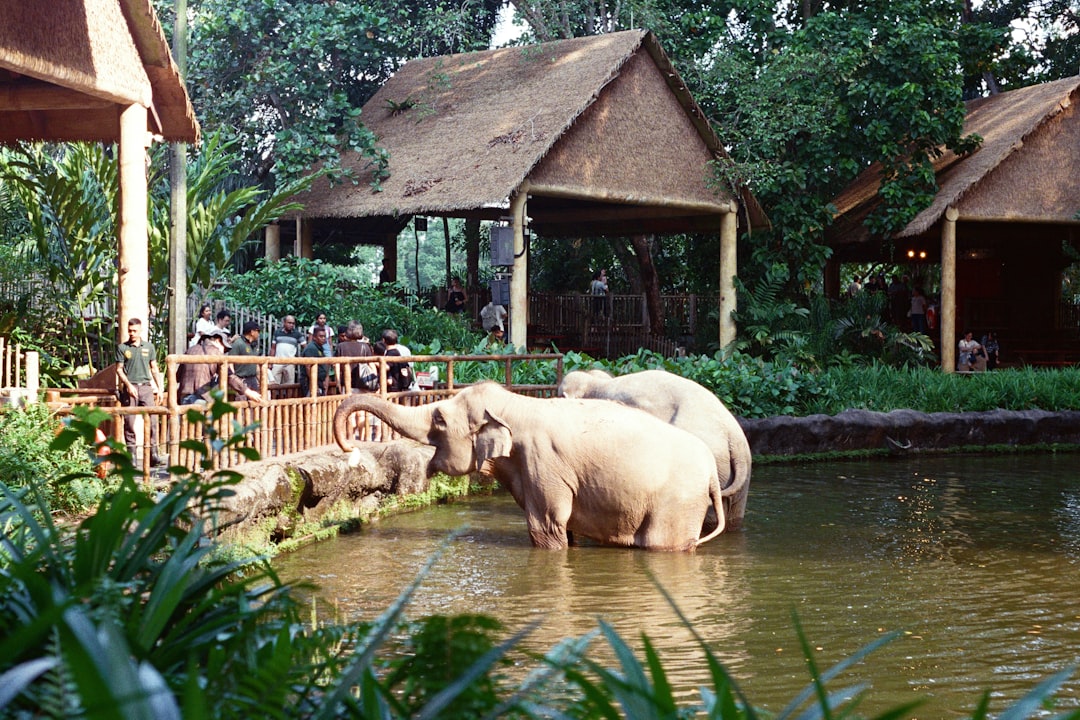
Zoos don’t operate in a vacuum; climate, culture, and regulation tug on every decision. A desert park in the Gulf solves heat and shade differently than a Scandinavian zoo balancing winter light and social housing. Some regions emphasize native-species conservation breeding, others anchor urban education where wild encounters are rare. Budgets shape sophistication too, from AI cameras to handmade puzzles that work just as well. Practice is local; principles travel.
Where resources are thin, data hacks shine. A repurposed smartphone becomes an accelerometer; a simple time-lapse reveals nighttime patterns; a logbook evolves into a spreadsheet with graphs that change minds. Collaboration matters across borders, because behaviors don’t read passports. When ideas move, welfare improves. That’s a global win hiding in daily routines.
Why It Matters

We tell stories about animals because it helps us notice them, and noticing is the first step to ethical care. The zodiac is a catchy on-ramp, but the destination is evidence that reduces fear and expands freedom. Compared with tradition – where enrichment was ad hoc and success meant “seems fine” – modern welfare asks for baselines, targets, and transparent trade-offs. It’s the difference between mood and measurement. Animals pay for our precision with better days.
There’s also a human mirror here. The labels we casually slap on animals echo the ones we use at work, school, and home, often hiding context that explains behavior. By testing our stories against data, we build a habit of intellectual humility that travels beyond the zoo. Better science makes kinder people. That’s why it matters.
The Future Landscape
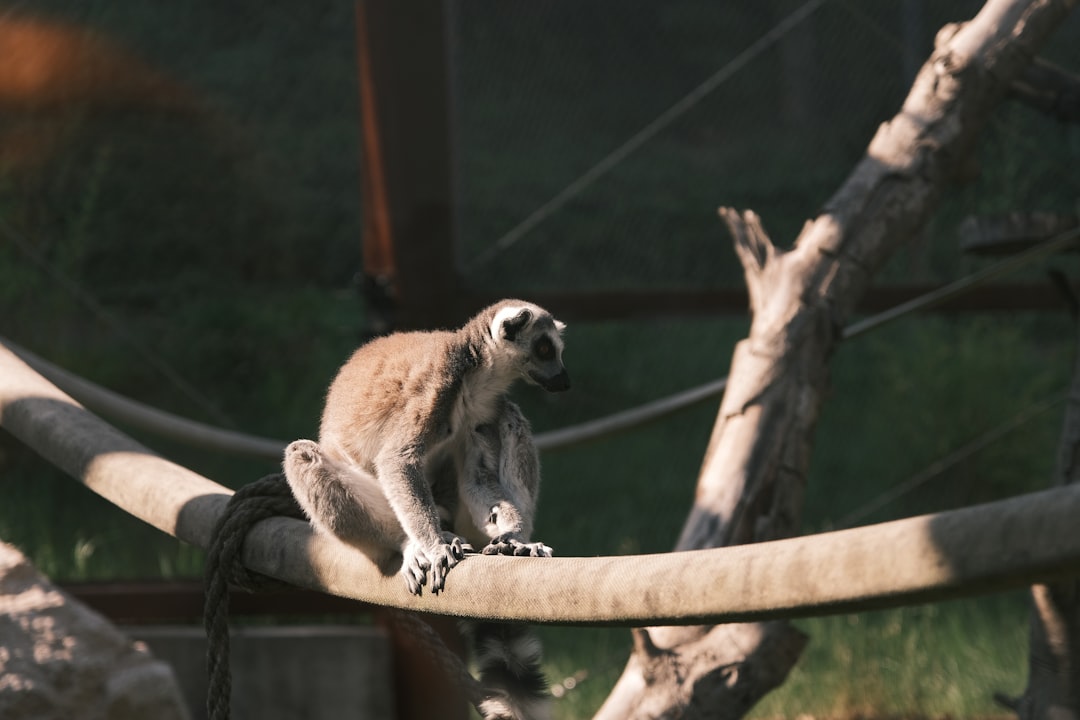
Tomorrow’s enclosures will likely come wired with multimodal sensing: computer vision for gait and posture, audio for calls and coughs, thermal for stress hotspots you can’t see. Edge devices will flag anomalies in real time, cueing keepers before problems become patterns. Digital twins – virtual enclosures that simulate layouts, crowd flow, and animal routes – could let teams trial changes without moving a single log. Noninvasive biomarkers will get faster and cheaper, letting welfare teams adjust weekly instead of seasonally. The tech is maturing; the ethics must keep pace.
Big challenges remain, including privacy in public spaces, algorithmic bias in species with rare datasets, and the perennial gap between well-funded flagships and smaller community zoos. Open standards and shared repositories can blunt those inequities if institutions commit to them. Citizen science, carefully guided, can add power without adding noise. The future looks less like magic and more like method, scaled. That’s good news in any language.
Behind the Glass: A Reporter’s Notebook
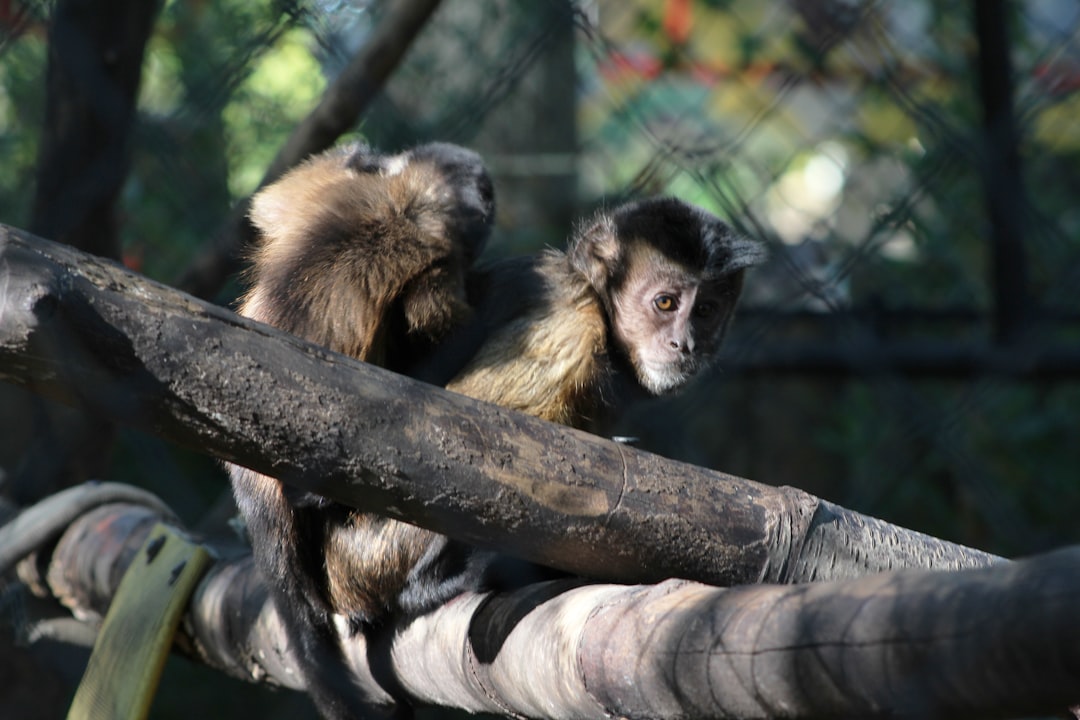
I still remember standing by a primate house before opening time, the air smelling faintly of hay and citrus. One capuchin lifted a latch with quiet determination while another watched visitors assemble, as if the day were a puzzle with rules everyone understood but me. The scene felt like a dozen signs at once – boldness, caution, curiosity, patience – colliding in a few square meters. It wasn’t destiny; it was design and history and mood. That mix is what keeps me coming back.
When I talk with keepers, what stands out isn’t mystique but craft. They tinker and test like engineers who also speak body language. On good days, the enclosure hums with choices that make sense to its residents. On great days, someone invents a trick no one saw coming. I root for those days.
How to Join the Experiment
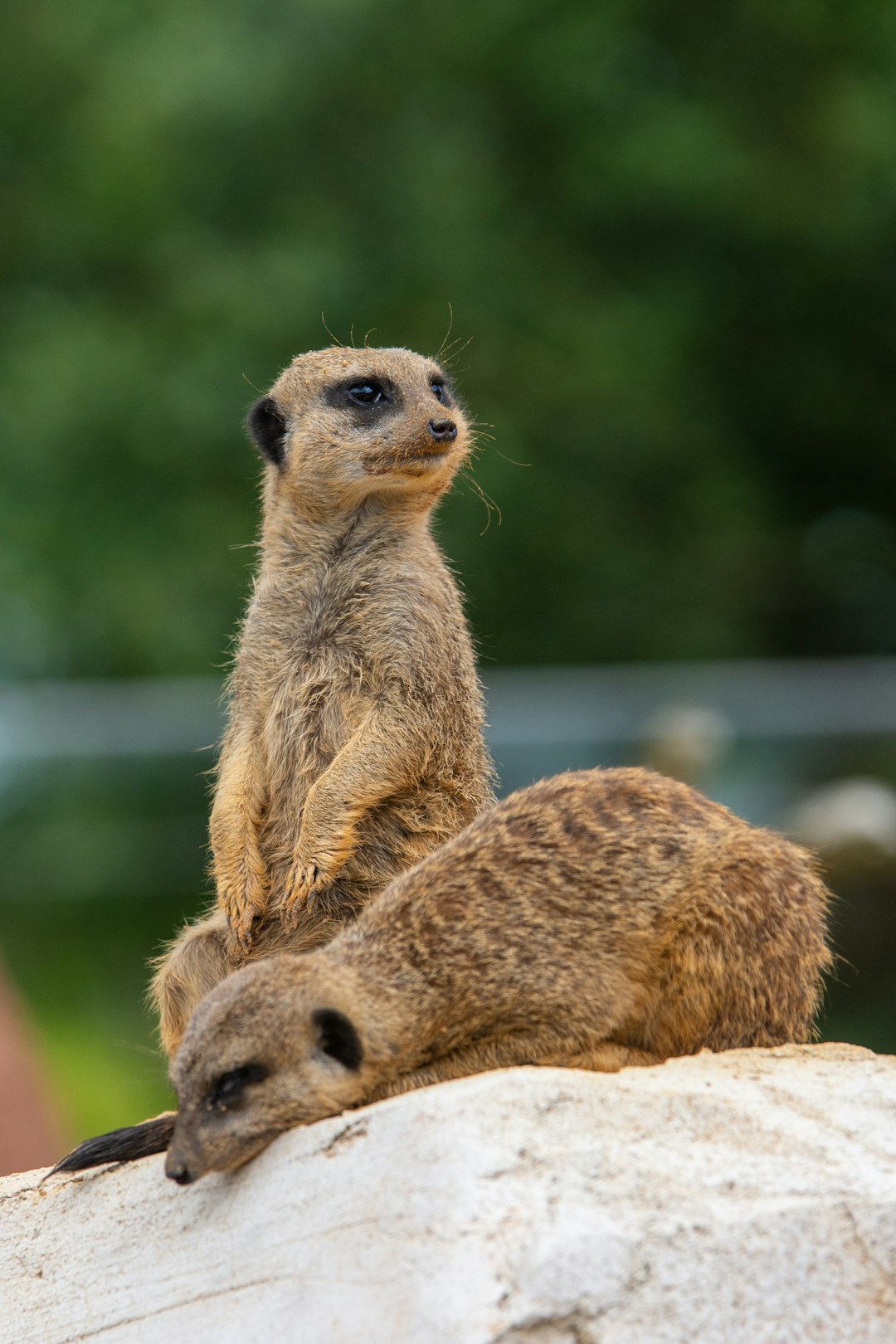
Start by upgrading your attention on your next zoo visit. Notice who eats first, who scans the crowd, who stays near a door, and how that changes when the weather swings or the audience grows. Look for choice points – multiple perches, retreat lanes, puzzle stations – and ask yourself whether each resident can pick among them without conflict. If you support a local zoo, advocate for enrichment budgets and transparent welfare metrics posted for visitors to read. Curiosity can be a donation in disguise.
At home, try the same mindset with urban wildlife and pets: test a hypothesis, measure something simple, and change one variable at a time. Share observations with community science projects, especially those tracking behavior or health. Small data piles up into real insight. The experiment is already running; you’re invited.
Conclusion
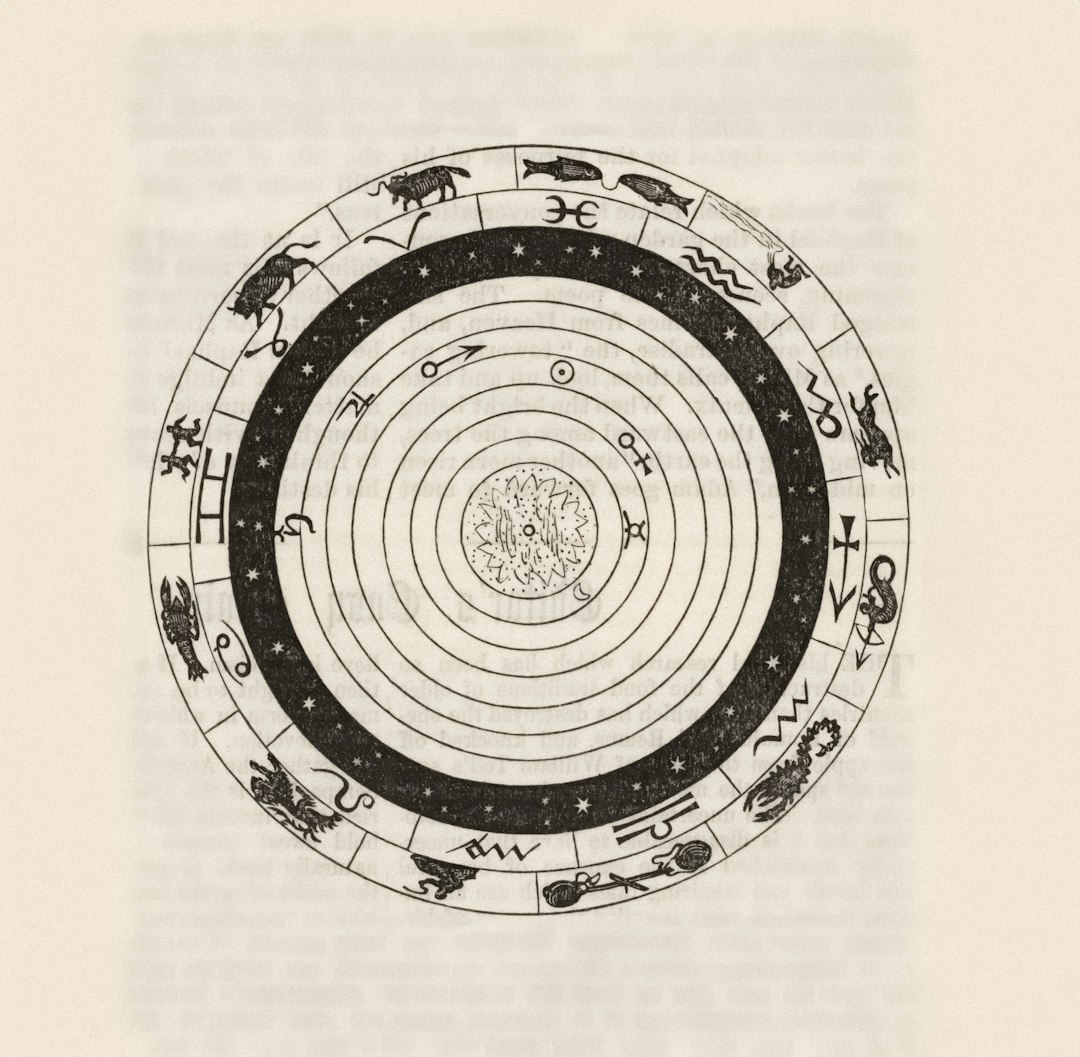
Imagining Aries, Virgo, or Pisces in a well-designed enclosure is more than a party trick – it’s a nudge toward sharper questions and kinder systems. The zodiac frame keeps the story lively; the science keeps it honest. When we treat narratives as hypotheses, animals cash out the difference in better days, and we become better observers of our own patterns too. That’s a trade I’ll take every time. Which lens will you test first?
Suhail Ahmed is a passionate digital professional and nature enthusiast with over 8 years of experience in content strategy, SEO, web development, and digital operations. Alongside his freelance journey, Suhail actively contributes to nature and wildlife platforms like Discover Wildlife, where he channels his curiosity for the planet into engaging, educational storytelling.
With a strong background in managing digital ecosystems — from ecommerce stores and WordPress websites to social media and automation — Suhail merges technical precision with creative insight. His content reflects a rare balance: SEO-friendly yet deeply human, data-informed yet emotionally resonant.
Driven by a love for discovery and storytelling, Suhail believes in using digital platforms to amplify causes that matter — especially those protecting Earth’s biodiversity and inspiring sustainable living. Whether he’s managing online projects or crafting wildlife content, his goal remains the same: to inform, inspire, and leave a positive digital footprint.