
Astrology promises patterns, science demands proof, and the wild world quietly offers both in motion. Look closely at symbiosis – the living alliances between species – and you’ll see echoes of zodiac compatibility that feel uncanny. Fire s spark, earth s stabilize, air s communicate, and water s shelter; animals do all of that, only with higher stakes. They trade protection for food, information for access, and sometimes warmth for life. Consider this a field guide that treats zodiac chemistry as a metaphor while grounding every comparison in real partnerships nature has already perfected.
The Hidden Clues
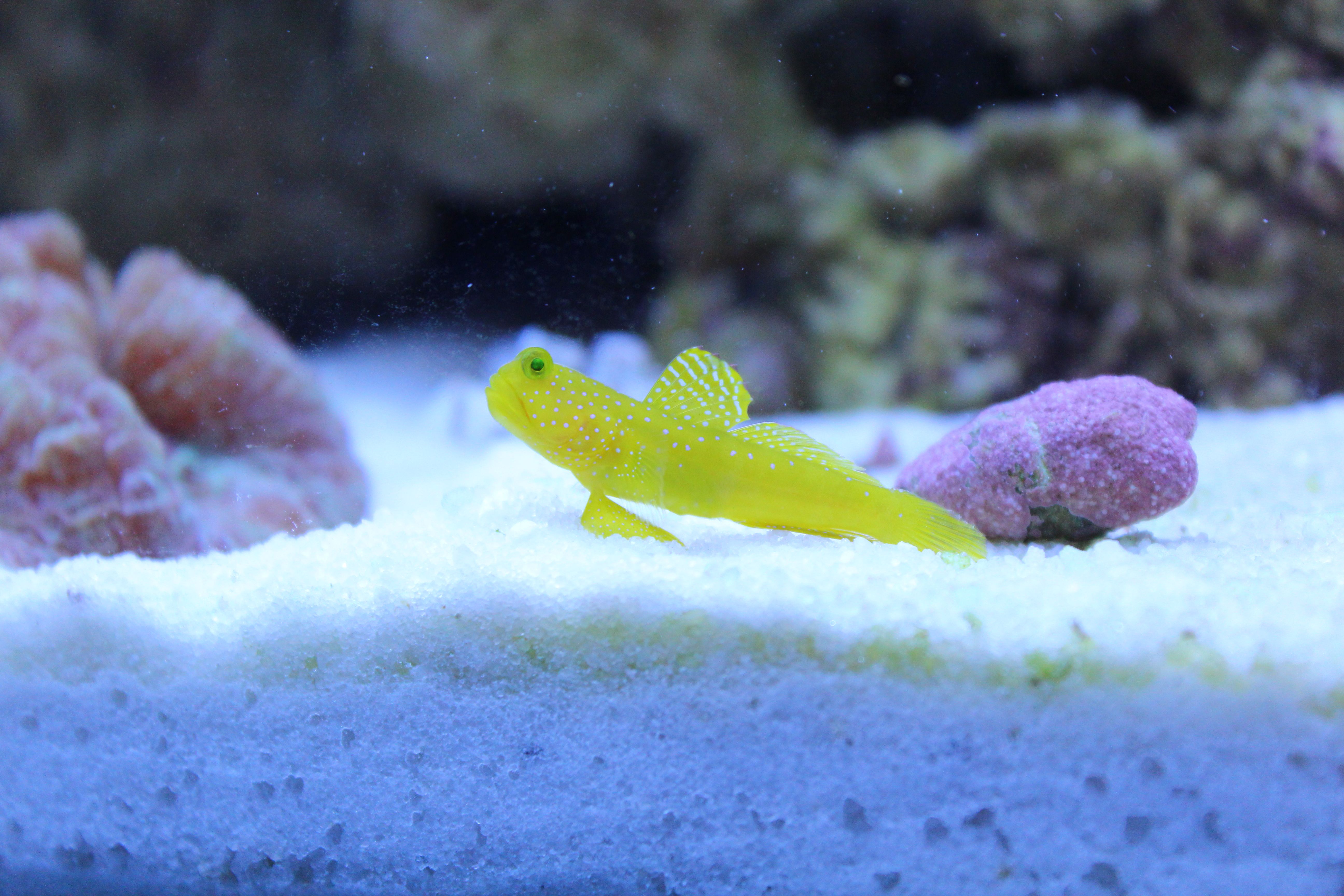
Every relationship leaves tracks, and in nature those tracks can be literal trenches in the sand or chemical signatures in the sea. Think of pistol shrimp and gobies: one digs, the other stands guard, and a quick tail flick signals danger faster than words. That choreography mirrors the way compatible signs split roles without resentment, turning difference into an asset. Mutualisms like these stick because they reduce risk and share rewards, which is the baseline for any resilient bond. When we map zodiac dynamics onto these alliances, we’re not claiming horoscopes run the reef; we’re using field-tested strategies to decode why some pairings just click.
I still remember watching a goby hover like a nervous sentinel while the shrimp bulldozed sand with tireless patience. It felt like witnessing a conversation where both parties were fluent, just in different languages. In human terms, one partner manages logistics, the other scans the horizon, and together they sleep easier. Nature didn’t design it for romance, but the blueprint is weirdly transferable. If compatibility is about complementary attention, this is the telltale sign.
Fire Pairings: Sparks That Shield
Aries, Leo, and Sagittarius thrive on momentum, and their animal analogs are alliances that turn bold moves into safe bets. Picture groupers recruiting moray eels for joint hunts: one fishes in open water, the other invades crevices, and together they corner prey neither could catch alone. That’s fire energy done right – decisive signals, shared pursuit, and a clean division of labor. A similar rhythm appears in the shrimp–goby duo, where bold foraging only works because vigilance never blinks. The lesson for fire-on-fire or fire-with-air pairings is simple: be daring, but stage the risk with a trusted lookout.
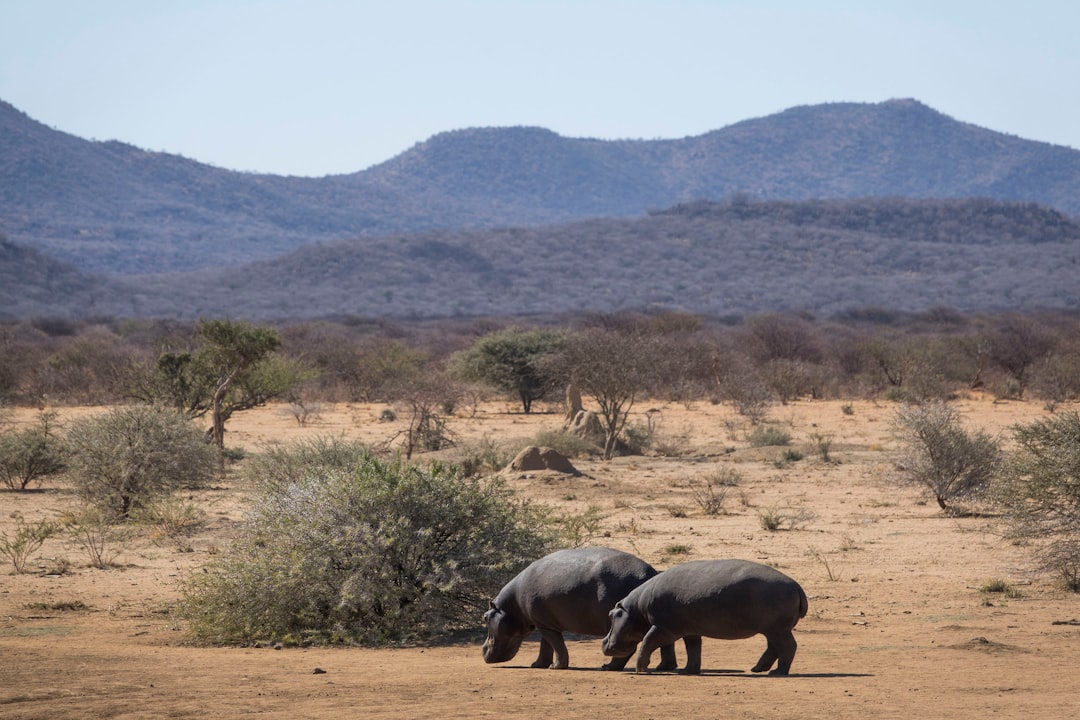
There’s a caution here, too, because not all help is helpful. Oxpeckers riding rhinos look like bodyguards, yet they sometimes pick at wounds and drink blood, a reminder that high-energy partnerships can tilt into extraction. For fiery signs, that’s the trap – confusing constant action with constructive action. Compatibility rises when each burst of initiative feeds a joint outcome rather than one ego. The natural filter: if the alliance increases uptime and lowers exposure, it’s fuel; if it raises the drama without the payoff, it’s smoke.
Earth Pairings: Roots That Feed
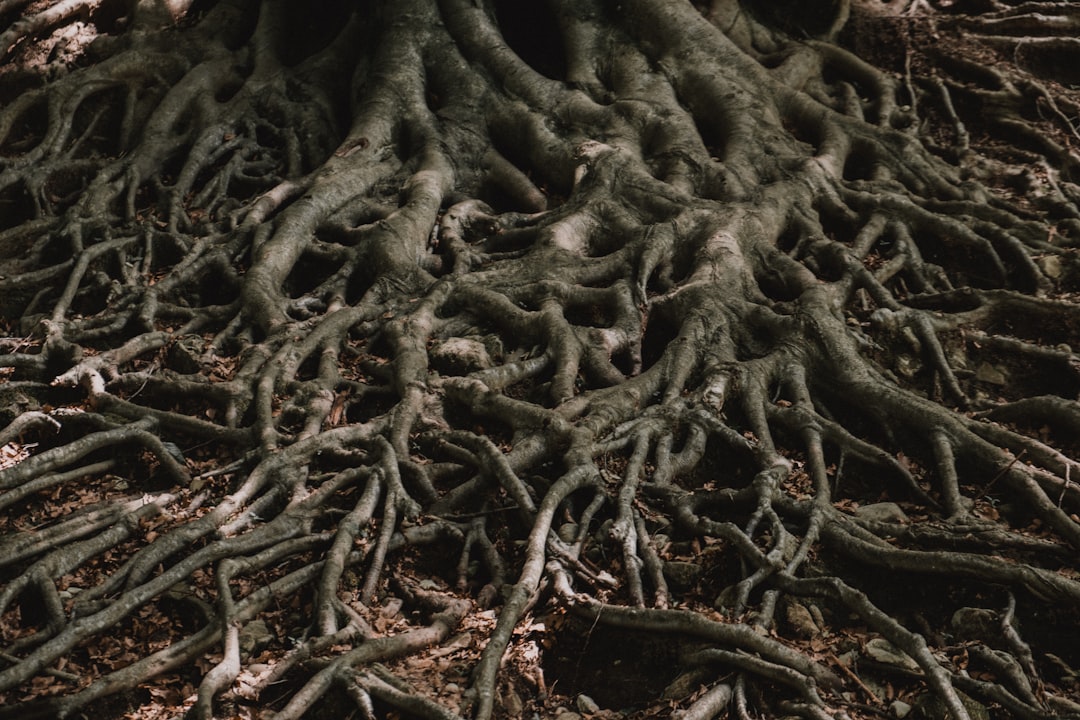
Taurus, Virgo, and Capricorn are the ecosystem engineers, and their mirror in nature is the underground economy of fungi and roots. Mycorrhizal networks ferry water and nutrients between plants and fungi, a slow, steady trade that keeps forests standing when weather turns fickle. It’s quiet power: no flare, just resilience. Leafcutter ants push that ethic into overdrive by farming specialized fungi, provisioning carefully and pruning waste like meticulous accountants. In both cases, stability is the success metric, not spectacle.
Earth-with-earth pairings thrive on routines that look boring until a crisis hits, and then they’re priceless. These bonds bank against droughts, pests, and lean seasons – exactly what pragmatic signs prioritize. Even the details feel familiar: consistent inputs, guarded outputs, and a strong bias for redundancy. If you’re an earth sign pairing up, build the equivalent of a shared pantry and a maintenance calendar. Nature backs you up: durable is the new romantic.
Air Pairings: Signals in the Open Sky
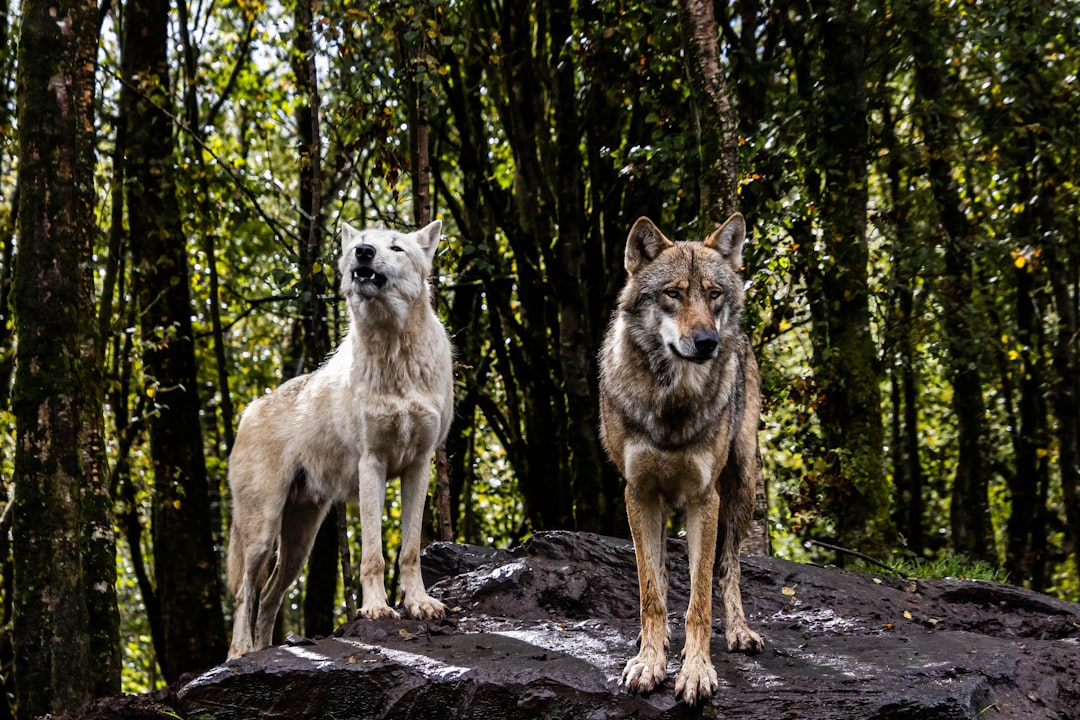
Gemini, Libra, and Aquarius are communication ecosystems, and few stories match the signaling savvy of ravens and wolves. Ravens track wolf packs, sometimes guiding them to carcasses or investigating alongside them, then benefiting when wolves open tough hides. It’s opportunity by information, not brute force. Another masterclass lives in the African savanna, where honeyguides lead humans to wild bee nests, benefiting from the wax and leftovers after people harvest honey. These are partnerships built on clear cues and mutual payoff for being in the know.
Air-on-air or air-with-fire pairings win when signals are explicit and responses are quick. Shared calls, repeated patterns, and honest follow-through keep the loop tight. If the cues become noise – mixed messages, missed appointments – the alliance loses altitude. The natural parallel says to codify als: what means go, what means wait, and what means abandon the chase. Do that, and you get liftoff without turbulence.
Water Pairings: Shelter and Shine
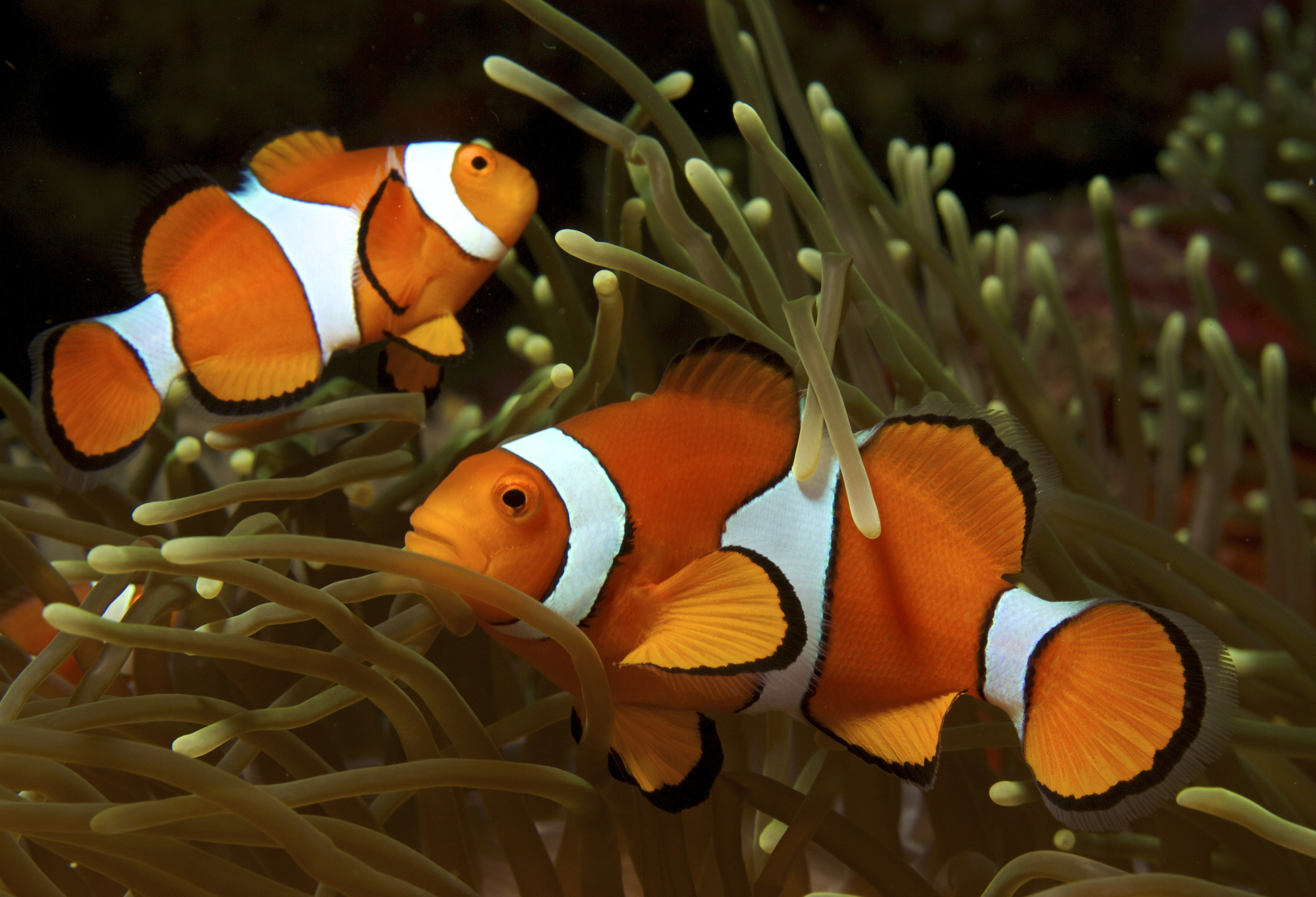
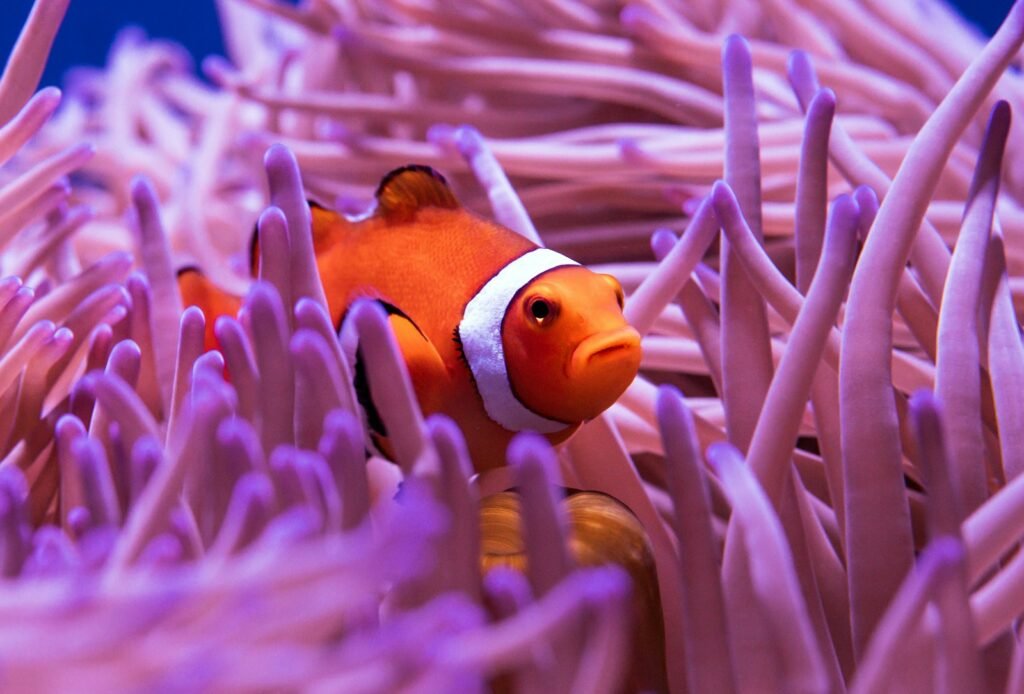
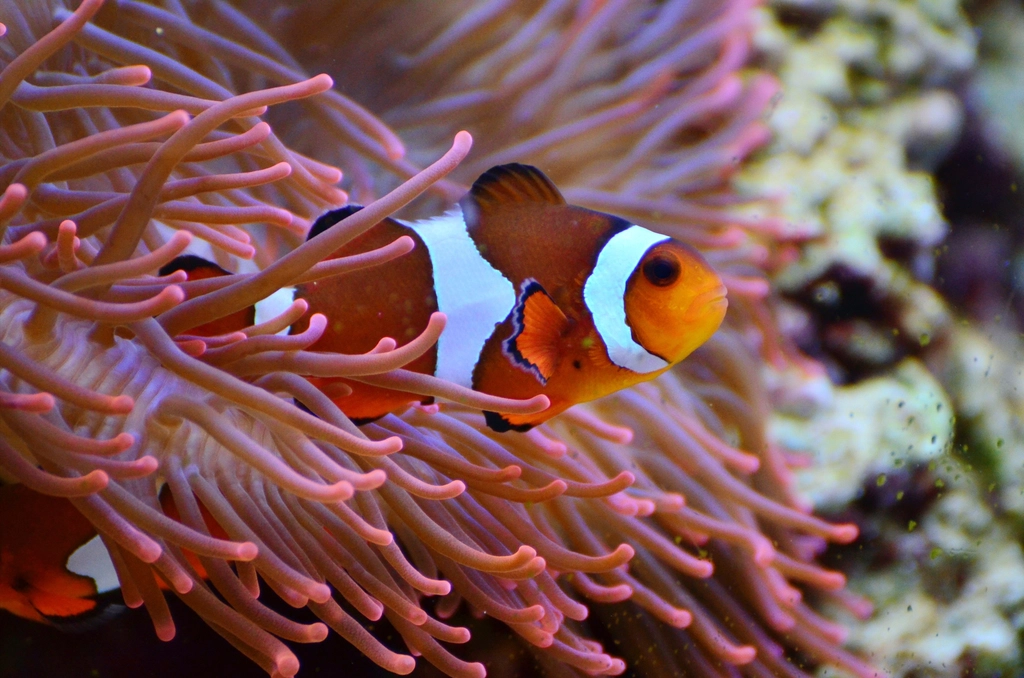
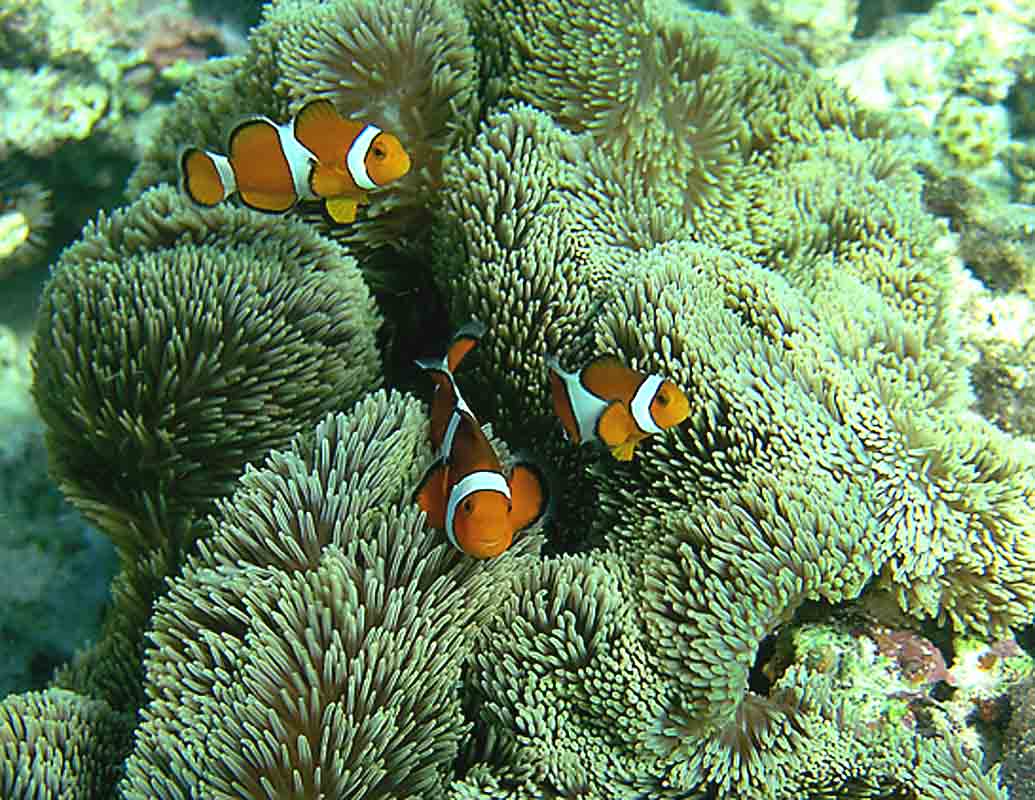
Cancer, Scorpio, and Pisces are guardians of depth, and their emblem in the sea is the classic clownfish and anemone duo. The anemone’s stings deter predators; the clownfish’s movements boost water flow and its waste provides nutrients, turning refuge into a tiny engine of productivity. Cleaner wrasse take another angle, removing parasites from larger fish at coral “stations,” and securing protection and steady meals in return. Coral and their photosynthetic partners push the theme even further: a sun-powered bond that feeds reefs until heat stress breaks it. Water signs understand the stakes when safe harbors vanish.
Water-with-water pairings excel at building sanctuaries that also perform, not just hide. The key is reciprocity that’s tangible – fewer parasites, more oxygen, stable energy, steady care. When one side does all the protecting or all the supplying, the bond sours, like a reef on the cusp of bleaching. Scorpio intensity, Cancer caretaking, Pisces imagination: each works best when the other side meets it halfway. The sea rewards shared maintenance more than grand gestures.
Why It Matters
Using symbiosis to parse compatibility isn’t about proving astrology; it’s about borrowing nature’s tested playbooks. Traditional horoscope matchups talk elements and temperaments, but ecosystems offer performance metrics: survival, growth, and risk reduction. Those hard outcomes let us stress-test soft claims, replacing vibes with benchmarks. Are both partners lowering each other’s exposure, like the goby and shrimp, or is one a passenger? Are signals reliable, like honeyguide calls, or ambiguous enough to waste energy?
Framed this way, compatibility becomes design, not destiny. The comparison also widens the cultural lens, since many communities have observed cross-species cooperation for generations while science catches up with tools and terminology. Instead of arguing belief versus data, we can translate between them: elements describe style, symbiosis measures function. That bridge makes the conversation more inclusive and more accountable at the same time. In short, it keeps the wonder and adds the audit.
The Future Landscape
New biologging tags, acoustic arrays, and computer vision are revealing alliances we used to miss, from nocturnal cleaning stations to urban scavenger networks. Machine learning can sift thousands of hours of reef video to quantify who helps whom, when, and at what cost. That matters as warming, acidification, and habitat loss stress the very bonds we’re learning from, especially coral–algae partnerships that unravel during heat waves. Expect more research on conditional mutualisms – the ones that flip between helpful and harmful depending on season, food supply, or disturbance. Those flips are a model for human relationships under pressure, too.
I’m betting we’ll also see more focus on information economies in nature: signal reliability, deception penalties, and redundancy in alliances. That could inspire better conservation, like protecting not just species but the interaction hotspots where cooperation happens. It might even inform technology, from swarm robotics to resilient networks that route around failures the way forests route around droughts. The big picture is straightforward: safeguard the partnerships, and you safeguard the system. Break them, and collapse travels faster than anyone expects.
Conclusion
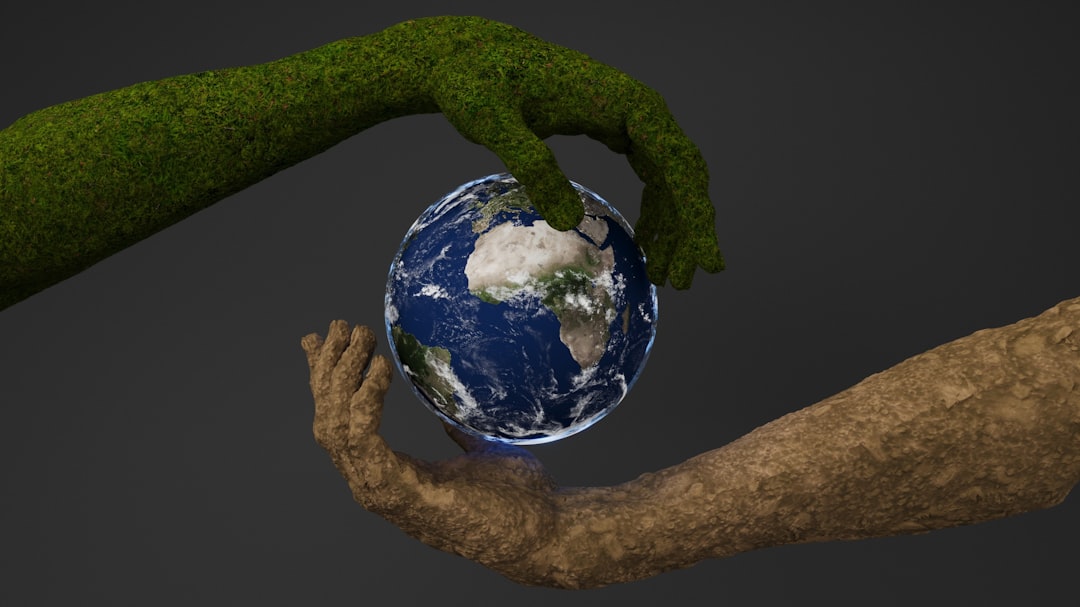
Start small and local: plant native species that host rich mycorrhizal webs, and avoid soil sterilizers that sever quiet alliances. Choose reef-safe sunscreens and support groups restoring corals, since those symbioses are the scaffolding for entire food webs. Back community science that tracks cleaning stations, pollinator corridors, or urban scavenger dynamics; data about interactions is as valuable as data about species counts.
If you donate, favor projects that protect habitats where cooperation thrives – kelp forests, mangroves, prairies, and old-growth patches. And when you think about compatibility, ask the symbiosis questions nature asks: Does this partnership lower risk, raise capacity, and share gains in real time – what would do next?
Suhail Ahmed is a passionate digital professional and nature enthusiast with over 8 years of experience in content strategy, SEO, web development, and digital operations. Alongside his freelance journey, Suhail actively contributes to nature and wildlife platforms like Discover Wildlife, where he channels his curiosity for the planet into engaging, educational storytelling.
With a strong background in managing digital ecosystems — from ecommerce stores and WordPress websites to social media and automation — Suhail merges technical precision with creative insight. His content reflects a rare balance: SEO-friendly yet deeply human, data-informed yet emotionally resonant.
Driven by a love for discovery and storytelling, Suhail believes in using digital platforms to amplify causes that matter — especially those protecting Earth’s biodiversity and inspiring sustainable living. Whether he’s managing online projects or crafting wildlife content, his goal remains the same: to inform, inspire, and leave a positive digital footprint.