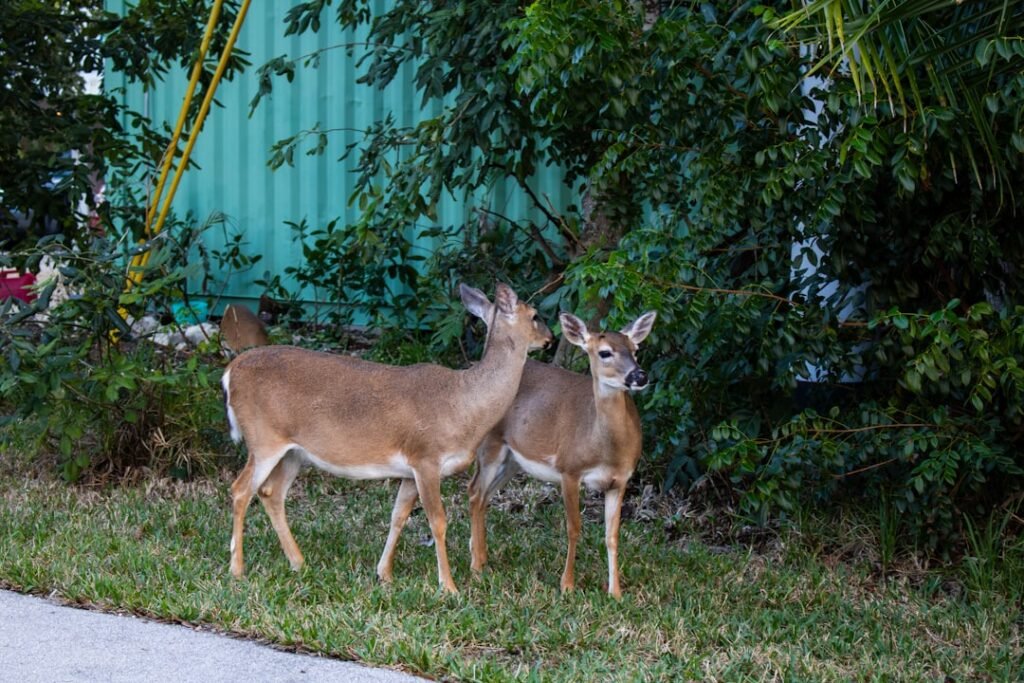
Picture this: you’re driving through the Florida Keys and suddenly spot a deer no bigger than a golden retriever standing at the roadside. These aren’t your typical mainland deer. The Key deer is the smallest deer species in North America. The deer live only in the low-lying Florida Keys. They are considered federally endangered, with an estimated population of around 1,000. These remarkable creatures have called the chain of subtropical islands home for thousands of years, but now they’re facing their biggest challenge yet.
The story of Key deer is both triumphant and heartbreaking. Once nearly extinct in the 1950s, they’ve bounced back thanks to dedicated conservation efforts. Yet just as their population was celebrating recovery, a new enemy has emerged that threatens everything. Climate change isn’t just melting glaciers far away. It’s literally drowning the only place these tiny deer can survive.
A Deer Like No Other
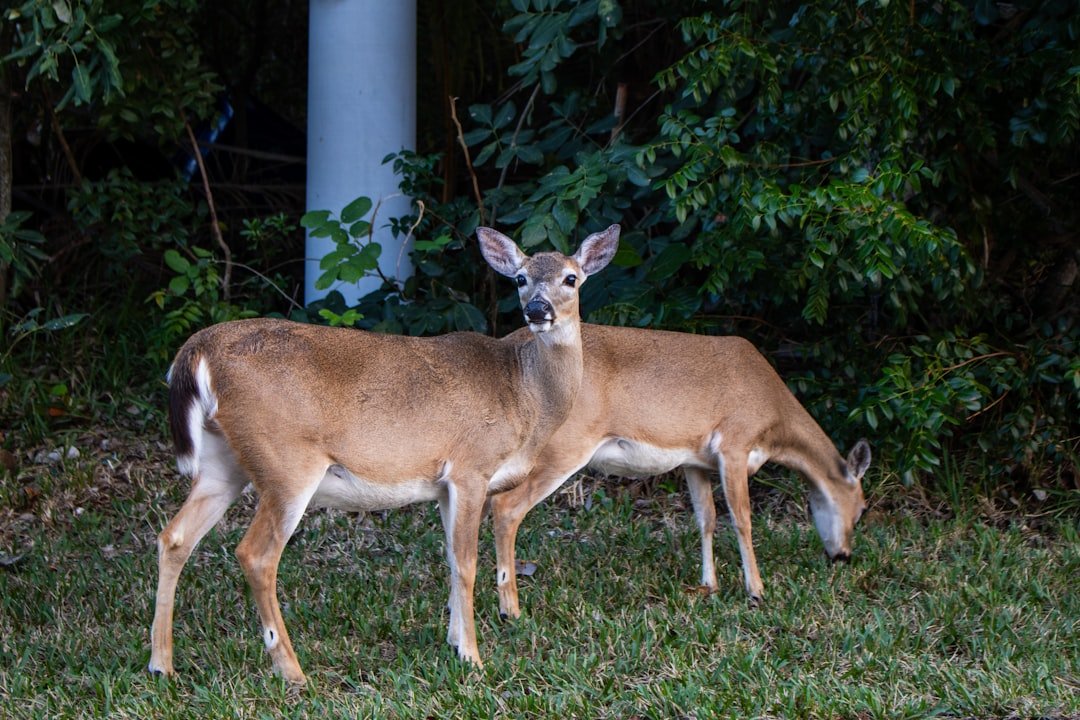
Adult males (known as bucks) usually weigh 25–34 kg (55–75 lb) and stand about 76 cm (30 in) tall at the shoulder. Adult females (does) usually weigh between 20 and 29 kg (44 and 64 lb) and have an average height of 66 cm (26 in) at the shoulders. These miniature deer are truly unique in the animal kingdom. Their petite stature comes from thousands of years of island evolution, where smaller body size was an advantage in a land of limited resources.
Millenia ago, when much of North America was covered in ice, a distant relative of a white-tailed deer grazed its way down a limestone ridge to the southeast edge of the continental U.S. Over time, as the ice melted and seas rose, the limestone ridge was reduced to a series of shrinking islands – or keys – off the South Florida coast. Trapped on these islands, the deer adapted by shrinking. The species feeds on over 150 types of plants, but mangroves (red, white, and black), silver palm fruit and thatch palm berries make up the most important parts of their diets.
What makes them even more remarkable is their swimming ability. Key deer easily swim between islands. They move freely between the roughly twenty islands they call home, following freshwater sources and food availability with the seasons.
From Near Extinction to Recovery Success
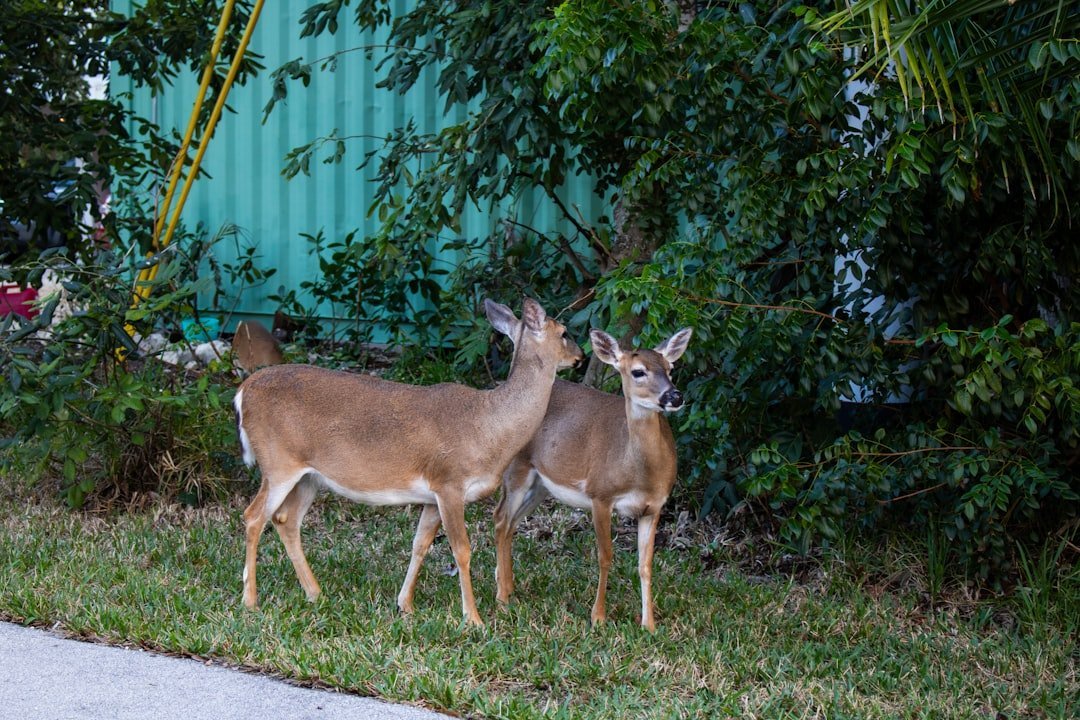
The Key deer’s survival story reads like a conservation miracle. These charismatic diminutive deer have been listed as endangered for almost 60 years after their numbers dipped to about 50 from hunting and poaching long ago. Yet they’ve made a tremendous comeback, with a peak population of about 1,000 in the mid-2010s before a deadly parasite and Hurricane Irma took a heavy toll.
The Key deer was one of the first species protected under the Endangered Species Act. Like 99% of the other species that have gotten protection from the landmark law, the Key deer has avoided extinction because of the U.S. Fish and Wildlife Service. The establishment of the National Key Deer Refuge in 1957 provided crucial protected habitat. Speed limits were reduced, wildlife crossings were built, and strict penalties were imposed for feeding the deer.
The current Key deer population is estimated to be around 600 to 700 deer, with the greatest concentrations on Big Pine Key and No Name Key. While its population is considered stable for now, the Key deer remains listed as a federally endangered species. Their recovery represents one of conservation’s great success stories, proving that dedicated protection efforts can bring species back from the brink.
Rising Waters, Shrinking Homes
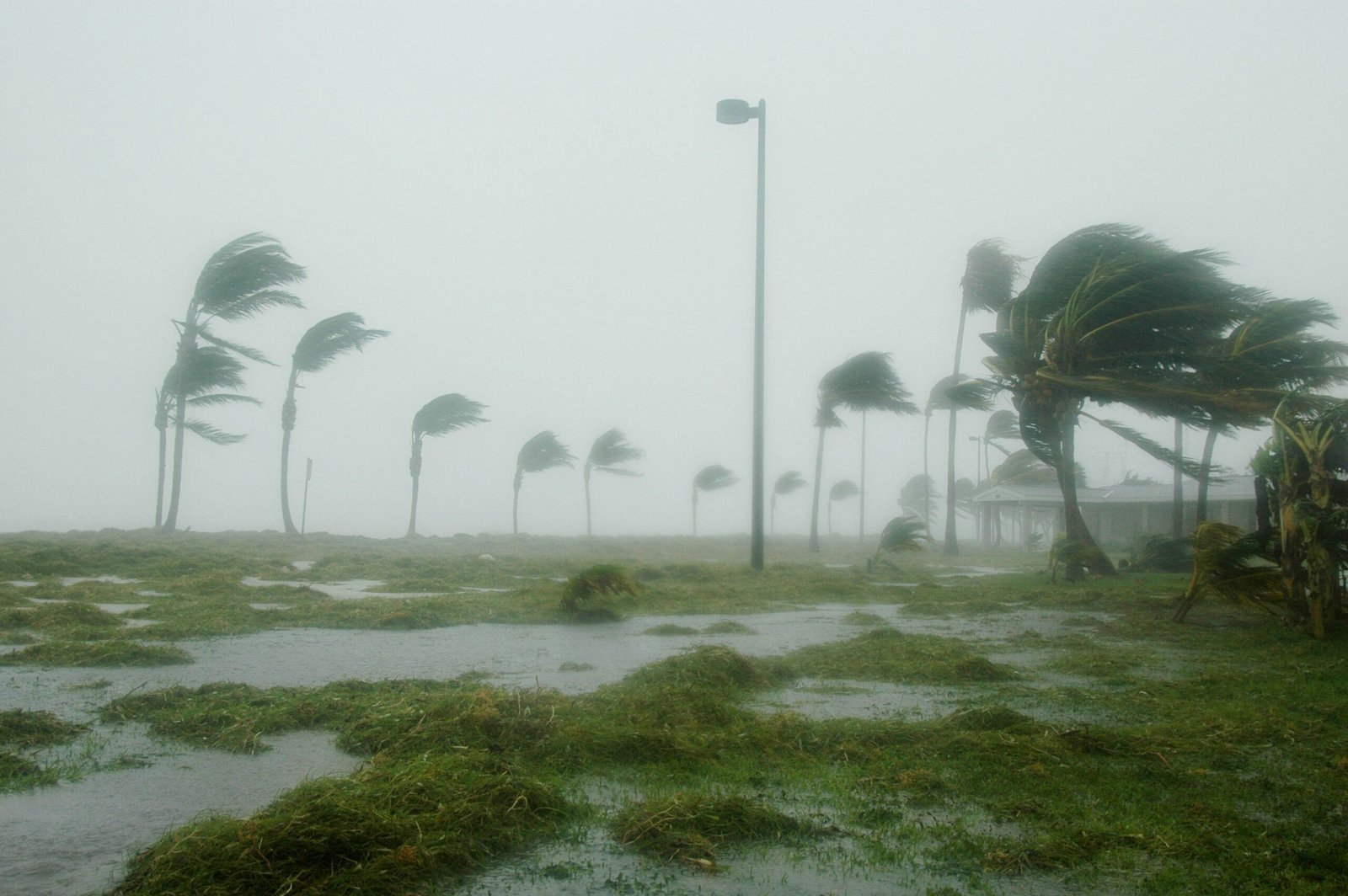
Sea levels globally have risen 6 to 8 inches over the last century. In South Florida, officials are preparing for another 17 inches of sea-level rise by 2040. This might not sound alarming until you consider where Key deer live. Ninety-percent of the Florida Keys’ land mass sits 5 feet above sea level or below.
The math is sobering and simple. The National Oceanic and Atmospheric Administration projects that by 2100, seas will rise 1.5 feet to 7 feet in parts of the Florida Keys. The threat is greatest to low-lying islands like Big Pine Key, where the highest point is only about 8 feet above sea level. Even conservative estimates spell disaster for these ground-hugging islands.
Just six inches of sea rise, which is expected by 2030, would mean the loss of 16 percent of the freshwater holes on Big Pine Key, Nova Silvy, professor emeritus with Texas A&M University who has studied Key deer since 1968 and has lived on Big Pine Key for several years, told the AP. Sea rise is expected to overtake roughly 84 percent of the 1,988 remaining acres of the preferred habitat on Big Pine Key by 2050, Silvey said, adding that “the deer will already be gone” by then.
The Vanishing Pine Rocklands
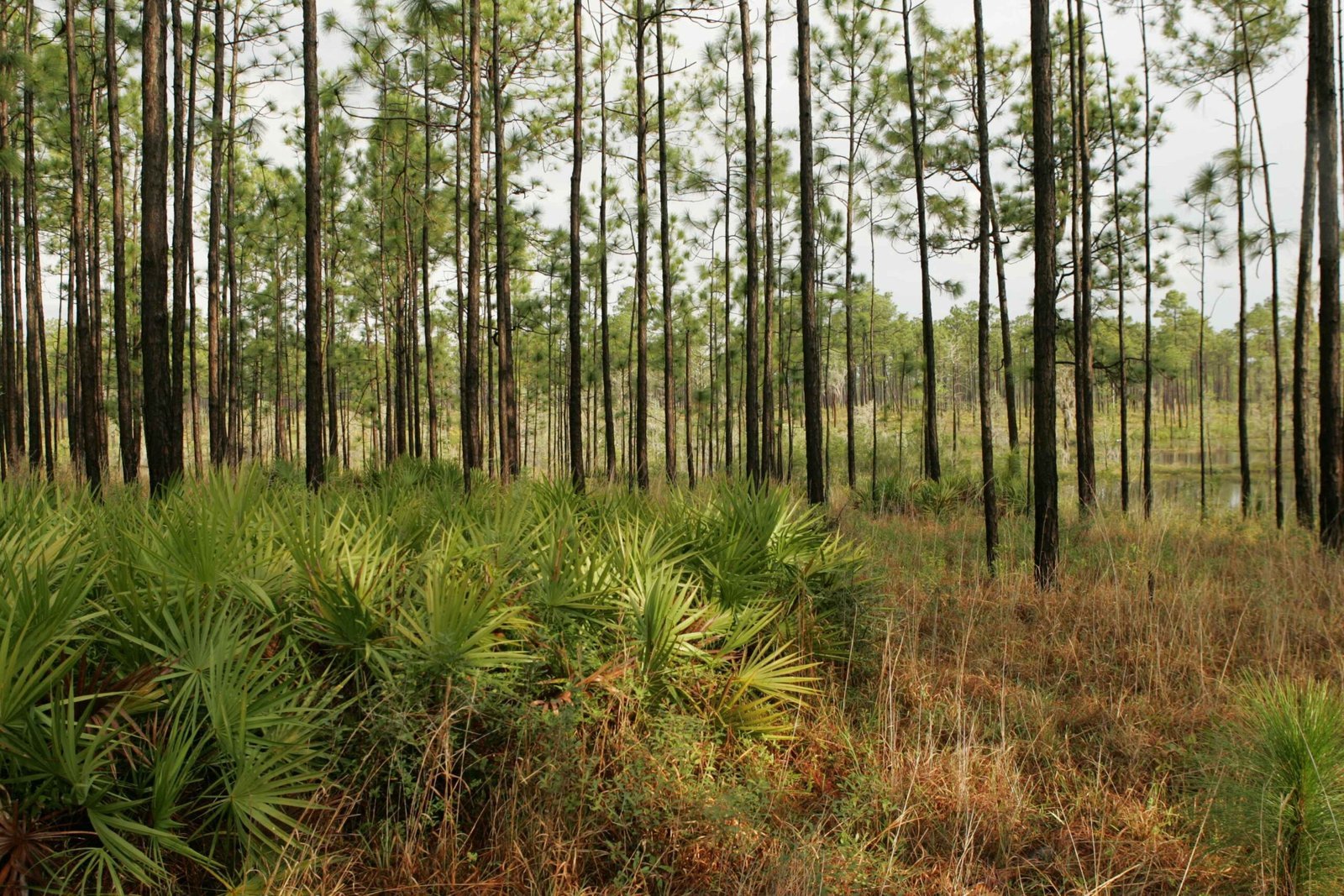
Open pine forest with dense underbrush, the deer’s preferred habitat, only exists where saltwater can’t reach. Between development and sea-level rise, pine rockland has been reduced to only about 2% of the deer’s historic range in South Florida. These pine rocklands aren’t just home. They’re the deer’s lifeline.
Pine rockland habitat is important, as well, because it is often the only reliable source of fresh drinking water (Key deer can tolerate drinking only mildly brackish water). Without these elevated areas, the deer lose both their homes and their water sources. Salt water intrusion also is responsible for killing many of the Florida slash pines that gave Big Pine Key its name. Mangroves are growing in their place in an ever-changing environment, choking deer habitat even more.
As saltwater creeps inland, it doesn’t just flood the land. It fundamentally changes the ecosystem. The native plants that Key deer depend on can’t survive in salt-contaminated soil. What once was deer habitat becomes mangrove swamp, unsuitable for the deer’s needs.
More Than Just Wet Feet
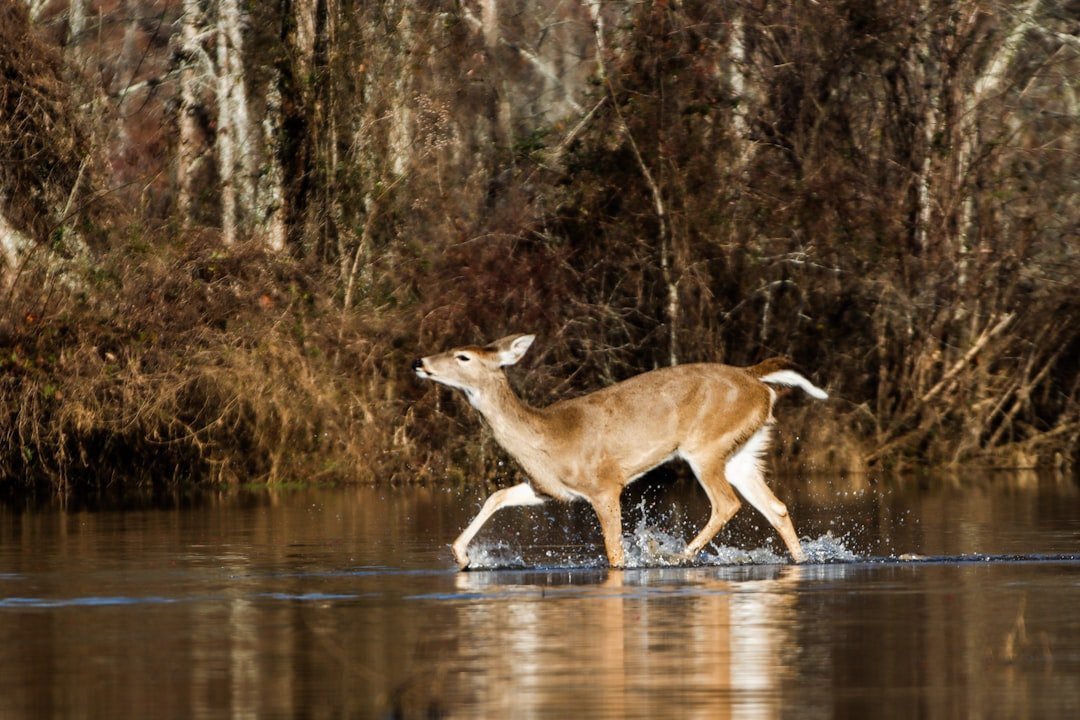
Rising sea levels will continue to shrink freshwater and food sources for Key deer. “So as the sea rises, that shrinks the amount of available freshwater, the amount of available, palatable vegetation, the places for bearing their young,” Bergh said. “It puts them increasingly in conflict with people who are also occupying those higher grounds.”
The impacts cascade beyond simple flooding. Climate change also strengthens hurricanes, which are already prevalent in Florida. Storm surges can damage deer habitat and freshwater supplies. Each major storm can undo years of habitat restoration work in a matter of hours.
Key deer are now facing new perils from saltwater intrusion, development and extreme weather, which could eventually force them to be moved out of the Florida Keys entirely. The deer find themselves trapped between rising seas and increasing human development. As both species compete for the same shrinking high ground, conflicts become inevitable.
A Traffic Problem That Persists
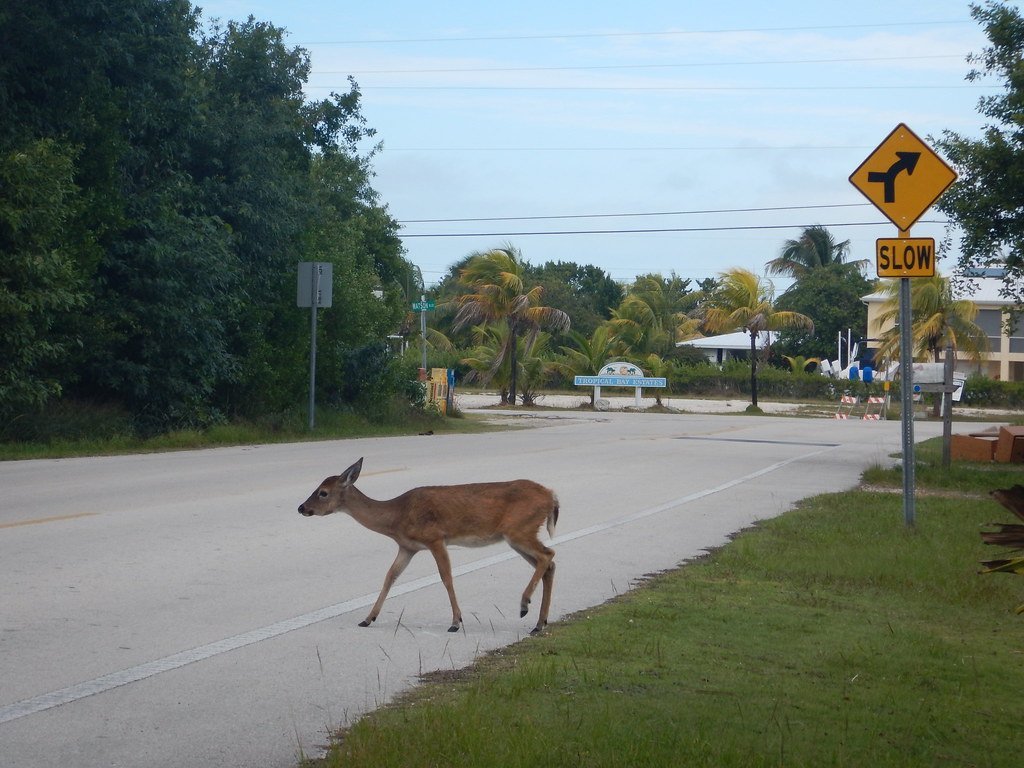
While climate change represents the long-term existential threat, Key deer face immediate dangers every day. Road kills from drivers on US 1, which traverses the deer’s small range, are also a major threat, with vehicle strikes being a leading cause of mortality, 70% of the annual mortality. Highway 1, the only road connecting the Keys, cuts straight through deer habitat.
Vehicle strikes remain a significant threat to the deer population. Despite speed limits, warning signs, and even wildlife underpasses, cars remain the single biggest killer of Key deer. The problem worsens as rising seas push both deer and humans onto the same remaining high ground.
Because Key deer have lost their fear of humans, there is a serious problem with people illegally feeding them. This makes the deer more vulnerable to dog attacks or getting entangled in fences. It also brings them closer to roads where they can be hit by cars. Well-meaning tourists often make the problem worse by feeding the deer, drawing them closer to dangerous roadways.
Living Among Humans
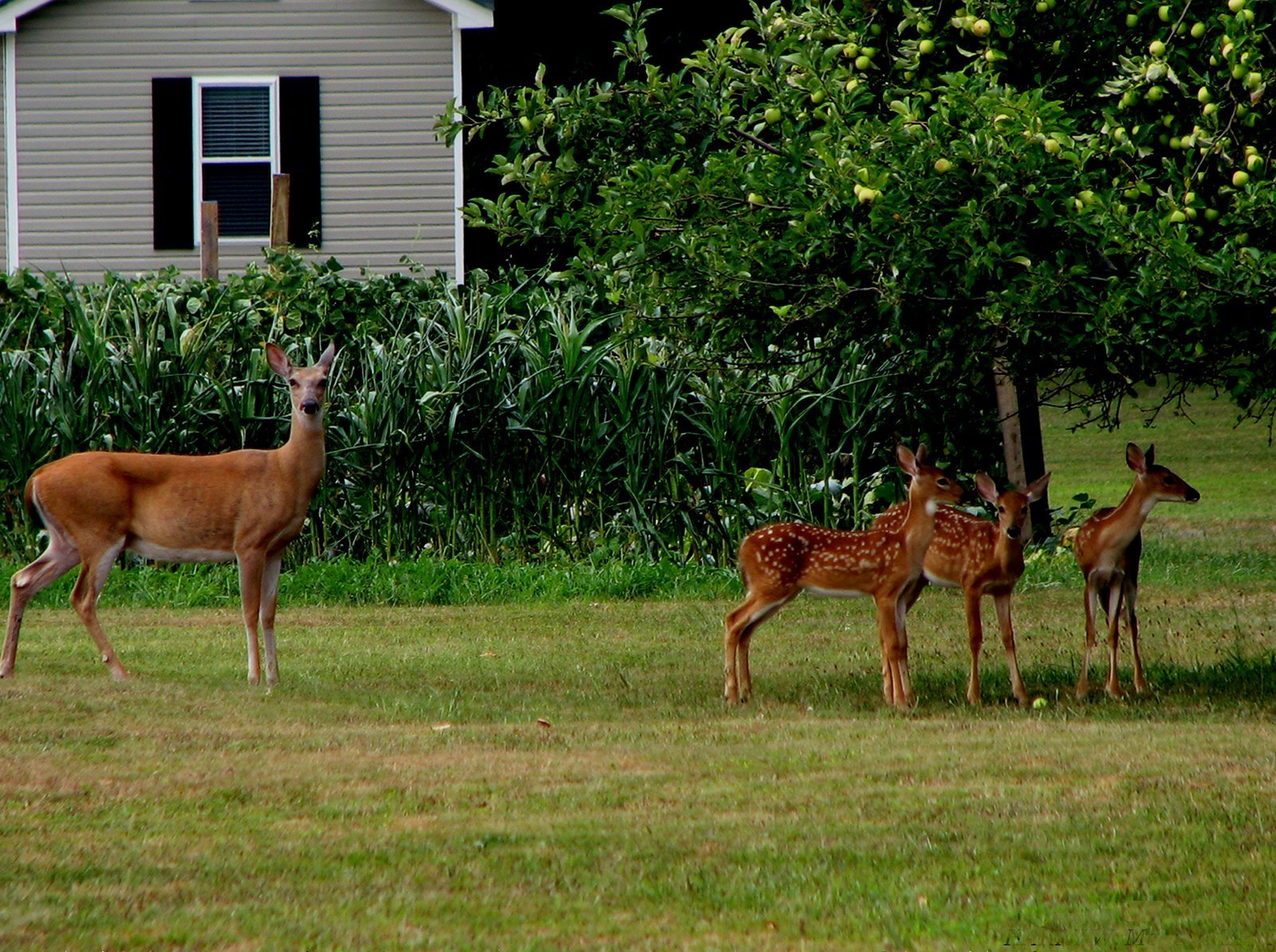
We have lots of people and the wildlife living in the same really concentrated area. So the more houses that we build, or the less lands that we have protected, the less areas that they have that are safe. The deer have adapted remarkably well to suburban life, but this adaptation comes with costs.
The bulk of the deer live on Big Pine Key, a marshy island 30 miles from Key West. They roam neighborhoods where about 4,500 people live, browsing on lush gardens and drinking water from buckets residents put out for them as natural freshwater supplies dwindle. Some residents have even named the deer that regularly visit their yards.
This coexistence creates both touching moments and serious problems. They roam, they spend their day grazing. We don’t have a really nutritionally dense soil, so they need to eat a lot of food to get what they need. But trust me, they’re very good at it. If it’s soft and tender, they will try to eat it. Homeowners find their carefully tended gardens transformed into deer buffets overnight.
The Impossible Choice Ahead
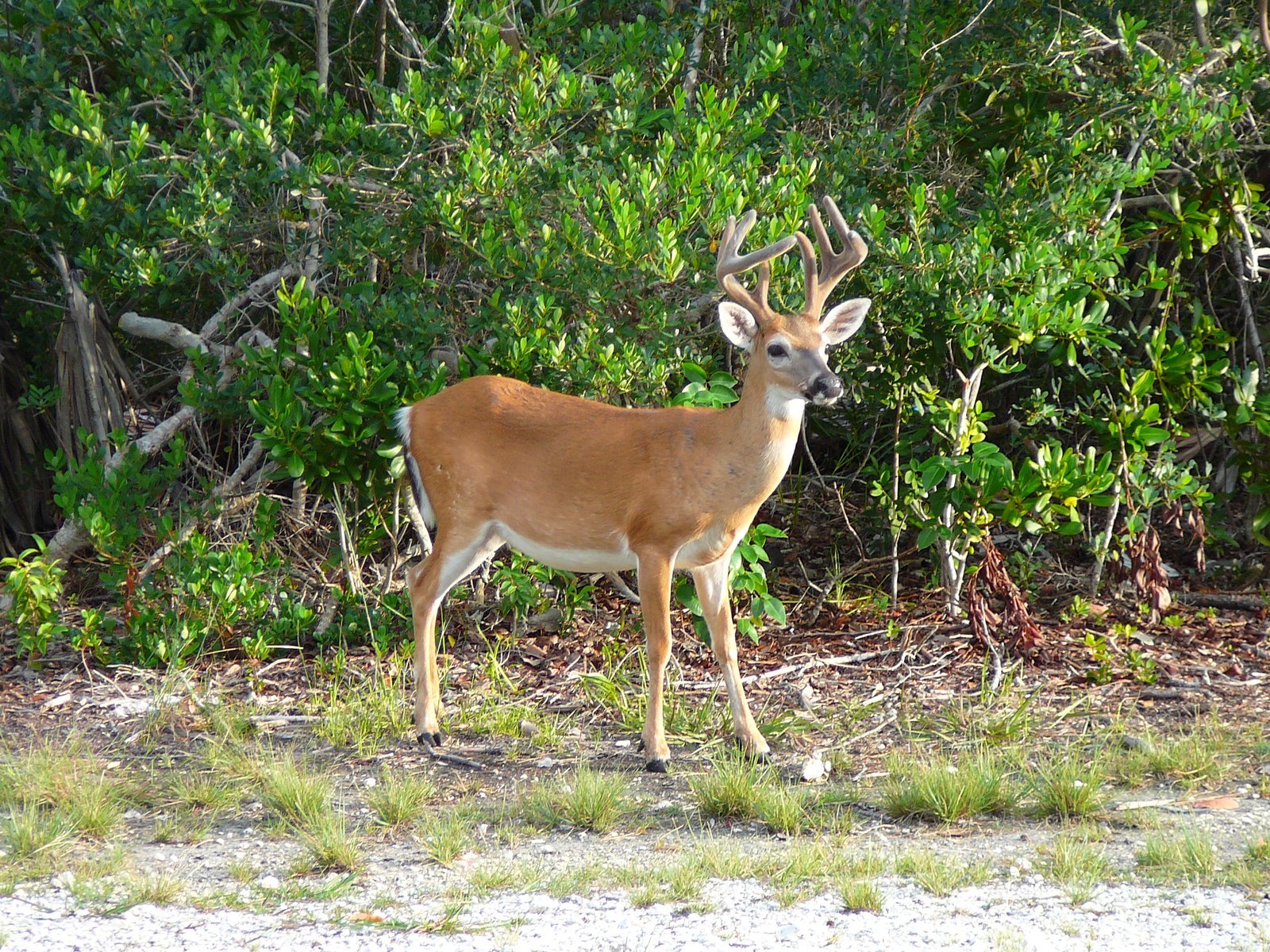
How do we save an endangered animal like the Key deer when “we know, no matter what, we’re going to lose its habitat in the future?” asked Nikki Colangelo, endangered species manager for the U.S. Fish and Wildlife Service’s South Florida region. This question haunts conservationists working with the species.
Assuming sea-level rise can’t be stopped – and it can’t in the immediate term, Bergh said – for the Key deer and other species that live only in unique, disappearing habitats, these are the options: Do nothing, and let a species go extinct. Pick up plants and animals and move them to new areas like higher ground where they risk becoming “invasive species,” Bergh said. Collect DNA. Store seeds. Biobank. Take plants to botanical gardens and animals to zoos.
Bergh said he prefers to buy more time to keep the deer viable here. “And at some point, if that’s no longer possible, I personally think zoos are the most responsible alternative,” he said. “But that’s a terrible alternative. Who wants that for a wild animal?” The thought of these free-roaming island deer confined to enclosures feels like giving up on everything that makes them special.
Why Relocation Won’t Work
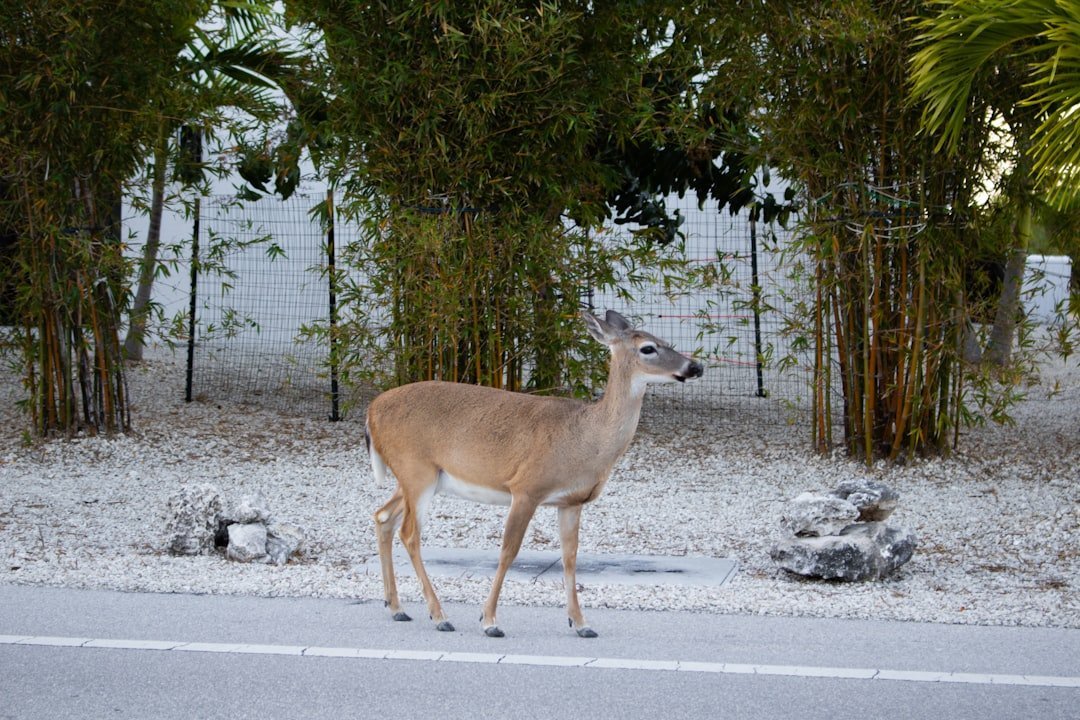
In rare instances, scientists have been allowed to relocate endangered species threatened by climate change as a last resort. But Silvy said, “The problem is if you take them any other place with deer, they’re going to interbreed and then you’ve lost the Key deer.” Moving the deer sounds simple in theory but proves nearly impossible in practice.
Beginning in 2023 when assisted migration was newly authorized as a recovery option for endangered species, Key deer was among the animal species mentioned in the press that might have no other option for escaping extinction in its historical range. However, Key deer aren’t just geographically isolated. They’re genetically unique after thousands of years of island evolution.
The subspecies’ DNA tells the story of adaptation to a very specific environment. Introducing them to mainland habitats would essentially erase this evolutionary history. Scientists face the heartbreaking choice between preserving the species’ genes in zoos or watching them disappear entirely from the wild.
A Testament to Resilience and Loss
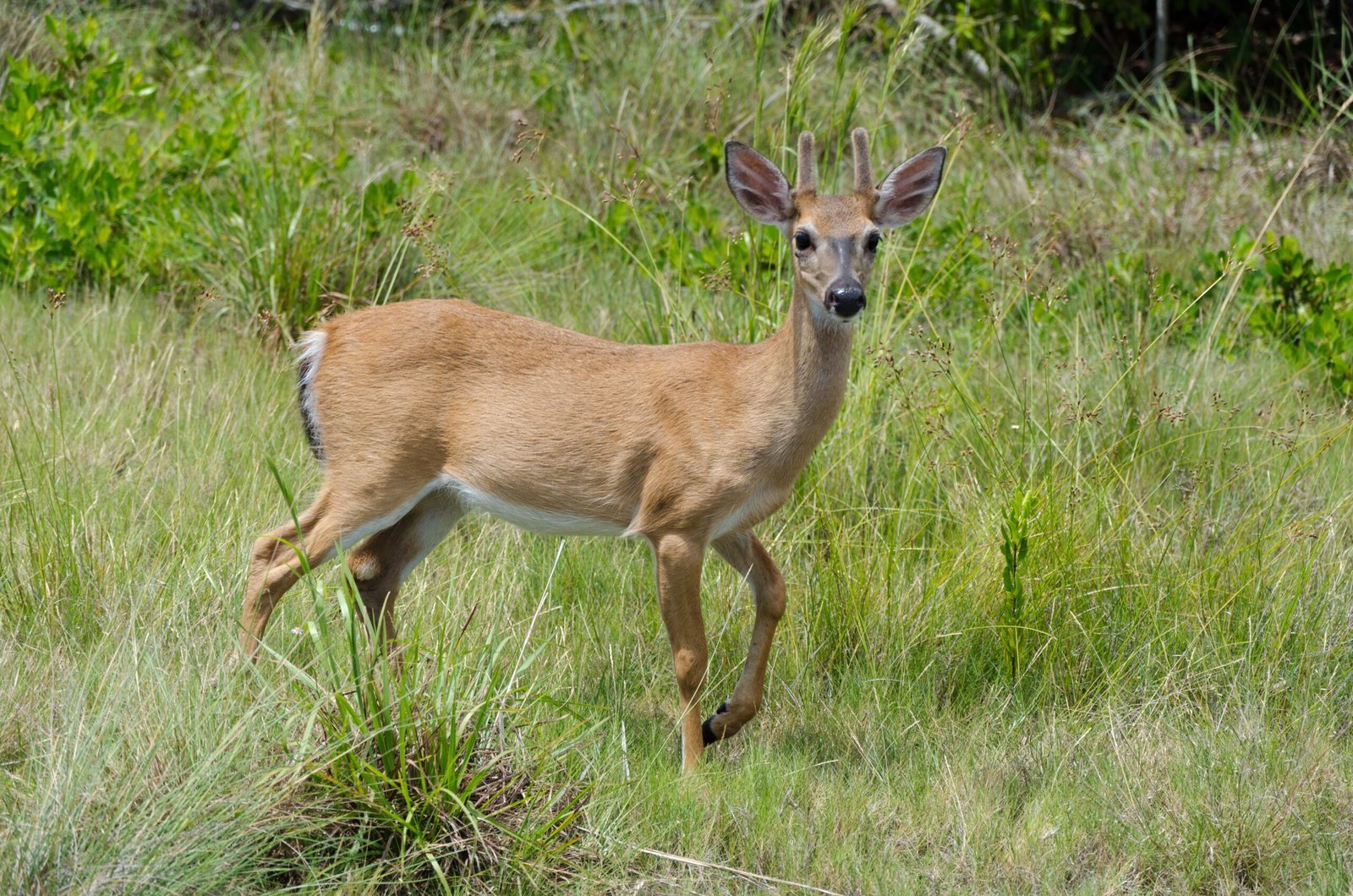
The Endangered Species Act is being tested by climate change, and sea-level rise in particular, in these low-lying island ecosystems. Key deer represent more than just one endangered species. They symbolize the challenges facing conservation in an era of rapid climate change.
Climate change is posing a threat to thousands of species – especially ones like the Key deer that live in only one place. Island species worldwide face similar dilemmas as rising seas claim their only habitats. The Key deer’s plight offers a preview of conservation challenges that will become increasingly common.
Their story forces us to confront uncomfortable questions about the limits of conservation. How much should society spend to save a species whose habitat is doomed? What does it mean to “save” a species if we can only preserve it in captivity? These questions have no easy answers, but they demand our urgent attention as more species face similar fates.
The Key deer’s journey from near extinction to recovery and now to a new kind of crisis reminds us that conservation victories aren’t always permanent. Even success stories can become tragedies when the very ground beneath a species’ feet disappears. What do you think about the future of these remarkable island deer?