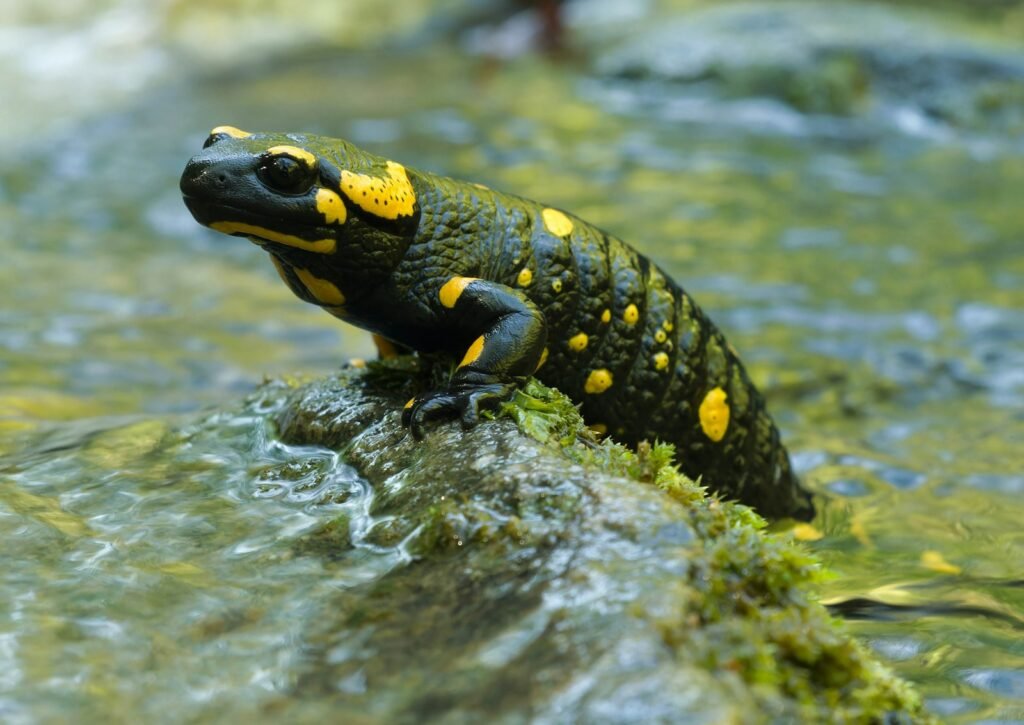

On a misty September night in the Smokies, a flashlight beam catches a slick ripple under a rock, and a salamander slips back into the dark. For decades, these Appalachian shape‑shifters have fooled even careful eyes, blending into a tapestry of spots, flecks, and shadows. Now, DNA is changing the game – rewriting maps, renaming familiar faces, and revealing species that were hiding in plain sight. Tennessee sits at the heart of this story, where new genetic tools are exposing a deeper, messier, and far exciting picture of salamander life than field guides ever promised. And the plot twist is simple but thrilling: there are kinds than we thought, living closer than we imagined.
The Hidden Clues
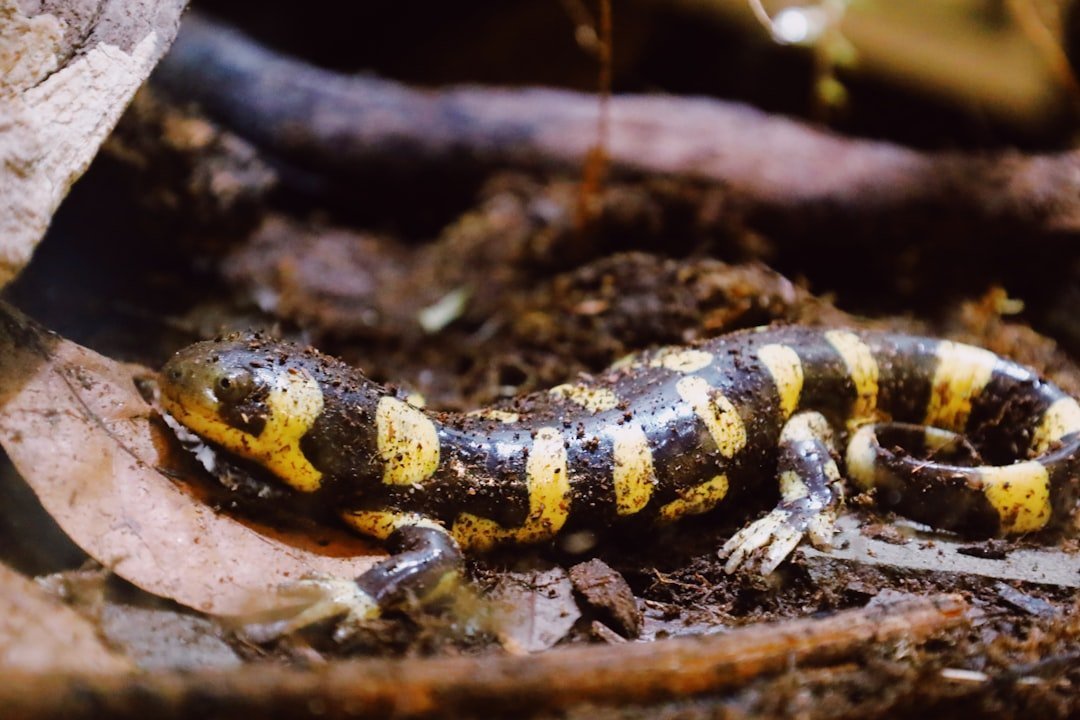
Walk almost any cool, dripping hollow in East Tennessee and you’re in the world capital of salamanders, where lungless species breathe through their skin and the forest floor practically hums with amphibian life. Until recently, scientists sorted these animals mostly by looks and habitat – tail shape here, chin color there, stream versus hillside. But salamanders are masters of mimicry-by-convergence, and different lineages often evolve to look alike in the same wet niches, a magician’s trick that kept the real story out of reach. DNA has started to peel back that curtain, exposing a lattice of hidden lineages in familiar genera like Desmognathus, Plethodon, and Eurycea. In short, the Smokies’ salamander roster wasn’t just long – it was underestimated. The park’s “Salamander Capital” reputation now rests on genetic foundations as much as field lore.
A striking example arrived when researchers split the so‑called black‑bellied salamander into multiple species after genomic and morphological re‑examination. One of those – now called the Cherokee black‑bellied salamander, Desmognathus gvnigeusgwotli – occurs in Great Smoky Mountains National Park along the Tennessee–North Carolina line. Another, the Pisgah black‑bellied salamander, Desmognathus mavrokoilus, ranges through parts of the Blue Ridge that reach into eastern Tennessee. These animals had masqueraded as a single species for than a century, a reminder that eyesight alone can be a blunt instrument in a world built from genes. For field biologists, the “aha” moment wasn’t a new pattern on a belly; it was a branching tree on a screen. In the Smokies, even the common turns out uncommon when you read its DNA.
From Ancient Tools to Modern Science
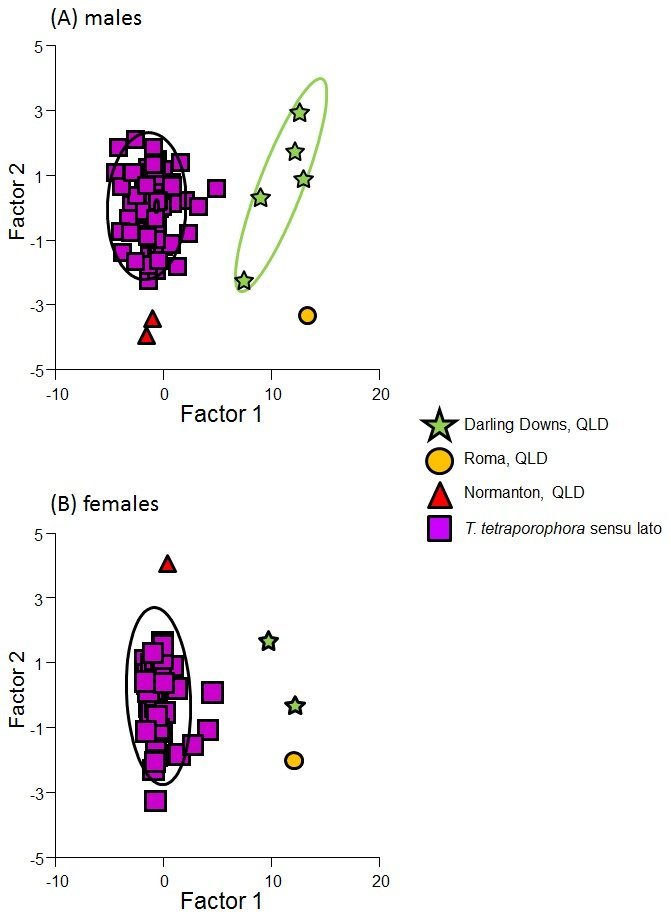
Classic herpetology leaned on what you could hold and measure: ratios of head width to body length, counts of spots, the curve of a tail. Those tools still matter, especially for practical identification, but they can’t see past look‑alikes born of similar habitats and shared history. Today’s work layers mitochondrial markers with hundreds to thousands of nuclear loci gathered via approaches like RADseq or target capture, then tests alternative evolutionary scenarios against the data. The result is not just a family tree but a timeline, tracking when and where lineages split and sometimes reconnected. That precision helps sort true species from local variants, and it flags hybrid zones where boundaries blur. It also explains why some “sure things” vanish under the microscope of genomics while the wallflowers step into the spotlight.
On the monitoring side, environmental DNA adds a noninvasive, stream‑side way to check who’s present without flipping every rock. A water bottle, a filter, and a few careful lab steps can recover fragments of salamander DNA drifting downstream – like footprints in liquid. In the Smokies, managers have already used eDNA to track aquatic life efficiently across a web of creeks that would overwhelm traditional surveying alone. Tennessee researchers have leaned on similar eDNA sweeps to locate hellbenders, proving how a few liters of water can shrink search times from days to minutes. The approach doesn’t replace traditional surveys or genetics on voucher specimens, but it’s a field compass that points teams toward the right valleys and headwaters. When maps change this fast, you need both compasses and microscopes.
Maps Redrawn in the Smokies
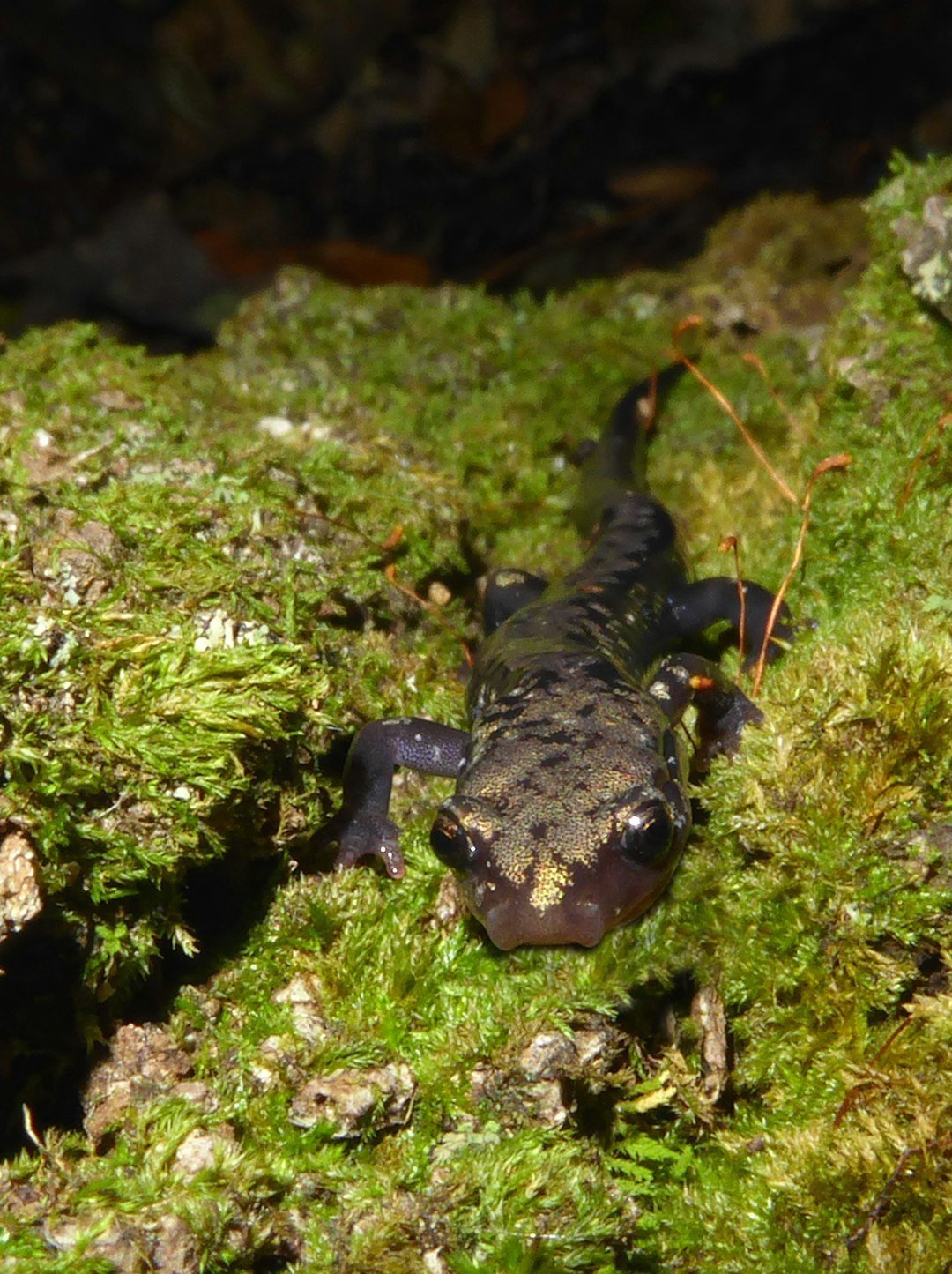
Revisions to the black‑bellied salamanders didn’t just add names; they changed where species begin and end in the southern Appalachians. In Great Smoky Mountains National Park, the Cherokee black‑bellied salamander now stands as one of the park’s newest recognized vertebrates, pushing the official tally of salamanders upward while pinning a culturally meaningful name to a lineage long overlooked. By distributing diversity across multiple cryptic species rather than one, these updates force conservationists to think smaller and sharper – stream reaches, ridges, and microbasins matter. The Pisgah black‑bellied salamander’s range nudging into eastern Tennessee underscores how borders on a map don’t stop genes at a ridge top. Even seasoned biologists have had to relearn old trails with fresh eyes, because the species they learned in school are not always the species they meet now. In biodiversity hotspots, the pencils never seem to have erasers big enough.
The Smokies’ broader context makes the shake‑up feel inevitable. This is a place where salamanders outweigh all vertebrates combined on a typical day, and where lungless lineages have radiated into nearly every moist niche from creek riffles to fog‑coated spruce‑fir forests. The park’s species list has hovered around roughly thirty, depending on the taxonomic moment, and DNA discoveries keep nudging that number and its boundaries. For Tennessee as a whole, the count clears than fifty species, a reminder of how much amphibian diversity is packed into the state’s eastern third. When you’re standing in a global cradle for plethodontid evolution, “hidden diversity” isn’t a surprise; it’s the default. The trick is keeping up as the data pour in.
Microhabitats, Deep Time
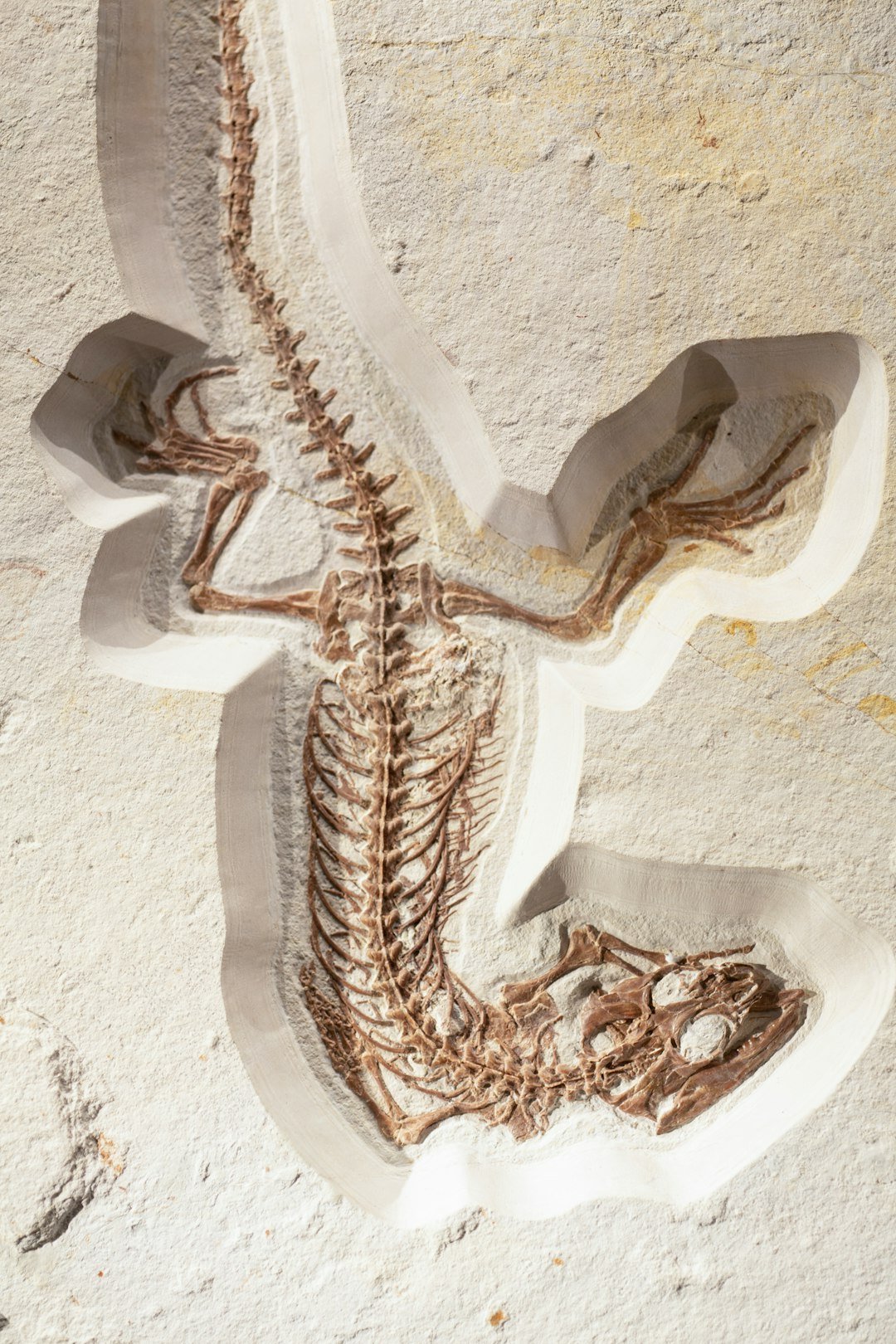
Genetics tells us who’s related to whom, but fossils hint at why the radiation unfolded here. Researchers working the Gray Fossil Site near Johnson City have described powerful, long‑gone plethodontids with outsized jaws, suggesting that large burrowers once hunted across ancient Tennessee. That deep‑time portrait strengthens a narrative in which predators, climate swings, and shifting habitats helped push stream and forest salamanders into new forms. Pair that with the region’s rugged relief – countless cool hollows separated by warm gaps – and you get natural laboratories for isolation and divergence. In places like Unicoi and the high Smokies, every few miles can be an evolutionary experiment. Deep time, short distances, and constant moisture make an engine that never shuts off.
Layer on ice‑age refugia and today’s microclimates, and cryptic lineages start to make sense. Cold phases likely squeezed populations into sheltered pockets, then warmer intervals allowed cautious expansions that sometimes reconnected lineages, sometimes didn’t. Modern genomes still carry those pulses, like tree rings that record wet and dry years. That’s why you can find two animals that look identical on opposite slopes yet belong to different branches of the family tree. And it’s why a single creek basin can hold cousins that parted ways before humans walked these ridges. In the Appalachians, the landscape itself is a speciation device.
Why It Matters
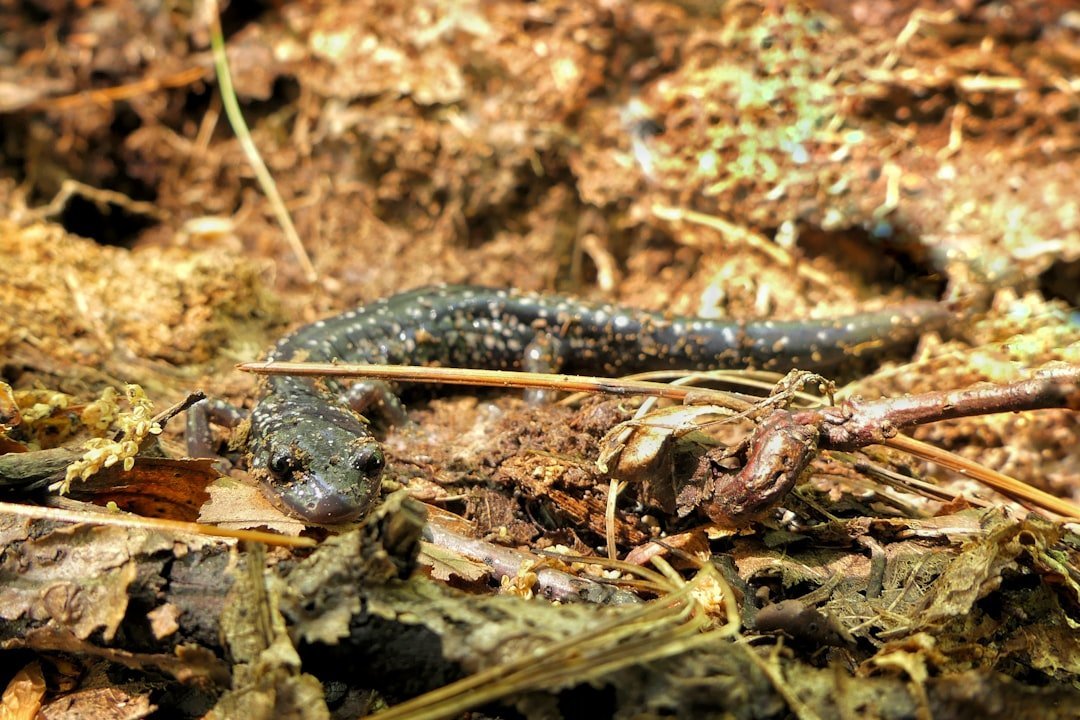
Names unlock law and funding. If Tennessee’s “one” black‑bellied salamander is actually several, each with a smaller range, then each faces a bigger risk from a culvert, a landslide, or a development project. Disease surveillance depends on correct identities, too; patterns of ranavirus or other pathogens can differ among species that once got lumped together. Historic surveys also show that some terrestrial salamanders in the Smokies have declined over recent decades, with causes pointing beyond a single pathogen and toward climate stress and habitat shifts. Mislabel a lineage and you can miss the decline entirely. Precision becomes protection when agencies decide where to prioritize scarce dollars and staff time.
There’s a scientific why, beyond the practical. Salamanders dominate biomass in these forests and knit together food webs, moving energy from invertebrates to birds, mammals, and fish. Their sensitivity to moisture and temperature makes them living gauges for a warming climate, particularly at mid and high elevations. Tennessee’s hills hold natural experiments in hybridization and introgression, where genomic work shows boundaries can be both real and permeable. Understanding those dynamics isn’t just taxonomic bookkeeping; it’s a window into how new species form and persist in a changing world. In that sense, every DNA result adds a pixel to a bigger evolutionary picture.
Global Perspectives
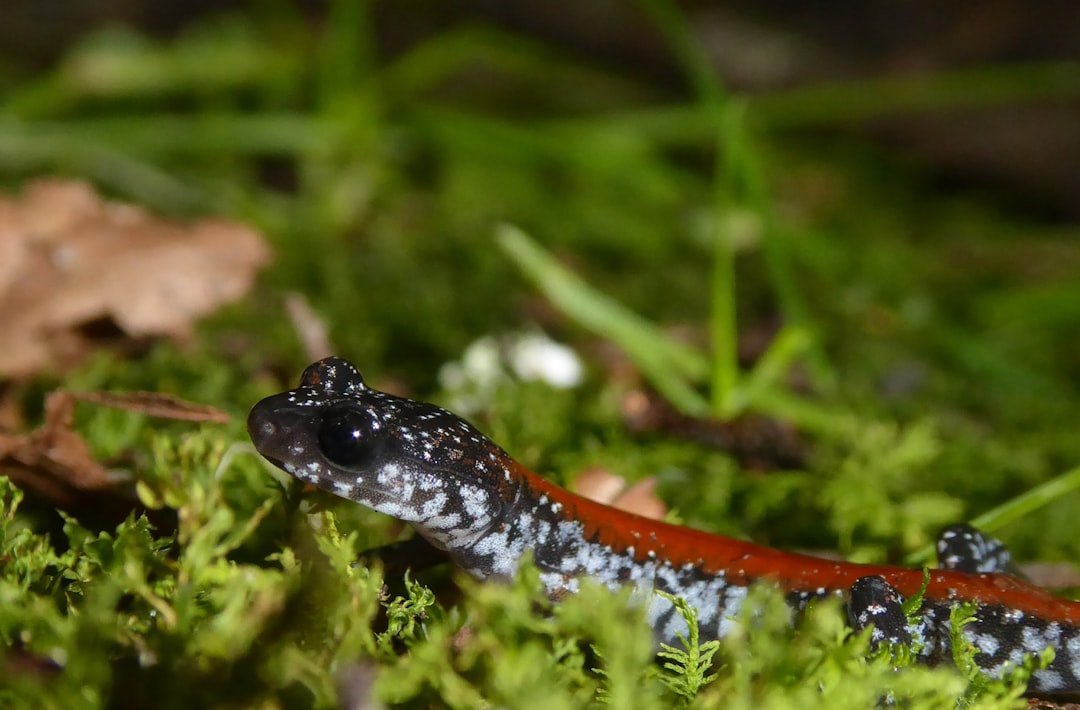
What’s happening in Tennessee echoes a worldwide pattern: cryptic species abound when evolution repeats itself in similar habitats. In amphibians, birds, and even mammals, genomic sampling keeps turning modest checklists into complex networks of lineages and contact zones. The Appalachian story resonates because it shows how much diversity a temperate forest can hide, and how easily classical traits can mislead when nature solves the same problems the same way. Importantly, cryptic doesn’t mean trivial; a species with a tiny range can be one flood, one road, or one wildfire away from trouble. The Smokies act as a case study others can apply in mountains from the Carpathians to the Andes. Hidden biodiversity isn’t a curiosity – it’s a conservation workload waiting to be recognized.
There’s also a cultural angle. Naming a lineage rooted in the Smokies with a local, meaningful epithet ties science to place and community. It’s a reminder that biodiversity isn’t abstract; it lives in the hollows people hike, fish, and call home. As cryptic species are identified, expect conversations about which values guide names, maps, and management choices. That dialogue matters in working landscapes where private land, public forests, and protected parks interlock. When species become neighbors rather than entries on a list, stewardship gets personal.
The Future Landscape

The next wave will stitch eDNA into routine stream monitoring, couple it with rapid sequencing, and flag hotspots for on‑the‑ground follow‑ups. Park crews already juggle thousands of stream miles by sampling representative reaches; scaling eDNA will make that triage smarter and faster. In parallel, richer genomic datasets – ultraconserved elements, whole‑genome skims, long reads – will test fine‑scale barriers like dry ridges and historic fire scars. Expect surprises where ranges meet, including proof that some “good species” swap genes along the seams while others hold firm. Each result tightens or relaxes lines on the map. And each line carries management consequences.
Challenges are real. Taxonomy changes faster than regulations, and agencies need clear thresholds for when a cryptic lineage merits legal protection. Climate warming threatens the cool, wet refuges these animals need, pushing some upward until the mountain runs out. Funding cycles rarely match the pace of discovery, and museum vouchers and data standards still lag behind the deluge of sequences. Yet the momentum is unmistakable: Tennessee’s salamander story is moving from “How many?” to “How connected?” and “How secure?”. With better tools, hard choices can be better informed. That’s progress measured creek by creek.
How You Can Help
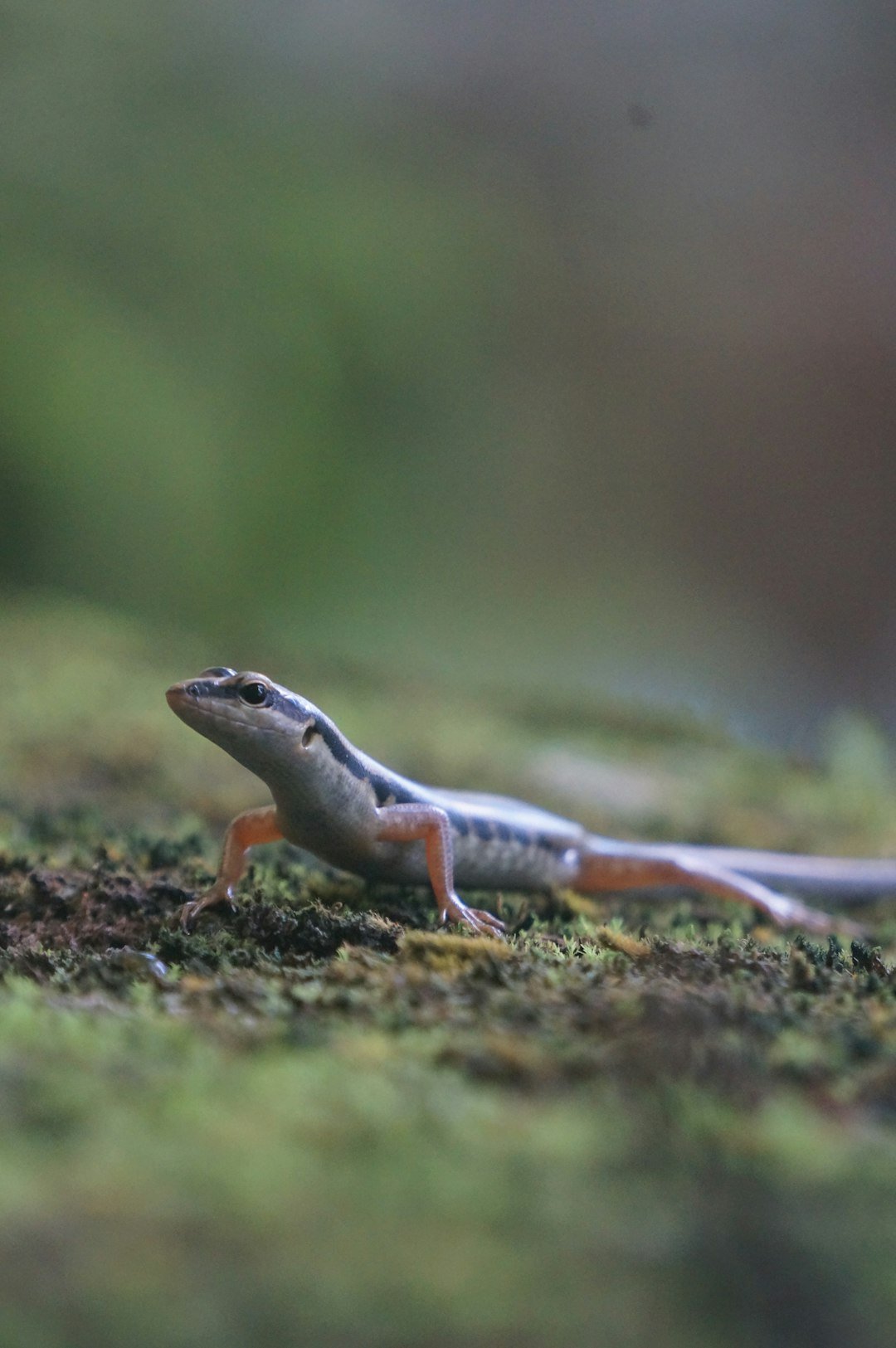
Small actions add up on salamander turf. Stay on trails, replace any lifted logs or rocks exactly as you found them, and keep hands off animals that breathe through their skin. If you live near headwater streams, plant and protect riparian cover to keep water cool and clean. Support local groups and park partners that monitor amphibians and restore streams; in the Smokies, community science and education centers help power that work. If you’re a photo‑happy hiker, upload observations to community platforms with location data – carefully masked when needed – to help researchers refine maps. In Tennessee’s amphibian country, attention is a conservation tool.
Suhail Ahmed is a passionate digital professional and nature enthusiast with over 8 years of experience in content strategy, SEO, web development, and digital operations. Alongside his freelance journey, Suhail actively contributes to nature and wildlife platforms like Discover Wildlife, where he channels his curiosity for the planet into engaging, educational storytelling.
With a strong background in managing digital ecosystems — from ecommerce stores and WordPress websites to social media and automation — Suhail merges technical precision with creative insight. His content reflects a rare balance: SEO-friendly yet deeply human, data-informed yet emotionally resonant.
Driven by a love for discovery and storytelling, Suhail believes in using digital platforms to amplify causes that matter — especially those protecting Earth’s biodiversity and inspiring sustainable living. Whether he’s managing online projects or crafting wildlife content, his goal remains the same: to inform, inspire, and leave a positive digital footprint.