
Across cultures and centuries, people have looked to animals to explain what makes a human heart keep going when the world turns rough. Today, scientists are mapping that old instinct onto modern psychology, finding that the creatures we identify with can reveal how we recover, adapt, and grow after stress. It’s not magic; it’s a practical shortcut to understanding the habits our brains reach for under pressure. The mystery is simple and serious: when life snaps at your heels, do you endure, reroute, or unite the pack? Think of this as a field guide to your inner resilience, written from the intersection of myth, data, and everyday survival.
The Hidden Clues
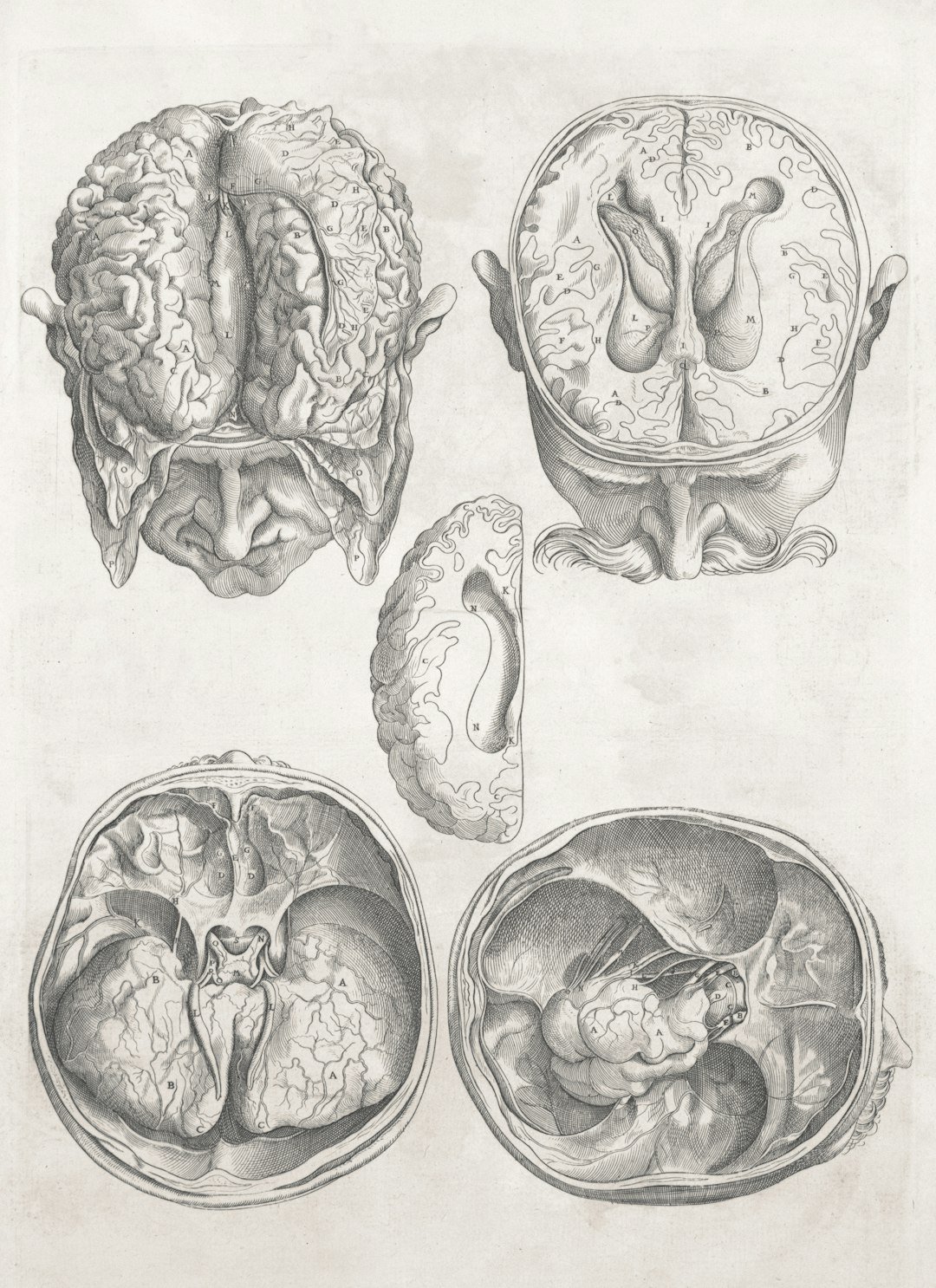
What if the animal you picture in hard times is less whimsy and more neuroscience at work? Emotional imagery recruits brain systems that regulate attention and threat detection, so the creature you imagine can subtly steer your mindset and choices. Picture a bear and you might slow down, conserve energy, and wait for the storm to pass; imagine a wolf and you instinctively seek allies. Those are not random impulses but patterned responses shaped by experience, learning, and the body’s stress wiring.
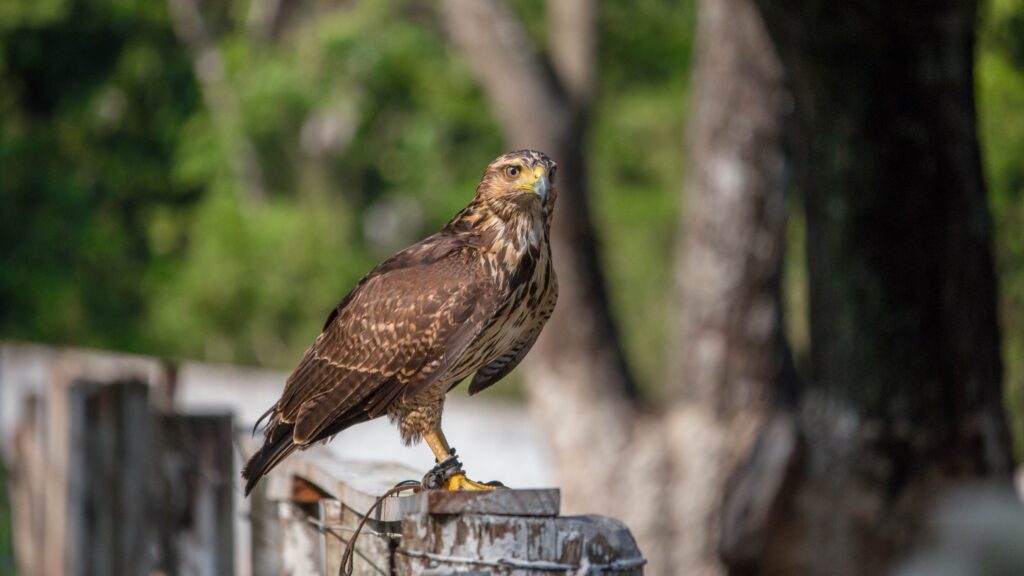
I’ve watched this play out during gnarly newsroom deadlines: the colleague who turns octopus-smart and reconfigures the plan versus the falcon type who narrows focus and strikes the one lever that still moves. Neither is better in every scenario, but each reveals a default pathway through fear. Identify that pathway and you start to shape it on purpose.
The Resilience Test: Which Animal Are You?
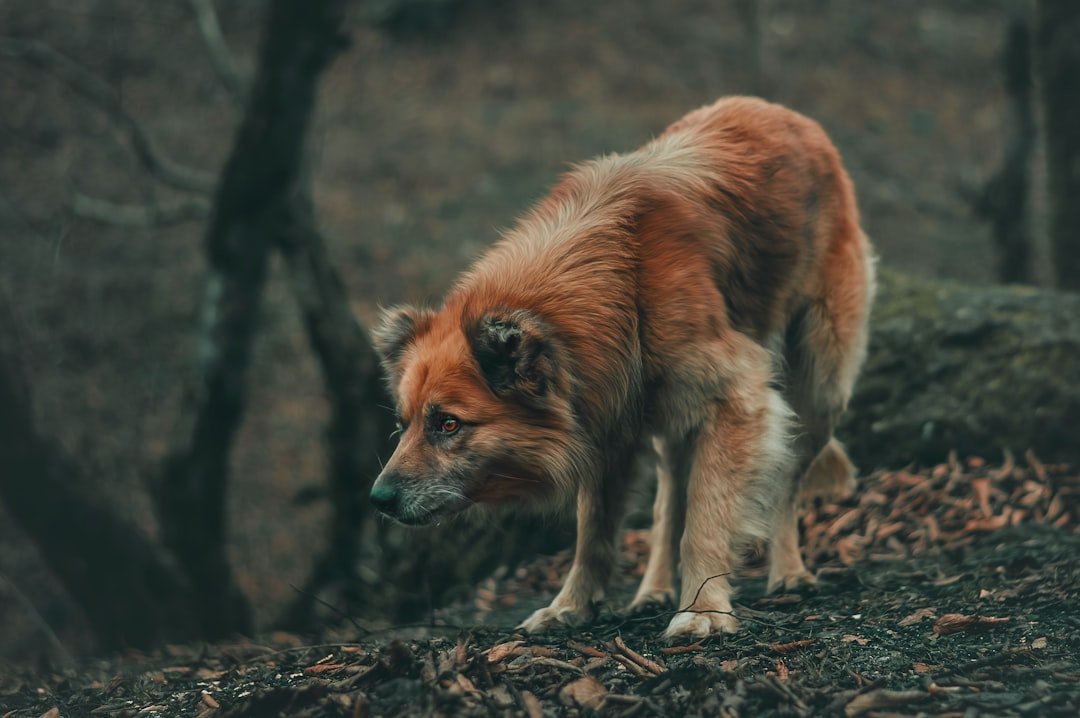
Forget personality quizzes with cutesy outcomes; use a simple stress scene and observe your first move. If a project collapses at the last minute, do you rally three trusted people and redistribute tasks like a wolf leaning on the pack? Do you slow your breathing, protect the essentials, and wait for a better window like a bear in a tight winter?
Perhaps you pivot creatively, retooling the whole design so the problem dissolves, which is pure octopus strategy. Or maybe you sprint in quick, precise bursts and then recover – think hummingbird tactics for micro-wins that add up. If your instinct is to hold a long horizon, stick to steady habits, and outlast the chaos, that’s the sea turtle talking.
From Ancient Tools to Modern Science
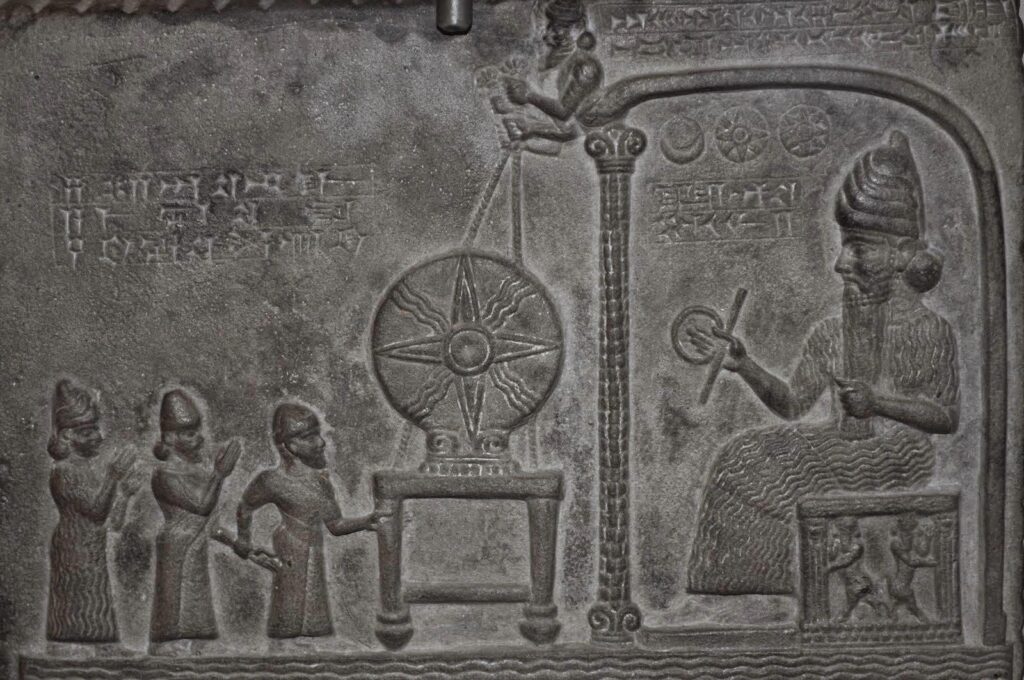
Totems and animal symbols were early human tech for decision-making, long before spreadsheets and stress trackers. Anthropologists have noted that these emblems served as memory systems, wrapping survival lessons inside stories people could carry. Modern psychology is circling back with a toolkit that tests which stories change behavior, from coping-style inventories to resilience scales used in clinics and workplaces.
There’s solid overlap: social support maps to the wolf, persistence to the turtle or salmon, cognitive flexibility to the octopus, and high-focus action to the falcon. Research on nature connectedness also links animal affinity with calm, attentional control, and meaning-making, which together form a sturdy backbone for recovery. When symbols align with evidence-based coping, you get a narrative that sticks and a plan that works.
Reading the Data: Patterns Behind the Metaphors
Studies on guided imagery find that rehearsing a resilient script can lower stress physiology and improve performance under pressure. Animal-assisted interventions report small-to-moderate benefits for anxiety and mood in schools, hospitals, and workplaces, hinting that animal cues prime supportive states. Personality research shows that people who score high on perseverance, social connectedness, or cognitive flexibility tend to report better bounce-back after setbacks.
Match those traits to animal templates and the metaphors start to look like models: turtles for endurance routines, wolves for social buffering, octopuses for reframe-and-redesign strategies. Caution, though – overfitting the metaphor can blind you to context, and no animal maps perfectly onto a human life. The point is direction, not destiny.
Global Perspectives
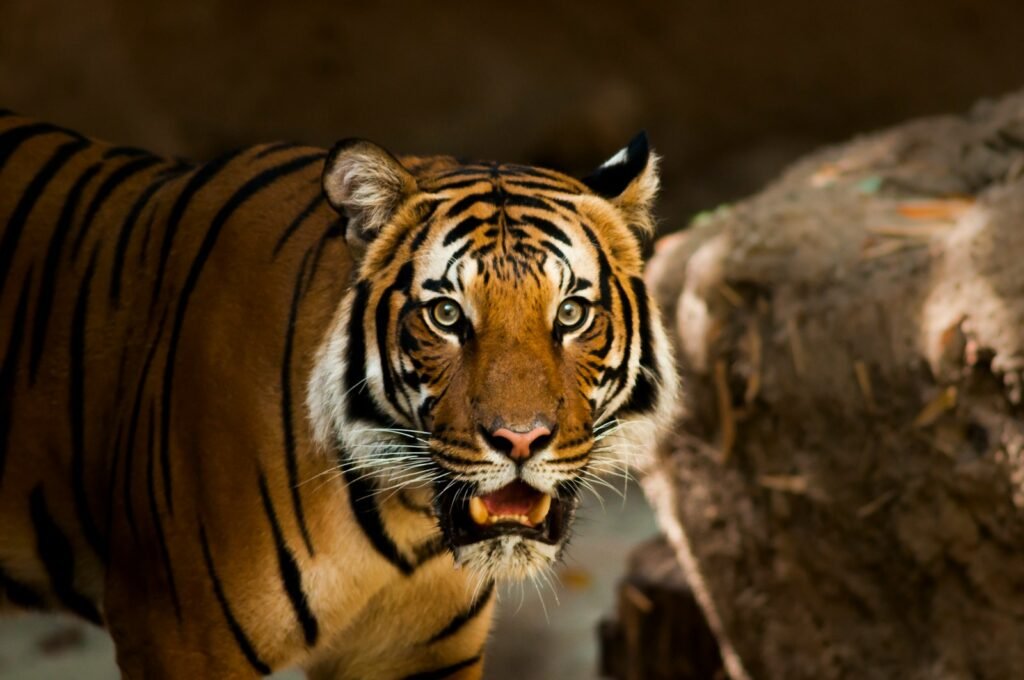
Animal meanings aren’t universal, and that matters for accuracy and respect. In one culture, wolves signal cooperation and careful kinship; in another, they may carry a history of fear, making the same symbol counterproductive. Tigers may represent courage and discipline in parts of Asia, while cranes embody patience and grace, shifting which traits people aspire to under strain.
Indigenous knowledge adds further nuance by tying animal behavior to seasons, place, and community obligations. If your setting prizes collective resilience, a pack or herd metaphor may unlock action more reliably than a lone predator image. Good science listens to those differences and tests practices with local voices at the table.
Why It Matters
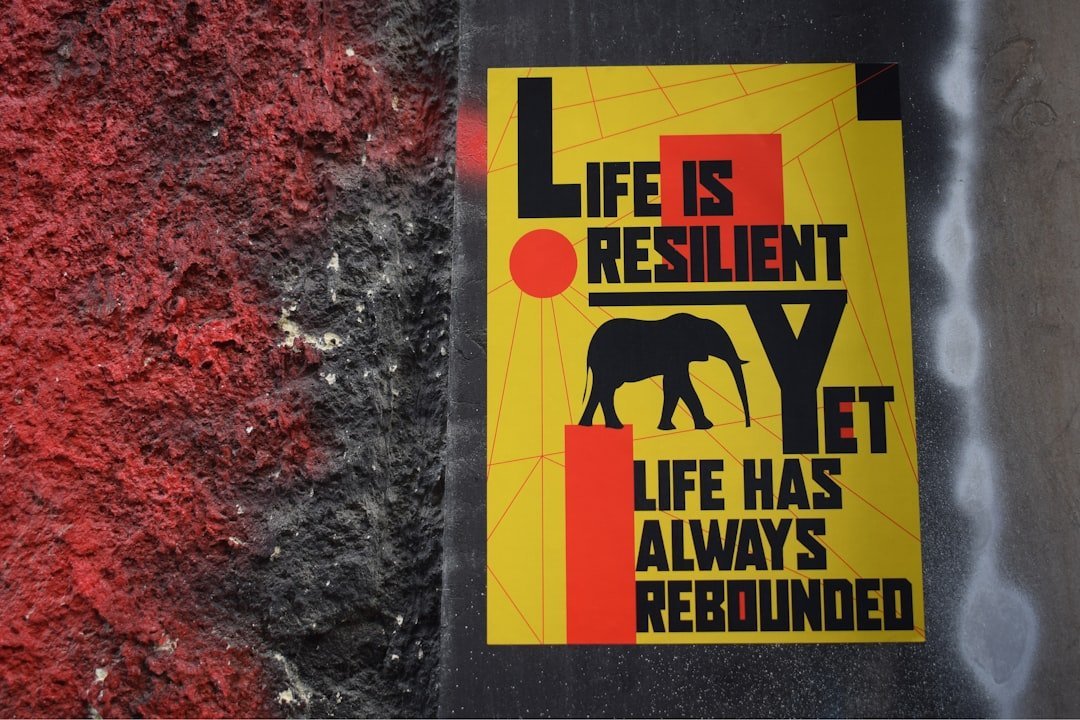
Resilience isn’t just grit; it’s a system that blends biology, behavior, and belonging. Symbolic animals are useful because they compress that complexity into a memorable cue you can deploy in seconds, right when your working memory is under siege. Compared with traditional surveys, these metaphors work faster and ride along with emotion, often improving follow-through on coping plans.
They don’t replace therapy, coaching, or medical care; they complement them by strengthening the narrative spine of change. Think of a wolf cue to text your ally, a turtle cue to do a two-minute breath, or a falcon cue to pick the one lever with leverage. When the pressure is real, small prompts beat long lectures.
The Future Landscape
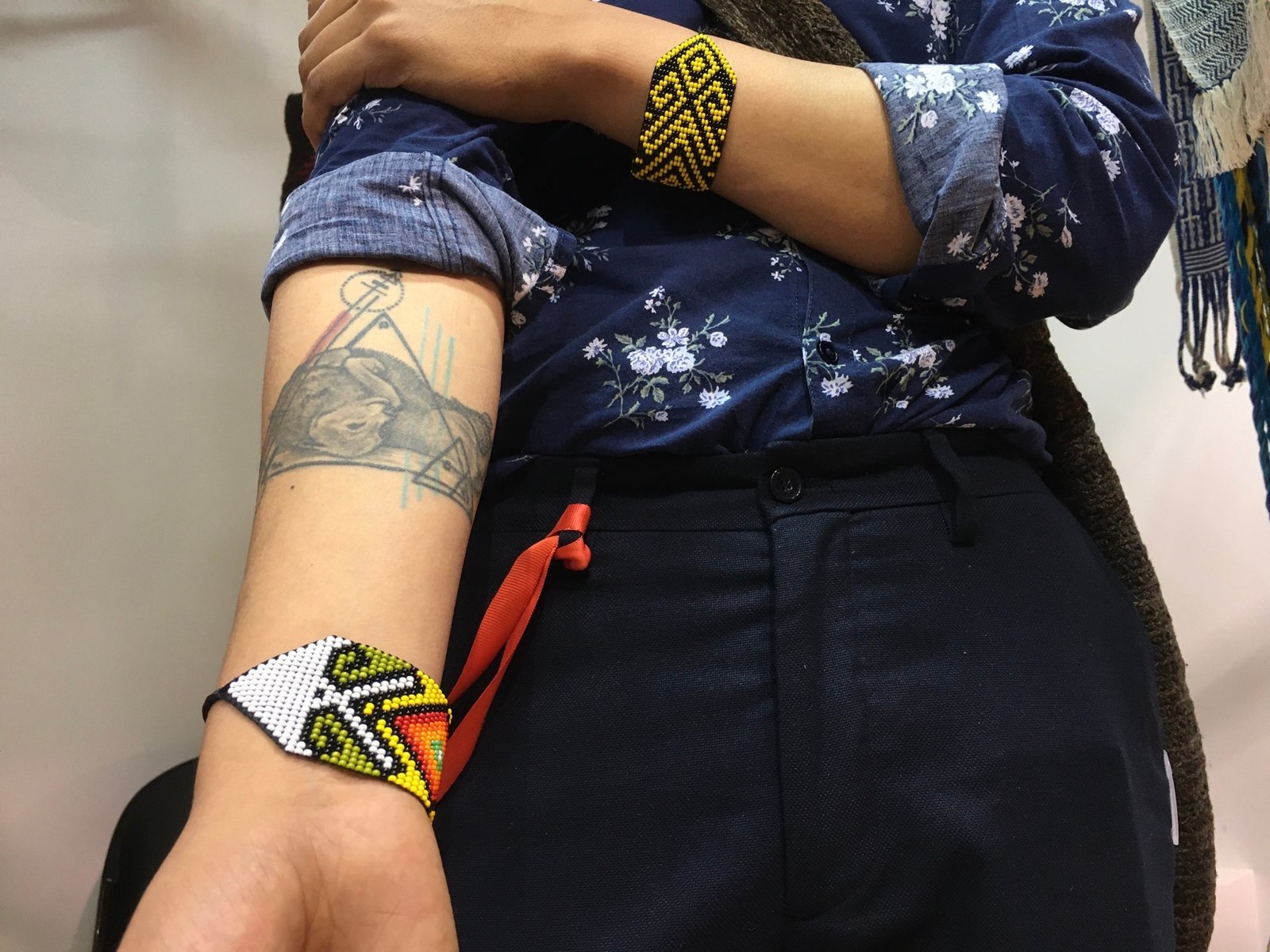
Next-generation stress tools are closing the loop between metaphor and measurement. Wearables already track heart rate variability and micro-recovery; it’s easy to imagine apps that flag your stress signature and suggest an animal mode matched to the moment – turtle for pacing, octopus for reframing, wolf for outreach. Virtual reality nature scenes are being tested for acute stress relief, and animal-inspired environments could tailor focus or calm without leaving your desk.
There are challenges: cultural sensitivity, preventing gimmicks, protecting health data, and proving mechanisms beyond placebo. The upside is tempting – a shared language that travels across teams and time zones, guiding people toward the specific behavior they need right now. If we keep the science tight and the symbols humble, the field could scale responsibly.
Edge Cases and Misreads
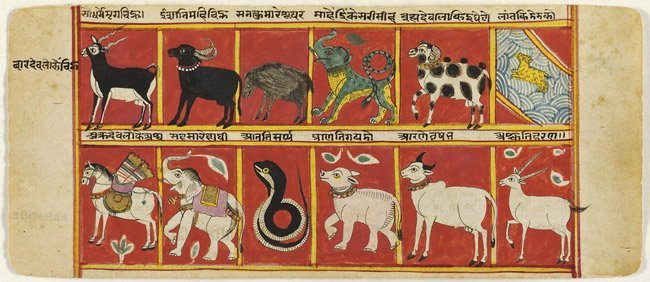
Sometimes your favorite animal is comfort, not compass, and that’s important to catch. If you love the idea of being a falcon but freeze when decisions stack up, the data – not the dream – should guide your next step. Watch for ruts: a bear strategy helps in storms, but overused it becomes avoidance; a wolf plan builds safety, but used everywhere it can slip into dependence.
When in doubt, run a tiny experiment and look for objective wins – lower heart rate, smoother communication, or one measurable milestone. I kept a small carved turtle on my desk during a bad year, and the habit it triggered was embarrassingly simple: drink water, slow down, finish one thing. It wasn’t heroic, but it was enough.
How to Apply Your Animal in Daily Life
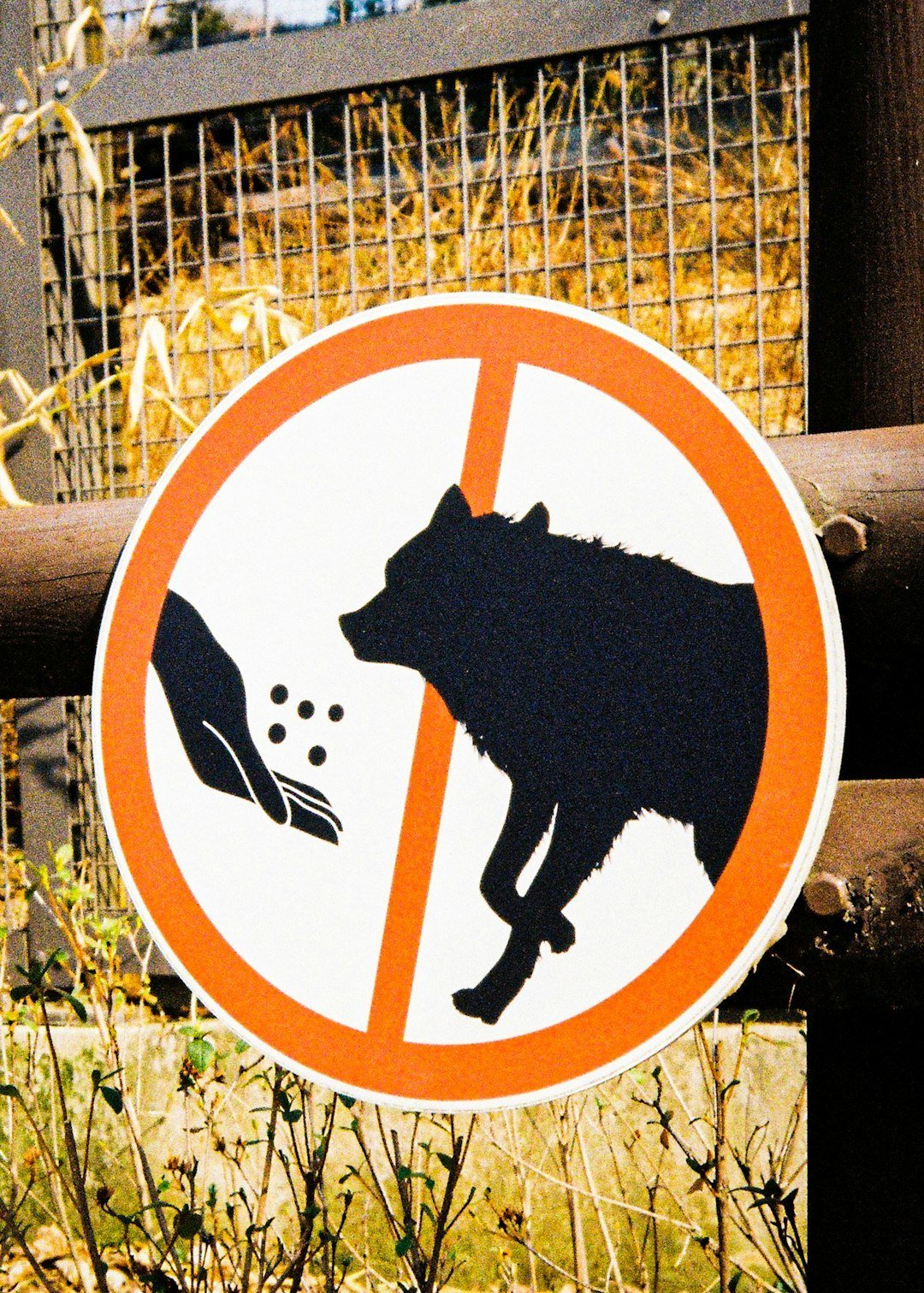
Pick one scenario that routinely derails you and prewrite an if–then linked to your animal: if emails surge after 3 p.m., then wolf-mode message two allies and divide replies; if your brain feels scattered, then falcon-mode ten-minute sprint on the one task that moves the needle. Pair it with a physical cue – a sticker, charm, or lock-screen image – so you don’t need to recall the plan when cortisol spikes.
Build tiny reps: one turtle lap around the block, one octopus redesign of a stubborn template, one hummingbird micro-win before lunch. Track a simple metric for a week and keep what clearly helps. Drop the rest without drama.
Conclusion
Choose your animal today and write two if–then lines you can use this week, one for solo stress and one for social stress. Share the plan with a friend or colleague to add accountability, and consider spending a small slice of time in actual nature to reinforce the cue with real sights and sounds. Support conservation and evidence-based mental health programs in your area, because a healthier world makes resilient people easier to build.
If you have the resources, back local science outreach that studies what truly works for stress relief and keeps the findings open to all. Your inner animal isn’t a brand; it’s a bridge between story and skill. Which one will you test first?
Suhail Ahmed is a passionate digital professional and nature enthusiast with over 8 years of experience in content strategy, SEO, web development, and digital operations. Alongside his freelance journey, Suhail actively contributes to nature and wildlife platforms like Discover Wildlife, where he channels his curiosity for the planet into engaging, educational storytelling.
With a strong background in managing digital ecosystems — from ecommerce stores and WordPress websites to social media and automation — Suhail merges technical precision with creative insight. His content reflects a rare balance: SEO-friendly yet deeply human, data-informed yet emotionally resonant.
Driven by a love for discovery and storytelling, Suhail believes in using digital platforms to amplify causes that matter — especially those protecting Earth’s biodiversity and inspiring sustainable living. Whether he’s managing online projects or crafting wildlife content, his goal remains the same: to inform, inspire, and leave a positive digital footprint.