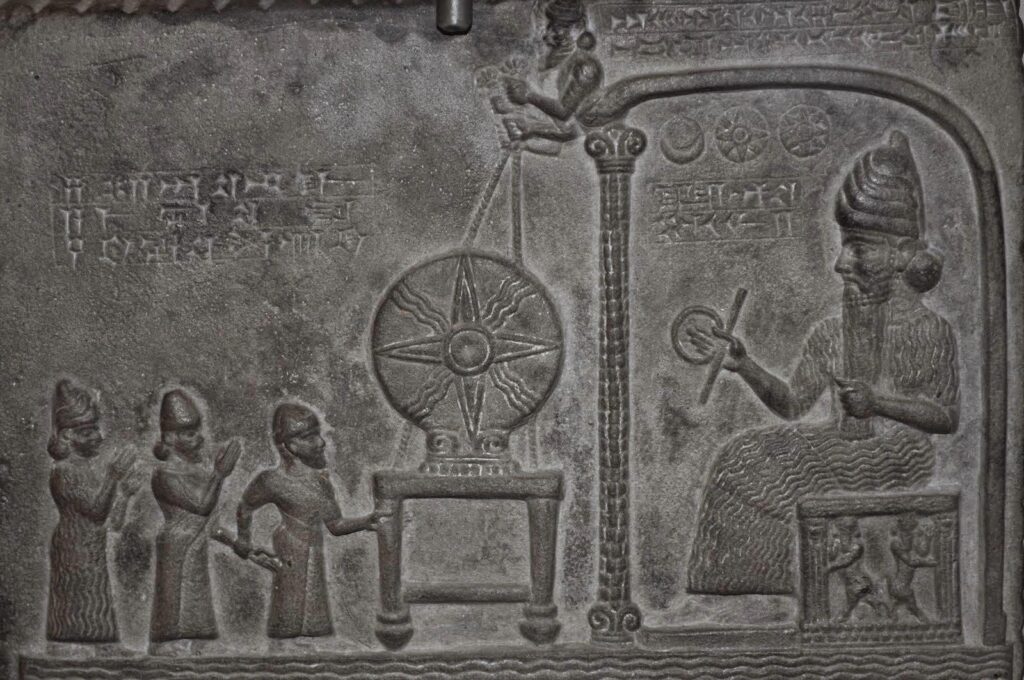
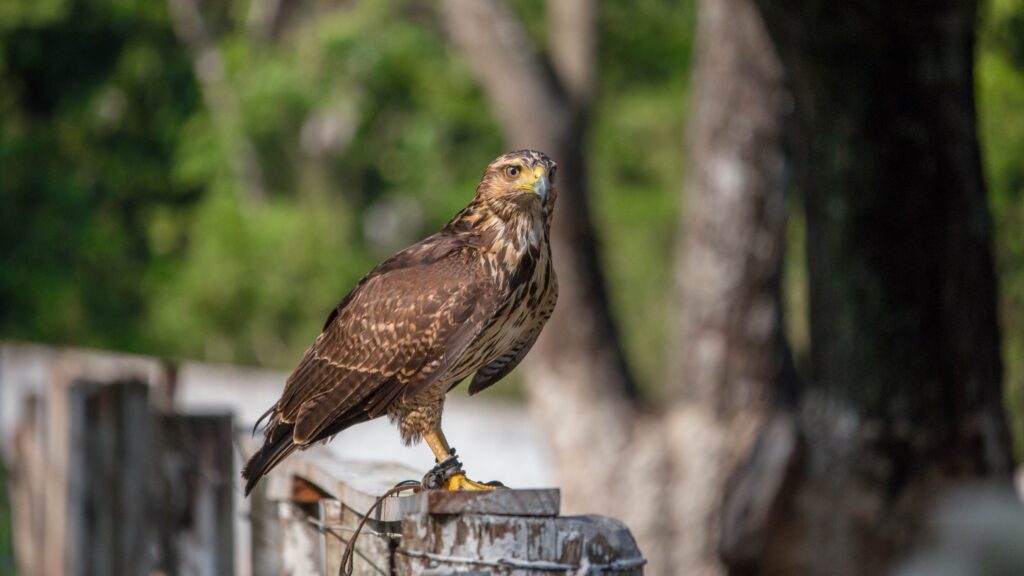
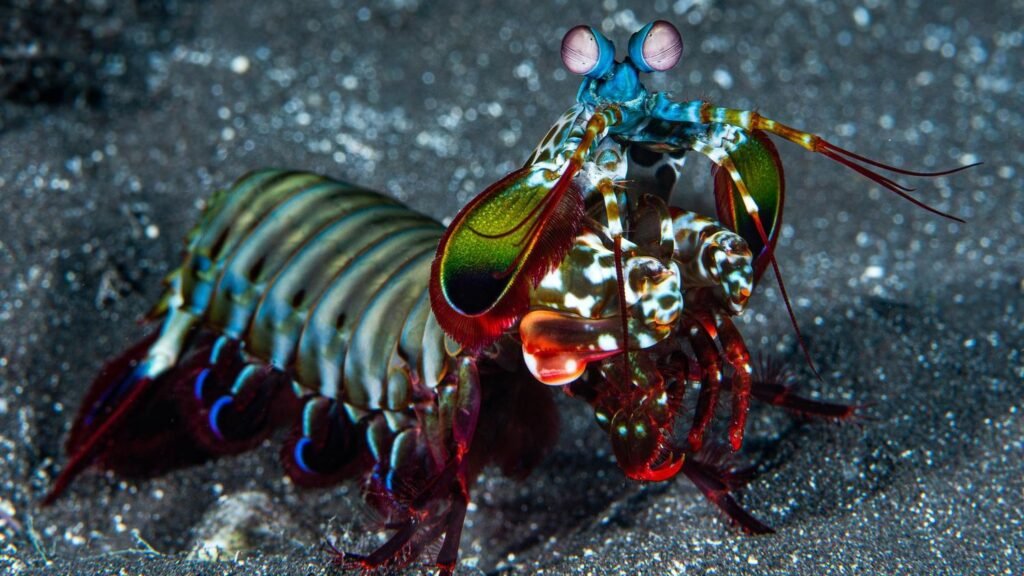
Every year, millions glance at a calendar and find themselves in a story: Rat, Ox, Tiger, Rabbit, Dragon, Snake, Horse, Goat, Monkey, Rooster, Dog, or Pig. The promise is simple but irresistible – twelve animals, twelve ways to decode our quirks and choices. Yet behind the charming folklore lies a deeper scientific puzzle about identity, symbolism, and the brain’s hunger for patterns. This is where culture meets biology, and where a myth can still illuminate the way people think, bond, and behave.
The Hidden Clues
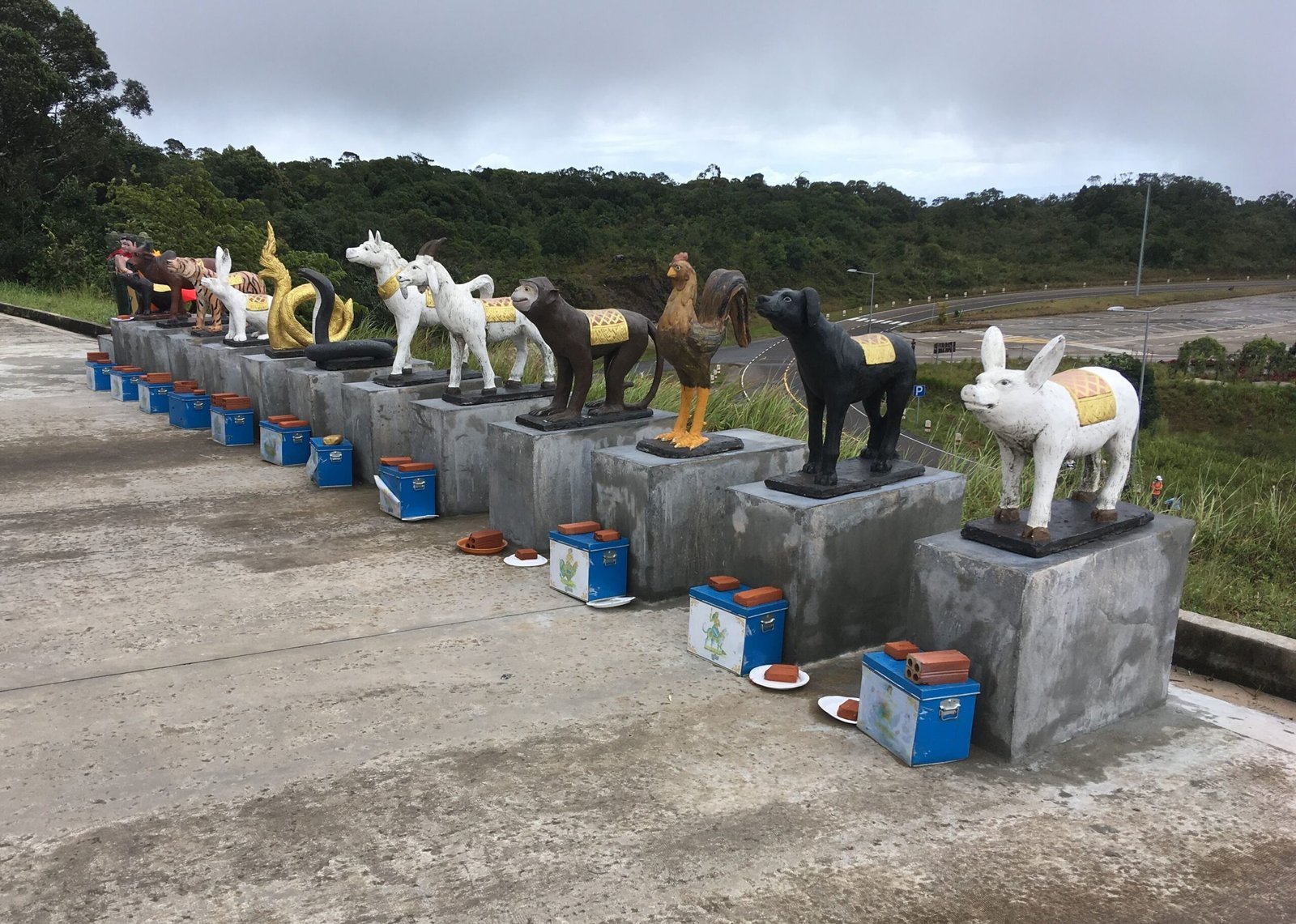
What if the animal on your birth year is less prophecy and more mirror, reflecting the traits you value most? Many people lean into the narrative – Tigers call themselves bold, Rabbits smile at their careful streak – because it feels true and socially useful. Psychologists describe this as the mind’s tendency to adopt broad, flattering descriptions that seem tailor‑made. In that sense, zodiac profiles function like a lens that sharpens certain parts of our identity.
I still remember meeting a field biologist who introduced himself as a Snake and then laughed, admitting he’d chosen herpetology partly for the joke. The joke worked because it signaled curiosity, patience, and a willingness to shed old skins – useful traits in science, whatever your birth year.
From Ancient Tools to Modern Science
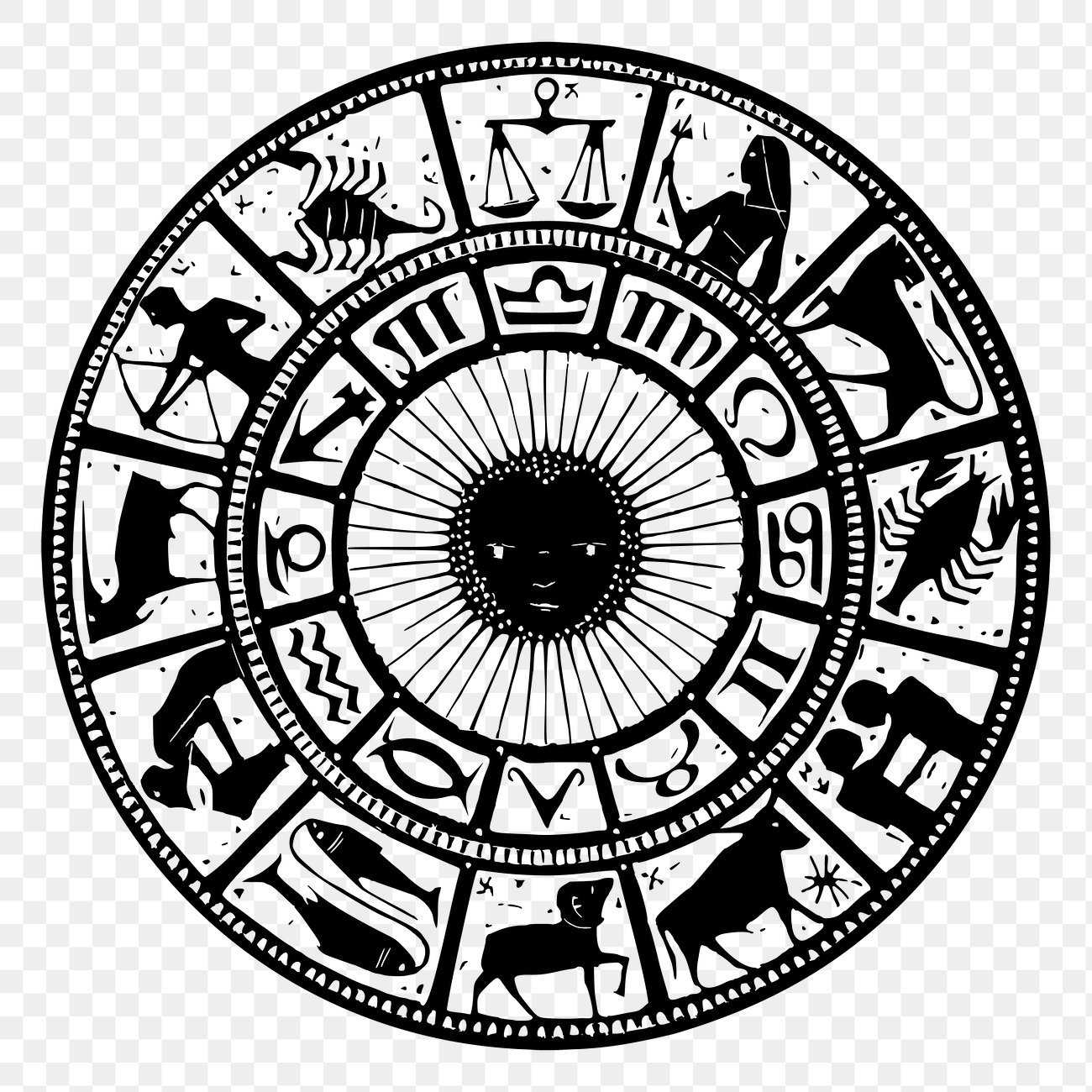
The Chinese zodiac emerged as a practical calendar system, a twelve‑year cycle that helped farmers and officials track time long before standardized clocks and data dashboards. Stories of the Great Race, temple murals, and festival rituals turned a scheduling tool into a shared language. Over centuries, that language traveled across East and Southeast Asia, morphing as it went – the Vietnamese cycle swaps Rabbit for Cat, for instance. These variations matter because they show how meaning is negotiated, not fixed.
Modern researchers see the zodiac as a living dataset on cultural transmission: how symbols spread, which ones stick, and why they keep feeling personal. It’s not magic; it’s memetics, memory, and the mechanics of belonging.
The Biology Behind the Beasts

Each animal is a compact metaphor built from real behaviors: rats thrive near people because they’re adaptable omnivores; horses evolved for endurance and social coordination; roosters are literal dawn alarms tuned by circadian rhythms. Those facts anchor the metaphors, even when the leap from barnyard behavior to boardroom bravado is a stretch. Our brains like concrete images, and animals deliver them with claws and feathers attached. That’s why a “Monkey” label evokes nimble problem‑solving faster than any abstract trait list.
The trick is remembering these are metaphors, not measurements. A dragon, for instance, is mythical – but its signal, charisma fused with responsibility, is very human.
Patterns, Not Prophecies

Large studies generally find that birth‑year astrology does not predict personality beyond chance, especially when tested against established measures like the Big Five. What does change behavior is belief: when people think a label fits, they sometimes act to confirm it. Social identity theory explains how groups and symbols – yes, even animal emblems – shape behavior through expectations, pride, and ritual. That’s not superstition; it’s psychology doing what psychology does.
So read your animal as a narrative prompt, not a forecast. It’s a story you can choose to tell, revise, or ignore.
Reading the Twelve Without the Myths
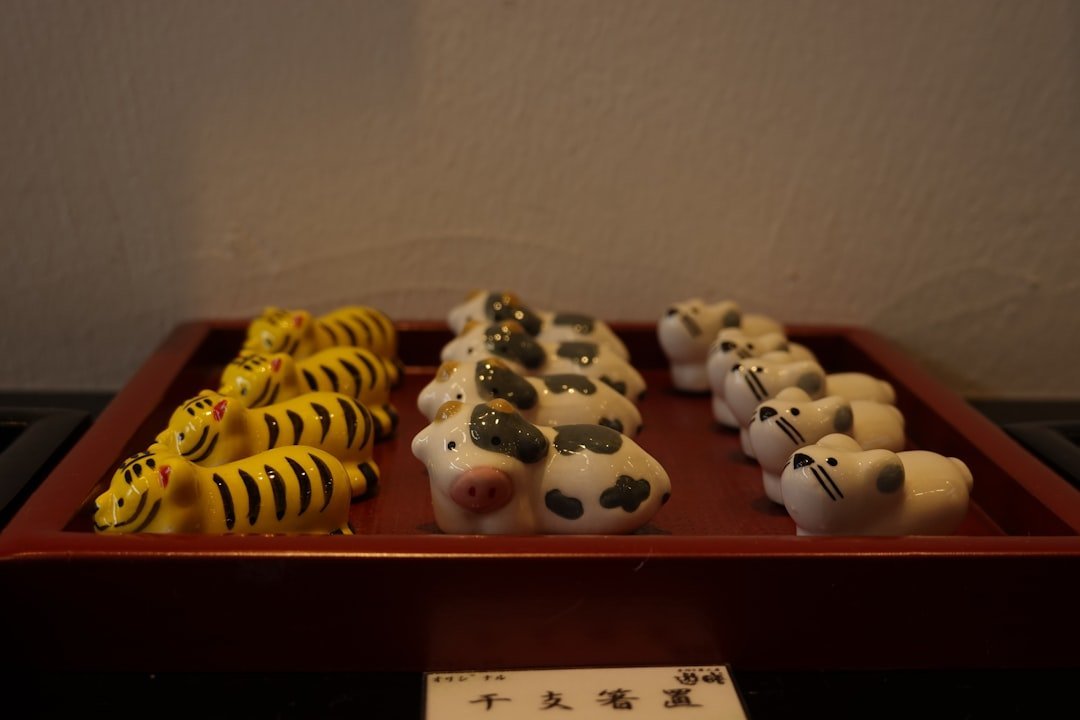
Consider the animals as a toolkit of mindsets you can adopt intentionally. Rat can mean resourcefulness when supplies are thin; Ox signals steady focus during long projects; Tiger can be courage to make the hard call. Rabbit invites cautious planning; Snake suggests strategic calm; Horse lends social stamina for team marathons. Goat speaks to cooperation; Monkey to creative pivots; Rooster to attention at first light; Dog to trust; Pig to generosity that prevents zero‑sum thinking.
Dragon, the outlier, is the archetype of ambition tempered by duty – useful not because stars demand it, but because teams often need it. Pick the mindset that fits the moment, not the year.
Global Perspectives

The zodiac’s staying power owes a lot to community life: new year parades, red envelopes, family dinners, and office banter all reinforce the shared code. In multicultural cities from Singapore to San Francisco, it doubles as a bridge – an easy conversation starter that signals curiosity across generations and languages. Variations across regions are not glitches but features, showing how cultures remix a common template. That adaptability keeps the system relevant even in high‑tech workplaces.
Seen globally, the zodiac functions like a cultural API: it lets people plug their own values and humor into a simple interface. No wonder it scales.
Why It Matters
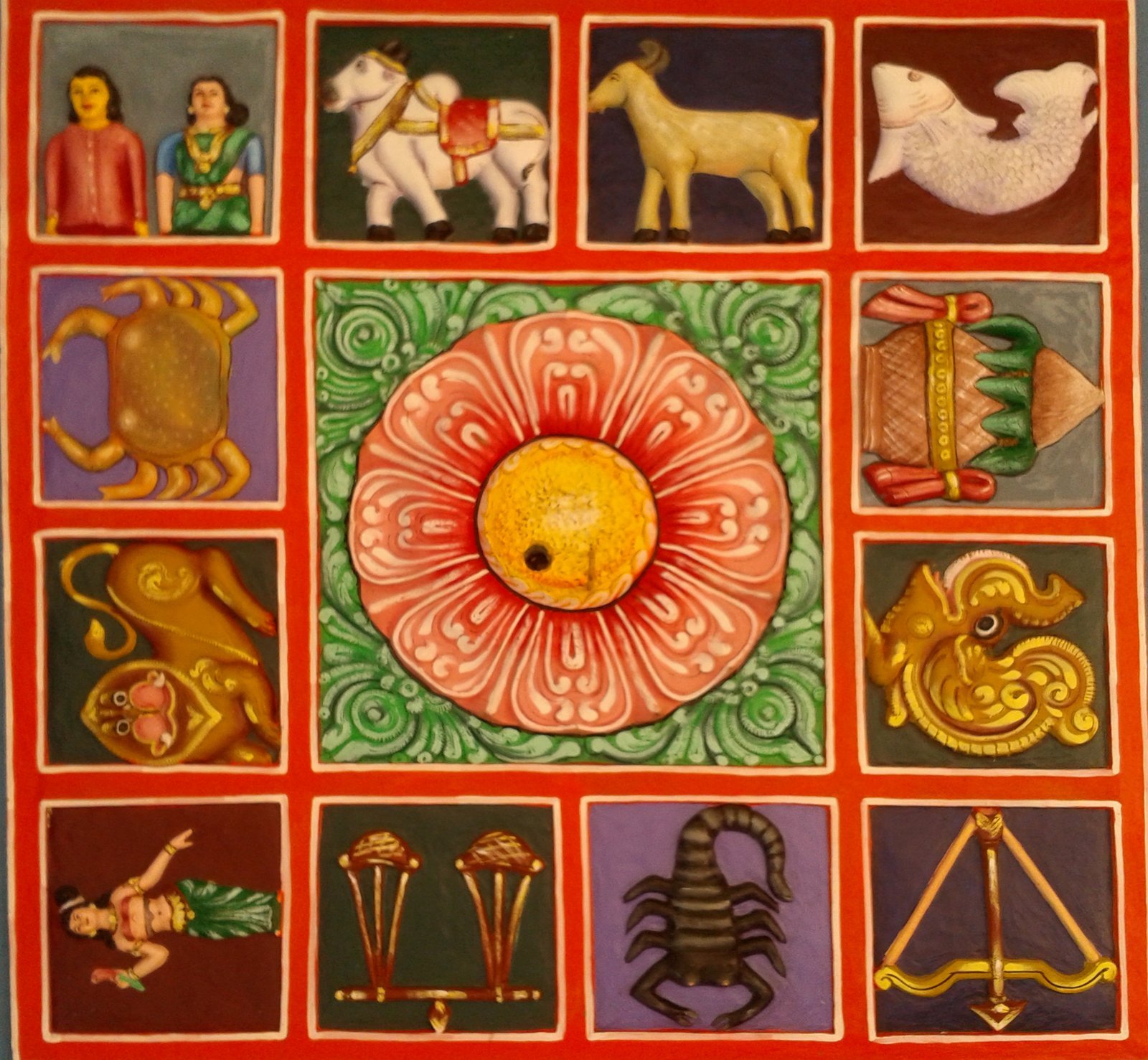
Here’s the bottom line: the zodiac is not a diagnostic, but it is a durable narrative technology that shapes how people think about themselves and each other. Compared with personality inventories, it’s faster, friendlier, and publicly shared, which makes it powerful for group rituals and memory. In classrooms and clinics, even skeptics can use the animals as metaphors to talk about stress responses, teamwork, or goal setting. In workplaces, a light‑touch exercise can open conversations that rigid typologies sometimes shut down.
When science meets story, the result can be practical empathy. That’s a win, even if the stars have nothing to do with it.
The Future Landscape
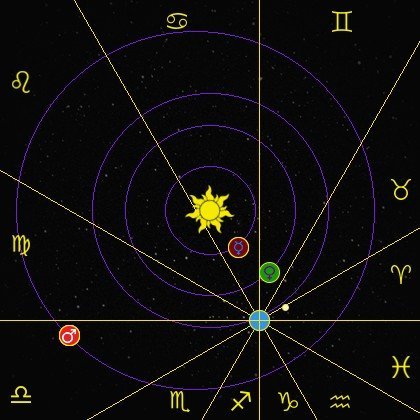
Expect computational anthropology to map how zodiac language moves across platforms and generations, revealing which animal traits surge during crises or booms. Wearables and digital diaries could track how festival routines shift sleep, mood, and social engagement, separating cultural rhythm from cosmic claims. Natural language models already parse metaphor at scale; used carefully, they can flag when playful labels tip into stereotype. The challenge will be ethics: celebrating identity without pigeonholing people by birth year.
Globally, this research can inform mental health outreach, public health campaigns, and education calendars tuned to cultural cycles rather than celestial ones. The science won’t crown a “most accurate” animal – but it can show how stories steer behavior in measurable ways.
From Calendar to Compass
Think of your zodiac animal as a pocket compass, not a cage. On a rough day, choose Ox for grit; before a presentation, borrow Rooster’s timing; when the plan fails, channel Monkey’s agility. This is self‑regulation by metaphor, a skill that aligns with evidence‑based practices like reframing and implementation intentions. You’re not discovering destiny – you’re selecting tactics that happen to come with fur, scales, or feathers.
It’s a playful approach with serious benefits: the right symbol at the right moment can nudge the brain toward action.
Conclusion

Start a small experiment this week: pick one animal mindset for a task, write a brief plan, and note what changes. Share the practice at home or work, inviting others to try a different animal for the same challenge and compare results. Support cultural literacy by attending a Lunar New Year event or reading a children’s book that explains the cycle – context strengthens empathy. Encourage science literacy, too: when zodiac talk turns predictive, steer the conversation toward what we can measure – habits, sleep, stress, and community.
The story is yours to aim: which animal will you choose for tomorrow’s problem?
Suhail Ahmed is a passionate digital professional and nature enthusiast with over 8 years of experience in content strategy, SEO, web development, and digital operations. Alongside his freelance journey, Suhail actively contributes to nature and wildlife platforms like Discover Wildlife, where he channels his curiosity for the planet into engaging, educational storytelling.
With a strong background in managing digital ecosystems — from ecommerce stores and WordPress websites to social media and automation — Suhail merges technical precision with creative insight. His content reflects a rare balance: SEO-friendly yet deeply human, data-informed yet emotionally resonant.
Driven by a love for discovery and storytelling, Suhail believes in using digital platforms to amplify causes that matter — especially those protecting Earth’s biodiversity and inspiring sustainable living. Whether he’s managing online projects or crafting wildlife content, his goal remains the same: to inform, inspire, and leave a positive digital footprint.