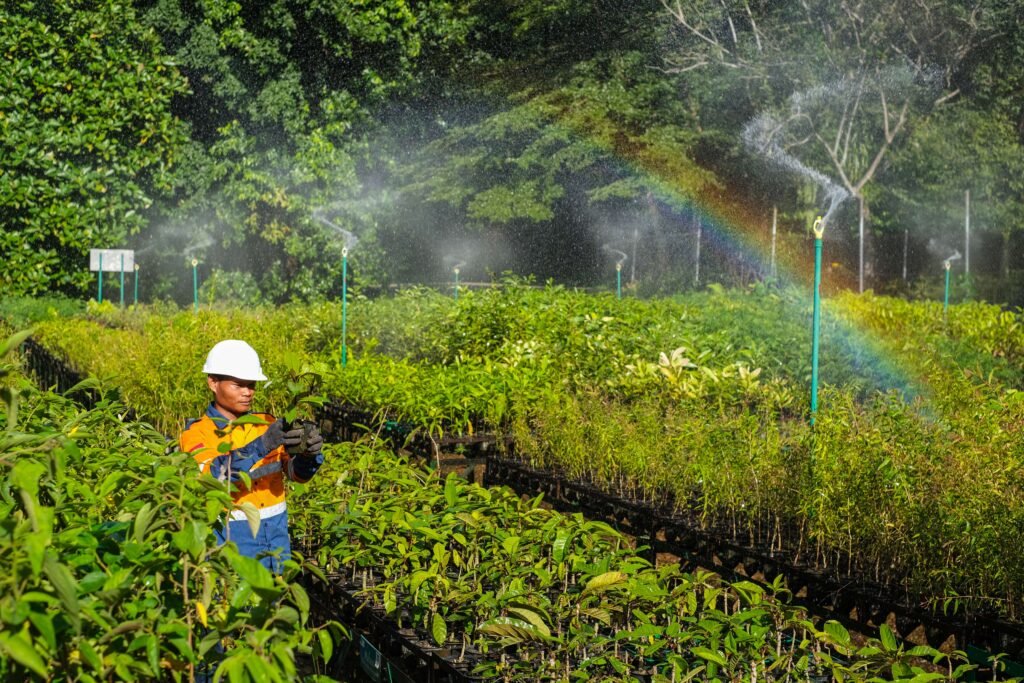

In the lush rainforests of Southeast Asia, scientists have uncovered something that sounds like science fiction. Deep in the jungles of Indonesia, Malaysia, and New Caledonia, there are trees that literally “bleed” when cut. Their sap runs not red, but a striking blue-green, packed with so much nickel that it’s more concentrated than many industrial ores. These remarkable plants, called hyperaccumulators, are quietly revolutionizing how we think about mining and environmental restoration. From the remote highlands of Sabah to the nickel-rich soils of Sulawesi, researchers are discovering that nature might have already solved one of our biggest sustainability challenges – if only we’re smart enough to learn from it.
Nature’s Most Unusual Defense System
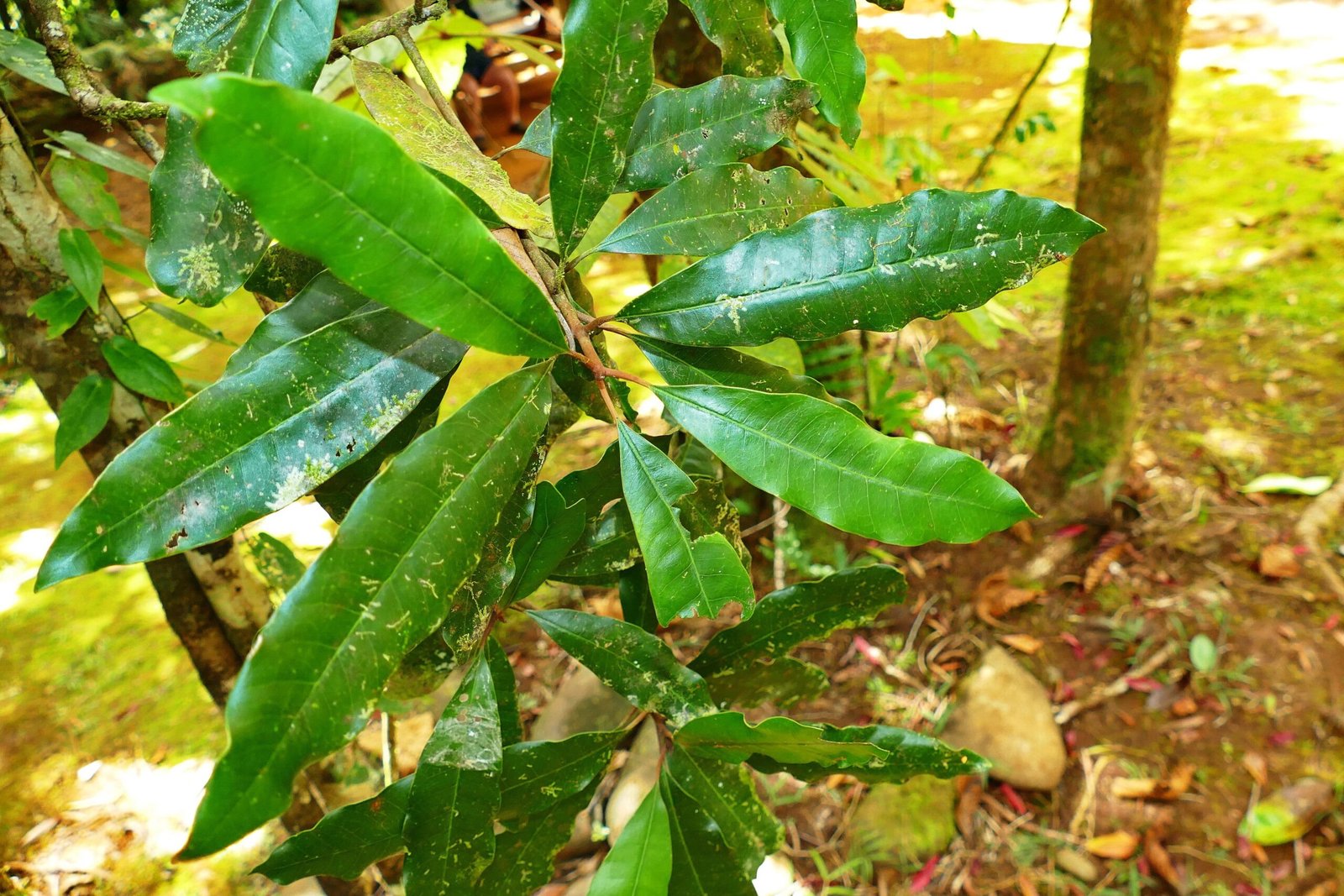
Trees, or plants in general for that matter, and heavy s like nickel and zinc don’t really go well together, and that’s what makes these hyperaccumulator species so special. They have somehow evolved to suck out normally toxic levels of heavy s from the soil and store it in their stems, leaves and seeds. The most striking example comes from New Caledonia, where a tree called Pycnandra acuminata produces sap that contains significant concentrations of nickel, reportedly up to several percent, giving it an unusual blue-green color.
Think of it like nature’s own version of a superhero with toxic blood – except instead of fiction, this is real evolution at work. The most popular hypothesis for explaining the evolution of hyperaccumulation revolves around ‘elemental herbivory protection’, which proposes that elevated or loid concentrations in shoots afford protection against leaf-chewing insects, and studies have shown that hyperaccumulated nickel is indeed toxic to most herbivore insects. It’s as if these plants turned poison into their superpower.
The Indonesian Connection
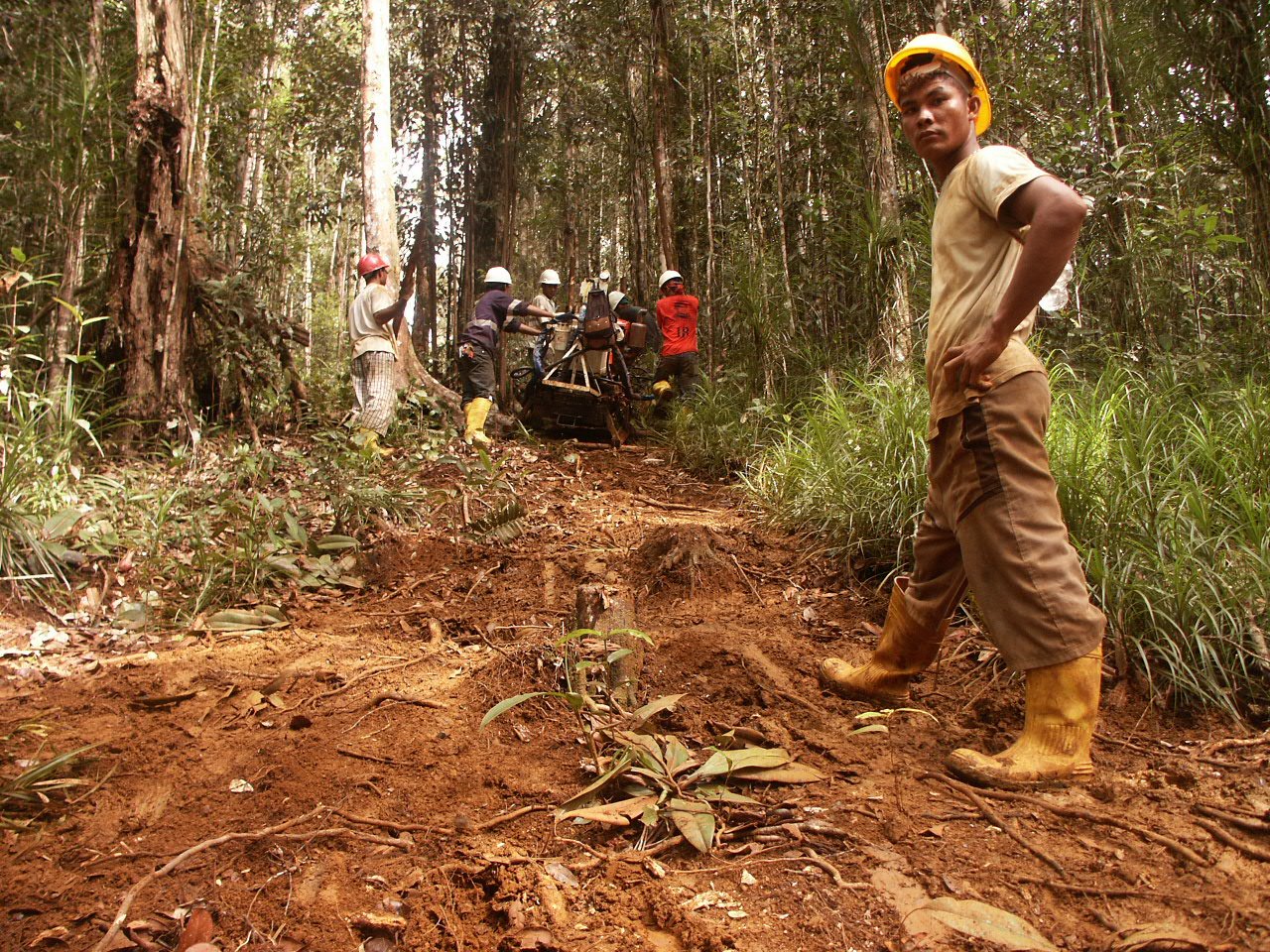
Indonesia holds tremendous potential for this green technology revolution. Globally the greatest potential for Ni phytomining lies in Indonesia, the Philippines and New Caledonia where extensive ultramafic soils and mining operations exist. The country’s geological history has created perfect conditions for both nickel deposits and the plants that can extract them naturally.
Sixteen years ago, Aiyen Tjoa, an Indonesian soil-biologist, explored a small mining town called Sorowako in the heart of Sulawesi. It took her four years of self-funded explorations before she finally spotted two species of nickel-eating plants; Sarcotheca celebica and Knema matanensis. By analyzing its nickel concentration in the lab, Tjoa found that both native plants could store 1000–5000 microgram nickel in one gram of its dried leaf. While these weren’t the strongest hyperaccumulators known globally, they proved that Indonesia’s forests held untapped potential.
The Malaysian Marvel
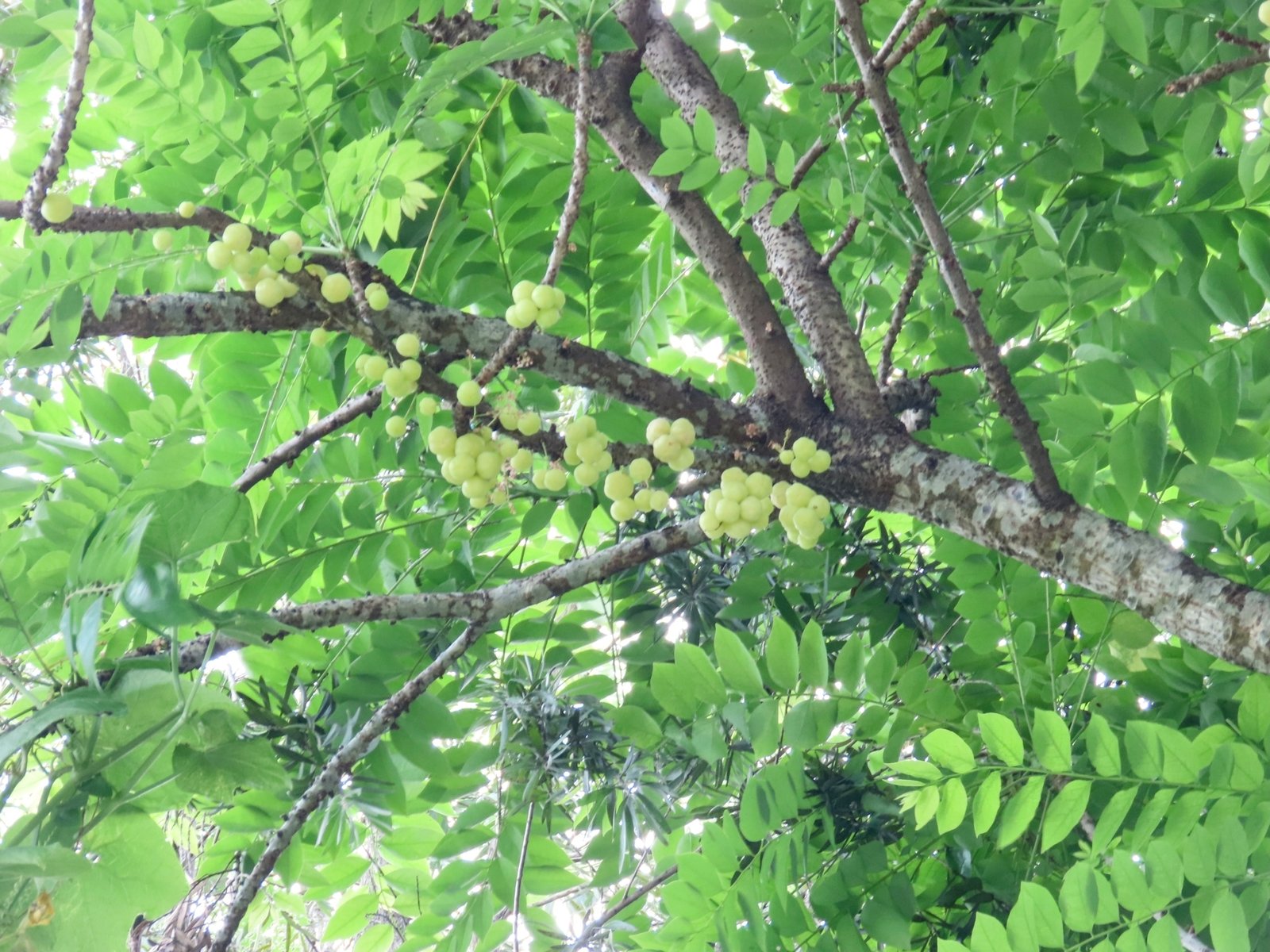
When you cut into the Phyllanthus rufuschaneyi tree, it “bleeds” a dark blue-green sap full of nickel. This nickel-rich sap is also far more concentrated than nickel ores currently used in the world’s smelters. This extraordinary tree was discovered in Sabah, Malaysia, growing on the slopes of Lompoyou Hill near Kinabalu Park.
Further testing revealed that the -bleeding tree was the best known tropical ” crop” due to some pretty advantageous characteristics. For one, the tree has extremely high levels of nickel accumulation. It also grows pretty fast and has tolerance for exposed conditions on eroded soils. What makes this discovery even more remarkable is that the Phyllanthus rufuschaneyi is considered to be at conservation risk.
The Science Behind Farming
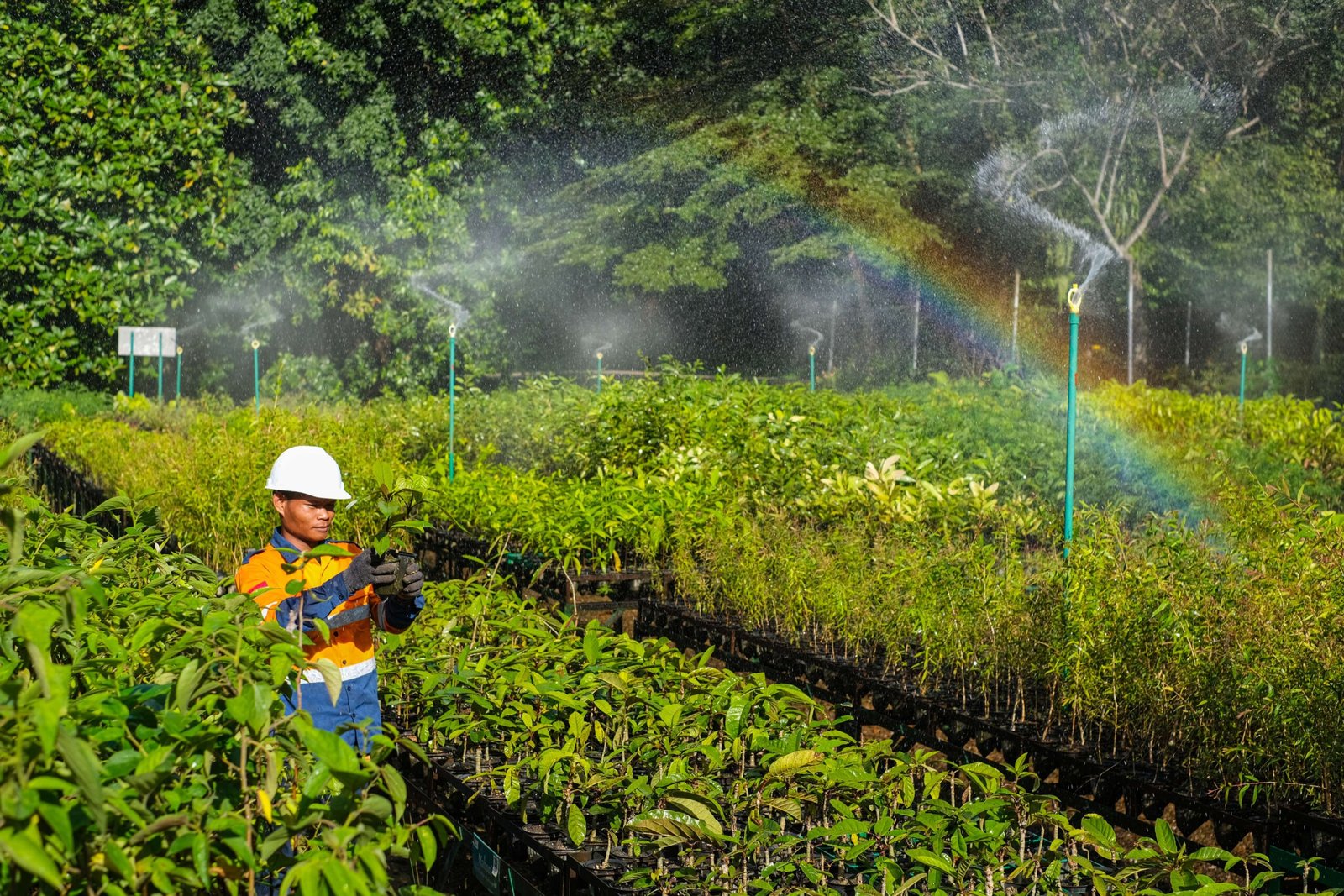
Producing by growing plants, or phytomining, has long been tipped as an alternative, environmentally-sustainable way to reshape – if not replace – the mining industry. Of 320,000 recognized plant species, only around 500-600 are so-called “hyperaccumulators.” Over time, they suck the soil dry of s like nickel, zinc, cobalt, and even gold.
The process works like a biological vacuum cleaner. Hyperaccumulators are plants that have evolved to take up usually toxic s like nickel and zinc into their stems, leaves and even seeds. They don’t just tolerate these toxic s though, they crave it. The roots of these hyperaccumulators eagerly soak up the from the soil, and no one really knows why. Scientists believe this unusual trait might help plants compete with other species or protect themselves from insects and diseases.
Real-World Applications and Success Stories
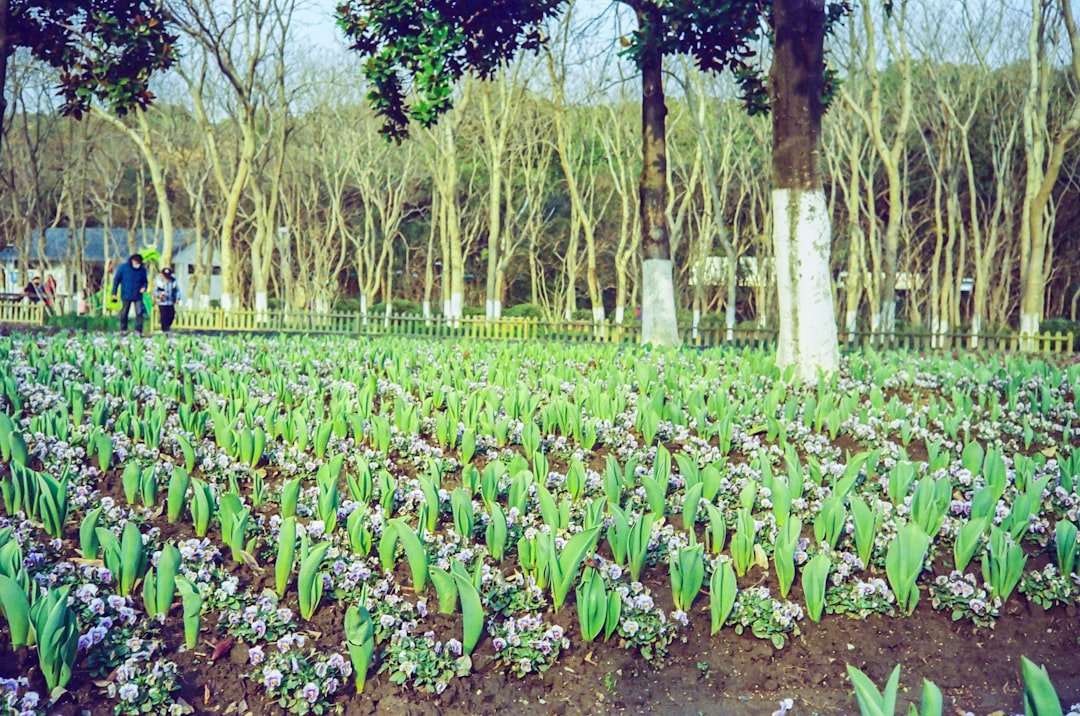
Researchers can now demonstrate that farms may potentially produce significant amounts of nickel per hectare annually. To put this in perspective, researchers estimate that hyper-accumulators may produce substantial amounts of nickel per hectare annually, which is valued at about $1,754 per hectare.
Every 6 to 12 months, a farmer takes a piece of these -collecting trees for nickel extraction. According to The New York Times, the farmers could hold in their hands roughly 200 kilograms of nickel citrate after purification, which is potentially worth thousands of dollars on international markets. This isn’t just laboratory theory anymore – it’s becoming practical reality with actual economic benefits.
Environmental Advantages Over Traditional Mining
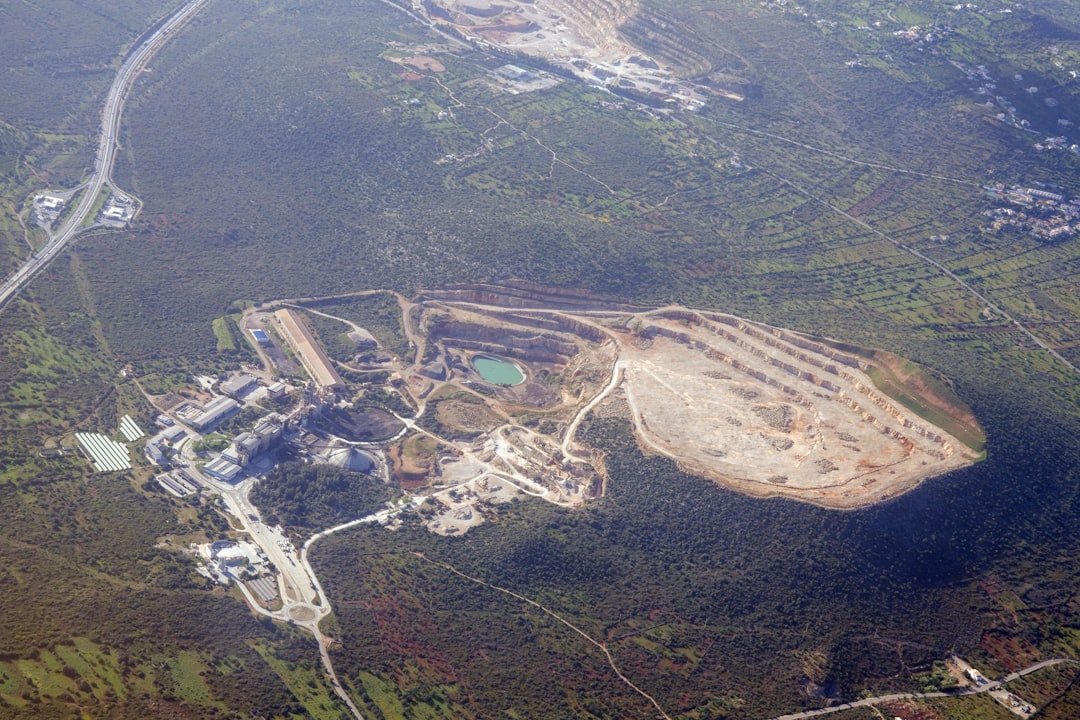
Traditional nickel mining is brutal on the environment. It involves taking a surface layer of rock and soil off a stretch of ground, and using acid-leaching heavy machinery to extract the scarce nickel particles. All this unhappy work for very little results in a layer of toxic topsoil filled with trailing particles that has to be collected and sold to landfills at great cost to the miners.
Traditional nickel mining can only extract the from soil that is at least 1% nickel. A hyper-accumulator, however, can take up high levels of the from soil that is only 0.1% nickel. This means that not only can phytomining help to restore traditionally-mined land, but it can also be used to “mine” land that hasn’t been used before. It’s like having a key that opens doors conventional mining can’t even see.
The Conservation Connection
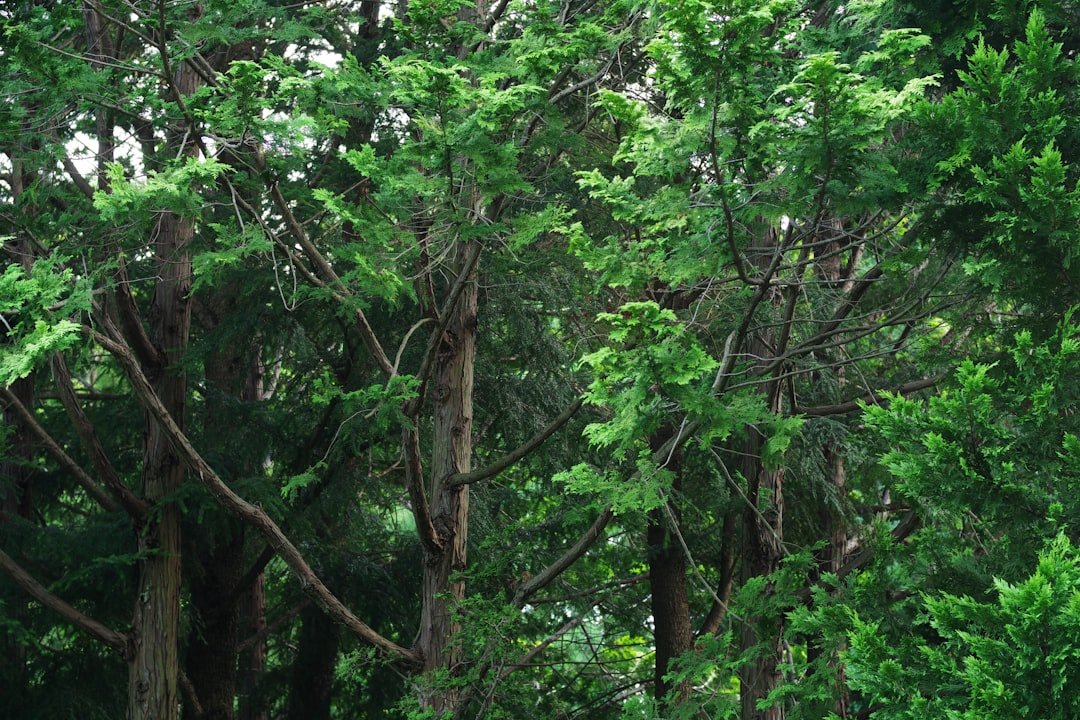
Here’s where the story gets really interesting – phytomining might actually save endangered species. The discovery of absorbing and -bleeding capabilities just might be the saving grace for endangered species. However, the most valuable trait of this tree is its potential to rehabilitate toxic mining sites.
Researchers have found that these plants have great potential in cleaning old mining areas polluted with heavy s. Since the plants can be harvested after a while, the dangerous s are also taken out of the soil, leaving behind an environment suitable for the regrowth of lost flora and fauna. It’s environmental cleanup that pays for itself while preserving biodiversity.
Challenges and Future Potential
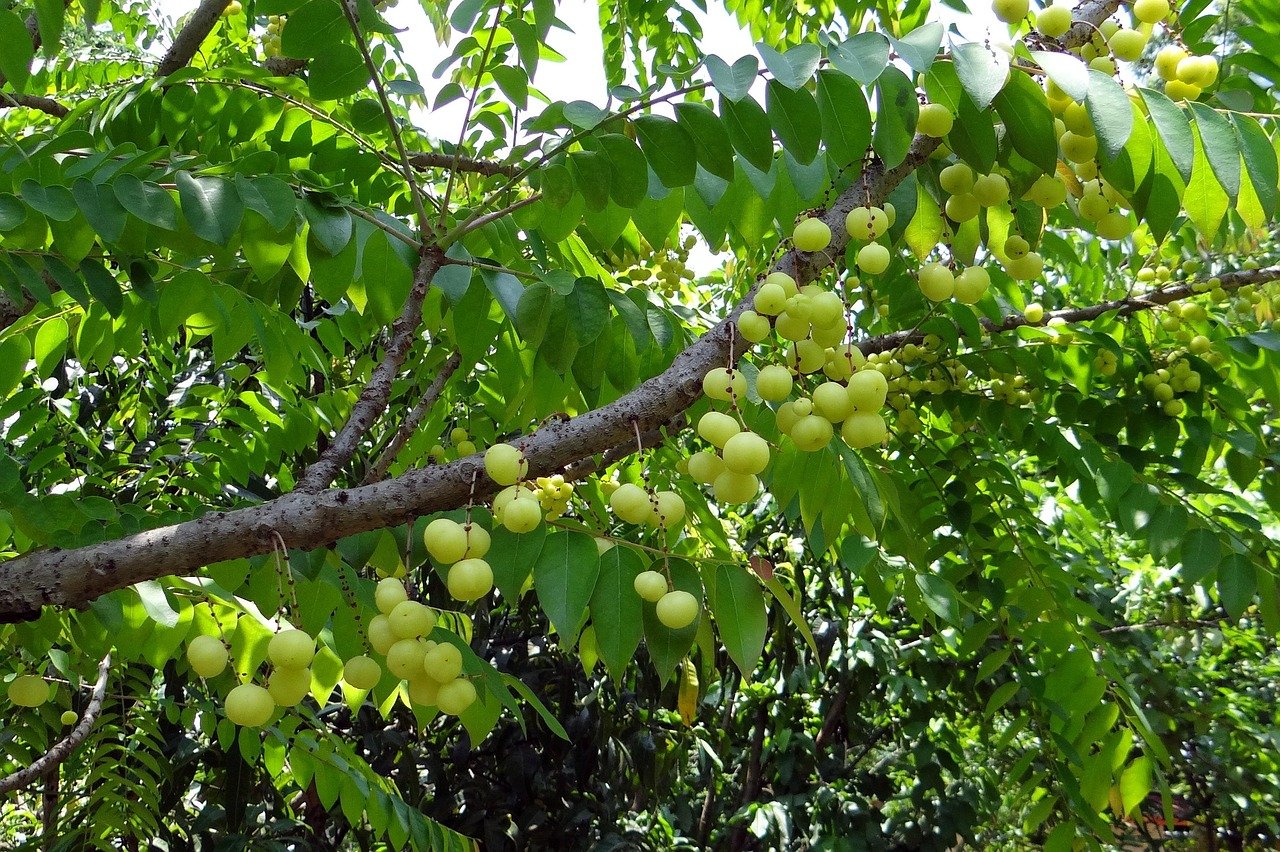
Despite the promise, significant challenges remain. Researchers say a phytomining strategy could alleviate environmental problems and put value in the industry, but no one seems to put attention on this potential. In Indonesia, very few species have been found despite it having some of the most nickel-rich soils and biologically diverse countries in the world. According to researchers, this is because few people besides dedicated scientists have spent any time actually looking for them.
As one expert put it, no other country has a greater potential for phytomining than Indonesia. Given the extraordinary plant diversity and geological history, scientists are convinced that the country has a huge potential for the discovery of nickel hyperaccumulator plants. The treasure is there – we just need more treasure hunters.
Conclusion
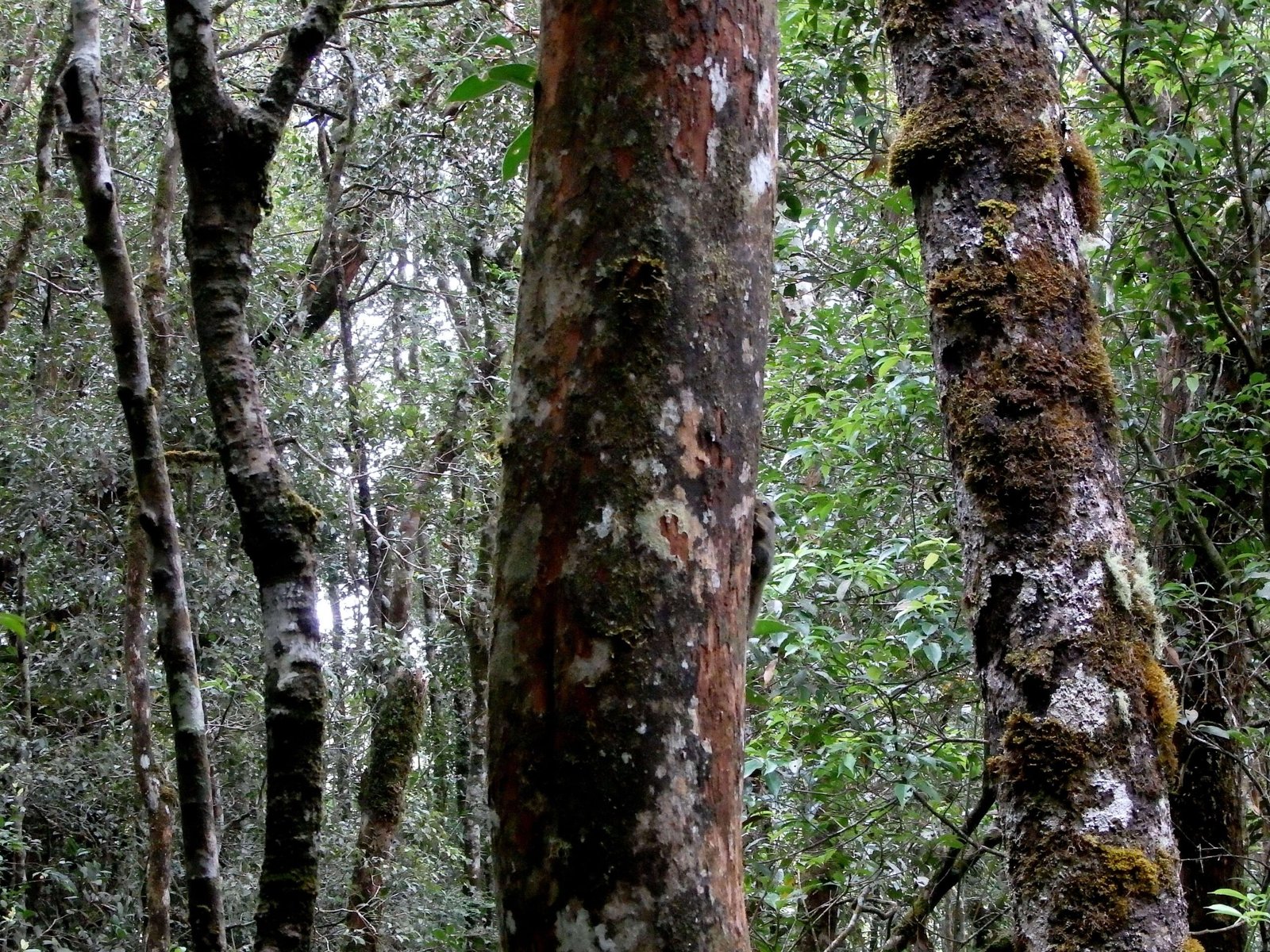
The trees that bleed represent more than just a scientific curiosity – they’re a glimpse into a more sustainable future. From the endangered Phyllanthus rufuschaneyi in Malaysia’s Kinabalu Park to the undiscovered hyperaccumulators hiding in Indonesia’s vast forests, these remarkable plants offer hope for cleaning up our environmental messes while meeting our growing demand for s. Traditional mining has scarred landscapes and poisoned waterways for centuries, but nature has been quietly perfecting a cleaner solution all along. As our world desperately needs more sustainable technologies, maybe it’s time we listened more carefully to what the forest is trying to tell us. What other solutions might be growing right under our noses, waiting to be discovered?
Hi, I’m Andrew, and I come from India. Experienced content specialist with a passion for writing. My forte includes health and wellness, Travel, Animals, and Nature. A nature nomad, I am obsessed with mountains and love high-altitude trekking. I have been on several Himalayan treks in India including the Everest Base Camp in Nepal, a profound experience.