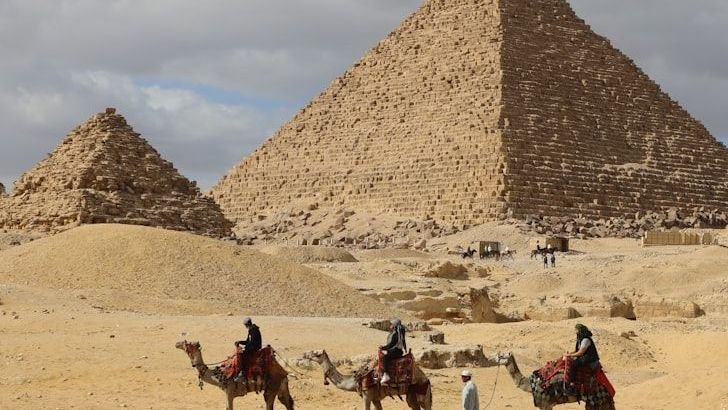

Like ancient constellations guiding travelers across vast deserts, the pyramids of Giza continue to captivate us with their mystery and majesty. Just as Pisces fish navigate the depths of oceans, we’re about to dive deep into the most fascinating discoveries that reveal how these monuments were truly constructed. For decades, theories ranged from alien intervention to impossible engineering feats, but modern science is finally uncovering the remarkable truth behind these ancient wonders. Recent archaeological breakthroughs have shattered old myths while revealing ingenious solutions that would impress even today’s engineers. So let’s get started on this incredible journey through time, where cutting-edge technology meets ancient wisdom.
The Revolutionary Discovery of the Lost Nile Branch
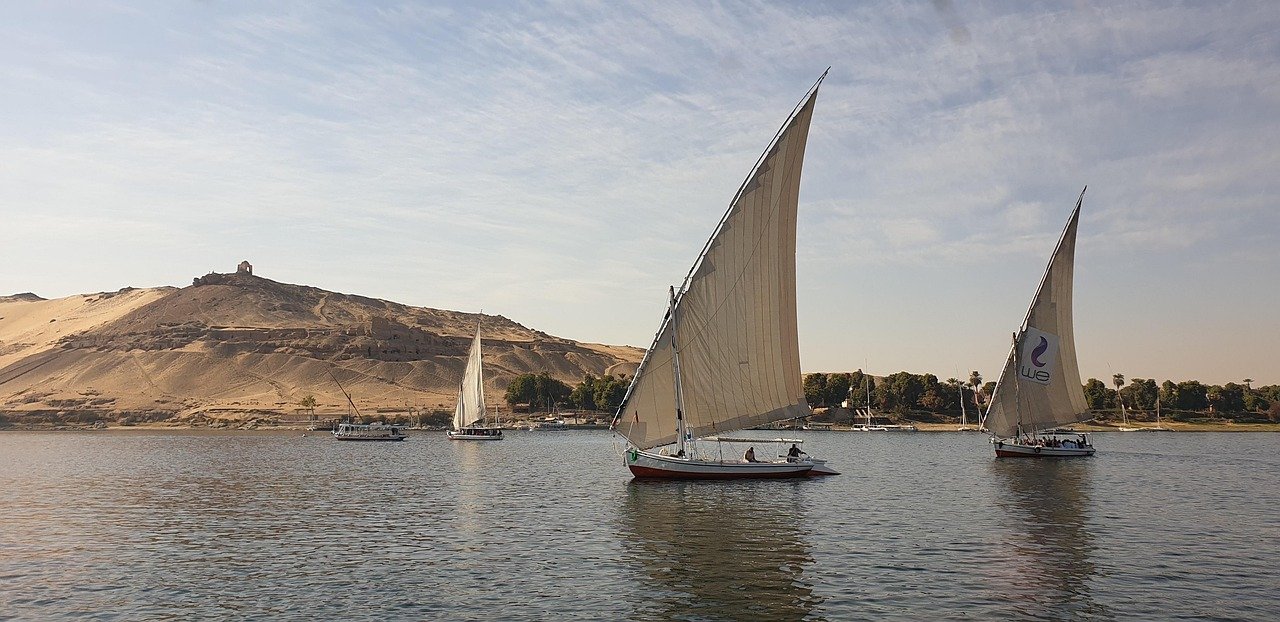
Imagine trying to build the world’s tallest skyscraper without roads, trucks, or cranes. That’s essentially what archaeologists thought the ancient Egyptians had accomplished until a groundbreaking discovery changed everything. A new study published in May 2024 mapped an extinct branch of the Nile, Ahramat Branch, which once flowed near Egypt’s Great Pyramid and other Giza monuments. Using satellite imaging and sediment core analysis, researchers found the 64 kilometres (40 mi) waterway was crucial for transporting materials and labor for pyramid construction. This lost river wasn’t just any waterway. The branch which was about 0.5 kilometres (0.31 mi) wide with a depth of at least 25 metres (82 ft) disappeared likely due to drought and desertification. Picture a superhighway that vanished beneath the sand, leaving behind only whispers of its existence in soil samples and satellite imagery.
Debunking the Slave Labor Myth Forever
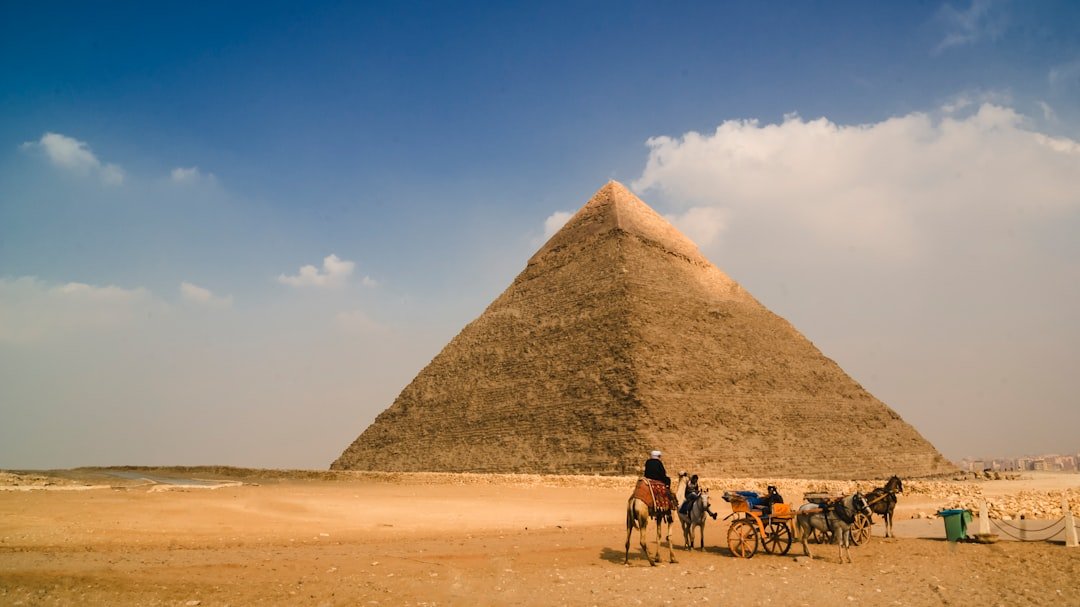
Hollywood has gotten it spectacularly wrong for generations. Those dramatic scenes of whip-cracking overseers driving thousands of slaves to their deaths? Complete fiction. Archaeologists now believe that the Great Pyramid of Giza (at least) was built by tens of thousands of skilled workers who camped near the pyramids and worked for a salary or as a form of tax payment (levy) until the construction was completed, pointing to workers’ cemeteries discovered in 1990. The evidence is overwhelming and fascinating. Radiocarbon dating confirmed that the settlement was active during the reigns of Khufu, Khafre, and Menkaure, corresponding to the main phase of pyramid construction at Giza. This discovery provided the first concrete evidence of an organized workforce, fundamentally changing historical interpretations of labor in ancient Egypt. These weren’t desperate slaves but proud professionals who took their work seriously enough to organize into teams with playful names.
The Ingenious Water-Powered Construction Methods
Here’s where things get really wild. Recent research suggests the ancient Egyptians may have used water pressure itself to build their monuments. Some researchers have theorized that the Pyramid of Djoser may have been built using a hydraulic lift mechanism that raised stone blocks through the center of the structure. This method, described as “volcano fashion,” would involve floating limestone blocks upward using water pressure and then placing them in their respective positions. Think about that for a moment – they might have literally floated massive stones into place using sophisticated water management systems. This theoretical approach suggests examining how ancient water management systems may have been utilized in construction processes. Their research points to a sophisticated water management system that may have facilitated the construction process.
The Mind-Blowing Precision of Ancient Engineering
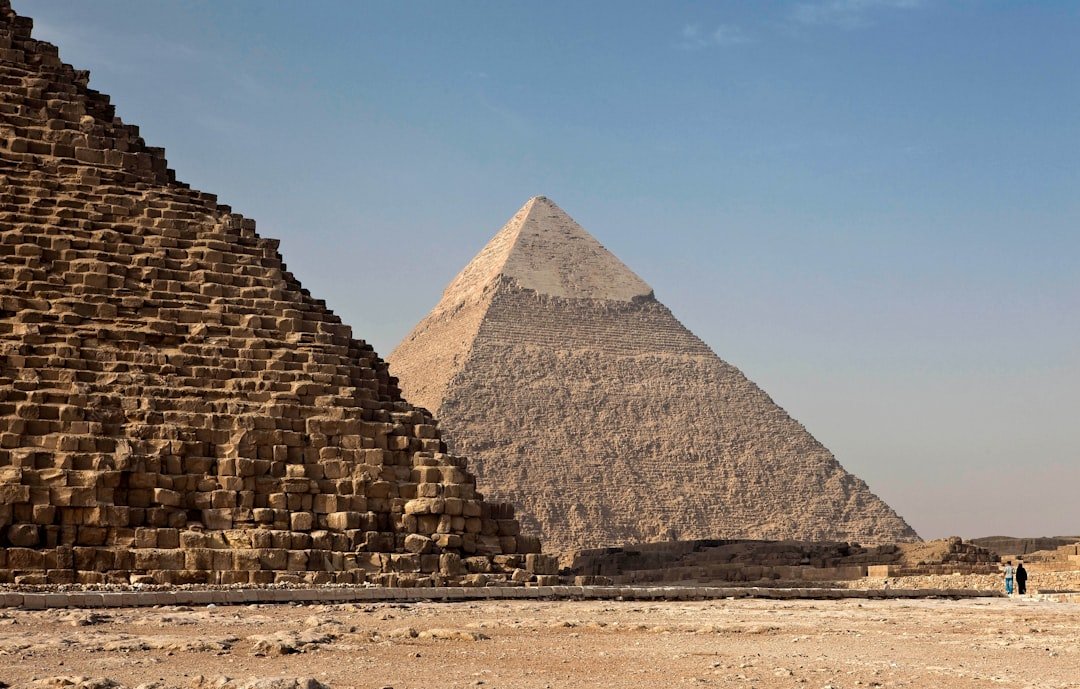
When modern engineers examine the pyramids with laser precision tools, they’re left speechless. Yet, the dimensions of the pyramid are extremely accurate and the site was leveled within a fraction of an inch over the entire 13.1-acre base. This is comparable to the accuracy possible with modern construction methods and laser leveling. That’s astounding. With their ‘rudimentary tools’, the pyramid builders of ancient Egypt were about as accurate as we are today with 20th-century technology. But here’s what makes it even more impressive – they achieved this precision while dealing with blocks weighing several tons each. Modern experiments have revealed some of their clever tricks. Depictions from tombs show large sledges being pulled over sand by workers, with one person pouring water in front of the sled. Modern experiments have confirmed that wetting the sand reduces friction by up to 50%, making it far easier to drag heavy loads. This simple yet effective technique reveals how practical knowledge was applied to solve seemingly impossible problems.
The Sophisticated Workforce Organization System
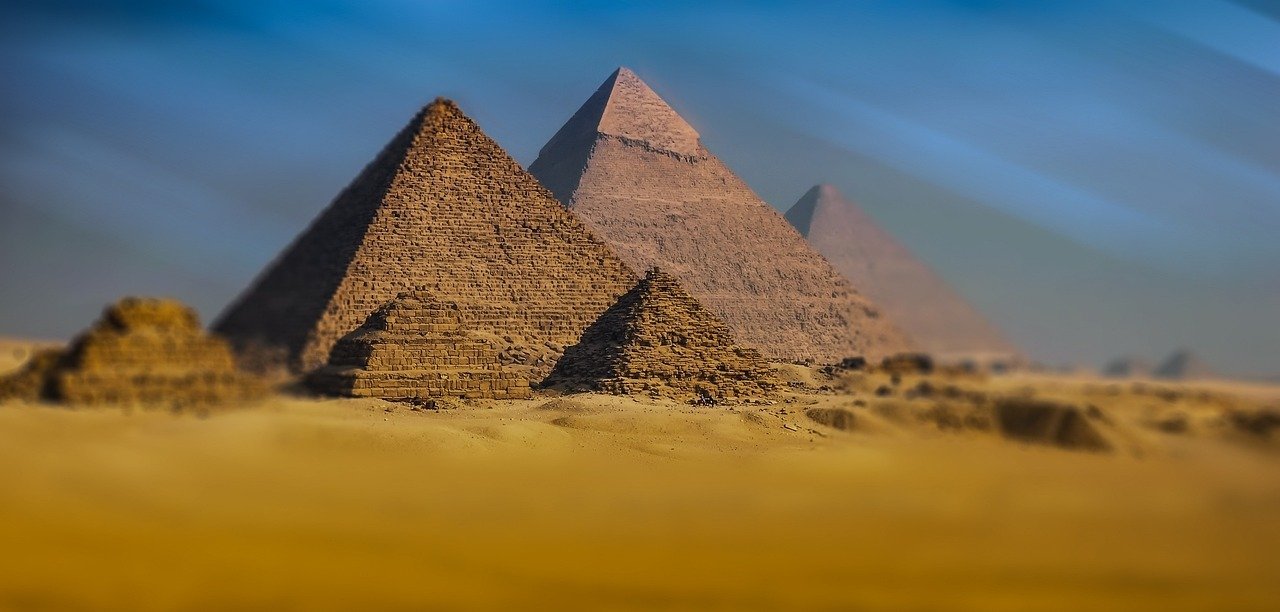
The pyramid construction wasn’t chaos – it was a masterclass in project management that would make modern corporations jealous. The tombs of supervisors contain inscriptions regarding the organisation of the workforce. There were two crews of approximately 2,000 workers sub-divided into named gangs of 1,000. The gangs were divided into five phyles of 200 which were in turn split into groups of around 20 workers grouped according to their skills, with each group having their own project leader and a specific task. The numbers are staggering when you really think about them. A construction management study carried out by the firm Daniel, Mann, Johnson, & Mendenhall in association with Mark Lehner, and other Egyptologists, estimates that the total project required an average workforce of 14,567 people and a peak workforce of 40,000. Yet remarkably, most archaeologists agree that only about 4,000 of the total workforce were labourers who quarried the stone, hauled blocks to the pyramid, and set the blocks in place. The vast majority of the workforce provided support services such as scribes, toolmakers, and other backup services.
Revolutionary Pulley Systems Hidden in Plain Sight

Here’s something that’ll blow your mind – the pyramids themselves might have been giant construction machines. Here, a radically different proposal for the construction of the Great Pyramid is presented, where blocks were lifted using pulley-like systems fueled by sliding counterweights down sliding-ramps. One pulley-like system and three sliding-ramps are still visible today, assigned as the Antechamber, and as the Grand Gallery, Ascending Passage, and Descending Passage, respectively. This theory suggests that those mysterious internal passages weren’t just ceremonial – they were functional parts of a sophisticated lifting system. The construction proposal based on analysis of the pyramid’s architecture and masonry, is physically advantageous and can explain the fast construction. The proposal offers explanations for the recently discovered voids, and for structural features such as the course height variations, the concavity and the central furrow of the pyramid faces.
The Workers’ Villages: Ancient Company Towns
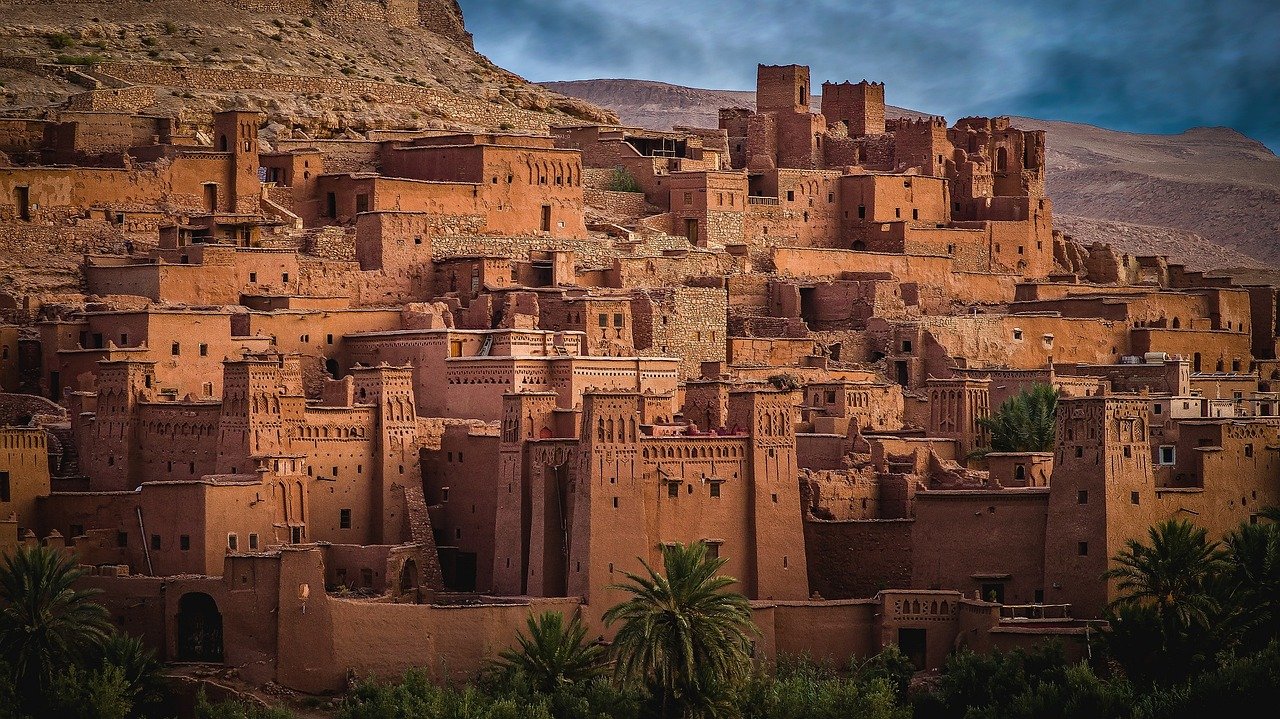
Forget everything you think you know about pyramid workers living in squalor. These ancient builders lived in what were essentially well-planned company towns that would put modern corporate campuses to shame. The urban planning of Heit al-Ghurab demonstrates a sophisticated level of organization. The settlement was divided into distinct areas, including worker barracks, artisan homes, food production facilities, storage complexes, and an administrative center. Temporary laborers lived in barracks-style accommodations, with communal sleeping quarters, kitchens, and storage spaces. Skilled artisans and overseers resided in private stone houses, some featuring courtyards, storage rooms, and multiple chambers, indicating a higher social status. The food situation was particularly impressive. People were taken care of, and they were well fed when they were down there working, so there would have been an attractiveness to that. They probably got a much better diet than they got in their village. We’re talking about the workers would need at least 45 to 50 grams of protein a day. Half of this protein would likely come from fish, beans, lentils and other non-meat sources, while the other half would come from sheep, goat and cattle. Combining these requirements and other protein sources with the ratio of the bones (and the amount of meat and protein one can get from an animal), Redding determined about 11 cattle and 37 sheep or goats were consumed each day.
The Incredible Speed of Construction
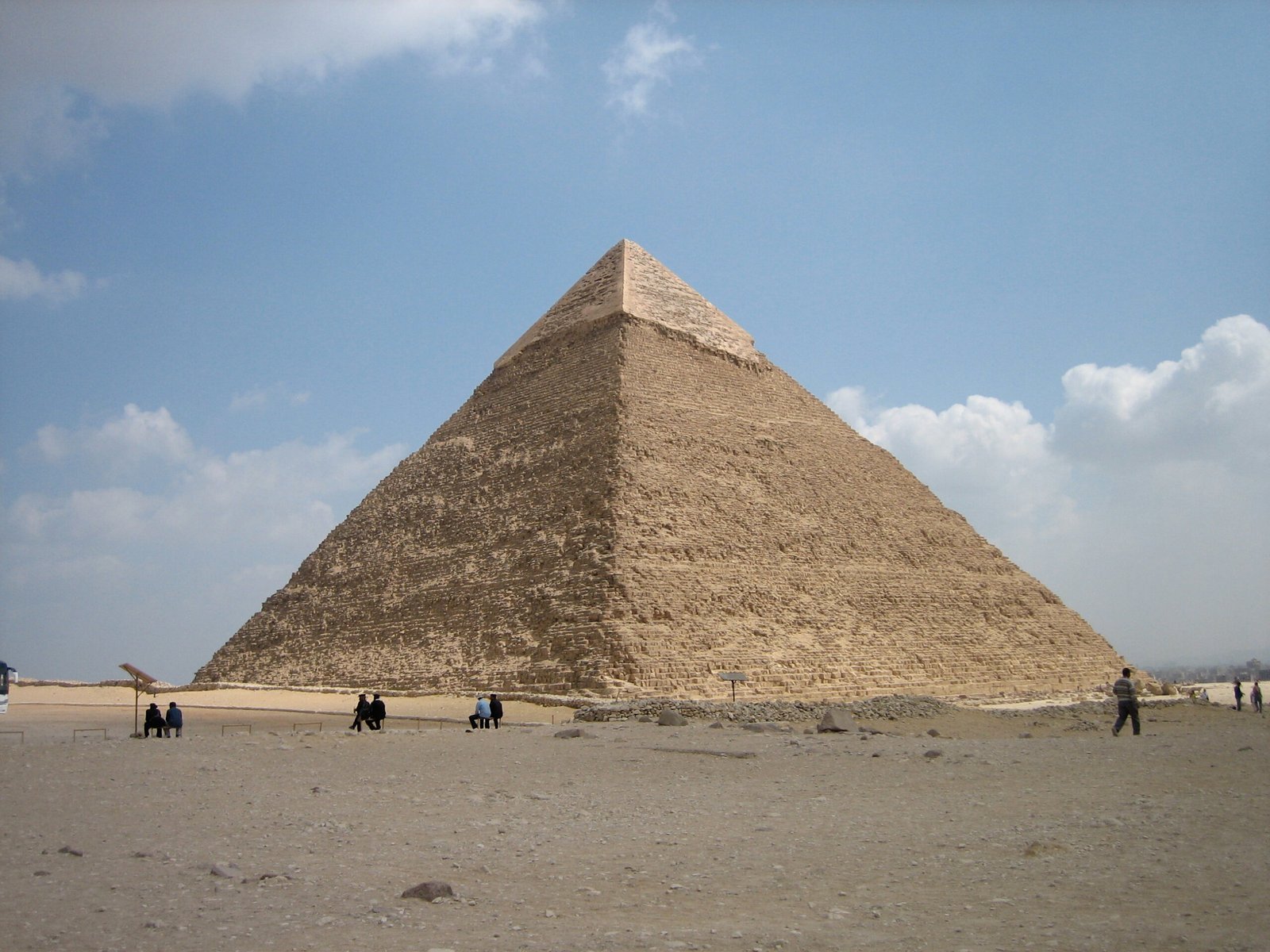
The construction timeline challenges everything we thought possible with ancient technology. As a recent study shows that the challenge was not just to account for the route the transported stones had to take but to account for the size and frequency of stones being moved – circa 1 ton being put in place every 2–3 minutes by human draw teams on a ramp of maximum 10% – to enable building of the Great Pyramid within 30 years. Let that sink in for a moment – they were placing massive stone blocks every few minutes, day after day, for decades. Their calculations suggest the workforce could have sustained a rate of 180 blocks per hour (3 blocks/minute) with ten-hour workdays for putting each individual block in place. They derived these estimates from modern third-world construction projects that did not use modern machinery, but conclude it is still unknown exactly how the Great Pyramid was built. This wasn’t just construction – it was an industrial assembly line operating at breathtaking efficiency.
Conclusion
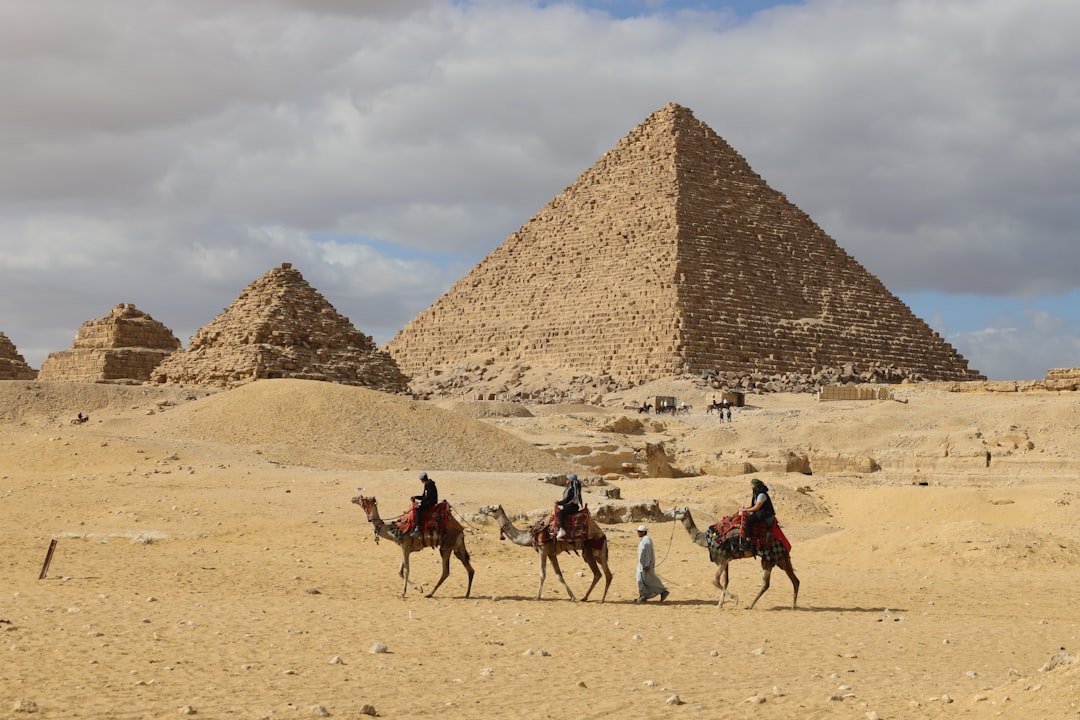
The science behind pyramid construction reveals a story far more remarkable than any Hollywood fantasy or alien conspiracy theory. These weren’t primitive people struggling with impossible tasks, but sophisticated engineers who developed ingenious solutions using water power, precision organization, and construction techniques that rival our modern capabilities. The ancient Egyptians created not just monuments, but an entire industrial ecosystem complete with skilled workforces, advanced logistics, and construction methods that still boggle the minds of today’s engineers. Perhaps most inspiring is how these discoveries humanize the builders – showing us that ordinary people, when properly organized, fed, and motivated, can literally move mountains and build for eternity. What other “impossible” feats might we accomplish today if we combined their ingenuity with our modern technology? Tell us in the comments what aspect of pyramid construction surprised you the most!
Jan loves Wildlife and Animals and is one of the founders of Animals Around The Globe. He holds an MSc in Finance & Economics and is a passionate PADI Open Water Diver. His favorite animals are Mountain Gorillas, Tigers, and Great White Sharks. He lived in South Africa, Germany, the USA, Ireland, Italy, China, and Australia. Before AATG, Jan worked for Google, Axel Springer, BMW and others.