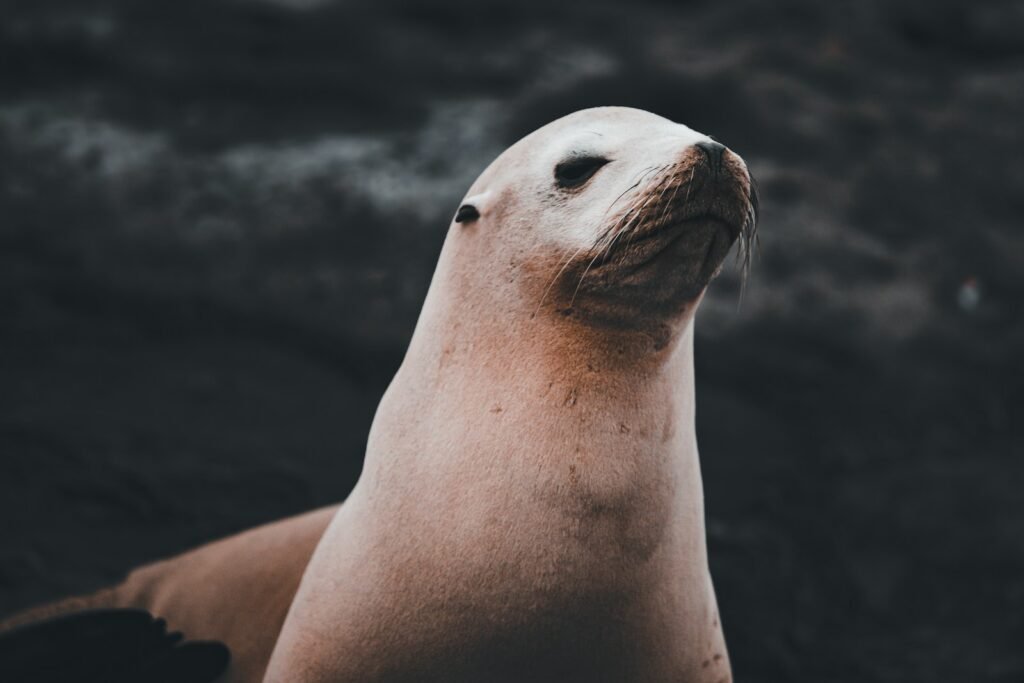

At dawn on a quiet Oʻahu beach, a rope line and a handwritten sign turned a crowd into a respectful semicircle, and a nursing monk seal pair into a small victory. For decades, these were a heartbreaking symbol of loss, slipping toward disappearance in remote atolls and increasingly on the main Hawaiian Islands. Today, the storyline is bending – slowly, stubbornly – toward recovery. Tough protections, smarter science, and patient community work are stacking the odds in the ’ favor. The comeback is fragile, but it’s real enough to feel on the sand beneath your feet.
The Hidden Clues
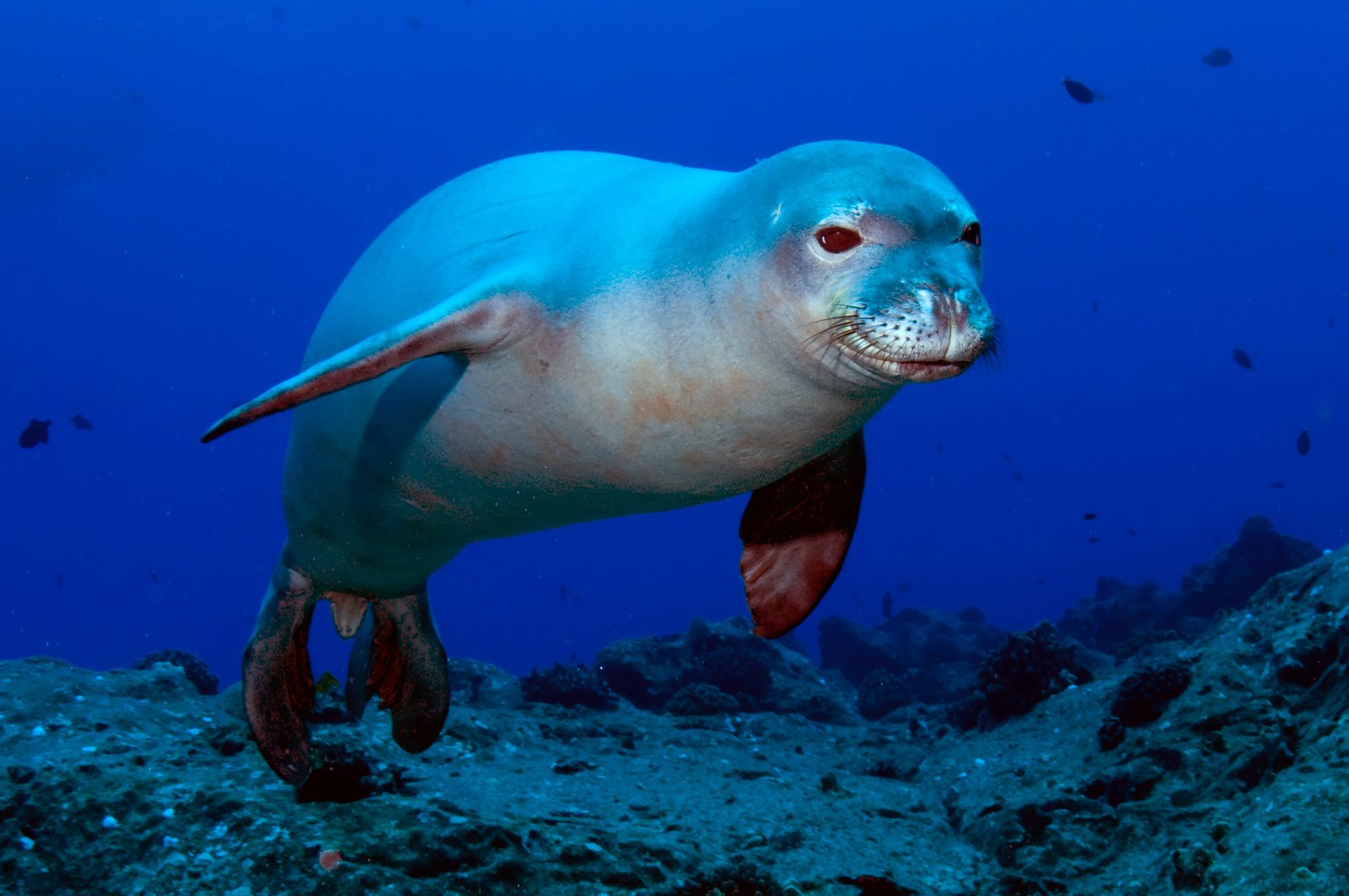
Recovery isn’t always obvious at first glance; it hides in small signs like fuller pups, fewer hook injuries, and mothers hauling out on busy beaches with confidence. Biologists read these clues the way mariners read weather, scanning for patterns across islands, seasons, and years. A healthier age structure – more juveniles making it to adulthood – signals that interventions are working where they matter most. The main Hawaiian Islands, once a risky frontier for seals, now function as a vital nursery where pups have better odds.
In the Northwestern Hawaiian Islands, where these animals evolved, survival is still shaped by entanglement hazards and shifting prey fields. But field teams report steadier pup weaning masses, a sign that food competition has eased in some hotspots. When I first watched a tagging session years ago, every new scar told a story; today, some stories end before they begin because a tangle never happens or a hook never sets. Those quiet non-events add up.
From Ancient Tools to Modern Science

Local knowledge has long been part of this effort, from kupuna sharing haul-out histories to fishers flagging newly arrived animals in familiar coves. That grounded insight now threads into satellite tags, photo-ID catalogs, and machine learning that matches whisker patterns the way phones map faces. Researchers deploy minimally invasive tags to track foraging corridors and dive depth, clarifying which reefs and drop-offs deliver the most calories for the least effort. The result is a map of needs, not just a map of where seals happen to be.
Necropsies and lab assays also changed the playbook, exposing hidden killers like toxoplasmosis linked to land-based pollution. With that evidence, agencies could push stormwater fixes and public messaging on pet waste and feral cat management. In the field, teams test new disentanglement tools and faster de-hooking techniques, shaving minutes that can make the difference between recovery and decline. The fusion of old wisdom and new sensors is the engine behind this turnaround.
A Turning Point: Laws With Teeth
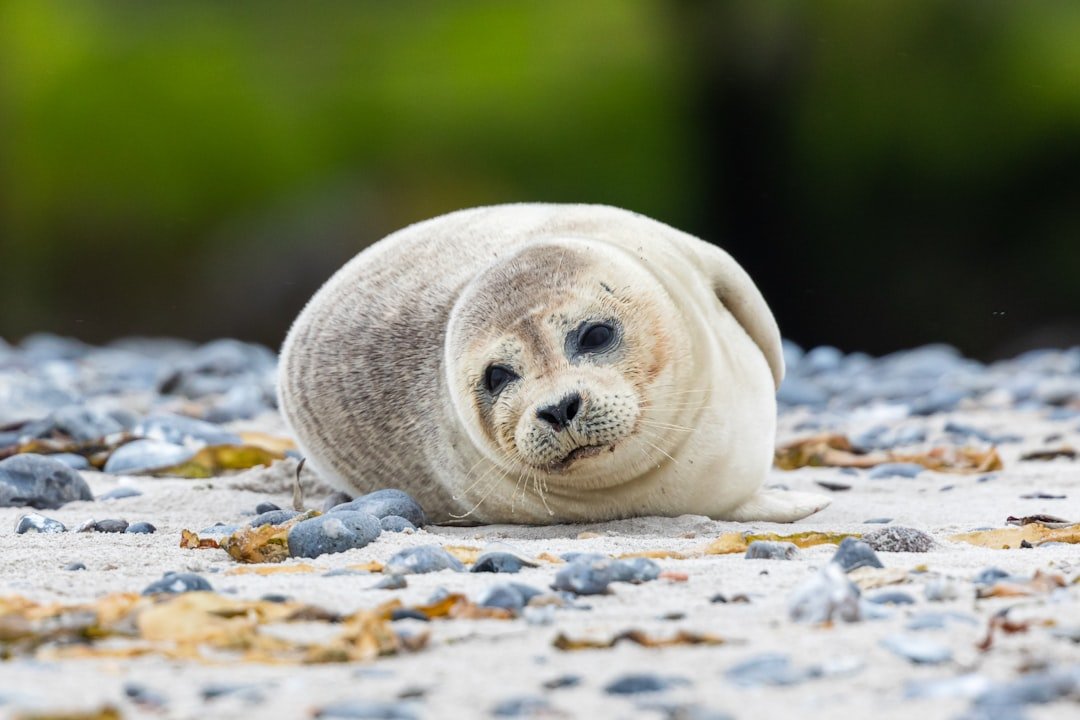
The laws were always on the books, but rigorous enforcement and smarter rules made them bite. The Marine Mammal Protection Act and Endangered Species Act set the stage, while Papahānaumokuākea Marine National Monument expanded the safe envelope across a sweep of remote ocean. On popular beaches, clear buffer guidance – keep roughly a bus-length away, and much more for mom-pup pairs – gave tourists a simple rule they could actually follow. Officers and trained volunteers backed the rules with presence, not just pamphlets.
State-managed closures during pupping season, plus rapid-response teams for strandings, created a safety net in places where seals meet people daily. Gear restrictions and debris removal campaigns cut down the deadly lattice of nets in offshore currents. These are not abstract regulations; they are the reason a seal that would have died tangled at sea instead basks and nurses in view of a morning jogger. Law became lived reality, and the population felt that shift.
Science in the Surf: What Monitoring Reveals
Long-term monitoring now spans remote atolls and city beaches, a rarity in wildlife science and a gift for decision-making. Year after year, the dataset tracks births, survival, movement, and causes of death, letting managers test which actions actually change the curve. Translocation of vulnerable pups from low-survival sites to safer beaches raised their odds measurably, while targeted hook-removal clinics kept adults in the breeding pool. Even small wins ripple across a species this small.
Satellite tracks illuminate foraging routes that brush the boundaries of fishing effort, guiding conflict-prevention rather than punishment after the fact. Photo-ID libraries built by scientists and citizen observers catch new mothers returning to the same shoreline, proving that protected space begets loyalty. And when storms erase entire islets, as they have, the records help engineers and managers design alternatives – like artificial pupping platforms or enhanced refuge on remaining beaches. Monitoring turns surprises into plans.
Why It Matters
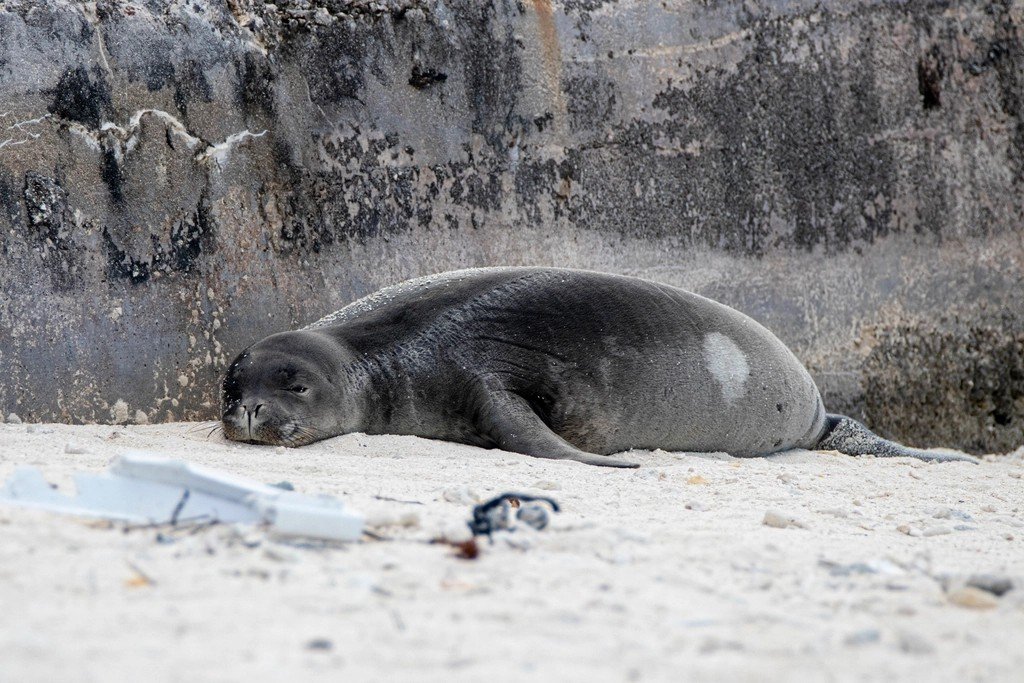
Monk seals are not just charismatic; they are living checks on whether an island ocean can still support top predators. When their numbers improve, it suggests reef food webs are still producing enough prey through bouts of heat stress and coral loss. The species also anchors a cultural narrative about reciprocity with the sea, where coexistence is not a slogan but a set of daily habits. In a warming world, such examples are as valuable as any sensor.
From a scientific standpoint, the recovery tests a central hypothesis: that strict protections, if enforced and iterated with evidence, can reverse decline even for slow-breeding marine mammals. Traditional approaches often waited for decline to slow before changing course; the current strategy acts early, measures often, and adapts relentlessly. That template transfers to other endangered seals and coastal predators facing similar mixes of bycatch, disease, and habitat shift. Success here raises the bar elsewhere.
The Human Factor on Shared Shores
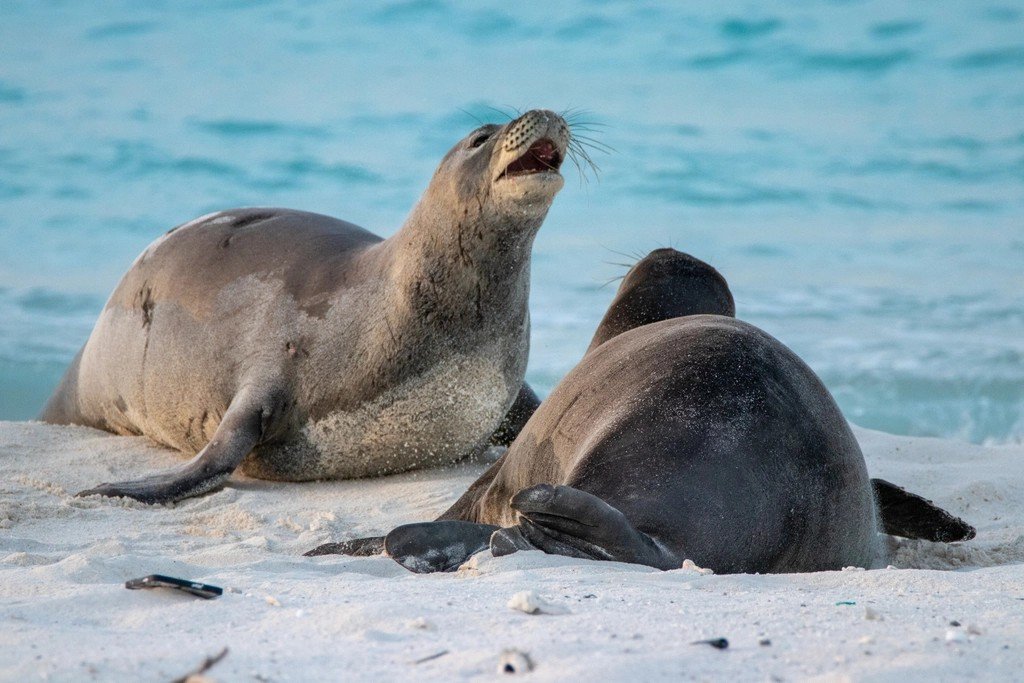
Most conservation battles are won or lost where flippers touch sand. Visitor education turned a potential flashpoint into a partnership, powered by friendly beach stewards who explain the rope lines and answer the same questions a dozen times before lunch. Fishers report hooked seals quickly now, because they know the response teams are respectful and fast – and because the seals often survive. A little trust shortens the distance between problem and solution.
Urban runoff and loose trash once felt too diffuse to tackle; today, storm drain projects and smarter litter capture systems show up as fewer sick, stranded animals. Pet owners keeping dogs leashed and cats indoors might not think of themselves as ocean guardians, but monk seal necropsies tell a different story. I’ve watched school groups stand silently as a mother and pup rested, and that moment of awe sometimes does more than any signboard. Culture shifts one beach conversation at a time.
Global Perspectives
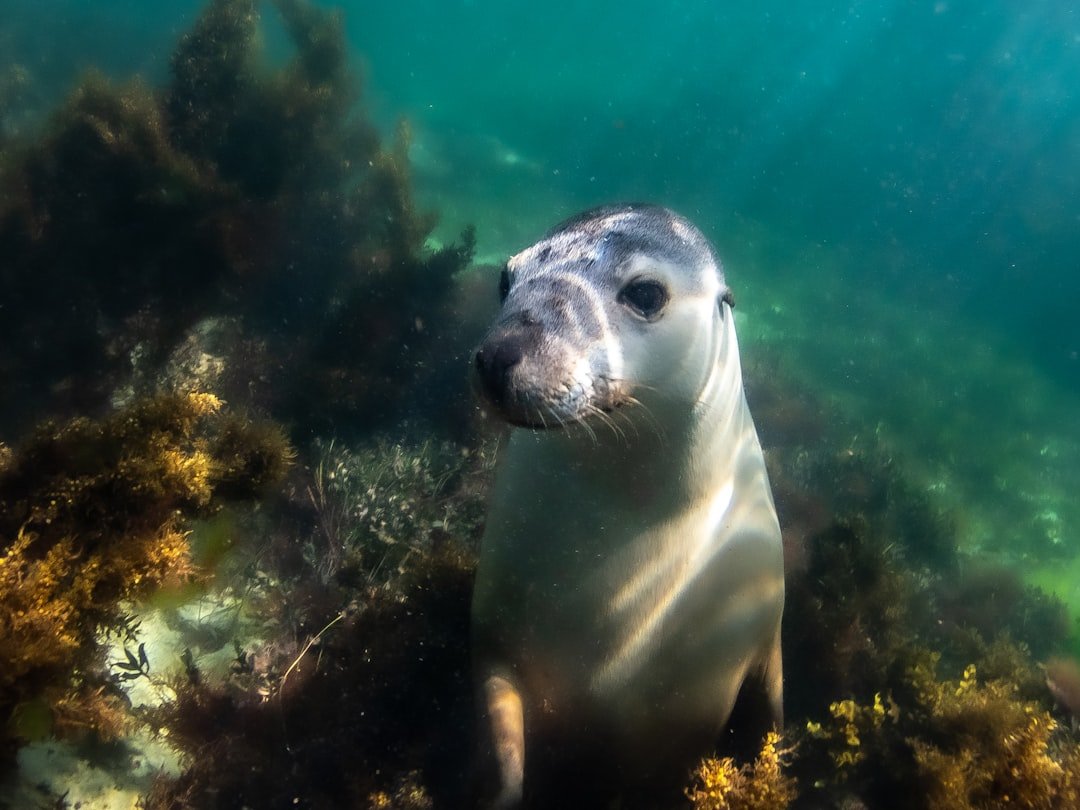
Hawaii’s experience resonates with efforts for Mediterranean monk seals, where protected caves, fishing-gear reforms, and community outreach are rebuilding a population once thought to be vanishing. The shared lesson is blunt: protection must extend from nursery sites to feeding grounds, or gains in one place evaporate in another. Nations that link marine protected areas, enforce gear rules, and invest in rescue networks see the needle move. Those that declare parks without budgets don’t.
Cross-ocean collaborations are also speeding up tech transfer, from drone-based counts to standardized photo-ID methods that let distant teams compare notes. As marine heatwaves hit multiple basins in the same year, scientists can test which strategies buffer seals from sudden prey drops. This global bench of evidence makes each local decision less of a guess. Hawaii contributes to that bench – and benefits from it.
The Future Landscape
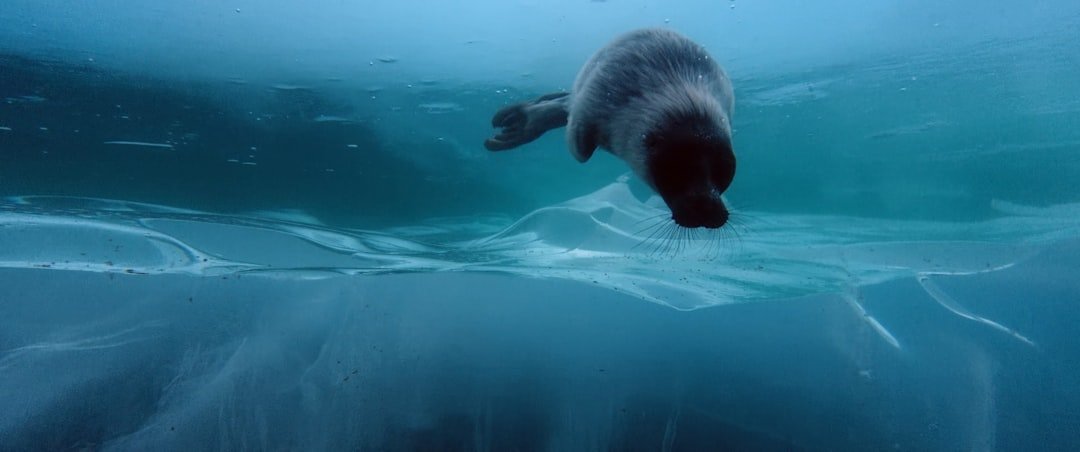
Ocean warming will keep rewriting prey maps, nudging seals toward new foraging corridors and potentially into different kinds of fishing gear. Managers are preparing with real-time bycatch alerts, AI tools that flag seals in shore cameras, and expanded debris-removal fleets that can move after storms. Environmental DNA sampling could spot disease spikes and new arrivals without waiting for strandings, buying precious days for response. The frontier is anticipatory, not reactive.
On land, smarter runoff controls and toxoplasmosis prevention remain nonnegotiable, especially on densely populated islands. Engineers are also exploring low-impact pupping platforms where erosion and sea-level rise squeeze beaches, an idea that sounded fanciful a decade ago but now sits on planning desks. Continued funding will decide whether these tools stay pilots or scale up. The path ahead is steep, but the toolkit is better than ever.
How You Can Help Today
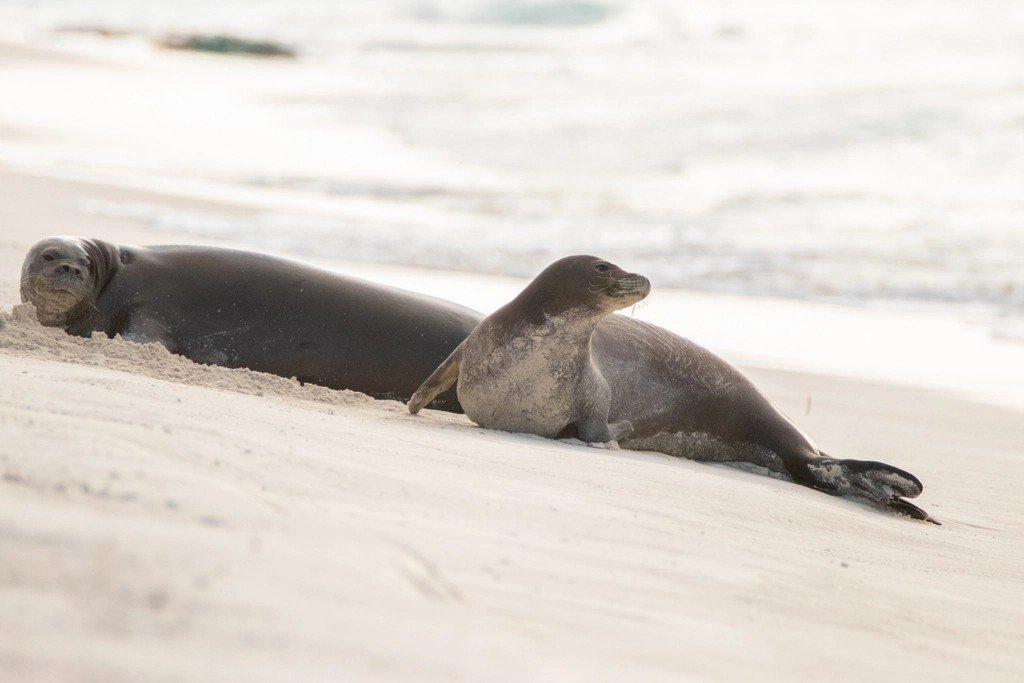
Give seals space: keep about a bus-length from resting animals and far more from mothers with pups, and never cross a rope line. Leash dogs on the beach, manage cat litter responsibly, and support local efforts to reduce feral cat colonies to curb land-to-sea disease flow. Pack out fishing line and lures, and report hooked or entangled seals immediately to local hotlines so trained teams can respond. Those calls save lives.
Back the groups doing the daily grind – beach steward volunteers, rescue networks, and debris-removal crews – through donations or a morning of your time. If you live near storm drains, join or organize a cleanup before big rains, when trash and pathogens race seaward. And when friends visit, be the person who explains the rope and the distance rule with a smile. Recovery is built from a thousand small choices like these.
Suhail Ahmed is a passionate digital professional and nature enthusiast with over 8 years of experience in content strategy, SEO, web development, and digital operations. Alongside his freelance journey, Suhail actively contributes to nature and wildlife platforms like Discover Wildlife, where he channels his curiosity for the planet into engaging, educational storytelling.
With a strong background in managing digital ecosystems — from ecommerce stores and WordPress websites to social media and automation — Suhail merges technical precision with creative insight. His content reflects a rare balance: SEO-friendly yet deeply human, data-informed yet emotionally resonant.
Driven by a love for discovery and storytelling, Suhail believes in using digital platforms to amplify causes that matter — especially those protecting Earth’s biodiversity and inspiring sustainable living. Whether he’s managing online projects or crafting wildlife content, his goal remains the same: to inform, inspire, and leave a positive digital footprint.