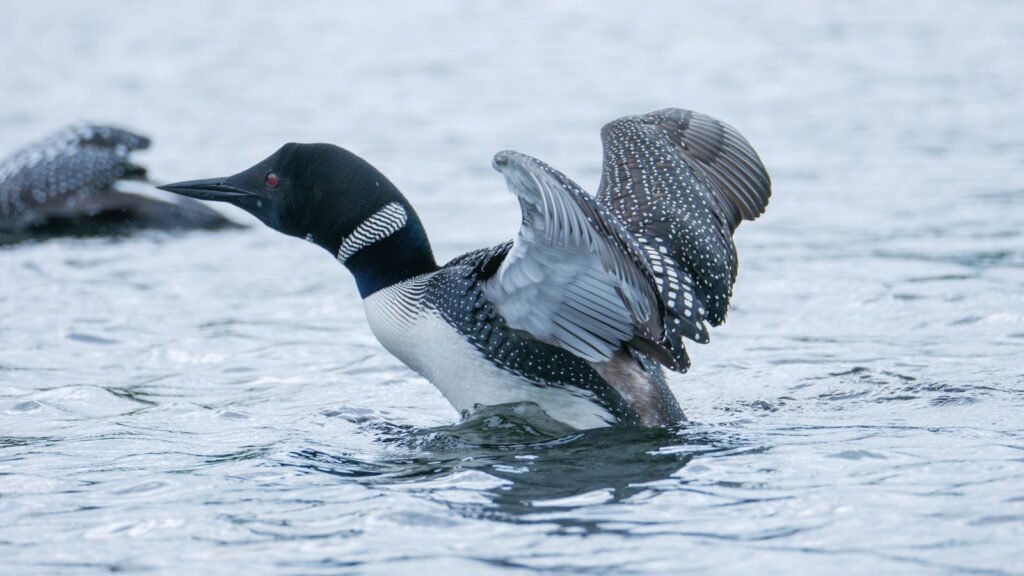

Just before sunrise on a glassy lake, the loon’s tremolo rides the mist like a heartbeat – and lately, that sound carries a new worry. Across Minnesota, scientists and agencies are tracking “forever chemicals” known as PFAS moving through waters where loons hunt, nest, and raise their chicks. The puzzle is both urgent and nuanced: PFAS show up at vanishingly small concentrations in water, yet can build up in fish and wildlife, creating hidden risks. Regulators have tightened drinking-water limits while Minnesota accelerates product bans, but the chemicals’ stubborn persistence keeps the mystery alive. For a bird that depends on clean, fish-rich lakes, the outcome will hinge on how quickly we cut PFAS inputs and how well we understand exposure through the food web.
The Hidden Clues
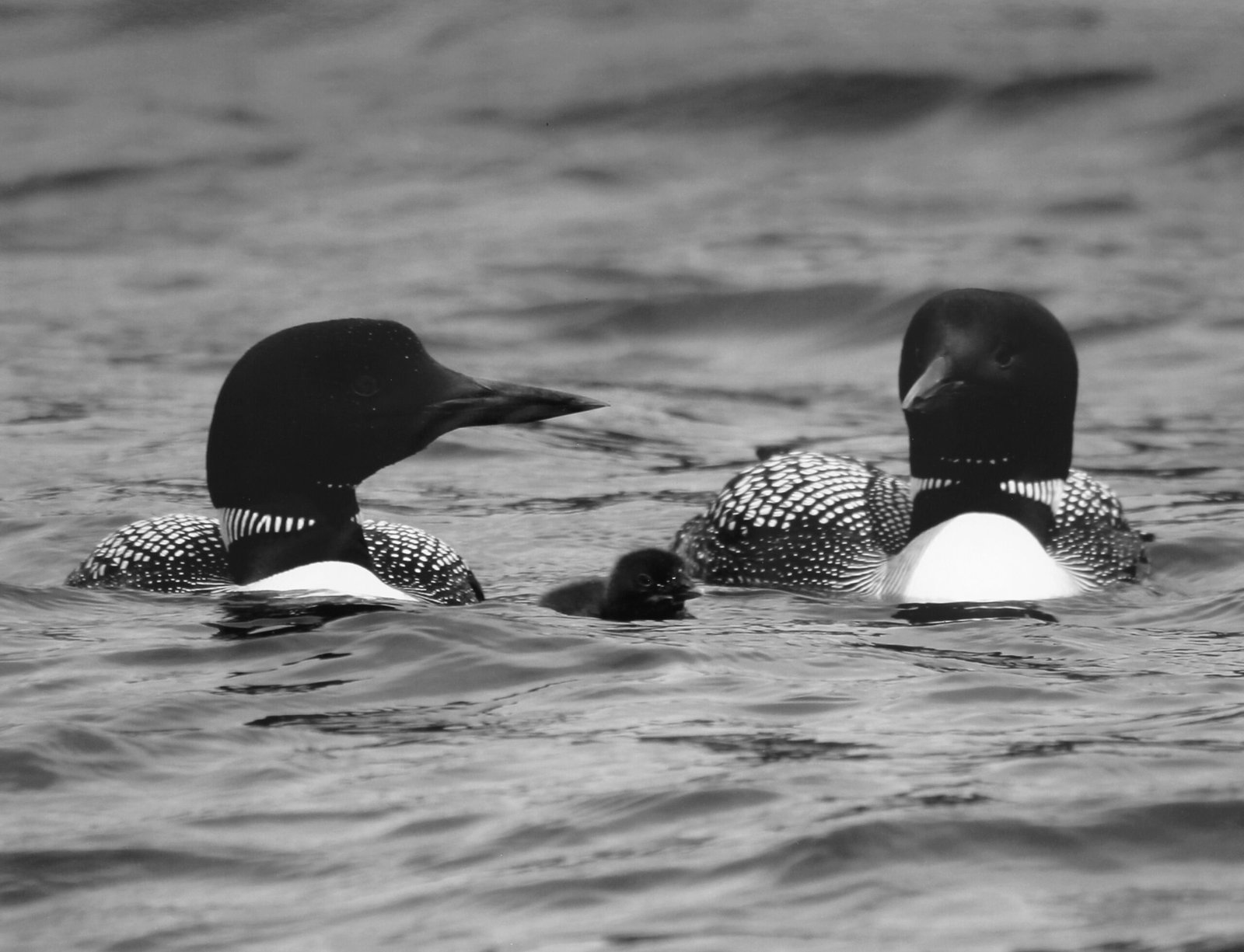
Loons are sentinels: what happens in their lakes shows up in their lives, often before we notice it in ours. Minnesota officials now advise anglers differently on certain waters because PFAS, especially PFOS, accumulate in fish – an unmistakable signal that top predators like loons are likely encountering these compounds with every dive and swallow. Studies of bird eggs have found PFAS alongside legacy pollutants, a warning that contaminants are not just a human health story. Piece those clues together and a picture emerges of exposure that’s chronic, seasonal, and hard to escape, even in remote-feeling lakes. That’s why loon monitoring has broadened from counting pairs to considering chemical pressures that can chip away at nesting success. For a species built on precision – eyes adapted to underwater pursuit, bodies tuned for deep dives – the margin for error keeps shrinking.
Industrial Footprints on Wild Waters
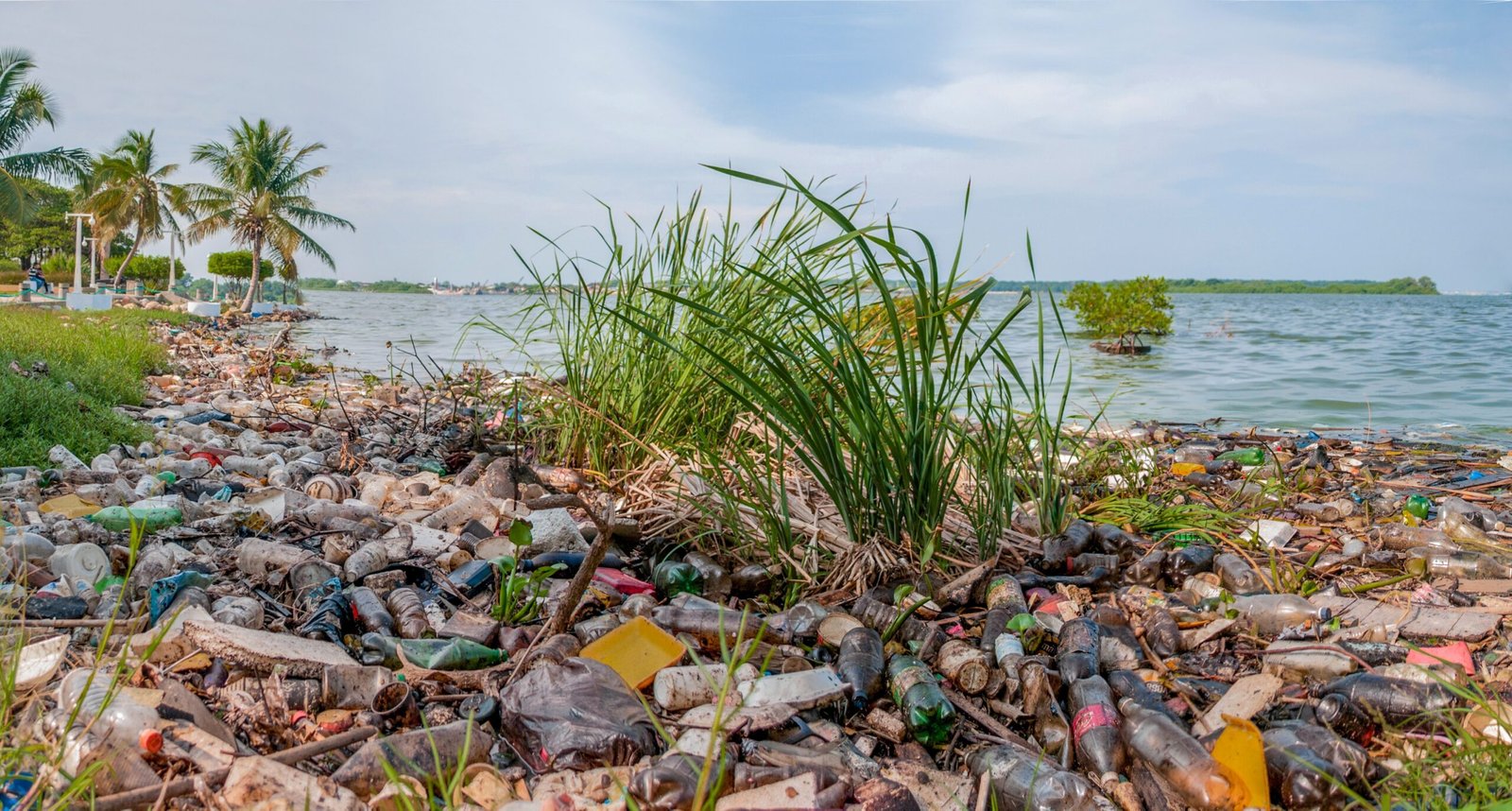
PFAS are not a mystery of origin here: Minnesota’s East Metro contamination traces back decades to production and disposal tied to 3M facilities, eventually spreading through groundwater and affecting drinking supplies across a wide area. The state’s 2018 settlement steered funds to treatment and long-term planning, and new plants and residential systems are coming online to strip PFAS from tap water. Even so, cleanup of diffuse, legacy plumes is a marathon, not a sprint, and lakes receive inputs from stormwater, landfills, and air deposition long after manufacturing shifts. 3M has said it will exit PFAS manufacturing and phase out PFAS use by the end of 2025, a milestone that can curb future loading but won’t erase what’s already out there. For the loons paddling a dawn shoreline, that legacy matters because their prey – perch, sunfish, cisco – reflect the chemical history of the watershed.
The Science Under the Surface
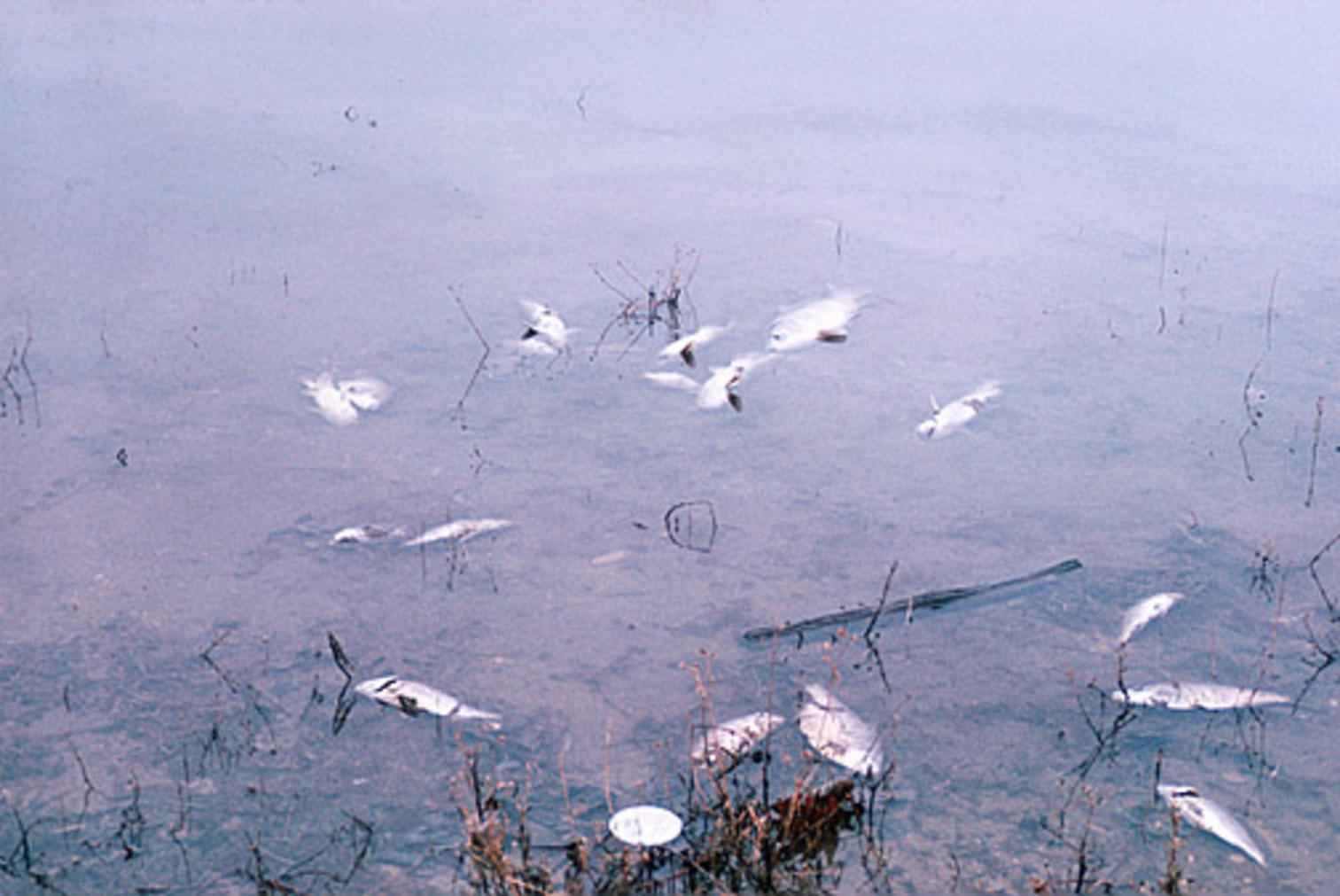
PFAS act like expert escape artists in water, measured in parts per trillion yet potent enough to drive fish-consumption advisories in multiple Minnesota counties. Researchers also find that PFAS can concentrate at the air–water boundary, with shoreline foam sometimes holding sky-high PFOS while the underlying lake shows far lower numbers – an atmospheric and surface-process twist with real implications for wildlife contact. State monitoring continues to add PFAS-impaired waters, reminding us that detection is not uniform and absence of data isn’t absence of contamination. In the broader Great Lakes basin, precipitation itself delivers PFAS from both rural and urban skies, turning rainfall into a quiet conveyor. Put simply, PFAS don’t need a single pipe to reach a loon; they ride the network of modern life, then settle into food webs where long-lived predators pay the price.
Why It Matters
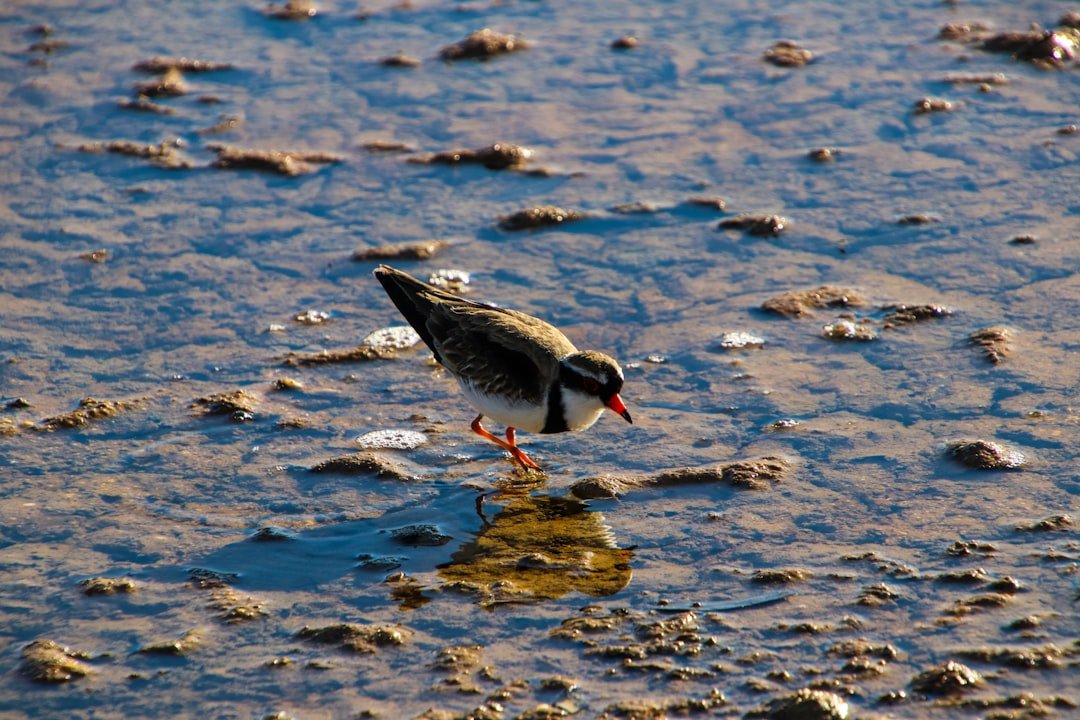
Birds tell us what toxicology textbooks can’t: how contaminants play out in the living world across seasons and life stages. Studies in gulls and other seabirds link PFAS exposure with altered thyroid hormones, changes in body condition, and even effects on telomeres – physiology that underpins growth, metabolism, and reproduction. Laboratory and cell-line work adds evidence of immune modulation by PFOS, raising concern that exposed birds could be less resilient to disease or stress. For loons, this intersects with known risks from mercury – another contaminant that compromises reproduction – suggesting a cumulative burden where multiple stressors can lower chick survival even if each alone seems subtle. The takeaway is not hysteria but humility: small numbers on a lab printout can translate into fewer fledged chicks on a given lake, year after year.
Global Perspectives
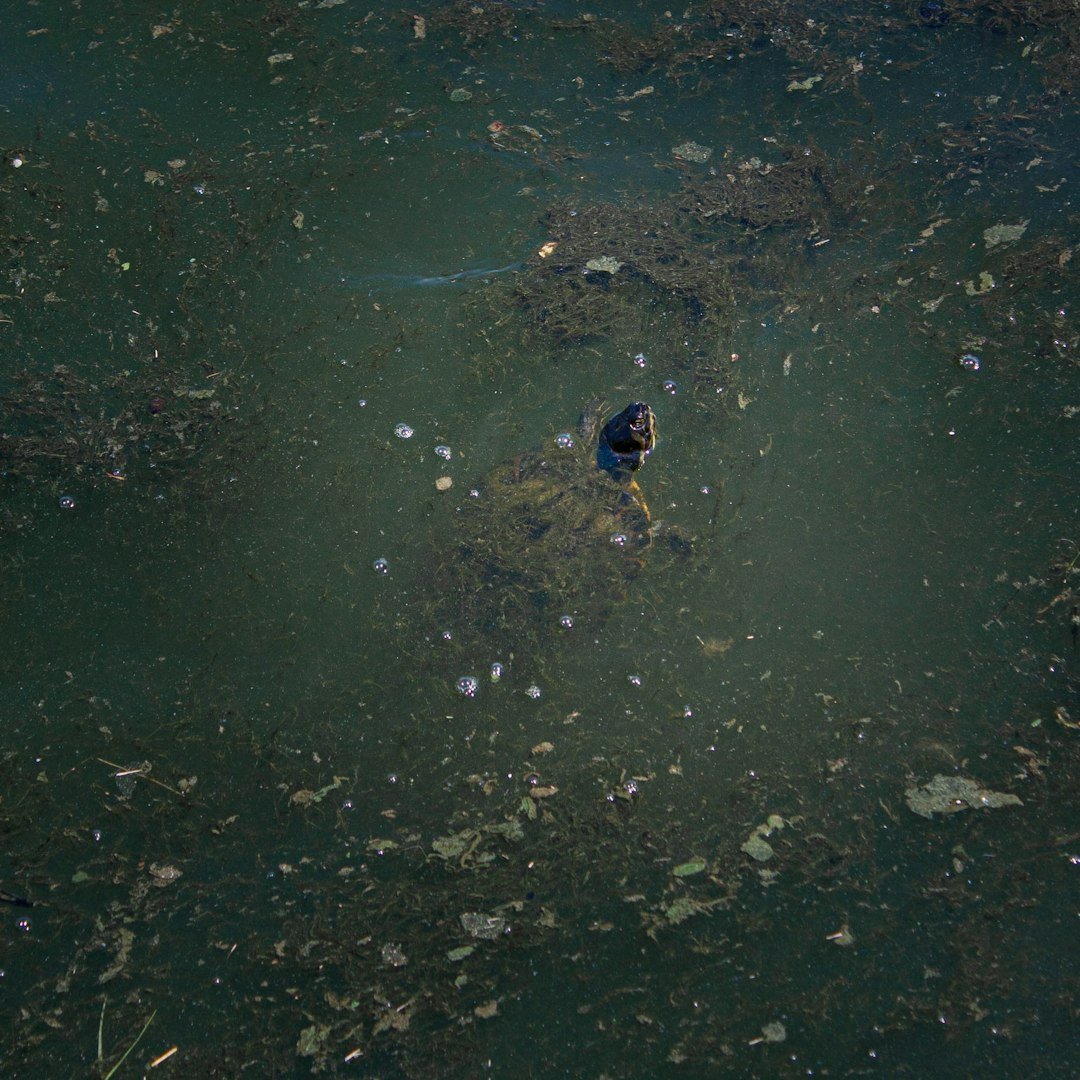
Minnesota’s lakes sit within a continental story in which PFAS have become almost atmospheric, reaching waters with no obvious point source. The Great Lakes basin has documented PFAS across rain, air, and open water, a signal of wide dispersal that undercuts the idea of pristine refuges. Elsewhere, extreme hotspots underscore what’s at stake: studies at a New Mexico lake linked to decades of firefighting foam use have reported wildlife concentrations orders of magnitude above typical findings. While those levels are not the norm for Minnesota, they set a boundary for what happens when inputs go unchecked and systems saturate. For conservation planners, that global context argues for acting before the next “surprise” shows up in eggs, blood, or fish tissue.
From Ancient Tools to Modern Science

Wildlife toxicology in the Upper Midwest cut its teeth on mercury, and those lessons now shape the PFAS playbook: monitor sentinel species, link egg or blood chemistry to reproductive outcomes, and track lake chemistry over years rather than months. Today’s toolkit is sharper, moving beyond standard LC-MS/MS panels to approaches that tally total organofluorine and reveal the unseen fraction that escapes routine screens. University of Minnesota and USGS collaborators have pushed method development so we can better gauge what’s truly in the sample, not just the usual suspects. That matters for management; if loons face exposure from a broader cocktail, targeted bans on a few legacy compounds won’t fully solve the problem. The story is evolving from “Is PFAS present?” to “Which PFAS, how much, and what do they do to birds in real lakes?”
The Future Landscape

Minnesota’s new product prohibitions under Amara’s Law began in January 2025, cutting intentionally added PFAS across everyday categories like cookware, carpets, cosmetics, and ski wax, with broader phaseouts slated through 2032. Federally, the EPA’s 2024 drinking-water standards set enforceable limits at extremely low levels – roughly a few drops in an Olympic pool – with full compliance required by 2029; this spring, EPA affirmed those core limits while signaling possible flexibility on timelines. For lakes, those moves are the headwaters of change: less PFAS in commerce means less in landfills, wastewater, and stormwater, which means fewer chances to infiltrate fish and, ultimately, loons. The scientific frontier will focus on mixtures, sublethal effects, and better exposure mapping so managers can decide where nesting platforms, habitat easements, or access changes will do the most good. The coming decade will test whether policy, engineering, and ecological know-how can turn down the chemical background noise fast enough for a bird that thrives on quiet.
What You Can Do

Start local and practical: check fish-consumption guidance before you eat your catch, choose PFAS-free products when you can, and dispose of old gear and textiles responsibly so they don’t become tomorrow’s leachate. On the water, give nesting loons a wide berth and keep wakes low near rafts and shorelines where eggs ride inches above waves. If you live on a lake, manage runoff with native plant buffers and avoid shoreline foams, which can carry high PFOS compared with the water below. Consider joining Minnesota DNR’s loon surveys or its Loon-Friendly Lake Registry – simple ways to turn observations into conservation data that guide protection. The loon’s voice has carried far for centuries; with eyes open to PFAS, we can help make sure it carries across the next one.
Suhail Ahmed is a passionate digital professional and nature enthusiast with over 8 years of experience in content strategy, SEO, web development, and digital operations. Alongside his freelance journey, Suhail actively contributes to nature and wildlife platforms like Discover Wildlife, where he channels his curiosity for the planet into engaging, educational storytelling.
With a strong background in managing digital ecosystems — from ecommerce stores and WordPress websites to social media and automation — Suhail merges technical precision with creative insight. His content reflects a rare balance: SEO-friendly yet deeply human, data-informed yet emotionally resonant.
Driven by a love for discovery and storytelling, Suhail believes in using digital platforms to amplify causes that matter — especially those protecting Earth’s biodiversity and inspiring sustainable living. Whether he’s managing online projects or crafting wildlife content, his goal remains the same: to inform, inspire, and leave a positive digital footprint.