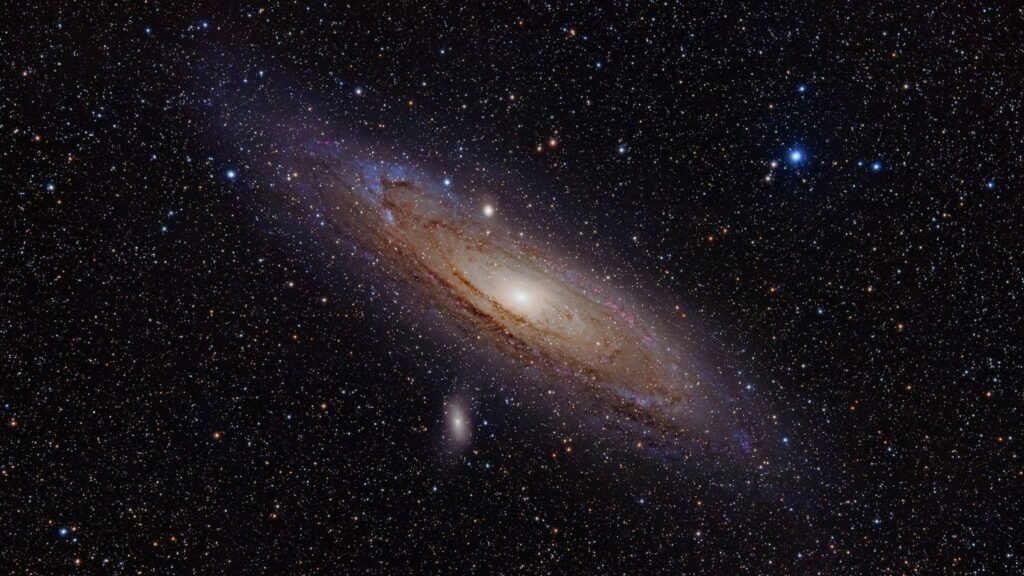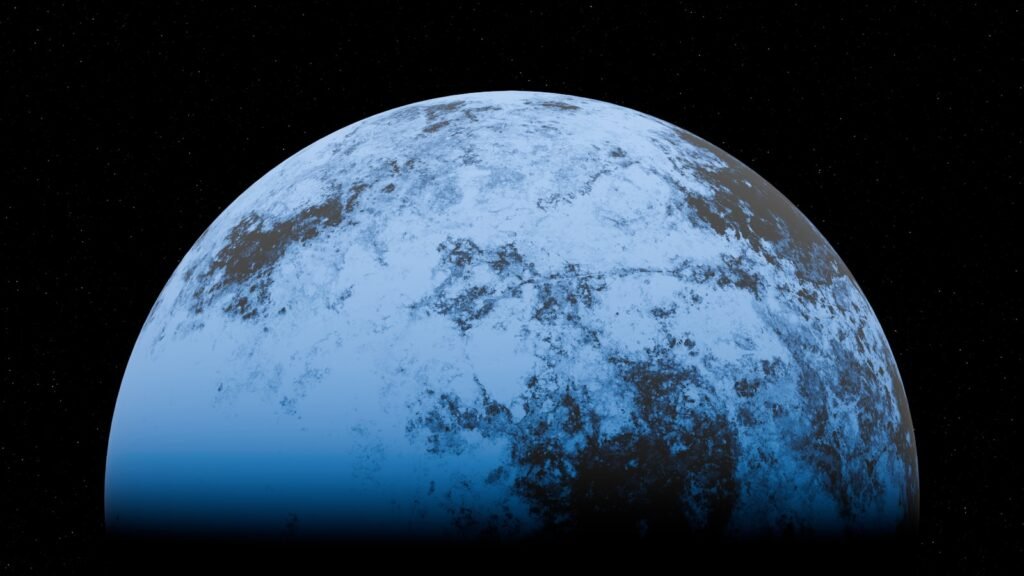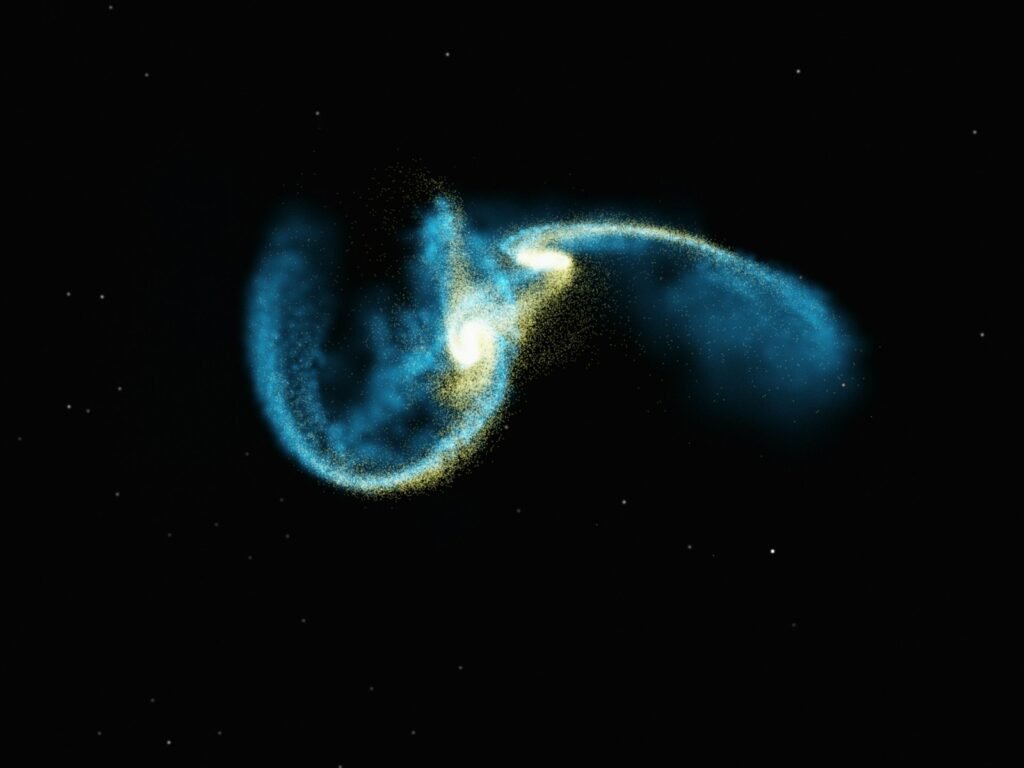

We tend to picture ultimate cold lurking in the farthest corners of space, beyond any telescope’s reach, frozen and remote. The twist is that the most extreme chill humans have ever encountered isn’t in a distant galaxy at all – it’s right here in our cosmic neighborhood, produced on the International Space Station and in labs on Earth. These places reach temperatures so low that atoms barely move, brushing against the hard limit of physics. Meanwhile, the coldest naturally occurring region astronomers have found sits inside our own Milky Way, cooler than the glow of the universe itself. The story of how we discovered these places – and why they matter – reveals a quiet revolution in science unfolding almost within arm’s reach.
The Surprise Nearby: Where Temperatures Truly Bottom Out
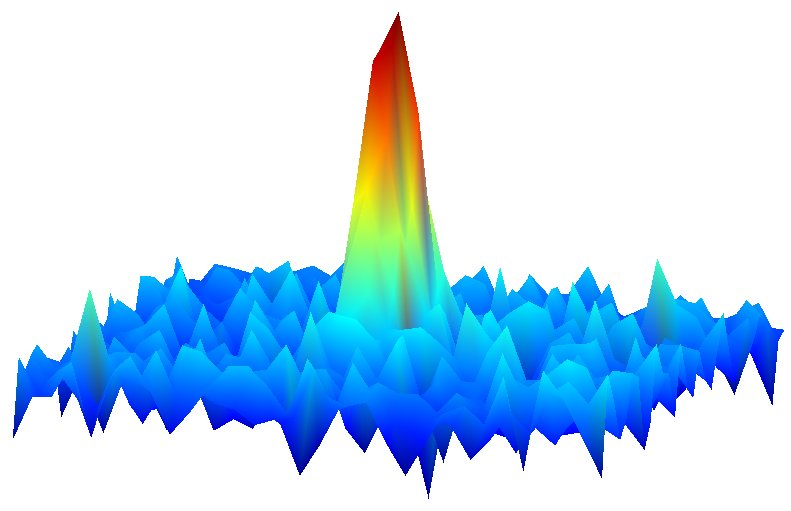
When scientists speak of the coldest known place, they mean a temperature, not a postcard location, and the record belongs to ultracold atom experiments that chill gas to billionths of a degree above absolute zero. In microgravity on the International Space Station, atoms can float longer without falling, giving researchers precious time to slow them further and watch quantum behavior emerge like a hidden choreography. On Earth, laboratories use intersecting laser beams and magnetic traps to reduce atomic motion until matter behaves less like marbles and more like a single, ghostly wave.
This isn’t cold you could touch – it’s motion measured with exquisite precision, a speed limit on randomness itself. The achievement is less a place you can visit than a controlled condition that lets us peer into new laws of nature. It’s astonishing that the frontier of ultra-cold physics sits above our heads, orbiting the planet every ninety minutes.
The Hidden Clues
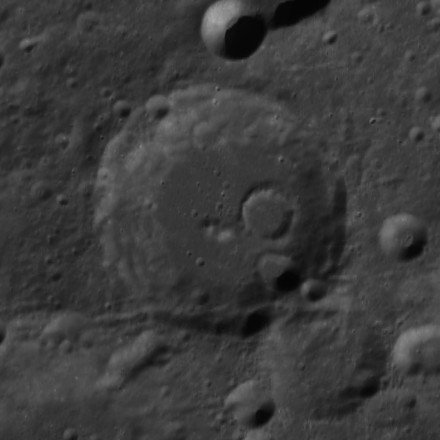
To find cold – truly, physically cold – scientists follow the faintest whispers of light. Radio and submillimeter observatories read the thermal glow of gas and dust, while spacecraft instruments map temperatures in permanent shadows where sunlight never penetrates. The cosmic background sets a universal floor near 2.7 degrees above absolute zero, but nature can cheat that baseline in special circumstances, and that’s where telescopes like ALMA have changed the game. Closer to home, a lunar orbiter’s radiometer traced the Moon’s polar darkness and revealed pits and craters cold enough to numb any comparison to Earthly winters.
Each measurement is a clue carved into a spectrum, a detective story told in wavelengths instead of words. Piece by piece, these clues sketched a map of cold that we never expected to look so local.
From Ancient Tools to Modern Science
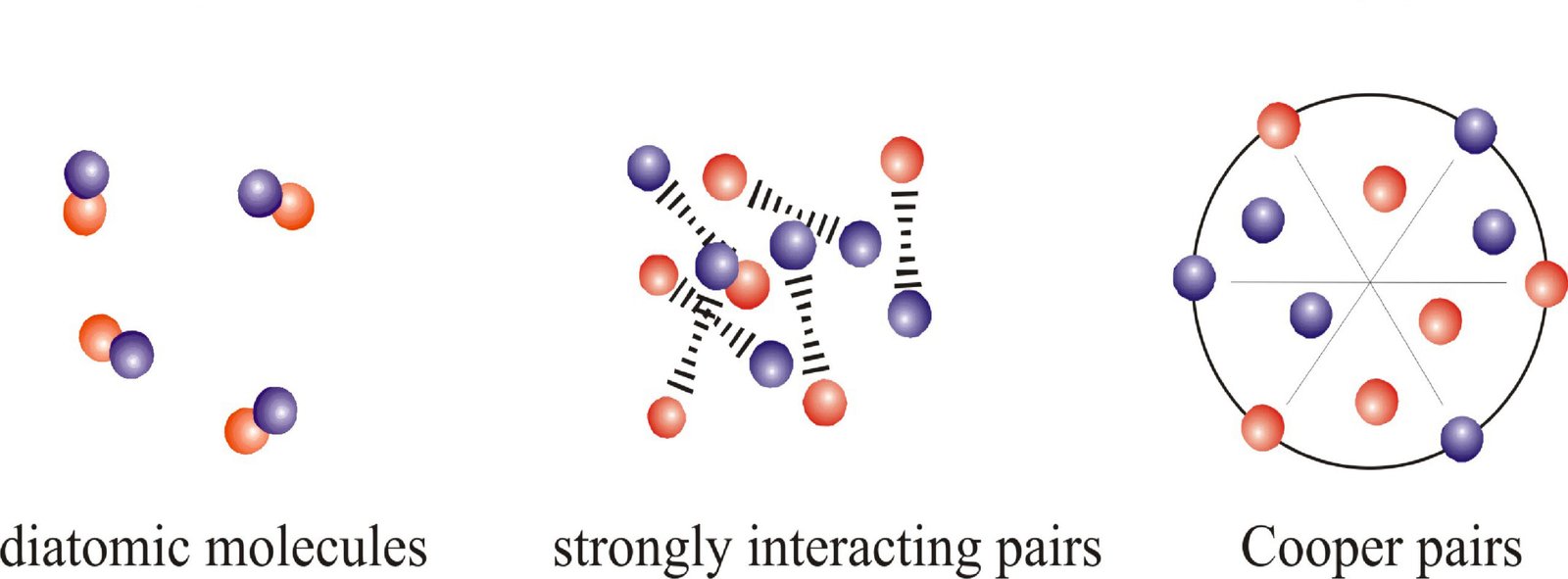
Humanity’s relationship with temperature began with glass thermometers and boiling points; today, it’s guided by lasers, magnetic fields, and the choreography of atoms. Laser cooling steals a sliver of momentum from atoms with every photon, like a crowd gently slowing a runner until they nearly stand still. Magnetic fields then confine the chilled gas, letting researchers reach regimes where quantum effects stop being a footnote and become the whole story. Cryogenic refrigerators, once the realm of liquid nitrogen and helium, now work in concert with optical tricks to reach unimaginably low energies.
The result is a toolset that treats temperature not as a number on a dial but as a gateway to new phases of matter. That leap – from glass and mercury to photons and quantum waves – reshaped what “coldest” can even mean.
A Natural Benchmark: The Boomerang Nebula’s One-Kelvin Glow
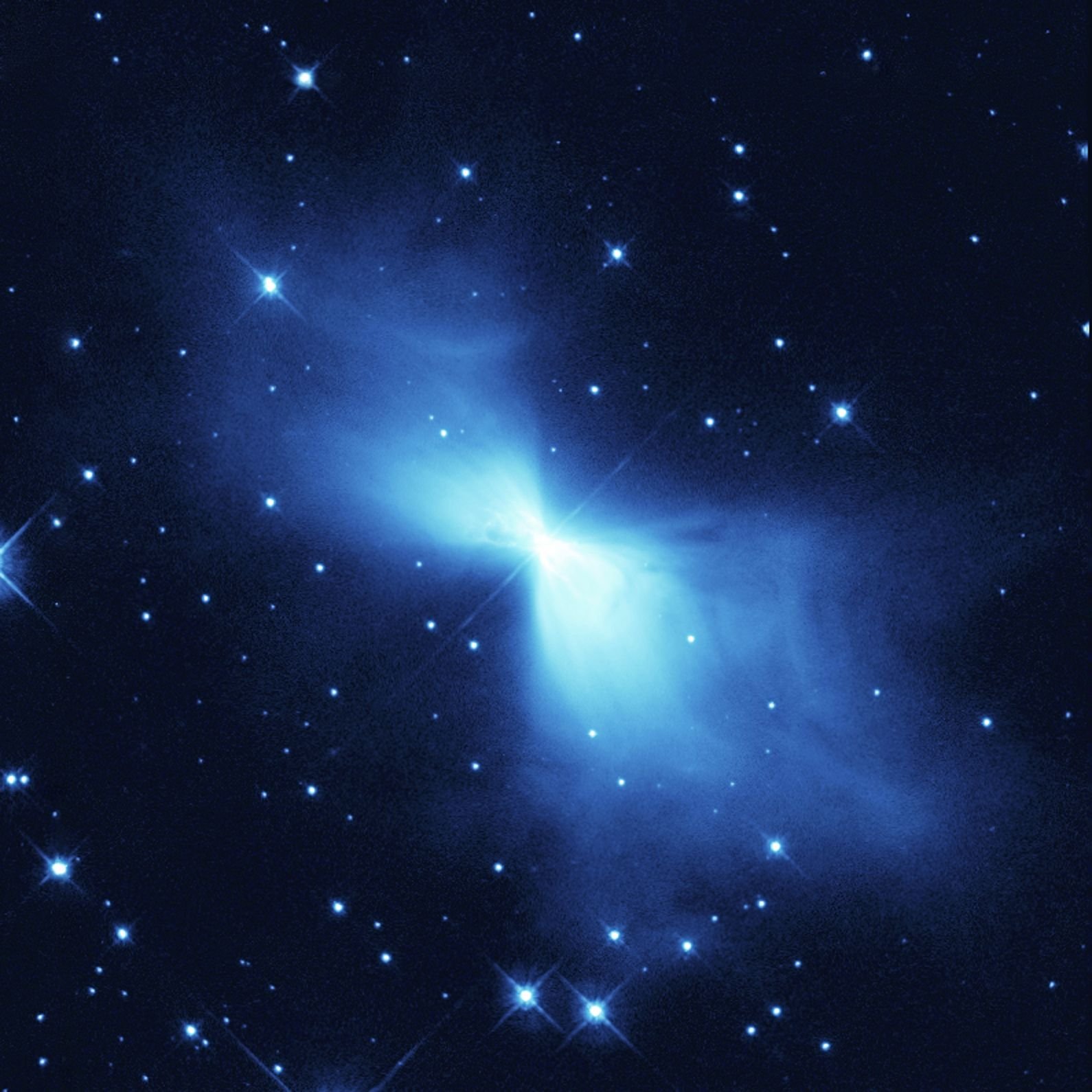
The coldest natural spot astronomers have identified is the Boomerang Nebula, a dying star’s outflow that chills to roughly one degree above absolute zero. Its extreme cold comes from rapid expansion: gas streaming away from the star swells and cools so efficiently that it dips below the cosmic background’s gentle warmth. This makes the nebula a cosmic oddity, like a patch of frost inside a heated room, and it sits about 5,000 light-years away – close on galactic scales.
The discovery reshaped expectations about how cold space can get without human intervention, proving that dynamics can trump background radiation in the right conditions. For astronomers, the nebula is both thermometer and textbook, a live lesson in how stars end their lives. It stands as the natural benchmark against which our engineered chills are compared.
Global Perspectives: Space, Earth, and the Shared Quest for Cold

Cold connects fields that rarely share headlines: astronomy, condensed-matter physics, planetary science, and engineering. Observatories reveal natural extremes like the Boomerang Nebula, while planetary missions map deep-freeze pockets on the Moon where ice can persist for eons. In parallel, quantum labs craft ultracold platforms to simulate materials, test fundamental physics, and build sensors with sensitivity that borders on the uncanny.
Nations invest in these capabilities because they lead to timing standards, navigation systems independent of satellites, and detectors that can sense the faint tug of tiny forces. It’s a global effort with complementary strengths – space missions supply the context, ground and orbital labs supply the control. Together, they turn “cold” from a curiosity into an engine of discovery.
Why It Matters

Extreme cold is not a stunt; it’s a doorway to new technology and knowledge. Traditional cryogenics, even at helium temperatures, cannot unlock the delicate quantum states that appear at nano- and picokelvin scales, where atoms synchronize in ways that defy everyday intuition. At those scales, researchers build clocks that lose almost no time, interferometers that can map gravity with astonishing fidelity, and testbeds that mimic complex materials without the defects of real crystals.
Compared with conventional methods, ultracold platforms can be tuned like instruments, letting scientists dial in interactions to see what nature does when one rule changes. That control accelerates learning, slashing trial-and-error and revealing clean answers to hard questions. The payoffs range from navigation and mineral exploration to basic physics that may guide tomorrow’s electronics.
The Future Landscape
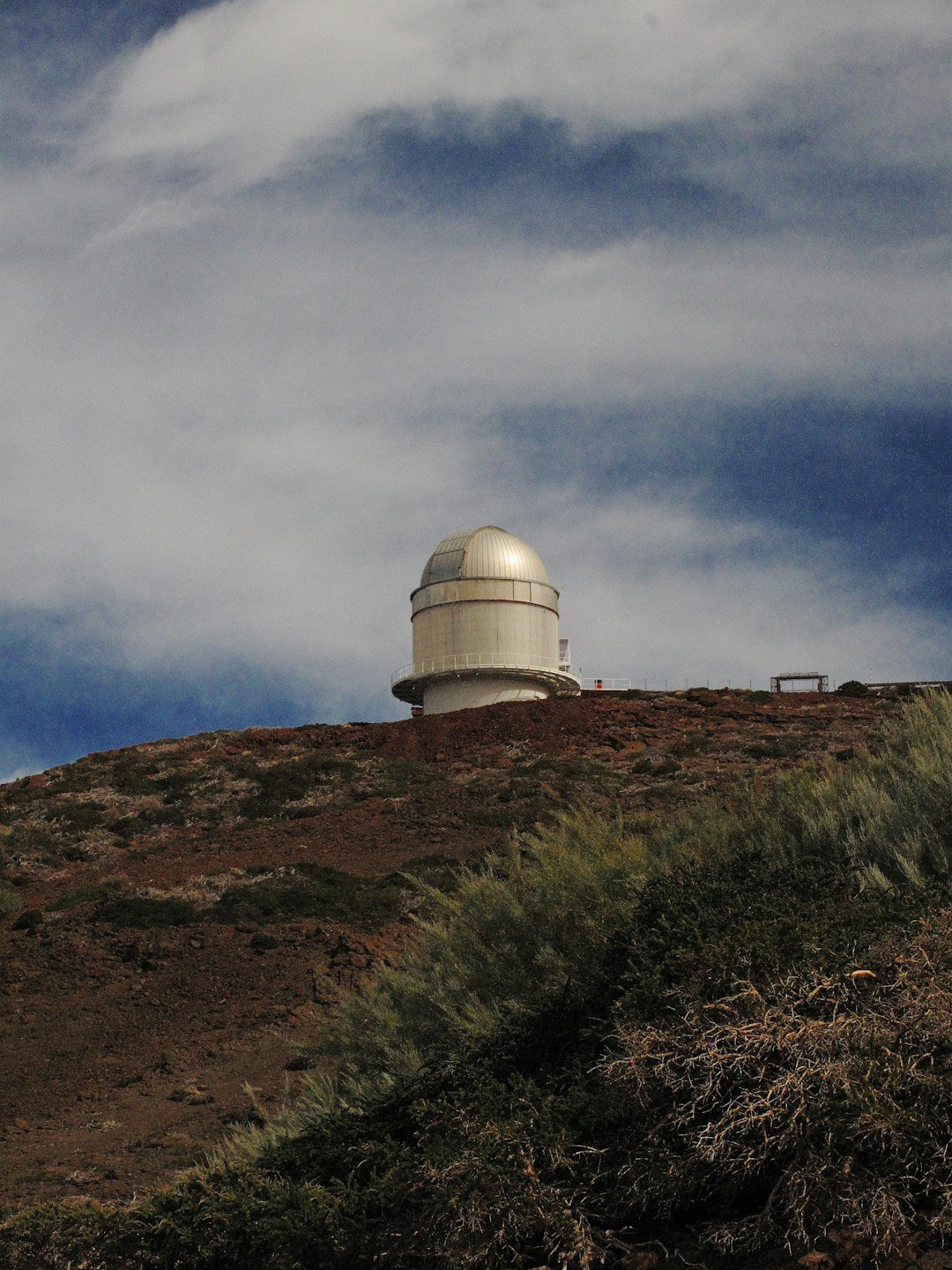
Next-generation cold-atom facilities will lean on microgravity, longer observation times, and quieter environments to push deeper into the quantum regime. Space-based laboratories promise cleaner signals and fewer disturbances, enabling larger, more precise atom interferometers for mapping Earth’s gravity field, monitoring groundwater, and probing fundamental constants. On the Moon, future stations could exploit permanent shadows as natural radiators for telescopes and cryogenic instruments, building observatories that sip power while watching the cold universe with unprecedented clarity.
The challenges are real: vibration, radiation, and the sheer complexity of operating sensitive experiments far from home. Yet each engineering hurdle cleared – better vacuum systems, smarter lasers, sturdier magnetic shielding – widens the runway. The likely result is a decade where cold becomes a platform, not just a number, shaping space science and technology on a global scale.
How You Can Engage
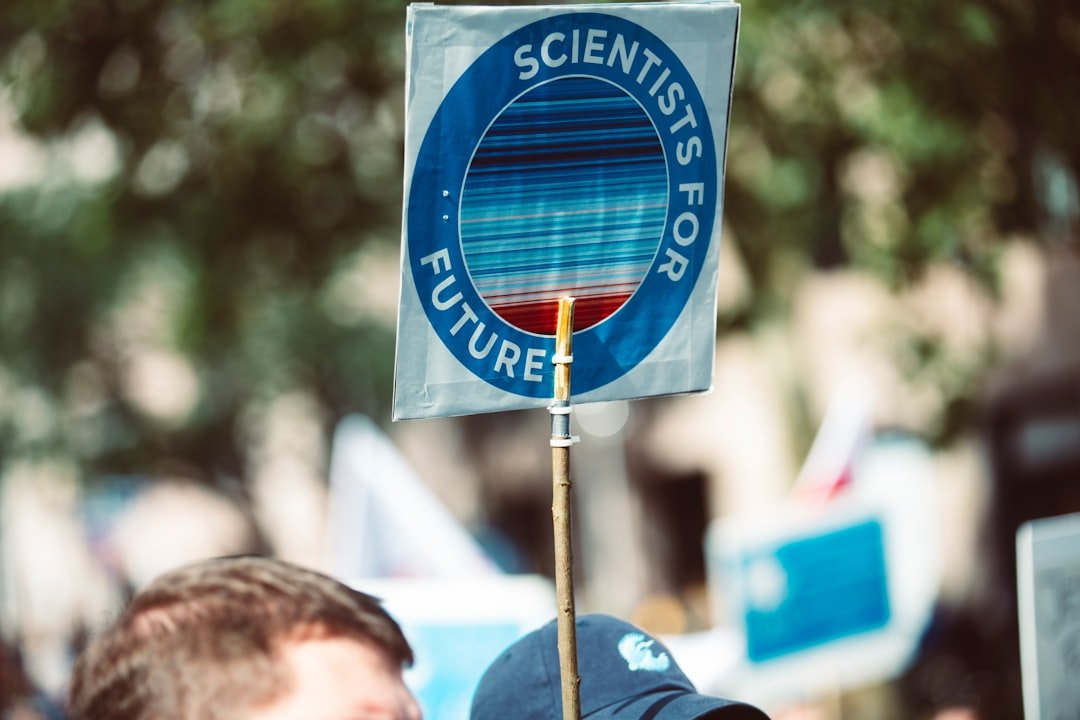
Start by following mission updates from space agencies and observatories that track cold regions and run ultracold experiments; many share open data, animations, and explainers. Support public science through museums, science centers, and university outreach programs that bring quantum demonstrations and space findings to local communities. Encourage curriculum and after-school programs that introduce students to optics and coding, the hands-on skills behind modern cold-atom research. If you’re technically inclined, explore citizen-science platforms that analyze telescope images or help classify astronomical sources that guide future observations.
Share accurate stories about what “cold” means in physics, replacing myth with measured wonder. Small steps like these knit public curiosity to the frontier where the universe, and our instruments, grow quietly colder.
Suhail Ahmed is a passionate digital professional and nature enthusiast with over 8 years of experience in content strategy, SEO, web development, and digital operations. Alongside his freelance journey, Suhail actively contributes to nature and wildlife platforms like Discover Wildlife, where he channels his curiosity for the planet into engaging, educational storytelling.
With a strong background in managing digital ecosystems — from ecommerce stores and WordPress websites to social media and automation — Suhail merges technical precision with creative insight. His content reflects a rare balance: SEO-friendly yet deeply human, data-informed yet emotionally resonant.
Driven by a love for discovery and storytelling, Suhail believes in using digital platforms to amplify causes that matter — especially those protecting Earth’s biodiversity and inspiring sustainable living. Whether he’s managing online projects or crafting wildlife content, his goal remains the same: to inform, inspire, and leave a positive digital footprint.