

When you think about Chicago’s wildlife, chances are coyotes don’t immediately spring to mind. Between the bustling streets, towering skyscrapers, and millions of people calling the Windy City home, it seems like an unlikely place for these wild predators to thrive. But here’s the surprising truth: Chicago has become one of North America’s most successful urban coyote habitats, with researchers discovering these adaptable animals living everywhere from downtown parking lots to suburban neighborhoods. Their story isn’t just about survival – it’s about remarkable adaptation that’s reshaping our understanding of urban wildlife. Let’s dive into the fascinating world of Chicago’s street-smart coyotes.
The Unexpected Urban Invasion
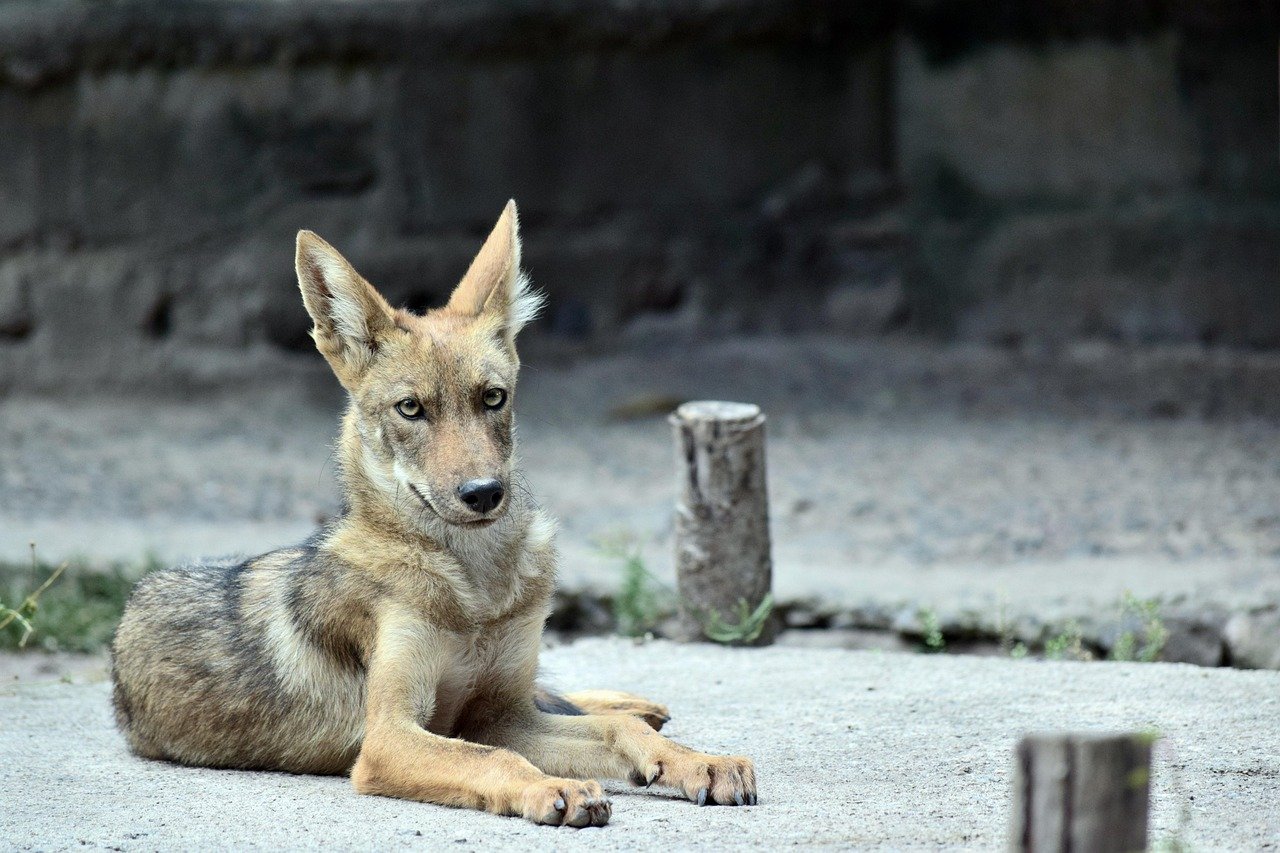
Dr. Stanley Gehrt, the Principal Investigator of the Cook County Coyote Project and Chair of the Center for Wildlife Research at the Max McGraw Wildlife Foundation, estimated the population of Chicago’s coyotes at about 2,000 in a 2014 interview with National Geographic. However, more recent estimates suggest this number has grown significantly. recent research suggests thousands of coyotes live in Chicago, one of the largest metropolitan areas in North America.
This urban takeover didn’t happen overnight. The early rise of U.S. metropolitan areas alienated coyote populations; however, they began reintroducing themselves in the late 20th century, beginning in California and moving eastward. The urban presence of coyotes is a nationwide phenomenon, as is the case in Chicago. What makes Chicago’s situation particularly remarkable is how these animals have managed to not just survive, but actually flourish in one of America’s densest urban environments.
The Science Behind Urban Adaptation
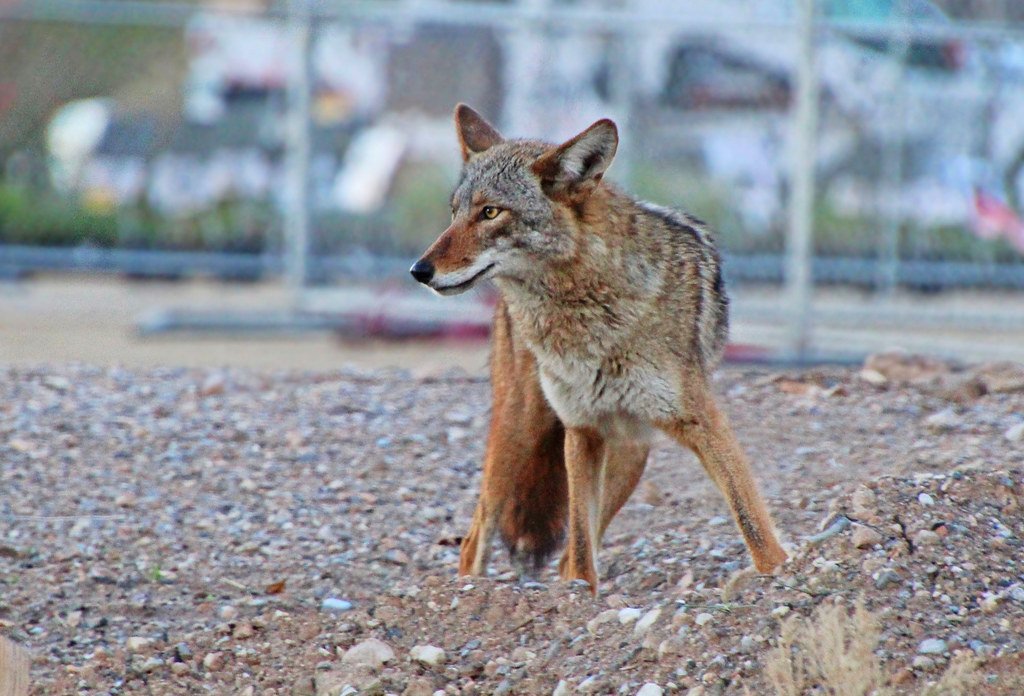
Wildlife ecologists at Ohio State University studied coyotes living in Chicago over a seven-year period (2000–2007) and found that coyotes have adapted well to living in densely populated urban environments while avoiding contact with humans. They found that urban coyotes tend to live longer than their rural counterparts, kill rodents and small pets, and live anywhere from parks to industrial areas. This longevity advantage isn’t just coincidental – it reveals profound behavioral and ecological adaptations.
Our results from both tests indicate that urban coyotes are bolder and more exploratory than rural coyotes and that within both populations there are individuals that vary across both spectrums. Bolder behavior in urban coyotes emerged over several decades and we speculate on possible processes (e.g., learning and selection) and site differences that could be playing a role in this behavioral adaptation. This behavioral flexibility has allowed them to exploit urban environments in ways that would have seemed impossible just decades ago.
The Night Shift Strategy
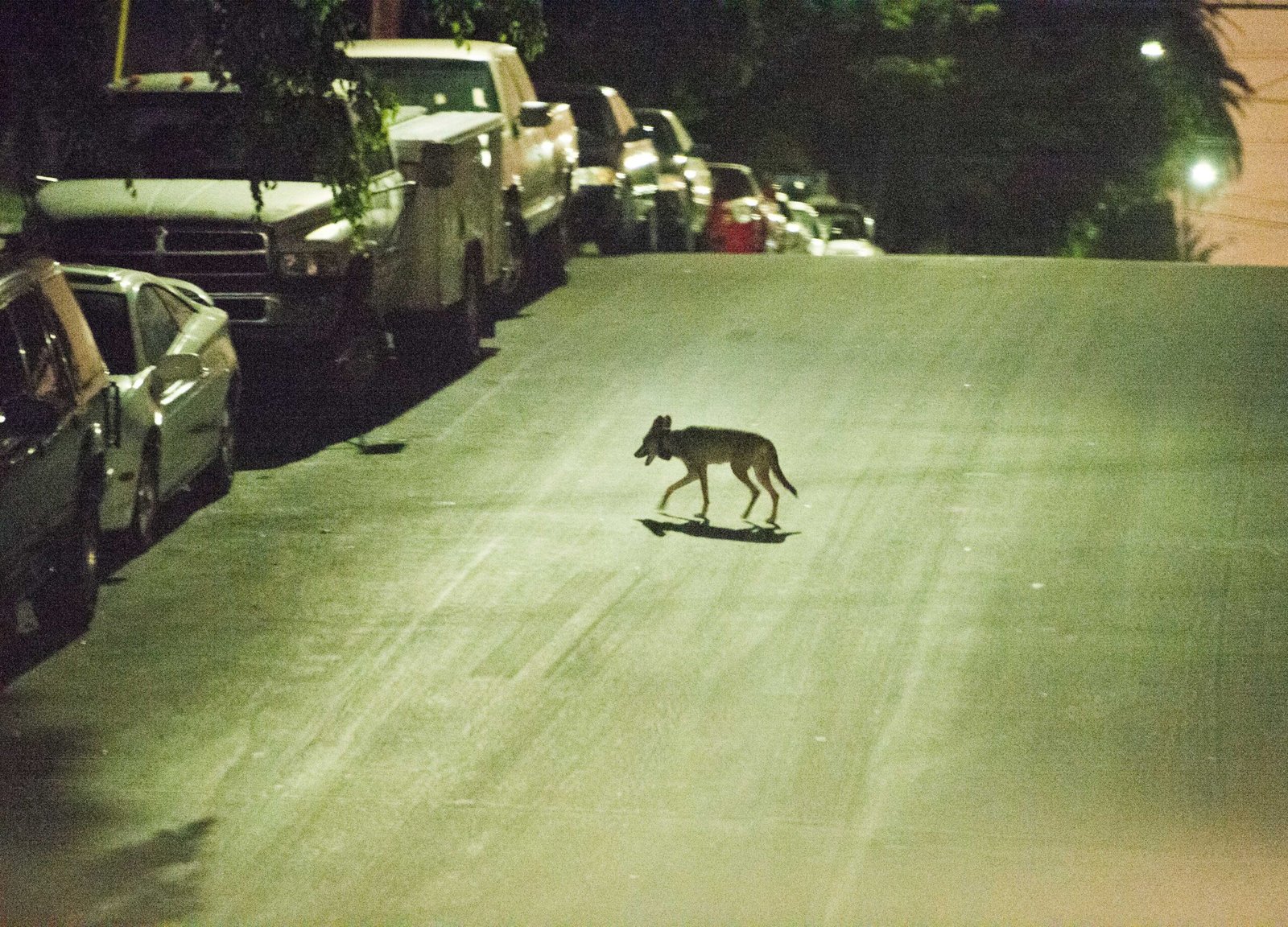
Coyotes in the Chicago metropolitan area appear to confine most of their activity to nocturnal hours, which has been observed by virtually all studies of urban coyotes, whereas in natural areas, coyotes tend to be diurnal (active during the day) or crepuscular (active at dawn and dusk). The activity patterns of coyotes depend upon many environmental and individual factors, such as the availability of prey, avoidance of predation or human-related activities, and life-history strategies.
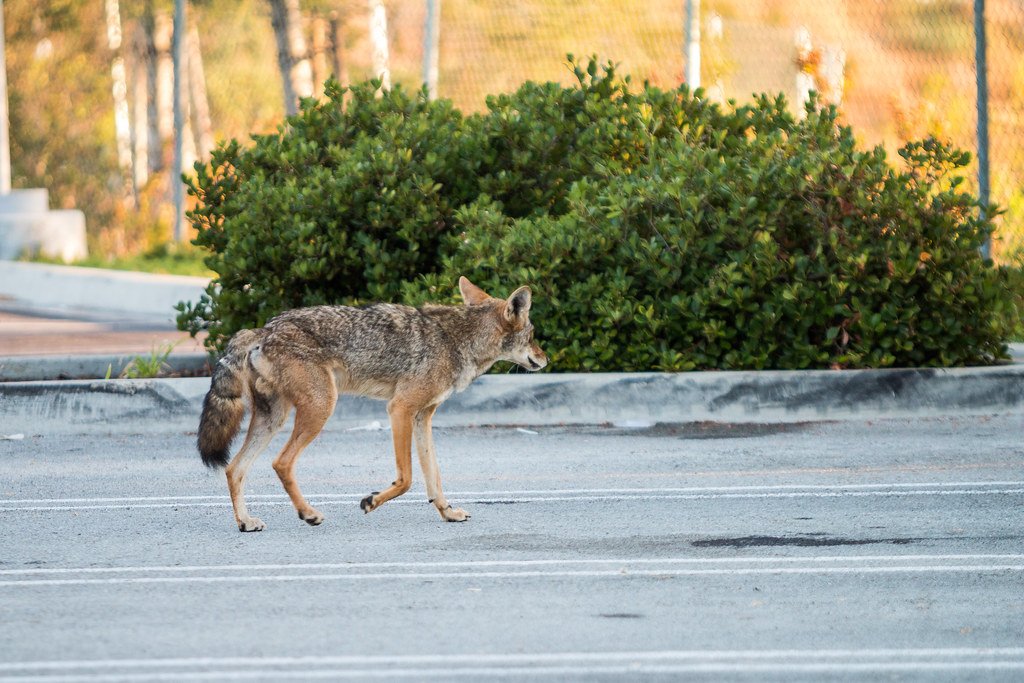
This shift to nocturnal behavior represents one of the most significant adaptations urban coyotes have made. What’s more, the coyotes have a short window of time for their patrols: Chicago’s inner-city coyotes are strictly nocturnal, curling up in little hiding spots during the day. The animals have altered their natural behavior to accommodate living in close quarters with people. Unlike wild coyotes, for example, Chicago’s uber-urban coyotes are nocturnal, coming out when most people have gone home; have learned to travel and cross busy roads regularly; and maintain huge yet fragmented territories. It’s like they’ve learned to operate on a completely different schedule than humans, maximizing their access to urban resources while minimizing dangerous encounters.
Mastering Urban Territory Management
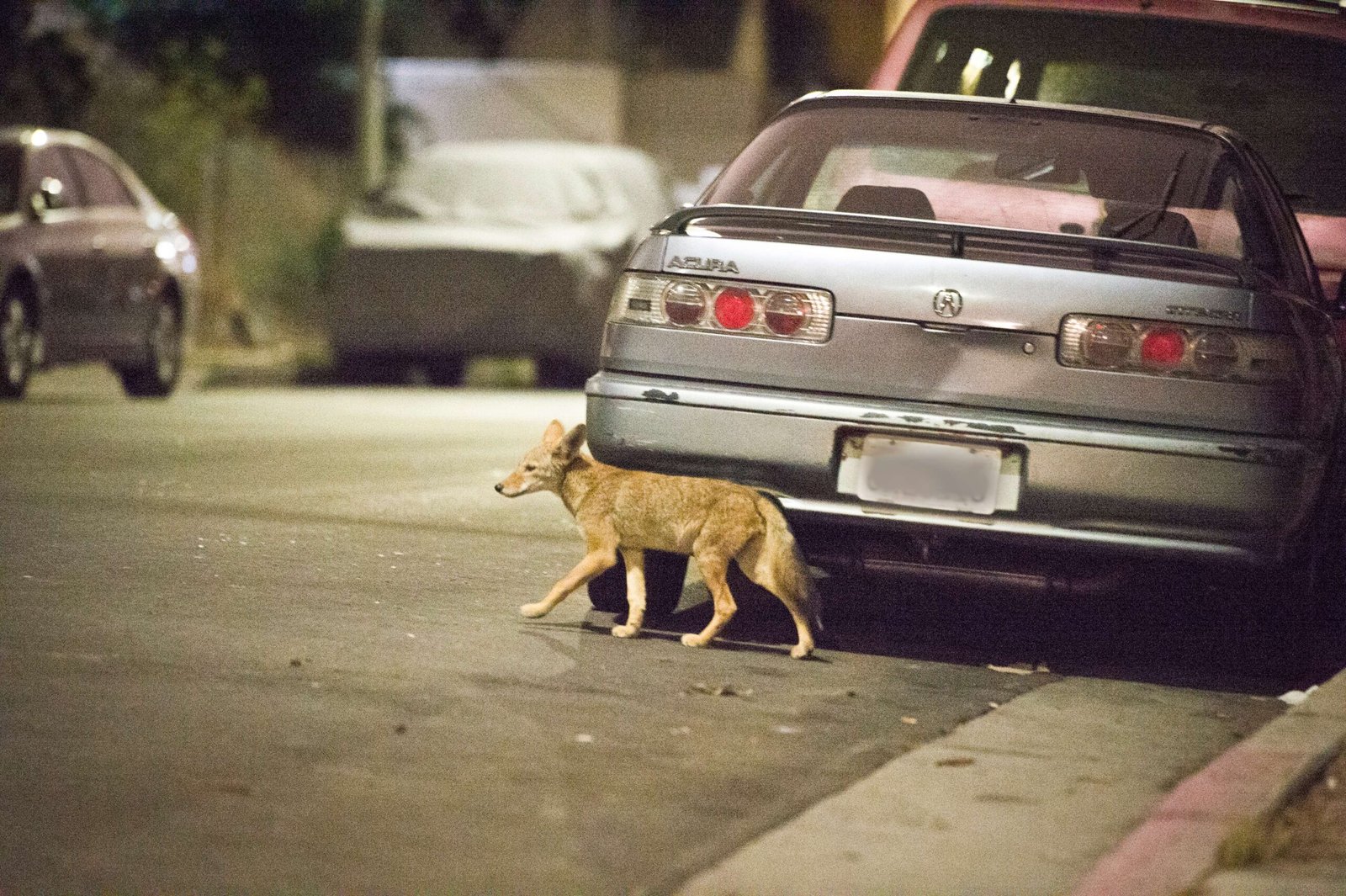
The GPS data revealed that city coyotes have larger home ranges than suburban coyotes do – up to 3.4 square miles (8.9 square kilometers), compared with 0.4 square mile (1.2 square kilometers) – probably because sizable sections of their habitats are too hard to use or defend, such as popular shopping streets. “The thing I have to wrap my head around,” Gehrt said, is the mystery of how a coyote is actually able to defend and maintain such a large and fragmented territory.
It was interesting to discover, however, that other coyotes have been able to establish territories and form packs without the benefit of large blocks of habitats. This formation of packs and territories can even occur in downtown areas, if parks or natural areas exist in scattered, small patches. Sometimes these are coyotes that have created territories in residential areas or complexes of small parks and golf courses. Think of it like urban apartment hunting – these coyotes have figured out how to make the most of fragmented spaces, connecting patches of suitable habitat through an intricate understanding of city geography.
The Urban Menu: What Chicago Coyotes Really Eat
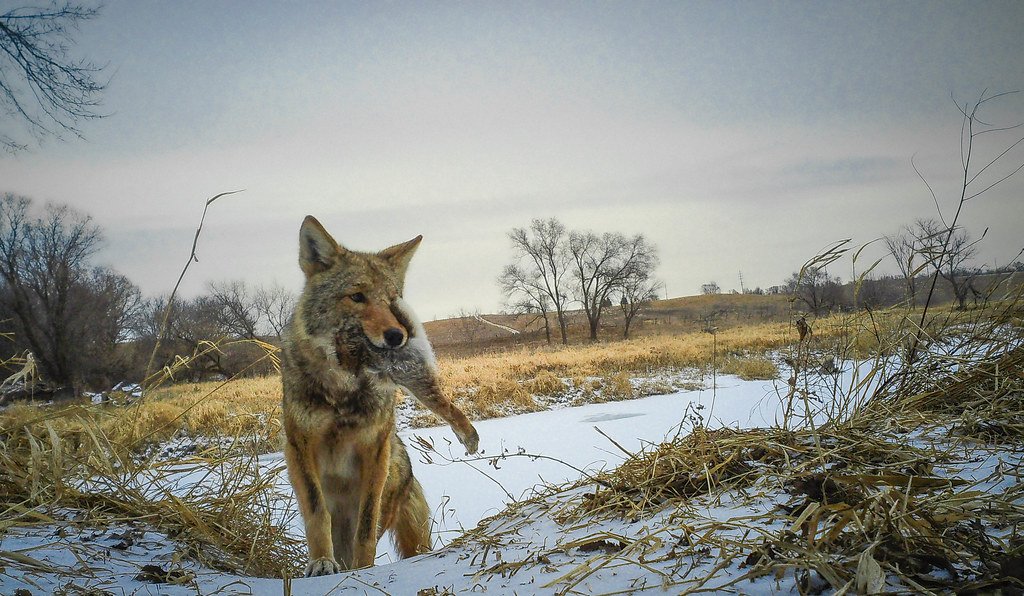
Contrary to popular belief, Chicago’s urban coyotes haven’t become garbage-eating city dwellers. Research from Gehrt and the Urban Coyote Research Project in Chicago analyzed coyote diets and found that domestic cats appeared in a very small percentage of scat samples, with the predominant food sources being small rodents, fruit, white-tailed deer, and rabbits. Human-associated food items, including garbage and pet food, were found in just 1.9% (out of 1429) samples suggesting that Chicago’s urban coyotes rely more on natural prey and less on domestic cats or human food sources.
The Crittercams have given researchers an unprecedented window into an urban coyote’s lifestyle, with 91 video clips of the animals hunting, eating, and avoiding people. Footage of the animals hunting, for instance, reveals that they eat a surprisingly large amount of wildlife, such as songbirds and rabbits, instead of the suspected people food and garbage. This natural diet preference demonstrates that urban coyotes haven’t abandoned their wild instincts – they’ve simply learned to apply them in an urban context.
Pack Dynamics in the Concrete Jungle
Coyotes typically have a highly organized social system, even in urban areas. This consists of packs, or groups, of coyotes that defend territories from other coyotes. In Cook County, coyotes have been identified as living in packs as well as traveling alone (solitary coyotes). Packs are usually composed of an alpha male and female pair, and a few other coyotes. Genetic analysis of coyotes has revealed that nearly all pack mates are close relatives, except for the alpha pair.
Group size in protected habitats is typically five to six adults in addition to pups born that year. Territories have very little overlap, so the coyotes defend these areas from other groups. In rural areas, especially where hunting and trapping are common, the group may only consist of the alpha pair and the pups. Urban environments, with their reduced hunting pressure, actually allow for more complex social structures than many rural areas – a fascinating reversal of what we might expect.
Reproduction and Family Life in the City
Coyotes typically mate in February, however, only the alpha pair in a pack will mate and subordinates will usually help raise the young. Coyotes appear to be strongly monogamous and so far, bonds between alpha pairs have only been broken upon the death of one of the pair. Our research suggests that coyotes are extremely monogamous, so a single pair breeds together. They’re extremely defensive both in terms of getting access to their mates and intruders into their territory.
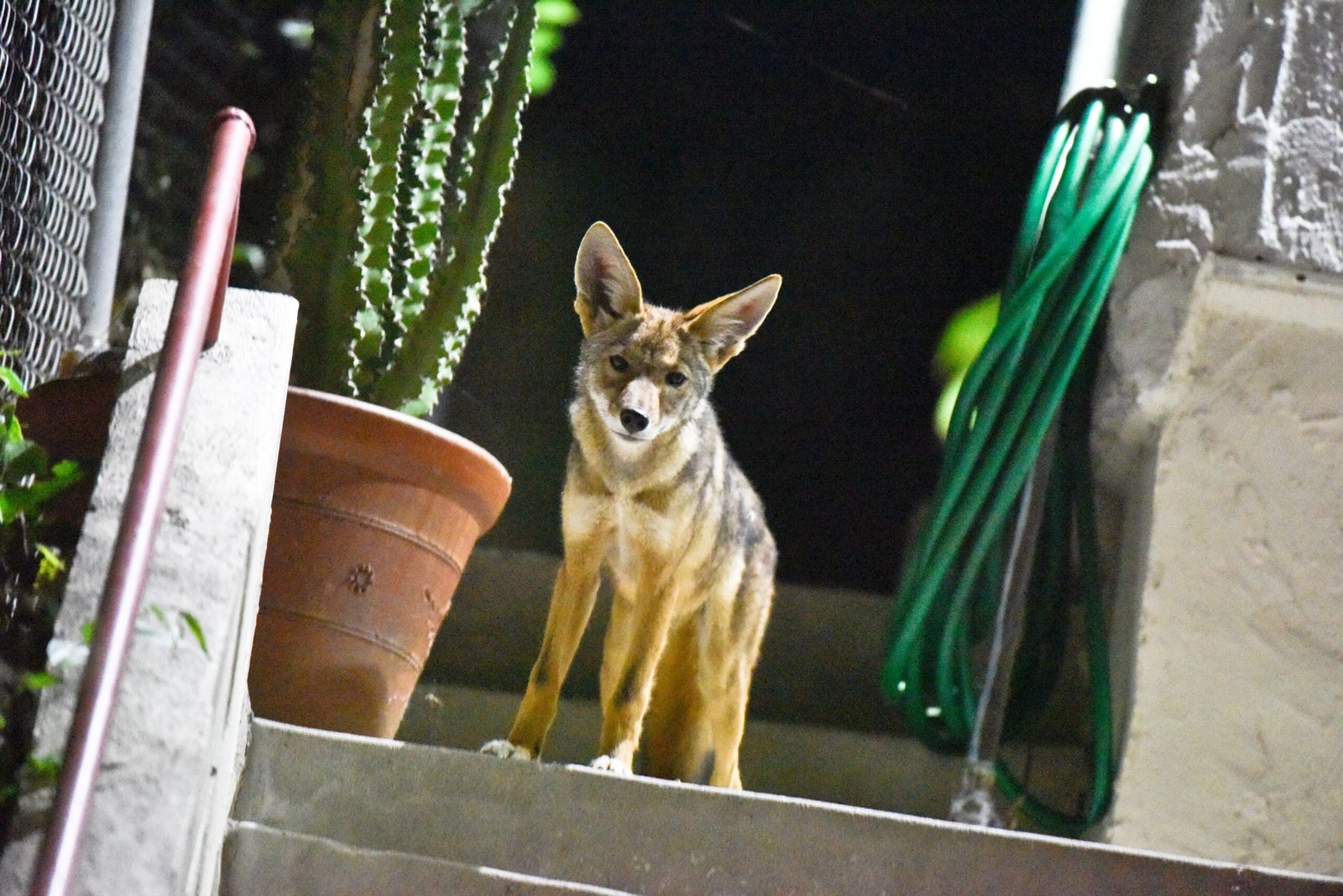
GPS-collared coyotes have been documented successfully raising litters in various urban locations throughout Chicago. This remarkable example shows just how adaptable these animals have become – successfully raising young in one of the most urban environments imaginable. In April, after a 62 to 65-day gestation period, the female will begin looking for existing dens or dig one herself. Pup season is the only time coyotes will voluntarily use a den; otherwise, coyotes usually sleep above ground in the open or in cover. Dens may consist of a hollowed-out tree stump, rock outcrop, or existing burrow made by raccoons, skunks or other medium-sized carnivores.
The Human Connection: Why Dense Populations Help Coyotes
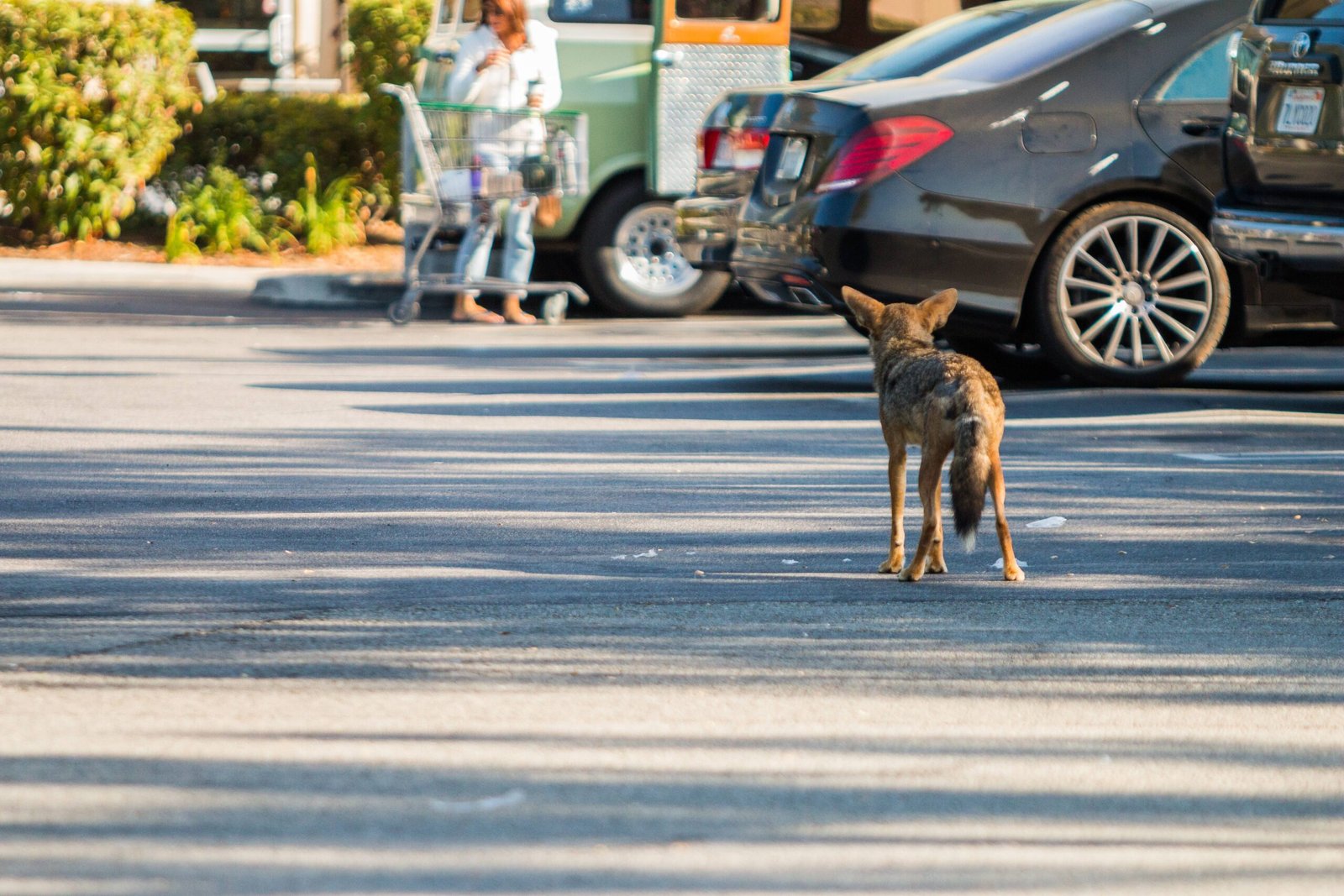
Here’s where the science gets really interesting. Instead, areas densely populated with humans were associated with longer coyote lifespans. “What we found was really interesting, in that the societal characteristics seem to play a much more important role in predicting coyote survival time than the environmental characteristics,” said Emily Zepeda, first author of the study and a postdoctoral scholar in the School of Environment and Natural Resources at The Ohio State University.
We’ve hypothesized that population density may have a positive effect because it’s actually providing resources like human-related structures or food that allow coyotes to weather the harsh conditions of the winter, which is a major mortality factor for Chicago coyotes. Plentiful resources might become problematic, she said, when the food and shelter, combined with more vegetation and less pollution in high-income areas, draws a crowd of coyotes – which leads to higher disease transmission and fighting over territory. It’s a delicate balance – human density provides benefits, but too much coyote density can create problems.
GPS Tracking Reveals Hidden Urban Highways
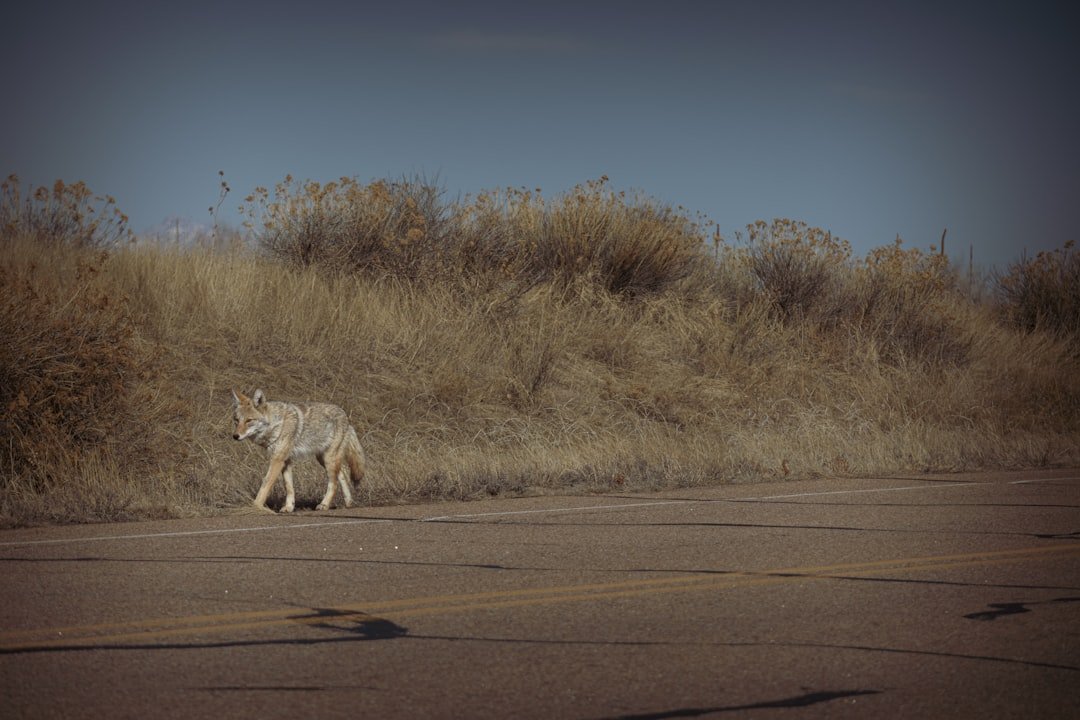
Using these technologies, Gehrt said they have found that in heavy urban areas like downtown Chicago, the animals are picky about crossing roads and sometimes do so in pairs. They also avoid eating dead opossums, which apparently don’t cater to the coyote palate, but will spend an hour pulling the feathers off dead songbirds before digging in. We rarely think about storm drains, power line rights of way, or railroad tracks, but these are coyote highways, linking one habitat to another.
Several Chicago area urban coyotes and rural Illinois coyotes have been fitted with satellite tracking collars making it possible to monitor and analyze their movements and behavior over time. Several Chicago area urban coyotes and rural Illinois coyotes have been fitted with satellite tracking collars making it possible to monitor and analyze their movements and behavior over time. This GPS tracking technology has revolutionized our understanding of how these animals navigate urban landscapes, revealing a complex network of corridors and pathways that most humans never notice.
The Downtown Success Stories
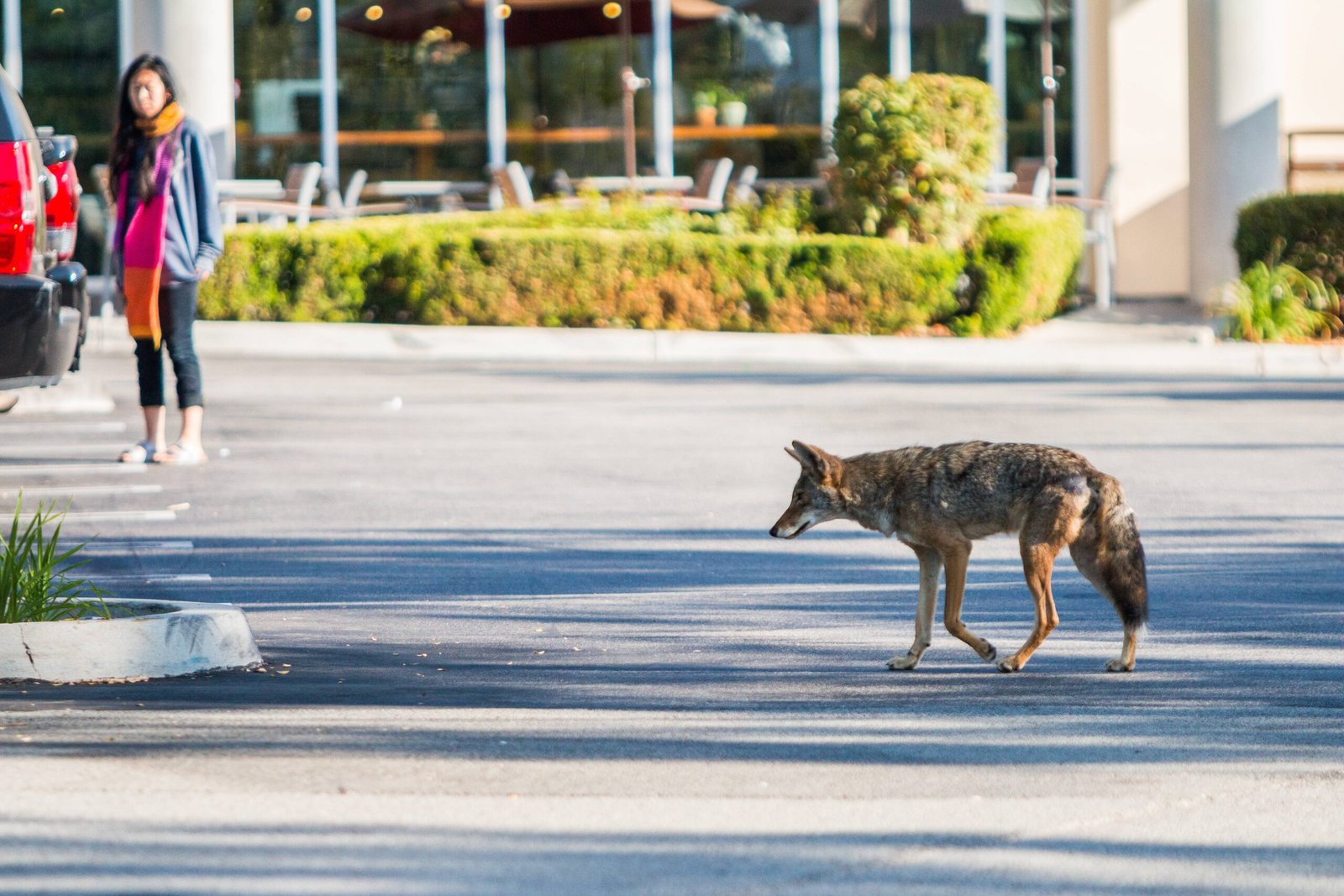
Urban coyotes like those studied near Lincoln Park have demonstrated remarkable success in navigating downtown environments. Coyote 441 is one of the most successful urban coyotes we have observed. This female was captured near the Lincoln Park Zoo in Chicago on March 10th, 2010. Since her initial capture in 2010, she has given birth to at least two litters based on her body condition during pupping seasons. Coyote 441 appears to move quite well through downtown Chicago. She was one of the first coyotes we were able to study in downtown Chicago and her movements shocked us.
Many of her locations are along Lake Shore Drive and within Lincoln Park, however, she includes several areas within Chicago in her home range. Although 441 has kept a low profile and we have not had any complaints reported for her despite her super urban lifestyle. Her story exemplifies the remarkable success some coyotes have achieved in adapting to urban life – living, breeding, and thriving in environments that would challenge many wild animals.
Conclusion: Urban Evolution in Real Time
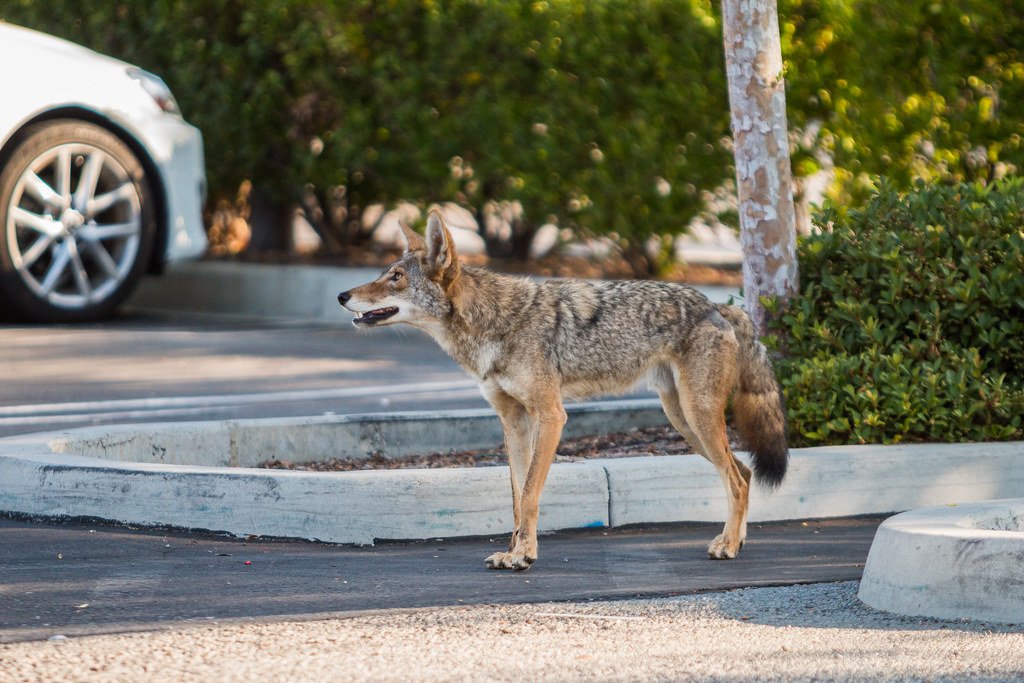
The story of Chicago’s urban coyotes represents one of the most remarkable examples of rapid adaptation to human-dominated landscapes in recent wildlife history. Regarding Chicago’s coyotes, researchers predict the continuation of successful population growth and prolonged rates of survival. Coyotes have no existing predators in urban spaces and adapt around human populations. What we’re witnessing isn’t just survival – it’s the evolution of a new kind of urban predator that has learned to thrive alongside millions of people.
These findings challenge our assumptions about urban wildlife and demonstrate that cities aren’t necessarily biological deserts. We constantly underestimate them,” said Gehrt, who recently completed the first part of his urban-coyote research, funded by National Geographic’s Committee for Research and Exploration. “We felt there were parts of Chicago too urban, with too many people, for coyotes to live – and we were wrong,” he said. The success of Chicago’s coyotes offers hope for urban biodiversity and shows us that wildlife can be far more adaptable than we ever imagined. Did you expect these wild predators to become such successful city dwellers?
Hi, I’m Andrew, and I come from India. Experienced content specialist with a passion for writing. My forte includes health and wellness, Travel, Animals, and Nature. A nature nomad, I am obsessed with mountains and love high-altitude trekking. I have been on several Himalayan treks in India including the Everest Base Camp in Nepal, a profound experience.