
When we imagine the zodiac as wildlife on the brink, familiar stars turn into field notes from a planet under pressure. This playful lens does more than entertain; it reveals patterns of risk, resilience, and recovery that echo across real habitats. Conservation is often a story of behavior meeting stress, from bold species colliding with roads to shy ones falling silent under chainsaws. Framing these behaviors through archetypes lets us see what science keeps showing: survival hinges on adapting faster than the threats that surround us. The question is not whether a sign would vanish, but which strategies would let it hold on.
The Hidden Clues
Wildlife biologists hunt for signals the way stargazers scan the night – quiet cues that betray what’s coming next. A sudden shift in migration timing can foreshadow a late-season die‑off, just as a sharp drop in nighttime calls hints at a population thinning in the shadows. In this thought experiment, an impulsive “Aries species” might bolt into open terrain, inviting collisions, while a cautious “Virgo species” might freeze and miss a narrow breeding window. Each tendency becomes a risk profile, and risks cluster the way constellations do. Looking for these clustered traits is how conservation teams decide where to put scarce time and money.
On a winter survey in Wyoming, I once watched a herd pause a beat too long, as if the wind itself were a puzzle they hadn’t solved. That tiny hesitation mattered, because a storm front was dropping fast and forage would soon be locked under ice. Fieldwork is full of such moments, and they rarely feel grand – until the data strings them together. When we map those moments across populations, personalities turn into probabilities. That’s where the zodiac metaphor earns its keep: it turns intuition into a starting grid for testable ideas.
Twelve Archetypes, One Planet
Every endangered species carries a mix of traits: daring, wary, social, solitary, flexible, stubborn. Archetypes help us translate these blends for wider audiences without watering down the science. A “Leo species” might court risk with flashy displays, while a “Cancer species” clings to nesting grounds that are now flood‑prone. These are narrative shortcuts, but the stakes are real, from island birds that imprint on one cliff to river fish that need a single, exact temperature band. The point is not astrology; it’s accessibility, and accessibility nudges attention, funding, and policy. If a story gets someone to care, a study can teach them what to do.
Consider how behavior intersects with threats people create. Noise pushes whales off feeding corridors; artificial light drags hatchling turtles toward highways; hotter streams squeeze oxygen from trout nurseries. Archetypes can spotlight which levers matter first: shelter for the nest‑loyal, dark skies for the light‑confused, quiet ocean lanes for the deep listeners. They also show where flexibility buys time, as with generalists that exploit new foods when the old ones vanish. In conservation, a little flexibility is worth its weight in radio‑collars.
From Ancient Tools to Modern Science
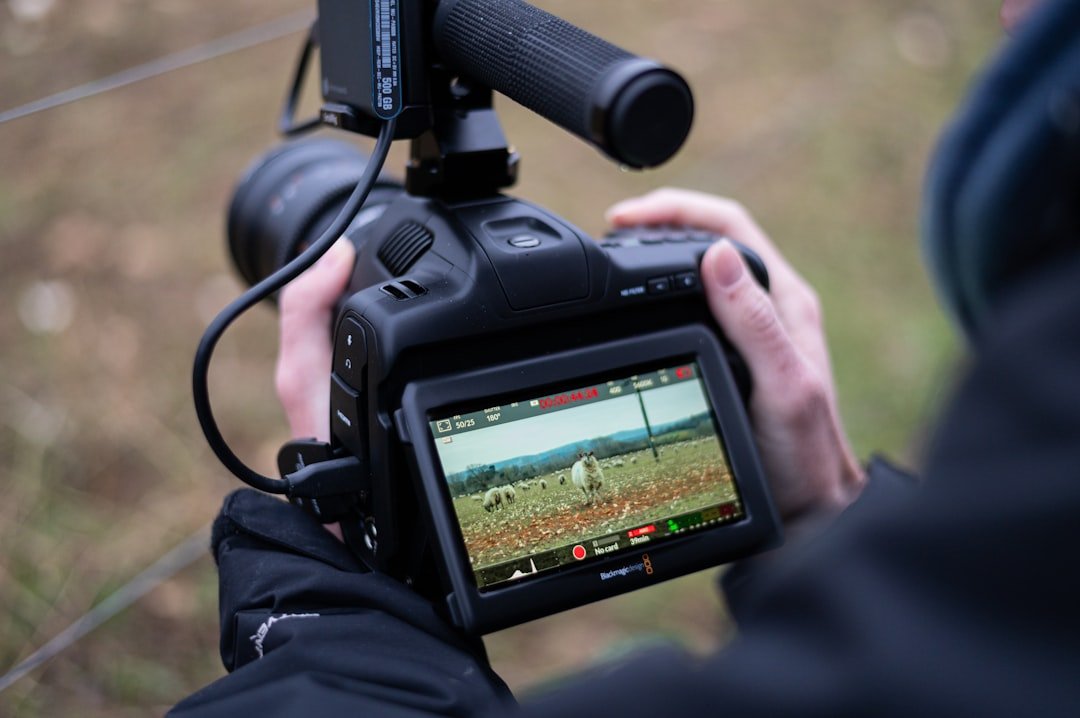
Once, tracking meant boot prints and luck; now it means satellites, bioacoustics, and environmental DNA. Collars and tags ride on the backs of elk and sharks, beaming out maps that reveal hidden choke points. Autonomous recorders catch calls we never knew existed, letting teams estimate population size without laying eyes on shy animals. In a river, a liter of water can hold traces of dozens of species, each a genetic breadcrumb that says who passed by. When a “Pisces species” slips through muddy water at night, eDNA catches what flashlights miss.
Machine learning has changed the game in the same quiet way sea fog changes a coastline – subtly, then all at once. Camera traps now sort millions of images in hours, flagging poachers and rare cats with uncanny accuracy. Drones stitch together thermal mosaics that spot nests no human would see. And cloud dashboards let rangers set real‑time patrol routes instead of chasing yesterday’s footprints. If the old tools were compasses, these are star charts with coordinates down to the second.
Field Notes From the Signs
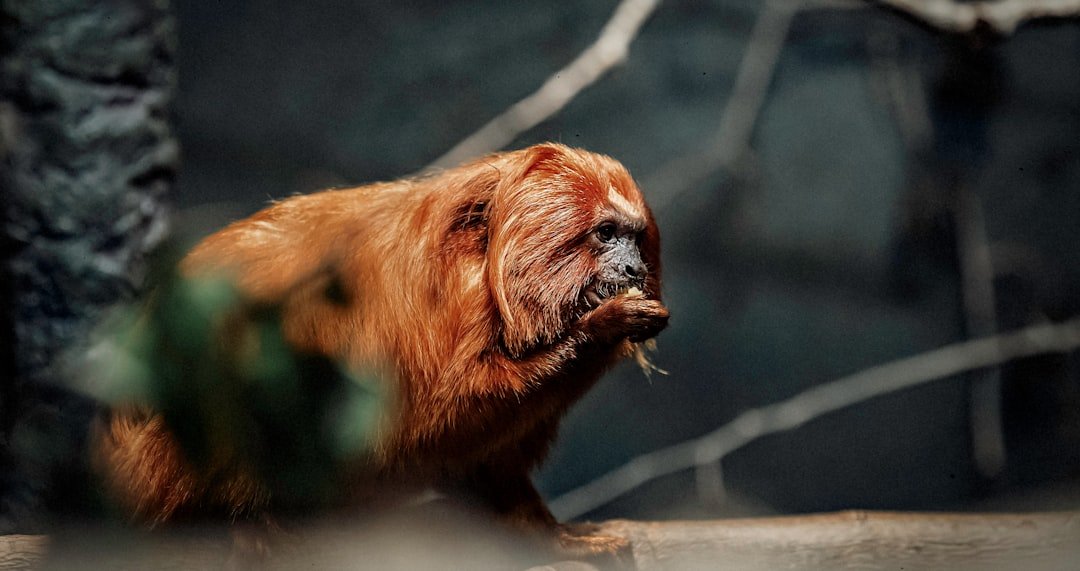
Here’s how the signs might behave if they were species under stress, mapped to real‑world risk patterns biologists watch. A fiery, fast‑moving “Aries species” charges across roads and fence lines, thriving until fragmentation makes boldness costly. A rooted “Taurus species” resists shifting to new forage, paying a price when climate flips the menu. A quick‑learning “Gemini species” tries novel foods and urban edges, buying time in landscapes that change too fast. A den‑loyal “Cancer species” defends flooded nests, needing habitat lifts and living shorelines to keep pace with rising seas. A display‑driven “Leo species” becomes visible to predators and people, demanding safe zones and seasonal closures.
A precise “Virgo species” needs clean water to the degree, suffering when pollution creeps up by inches. A weighing‑every‑option “Libra species” delays migration until windows close, calling for cues restored by dam releases and dark nights. A secretive “Scorpio species” avoids open corridors, so protected stepping‑stones matter more than vast reserves. A rangy “Sagittarius species” depends on cross‑border treaties to keep flyways intact. A “Capricorn species” climbs to cooler slopes, then runs out of mountain, making climate corridors non‑negotiable. An inventive “Aquarius species” exploits artificial reefs and novel shelter, while a current‑bound “Pisces species” needs flows that match its ancestral clock.
- Habitat loss and degradation remain the leading drivers of extinction risk worldwide.
- Noise, light, and chemical pollution reshape behavior in ways that cascade through food webs.
- Connectivity – safe passage between key habitats – often determines whether small populations recover or collapse.
Global Perspectives
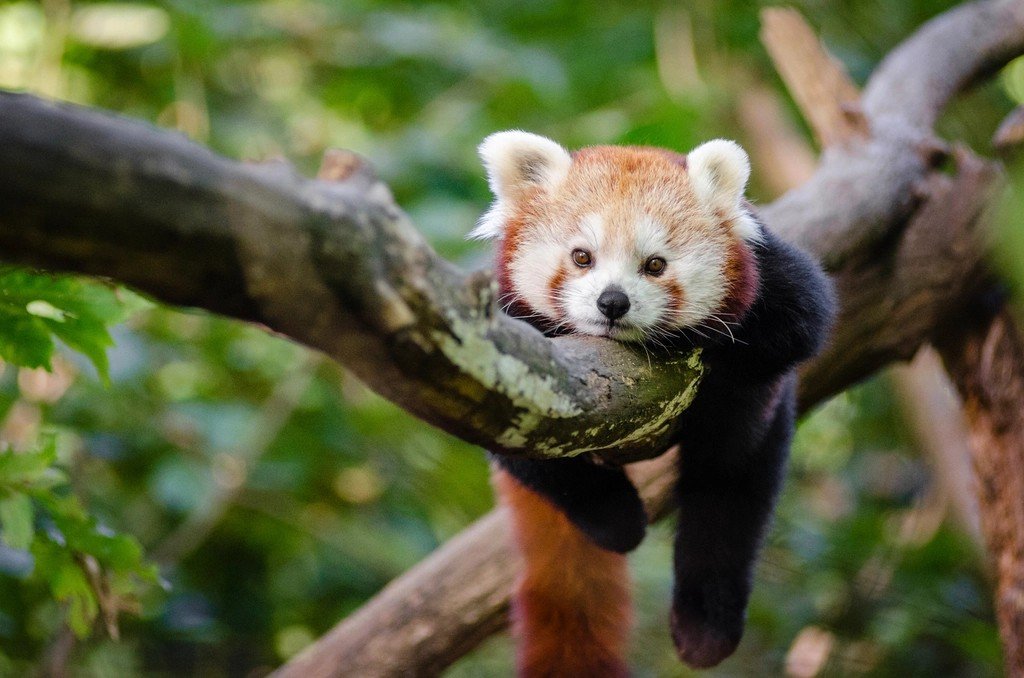
Risk looks different on every continent, but the playbook rhymes. In the Gulf of California, tiny porpoises tangle in illegal nets; in Southeast Asia, forests shrink into patchwork that traps elephants in crop fields. Island species face a double bind: invasive predators and storms that are stronger and wetter than the ones they evolved with. High‑altitude specialists, from Andean amphibians to Himalayan cats, are being squeezed toward the sky. In temperate zones, river systems are warming and pulsing with erratic flows, scattering fish that relied on stable cues.
Policy shapes the map of winners and losers. Where marine sanctuaries guard feeding lanes, great whales gain body weight and calves survive at higher rates. Where indigenous stewardship leads the way, fire and grazing are used like precision tools instead of blunt instruments. Some regions invest in wildlife crossings that stitch habitats back together, and the returns are immediate. Others still treat conservation like an afterthought, and the losses follow like low tide pulling a shoreline bare.
Why It Matters
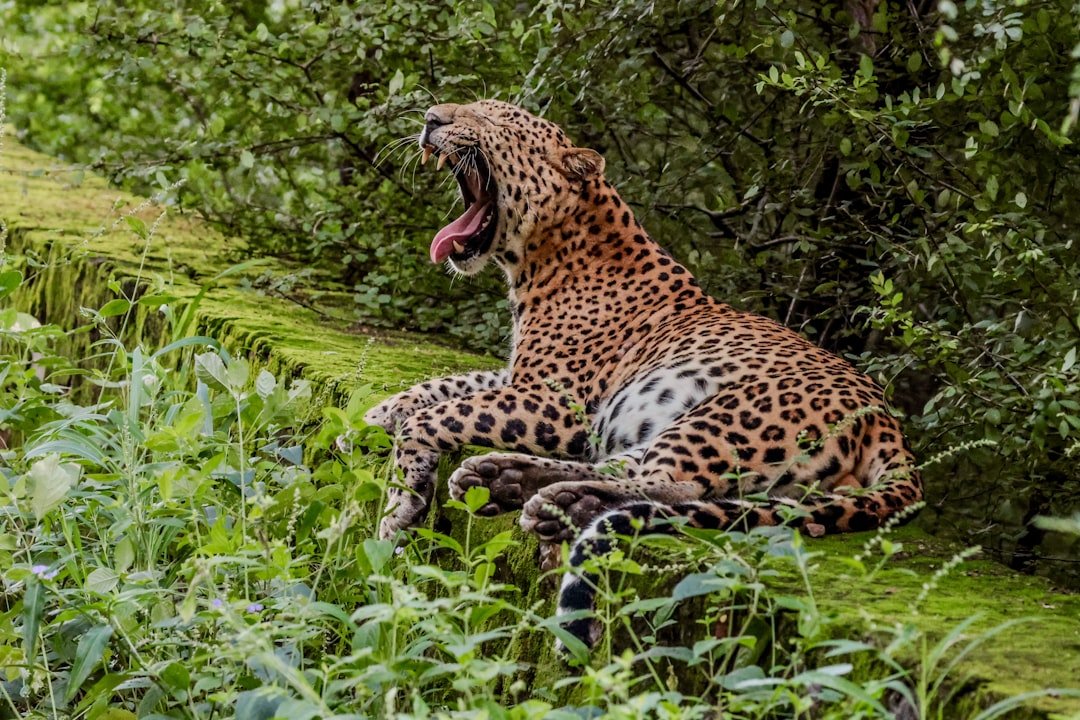
Endangered species protection is not a boutique concern; it’s infrastructure maintenance for the living world. Pollinators anchor harvests, predators keep disease in check, and intact wetlands blunt storms that would otherwise shred coastlines. Strip these functions away and the repair bill comes due with interest. Framing behaviors through zodiac archetypes isn’t science in itself, but it’s a bridge that gets more people onto the evidence. If a metaphor helps a reader see why a turtle needs dark nights or a sandpiper needs undammed pulses, that’s a win for the real animals.
Traditional conservation communication leaned on doom, but behavior‑first storytelling offers agency. It shows levers we can pull: quieting a shipping lane, cooling a stream, or widening a corridor. It also corrects old assumptions, like the idea that protected acreage alone is enough. Without the right rhythms – temperature, light, noise, flow – acreage is a postcard, not a habitat. The stakes are practical, measurable, and shared.
The Future Landscape

Near‑term breakthroughs will likely come from better sensing and smarter routing. Low‑cost tags the size of grains will let researchers track insects across continents, filling gaps we’ve guessed at for decades. AI will forecast conflict hotspots days ahead, steering rangers and communities before trouble starts. Assisted gene flow may bolster fragile populations with genetic diversity from nearby, buying time while climate corridors come online. None of this negates the basics; it just makes them faster and more precise.
There are hazards on the horizon. Interventions that tinker too deeply can backfire, or create dependence that outlives funding. Climate extremes will test projects that looked solid on paper, and supply chains for restoration materials are not guaranteed. Global coordination remains uneven, especially where geopolitics cuts across migration routes. We’ll need steady investments and transparent metrics so successes travel as quickly as new threats do.
What You Can Do Now
Start small and local, then scale your impact. Support land trusts and watershed groups that rebuild the rhythms species rely on – shade over streams, dark skies, native plants. Back policies that fund wildlife crossings, quiet shipping lanes, and protect nursery grounds during breeding seasons. Choose seafood and farm products certified for habitat safeguards, and push your city to treat light and noise as pollution, not ambiance. Talk about species as neighbors with personalities and needs, not as icons on a poster.
If you want to go a step further, fund the tools that speed the science: community bioacoustics, eDNA kits for schools, or rapid‑analysis camera networks. Volunteer for seasonal counts that feed into global datasets, where one morning of your time can sharpen a continent‑wide model. Share stories that connect behavior to solutions – because attention is the currency that buys better outcomes. The arc of conservation bends toward pragmatism when more hands are on the rope. Ready to pull with us?
Suhail Ahmed is a passionate digital professional and nature enthusiast with over 8 years of experience in content strategy, SEO, web development, and digital operations. Alongside his freelance journey, Suhail actively contributes to nature and wildlife platforms like Discover Wildlife, where he channels his curiosity for the planet into engaging, educational storytelling.
With a strong background in managing digital ecosystems — from ecommerce stores and WordPress websites to social media and automation — Suhail merges technical precision with creative insight. His content reflects a rare balance: SEO-friendly yet deeply human, data-informed yet emotionally resonant.
Driven by a love for discovery and storytelling, Suhail believes in using digital platforms to amplify causes that matter — especially those protecting Earth’s biodiversity and inspiring sustainable living. Whether he’s managing online projects or crafting wildlife content, his goal remains the same: to inform, inspire, and leave a positive digital footprint.