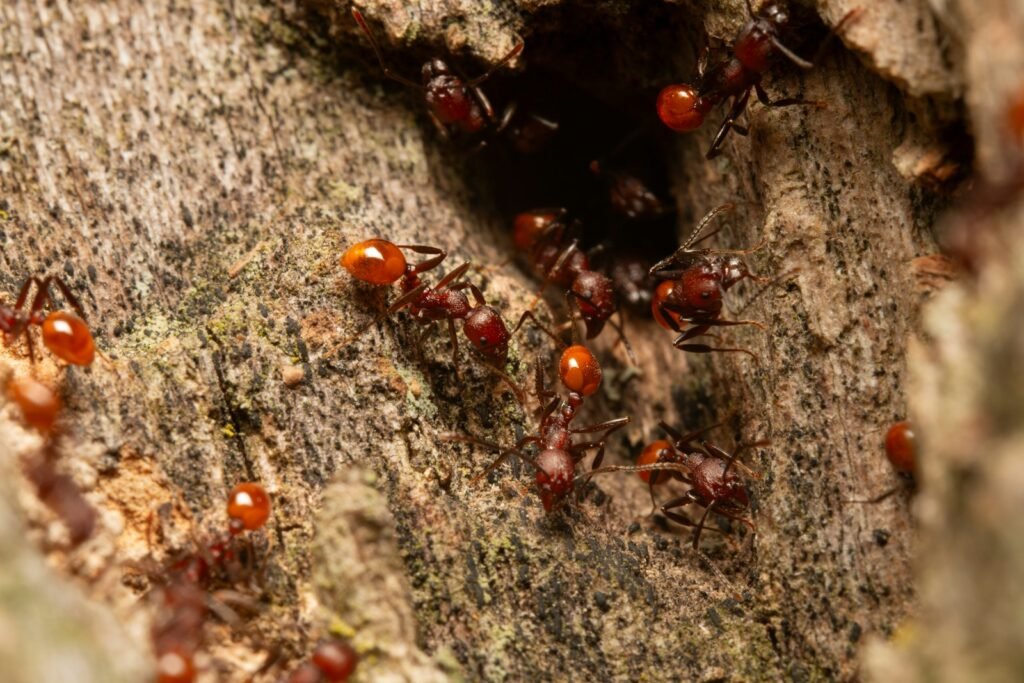

Some cities hum with glass and steel; others pulse in damp darkness, sculpted grain by grain. Scientists are peering into those hidden realms and finding deliberate order where we once saw chaos. The mystery is simple to state and thrilling to solve: how do tiny insects, with no architect or blueprint, build sprawling networks that regulate air, water, traffic, and disease? New imaging and field experiments are revealing that ant nests are more than holes in the ground – they are living infrastructures tuned to physics and behavior. What looks like instinct is often a set of robust rules that rival the algorithms engineers write for swarms of robots.
The Hidden Clues
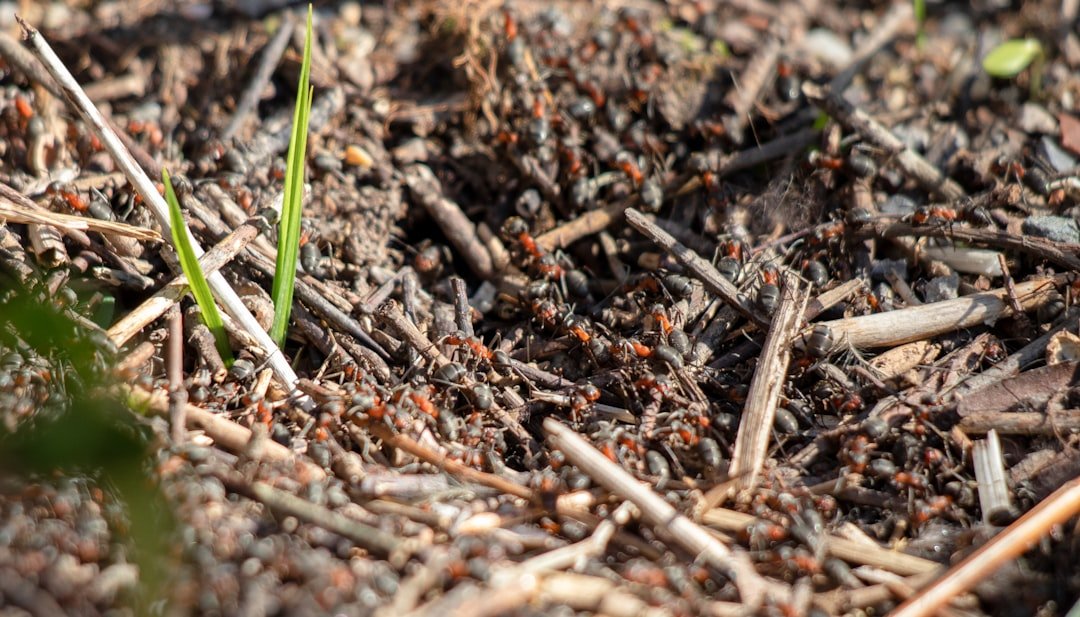
What looks like a random maze is actually a readable record of collective decisions, etched in soil. Each tunnel angle, chamber size, and junction spacing reflects constraints that ants resolve on the fly: humidity gradients, temperature shifts, and the changing needs of brood and fungus. When researchers map nests layer by layer, they see repeating motifs – vertical shafts for fast movement and lateral galleries for work – like the backbone and ribs of a subterranean cathedral. I remember watching time-lapse footage of a colony rebuilding after a rainstorm; the first paths reopened weren’t the shortest, but the ones that restored airflow. That choice told me more than any diagram: survival, not symmetry, guides the first drafts of their underground plans.
These clues accumulate with every excavation and scan. Plaster and metal casts of abandoned nests, while dramatic, are only snapshots; live-tracking shows tunnels constantly being trimmed, widened, or sealed. The city is never finished, because the city is a response. That dynamic quality is precisely what gives ant architecture its resilience. It bends, it breathes, and it self-edits under pressure.
From Ancient Tools to Modern Science
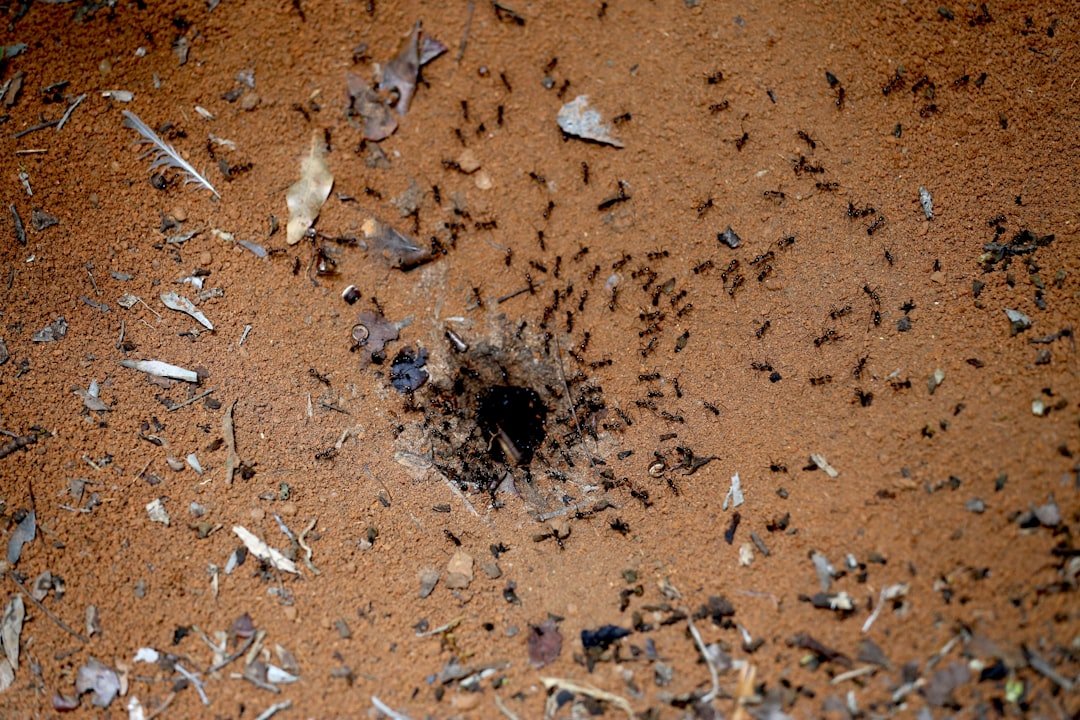
Early naturalists relied on careful digging and sketching to reconstruct nests, often losing fragile passageways in the process. The turning point came with casting techniques that preserved entire networks, revealing skyscraper-deep shafts branching with mathematical regularity. Today, ground-penetrating radar, micro-CT scanning, and electrical resistivity mapping add a noninvasive view, letting scientists compare living structures across seasons and species. The result is a layered dataset: geometry, material properties, and the flow of air and ants through a porous, shifting medium. Those layers turn a dark hole into a testable model of collective design.
Modern experiments also bring the underground above ground. Transparent soil substitutes, controlled humidity chambers, and granular physics rigs recreate nest growth in the lab. I’ve seen teams seed arenas with different particle sizes and watch colonies sort them the way a mason chooses brick and mortar. By toggling temperature or CO₂, researchers can trigger remodels and measure response times. It’s a rare luxury in urban science: the city’s planners are available for repeatable trials.
Underground Blueprints: How Ants Plan Without Plans
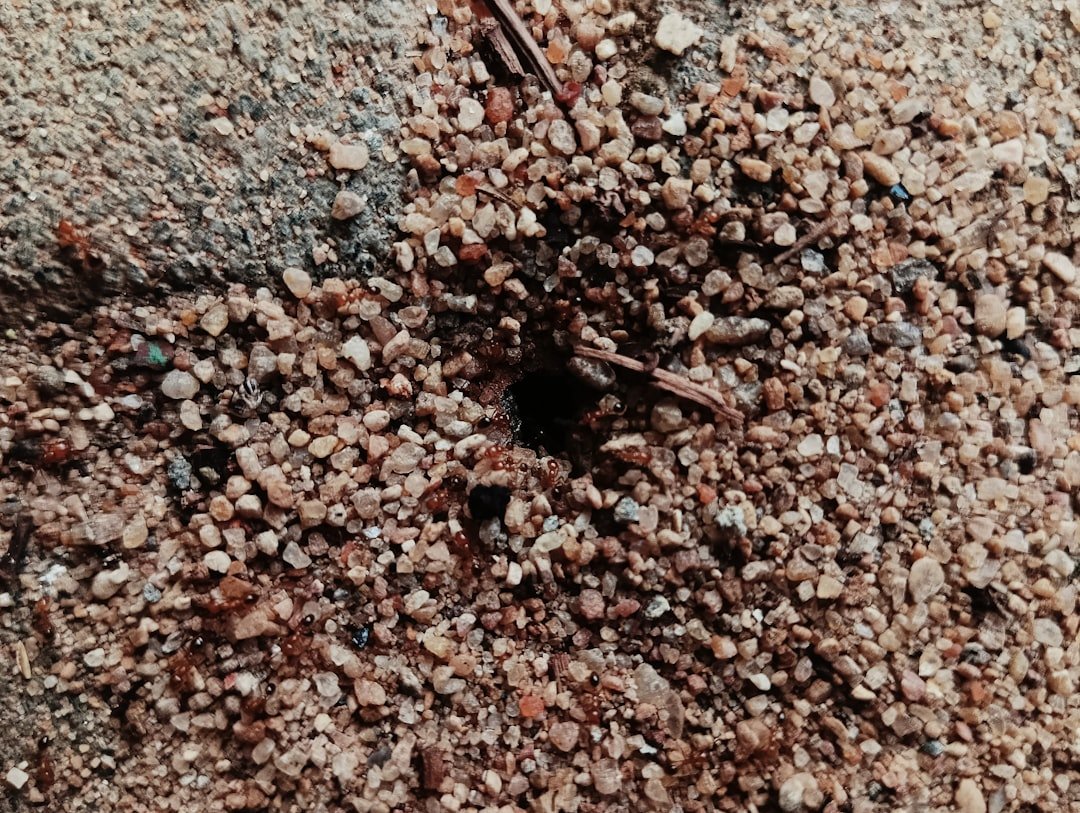
Ants don’t carry floor plans; they carry rules. That approach, called stigmergy, means each action leaves a trace – an odor, a crumb of moved soil, a draft – that nudges the next action. If a tunnel feels too dry, workers add damp grains; if CO₂ builds, they reopen a shaft where a breeze can form a pressure gradient. Over thousands of micro-decisions, clustered behaviors assemble into chambers for larvae, nurseries near warmth, and pantries at stable humidity. The queen isn’t in charge of this; the environment acts like the foreman, rewarding useful choices and discouraging bad ones.
The genius lies in error tolerance. If one worker misjudges, neighboring workers correct by adding or removing just a few grains, like editors tightening a paragraph. Traffic also shapes geometry: ants reinforce the routes that carry the most value – food, brood, fresh air – while pruning back dead ends. It’s as if a subway map redraws itself every evening commute, optimizing for the morning rush without anyone issuing a memo.
Living Infrastructure: Ventilation, Moisture, and Waste
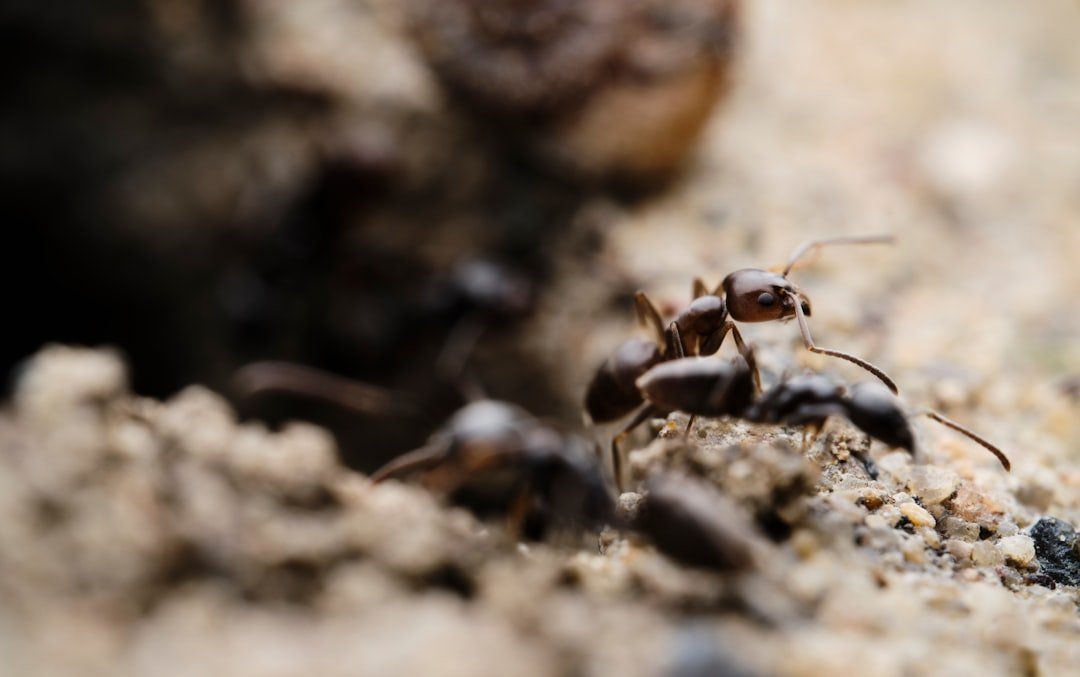
Ant cities breathe. Vertical chimneys and strategically placed openings harness tiny pressure differences to move air, sometimes aided by day–night temperature swings. Chambers dedicated to brood sit in microclimates that balance warmth and humidity, while deeper vaults buffer against drought. Leafcutter ants add a striking twist: their fungus gardens thrive only within a narrow comfort zone, so colonies assemble distributed ventilation shafts that sweep away heat and CO₂ from decomposition. The architecture doubles as climate control, tuned automatically by local work.
Waste is kept far from life-support systems. Specialized refuse chambers, often isolated by narrow bottlenecks, reduce the spread of pathogens and keep nest air sweet. Workers that handle waste may limit contact with brood areas, creating a spatial form of hygiene. When rain threatens to flood low chambers, ants plug pores like closing storm shutters. The city behaves as a membrane, not a monument – selective, responsive, and alive.
Traffic Control at Scale
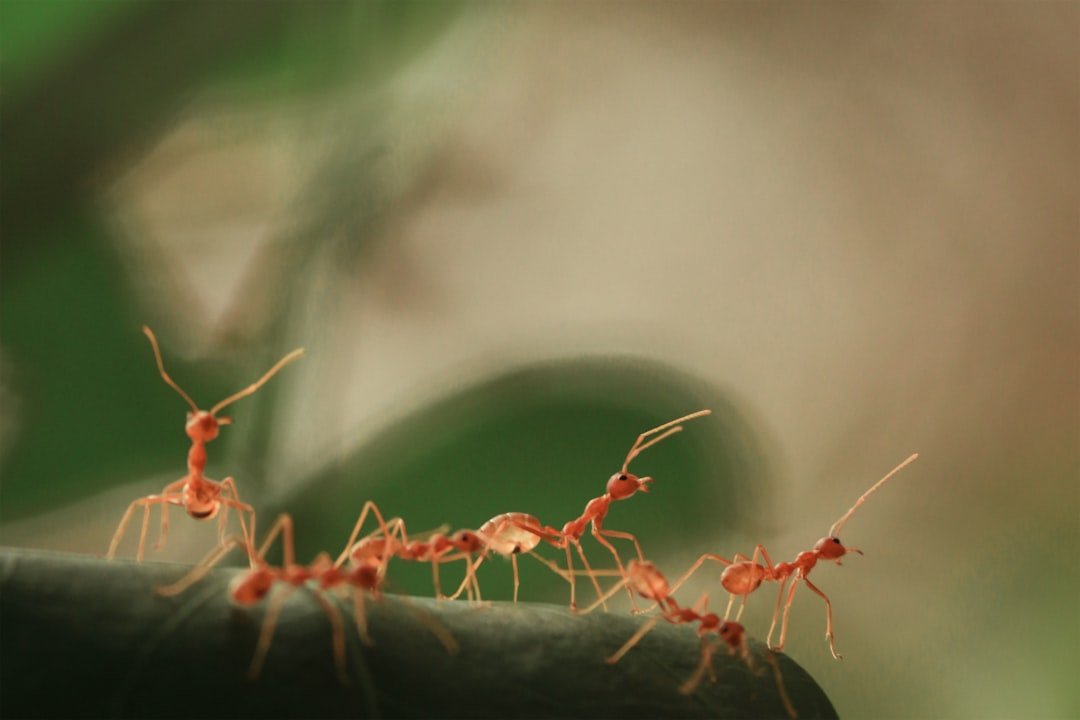
Every city worries about congestion; ants solve it with etiquette rather than enforcement. In narrow tunnels, workers turn sideways or pause to let laden foragers pass, a simple courtesy that prevents jams from forming. Colonies also distribute excavation across multiple fronts, so spoil moves along several routes instead of one bottlenecked corridor. Field observations show that busy passages don’t get wider indefinitely; instead, colonies open parallel lanes, which makes the system robust to collapse or attack. The effect is uncanny: the flow rates stay steady even when the workforce surges.
Mathematically, this looks like a series of local rules that keep density below a critical threshold. Ants sense crowding through touch and chemical cues; if contact frequency spikes, they choose alternate routes or pause. Engineers borrow that logic for traffic simulations and warehouse robots, because it scales without needing a central controller. I’ve watched ants reroute around a single dropped twig and restore normal flow within minutes. Their secret isn’t speed; it’s graceful fallback plans baked into behavior.
Why It Matters
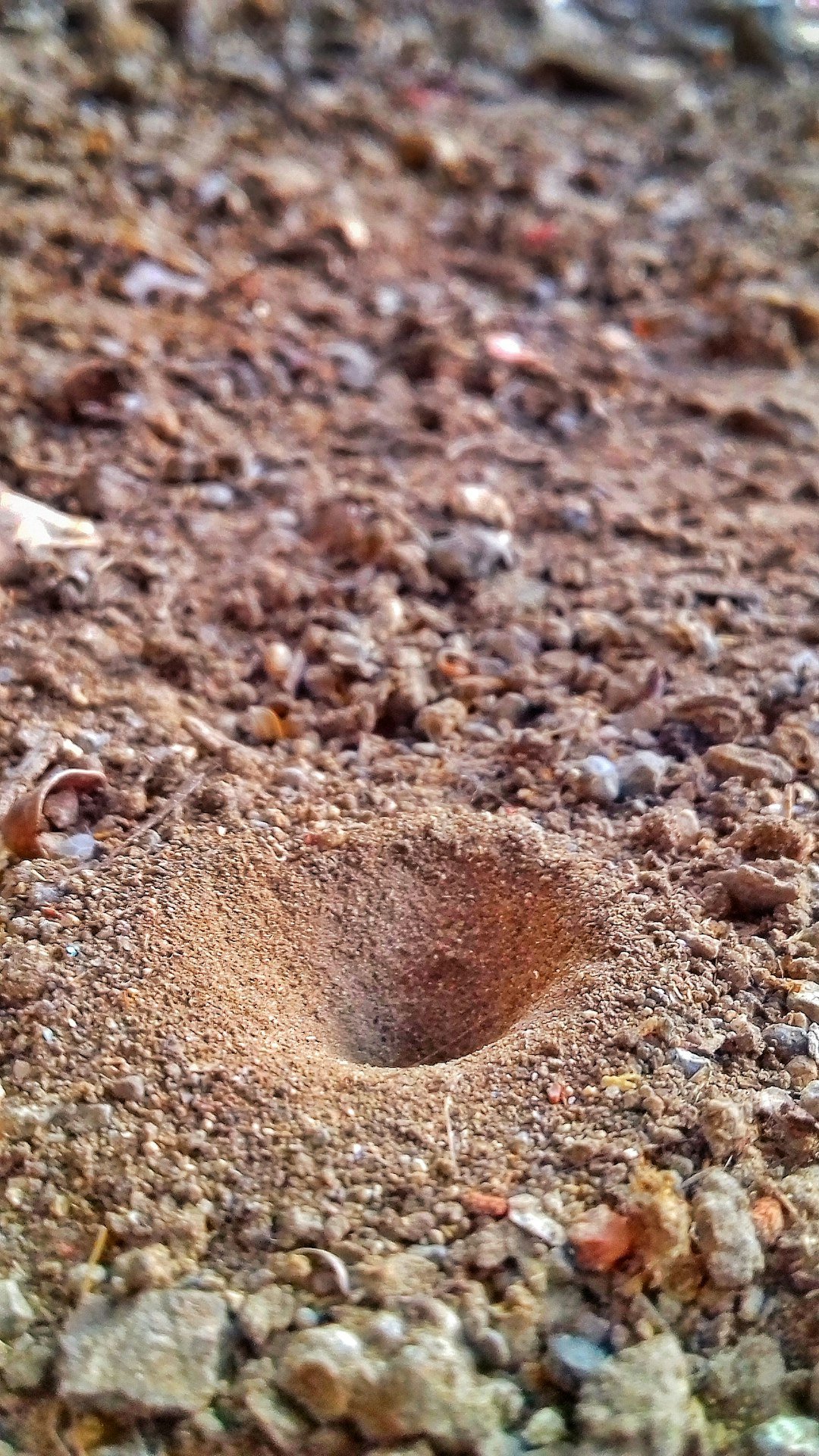
Understanding ant architecture isn’t trivia; it’s a blueprint for resilient systems. Our buildings often fail when assumptions break – power dies, pumps stall, or a chokepoint clogs – whereas ant nests default to safer states using physics and redundancy. Urban planners can learn from their ventilation strategies, which rely on pressure differences and layout, not only on energy-hungry fans. Disaster response can copy their habit of opening parallel routes and preserving lifelines first, rather than chasing symmetry. Even cybersecurity borrows from this mindset: multiple pathways, fast local repair, and no single point of failure.
There’s also a soil story with real-world stakes. Ant tunneling aerates ground, improves infiltration, and mixes organic matter, quietly influencing agriculture and carbon dynamics. When colonies disappear from degraded landscapes, the soil literally breathes less. That feedback loop adds urgency to conserving the ecosystems that sustain these builders. In short, the ants’ city is part of our city, whether we notice it or not.
The Future Landscape
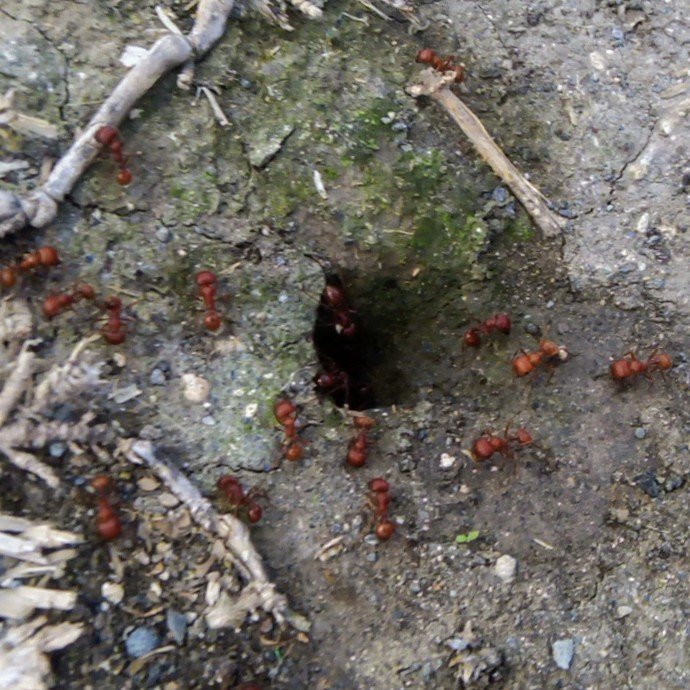
The next decade belongs to bio-inspired engineering that takes ants seriously. Swarm robots are learning to excavate and transport like miniature crews, using touch and simple signals instead of high-bandwidth maps. Architects are exploring passive ventilation inspired by insect mounds and nests, crafting buildings that self-regulate air with tuned shafts and thermal gradients. In planetary exploration, autonomous diggers could carve safe habitats in regolith, guided by rules that ants refined over millions of years. The goal isn’t to copy every tunnel, but to copy the logic – build with uncertainty in mind.
Challenges remain. We still don’t fully understand how colonies balance competing needs when conditions flip quickly, or how genetics and experience interact to produce construction roles. Measuring airflows and stresses deep in living nests is hard, and translating those measurements to city-scale design is harder. Yet the payoffs are large: safer housing in heat waves, infrastructure that fails gracefully, and robots that cooperate without a command tower. If we let nature be our lab partner, we’ll spend less time firefighting and more time future-proofing.
Conclusion
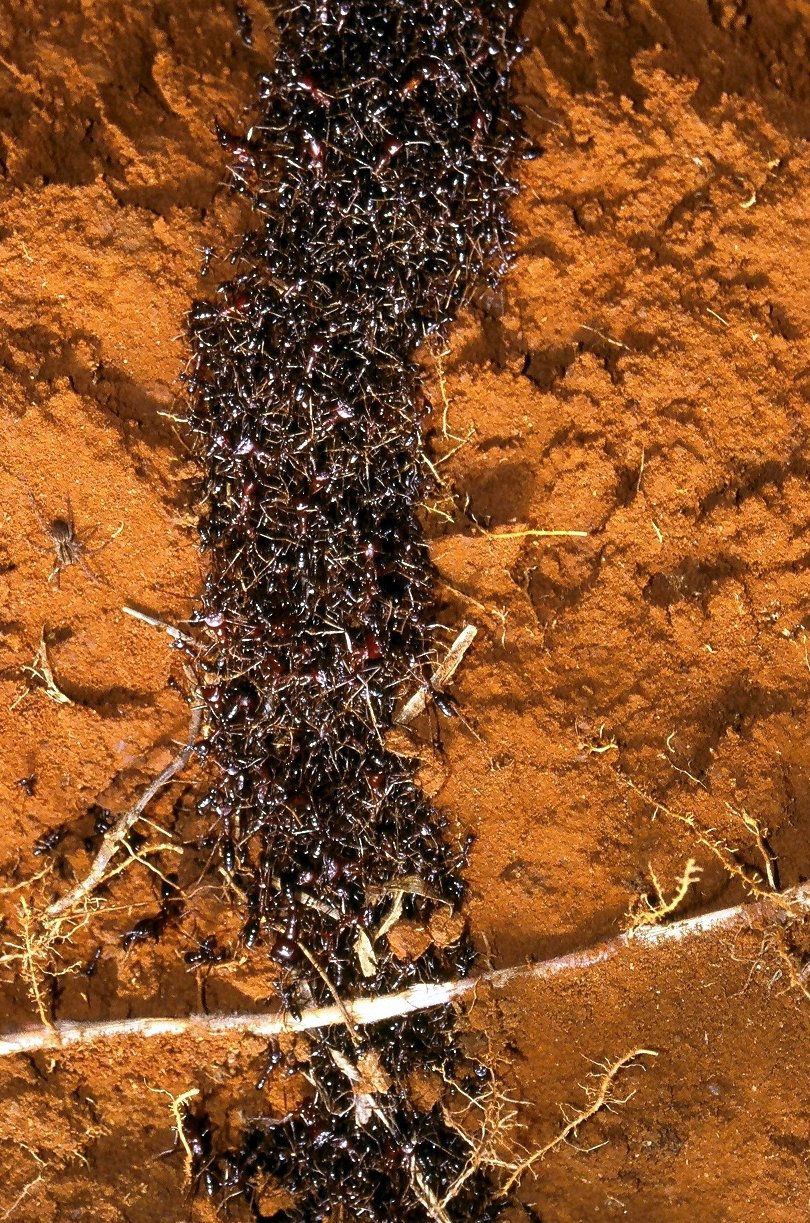
Start small: notice the builders under your feet. If you garden, leave a patch of undisturbed soil and observe how tunnels change after rain; you’ll see engineering decisions in real time. Support local habitat projects that protect native ant species, which in turn support soil health and pollinators. In classrooms and makerspaces, encourage students to prototype ventilation shafts or traffic rules based on ant logic, then test them with fans, sand, and toy robots. These aren’t just science projects; they’re practice runs for more resilient designs.
You can also back research and open-data efforts that share nest maps and behavioral datasets. When communities, scientists, and tinkerers swap models and code, ideas leap from lab benches to job sites. And if you work in architecture, logistics, or emergency planning, ask a provocative question at your next meeting: what’s the ant-inspired alternative? Sometimes the smartest city planners are six-legged and anonymous. We can still learn their language – and build better because of it.
Suhail Ahmed is a passionate digital professional and nature enthusiast with over 8 years of experience in content strategy, SEO, web development, and digital operations. Alongside his freelance journey, Suhail actively contributes to nature and wildlife platforms like Discover Wildlife, where he channels his curiosity for the planet into engaging, educational storytelling.
With a strong background in managing digital ecosystems — from ecommerce stores and WordPress websites to social media and automation — Suhail merges technical precision with creative insight. His content reflects a rare balance: SEO-friendly yet deeply human, data-informed yet emotionally resonant.
Driven by a love for discovery and storytelling, Suhail believes in using digital platforms to amplify causes that matter — especially those protecting Earth’s biodiversity and inspiring sustainable living. Whether he’s managing online projects or crafting wildlife content, his goal remains the same: to inform, inspire, and leave a positive digital footprint.