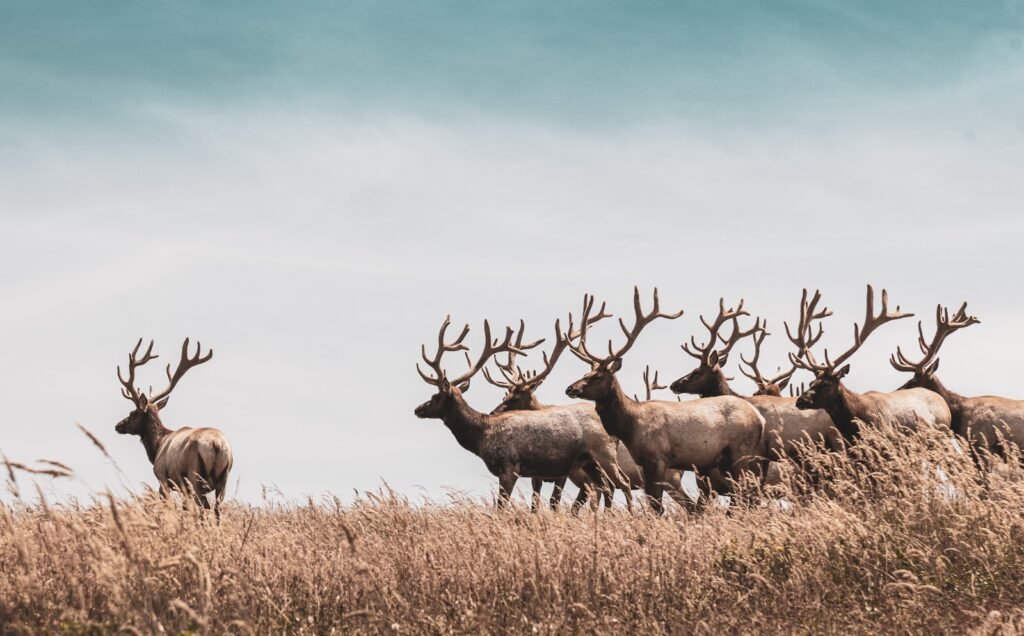
When you spot a majestic bald eagle soaring overhead or catch a glimpse of a whooping crane in its wetland habitat, you’re witnessing something truly remarkable. These aren’t just random bird encounters – they’re living proof that conservation science works. Just a few decades ago, many of these species were teetering on the edge of extinction, their futures hanging by a thread.
Today, their populations are steadily climbing back from the brink, thanks to innovative scientific approaches, dedicated conservationists, and sometimes surprising partnerships. From military bases that became unexpected sanctuaries to high-tech solutions that teach young birds ancient migration routes, these recovery stories reveal how modern conservation blends cutting-edge science with old-fashioned determination.
Red-cockaded Woodpecker: From Desperate to Downgraded
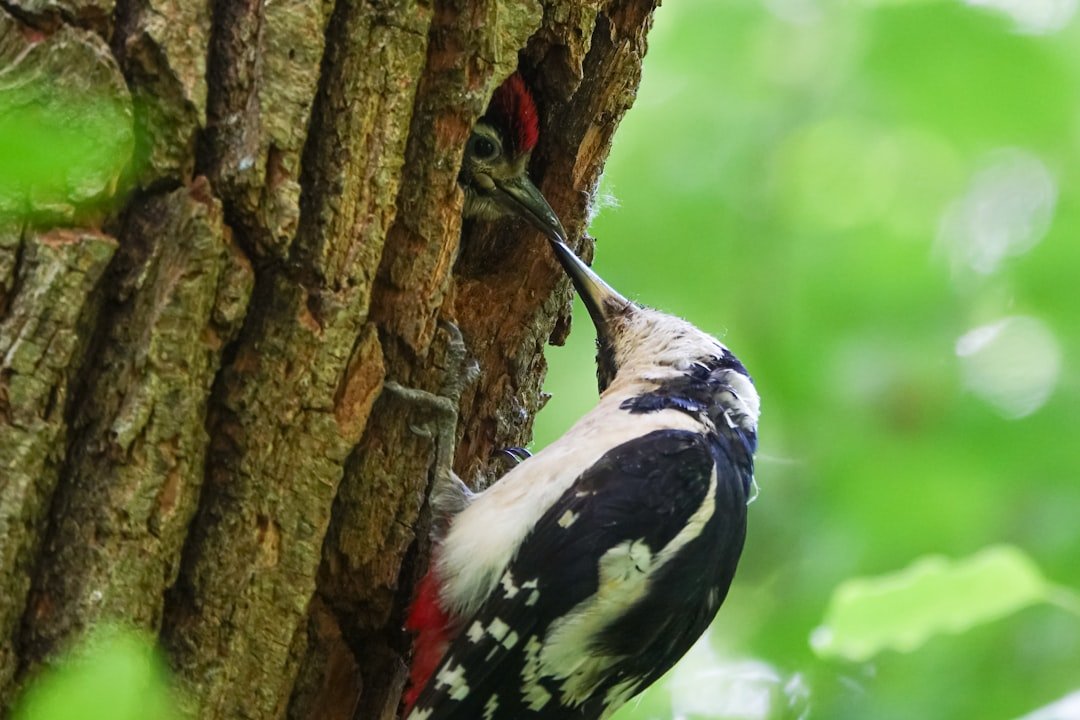
The red-cockaded woodpecker just achieved something remarkable in October 2024. The U.S. Fish and Wildlife Service is downlisting the red-cockaded woodpecker from endangered to threatened status under the Endangered Species Act. This milestone represents more than five decades of collaborative conservation work that pulled these distinctive birds back from near-extinction.
Red-cockaded woodpeckers were recognized as endangered in 1970 and were given protection under the Endangered Species Act of 1973. The population estimate at the passing of the bill was fewer than 10,000 birds. What makes this species particularly challenging to conserve is their unique nesting behavior. While other woodpeckers excavate cavities in dead trees, red-cockaded woodpeckers bore holes for nests solely in living pine trees that are generally 60-80 years old.
The recovery story involves some unlikely heroes. Military installations across the Southeast became crucial partners, with no fewer than eight Army installations, four Air Force installations and one Marine Corps installation all made commitments to recovery goals for red-cockaded woodpeckers. At Fort Benning alone, in 1998, Fort Benning reported a red-cockaded woodpecker population of 153 potential breeding groups. Their recovery goal was having 351 breeding groups, which has been exceeded with an estimated 412 breeding groups currently in population.
Bald Eagle: America’s Symbol Soars Again
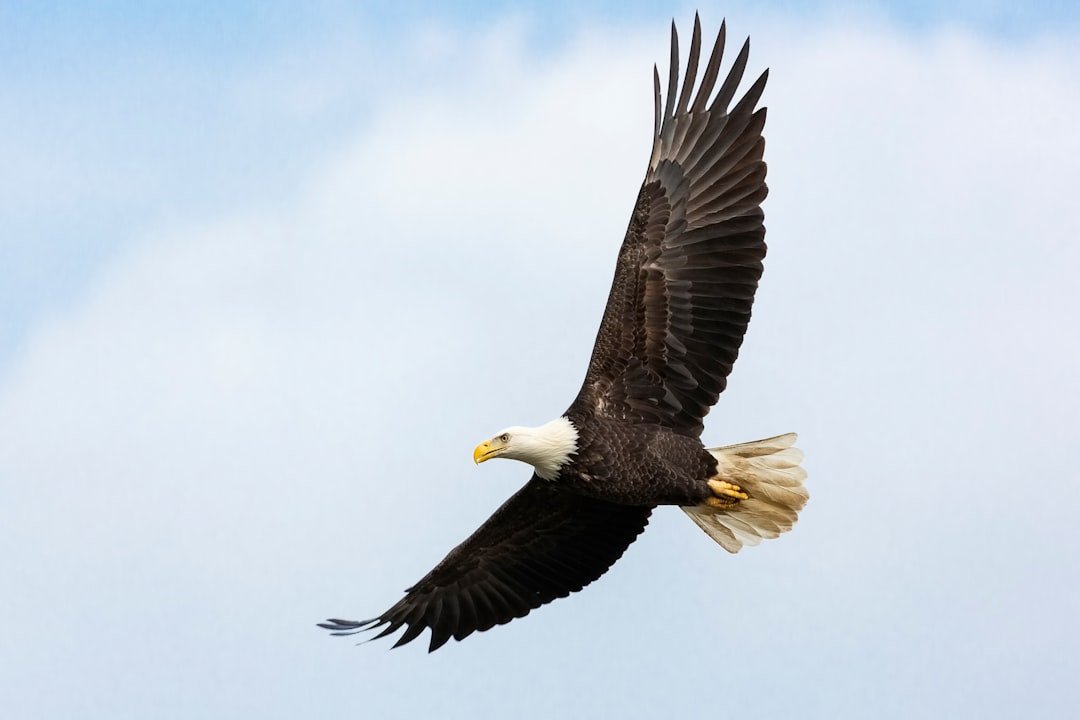
The bald eagle’s comeback story reads like a conservation fairy tale. By the early 1960’s, the count of nesting bald eagles plummeted to about 417 nesting pairs in the lower 48 states. The culprit was DDT, a pesticide that weakened their eggshells and made successful reproduction nearly impossible. In the mid-20th century, these iconic birds were critically endangered, primarily due to the use of DDT, a pesticide that weakened their eggshells.
The turning point came with Rachel Carson’s groundbreaking work. In 1962, Rachel Carson’s landmark conservation science book Silent Spring brought to light the detrimental effects of DDT on birds and the environment, and under mounting pressure, the EPA largely banned the use of DDT in 1972. This ban, combined with Endangered Species Act protections and careful breeding programs, transformed the species’ fate.
Today’s numbers tell an extraordinary success story. As of 2021, the bald eagle population climbed to an estimated 316,700 individuals. In Massachusetts alone, 2024 marked the 36th year that Bald Eagles have raised young in Massachusetts since their restoration. Since 1989, the number of known territorial pairs of Bald Eagles in MA has increased to 88. The species was officially removed from the endangered species list in 2007, proving that sometimes conservation victories can be total and lasting.
California Condor: Giants Learning to Fly Free
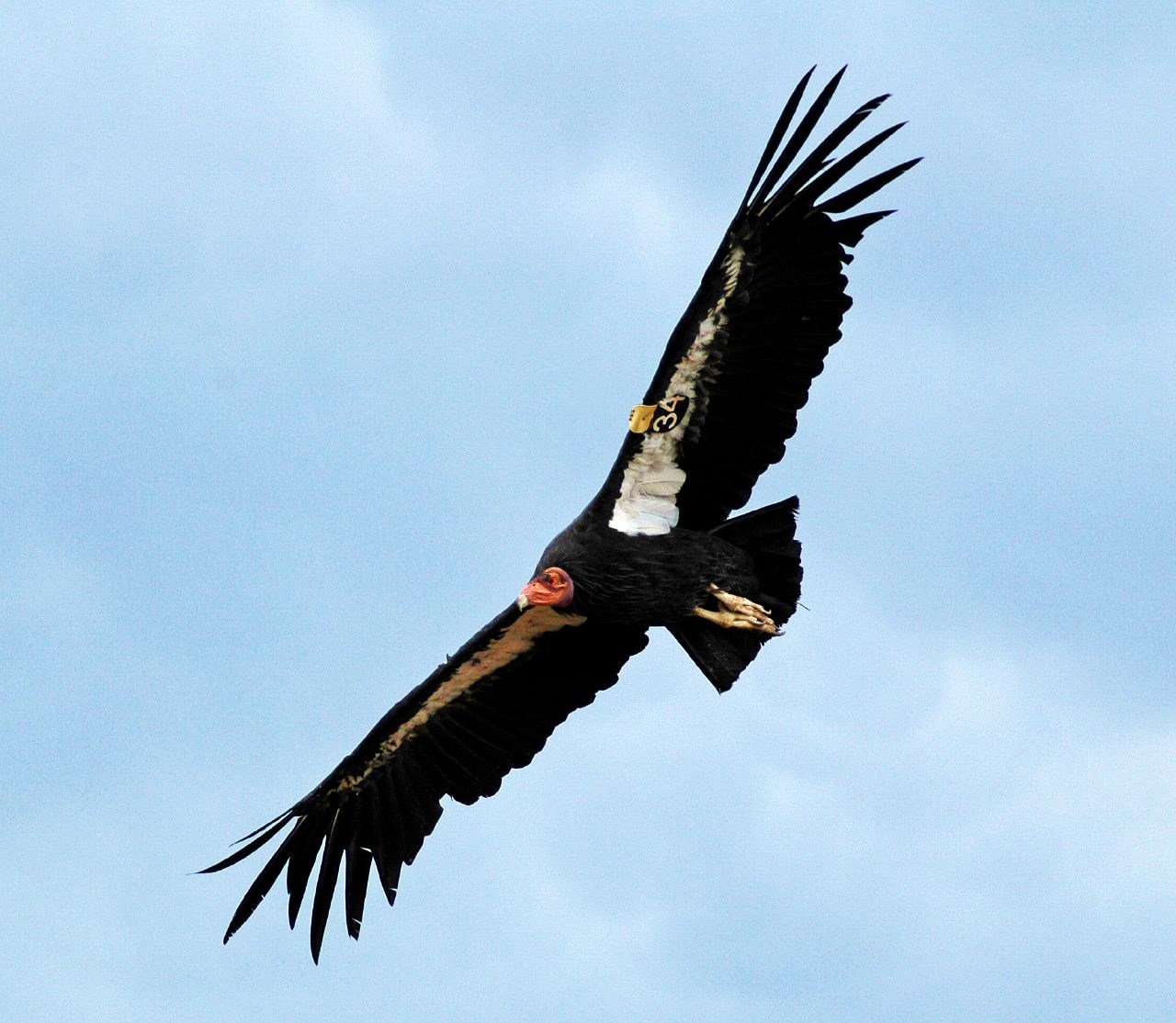
Nothing captures conservation’s audacity quite like the California condor recovery program. In 1987, the U.S. Fish and Wildlife Service made the bold, but risky decision to capture all remaining California condors in the wild, which by that time numbered only 27. This unprecedented move meant temporarily making the species extinct in the wild to save it from permanent extinction.
The gamble paid off spectacularly. Breeding efforts were successful, and in 1991, the condor recovery program began to release the birds back into the wild. Since then, the wild population has grown, and as of 2018 there were an estimated 537 California condors living in the wild or captivity, and in 2019 the 1,000th chick hatched since the launch of the recovery program. Today, California condors numbered as few as 10 in the wild in the 1980s and have rebounded to approximately 561 worldwide, with 344 living in the wild.
What makes this recovery even more meaningful is the cultural dimension. The Yurok Tribe, through the Yurok Condor Restoration Program and in partnership with the National Park Service and U.S. Fish and Wildlife Service, is leading the work to reintroduce prey-go-neesh (California condors) to Yurok Ancestral Territory and the Pacific Northwest. This partnership shows how traditional knowledge and modern science can work together to heal both ecosystems and cultural connections.
Whooping Crane: Teaching Giants to Migrate
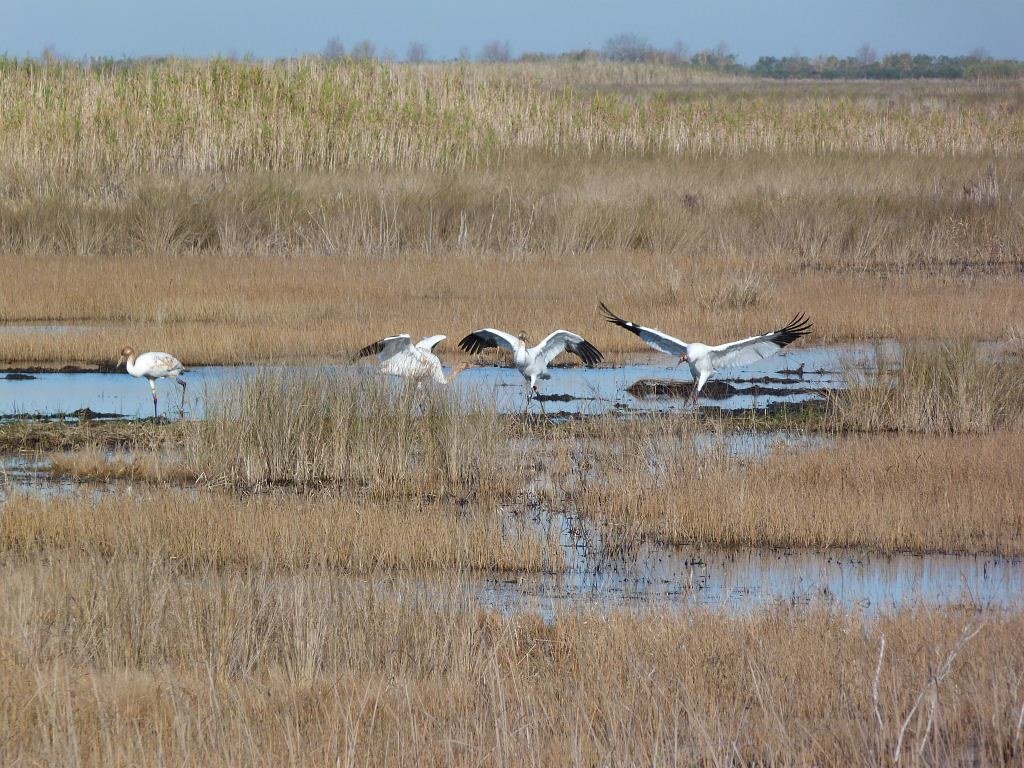
The whooping crane’s recovery story involves some of the most creative conservation techniques ever devised. By the time the whooping crane was listed as endangered in 1967, just 50 birds remained. Whooping cranes remain one of North America’s most threatened birds due to oil and gas development and collisions with aerial power lines, but their recovery to an estimated 500-600 birds today is a testament to the progress that is made possible by the Endangered Species Act.
But the real magic happens in how young cranes learn to migrate. Thanks to captive breeding programs and habitat conservation efforts, their numbers have increased to approximately 500-600. Conservationists have employed innovative techniques such as using ultralight aircraft to teach migration routes to young cranes, ensuring their survival in the wild. Picture this: human pilots in tiny aircraft leading graceful white giants across thousands of miles, recreating ancient migration patterns that had been lost.
The species’ recovery showcases how far conservationists will go to save a species. This hands-on approach has been pivotal in reestablishing migratory traditions. The Whooping Crane’s extraordinary recovery is a beacon of hope in bird conservation, highlighting the potential of technology and human dedication in saving a species. It’s like teaching someone to remember a song their ancestors sang – except the classroom is the entire North American sky.
Peregrine Falcon: Speed Demons Return to the Skies
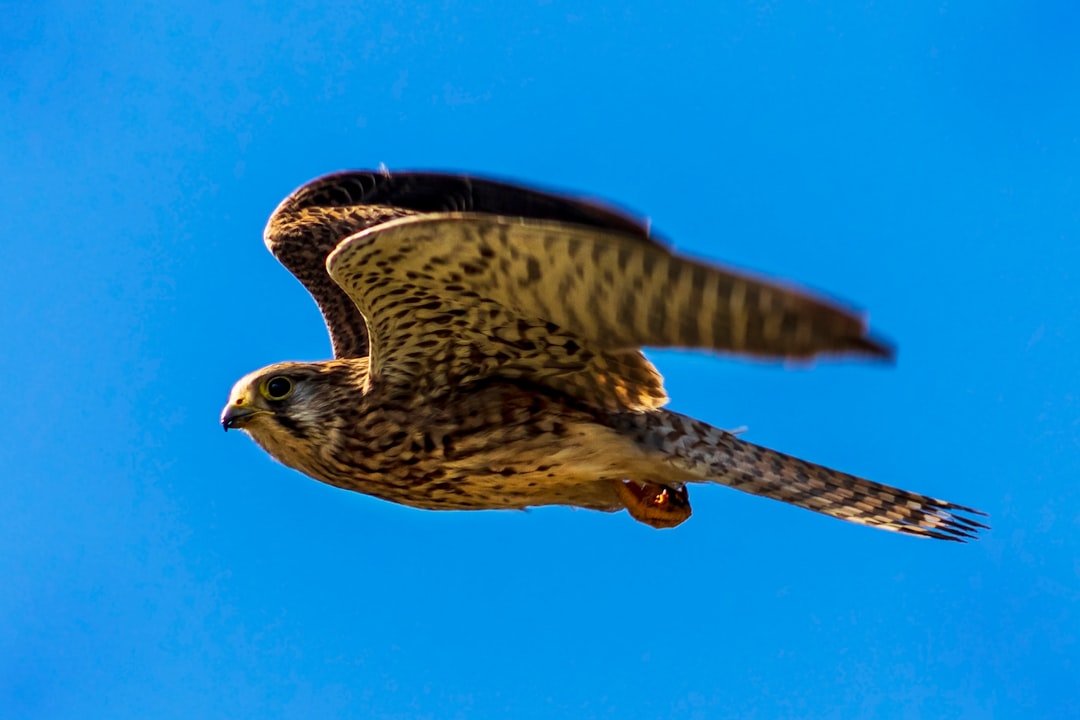
The peregrine falcon’s story demonstrates how quickly things can fall apart – and how dramatically they can recover. The U.S. population of peregrine falcons dropped from an estimated 3,900 in the mid-1940s to just 324 birds in 1975, and the falcon was considered locally extinct in the eastern United States. Like the bald eagle, these speed demons fell victim to DDT poisoning.
The species made an incredible comeback after DDT was banned and intensive conservation efforts began. Their comeback has been truly remarkable–today, there are approximately 3,500 nesting pairs in the United States. In Massachusetts, the numbers tell a particularly encouraging story. In 2024, there were 44 total territorial pairs that nested, of which 28 pairs were successful and fledged at least 75 chicks.
What’s fascinating is how adaptable these birds proved to be. Peregrine Falcons now breed annually in Massachusetts and remain in the state year-round. With modern construction, Peregrine Falcons in Massachusetts now nest on a wide range of structures, including many buildings and bridge, one cell tower, and quarries. These natural cliff-nesters learned to love skyscrapers and bridges, turning our urban landscapes into their hunting grounds. The species was removed from the federal endangered species list in 1999.
Brown Pelican: Coastal Comeback Kings
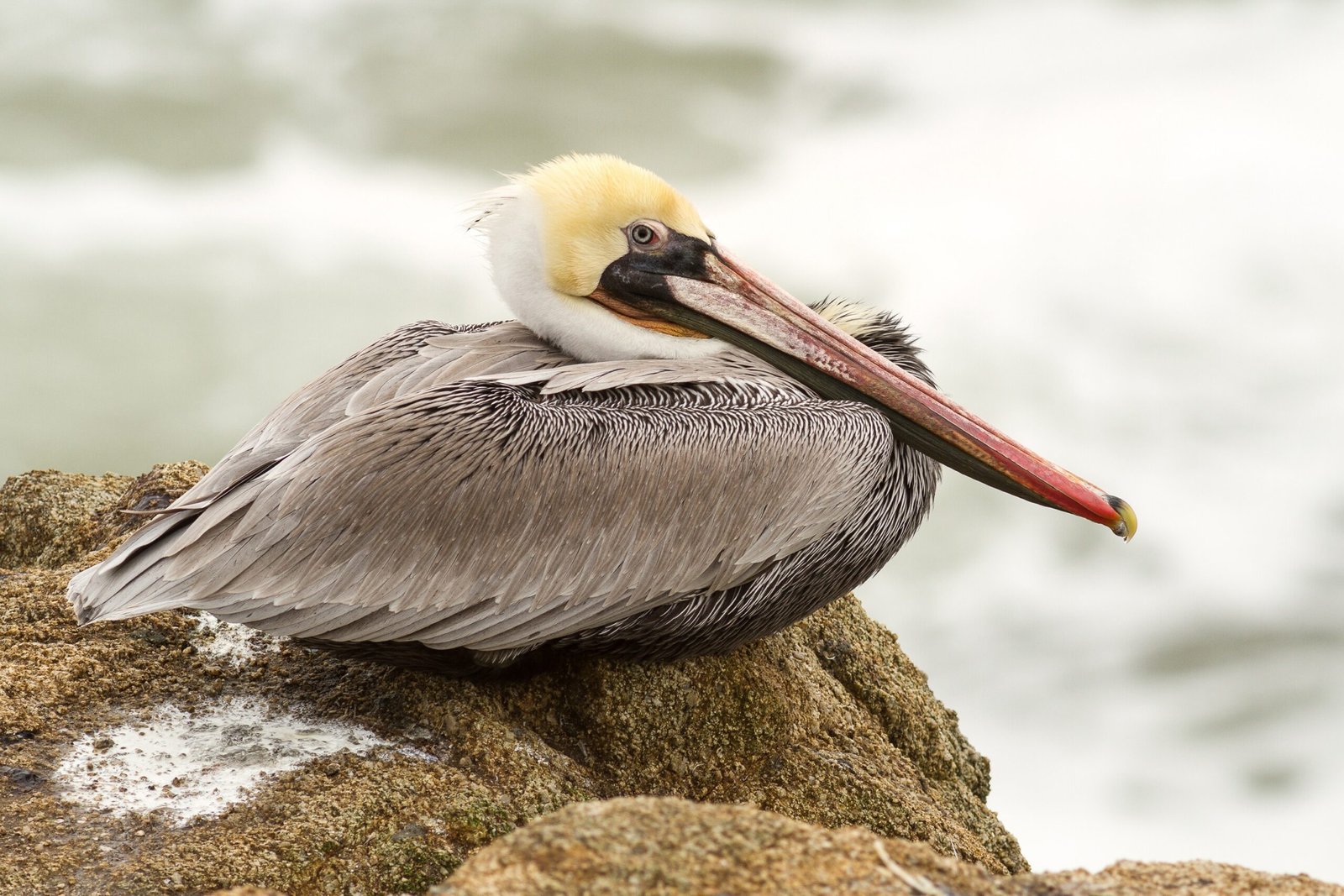
Brown pelicans showcase how habitat destruction and chemical pollution can devastate a species – and how dedicated conservation can bring them roaring back. Brown pelicans were dramatically impacted by habitat destruction and DDT. Driven to extinction in Louisiana, pelicans have made a dramatic comeback under the Endangered Species Act; in 2014, the population in Louisiana numbered 16,500 nesting pairs.
The pelican’s recovery represents one of conservation’s most complete victories. Thanks to ambitious reintroduction programs, the brown pelican was fully delisted in 2009. Today, beachgoers along the Gulf Coast and both seaboards can regularly witness these magnificent birds performing their spectacular diving displays – a sight that was once thought lost forever.
Their recovery also shows how conservation benefits entire ecosystems. When brown pelicans returned, they brought back their role as key indicators of coastal health. Their presence signals thriving fish populations and clean waters, making them living barometers of ocean ecosystem recovery. Watching a brown pelican fold its wings and plummet toward the water in a perfect dive is witnessing both natural artistry and conservation triumph in action.
Wood Stork: Wading Back to Stability
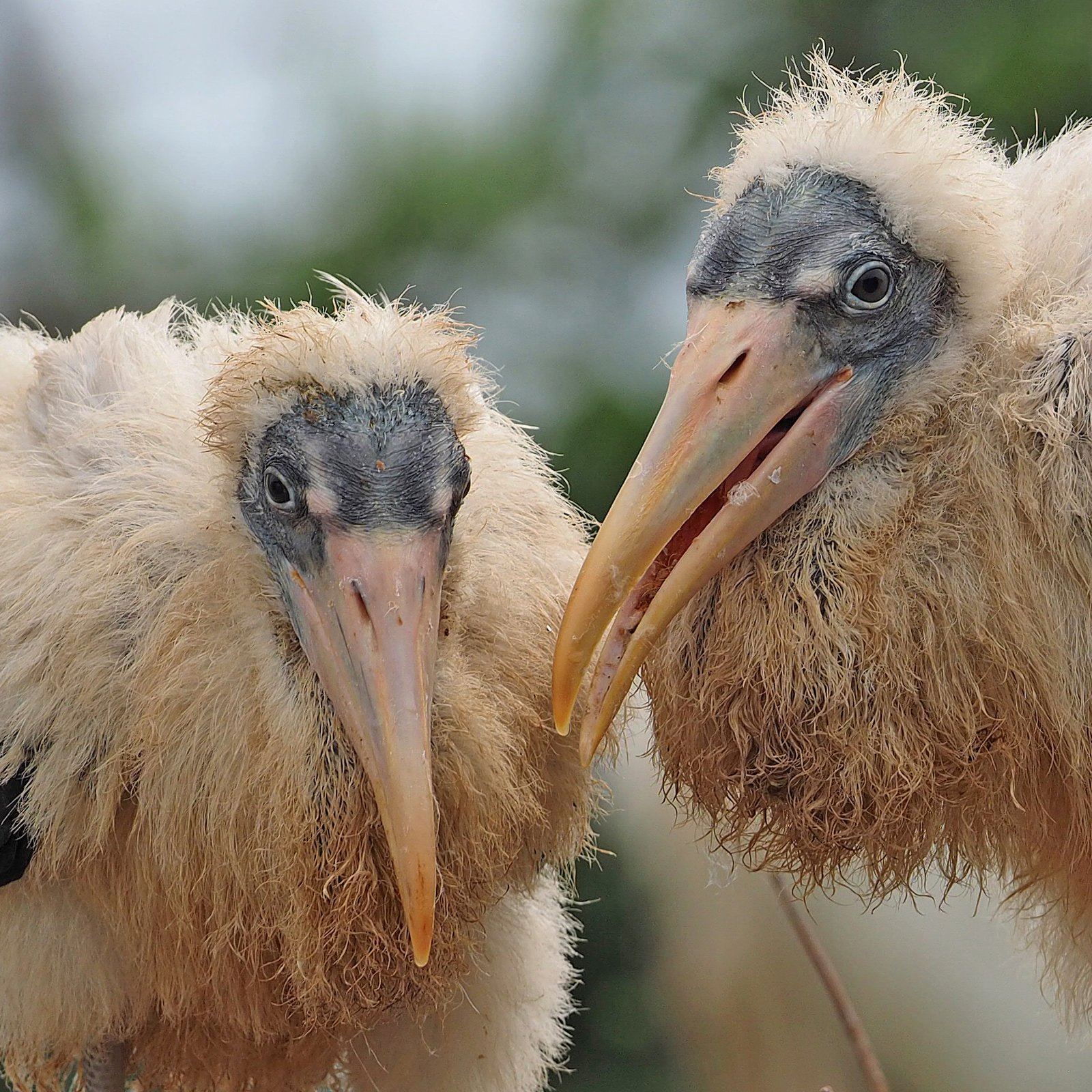
The wood stork’s recovery illustrates how wetland conservation creates ripple effects throughout entire ecosystems. Like other large birds, Wood Storks were vulnerable to the effects of the pesticide DDT, which weakened their eggshells. And as wetland specialists, they were affected by changing water use and draining of wetlands. They were listed in 1984, and the U.S. population has more than doubled since then.
These prehistoric-looking birds require very specific conditions to thrive. As wetland specialists, wood storks need shallow waters with just the right fish concentrations for their unique feeding style. Their recovery signals that wetland restoration efforts across the Southeast are working, creating benefits far beyond just one species.
The wood stork’s comeback demonstrates how conservation success multiplies across species. When we restore wetlands for wood storks, we also create habitat for countless other species – from alligators to fish to dozens of other bird species. It’s like fixing one problem and accidentally solving ten others. The fact that their population has more than doubled shows that sometimes conservation victories can be both targeted and broadly beneficial.
Gray-breasted Parakeet: International Cooperation Success
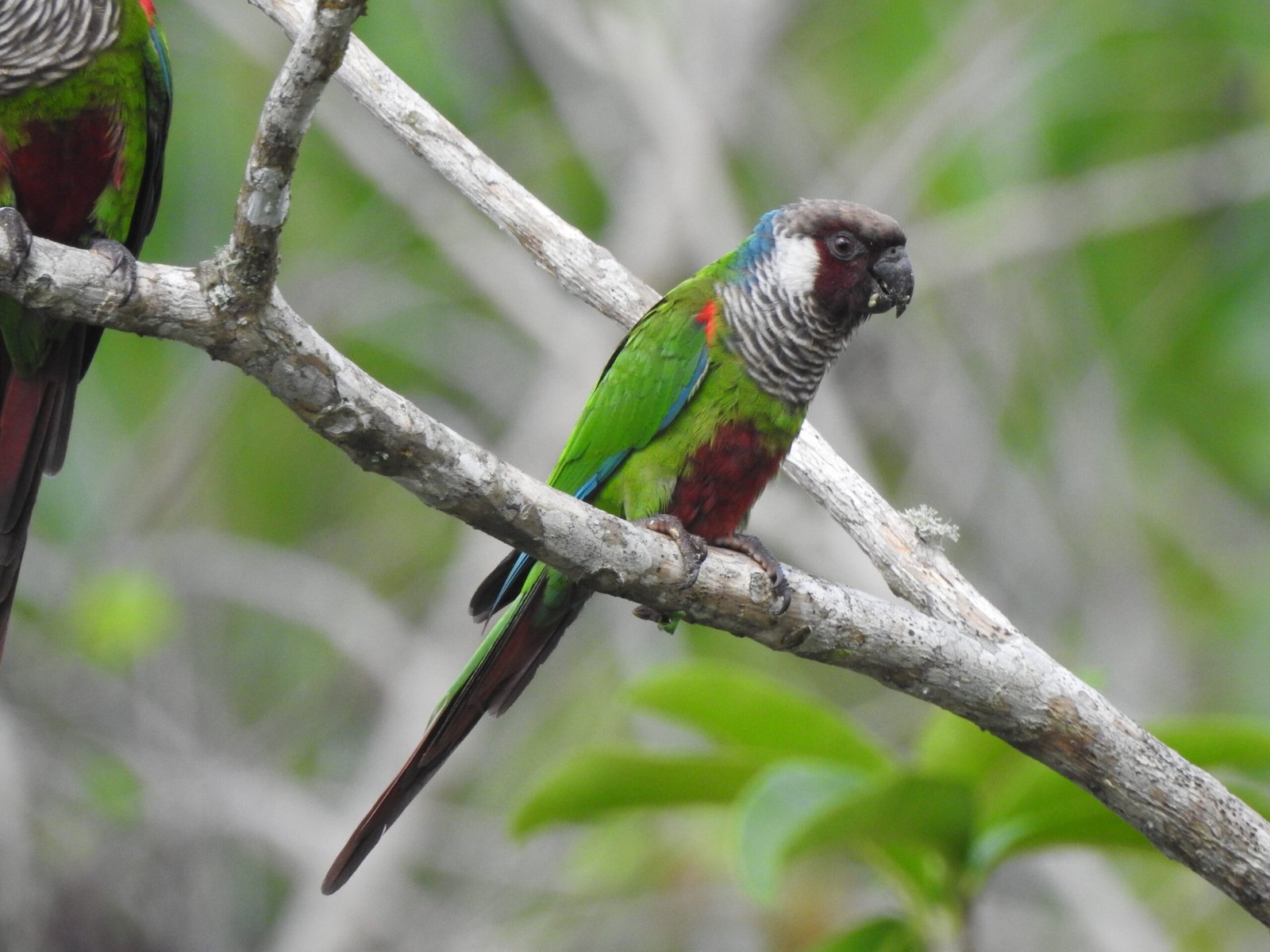
While not a U.S. native, the gray-breasted parakeet’s recovery story shows how American conservation organizations are helping species worldwide – and the techniques developed often return to benefit U.S. species. Conservation works, and nowhere is that more clear than in northeast Brazil, where the population of Endangered Gray-breasted Parakeets has grown 44 percent in two years. A 2024 census of this rainbow-colored bird showed 1,238 individuals, up from 863 in 2022.
The American Bird Conservancy’s partnership with Brazilian organization Aquasis demonstrates how international collaboration amplifies conservation impact. Steady efforts by our partner Aquasis and support by ABC to protect habitat, provide nest boxes, stop trafficking for the wild bird trade, and establish new colonies created this remarkable recovery.
This success story matters for U.S. conservation because it showcases techniques that can be adapted for American species. The combination of habitat protection, artificial nesting assistance, anti-trafficking efforts, and population establishment creates a template that works across species and continents. When American conservation groups invest in global bird recovery, they’re also developing and testing methods that ultimately strengthen conservation science back home.
Piping Plover: Small Bird, Big Impact
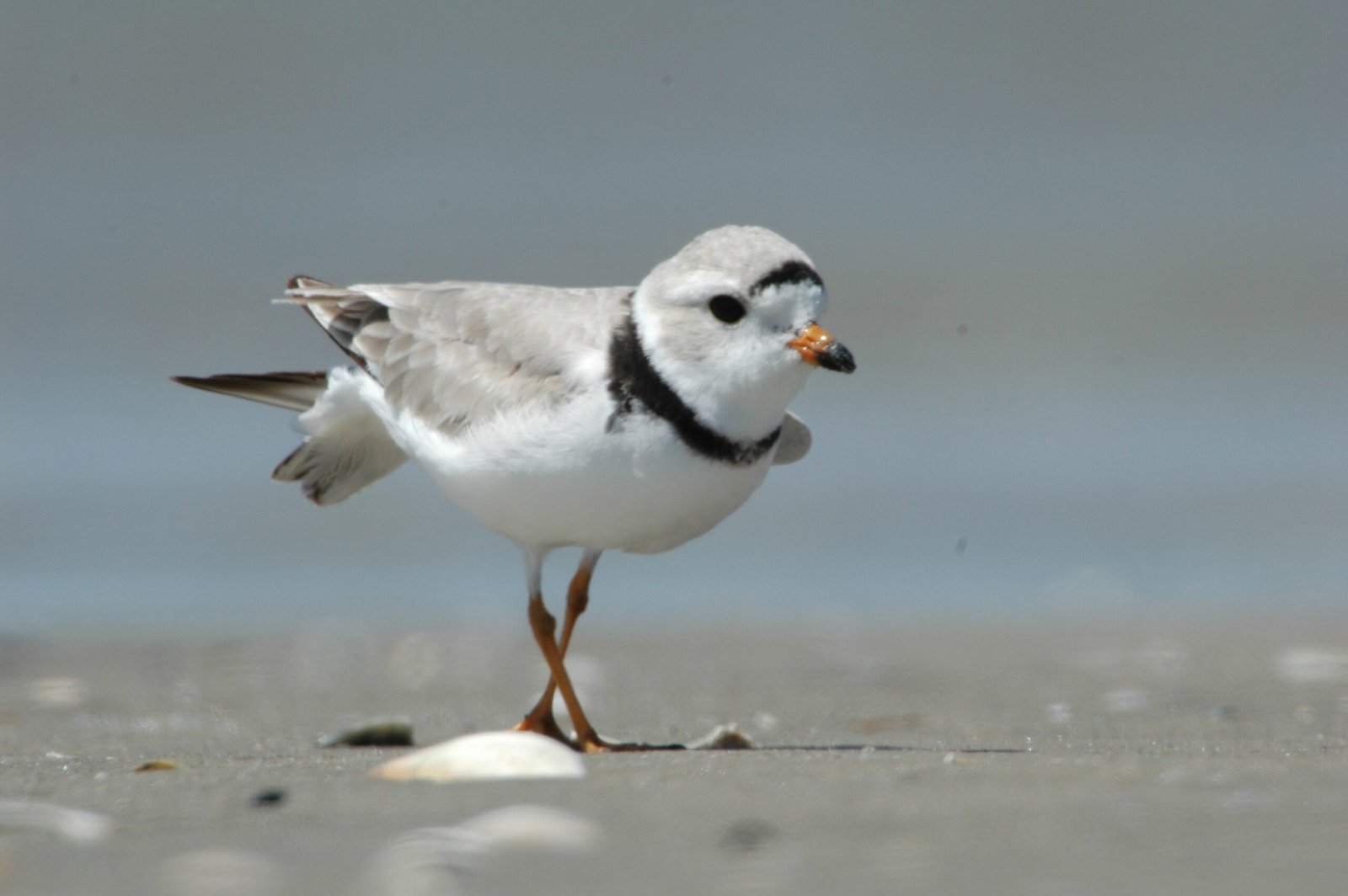
The piping plover’s recovery shows how conservation can succeed even when species face ongoing human pressure. The Piping Plover is vulnerable to beach and nesting-area development and disturbance. It was listed in 1985 and since then conservation efforts have helped their numbers to increase more than threefold. These small shorebirds face unique challenges because they nest on beaches that millions of Americans love to visit.
Their recovery required innovative approaches to balance human recreation with species protection. Conservation efforts include careful timing of beach activities, protection of nesting areas during breeding season, and public education programs that help beachgoers understand how to coexist with nesting plovers.
What makes the piping plover story particularly hopeful is how it demonstrates that conservation doesn’t always require keeping humans away from wildlife areas. Instead, it shows how careful management and public awareness can allow both people and endangered species to thrive in the same spaces. When you see a piping plover running along the water’s edge, you’re witnessing successful collaboration between conservationists, local communities, and federal agencies working together to protect something precious.
Kirtland’s Warbler: Fire as a Conservation Tool
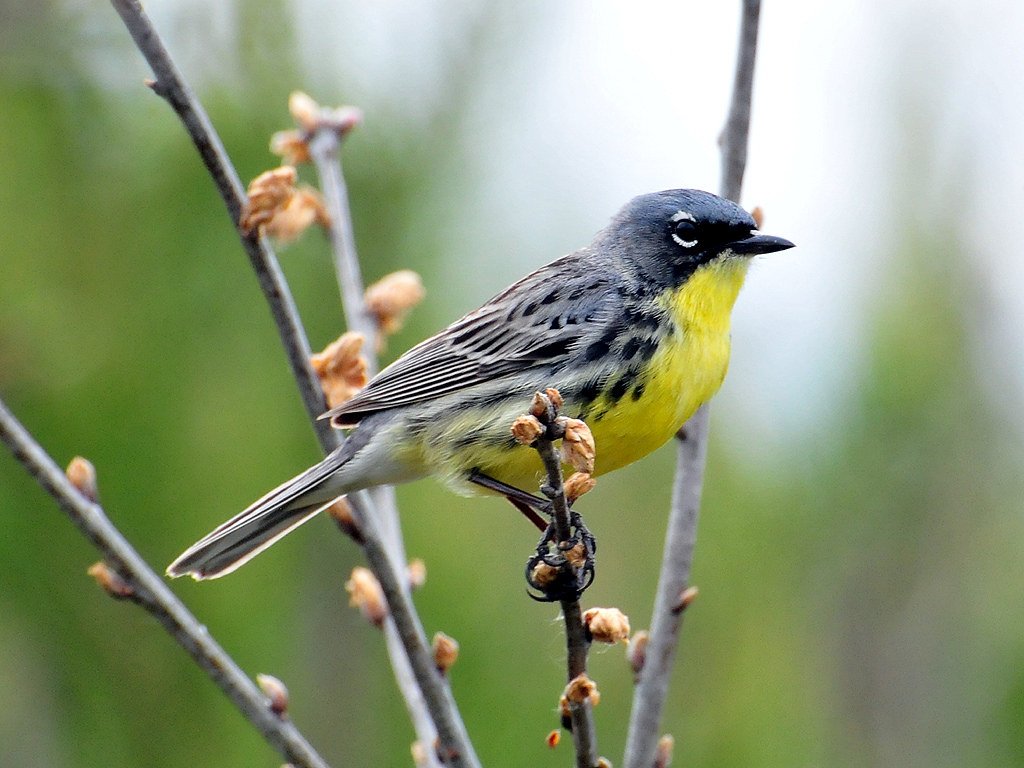
The Kirtland’s warbler recovery demonstrates how understanding a species’ specific needs can lead to targeted conservation success. Due to its dependence on a highly specific habitat type – large stands of young, dense jack pine forest disturbed by wildfire – the Kirtland’s warbler has one of the most restricted breeding ranges of any bird in the continental United States. Historic fire suppression has limited the growth of new jack pine forest, leading to a dearth of habitat for the warbler.
Conservation scientists learned that fighting fires wasn’t always the answer – sometimes setting them was. Efforts focused on maintaining and expanding their breeding habitats, primarily through controlled burning and replanting of jack pine forests, which are essential for their nesting. This approach required completely rethinking forest management in Michigan and Wisconsin.
The results speak for themselves. As a result, the U.S. Fish and Wildlife Service is considering removing the Kirtland’s Warbler from the endangered species list, reflecting their impressive recovery. The warbler’s success shows how conservation sometimes means working with natural processes rather than against them. Fire, which once seemed like a threat to wildlife, became a conservation tool that created exactly the habitat these specialized birds needed.
Hawaiian Millerbird: Island Innovation
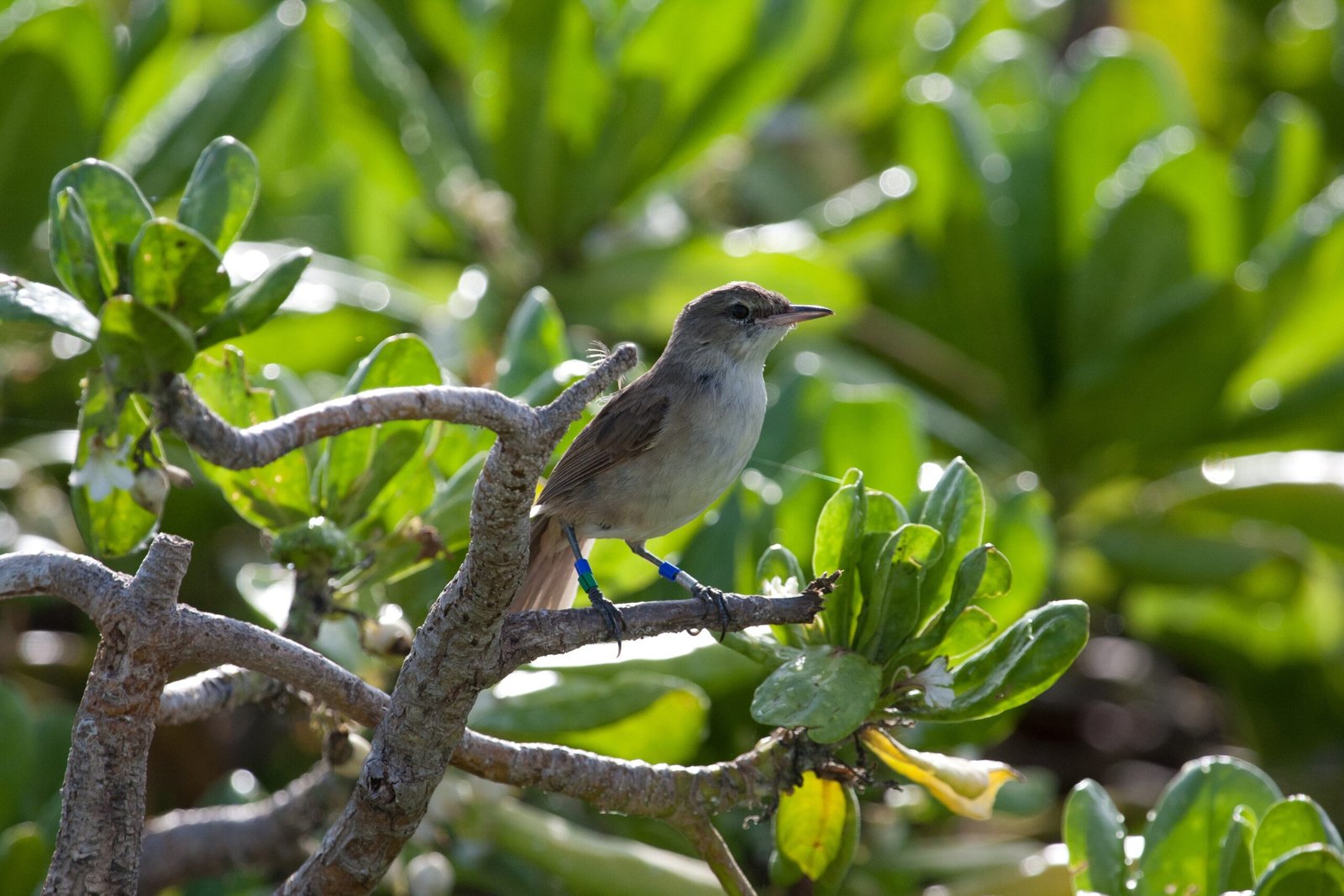
The Hawaiian Millerbird’s recovery showcases how island conservation requires special techniques – and how success can be measured in creative ways. In Hawaii, successful translocation of Millerbird Acrocephalus familiaris from Nihoa to Laysan during 2011–2012 has resulted in a self-sustaining population, warranting downlisting of the species from Critically Endangered to Endangered. While still endangered, moving from “Critically Endangered” to “Endangered” represents genuine progress.
Island species face unique challenges because they’re often found nowhere else on Earth. The Millerbird existed on only one tiny Hawaiian island, making the entire species vulnerable to any single catastrophic event. By successfully establishing a second population on another island, conservationists essentially created backup populations – like saving important files in multiple locations.
This translocation success provides a template for other Hawaiian species recovery efforts. Mile-long habitat fence completed on Moloka’i, Hawai’i for Mōlī (Laysan Albatross) and other seabirds shows that Hawaiian conservation continues advancing. The Millerbird’s story proves that sometimes conservation success means thinking small and acting precisely rather than implementing massive programs.
Conclusion: Science, Collaboration, and Hope Take Flight
These eight remarkable recovery stories share common themes that illuminate conservation’s future. Each success required scientific innovation, whether that meant using ultralight aircraft to teach migration routes, understanding the role of fire in forest management, or developing captive breeding techniques for species down to their last few individuals.
Perhaps more importantly, every single recovery involved unprecedented collaboration. Military bases partnered with wildlife agencies, private landowners enrolled in conservation agreements, international organizations shared expertise across borders, and local communities learned to coexist with recovering species. From the red-cockaded woodpecker’s military partnerships to the condor’s tribal connections, conservation success happens when diverse groups unite around shared goals.
These stories also reveal how conservation science constantly adapts and improves. Techniques developed for one species often benefit others – artificial nesting boxes, translocation methods, habitat restoration approaches, and public education strategies get refined and applied across multiple recovery programs. Each success builds knowledge that strengthens future efforts.
Most remarkably, these recoveries happened during periods when overall bird populations were declining. While the 2025 State of the Birds report documents continuing challenges, these success stories prove that targeted, science-based conservation can reverse even the most dire situations. They show that extinction doesn’t have to be forever – but recovery requires sustained commitment, innovative thinking, and the courage to try bold approaches.
When you next encounter any of these species in the wild, you’re not just seeing a bird. You’re witnessing decades of scientific dedication, the results of unlikely partnerships, and living proof that conservation works. The next time a bald eagle soars overhead or a whooping crane trumpets in a distant marsh, take a moment to appreciate that you’re experiencing something that almost disappeared forever – and came back because people refused to give up.
These eight recoveries represent thousands of people who believed that species on the brink could return. Did you expect that conservation victories could be so dramatic and complete?