
Astrology paints Aquarius as the rebel with a plan, the storm that arrives from clear skies and rewrites the weather. The ocean hosts its own cast of rule-breakers, animals that defy neat labels and force scientists to rethink what behavior even means. This isn’t just a cute comparison; it’s a live question about how nature engineers flexibility, surprise, and last‑second pivots. If we’re hunting for the water creature that channels Aquarius’ famous unpredictability, we need a fair contest – one that weighs raw spontaneity, strategic misdirection, and quick, data‑driven decisions. And spoiler alert: the frontrunner doesn’t simply react to chaos; it fabricates it.
The Hidden Clues
What creature can change shape, rewrite its appearance in a heartbeat, and vanish like a rumor? The ocean holds answers in patterns of light, posture, and motion – the kind of signals you only see when you slow time and widen your gaze. Unpredictability isn’t just randomness; it’s strategy disguised as surprise, a way of living that keeps predators guessing and prey off balance. From the dim blue of the mesopelagic to sunlit reefs, evolution has rewarded those who scramble the expectations of others. The trick is to spot the fingerprints of that strategy before the animal slips away.
I’ve learned to look for switch‑like behaviors: instant color flips, sudden posture changes, movements that seem to come from a different script altogether. Each switch is a clue that the animal isn’t just reactive – it’s running a playbook built for turbulence.
Contenders in the Currents
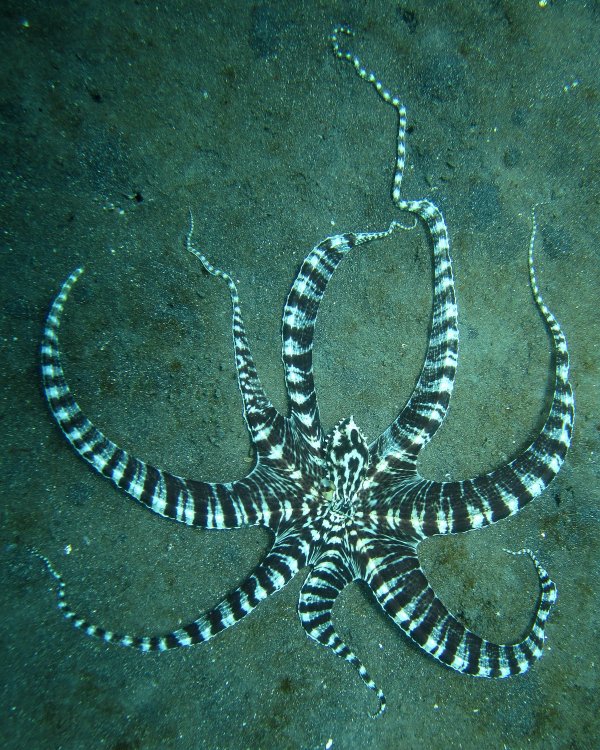
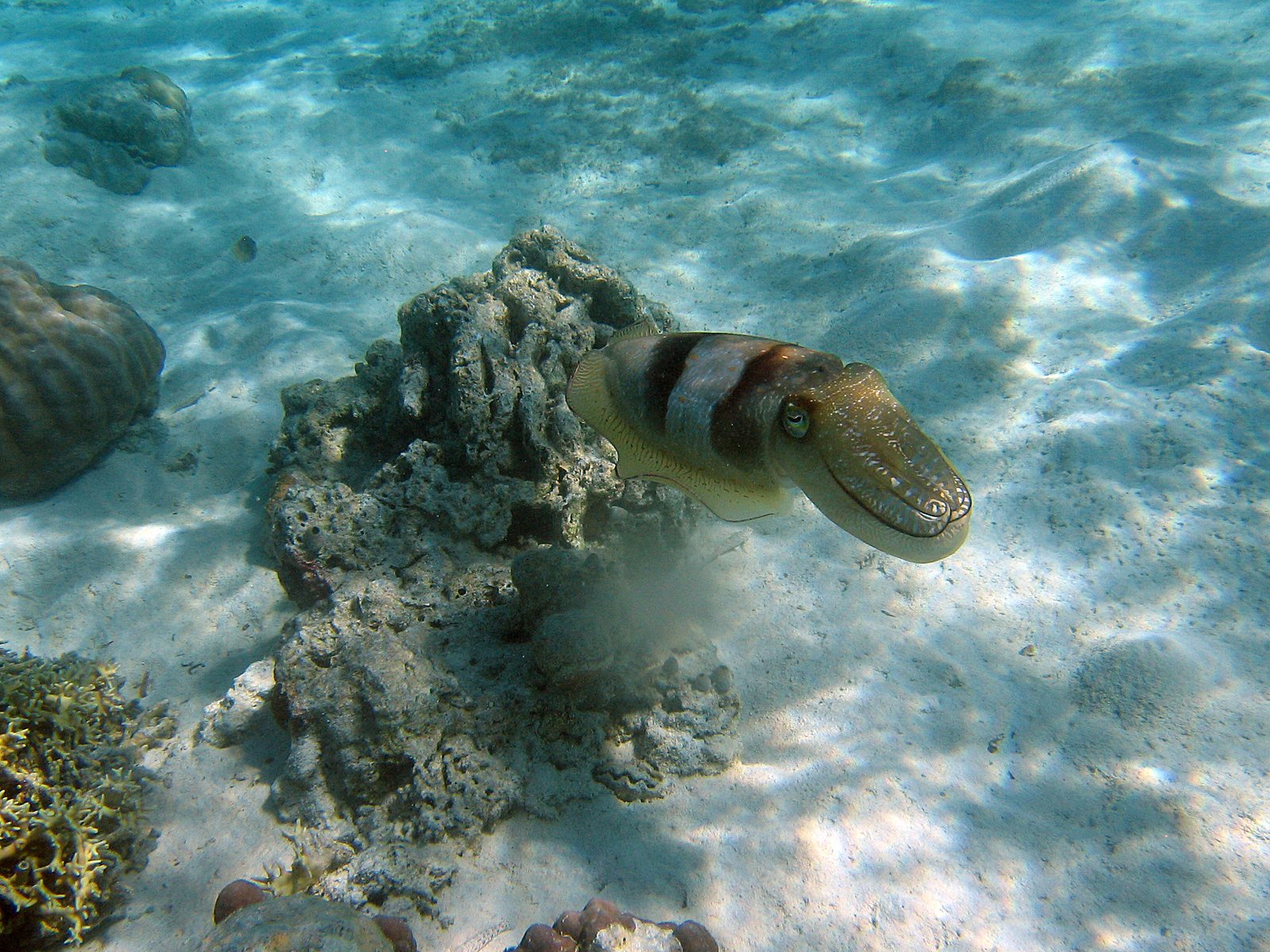
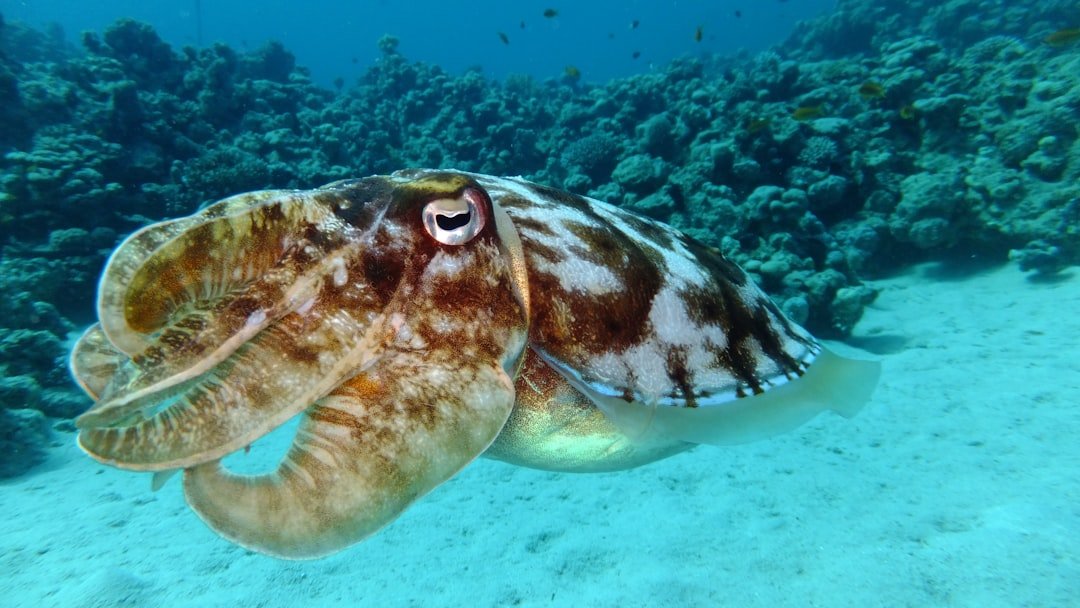
Several ocean standouts deserve a spot on the Aquarius shortlist. Humboldt squid flash living lightning across their skin, shifting from near‑invisible to high‑contrast signals as if toggling between languages. Cuttlefish run hypnotic ripples down their bodies, then freeze into perfect replicas of sand, coral, or shell fragment. Certain jellyfish drift with what looks like chaos, yet exploit microcurrents to appear where food suddenly blooms and predators falter. And then there’s the mimic octopus, a master of disguise that doesn’t just hide – it role‑plays entire species.
Each contender embodies a flavor of unpredictability: lightning decisions, optical trickery, purposeful drift, and full‑on identity theater. Which flavor best matches Aquarius’ reputation for clever disruption rather than simple randomness?
The Mimic Octopus: Shape‑Shifting Chaos
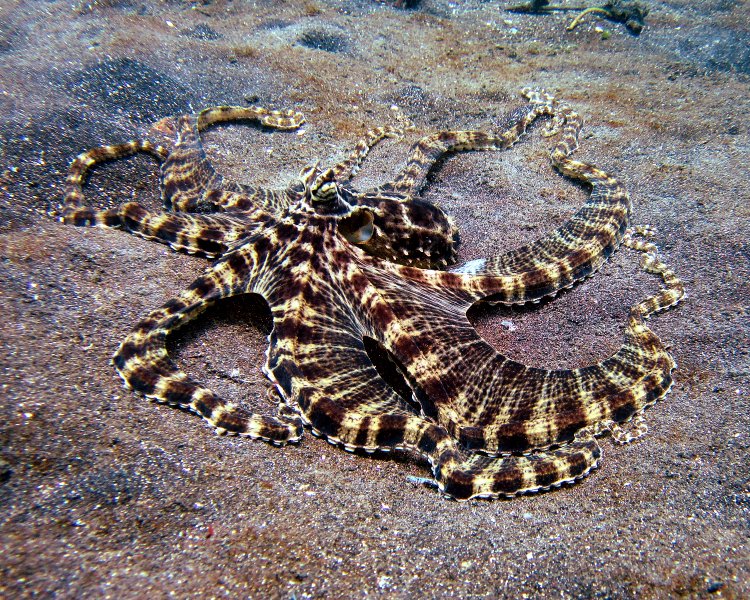
Found on sand flats throughout the Indo-Pacific region, including Indonesia, the mimic octopus is the ocean’s improv artist, taking the stage with a dozen acts tucked under its skin. One minute its arms coil into a stripy, venom‑suggesting posture; the next it flattens like a passing flounder and skims the seafloor. It reorders its body plan in seconds, turning camouflage into narrative – convincing onlookers they’re watching a lionfish, a sea snake, or something no one wants to bite. This isn’t passive hiding; it’s a proactive reshuffling of expectations. If Aquarius is the sign that refuses a single identity, the mimic octopus is its patron animal.
The kicker is speed: pattern, posture, and gait shift faster than a human can process, creating a tiny window where the audience – predator or scientist – just believes. That sliver of belief keeps the octopus alive, and it makes the rest of us stare.
Squid Signals and Flash Decisions
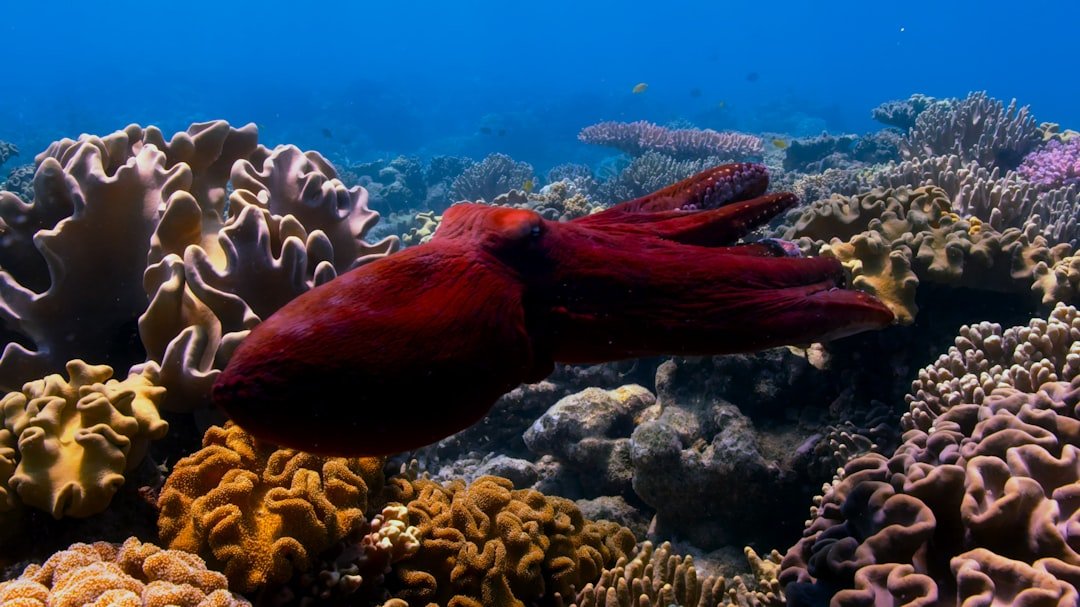
Humboldt squid, cruising in squads through the eastern Pacific, communicate by flipping skin patterns like a strobe of intent. One pattern says chase; another says hold; a third dampens contrast to slide past a threat. These rapid toggles are decisions you can see, a visible stream of computation mediated by muscles that control pigment sacs across the skin. When conditions turn messy – currents, competition, changing prey – they update the message mid‑sprint. It’s improvisation with a grammar, fluent and fast enough to outpace trouble.
If unpredictability is a language, squid speak it aloud in brilliant bursts. They remind us that surprise can be coordinated, not just chaotic.
Jellyfish Drift: Elegance of Randomness
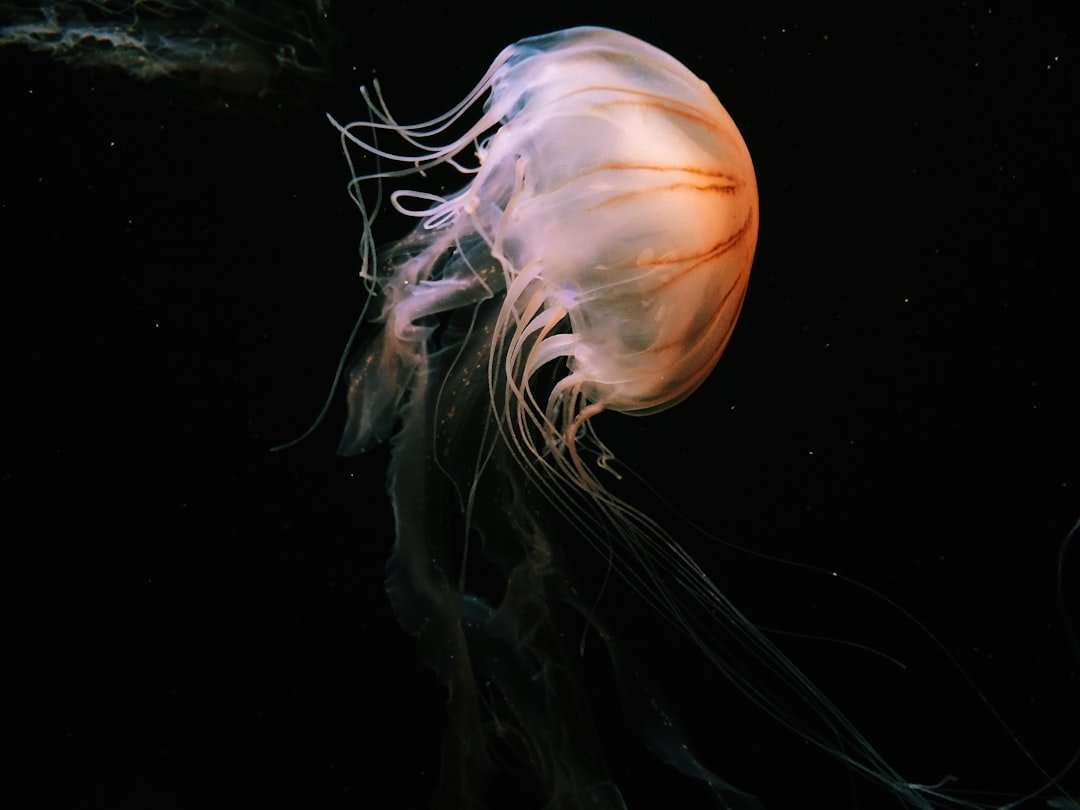
Jellyfish often seem like passengers on the ocean’s conveyor belts, but that underestimates their knack for riding physics. Even simple pulsers can steer slightly, stacking small choices that compound downcurrent into major changes in where they land. In plankton‑rich upwellings, that minimal control becomes a winning strategy: drift mostly, nudge sometimes, and appear where life suddenly spikes. The result looks like chance, yet it’s guided enough to feel crafty. There’s a strange grace in letting the environment do most of the work.
Still, Aquarius isn’t known for going with the flow; it’s the sign that bends the flow. Jellyfish bring beautiful variability, but their unpredictability leans more toward weather than revolution.
From Ancient Tools to Modern Science

For centuries, seafarers tracked creatures by season and superstition, jotting sightings beside currents and stars. Today, the toolkit is sharper: biologging tags map migrations in three dimensions, drones skim wave tops, and high‑resolution cameras catch split‑second color changes that once went unseen. Machine learning now teases patterns from terabytes of footage – spotting when a squid’s display turns from chatter to command, or when an octopus pivots from camouflage to theater. These methods reveal that unpredictability isn’t a blur; it’s a stack of micro‑choices, tuned to context and risk. Every frame you slow down reveals another decision that looked like magic at full speed.
It’s humbling to admit how much we missed when our eyes alone set the limits. The more we instrument the sea, the more deliberate its surprises look.
Brains in the Arms: How Unpredictability Emerges

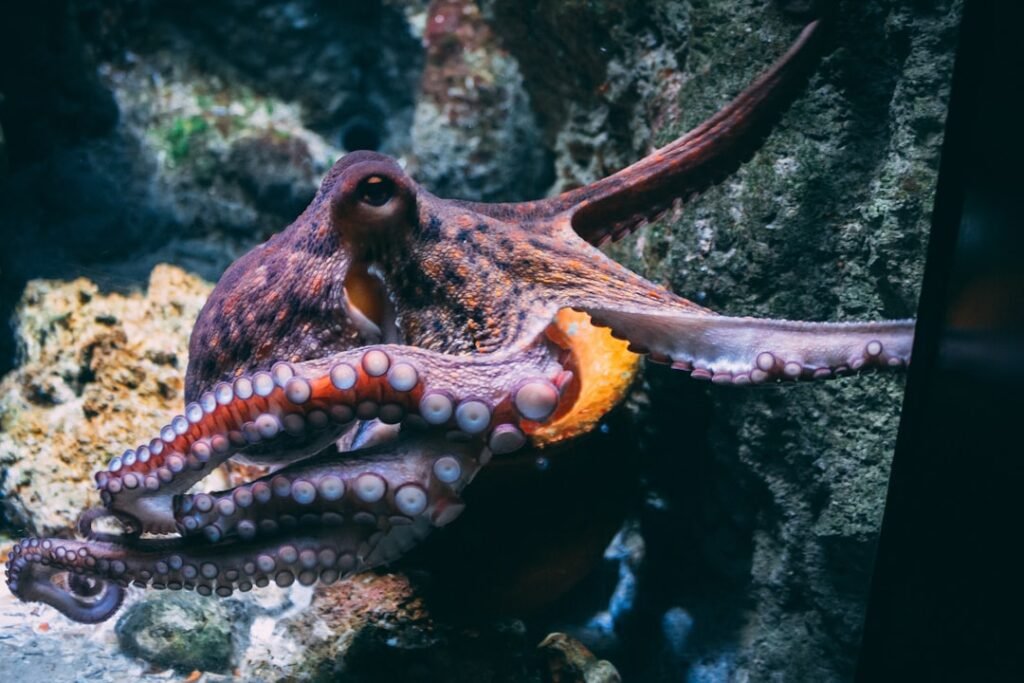
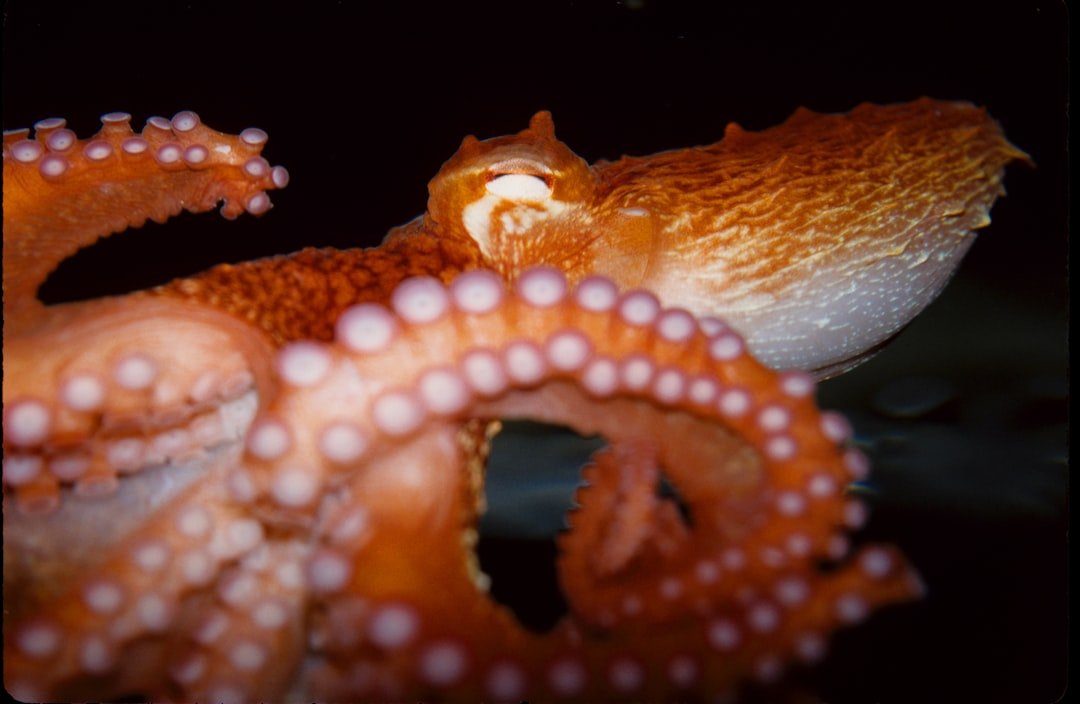
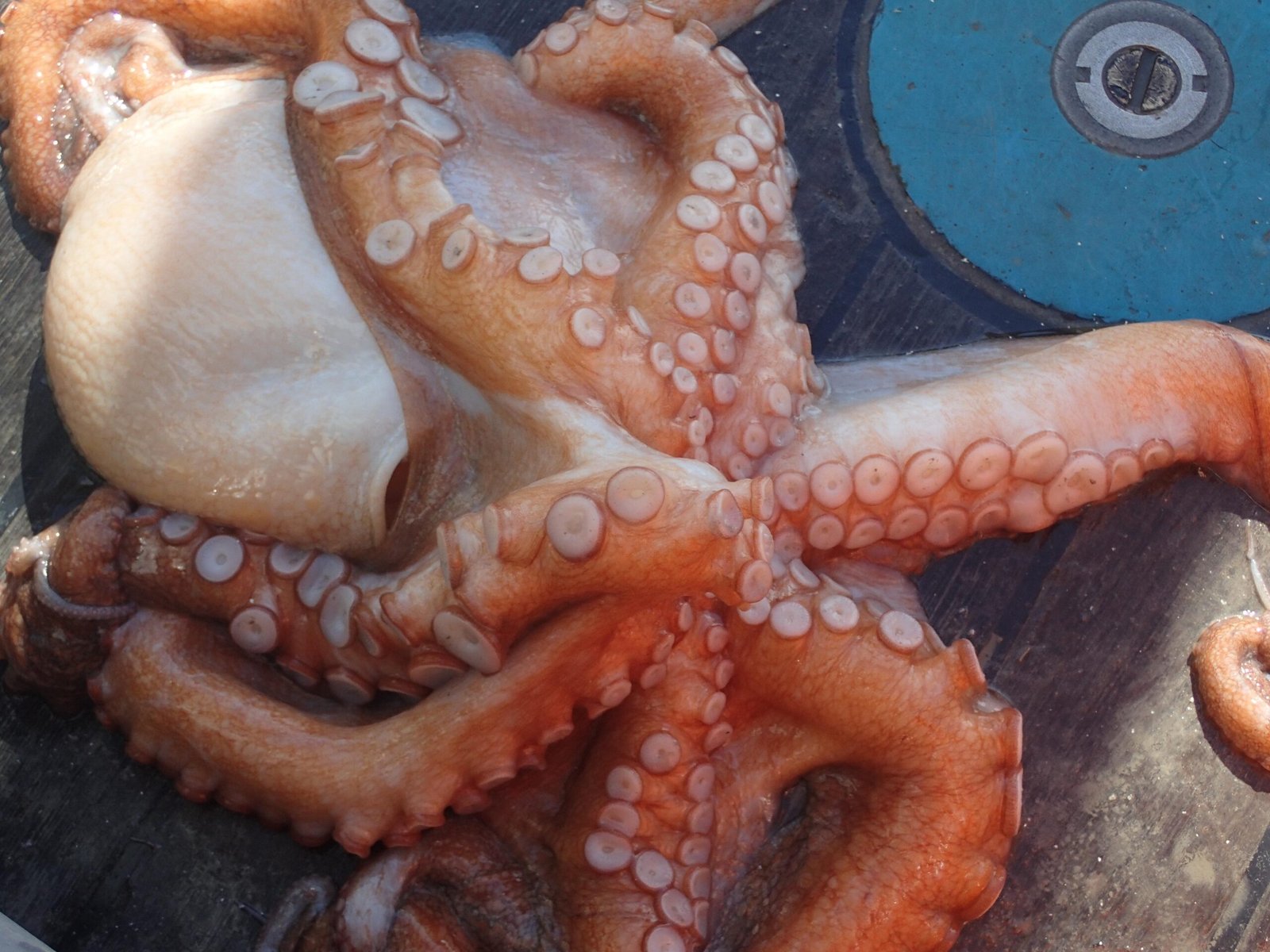
Cephalopods carry a kind of distributed mind, with substantial neural power in their arms as well as their central brain. That architecture lets different parts of the body experiment locally – testing textures, re‑shaping posture, and dialing skin patterns – while the whole animal continues to move. Chromatophores open and close like pixels, but they’re pixels wired directly to intent, creating instant, layered illusions. Add polarization sensitivity and light‑sensing skin, and you get feedback loops fast enough to feel uncanny. Unpredictability arises because perception and action sit almost on the same wire, enabling rapid reframing of the world.
It’s less like a single conductor and more like a jazz quartet that composes on the fly. The song changes because the instrument is also listening.
Why It Matters
Understanding engineered unpredictability reshapes fields from robotics to fisheries. Traditional models often treat animals as probability clouds – good for averages, bad at explaining the well‑timed switch that saves a life. By studying cephalopod decision‑making, we get algorithms for drones that can adapt in gusty winds and underwater vehicles that blend into cluttered seascapes. In conservation, recognizing that a species depends on the ability to perform rare, high‑impact maneuvers changes how we value habitat complexity. It pushes management beyond counting bodies toward protecting the stage where the best moves happen.
When we compare these strategies with older, simpler views of animal behavior, the difference is stark: what looked like noise becomes signal. And once you see the signal, policy starts to look outdated.
Global Perspectives
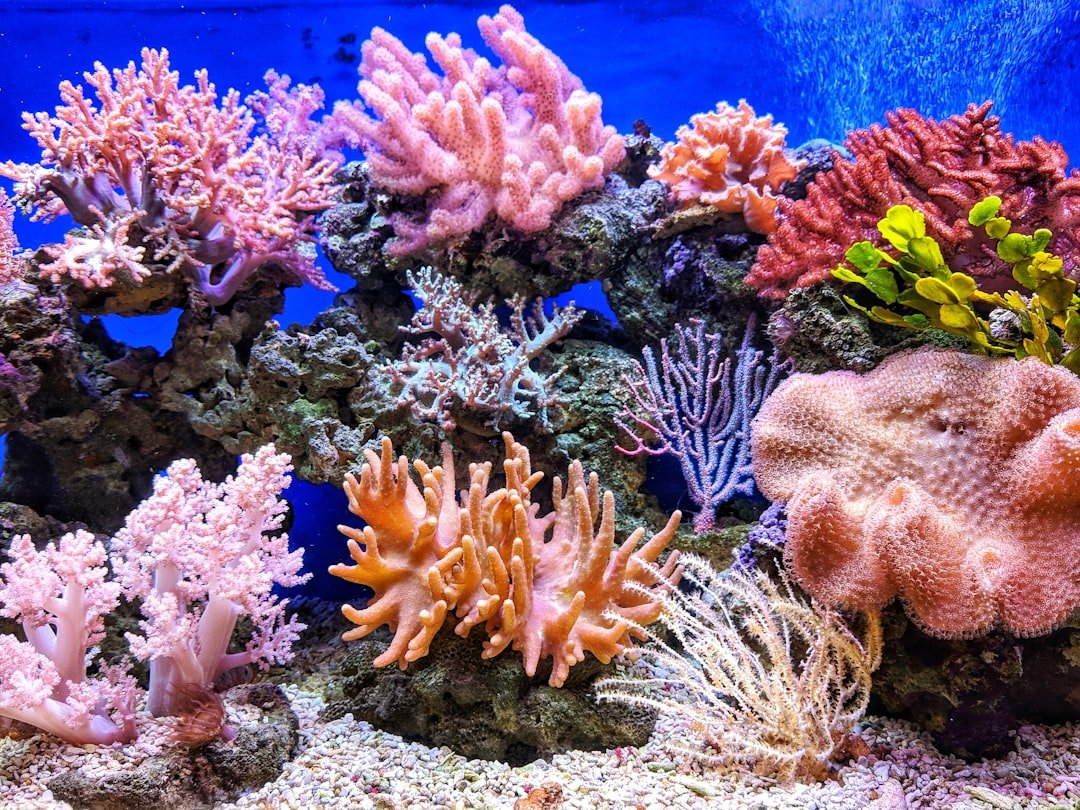
Across the Coral Triangle, shallow sand flats where mimic octopuses thrive are under pressure from coastal development and sediment runoff. In the eastern Pacific, shifts in temperature layers can jostle squid distributions, reshaping how fleets and predators interact. Jellyfish blooms in some regions surge when ecosystems are stressed, complicating the picture of “random drift” with human fingerprints. Communities from Indonesia to Mexico live at this intersection of science and livelihood, reading the sea for signs that forecasts miss. Their observations, folded into research, help us catch behavior changes early rather than after a collapse.
Unpredictability might be the ocean’s default, but global change is making the deck wobblier. We need local eyes and global tools, working in tandem.
The Future Landscape
Next‑generation tags will fuse motion, vision, and physiology, letting us see a mimic octopus think with its skin in real time. Compact underwater AI could analyze displays on the spot, adjusting camera angles or illumination as if a field biologist were inside the housing. Soft robots inspired by cephalopod skins may shift texture and color dynamically, giving rescue teams and reef monitors devices that blend without blinding wildlife. The big challenges are ethical as much as technical: avoiding surveillance creep in sensitive fisheries and preventing robots from becoming new stressors. As climate swings grow sharper, our systems must adapt as quickly as the animals we admire.
If we build tools that respect the dance, we might finally study unpredictability without disturbing it. That’s the bar worth setting.
Field Notes: A Personal Glimpse
On a tide‑scarred flat one dusk, I watched a small octopus rise like a shadow – then lengthen, stripe, and harden into an animal it clearly wasn’t. The transformation clicked so fast my brain lagged, as if a film frame had been swapped when I blinked. A puffer nosed in, hesitated, and peeled away; the octopus relaxed into a soft brown smear of sand and slipped down a burrow. That four‑second theater felt less like camouflage and more like a plot twist. I’ve never looked at “random” behavior the same way.
Moments like that anchor the data. They remind me that unpredictability is not an accident; it’s craft.
Conclusion
Support reef‑flat protections and sustainable coastal zoning in regions where cephalopods stage their daily shows. Back community science programs that log local sightings and behavior shifts – those observations often flag ecosystem changes before formal surveys do. If you dive or snorkel, practice low‑impact techniques: no chase, no touch, minimal light, and patience to let the animal decide the script. Encourage aquariums and museums to feature the science of animal signaling, not just the spectacle, so visitors leave with questions and respect. And if you work in tech or design, consider how animal strategies might guide adaptive tools that help, not harm.
Small choices ripple, just like a color wave across living skin. Add yours to the pattern.
Suhail Ahmed is a passionate digital professional and nature enthusiast with over 8 years of experience in content strategy, SEO, web development, and digital operations. Alongside his freelance journey, Suhail actively contributes to nature and wildlife platforms like Discover Wildlife, where he channels his curiosity for the planet into engaging, educational storytelling.
With a strong background in managing digital ecosystems — from ecommerce stores and WordPress websites to social media and automation — Suhail merges technical precision with creative insight. His content reflects a rare balance: SEO-friendly yet deeply human, data-informed yet emotionally resonant.
Driven by a love for discovery and storytelling, Suhail believes in using digital platforms to amplify causes that matter — especially those protecting Earth’s biodiversity and inspiring sustainable living. Whether he’s managing online projects or crafting wildlife content, his goal remains the same: to inform, inspire, and leave a positive digital footprint.