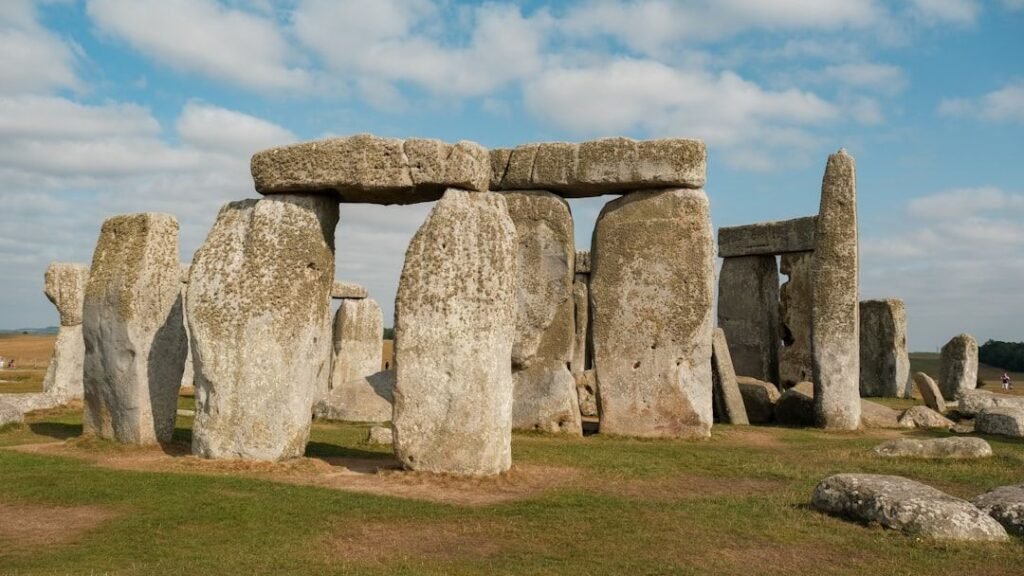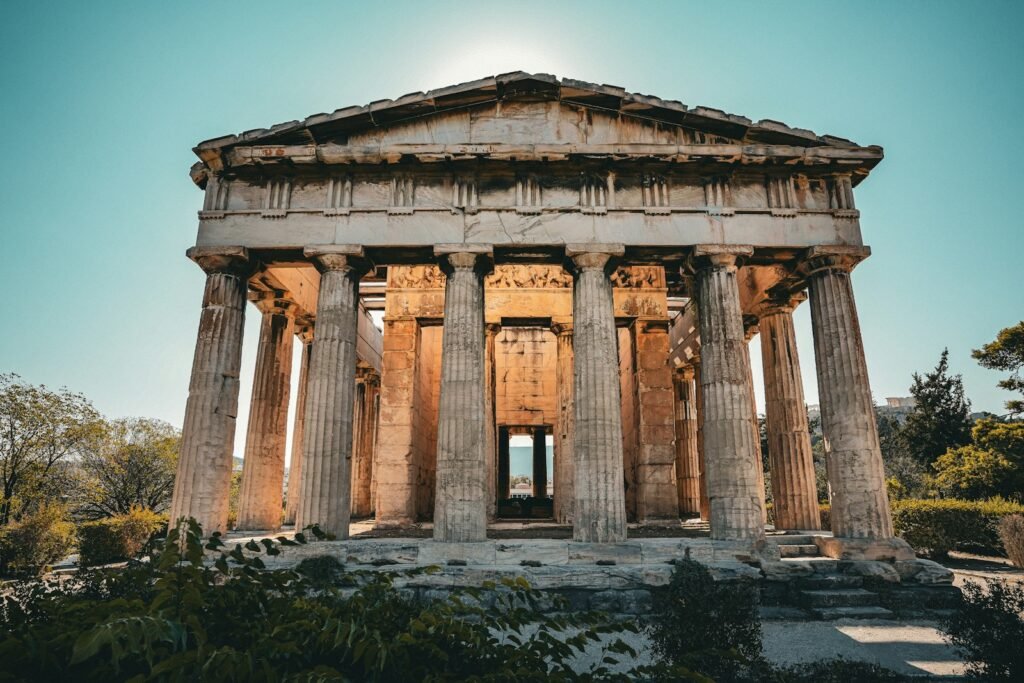

Across the United States, earthworks, cliff palaces, and desert monuments are rewriting the story we thought we knew about early North America. The mystery is not that people lived here thousands of years ago – it’s how sophisticated, connected, and ambitious many of these communities were. Archaeologists armed with lidar, isotope chemistry, and cutting-edge dating are finding complexity where old textbooks saw simplicity. Some sites reveal astronomy baked into their design; others hide evidence of trade that stretched farther than many modern commuters travel in a week. These places don’t just whisper about the past – they argue with it, and they’re winning.
Watson Brake, Louisiana
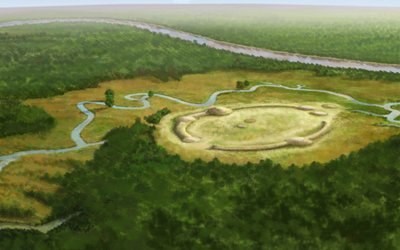
What if the first skyline in North America wasn’t stone towers but rings of earth raised by hunter-gatherers some five and a half millennia ago? Watson Brake looks humble at first – low mounds linked by ridges near the Ouachita River – but it upends the idea that only farmers build monuments. Radiocarbon dates place its construction thousands of years before many famous Old World sites, suggesting leadership, planning, and labor organization long before maize agriculture took hold.
Archaeologists read the seasonal layers like pages in a worn field notebook, seeing construction episodes that likely tracked food abundance and social gatherings. The engineering is quiet but stubbornly intentional: repeated building over centuries signals shared memory and inherited obligations. It’s a reminder that complexity does not always arrive with crops – it can grow out of gatherings, ritual, and place.
Poverty Point, Louisiana
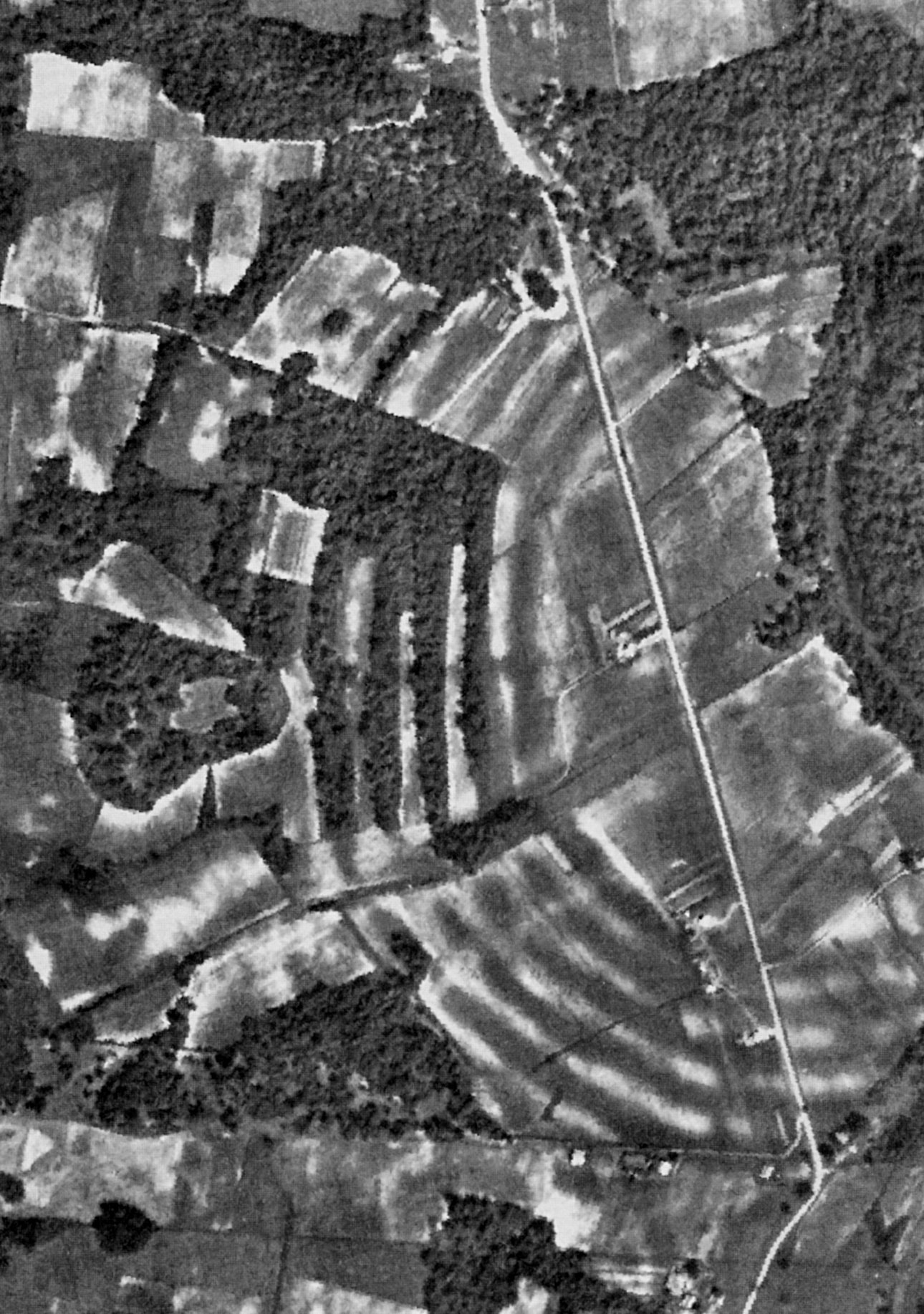
Concentric ridges ripple across the landscape at Poverty Point, forming a vast amphitheater that once hosted thousands. Built by a culture that traded widely, the site brims with stones carried from distant Ozark and Appalachian sources, repurposed into tools, ornaments, and tiny baked-clay cooking balls. That footprint – so broad you grasp it only from the air – speaks to a society coordinating meals, rituals, and markets on a continental scale.
What’s most startling is the logistics: earthen architecture on this scale required surveying, workforce mobilization, and timekeeping. The massive bird-shaped mound nearby hints at layered symbolism – earth shaped like a creature that owns the sky. Poverty Point turns the stereotype of small, scattered foragers on its head and replaces it with planners, mapmakers, and hosts.
Great Serpent Mound, Ohio
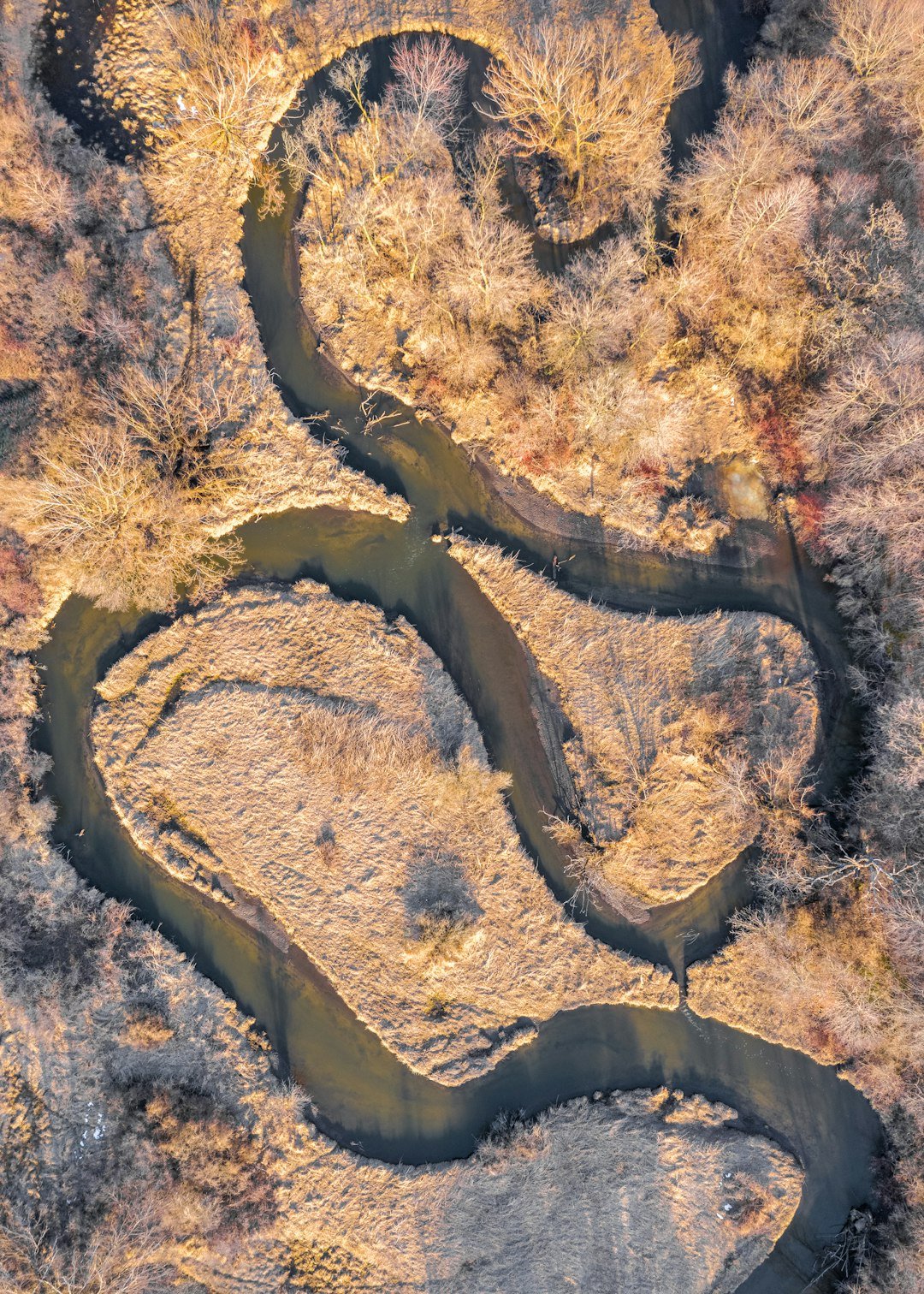
Uncoiling across a ridge for well over a quarter mile, the Serpent Mound invites awe and argument in equal measure. Its age and authorship have sparked decades of debate, with some studies pointing to late prehistoric builders and others to earlier cultures in the Ohio Valley. Either way, the sweeping curves and oval “head” suggest narrative meaning, possibly celestial, possibly ceremonial – certainly not accidental.
Researchers have explored whether segments align with solstices and lunar standstills, careful to separate pattern from proof. Standing near the head at sunset, it’s hard not to feel that the serpent is a kind of horizon script, written to be read in motion and light. The site is less a puzzle to solve than a story to sit with, and that humility is part of the science.
Newark Earthworks, Ohio
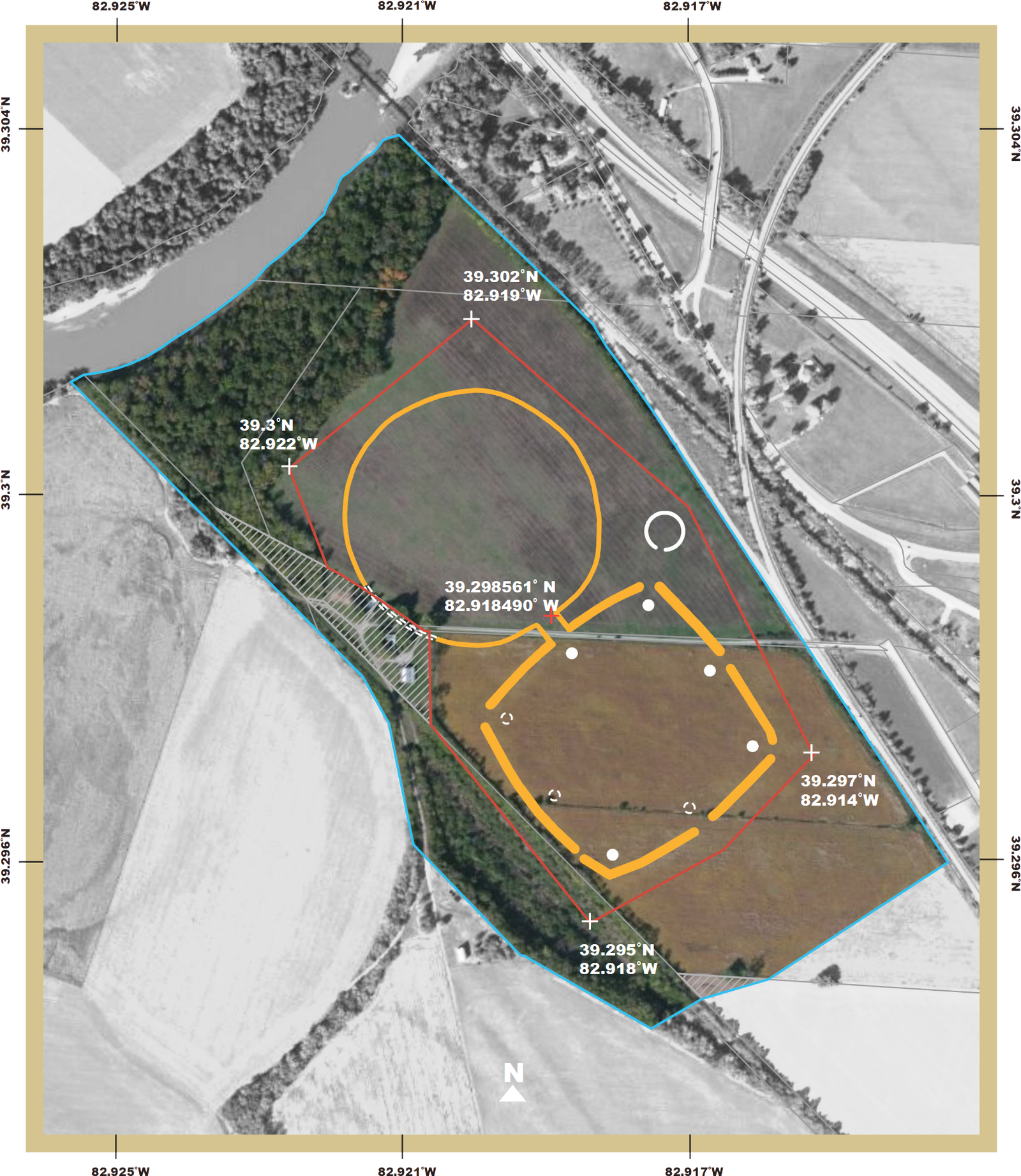
Imagine a geometric city of embankments – perfect circles joined to octagons on a scale almost too large to see from the ground. The Newark Earthworks do exactly that, translating sky cycles into earthbound architecture attributed to Hopewell-era master builders. Surveyors have shown that the octagon appears tuned to the moon’s long, nearly nineteen-year rhythm, a feat of observation requiring generations of patient sky-watching.
Precision here is not an abstraction; it’s math you can walk. The earthen walls and causeways frame processions, ceremonies, and timed gatherings, turning movement itself into a calendar. Newark tells us astronomy wasn’t an elite hobby but a public, participatory art.
Cahokia Mounds, Illinois
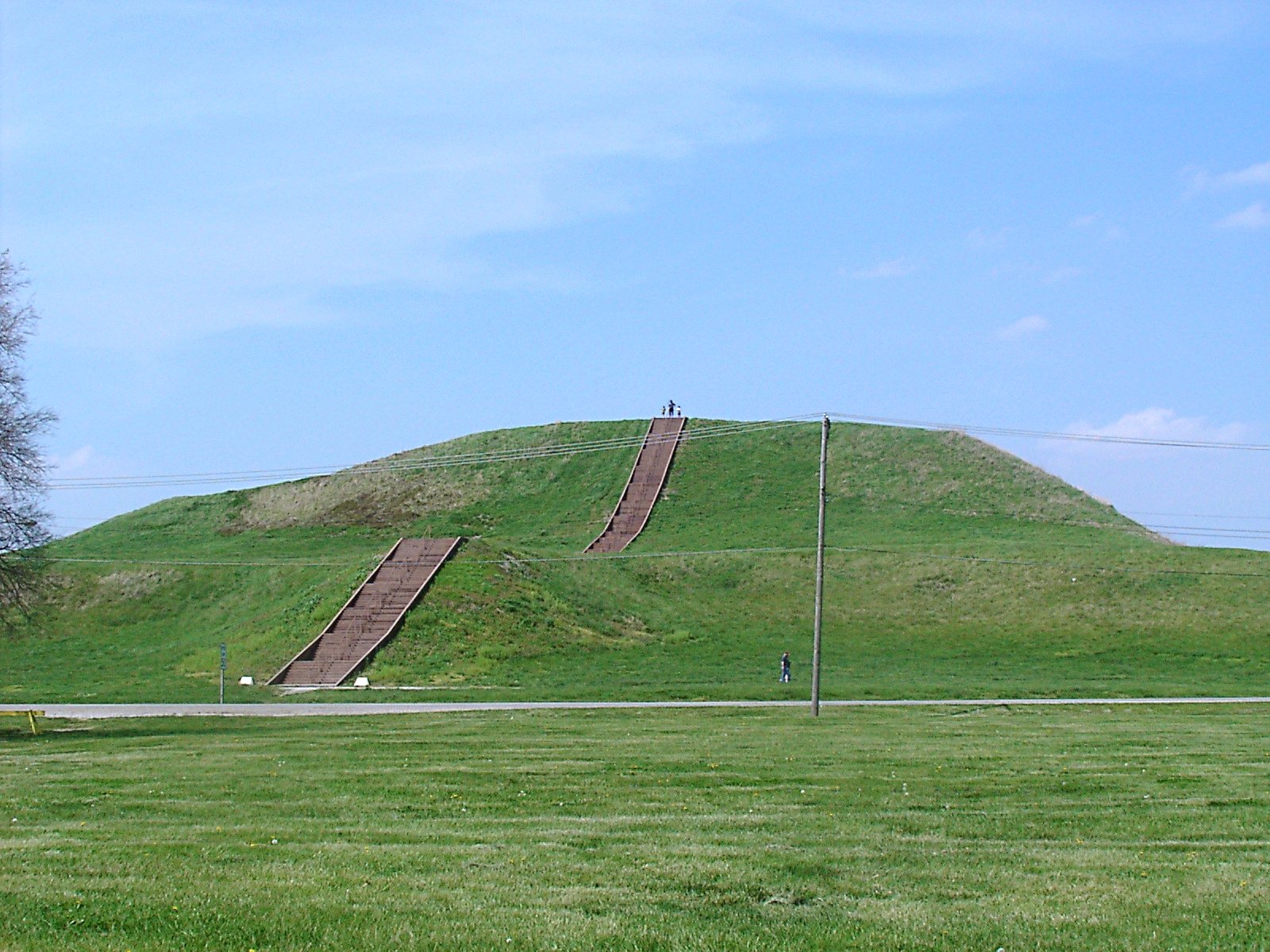
On the Mississippi floodplain near modern St. Louis rises a city that defies expectations: Cahokia, with neighborhoods, grand plazas, and the towering Monks Mound. Around a thousand years ago, it flourished as an urban center with public works on a staggering scale, including timber circles that functioned like solar observatories. I remember climbing a staircase there at dawn, feeling the ground-plane of the city come alive as the sun lifted over the plaza.
Key snapshots help clarify the scale and surprise:
- Monks Mound rises roughly the height of a modern ten-story building and anchors a city plan aligned to the cardinal directions.
- Woodhenge circles mark seasonal transitions, blending engineering and ritual.
- Artifacts link Cahokia to river valleys across the Midwest and South, showing trade routes as busy as any interstate in spirit.
Chaco Canyon, New Mexico
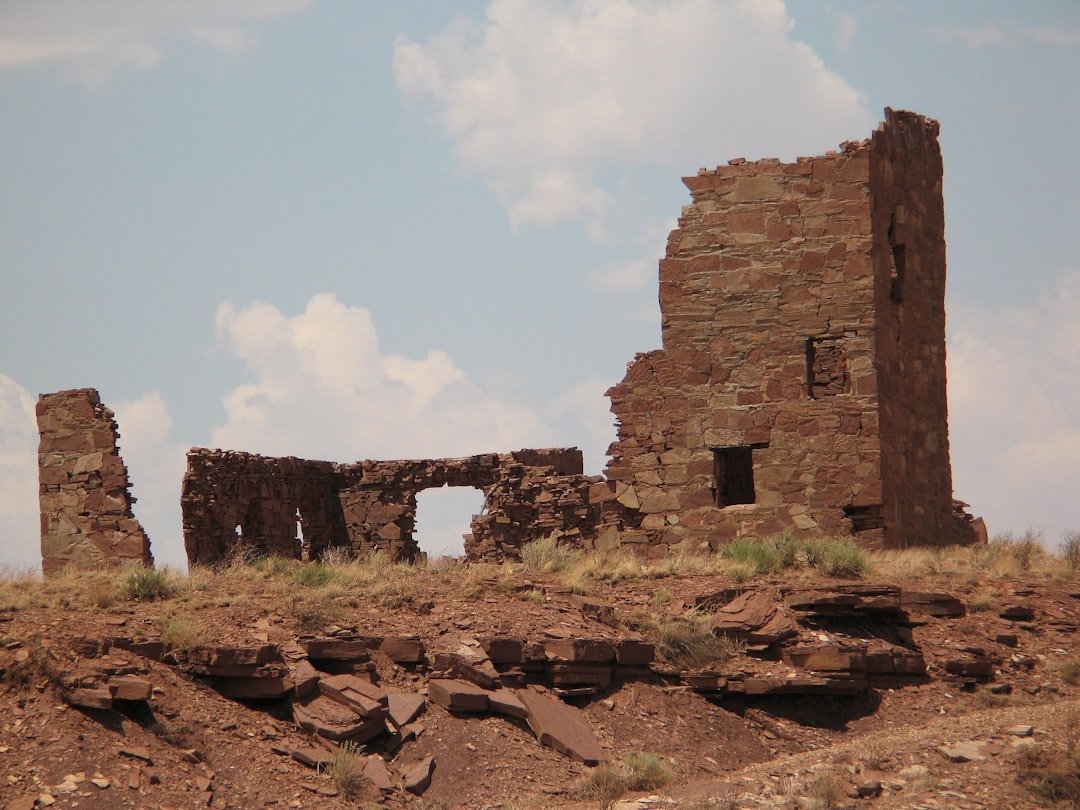
Great houses like Pueblo Bonito stack rooms in honeycomb patterns, their walls keyed to cardinal directions and sightlines. Chaco’s straight roads slice across mesas with an almost audacious indifference to terrain, hinting at regional integration that still challenges researchers. Timber analysis reveals beams hauled from distant mountains, a supply chain run by foot and willpower.
Light and shadow at Fajada Butte track solar and lunar cycles with mesmerizing precision, making the canyon both a desert cathedral and a timekeeper. The social choreography – feasting, pilgrimage, governance – radiates from masonry and midden alike. Chaco is a masterclass in how architecture can organize a world.
Mesa Verde, Colorado

Cliff Palace and its neighbors cling to alcoves like carefully packed swallows’ nests, an architectural adaptation to place and climate. The masonry is intimate – kivas tucked under sandstone overhangs, doorways scaled to the human body, storage rooms stacked with intention. Evidence suggests environmental stress and social shifts played a role in why people left in the late thirteenth century.
Walking the cliff edge, it’s easy to imagine voices rising from kivas on winter nights, calendars counted in hearth light and stars. Mesa Verde captures a society’s resilience and the hard choices facing communities on marginal land. It’s a reminder that ingenuity and vulnerability often live side by side.
Spiro Mounds, Oklahoma
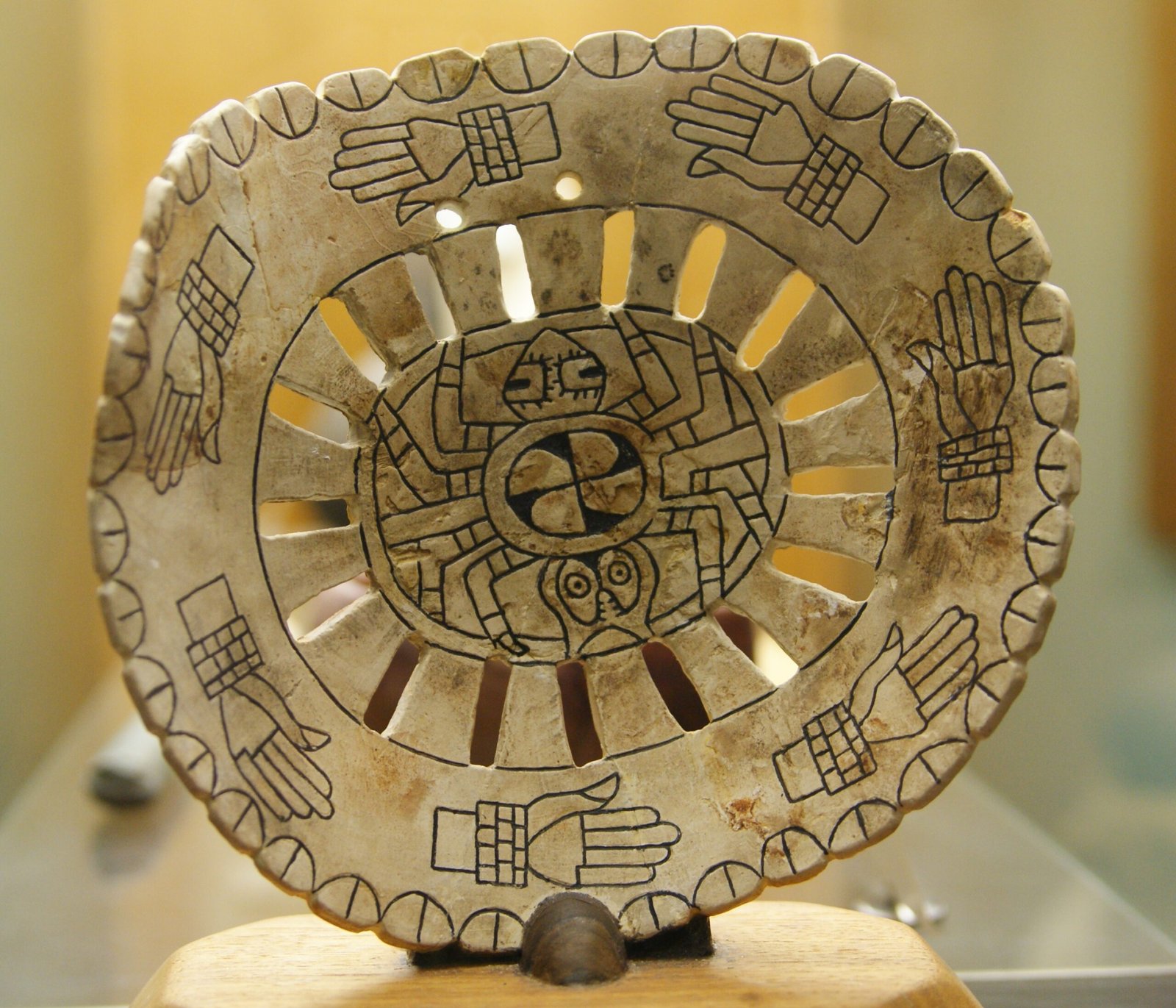
On a bend of the Arkansas River, Spiro guarded a treasury of Mississippian artistry – shell engravings, copper repoussé plates, textiles, and beads. The site sits on a trade nexus that linked the Southeast to the Plains and beyond, moving ideas as much as goods. Excavations revealed a layered ceremonial life where iconography encoded myths, power, and cosmology.
The sheer diversity of materials shows a world that was anything but isolated. Spiro’s artisans worked with precision and narrative flair, turning everyday objects into portable meaning. The legacy is a continent-spanning conversation in metal, shell, and clay.
Moundville, Alabama
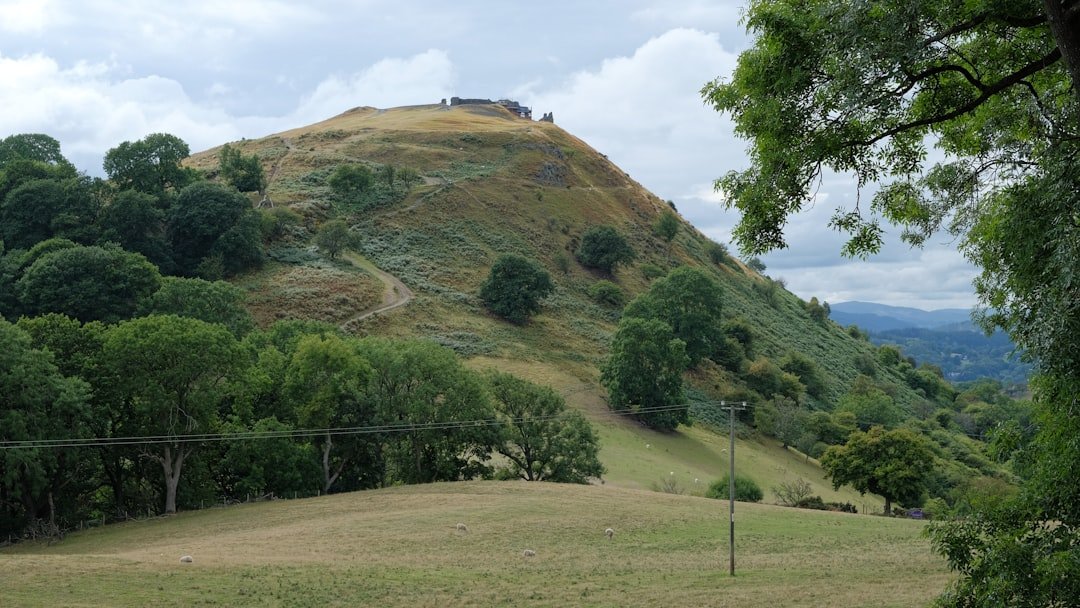
Arranged around a broad plaza, Moundville’s platform mounds map hierarchy onto landscape with intentional clarity. Houses, council structures, and ceremonial spaces knit into a plan that communicated who led, who gathered, and when. Burials and art from the site carry motifs shared with distant communities, signs of diplomacy, marriage ties, and ritual journeys.
Iconography here is not decoration; it’s a theology in symbols – raptors, hands, eyes, serpents – rendered with striking consistency. The settlement speaks to political complexity and religious authority that rivals contemporaneous centers anywhere in the hemisphere. Moundville turns the stereotype of small villages into a story of capitals and courts.
Casa Grande Ruins, Arizona
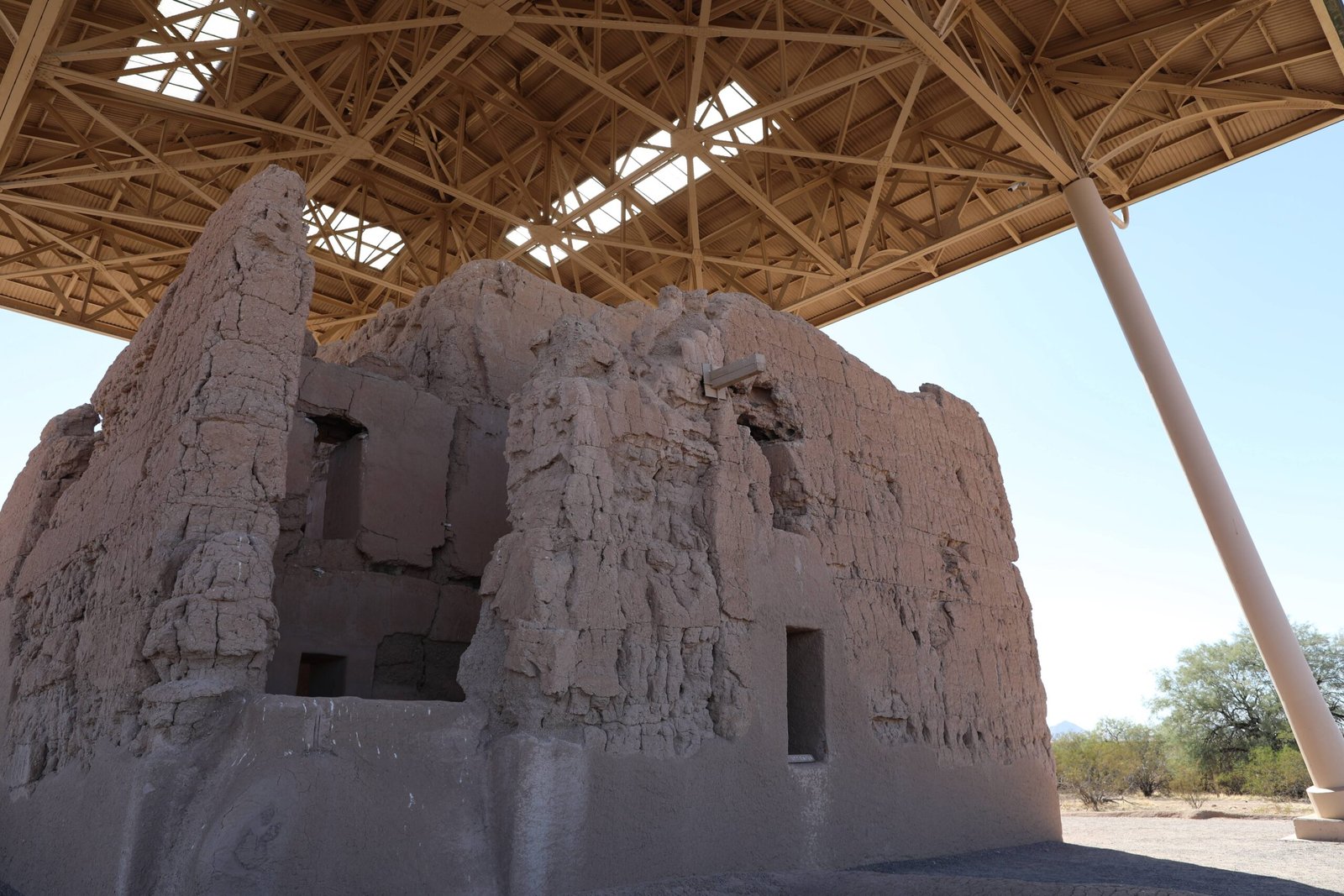
In the Sonoran Desert, a four-story earthen great house rises from irrigated fields that were once laced with canals. The Hohokam engineered water with a confidence that still impresses, delivering lifelines across miles of harsh country. Openings in the great house appear tuned to seasonal sun, an architectural calendar set against the blaze of summer and the cool precision of winter light.
What endures at Casa Grande is the merger of hydrology and ritual – water control, sky watching, and community gathering in one integrated system. The caliche walls tell a story of patience and maintenance, of annual plastering and shared care. In a changing climate, this lesson feels both ancient and urgent.
Effigy Mounds, Iowa
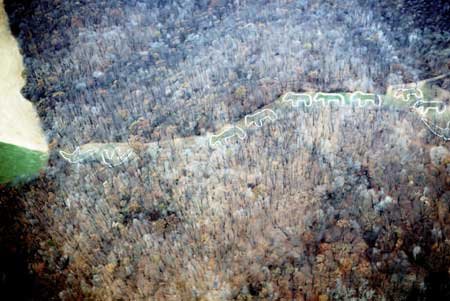
Here, bears and birds come to life as earthworks, their silhouettes best seen from above or from a hillside vantage. Built along ridges and river terraces, these mounds carry ancestral memory into the shape of the land, where burial, cosmology, and territory blur. The animal forms suggest relationships with spirit beings and real creatures that structured how people moved, hunted, and mourned.
Effigy Mounds compress story into contour, stitching narrative into topography without a single carved line of text. The precision of placement – near confluences, overlooks, and sacred groves – speaks to a worldview mapped in layers. It’s landscape as library, and we’re still learning to read it.
Why It Matters
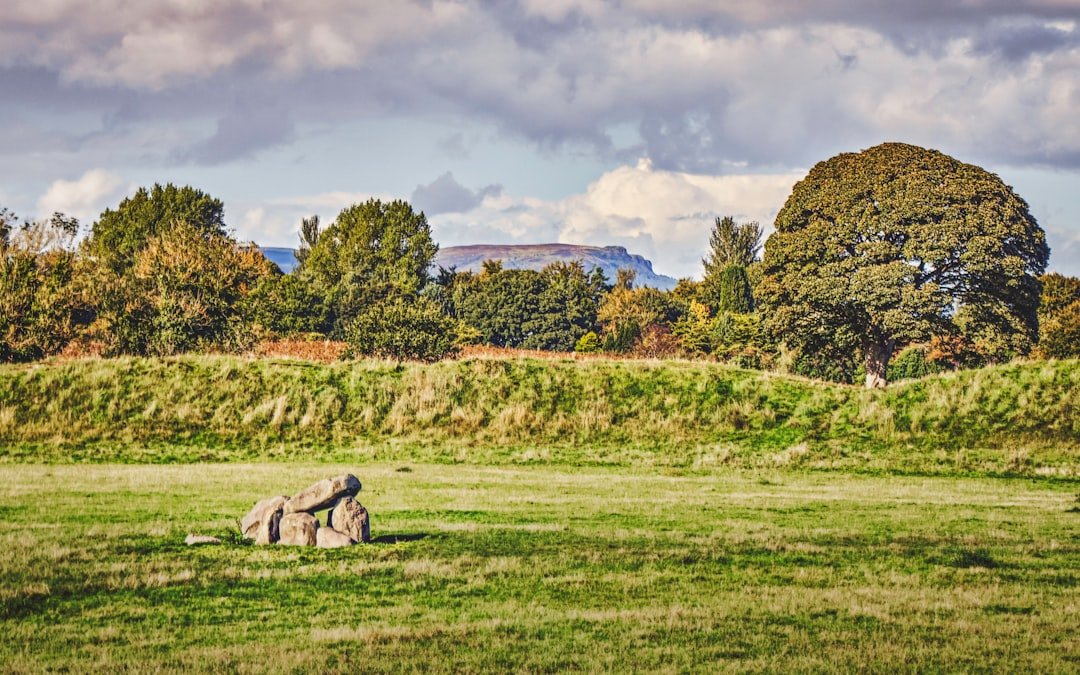
These sites overturn older models that framed early North America as a patchwork of isolated groups sprinting toward agriculture and hierarchy. Instead, we see societies that balanced foraging and gardening with monument building, astronomy, and regional trade. The contrast with traditional narratives is sharp: complexity didn’t arrive in a single wave, and it didn’t look the same everywhere.
For science, the implications are big. By comparing earthworks to cliff dwellings, and riverine cities to desert observatories, we test how environment, technology, and belief co-produce innovation. The result is a history that feels less like a ladder and more like a braided river with many channels.
The Future Landscape
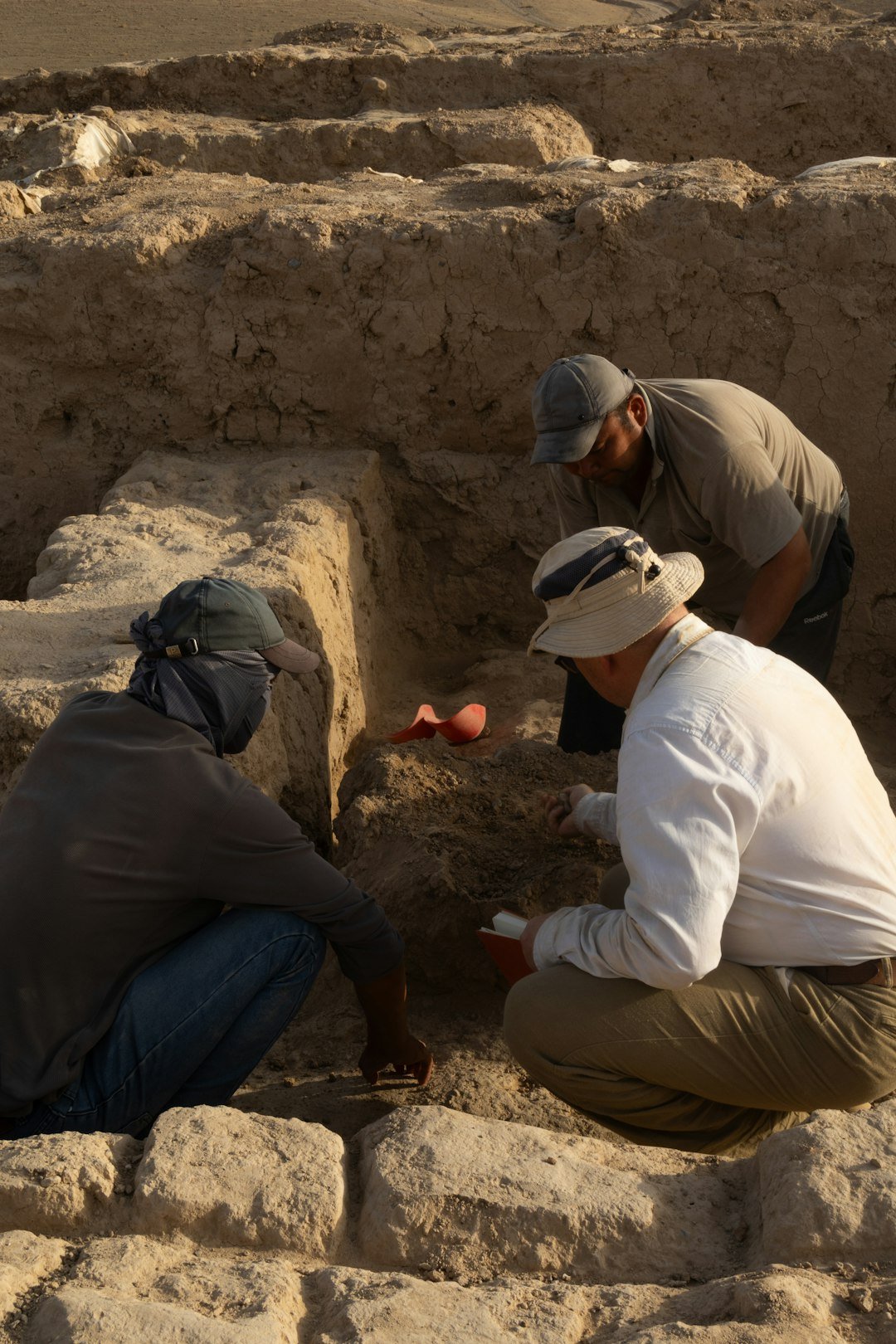
New tools are transforming the hunt for hidden architecture. Lidar peels back forest canopies to reveal low mounds and road traces; drone photogrammetry and ground-penetrating radar add detail without turning a shovel. Isotope analysis tracks the origin of wood, stone, and even food residues, building travelogues from molecules.
The next frontier blends community knowledge with tech, especially where sacred space demands noninvasive study. Climate change, erosion, and looting remain stubborn threats, but better monitoring and tribal stewardship are changing the response. Expect more discoveries in plain sight – and more careful listening to the people whose ancestors built these places.
How You Can Help
Visit respectfully, stay on marked paths, and follow site guidance – footprints add up. Support tribal nations and local museums that steward these places through donations or membership. If you’re near a site, volunteer for cleanup days, citizen-science mapping, or visitor education; small actions protect fragile features.
At home, encourage schools and libraries to include Indigenous perspectives and current archaeology in curricula. Share accurate stories, not myths, and advocate for funding that preserves sites facing storms, drought, and development. These monuments don’t need perfection from us – they need steady care and curious minds. What part will you take on next?
Suhail Ahmed is a passionate digital professional and nature enthusiast with over 8 years of experience in content strategy, SEO, web development, and digital operations. Alongside his freelance journey, Suhail actively contributes to nature and wildlife platforms like Discover Wildlife, where he channels his curiosity for the planet into engaging, educational storytelling.
With a strong background in managing digital ecosystems — from ecommerce stores and WordPress websites to social media and automation — Suhail merges technical precision with creative insight. His content reflects a rare balance: SEO-friendly yet deeply human, data-informed yet emotionally resonant.
Driven by a love for discovery and storytelling, Suhail believes in using digital platforms to amplify causes that matter — especially those protecting Earth’s biodiversity and inspiring sustainable living. Whether he’s managing online projects or crafting wildlife content, his goal remains the same: to inform, inspire, and leave a positive digital footprint.