

Ever wondered how some dogs seem to possess almost supernatural abilities? While we marvel at our canine companions’ remarkable talents, science has revealed that certain breeds truly do have extraordinary sensory powers that go far beyond what we initially understood. These aren’t just parlor tricks or breed myths passed down through generations – they’re measurable, scientifically-backed abilities that have helped these dogs excel in their original roles and continue to amaze researchers today.
The Bloodhound’s Legendary Nose Power

If there’s one breed that deserves the title of ultimate scent detective, it’s the Bloodhound. Their large and extremely sensitive scent membranes contain an astounding approximately 300 million olfactory scent receptors, while humans have around 6 million olfactory cells – meaning a bloodhound has a mind-boggling about 50 times more than what we possess.
In a study to evaluate the reliability of bloodhounds in identifying and trailing the scent of individual humans in high-traffic areas on 48-hour-old trails, five trained and experienced bloodhounds had a success rate of 96% with no false identifications. That’s better than many high-tech detection devices! What makes this even more incredible is that their sense of smell is so incredibly acute that researchers have found that bloodhounds can even distinguish between two related humans based on their genetics.
Beagles: The Speedy Scent Specialists

Don’t let their compact size fool you – Beagles pack serious olfactory firepower. Beagles are medium-sized scent hounds with an astounding 225 million olfactory receptors. But what sets them apart isn’t just the number of receptors, it’s how efficiently they use them.
Beagles found the hidden food quicker than border collies, basset/bloodhounds, golden retrievers, Labradors, and cocker spaniels. In professional settings, Beagles who have been on the job for a while have a 90 percent success rate and can recognize nearly 50 distinct odors. Their sophisticated nasal structure and remarkable scent memory make them invaluable for everything from airport security to medical detection work.
German Shepherds: The Multi-Sensory Marvels
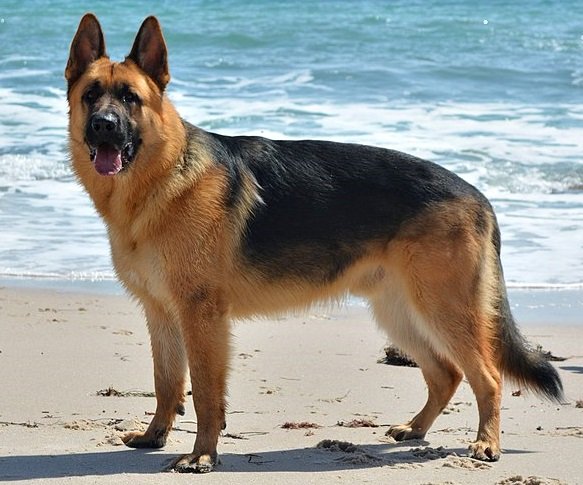
German Shepherds aren’t just famous for their intelligence and loyalty – they’re sensory powerhouses with multiple super-abilities. With a remarkable 225 million scent receptors, it’s no surprise that the German shepherd is such a skilled sniffer! An efficacy study on four breeds of drug detection dogs found that German shepherds had higher accuracy than the other three breeds.
But their sensory talents go beyond smell. Police dogs (primarily German shepherd dogs) with a specific substitution at one gene location were rated as having significantly better scent detection skills than other dogs who had had the same training but did not have this substitution. This suggests that genetics plays a crucial role in their enhanced abilities, making them natural-born detection machines.
Border Collies: The Heat-Sensing Hunters
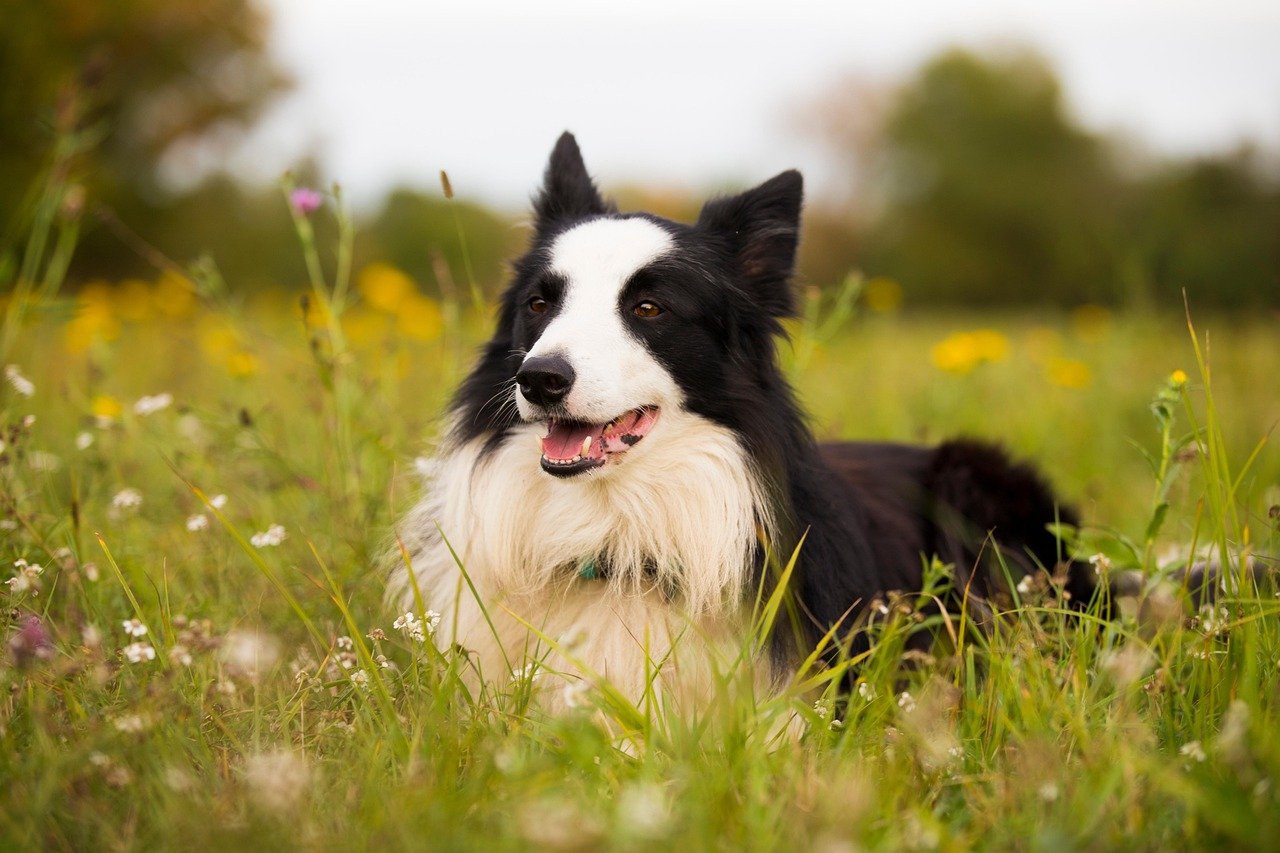
Here’s where things get really wild. Border Collies possess a sensory ability that sounds like science fiction: they can detect thermal radiation. Researchers trained three dogs to distinguish between two distant objects based on radiating heat; the neutral object was about ambient temperature, the warm object was about the same surface temperature as a furry mammal.
The thermal sense was established in scientific tests and explains why dogs have the uncanny ability to enter a room and select a recently occupied chair that still sends out weak thermal radiation. Among the dogs involved in the experiments were golden retrievers and border collies. This thermal detection ability helps explain how dogs can hunt successfully even when their sight or hearing is impaired.
Labrador Retrievers: The Medical Detection Experts

Labradors have earned their reputation as more than just friendly family pets – they’re becoming medical marvels in the detection world. Labrador retrievers have rather large noses, which provides more room for detecting scents with their many olfactory scent receptors, and they also have large olfactory bulbs in their brains, which further enhances their ability to process and detect various aromas.
Their medical detection capabilities are truly extraordinary. Labrador retrievers can be trained to sniff out blood sugar changes, tumors, and even seizures before they occur. In scientific reports on COVID-19 detection, the average diagnostic sensitivity was 82.63%, with 96.35% specificity, and in one of the most recent publications using exhaled breath samples, a detection accuracy of >90% was reported for four dogs within their first month of training.
The Science Behind These Super Senses

What makes these abilities possible goes beyond just having more scent receptors. Their hearing is much more sensitive than ours to high-frequency sounds, and their sense of smell is a hundred thousand times better. The thermal detection ability adds another layer to their sensory toolkit.
Dogs, like vampire bats, can sense weak hot spots and that a specific region of their brains is activated by this infrared radiation. Dogs have colder noses than other mammals, which provides a background against which heat radiation registers. This combination of enhanced anatomy and specialized brain processing creates these remarkable abilities that continue to surprise researchers.
Conclusion

The scientific evidence is clear: certain dog breeds possess sensory abilities that truly deserve the label “super senses.” From the Bloodhound’s record-breaking 230 million scent receptors to the Border Collie’s thermal detection capabilities, these breeds have evolved specialized sensory systems that far exceed human perception. These abilities aren’t just impressive party tricks – they’re practical tools that help dogs serve as medical detectors, search and rescue specialists, and security experts.
The next time you watch your dog seemingly “read” the environment in ways you can’t understand, remember that they might literally be sensing a world invisible to you. Isn’t it amazing to think that your furry companion might be detecting heat signatures, processing scent information at incredible speeds, or picking up sounds you’ll never hear?