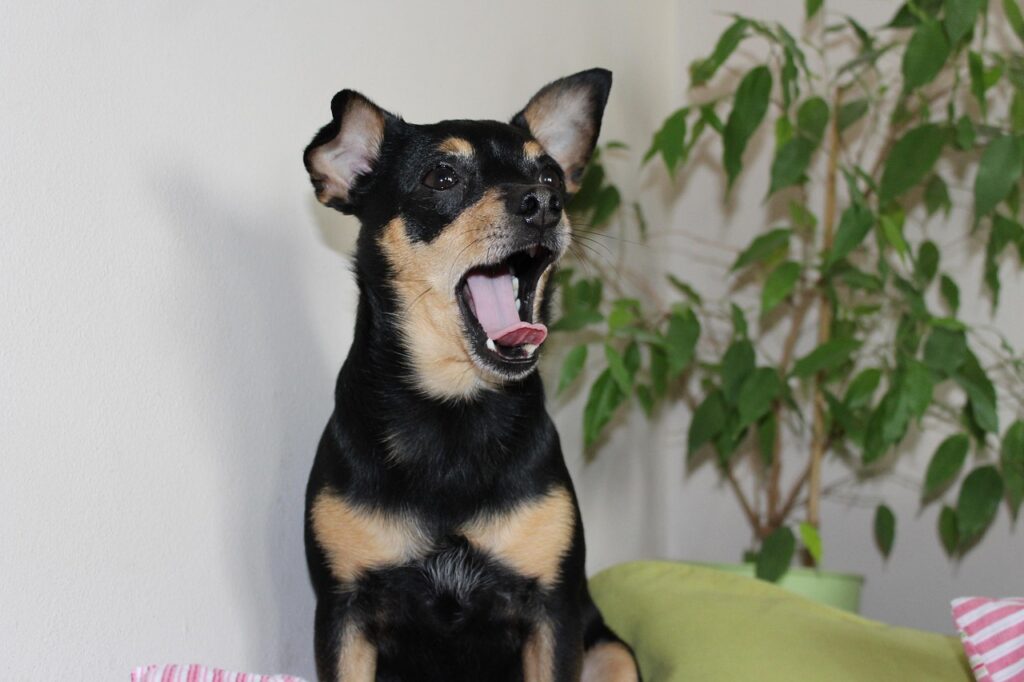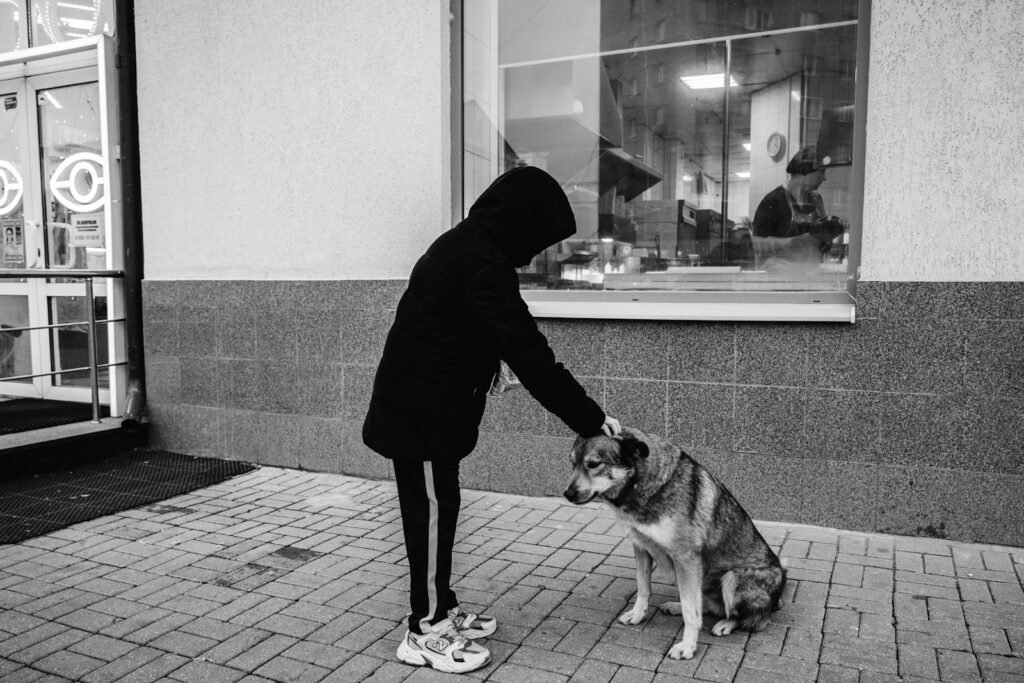

It’s the tiny tilt of a head, the quick glance at our eyes, the way a paw lands gently on a knee right when we need it – dogs don’t just live with us, they seem to read us. Scientists have been testing that hunch for decades, and the results are surprisingly one-sided: dogs excel at picking up human signals in ways even our closest primate relatives often miss. This isn’t magic or wishful thinking; it’s biology, history, and brain science converging on one story. Below, we dig into seven research-backed reasons our best friends understand us so well – and what that means for the future of human–animal communication.
The Hidden Clues: Dogs Track Our Eyes, Points, and Posture

Show a dog two bowls and simply point to one, and most will march straight to the target – even if they’ve never seen the trick before. This sensitivity to human gaze and gestures shows up early in puppies, suggesting a built-in readiness to use our bodies like signposts. In lab tasks, dogs follow subtle cues such as a head turn, a glance, or even a foot point, performing reliably where many other animals hesitate or default to trial and error.
What stands out is how dogs treat human communication as cooperative: they act as if we’re trying to help them, and they respond in kind. In natural settings, that means a dog will often check back to our face when uncertain, asking for guidance without a sound. It’s a quiet choreography that feels effortless because, for dogs, reading people is part of the job description.
From Ancient Fires to Living Rooms: Domestication Tuned Dogs to Us
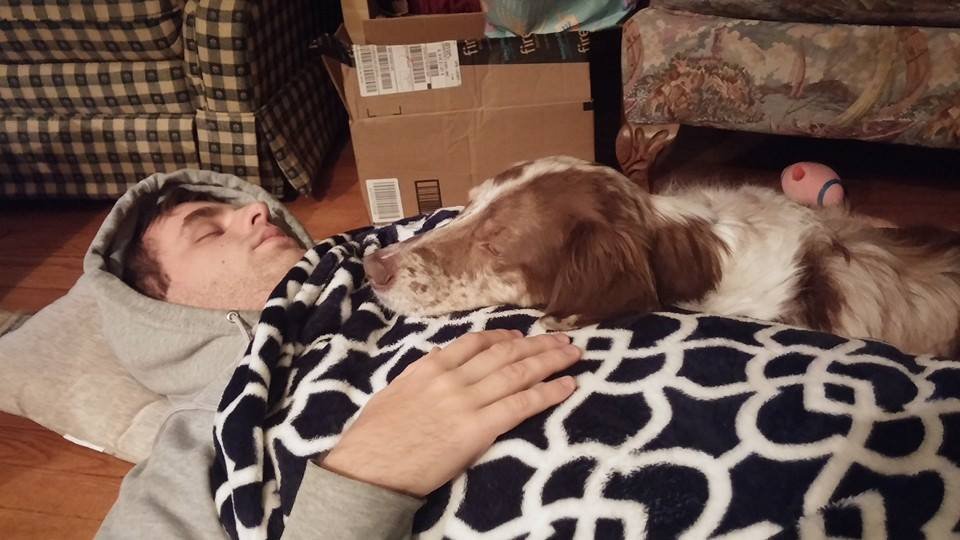
The story begins tens of thousands of years ago, when wolves that were less fearful and more tolerant of humans lingered near campfires. Over generations, selection favored animals that could thrive around people – calmer temperaments, flexible social skills, and a readiness to attend to human behavior. That slow-burning partnership carved cognitive grooves: traits that helped dogs track our actions and intentions were passed on, reshaped, and refined.
Domestication didn’t just soften edges; it redirected attention. Dogs became specialists in human worlds, generalists at reading our messy routines and micro-signals. That’s why a dog can nap through background chaos yet snap to attention at a quiet rustle that means “walk” or the faint click that means “treat.” Evolution rewarded the ones who listened well.
The Sound of Us: Canine Brains Parse Words and Tone
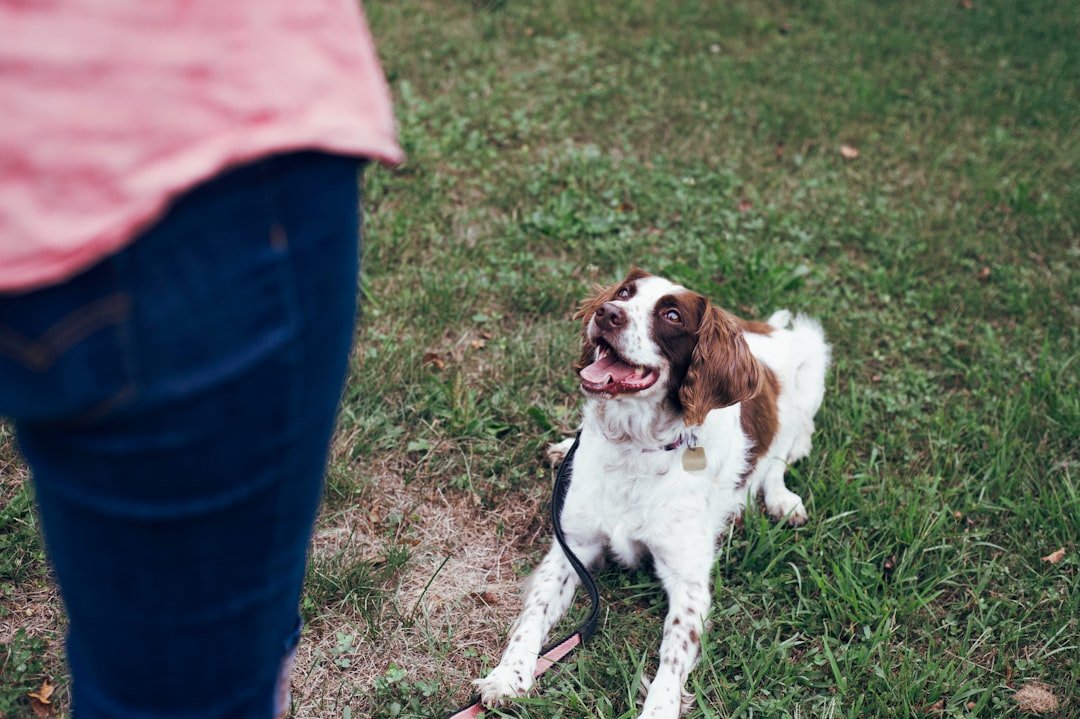
Neuroscience adds a striking layer: imaging studies show that dogs process aspects of speech in ways that echo our own patterns. They can distinguish meaningful words from meaningless ones and weigh the emotional tone layered on top. When praise and intonation align, reward centers light up more strongly – suggesting dogs integrate what we say with how we say it.
In everyday life, that feels like intuition. We switch from a calm “stay” to a warm “good dog,” and the message lands not just because of conditioning but because dogs sort content from context. They’re listening for the packet of meaning embedded in our sounds – much like a human listener does, just adapted to a canine brain.
The Oxytocin Loop: Biology That Bonds and Focuses
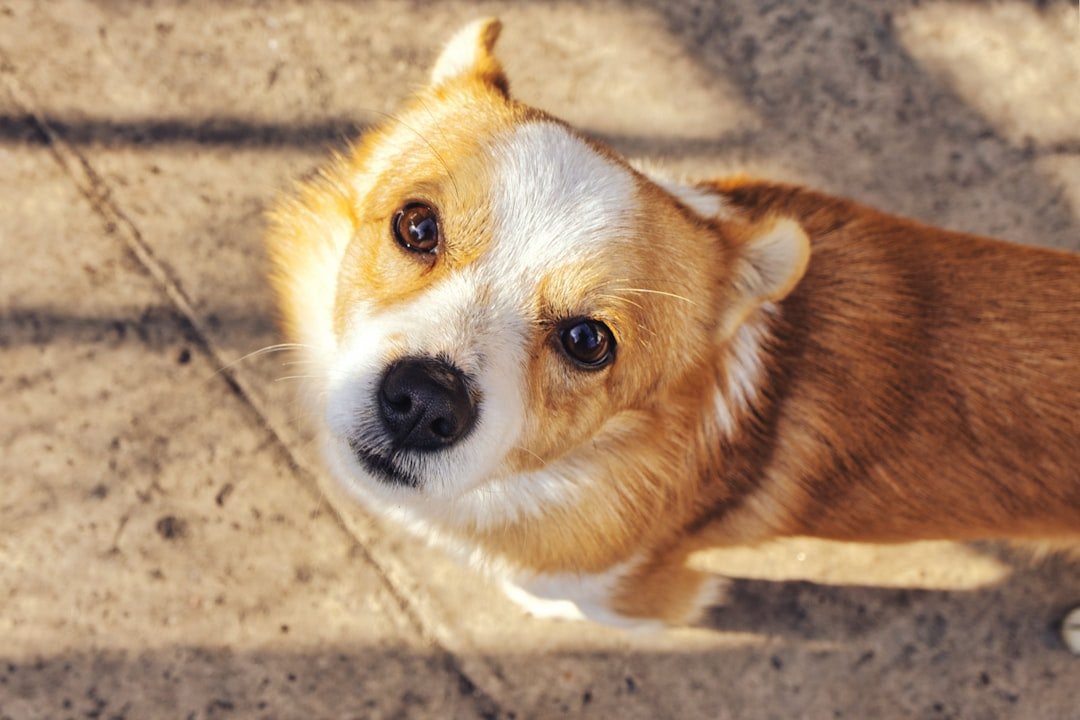
Look into a dog’s eyes and something chemical happens. Research shows that mutual gazing between dogs and their humans can increase levels of oxytocin, a hormone involved in social bonding. That biochemical nudge doesn’t just feel good; it can sharpen attention to each other, making it easier to read faces, follow gestures, and stay attuned.
Over time, this loop may create a feedback system: social closeness boosts oxytocin, which in turn reinforces the very behaviors that deepen communication. The result is a living bridge, maintained not by constant treats or commands but by biology tuned to connection. It’s the quiet engine under the friendship.
Face Value: Dogs Read Expressions – Right Down to the Eyebrows
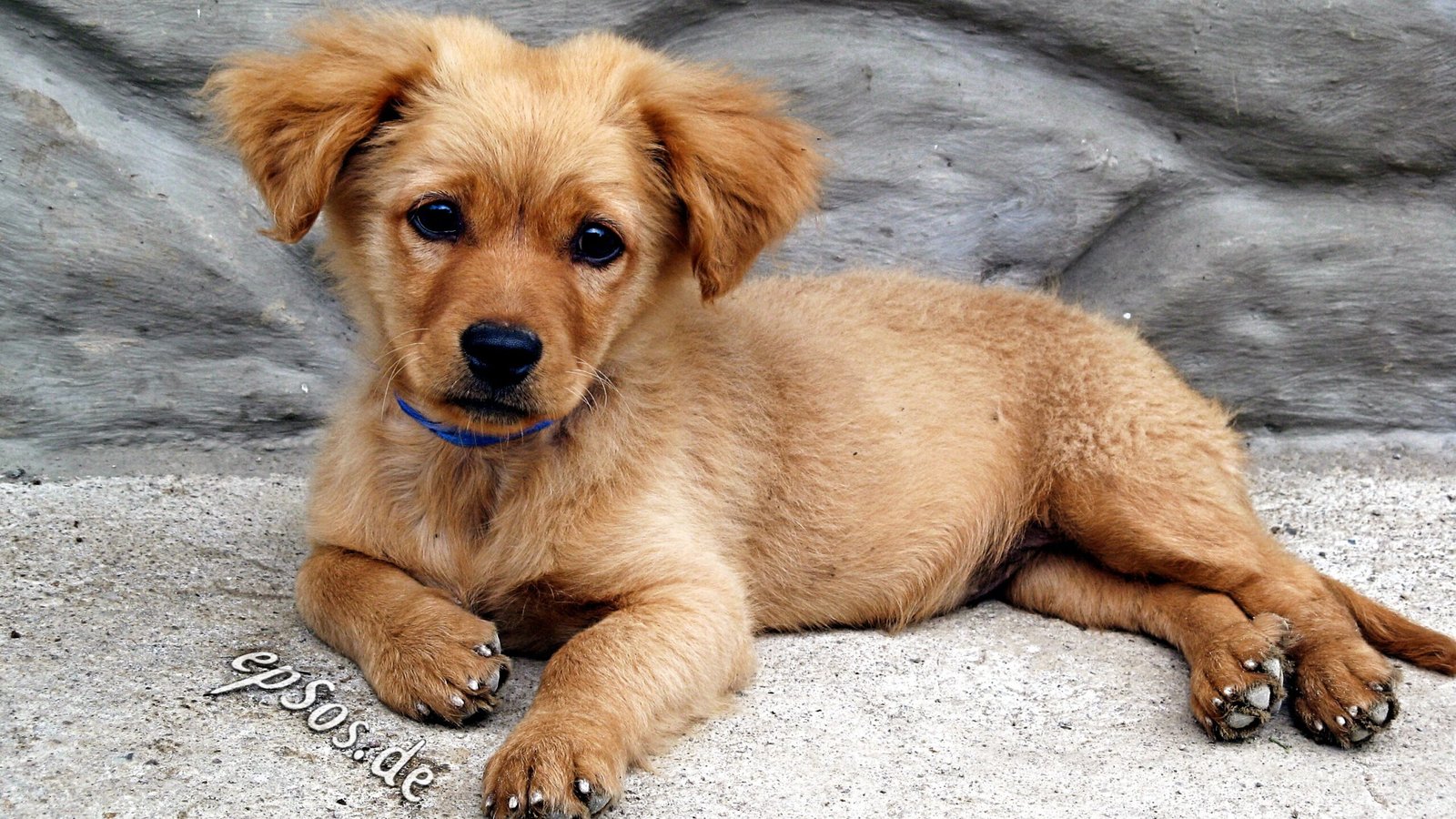
Dogs don’t just watch our hands; they scan our faces and linger where the meaning lives. Studies using eye-tracking suggest dogs show a left-gaze bias when looking at human faces, a pattern tied to how complex expressions are processed. They notice the tension around the mouth, the lift of an eyebrow, the softness of eyelids – the kinds of micro-movements that signal mood and intent.
In turn, dogs have facial tricks of their own that speak our language surprisingly well. The inner eyebrow raise – the classic “puppy eyes” – is a movement that draws our attention to the dog’s gaze, making their expressions look more infant-like and legible to humans. I’ve felt its pull in shelters: one glance, and you just know who’s asking for a chance.
Why It Matters: Social Smarts That Scale to Daily Life
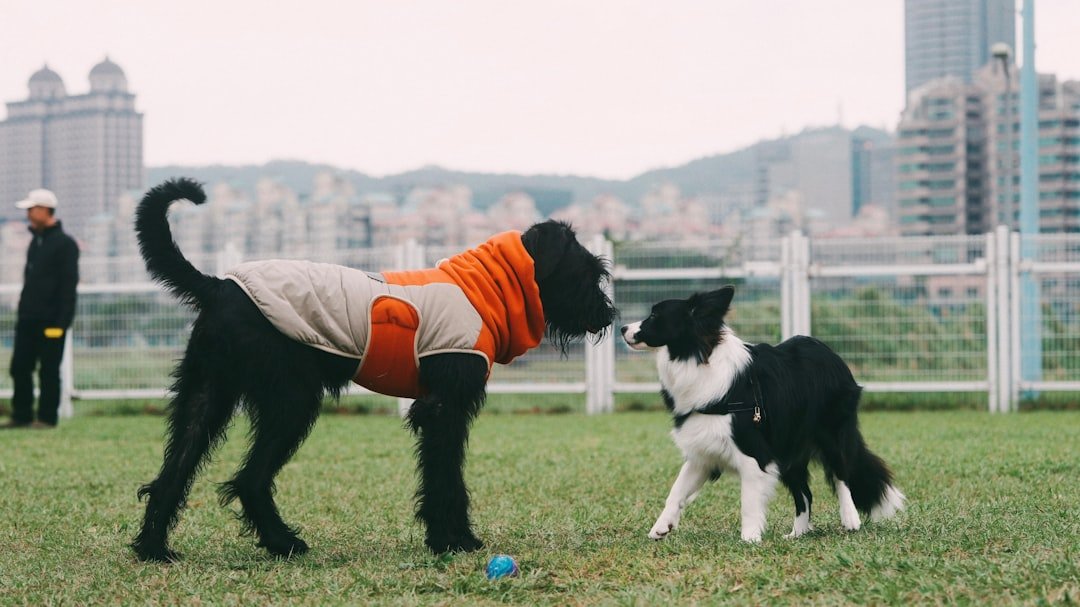
This isn’t trivia about clever pets; it’s a model for cross-species understanding. Because dogs reliably use human cues, they can assist with critical tasks – from guiding travelers through airports to alerting families to medical events. In comparative studies, dogs often outperform other domesticated animals at reading human intentions, which helps explain their unique role in service and safety.
The payoff is practical and human. Communication fluency lowers training time, improves welfare, and reduces risk in busy public spaces. For families, it means smoother routines and fewer misunderstandings; for science, it offers a window into how cooperation evolves and how brains flex to new social partners. Dogs aren’t just good at living with us – they make us better at living together.
Fairness, Attention, and Cooperation: Dogs Read What We Know and Feel
Dogs notice whether we’re paying attention and adjust their behavior accordingly, preferring to beg or interact with people who are looking at them. They’ll also hesitate to repeat a behavior that seemed to upset us, suggesting they track our emotional reactions. In some experiments, dogs even resist unfair treatment, refusing to perform when a partner gets rewards they don’t – rudimentary, but real, social calculus.
None of this makes dogs tiny humans, and it doesn’t require mind reading. It reflects a set of social tools tailored to our species: sensitivity to gaze, to fairness norms that keep cooperation stable, and to the simple fact that paying attention changes outcomes. Those tools help dogs navigate the social maze we build around them every day.
The Puppy Window: A Critical Period That Tunes Dogs to People
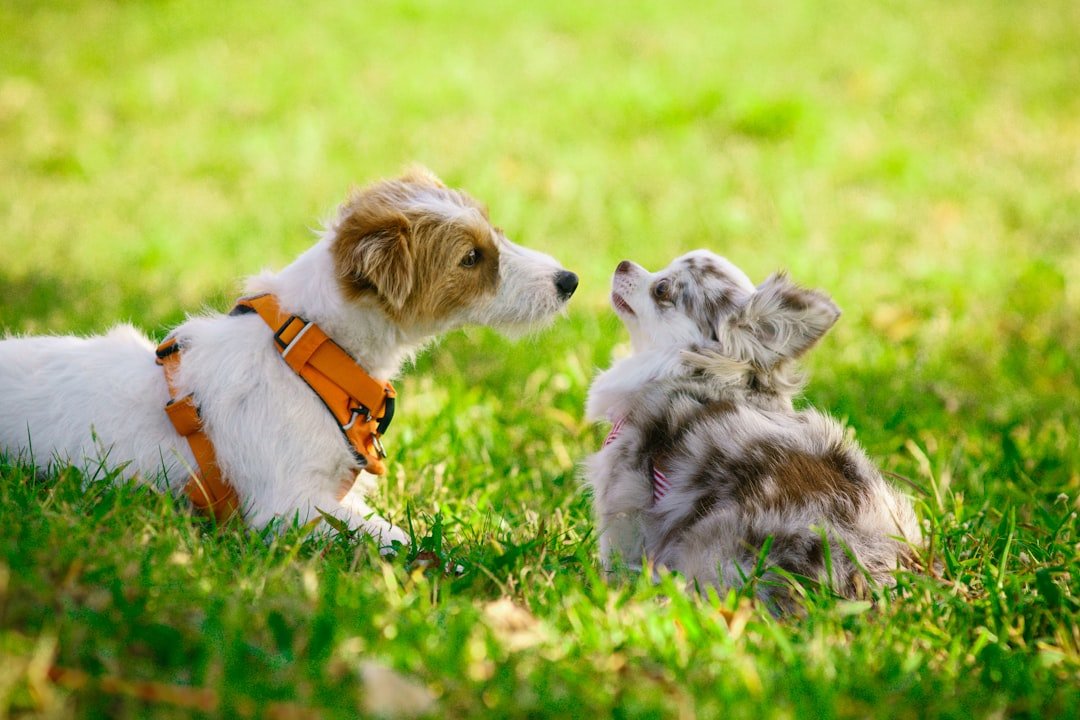
Timing is everything. Puppies raised with positive human contact during a sensitive window – roughly early weeks into a few months – grow more attentive to people and learn human cues faster. Miss that window, and communication can be harder to establish, even with patience later on.
This developmental twist is a powerful reason dogs understand us so well: their brains are primed to attach early, and that attachment focuses their learning on us. Socialization isn’t frosting; it’s the recipe. When that window is used well, the benefits echo for a lifetime, from house manners to complex assistance work.
The Future Landscape: Tech, Ethics, and How You Can Help
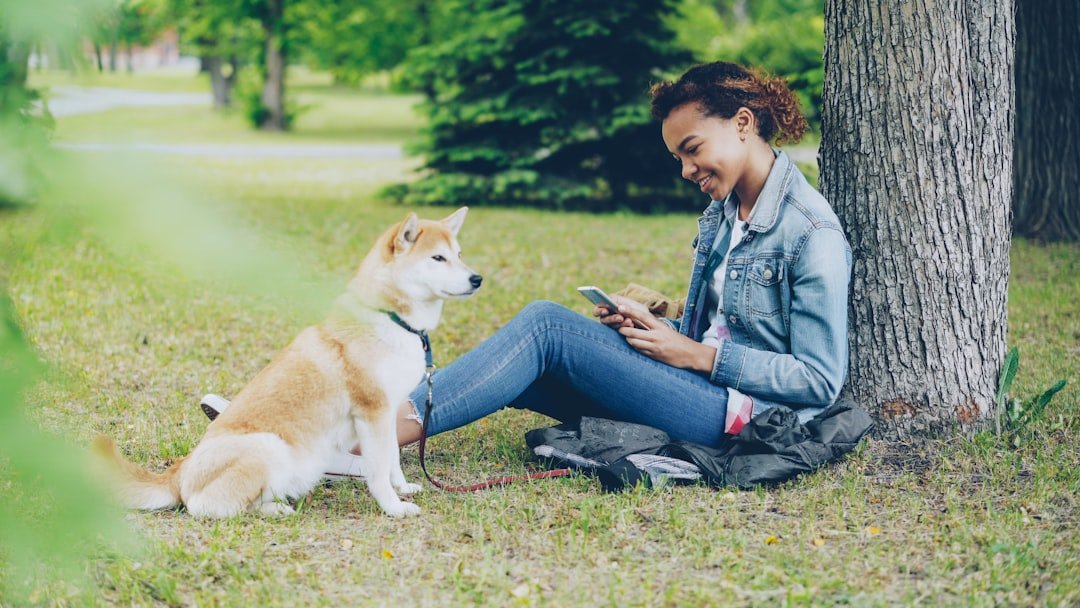
New tools are expanding what we can learn – and how far we can go. Noninvasive brain imaging, wearable sensors, and AI-assisted behavior analysis are revealing how dogs integrate sight, sound, and scent into a coherent map of us. There’s promise in smarter training apps, better shelter assessments, and even early screening for working-dog aptitude that reduces stress and waste.
Progress brings responsibilities. Data must be gathered humanely, training should favor reinforcement over coercion, and technology ought to serve welfare as much as curiosity. If you want to help, start local: support positive socialization classes, volunteer at shelters to gently expose dogs to varied people, and back research that prioritizes animal well-being. Small, steady actions build the kind of world where communication isn’t forced – it’s fostered.
Suhail Ahmed is a passionate digital professional and nature enthusiast with over 8 years of experience in content strategy, SEO, web development, and digital operations. Alongside his freelance journey, Suhail actively contributes to nature and wildlife platforms like Discover Wildlife, where he channels his curiosity for the planet into engaging, educational storytelling.
With a strong background in managing digital ecosystems — from ecommerce stores and WordPress websites to social media and automation — Suhail merges technical precision with creative insight. His content reflects a rare balance: SEO-friendly yet deeply human, data-informed yet emotionally resonant.
Driven by a love for discovery and storytelling, Suhail believes in using digital platforms to amplify causes that matter — especially those protecting Earth’s biodiversity and inspiring sustainable living. Whether he’s managing online projects or crafting wildlife content, his goal remains the same: to inform, inspire, and leave a positive digital footprint.