
When you look at a sparrow hopping through your garden or watch a hawk soar overhead, you’re actually witnessing the last living descendants of dinosaurs in action. This isn’t some fantastical tale from science fiction – it’s one of the most remarkable stories of evolution that scientists have been piecing together through cutting-edge DNA analysis and fossil discoveries. The evidence keeps mounting that birds didn’t just evolve from dinosaurs – they literally ARE dinosaurs, carrying their ancient genetic legacy in every cell.
The Genetic Time Machine: How Scientists Decoded Dinosaur DNA
Scientists at the University of Kent have essentially become genetic detectives, figuring out how dinosaur DNA might have looked by studying the genomes of modern birds and turtles. Their team analyzed genomes from chickens, zebra finches, and budgerigars, working backward to trace the genetic blueprint of a common ancestor that lived around 260 million years ago – about 20 million years before dinosaurs first emerged.
While DNA doesn’t survive millions of years in fossils (it typically breaks down after about a million years, though under ideal conditions it may survive longer), researchers used sophisticated mathematical techniques and computer analysis to essentially reverse-engineer what dinosaur genomes looked like. They compared genomes of birds, turtles, and lizards to piece together the evolutionary puzzle.
The Shocking Discovery Hidden in Bird Chromosomes
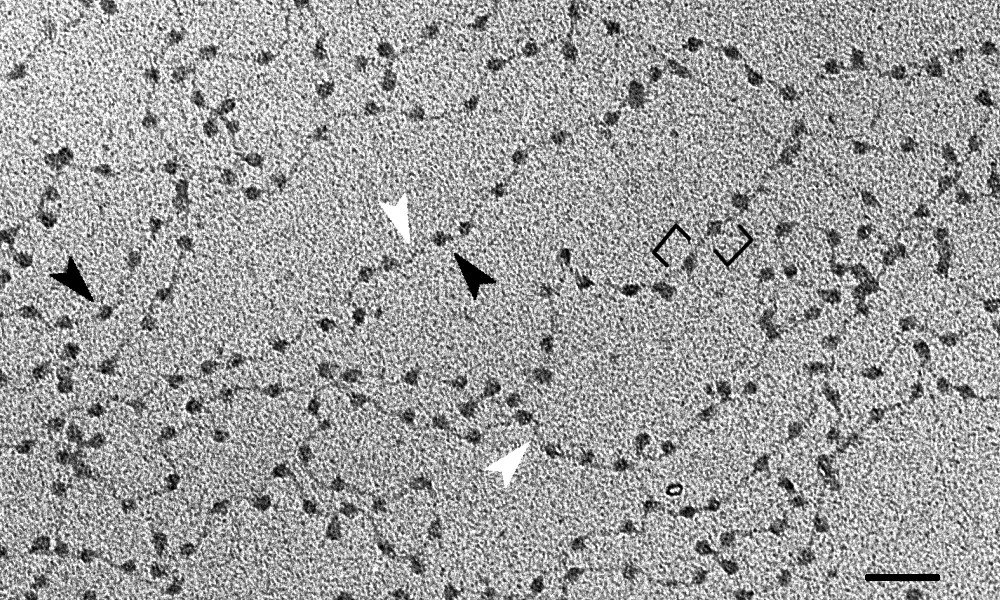
The results were mind-blowing. If scientists could have examined the chromosomes of a Tyrannosaurus rex under a microscope, they would have looked remarkably similar to those of a modern ostrich, duck, or chicken. The basic genetic blueprint remained incredibly stable across nearly 200 million years of evolution.
Birds have an unusually high number of chromosomes compared to most animals – possibly one reason why they’re so incredibly diverse with over 10,000 species today. This chromosome-rich genetic architecture appears to be an ancient dinosaur trait that birds inherited.
Ancient Proteins Tell the Tale of Evolutionary Survival
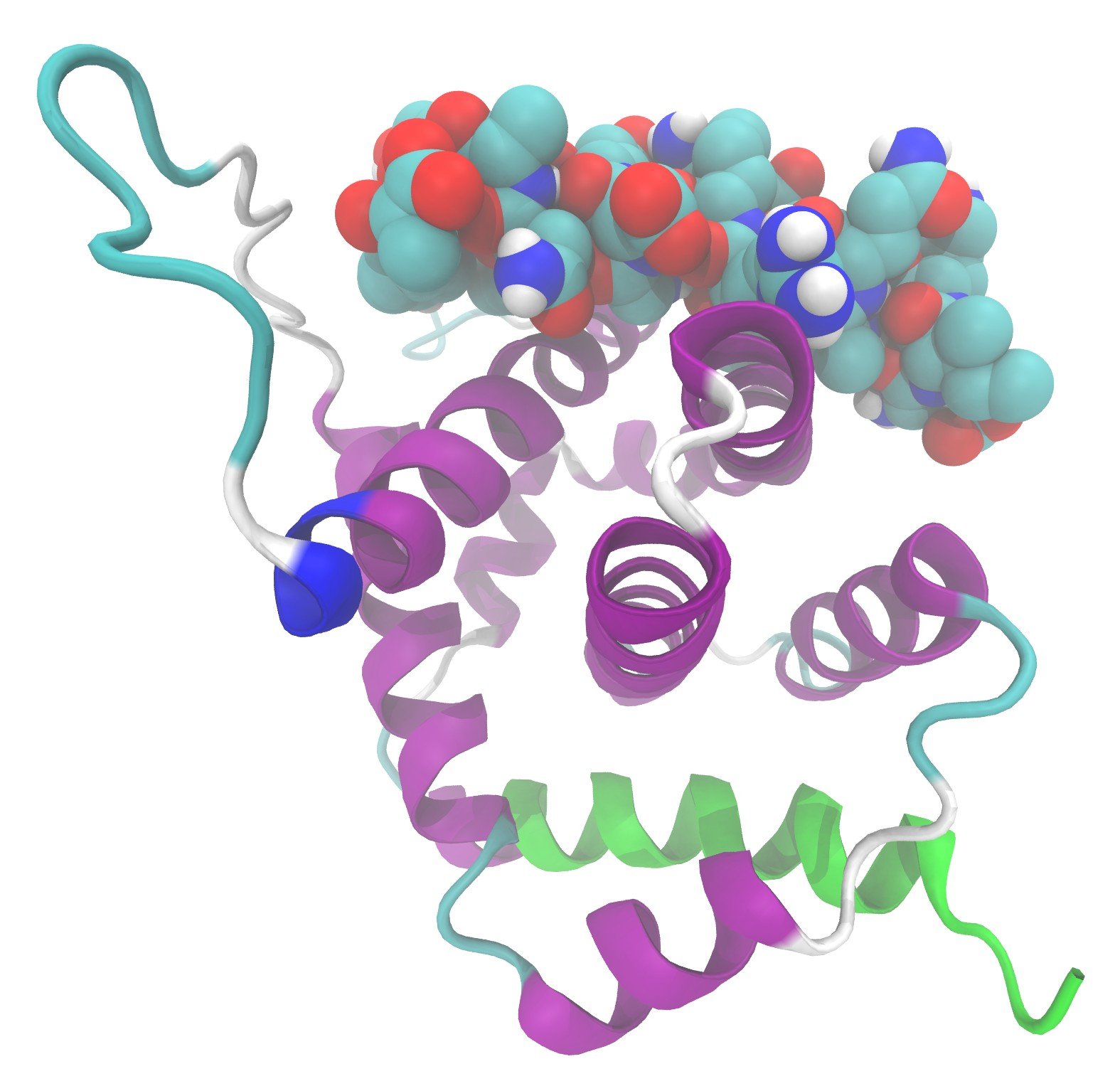
Researchers have recovered actual ancient protein fragments from some dinosaur fossils, including collagen from hadrosaurs (duck-billed dinosaurs) and T. rex. These ancient proteins show striking similarities to modern bird proteins, providing direct molecular evidence of the dinosaur-bird connection.
When scientists compared collagen sequences from an ancient Brachylophosaurus with modern animals, they found the dinosaur proteins clustered with chickens and ostriches on the evolutionary tree, placing them closer to birds than to alligators or lizards. This wasn’t just guesswork – it was molecular proof written in the amino acid sequences themselves.
The Genetic Smoking Gun: Shared DNA Sequences
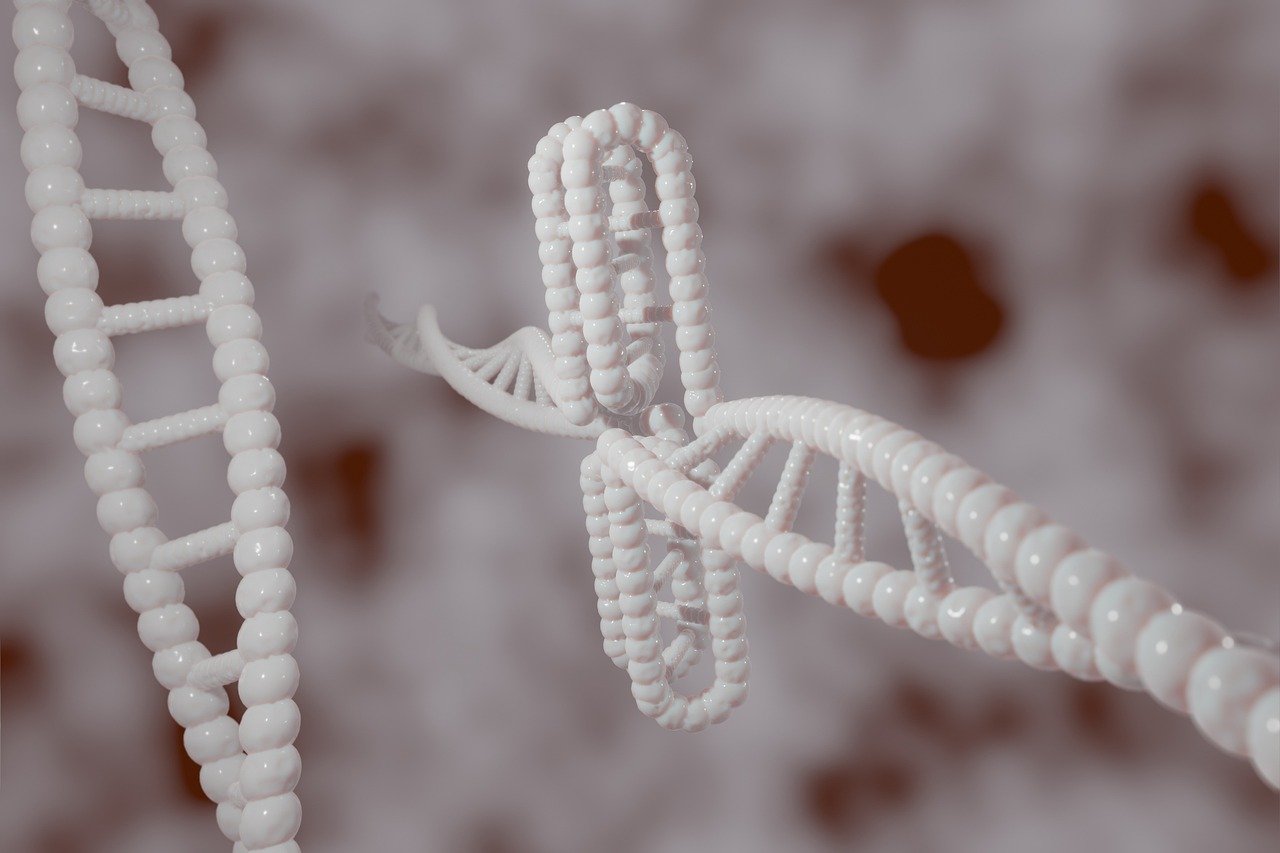
Modern birds still carry DNA sequences inherited directly from their dinosaur ancestors. Molecular studies consistently show that birds share more genetic material with theropod dinosaurs than with any other animal group, clustering them firmly within the dinosaur family tree.
The genetic evidence is so specific that birds actually possess dormant genes for dinosaur features like long bony tails and teeth. Researchers can even manipulate chicken embryos to activate these “dinosaur genes,” causing them to develop teeth or extended tail structures – features their dinosaur ancestors had millions of years ago.
Fossil Proteins Bridge Millions of Years
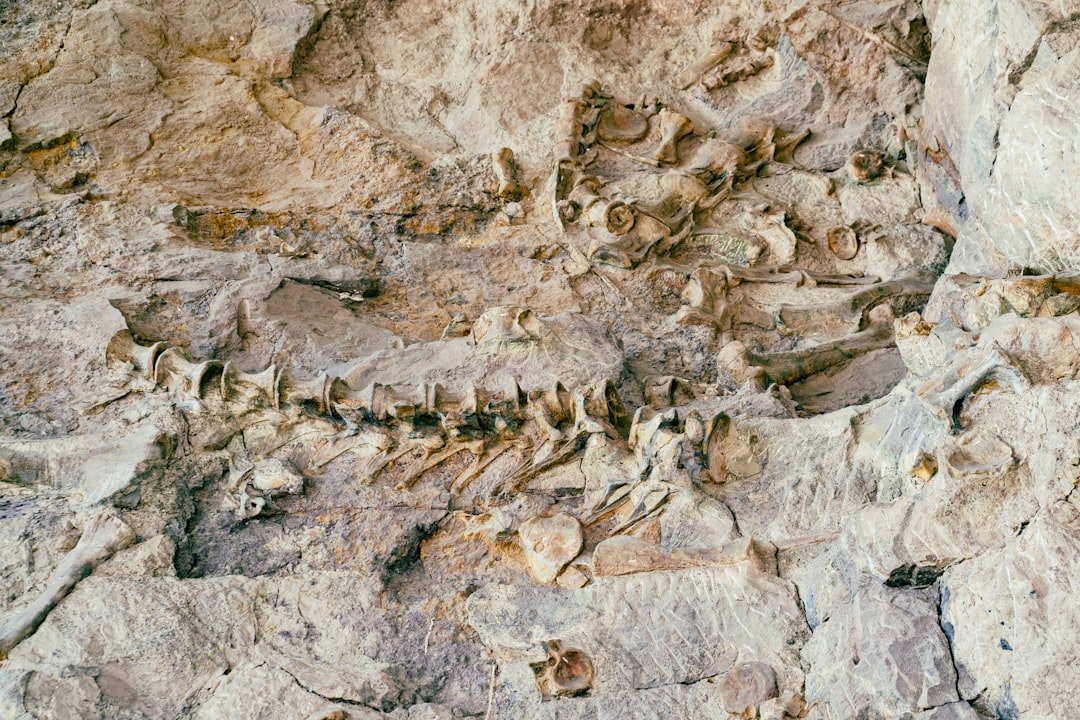
The discovery of collagen in some very ancient fossils has revolutionized our understanding of molecular preservation. MIT researchers found that special atomic-level interactions protect collagen from water damage, allowing it to survive far beyond its normal 500-year half-life.
Recent studies using advanced mass spectrometry have confirmed preserved collagen in Edmontosaurus fossils, detecting the amino acid hydroxyproline – which is specific to collagen in bone tissue. This represents the most definitive proof yet that original dinosaur proteins can survive in fossils.
Chromosomal Architecture: The Dinosaur Blueprint Lives On
The “bird-like” genome organization of 40 chromosome pairs and 30 microchromosomes dates back more than 255 million years, long before the first dinosaurs appeared. This suggests that the genetic foundation for dinosaur diversity was already established in their earliest ancestors.
This genome structure predates not only early dinosaurs but also pterosaurs and the evolution of flight itself. The genetic architecture that made birds so successful was actually an ancient dinosaur inheritance that remained largely unchanged through millions of years of evolution.
The Mass Extinction That Rewrote Genetic History
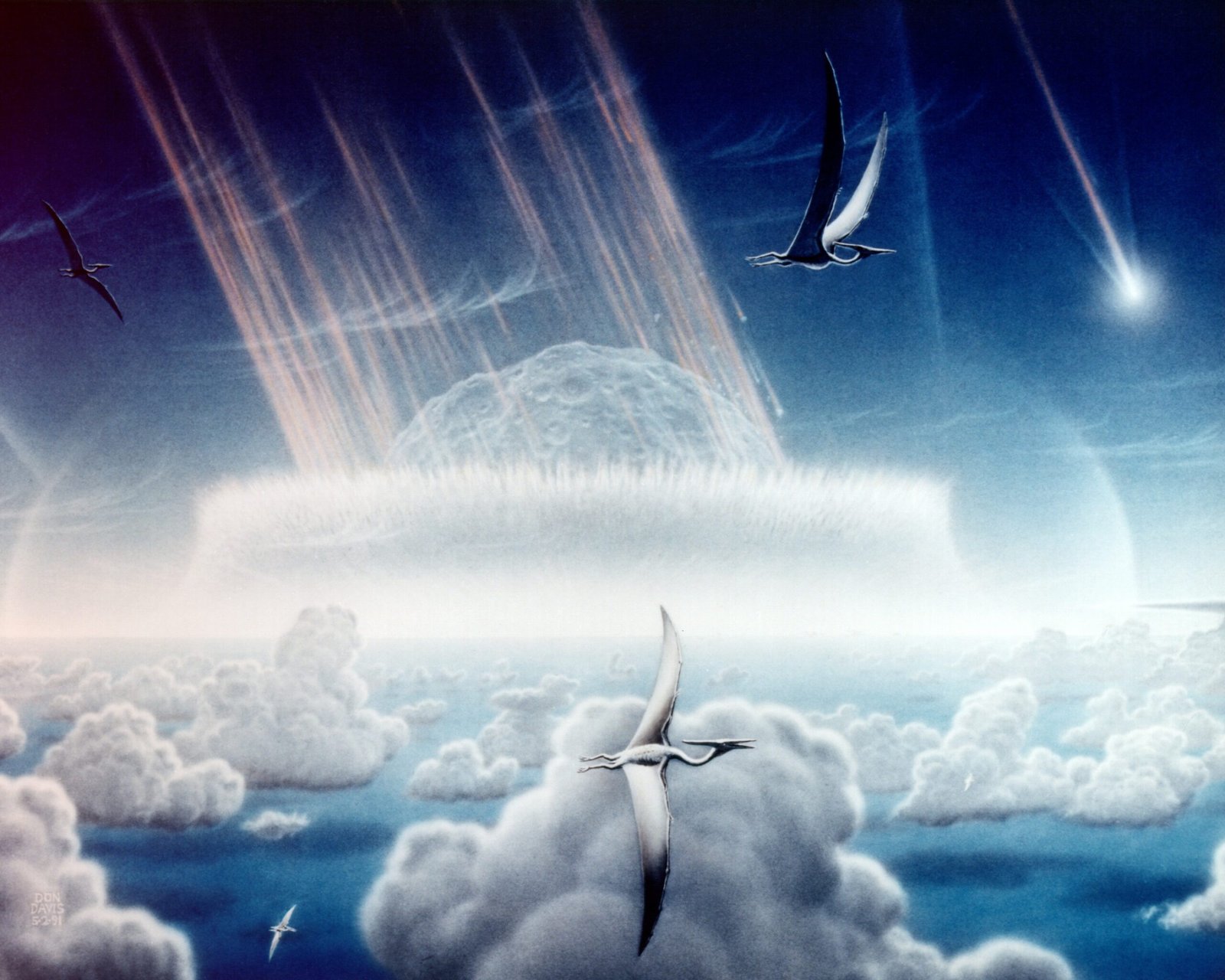
The asteroid impact 66 million years ago didn’t just kill the non-avian dinosaurs – it triggered rapid genetic changes in surviving bird lineages. Modern bird groups appeared within just a 5-million-year window after the extinction, experiencing rapid increases in population size, evolution speed, and brain development.
Scientists discovered that sections of bird chromosomes actually suppressed normal genetic recombination for millions of years around the time of the dinosaur extinction. This “frozen” DNA has been detectable for over 60 million years, creating misleading patterns in bird family trees.
Molecular Clocks Reveal Evolutionary Timing
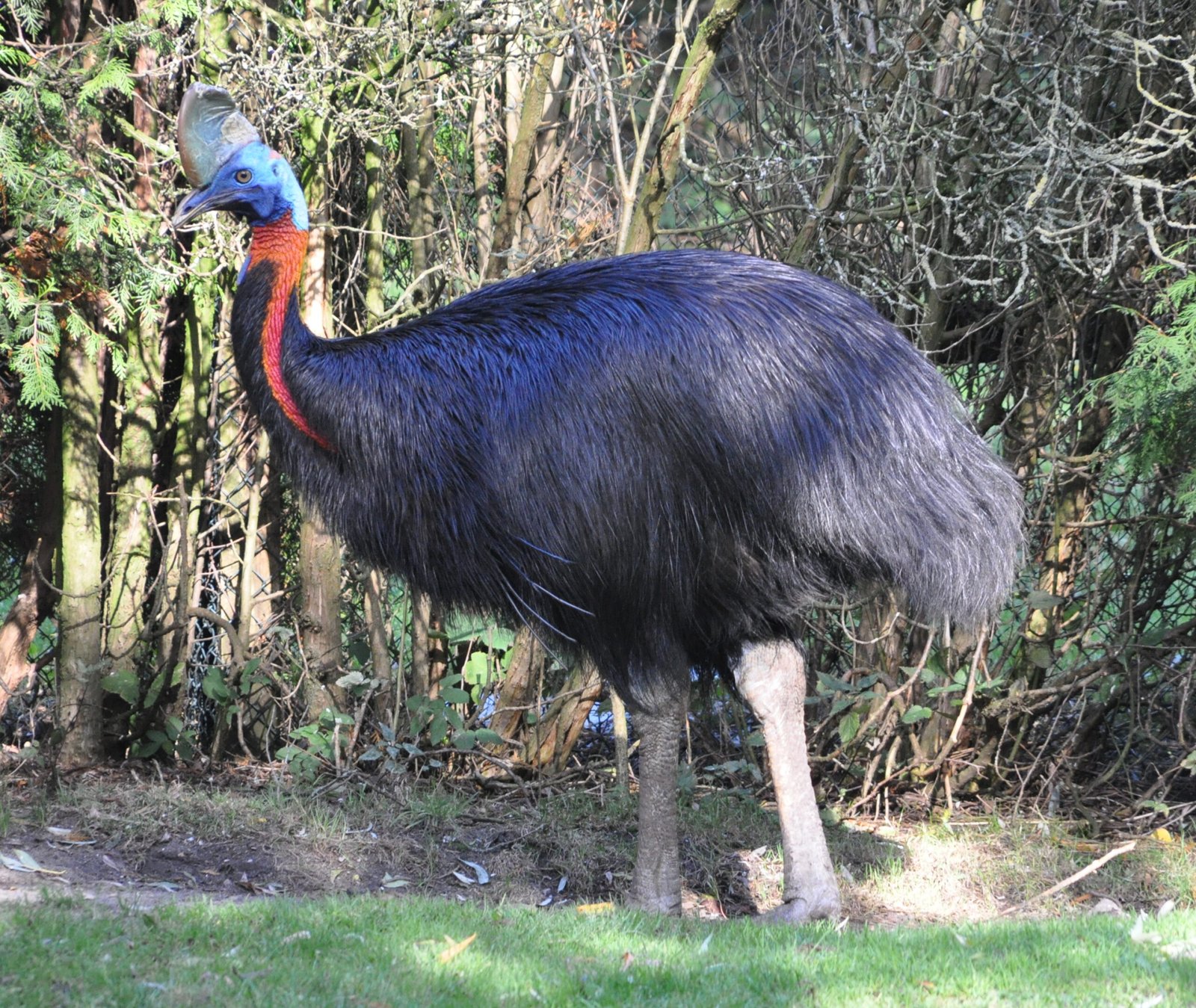
According to mitochondrial DNA comparisons, birds are most closely related to crocodilians among living reptiles, with the two lineages diverging between 210 and 250 million years ago. This molecular dating aligns perfectly with fossil evidence of early archosaur evolution.
The genetic timeline shows that feathered theropod dinosaurs gave rise to birds between 150-180 million years ago during the Jurassic period. After non-avian dinosaurs went extinct 65 million years ago, birds rapidly diversified into new ecological niches, developing modern features like beaks while losing dinosaur traits like teeth.
Genomic Fossils Hidden in Modern Birds
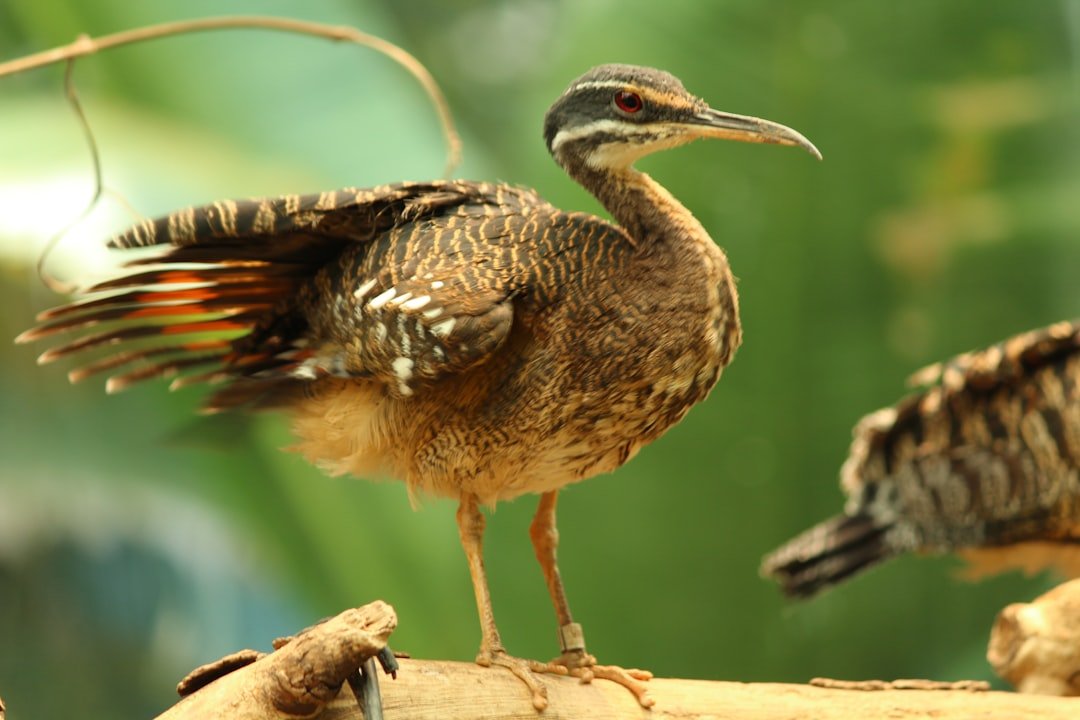
University of Michigan researchers identified “genomic fossils” in bird DNA – genetic signatures that mark critical evolutionary steps as dinosaur lineages evolved into the more than 10,000 bird species alive today. These genetic remnants serve as evolutionary breadcrumbs leading back to their dinosaur origins.
Gene-rich regions of bird genomes show enrichment for functions related to forebrain development and vocal learning – traits that may have contributed to bird success. These evolutionary breakpoint regions contain genes involved in chromatin organization and transcription, suggesting genetic innovations that drove dinosaur-to-bird evolution.
Revolutionary Techniques Unlock Ancient Secrets
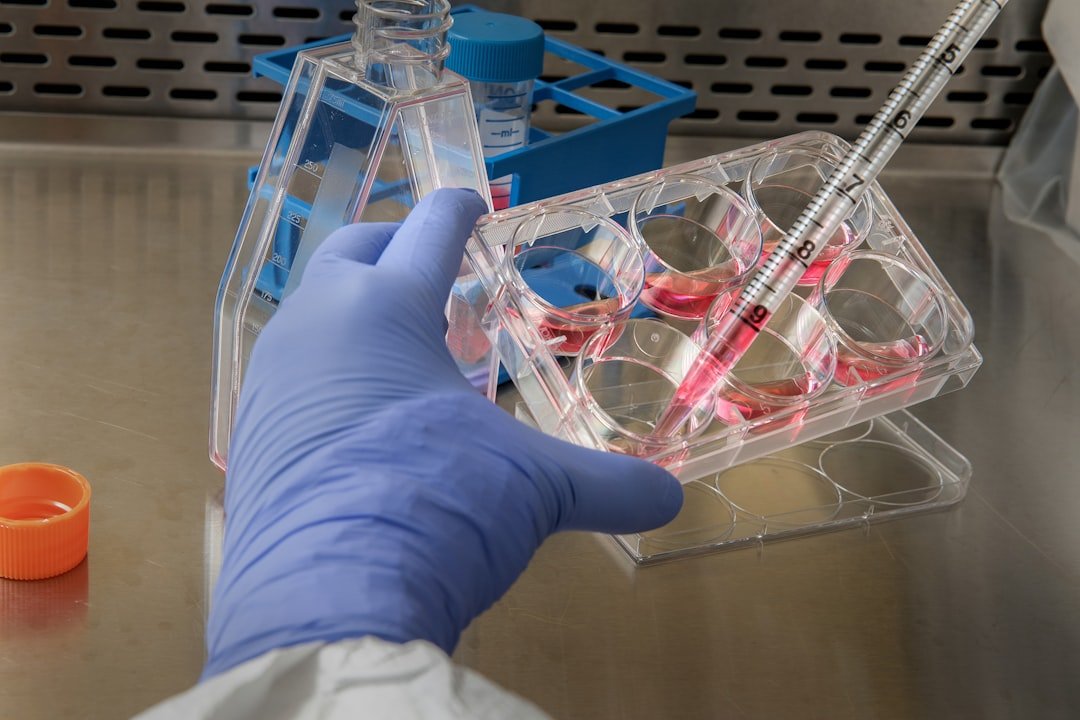
The breakthrough in reconstructing dinosaur DNA came from developing fluorescent DNA probes that work on both bird and turtle chromosomes. This allowed scientists to identify matching DNA sequences between species separated by hundreds of millions of years of evolution.
Advanced techniques like protein sequencing from fossils and computational evolutionary modeling have revealed dinosaur-bird relationships. Collagen sequences found in T. rex fossils link directly to modern birds, while computer models can predict how specific dinosaur lineages evolved into different bird groups.
The Living Dinosaur Reality
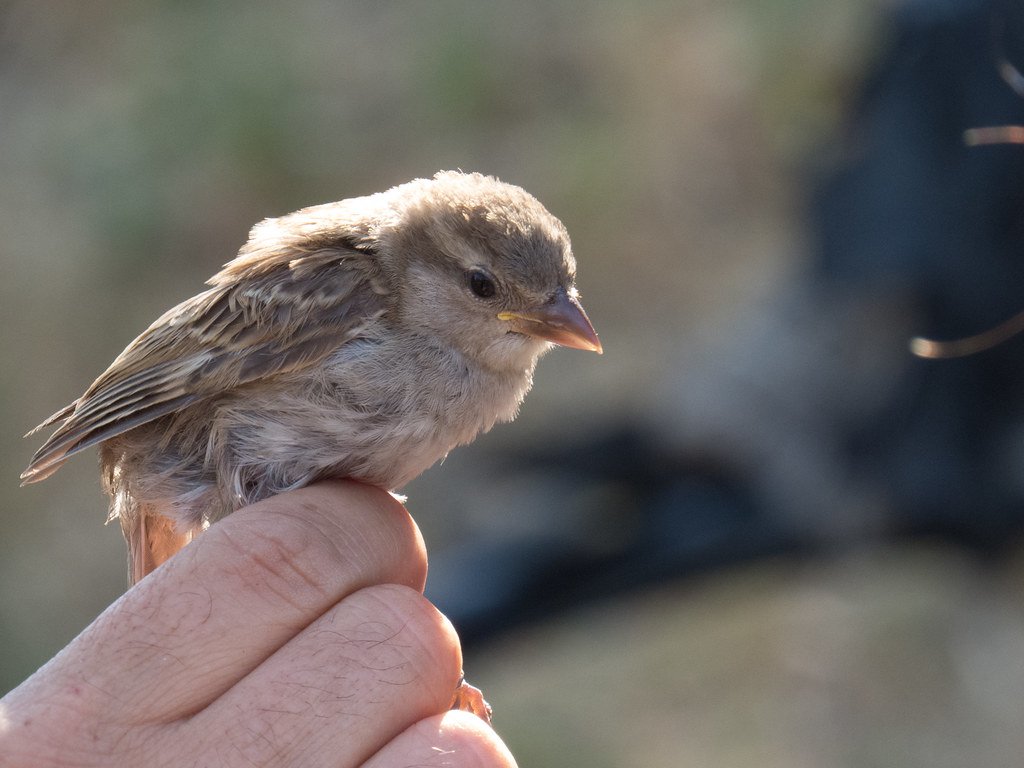
The evidence has become so overwhelming that the scientific community now considers birds to be avian dinosaurs rather than simply descendants of dinosaurs. There’s no longer any debate about whether birds are dinosaurs – they definitively are. The evidence from fossilized bones, soft tissue, feathers, and DNA has stacked up so comprehensively that birds share more features with theropods than with any other group. When you understand this relationship, everything about bird evolution starts making perfect sense.
Birds inherited their bipedalism from theropod dinosaurs, which explains why they evolved flight using only their forelimbs, unlike bats or pterosaurs. If this evolutionary connection were wrong, we’d expect to be just as uncertain about bird origins today as scientists were 30 years ago.
Conclusion: Dinosaurs Never Really Died
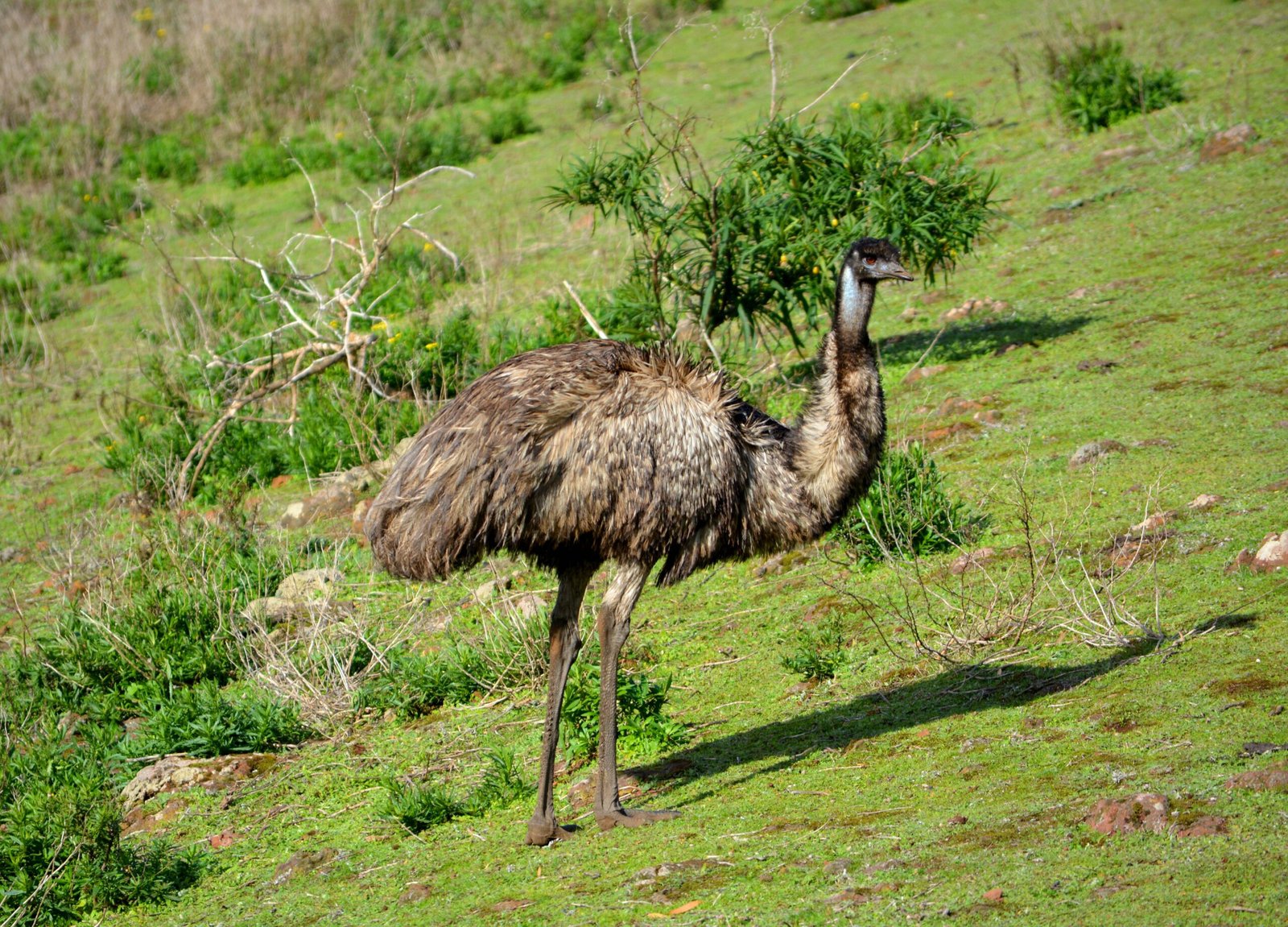
The revolutionary discovery that birds carry dinosaur DNA in their cells fundamentally changes how we view both extinction and evolution. Rather than representing a complete end to the dinosaur lineage, the mass extinction 66 million years ago was actually a genetic bottleneck that allowed one group of feathered dinosaurs to survive and flourish.
Every time you watch a bird take flight, you’re witnessing the continuation of a genetic legacy that stretches back over 150 million years. The DNA evidence proves that dinosaurs didn’t vanish from Earth – they simply took to the skies, carrying their ancient genetic heritage into the modern world as the most successful group of living dinosaurs we call birds.
Who would have thought that your backyard robin is actually a tiny, feathered dinosaur?
Hi, I’m Andrew, and I come from India. Experienced content specialist with a passion for writing. My forte includes health and wellness, Travel, Animals, and Nature. A nature nomad, I am obsessed with mountains and love high-altitude trekking. I have been on several Himalayan treks in India including the Everest Base Camp in Nepal, a profound experience.