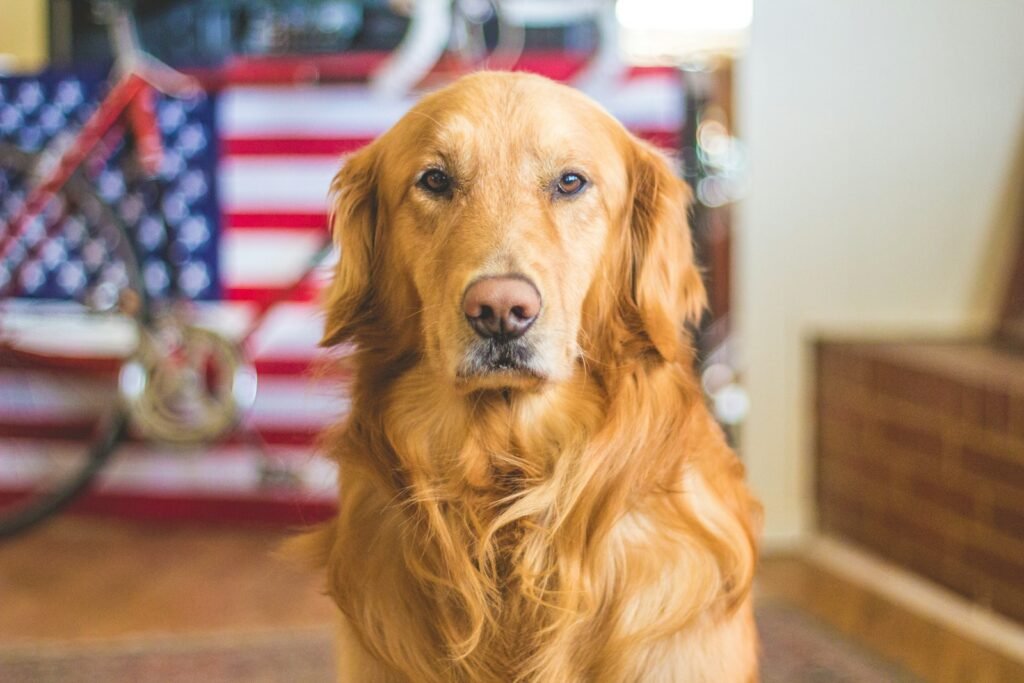

Hospitals chase accuracy, but sometimes the first warning comes on four legs and a wagging tail. Across clinics and airports, trained dogs have flagged illness long before symptoms were obvious, sniffing out the faintest chemical whispers we can’t see or feel. The mystery isn’t whether dogs can do it, but how their noses read the body’s invisible signals so quickly. Scientists are now mapping the chemistry behind those alerts, translating dog decisions into data and technology. The stakes are real: earlier detection often means simpler treatments, lower costs, and more lives saved.
The Hidden Clues
Diseases reshape our body chemistry, nudging cells and microbes to release volatile organic compounds that drift off the skin, breath, urine, or sweat like a quiet plume. Dogs catch those changes because their world is built from scent, not sight, and they treat each odor as a layered story. Cancer can tweak lipid metabolism, infections can stir immune cascades, and neurodegenerative conditions can alter skin oils – each shift leaves a distinct chemical pattern. What smells like nothing to us becomes a coded bouquet to them, complex yet consistent. It’s not magic; it’s chemistry with a very sensitive reader.
In trials, dogs have recognized patterns tied to cancers, bacterial infections, malaria, and even metabolic shifts like hypoglycemia. They are reading mixtures rather than single markers, which helps them stay accurate when real-life samples vary. That mixture sensitivity is exactly where many lab tests struggle, because one compound rarely tells the full story. When samples come from breath, sweat, or a worn T‑shirt, dogs still pick out the signal from a thicket of background smells. It’s as if they’re listening for a melody that keeps playing, even when the volume drops to a whisper.
Inside the Nose
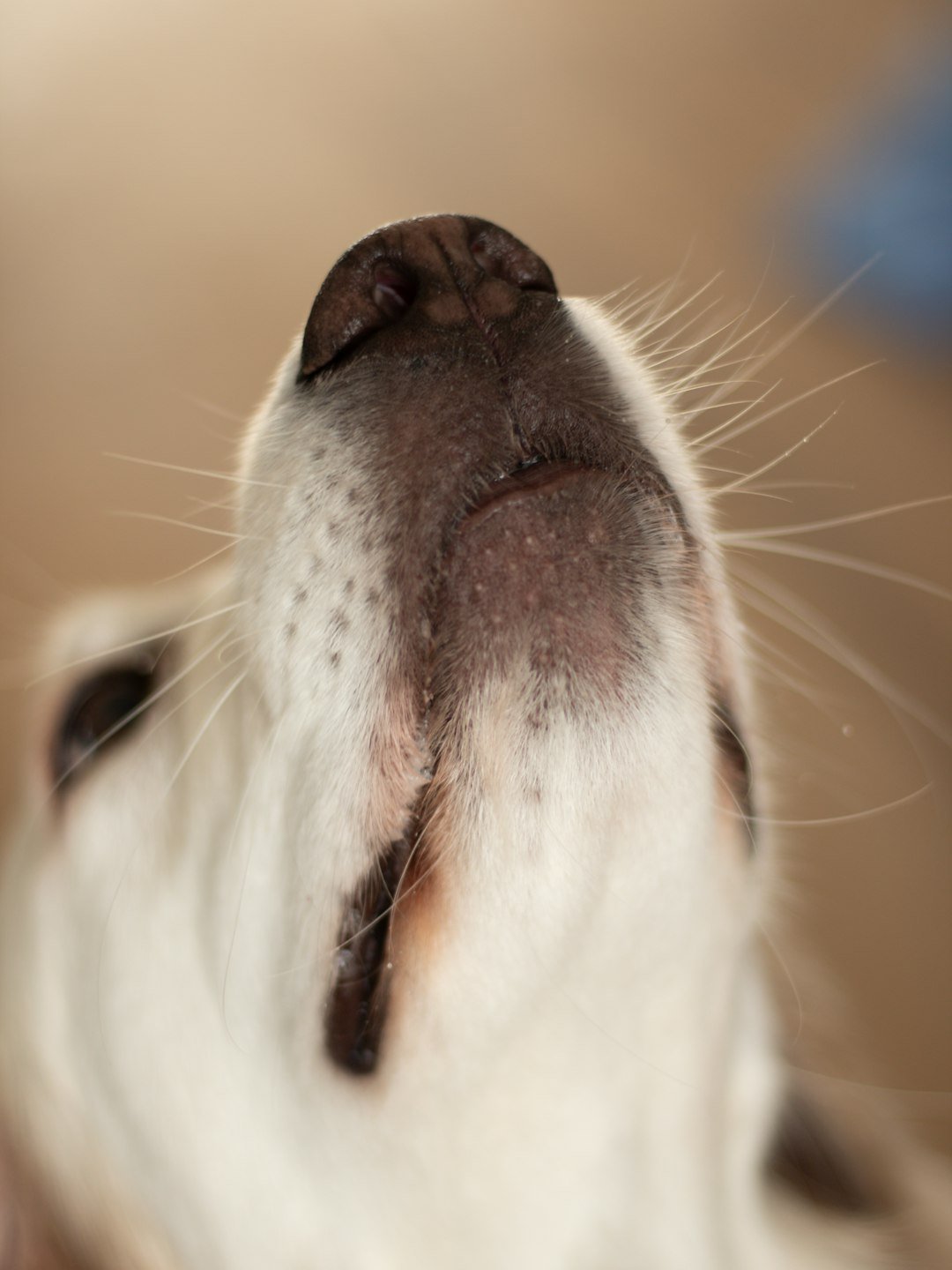
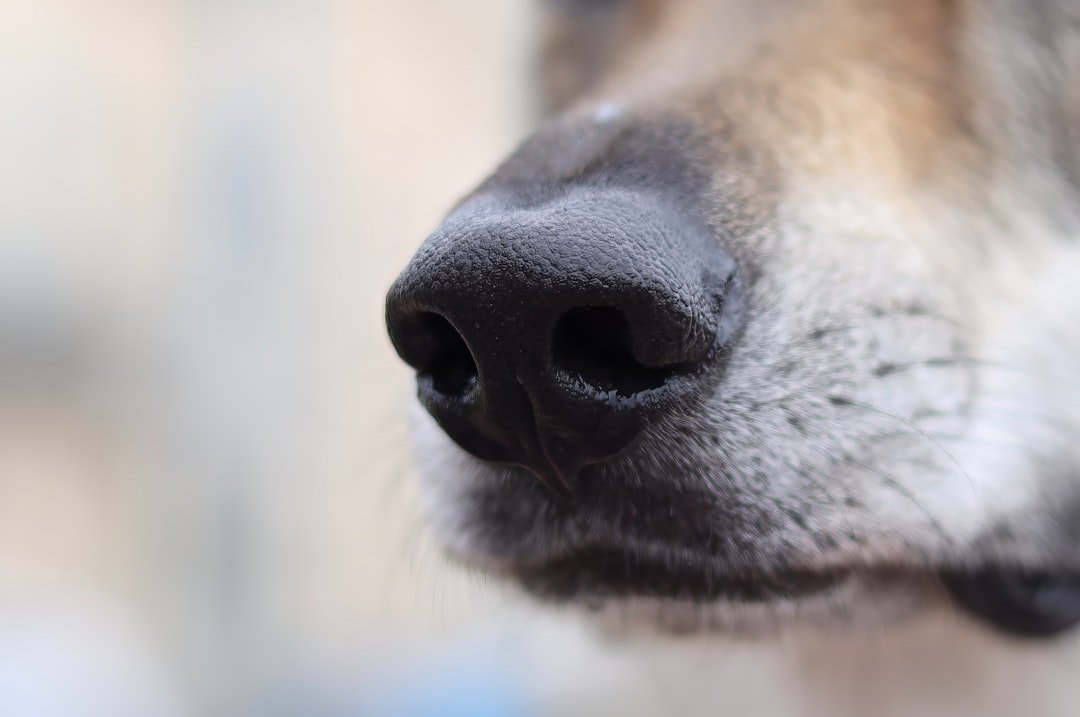
A dog’s nose is a sensory machine packed with hundreds of millions of olfactory receptors, far beyond the handful of millions in humans. Intricate nasal turbinates create a vast surface area, pulling odor molecules across a carpet of receptors with every sniff. Airflow splits inside the snout – one path to breathe, another to analyze scent – so sampling continues even at rest. Rapid sniffing cycles help refresh the odor stream, letting the brain compare snapshots in real time. The result is temporal resolution and sensitivity that make our sense of smell feel like a dim flashlight next to a stadium floodlight.
Downstream, a large olfactory bulb and dense neural wiring do lightning-fast pattern matching, sorting signals as if scanning barcodes. Dogs don’t identify compounds the way a gas chromatograph does; they recognize ensembles tied to outcomes they’ve learned. Over time, repeated exposure to the “disease melody” sharpens their internal template. That neuroplasticity is why trained dogs often improve with experience. It also hints at what next‑gen sensors are trying to mimic.
Training Playbooks
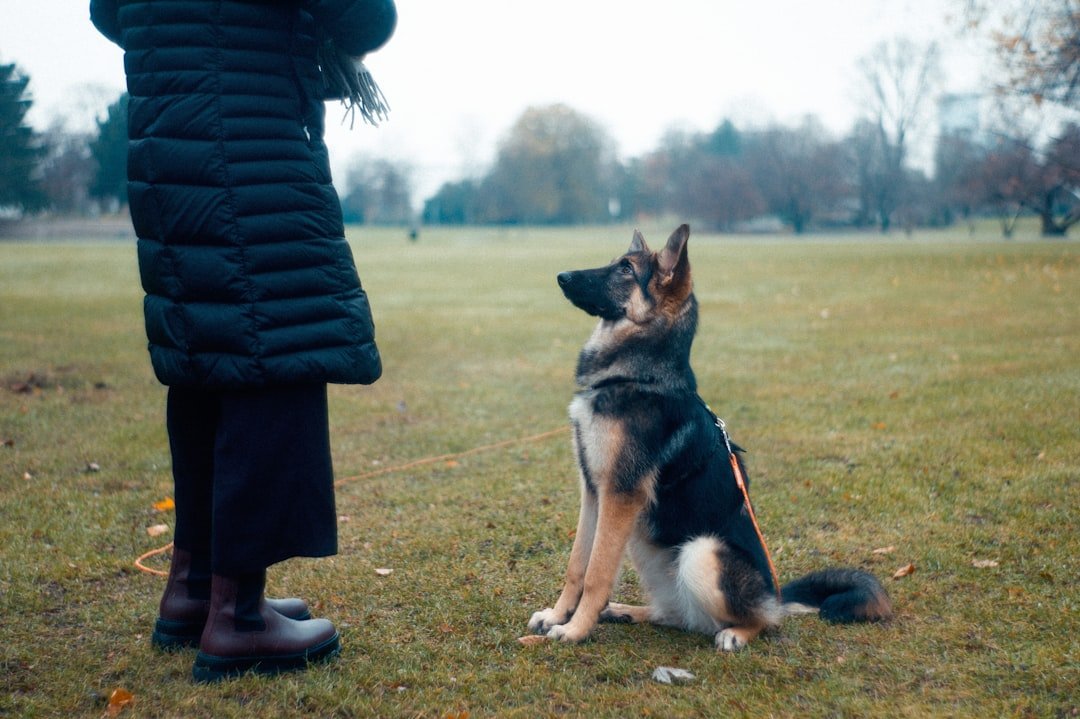
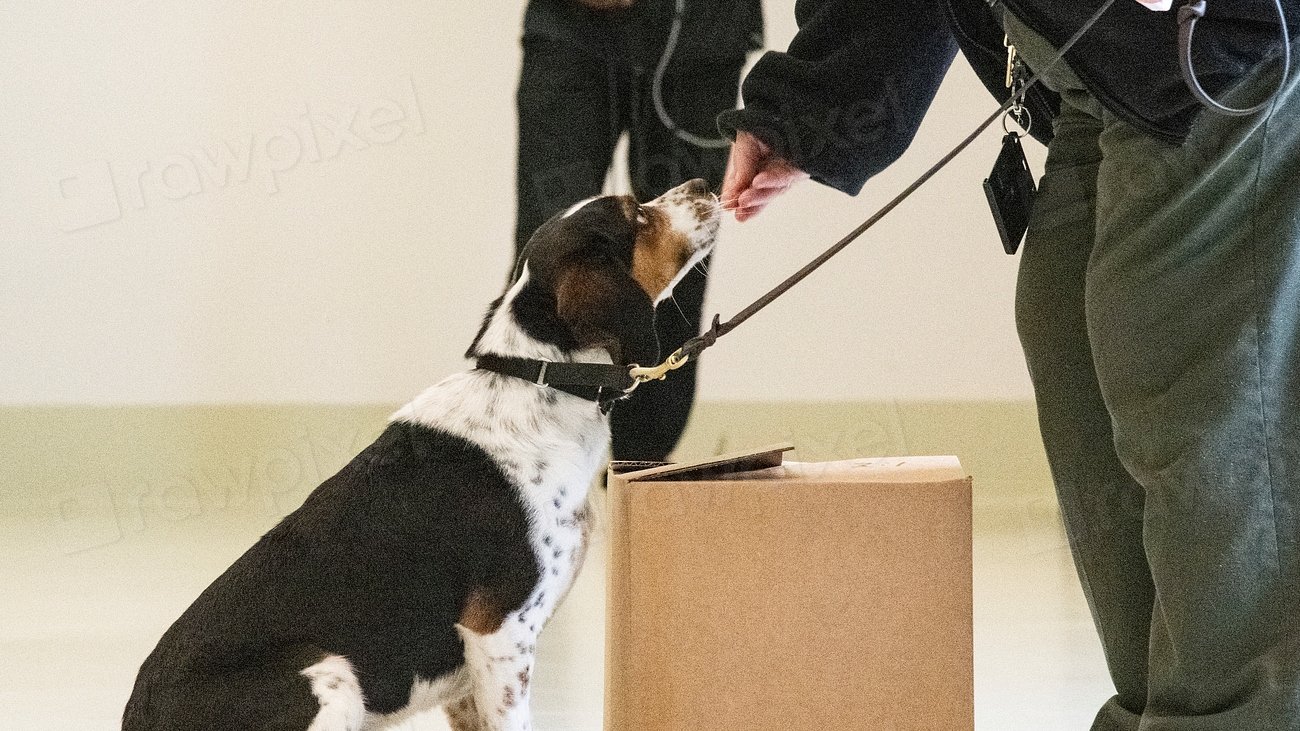
Successful programs treat scent detection like a serious sport, not a party trick. Handlers start with clean sample collection – sealed containers, randomized lineups, and gloves to prevent contamination. Dogs learn by reward, reinforcing the exact alert posture when they encounter the target odor and ignoring distractions. Sessions are short, frequent, and carefully blinded to keep handlers from sending unintentional cues. It’s painstaking, but anything less risks teaching the dog the wrong lesson.
I once watched a young Labrador switch from goofy puppy to focused professional the moment the training rack rolled in. Nose flicking, tail still, she hovered over a single slot and froze, then looked up for her pay: a simple game of tug. That instant, you could feel how clean design and joyful work fuse into reliable performance. The dog wasn’t guessing; she was solving a puzzle she adored. That joy is the engine behind most of the strong results you hear about.
Benchmarks and Limits
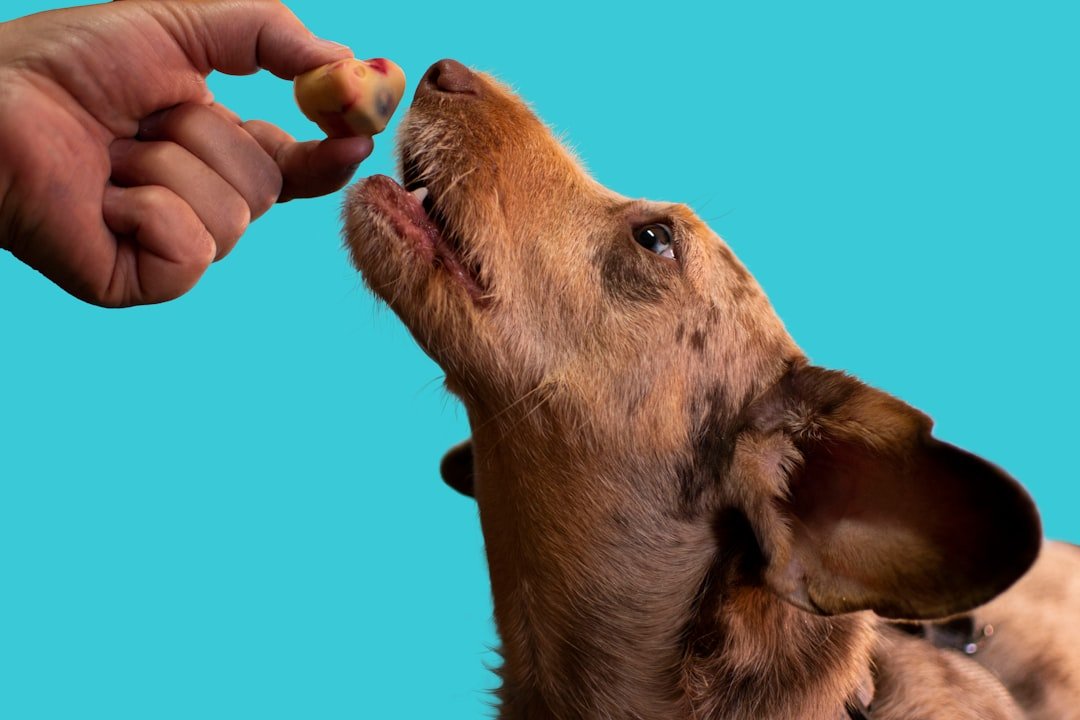
When studies are rigorously designed – double‑blinded, well randomized, with adequate sample sizes – dogs often show striking sensitivity to certain disease odors. Yet performance can wobble if protocols slip, if sample handling is sloppy, or if training mixes too many targets at once. Real‑world screening adds more noise: perfumes, food smells, medications, and stress hormones can all ride along on the scent stream. There’s also the challenge of drift; diseases evolve, populations change, and background odors vary by region and season. Reliability depends on continuous calibration, just like any medical instrument.
Ethics and logistics matter, too. Dogs need rest cycles, veterinary oversight, and standardized welfare practices, which set practical limits on throughput. Results must slot into clinical pathways without delaying care or creating confusion. False alarms carry emotional costs, while missed detections can erode trust. That’s why leading teams test in stages, starting with lab samples before moving to live screening. The goal is not flawless performance, but dependable, audited systems that complement – not replace – diagnostics.
Why It Matters
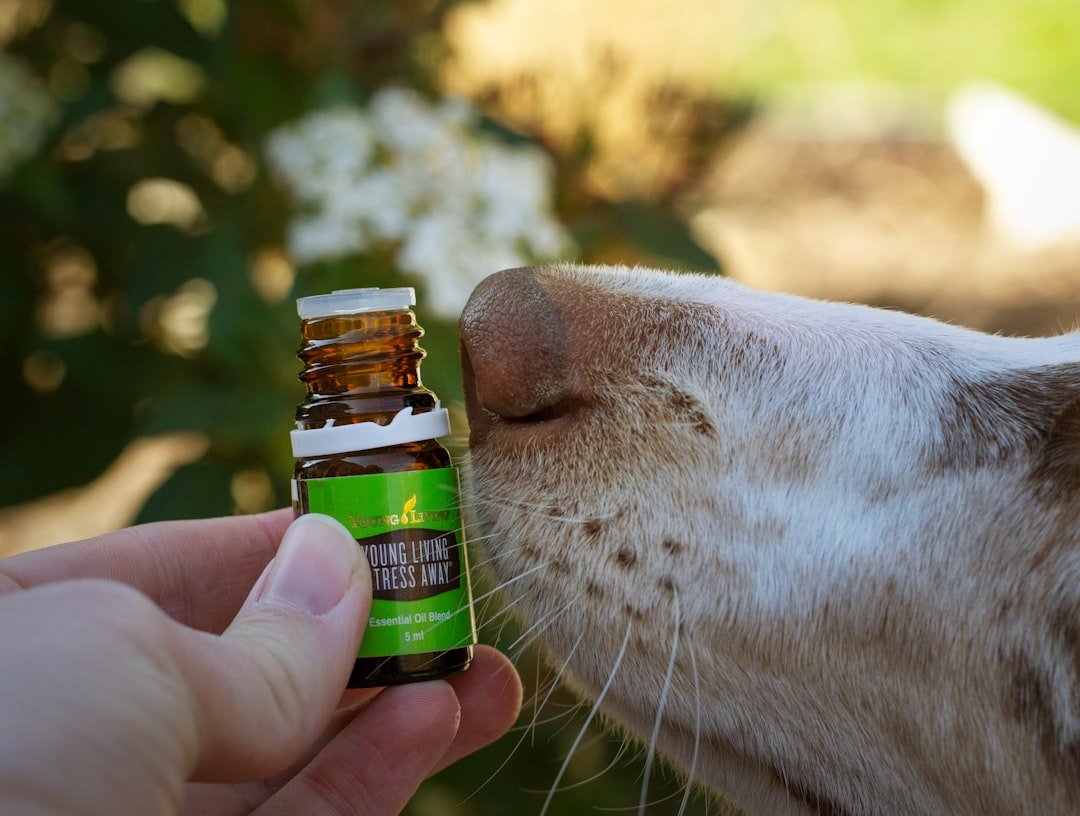
Early detection often changes everything: treatments get gentler, survival odds climb, and health systems spend less chasing advanced disease. Many clinics lack expensive equipment, yet a well‑run canine program can triage samples quickly to prioritize scarce tests. Dogs can also act as rapid sentinels during outbreaks, offering on‑the‑spot screening while labs ramp up. Compared with some traditional workflows that require specialized reagents or long processing times, a trained team can deliver immediate yes‑or‑no guidance with minimal infrastructure. That speed buys time, which is the most precious currency in medicine.
Importantly, canine results can point science to the right molecules. When dogs consistently pick certain samples, chemists analyze them with mass spectrometry to isolate recurring volatile patterns. Those patterns feed into electronic‑nose prototypes and machine‑learning models, building tools that can scale far beyond a kennel. In that sense, dogs are both first responders and research collaborators, guiding the evolution of diagnostics. Their nose becomes a map for the devices we’re racing to build.
Global Perspectives
Pilot programs have popped up in airports, hospitals, and sports venues, often focusing on infectious disease screening where quick triage is valuable. In some regions, community health teams collect breath or sweat samples door‑to‑door, then run them past trained dogs at a central hub. Rural clinics like the low cost and portability; urban centers like the speed and flexibility during surges. Breeds vary, but success tends to correlate more with temperament, motivation, and handler skill than pedigree. Clear communication with the public – what the dogs are trained to detect, how samples are handled, what an alert means – keeps expectations in check.
Standardization remains a shared challenge. Global networks are working toward common training sets, blinding protocols, and reporting formats so results are comparable across sites. Cross‑border studies help control for local diet and environmental odors that could skew performance. Data‑sharing agreements aim to pool thousands of samples, making findings more robust. This international scaffolding shapes policy decisions and paves a path for regulatory acceptance. It also makes collaborations with sensor developers far smoother.
The Future Landscape
The next wave pairs canine noses with silicon. Electronic‑nose arrays, trained on dog‑verified signatures, are getting better at recognizing complex volatile patterns in breath and sweat. Edge AI can crunch signals in handheld devices, turning chemical chatter into clear flags that clinicians can act on. In clinics, you might see dogs used as rapid pre‑screeners, followed by confirmatory lab tests or sensor scans, creating a tiered system that balances speed and precision. That hybrid model respects the strengths of each tool while guarding against blind spots.
Big questions remain. How do we maintain calibration across seasons, populations, and new variants of disease? What’s the best way to certify teams, track performance, and retire dogs humanely when they’re ready? How do we store and label samples so future studies stay reproducible? And how can sensor makers capture the nuanced “mixture logic” dogs rely on, rather than chasing single molecules? The answers will decide how far and how fast this field scales.
Conclusion
If this work speaks to you, there are simple ways to help. Support research groups that share open protocols and anonymized datasets so results can be replicated. Encourage local hospitals and universities to run small, well‑designed pilots that compare canine screening with lab standards, not as a gimmick but as a serious study. If you’re in a position to volunteer de‑identified samples through approved programs, that participation moves the science forward. And if you meet a working dog on duty, give them space; their focus is part of someone’s safety net.
Public trust grows when programs are transparent, audited, and humane, so ask for that transparency wherever these projects appear. Back the idea that dogs are not replacements, but accelerators for better diagnostics that reach more people sooner. With steady support and clear standards, a nose that has guided humanity for millennia could help rewrite the early‑detection playbook. That’s a future worth leaning toward.
Suhail Ahmed is a passionate digital professional and nature enthusiast with over 8 years of experience in content strategy, SEO, web development, and digital operations. Alongside his freelance journey, Suhail actively contributes to nature and wildlife platforms like Discover Wildlife, where he channels his curiosity for the planet into engaging, educational storytelling.
With a strong background in managing digital ecosystems — from ecommerce stores and WordPress websites to social media and automation — Suhail merges technical precision with creative insight. His content reflects a rare balance: SEO-friendly yet deeply human, data-informed yet emotionally resonant.
Driven by a love for discovery and storytelling, Suhail believes in using digital platforms to amplify causes that matter — especially those protecting Earth’s biodiversity and inspiring sustainable living. Whether he’s managing online projects or crafting wildlife content, his goal remains the same: to inform, inspire, and leave a positive digital footprint.