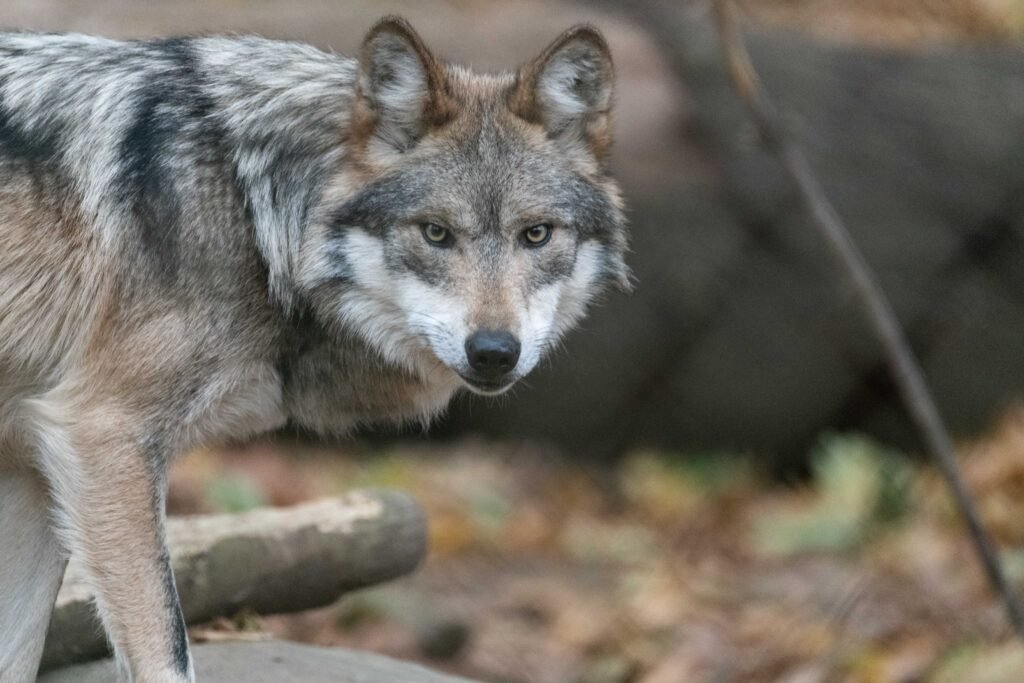

In the rugged mountains of Arizona and New Mexico, the haunting howl of the Mexican gray wolf—once nearly silenced—now echoes again. After years of painstaking reintroduction, their population has climbed to 286 wolves in the U.S. and 45 in Mexico, marking cautious progress. Yet behind this apparent success, scientists warn of an unfolding genetic crisis that threatens the subspecies’ very survival.
According to a September 2025 analysis by the Center for Biological Diversity and 30 conservation groups, Mexican gray wolves are now on the verge of genetic collapse. Despite a growing headcount, their genetic diversity has declined for four consecutive years, eroding the subspecies’ ability to adapt, reproduce, and withstand disease.
The root of the crisis lies in the wolves’ origin story: every living Mexican gray wolf descends from just seven founders rescued from extinction in the 1970s. This dangerously shallow gene pool has produced inbreeding, lower pup survival rates, and reduced fertility—symptoms of what biologists call inbreeding depression.
Why Genetic Diversity Matters: A Race Against Time
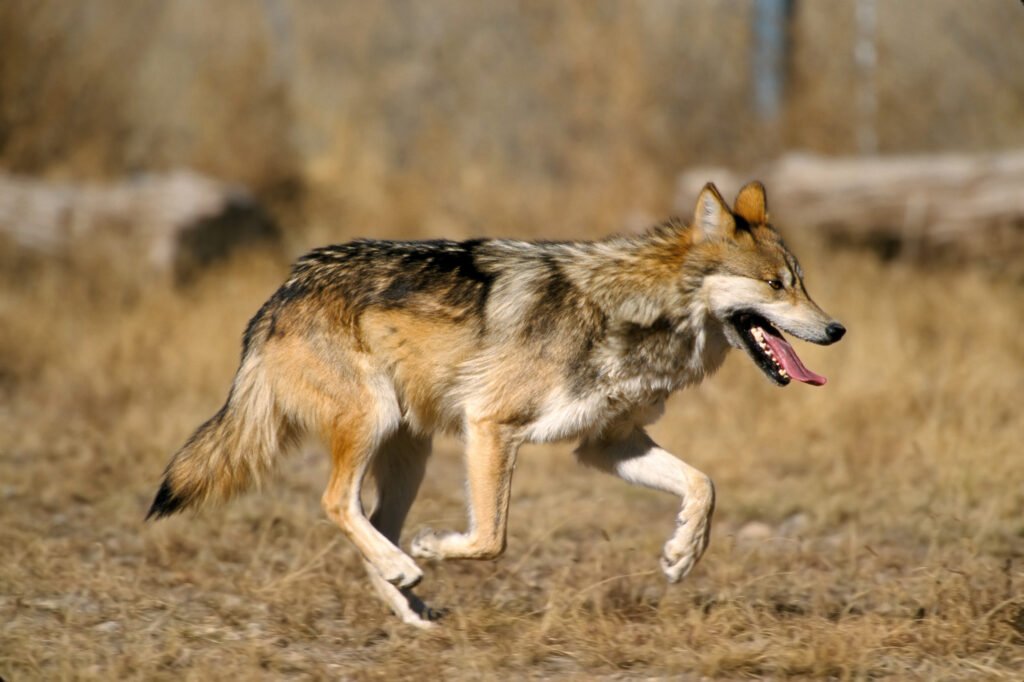
Conservation geneticists describe genetic diversity as the “insurance policy” of evolution. Without it, species lose their resilience to threats like disease, drought, and climate shifts. Studies show that wild Mexican gray wolves now retain only 63% of the genetic variation available in captive populations.
This erosion is accelerating. Even as the wild population rises, key genetic lineages are being lost each generation. Biologists warn that within two decades, without corrective action, the population could reach a point of no return—a collapse where every wolf becomes too closely related to restore healthy variation.
The problem is compounded by management decisions that remove or kill genetically valuable wolves over livestock conflicts. In 2025, federal agencies ordered the lethal removal of a pregnant female in Arizona and a three-month-old pup in New Mexico’s Gila National Forest—wolves scientists identified as carrying rare genetic traits. Conservationists say each such death sets recovery back by decades.
Policy Roadblocks and Political Pressure
Despite federal protections under the Endangered Species Act, political opposition has intensified. In mid-2025, Rep. Paul Gosar (R-AZ) introduced a bill to strip Mexican gray wolves of ESA protection, which would halt captive releases, end federal monitoring, and allow states to manage wolves as pests. Conservationists warn the proposal could “ignite a second extinction.”
Equally concerning are geographical restrictions imposed by the U.S. Fish and Wildlife Service (FWS), which prohibit wolves from dispersing north of Interstate 40—blocking natural migration and potential mixing with northern gray wolves that could restore lost genes. Critics say this “genetic wall” traps wolves in a southern bottleneck.
At the local level, several New Mexico counties have declared “wolf emergencies,” citing livestock losses—moves experts call political theater that fuels anti-wolf sentiment rather than coexistence. Meanwhile, compensation programs and nonlethal conflict-mitigation tools remain underfunded.
Conservationists Call for a New Recovery Blueprint

In a joint letter to the FWS, more than 30 organizations urged the agency to adopt science-based reforms to reverse genetic decline. Their recommendations include:
- Releasing entire family packs from captivity, not just foster pups, to infuse full genetic lineages into the wild.
- Halting lethal removals of wolves carrying rare genes or from underrepresented lineages.
- Expanding recovery zones northward beyond Interstate 40 to allow natural gene flow.
- Strengthening public outreach and rancher compensation programs to build tolerance and reduce killings.
- Rejecting legislative delisting efforts until measurable genetic recovery is achieved.
Biologists stress that time is running out. The wolf’s slow breeding rate—only a few surviving litters each year—means genetic corrections take decades to manifest. Every removed or killed wolf today narrows tomorrow’s genetic horizon.
FWS officials acknowledge the challenge but cite “incremental progress,” noting over 100 captive-born pups have been cross-fostered into wild dens since 2016. Conservationists counter that fostering alone cannot replace full adult releases needed for meaningful gene flow.
The Howl That Must Not Fade
The Mexican gray wolf stands at a crossroads between revival and ruin. Though its numbers inspire cautious optimism, the invisible spiral of genetic erosion could undo decades of recovery unless immediate, science-driven reforms take hold.
The wolf’s haunting howl once echoed from Texas to central Mexico—a sound nearly erased by human fear and greed. Today, it echoes again, not in triumph but in warning. Whether future generations hear it will depend on decisions made now—by policymakers, wildlife managers, and a public willing to coexist with a symbol of the wild Southwest.
If America can save its rarest wolf, it will prove that conservation isn’t just about numbers—it’s about restoring life’s full song.
Hi, I’m Andrew, and I come from India. Experienced content specialist with a passion for writing. My forte includes health and wellness, Travel, Animals, and Nature. A nature nomad, I am obsessed with mountains and love high-altitude trekking. I have been on several Himalayan treks in India including the Everest Base Camp in Nepal, a profound experience.