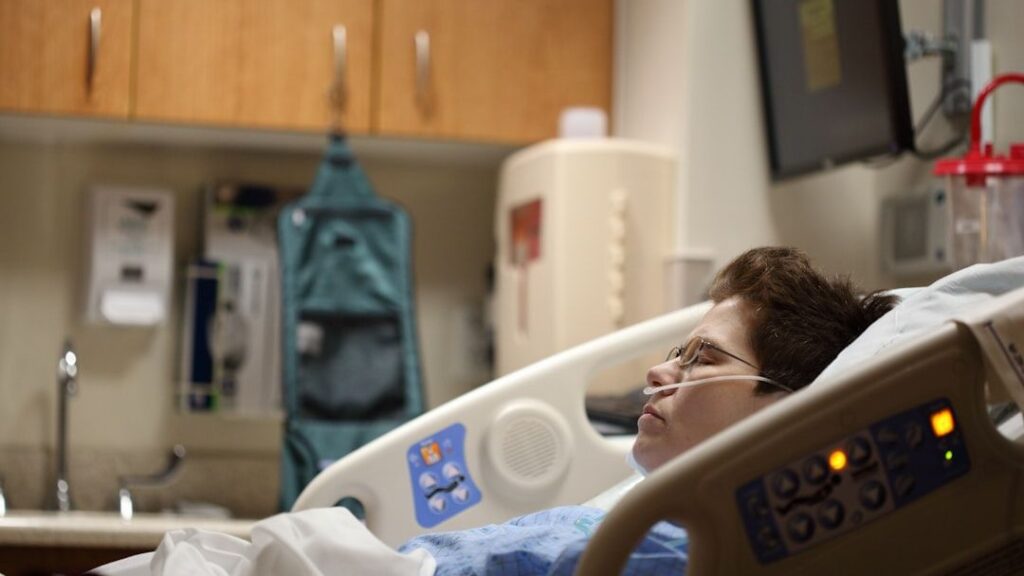

Have you ever noticed your dog acting differently when you’re under the weather? Maybe they become more clingy, refuse to leave your side, or seem unusually attentive to your every move. You’re not imagining things – and you’re certainly not alone in noticing this remarkable behavior. There’s something almost mystical about how our four-legged companions seem to know exactly when we need them most, often before we’re even fully aware that something’s wrong ourselves.
The Science Behind a Dog’s Incredible Nose

Dogs have about 300 million olfactory receptors in their noses, with some dogs such as Bloodhounds sporting an impressive 300 million receptors. Humans have only 6 million receptors and a dog’s sense of smell is between 10,000 to 100,000 times more sensitive than that of humans. This incredible difference isn’t just impressive on paper – it creates an entirely different way of experiencing the world.
This allows them to pick up scents and changes that we can’t even begin to detect. Their brain is also primarily wired to analyze these scents, making them exceptional at detecting small changes in the human body merely from smelling a person’s breath or body odour. When you think about it, your dog is essentially living in a universe of smells that remains completely invisible to you.
Chemical Changes Your Body Makes When Sick
When illness strikes, your body doesn’t keep it a secret – at least not from your dog. Illness results in chemical changes in the body and changes in hormones and these changes can be detected by the dog’s extraordinary sense of smell. It’s like your body starts speaking a different chemical language that only your dog can understand.
Dogs’ sense of smell is so subtle that they can notice the slightest change in human scent caused by disease. The tiniest shifts in hormones or volatile organic compounds released by diseased cells can be picked out by dogs. Think of it as your dog having a built-in medical scanner that never stops running. Even when you feel perfectly fine, your body might already be broadcasting subtle signals that something’s amiss.
The Behavioral Detective Work Dogs Do
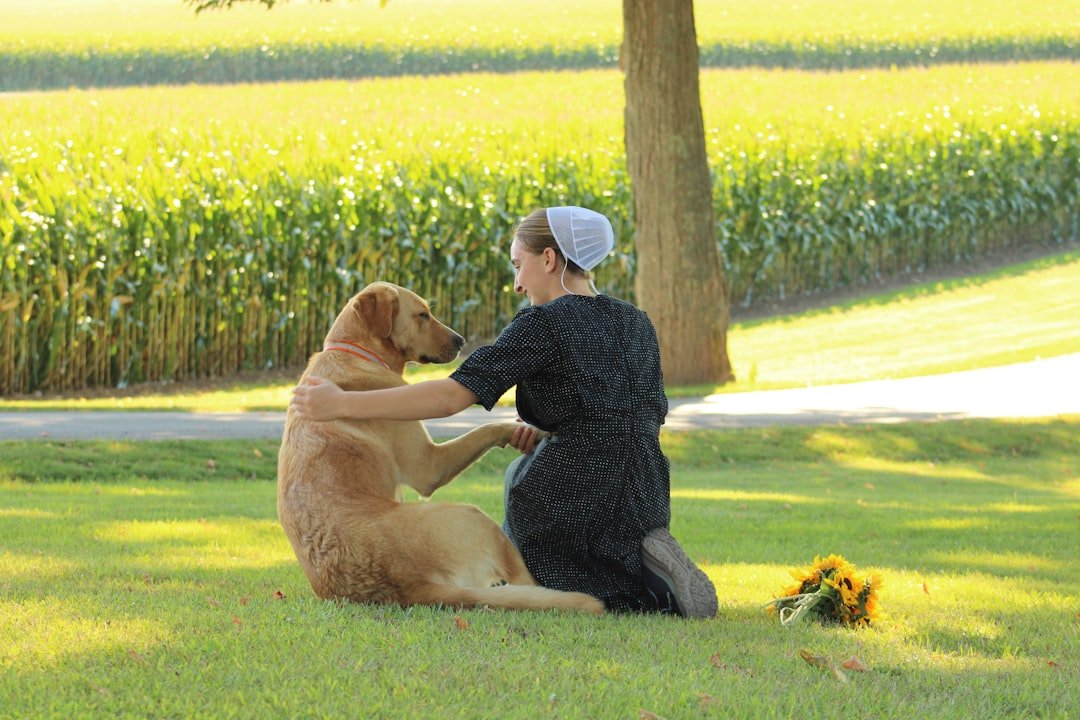
Your dog isn’t just relying on their super-nose to figure out when you’re sick. Aside from their exceptional sense of smell, dogs are also keen observers of their owners’ behavior and body language. When a person is sick, they often exhibit physical and emotional changes, such as lethargy, pain, or sadness. Dogs are highly attuned to these changes and can pick up on subtle cues that indicate something is not right.
It’s almost like having a personal investigator who knows your every habit and routine. When a normally active owner gets in bed in the middle of the day or takes to the couch and doesn’t move, the dog knows something isn’t quite right. Your dog has been studying you for years, cataloging your normal patterns and behaviors, so when something breaks that pattern, they notice immediately.
Common Ways Dogs Alert Their Sick Owners
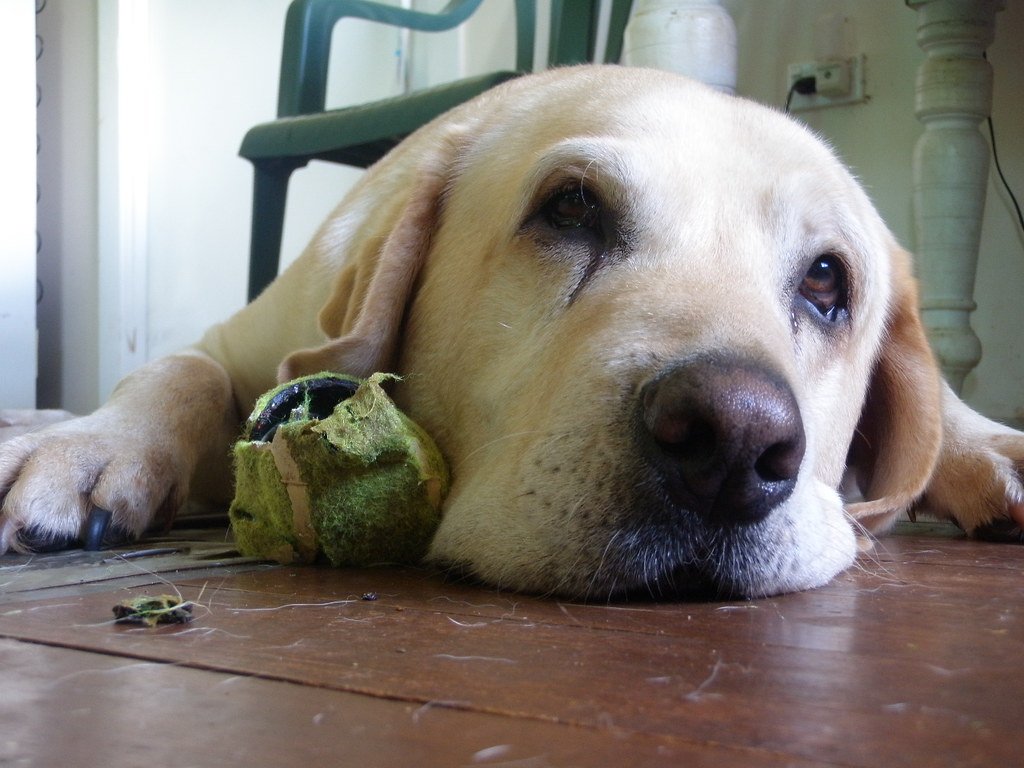
Every dog seems to have their own unique way of saying “Hey, something’s not right here!” Some dogs, even without training, will display distinct behaviour when they sense these changes, such as: Licking the person’s face. Becoming restless or anxious. Pawing or nudging the individual.
Dogs that detect illness may lick the owners incessantly and stay closely by their side. Some dogs become protective, positioning themselves between their sick owner and the world. Others might refuse to leave the house or even prevent their owner from standing up – behaviors that might seem annoying but could actually be lifesaving alerts.
How Dogs Detect Specific Medical Conditions
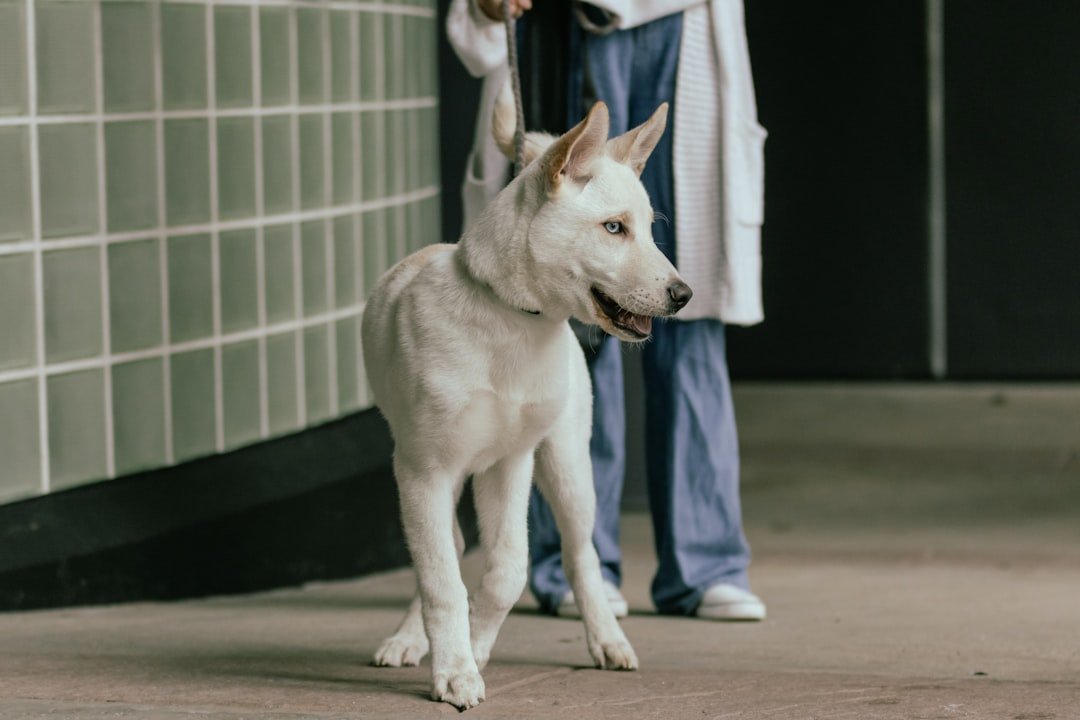
The ability of dogs to sense illness isn’t just a general feeling – they can actually detect specific medical conditions with startling accuracy. Increasingly, dogs are also helping diabetics know when their blood sugar level is dropping or spiking. Research suggests dogs may detect isoprene and other volatile compounds that can change during blood sugar episodes, though the exact mechanisms are still under investigation and can be trained to tell when their owner’s breath has high levels of it.
In scientific reports, dogs were trained to detect samples collected from patients diagnosed with COVID-19 and distinguish them from samples collected from healthy patients. The average diagnostic sensitivity in one of the studies was 82.63%, with 96.35% specificity. This means dogs aren’t just good at sensing illness – they’re sometimes more accurate than medical tests we rely on.
The Emotional Support Response

When your dog senses that you’re unwell, their response goes far beyond simple detection. Some may become quite stressed and seek comfort from their owner, and some may attempt to comfort them by cuddling or resting alongside them. Some may even suddenly become the guard dog and attempt to protect you from any harm while you’re not feeling yourself!
They may become more attentive, gentle, or protective towards their sick owners. Many pet owners have reported their dogs refusing to leave their side when they are unwell, providing comfort and support during times of illness. It’s like they understand that their job description has temporarily changed from “family pet” to “personal nurse and bodyguard.”
Why Some Dogs Are Better Than Others at This
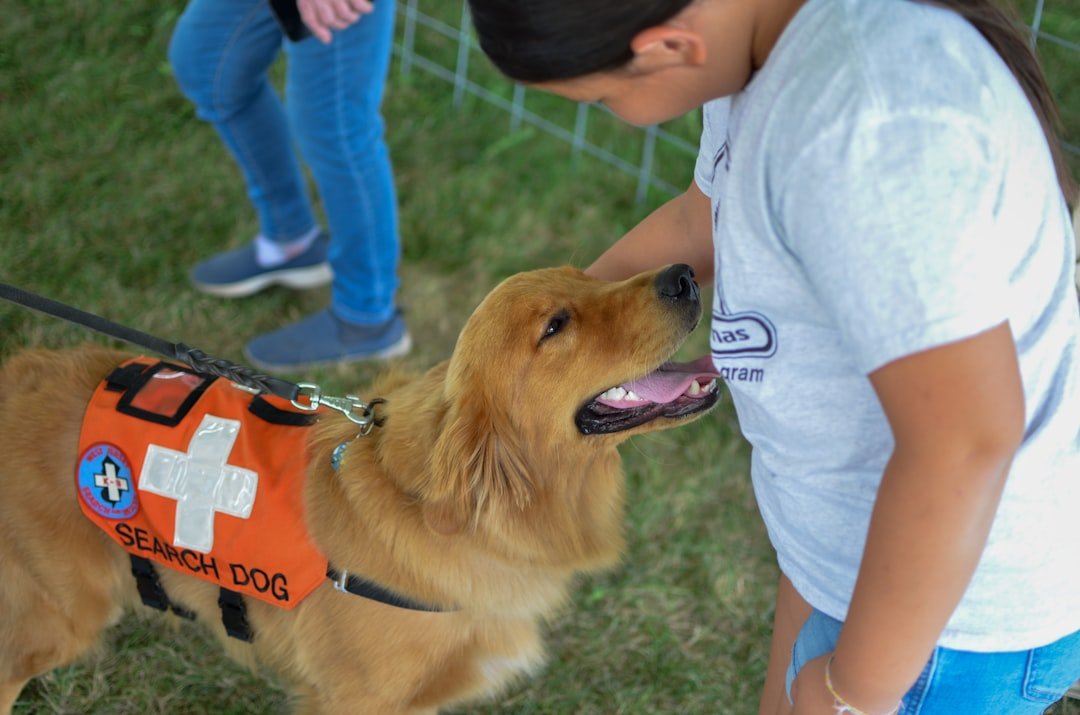
Not every dog will become a medical alert specialist, and that’s perfectly normal. While all dogs have an impressive olfactory system compared to humans, certain breeds are particularly renowned for their extraordinary scenting abilities such as Bloodhounds, Basset Hounds, Beagles, German Shepherds, Pointers and Labrador Retrievers to name a few. But breed isn’t everything – personality and the bond with their owner play huge roles too.
A large proportion (81%) of participants reported that the dog and the target person were best friends, and the large majority of participants reported that their dog liked (37%) or loved (47%) attention from people. The stronger the emotional connection, the more likely your dog is to pay attention to subtle changes in your condition and respond accordingly.
What This Means for You and Your Dog
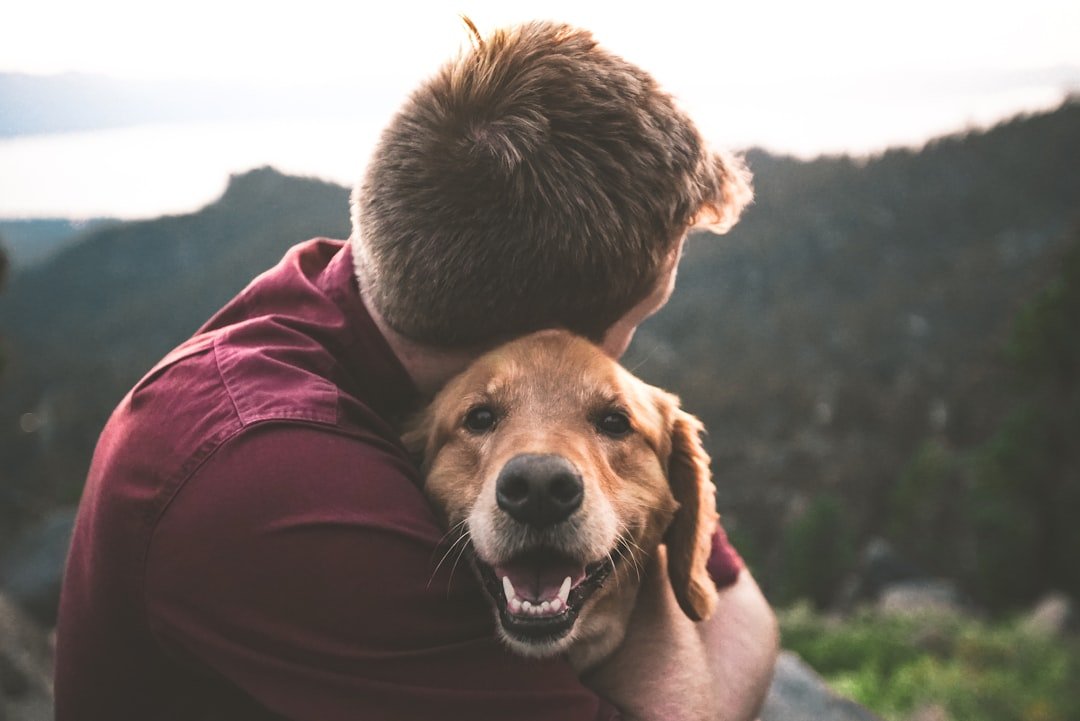
Understanding your dog’s ability to sense illness can actually improve both of your lives. The anecdotal experiences and scientific evidence clearly demonstrate that dogs possess an uncanny ability to know when their humans are sick. Their heightened sense of smell, acute observation skills, and emotional connection allow them to detect subtle changes in scent, behavior, and body language associated with illness.
When your dog starts acting unusually attentive or clingy, it might be worth paying attention to how you’re feeling. They could be picking up on something you haven’t noticed yet. So, if your dog knows when you’re sick, why do they react the way they do? Are they looking to comfort you or are they seeking comfort from you because something isn’t right and that’s making them anxious? Or maybe dogs just like making us feel better. Either way, their response creates a beautiful cycle of care and connection.
Conclusion
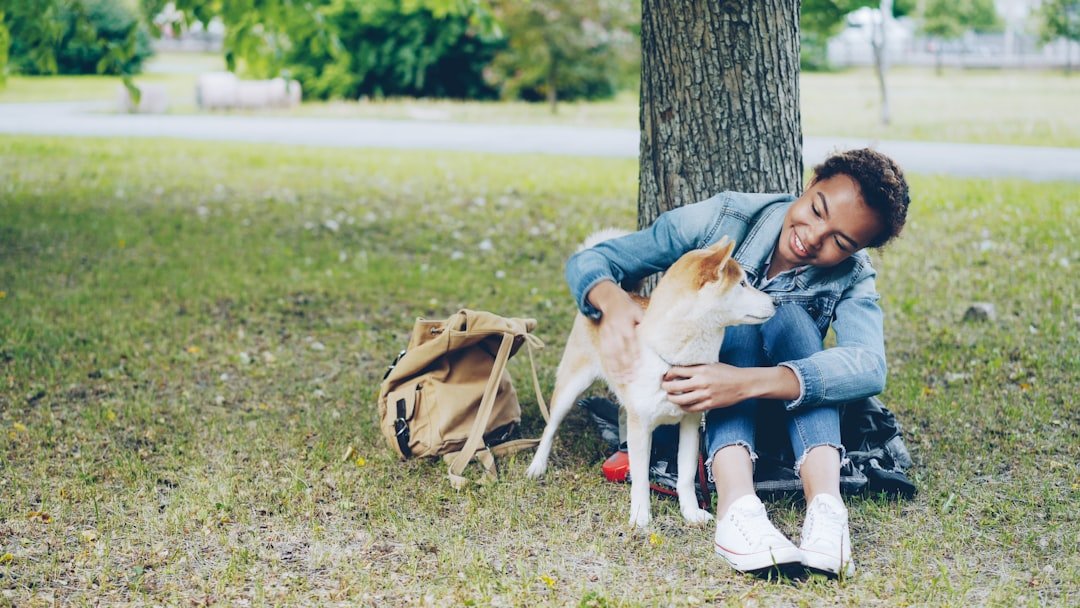
The next time your dog won’t leave your side or seems unusually concerned about you, don’t dismiss their behavior as mere attention-seeking. As Dr. Burch explains, “Considering that dogs can detect cancer, diabetes, and seizures, we have every reason to believe that our dogs know when we are sick.” Your dog might be trying to tell you something important about your health, using the only language they have – their behavior and devotion.
Our canine companions have evolved alongside us for thousands of years, developing an almost supernatural ability to read our physical and emotional states. They’re not just pets – they’re partners in our wellbeing, equipped with senses and instincts that often surpass our most sophisticated medical equipment. The bond between humans and dogs continues to amaze scientists and pet owners alike, reminding us that sometimes the most profound care comes on four legs and never asks for anything in return except our love.
What would we do without these incredible creatures watching over us?